








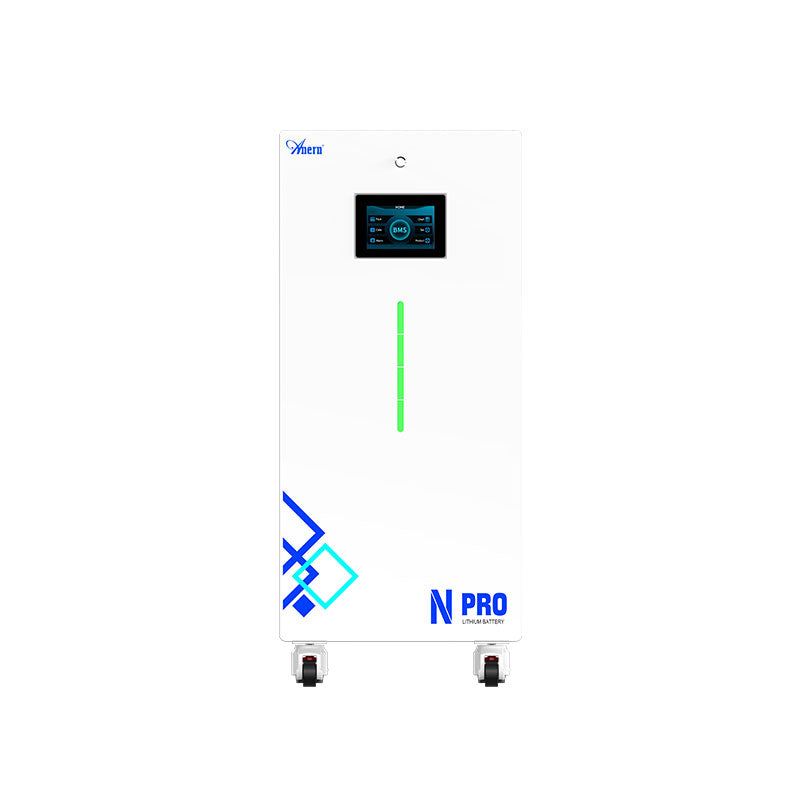


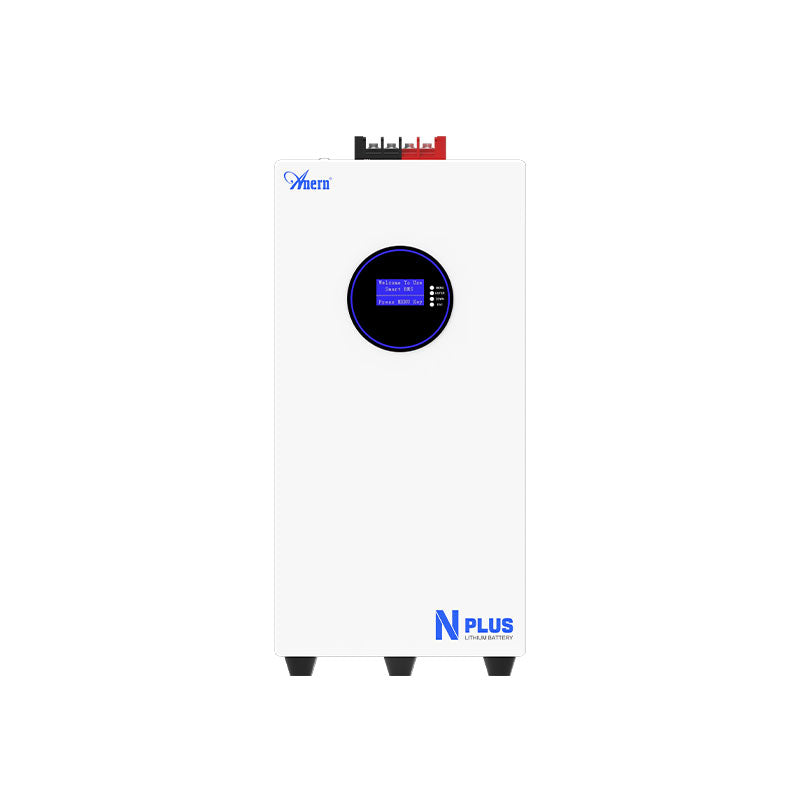
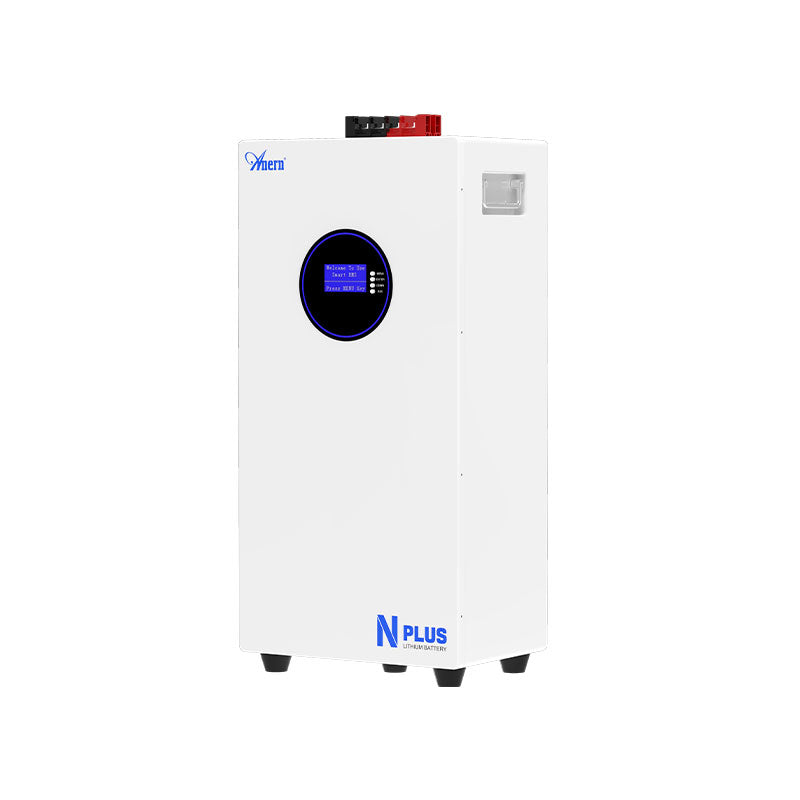




Properly sizing a battery system is the most critical step in designing a reliable off-grid or backup power solution. An undersized system leads to frustrating power shortages and can shorten battery life, while an oversized one means unnecessary expense. This case study provides a practical, step-by-step process for sizing a 48V LiFePO4 battery system to achieve maximum runtime, focusing on real-world application and precise calculations.
Step 1: Conduct a Thorough Energy Audit
Before you can determine your battery capacity, you must first understand your energy consumption. This process, often called an energy audit, involves listing every electrical appliance you intend to power and estimating its daily usage. A detailed audit is the foundation of an accurate system design.
Identifying Your Loads
Create a comprehensive list of all AC and DC appliances. For each item, find its power consumption in watts (W), which is usually printed on a label or in the user manual. If only amps and volts are listed, you can calculate watts by multiplying the two (Watts = Volts x Amps). Pay special attention to devices with high power draws, like pumps, refrigerators, or power tools, as they significantly impact the total calculation.
Calculating Daily Watt-Hours (Wh)
Once you have the wattage for each device, estimate how many hours it will run per day. Multiply the wattage by the hours of operation to get the daily energy consumption in Watt-hours (Wh). Summing the Wh for all devices gives you your total daily energy requirement. According to research from institutions like IRENA, custom system designs based on specific energy needs are far more effective, as highlighted in their report, Electrification with renewables: Enhancing healthcare delivery in Mozambique.
| Appliance | Power (Watts) | Hours of Use/Day | Daily Energy (Wh) |
|---|---|---|---|
| LED Lights (x5) | 50 W | 6 hours | 300 Wh |
| Refrigerator | 150 W | 8 hours (cycle) | 1200 Wh |
| Laptop Charger | 65 W | 5 hours | 325 Wh |
| Water Pump | 500 W | 0.5 hours | 250 Wh |
| Fan | 75 W | 4 hours | 300 Wh |
| Total Daily Consumption | 2375 Wh |
Step 2: Converting Energy Needs to Battery Capacity
With your total daily energy needs calculated, the next step is to translate that into the required battery capacity in Amp-hours (Ah) for a 48V system. This involves a few key calculations and considerations unique to LiFePO4 battery chemistry.
The Core Calculation
The basic formula to convert Watt-hours to Amp-hours is straightforward:
Required Ah = Total Daily Wh / System Voltage
For our case study, with a daily need of 2375 Wh and a 48V system:
83.3 Ah = 2375 Wh / 48V
This initial figure, however, is just the starting point. Several other factors must be considered for a resilient and long-lasting system.
Factoring in Depth of Discharge (DoD)
Depth of Discharge (DoD) refers to the percentage of the battery's capacity that is used. LiFePO4 batteries have a significant advantage over traditional lead-acid batteries, as they can be safely discharged to 80-90% or even 100% without significant degradation. In contrast, lead-acid batteries are typically limited to a 50% DoD to preserve their lifespan. To maximize the cycle life of your LiFePO4 system, a conservative DoD of 80% is often recommended.
Adjusted Ah = Required Ah / DoD
104.1 Ah = 83.3 Ah / 0.80
Step 3: Planning for Autonomy and System Inefficiencies
A truly reliable off-grid system must function even when solar generation is low. This is where planning for 'days of autonomy'—the number of consecutive cloudy or stormy days the system can endure—becomes essential.
Calculating for Days of Autonomy
For most residential applications, planning for 2 to 3 days of autonomy is a common practice. This ensures your system can carry you through periods of inclement weather without needing a backup generator. The calculation is a simple multiplication:
Total Capacity Ah = Adjusted Ah x Days of Autonomy
Assuming we want 2 days of autonomy:
208.2 Ah = 104.1 Ah x 2
Accounting for System Losses
No energy system is 100% efficient. Energy is lost during the conversion of DC power from the batteries to AC power for your appliances through the solar inverter. Inverter efficiency is typically around 90-95%. It is prudent to add a buffer of about 15% to your calculation to account for these inefficiencies and other minor losses.
Final Sized Capacity = Total Capacity Ah x 1.15 (Inefficiency Factor)
239.4 Ah = 208.2 Ah x 1.15
Based on this comprehensive calculation, a 48V LiFePO4 battery bank with a capacity of at least 250 Ah would be the appropriate choice for this case study to ensure maximum runtime and reliability.
Step 4: Selecting the Right System Components
Once the battery capacity is determined, you can select the other key components. A 48V system offers distinct advantages for larger power needs, primarily by keeping amperage lower, which allows for smaller, less expensive wiring and reduces heat loss. The International Energy Agency (IEA) notes the rapid growth of battery storage, emphasizing the need for effective system integration to maximize value. As detailed in The Role of Critical Minerals in Clean Energy Transitions, matching components is key to performance.
Solar Inverter and Charge Controller
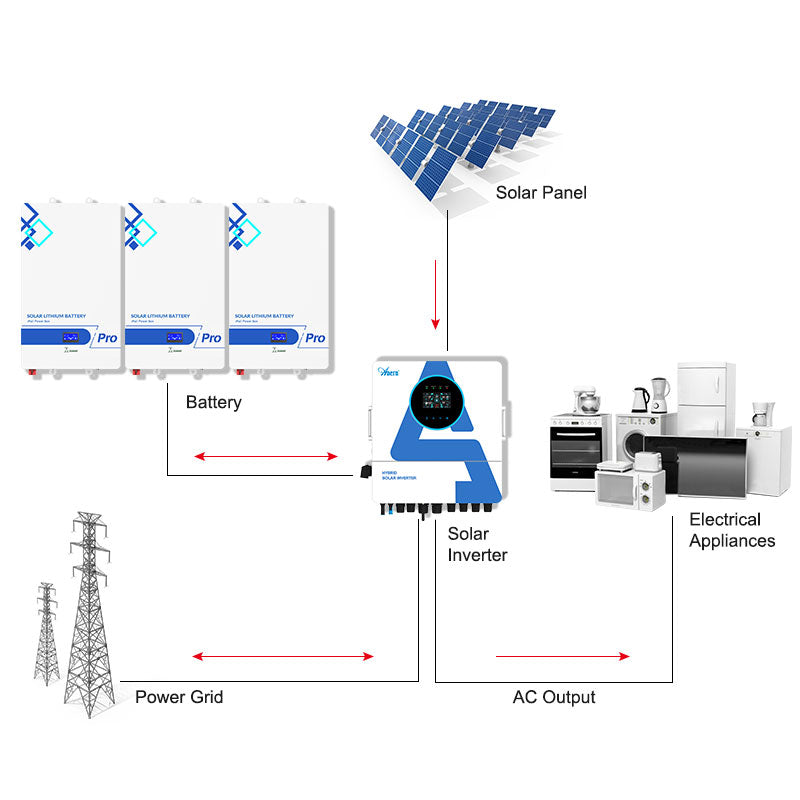
The solar inverter must be a 48V model capable of handling your peak load (the sum of all appliances running simultaneously). The solar charge controller must also be compatible with a 48V battery bank and sized to handle the output from your solar panel array.
The Value of LiFePO4 Chemistry
Choosing LiFePO4 technology is crucial for maximizing runtime. Its high efficiency and deep discharge capabilities mean you get more usable energy out of a smaller, lighter battery compared to lead-acid alternatives. For a deeper analysis of how battery chemistry impacts real-world use, reviewing data on solar storage performance metrics provides valuable insights into efficiency and cycle life.
A Final Word on Sizing
Sizing a 48V LiFePO4 battery system is a process of careful planning and calculation. By starting with a detailed energy audit, accounting for critical factors like Depth of Discharge and days of autonomy, and considering system inefficiencies, you can design a robust energy storage solution. This methodical approach ensures your system will deliver reliable power, achieve maximum runtime, and provide energy independence for years to come. As noted by the IEA in their China Power System Transformation report, well-designed battery systems are essential for providing the flexibility needed in modern power systems.
Disclaimer: This article is for informational purposes only and does not constitute professional engineering or financial advice. Consult with a qualified installer for your specific energy needs.
Frequently Asked Questions
How does temperature affect the runtime of a LiFePO4 battery?
Temperature can impact battery performance. High temperatures can accelerate degradation over time, while extremely cold temperatures (below freezing) can temporarily reduce the battery's capacity and ability to accept a charge. It is best to install battery systems in a temperature-controlled environment to ensure optimal performance and longevity.
Can I expand my 48V battery bank later?
Yes, one of the benefits of a modular LiFePO4 system is scalability. You can typically add more batteries in parallel to increase your total capacity. However, it is important to use batteries of the same model, age, and chemistry. Always follow the manufacturer's guidelines for expansion to ensure proper system balancing and safety.
Why choose a 48V system over a 12V or 24V system?
A 48V system is generally more efficient for larger power requirements (typically above 3000 watts). By operating at a higher voltage, the current (amps) is lower for the same amount of power. This allows for the use of thinner, less expensive wiring and reduces energy loss due to heat, making the entire system more efficient.
