













Solar energy offers a clean, sustainable path to power homes and businesses. Yet, the sun's presence is not constant; it varies with weather patterns and seasonal shifts. Understanding how these elements affect photovoltaic (PV) system output is crucial for maximizing efficiency and ensuring a reliable energy supply. This analysis delves into the intricate relationship between meteorological conditions and solar performance, drawing insights from extensive PV fleet data.

The Intricate Dance: Weather's Influence on Solar Output
Weather plays a significant role in determining how much electricity a solar PV system generates. Factors like cloud cover, ambient temperature, and even wind can alter a system's performance. Gaining a clear picture of these impacts allows for more accurate energy predictions and better system management.
Cloud Cover and Irradiance
Clouds are perhaps the most noticeable weather factor affecting solar panels. When clouds pass over, they block direct sunlight, reducing the amount of solar radiation, or irradiance, reaching the panels. This reduction directly translates to lower power output. Even thin clouds can scatter sunlight, leading to a decrease in efficiency. Heavy, dark clouds can significantly diminish output, sometimes by 70% or more, compared to a clear, sunny day.
Temperature Dynamics: Cold vs. Heat
While sunlight is essential, temperature also influences PV module efficiency. Interestingly, PV panels generally perform better in cooler temperatures, provided there is ample sunlight. Silicon-based solar cells, the most common type, experience a slight drop in efficiency as their temperature increases. For every degree Celsius above 25°C (77°F), a typical crystalline silicon panel's efficiency can decrease by approximately 0.3% to 0.5%. This means a very hot, sunny day might yield less power than a moderately warm, equally sunny day. Conversely, cold, clear, and sunny days often produce optimal results because the panels operate at a lower temperature, enhancing their electrical conductivity.
Seasonal Rhythms and Solar Performance
Beyond daily weather fluctuations, the changing seasons bring predictable variations in solar output. These seasonal rhythms are primarily driven by changes in daylight hours and the sun's angle in the sky.
Daylight Hours and Sun Angle
During summer months, longer daylight hours and a higher sun angle mean that solar panels receive more direct sunlight for extended periods. This typically results in higher overall energy production. In contrast, winter brings shorter days and a lower sun angle, leading to reduced sunlight exposure and, consequently, lower PV output. For instance, a system in the northern hemisphere will generally produce significantly less energy in December compared to July due to these factors.
Adapting to Seasons
Understanding seasonal variations helps in planning energy consumption and designing appropriately sized solar systems. For systems with adjustable tilt, optimizing the panel angle for winter and summer can help capture more sunlight. However, for most fixed-tilt residential systems, the design typically balances year-round performance. The long-term performance data helps in setting realistic expectations for solar production throughout the year.
Unveiling Insights: The Power of PV Fleet Data
To truly understand how PV systems perform in diverse conditions, comprehensive data collection and analysis are indispensable. Initiatives focused on monitoring large fleets of solar installations provide invaluable insights into real-world performance.
Data Collection Initiatives
The U.S. Department of Energy's Solar Energy Technologies Office (SETO), in collaboration with the National Renewable Energy Laboratory (NREL), launched the PV Fleet Performance Data Initiative. This project began collecting performance data from a nationally representative sample of PV plants in 2019. Over three years, data was logged every 15 minutes from 2,200 solar sites, representing approximately 10% of all non-residential photovoltaic systems. This immense trove of information allows for detailed analysis of solar power productivity across the country.
Key Discoveries
The NREL team analyzed data from nearly 19,000 inverters across commercial, industrial, and utility-scale systems. Their findings shed light on various factors impacting long-term solar PV system performance. These include module technology, system size, and geographical location. For example, data can reveal how different module types perform under specific regional weather patterns, or how system degradation rates vary based on climate. This data-driven approach allows for more efficient operation of PV installations and supports the deployment of more projects nationwide.
| Factor | Impact on Output | Notes |
|---|---|---|
| Cloud Cover | Significant reduction | Directly reduces irradiance; heavy clouds can reduce output by 70%+ |
| Temperature (High) | Slight reduction | Efficiency drops ~0.3-0.5% per °C above 25°C |
| Temperature (Low) | Slight increase | Panels operate more efficiently in cooler conditions |
| Daylight Hours | Direct correlation | Longer hours in summer mean more production |
| Sun Angle | Direct correlation | Higher angle in summer optimizes direct sunlight capture |
| Dust/Soiling | Reduction | Accumulation on panels blocks sunlight |
Building Resilience: Practical Solutions for Variable Solar Energy
The variability of solar energy due to weather and seasons presents challenges, but also opportunities for innovative solutions. Leveraging insights from PV fleet data enables the development of more resilient and reliable solar energy systems.
Optimizing System Design
Understanding how weather impacts solar performance allows for more informed system design. For instance, in areas with frequent cloud cover, system designers might opt for slightly oversized arrays or consider technologies that perform better in diffuse light. Data on typical local weather patterns helps in selecting the most appropriate solar panel technology and system configuration to maximize energy harvest over the system's lifetime.
The Role of Energy Storage
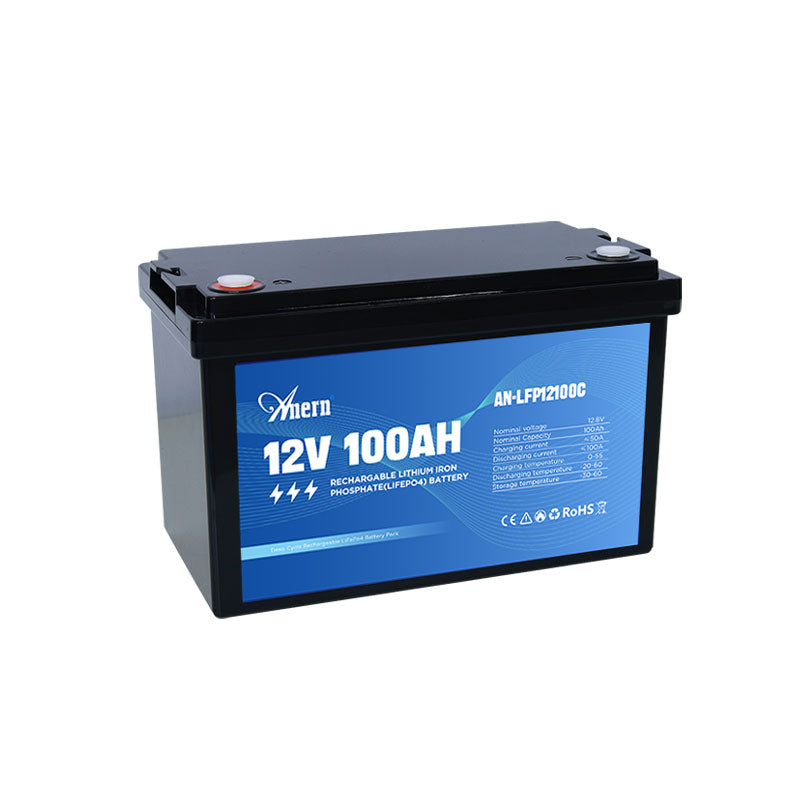
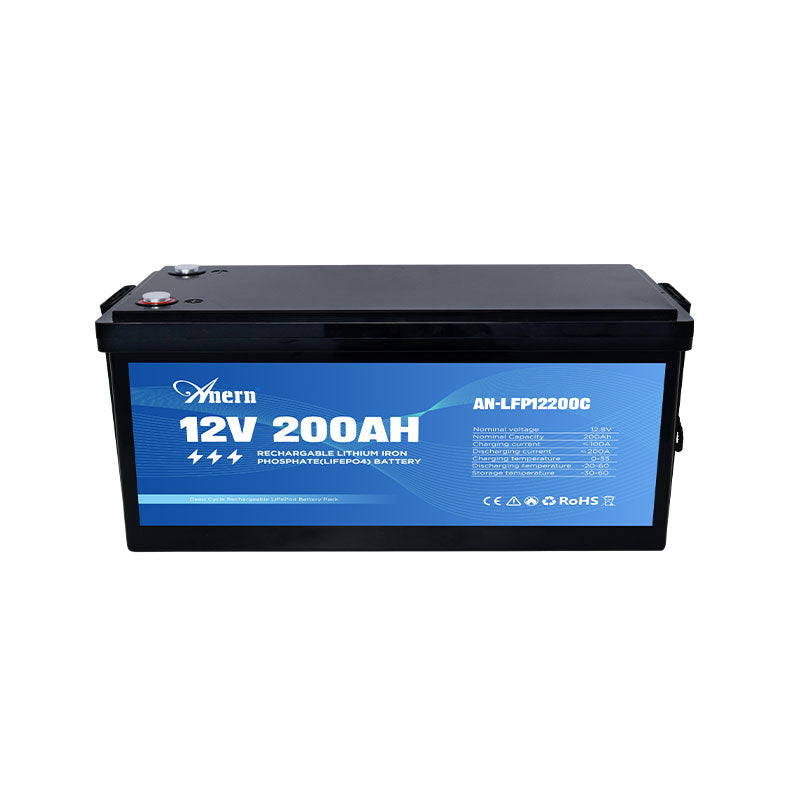
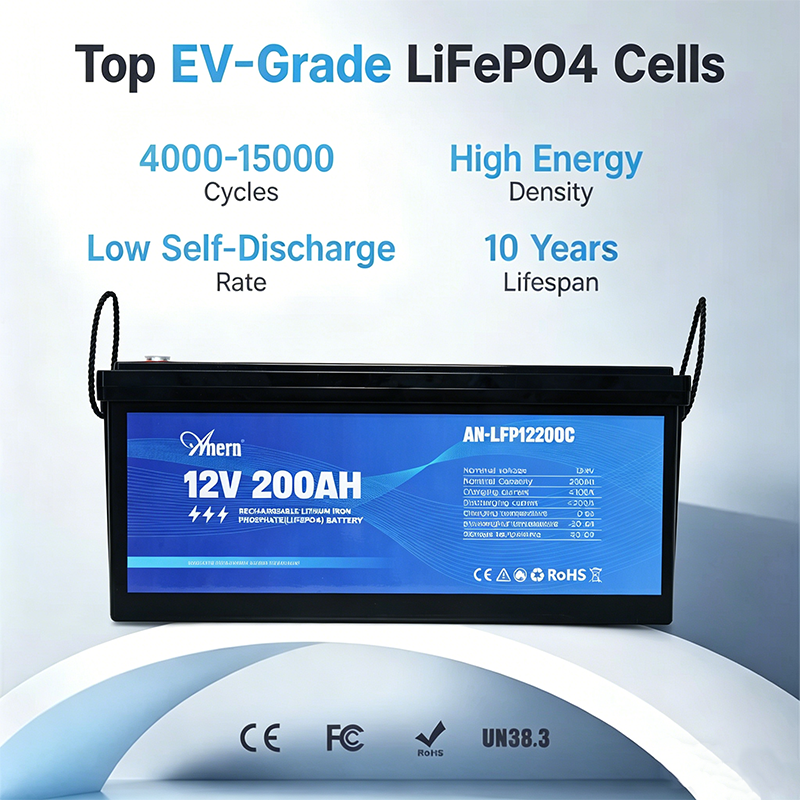
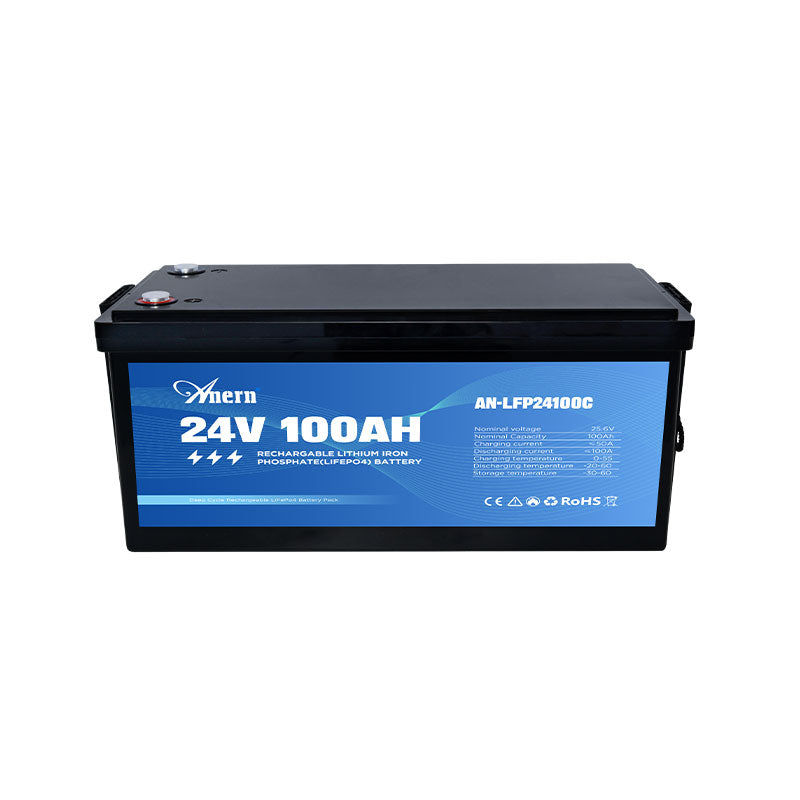
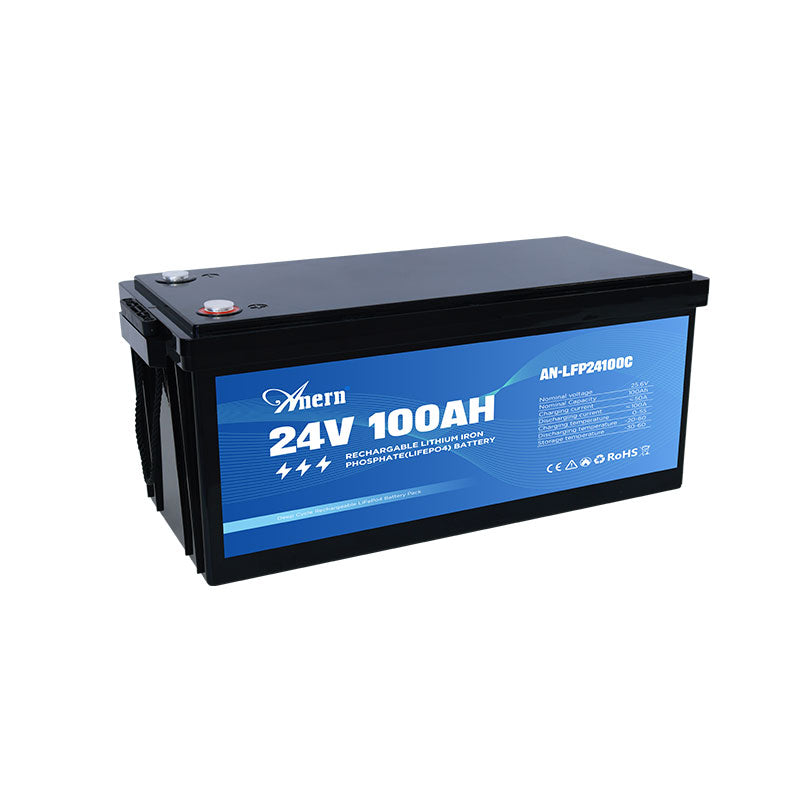
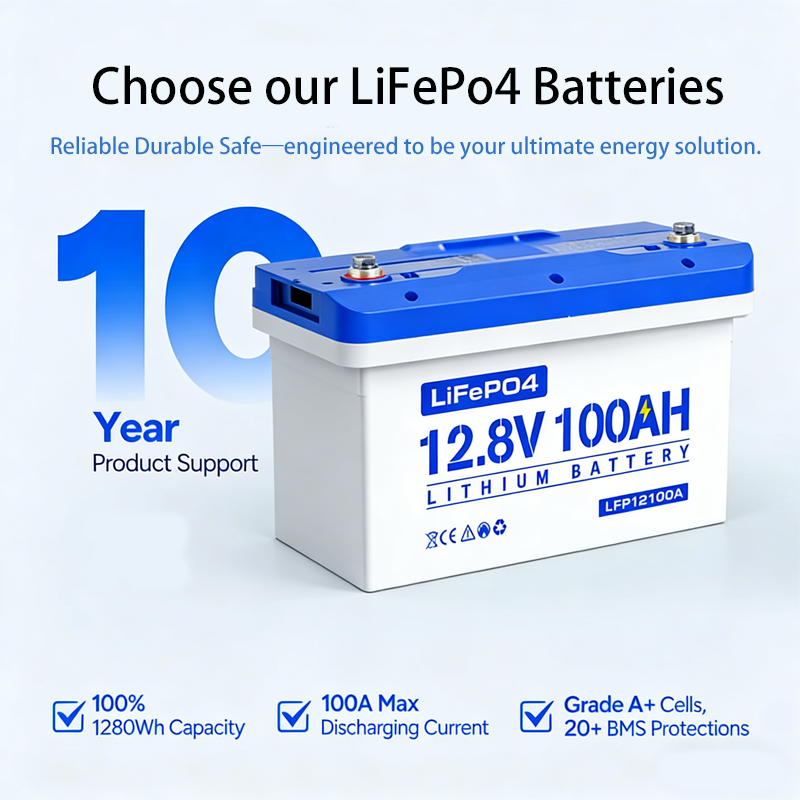
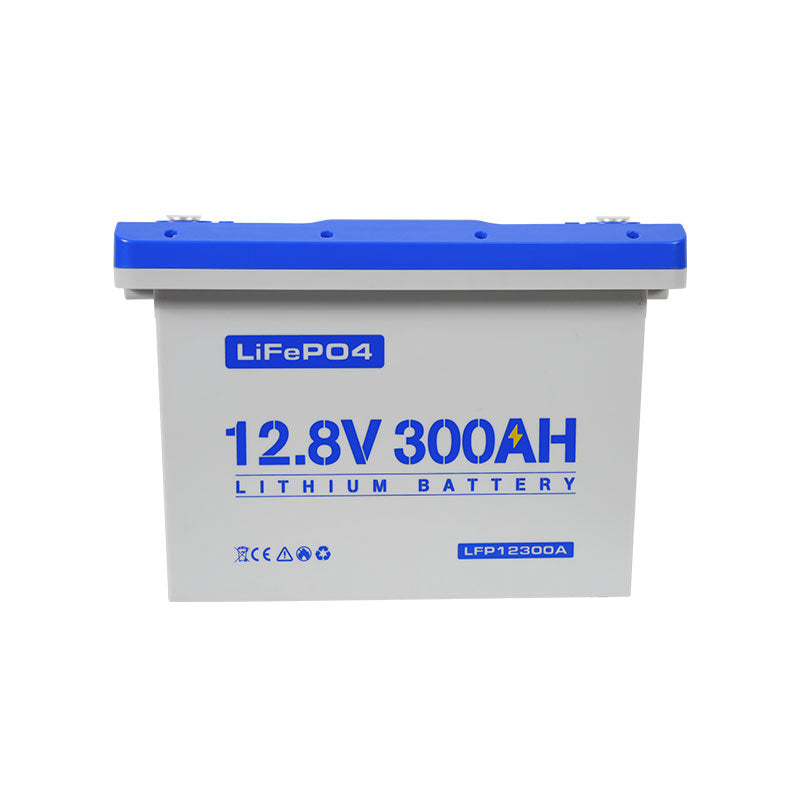
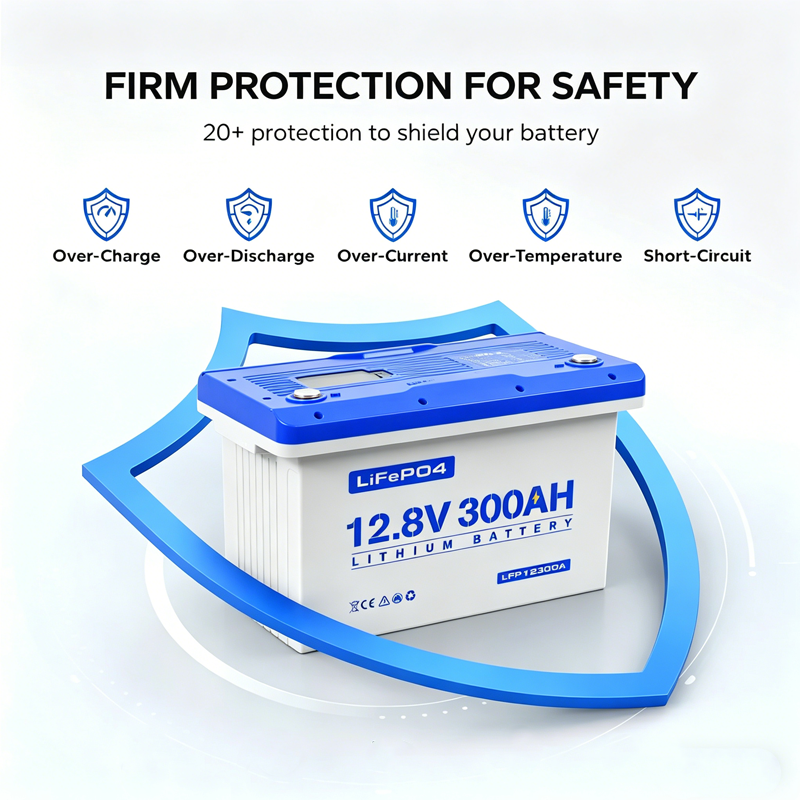
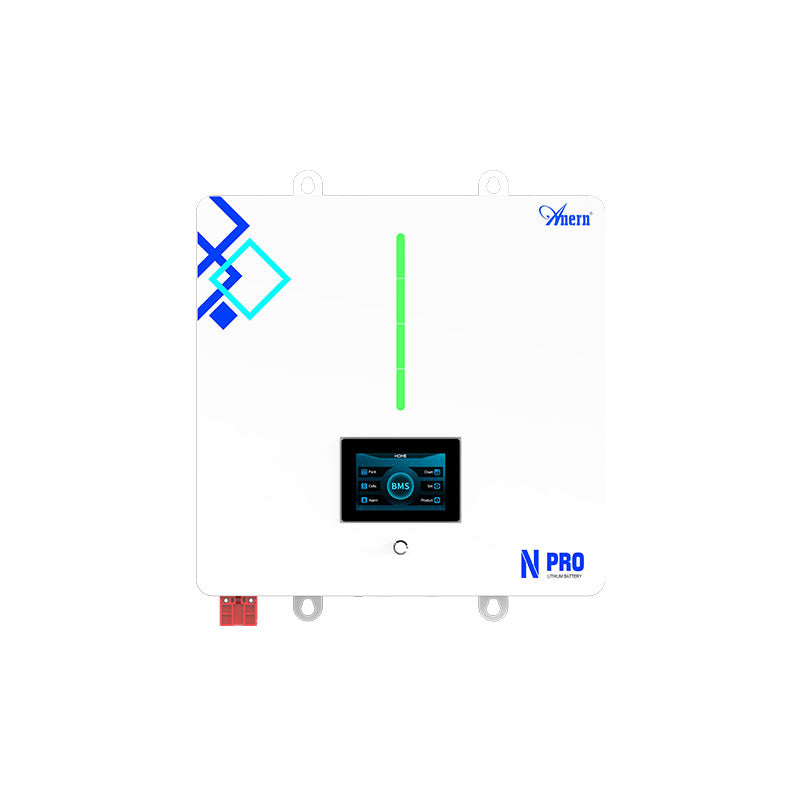
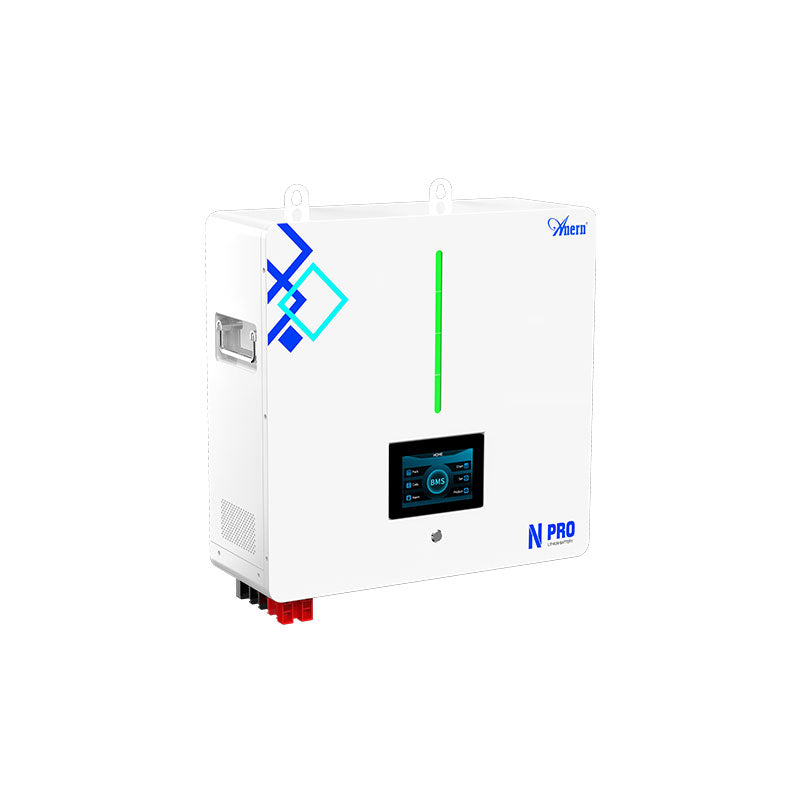
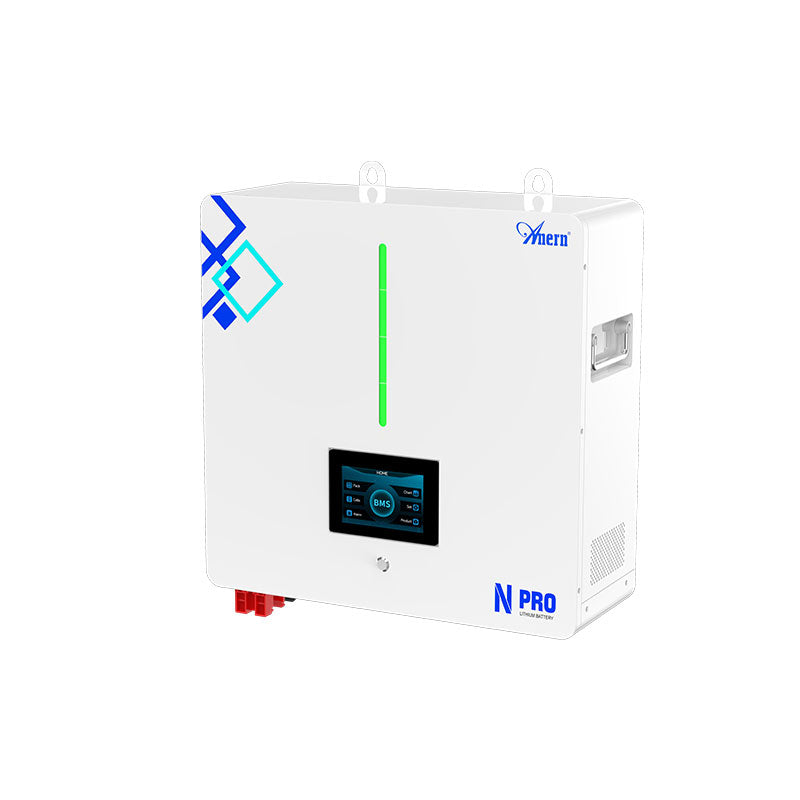
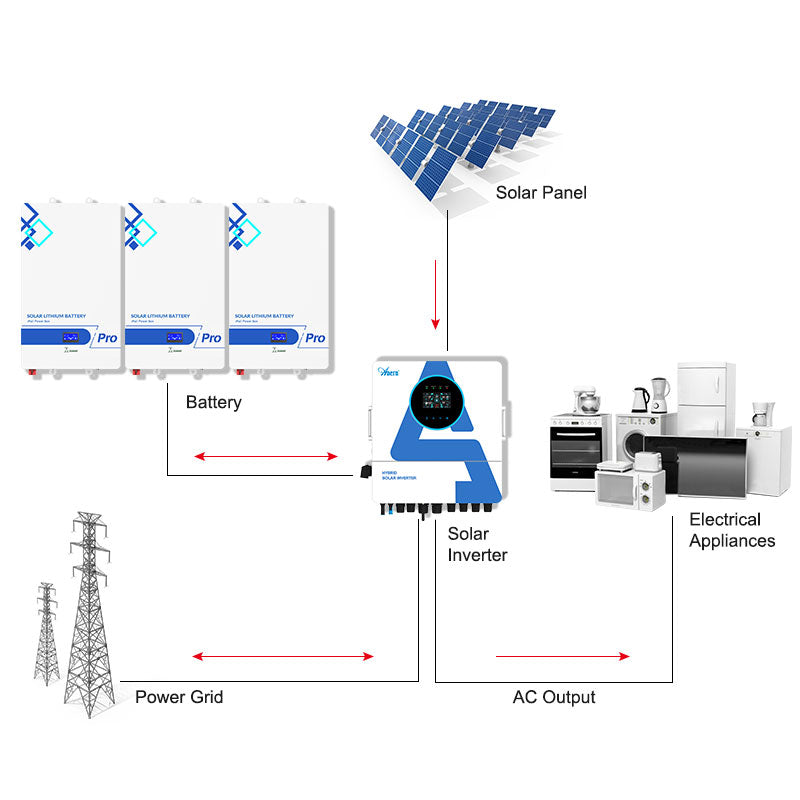
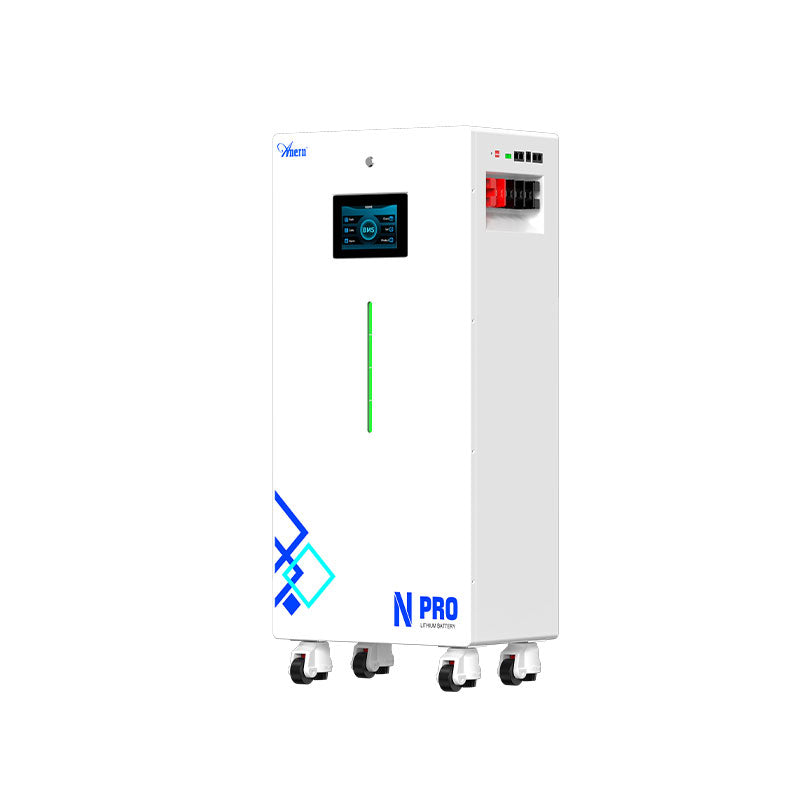
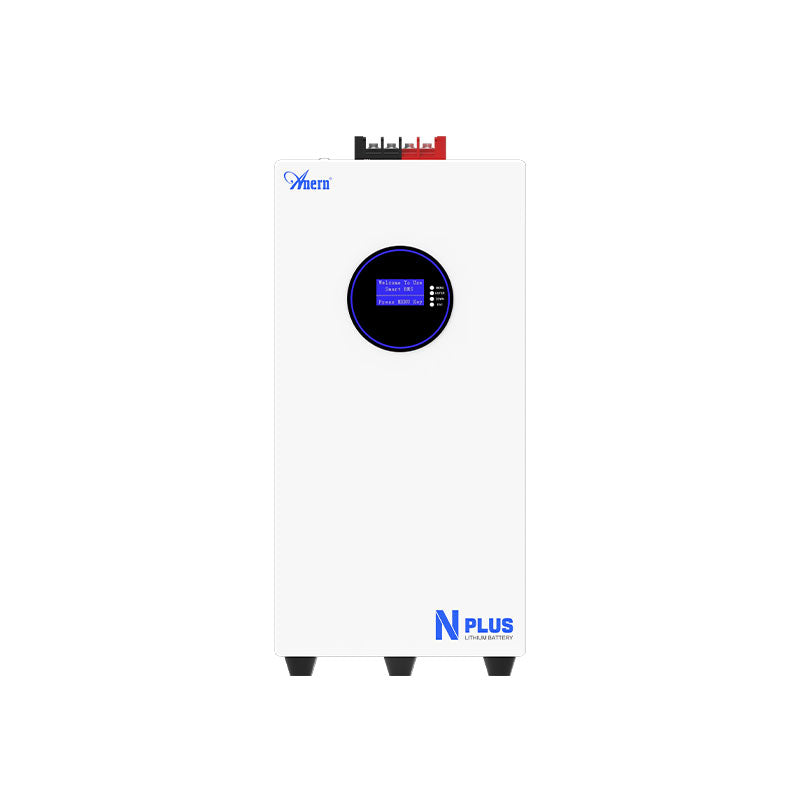
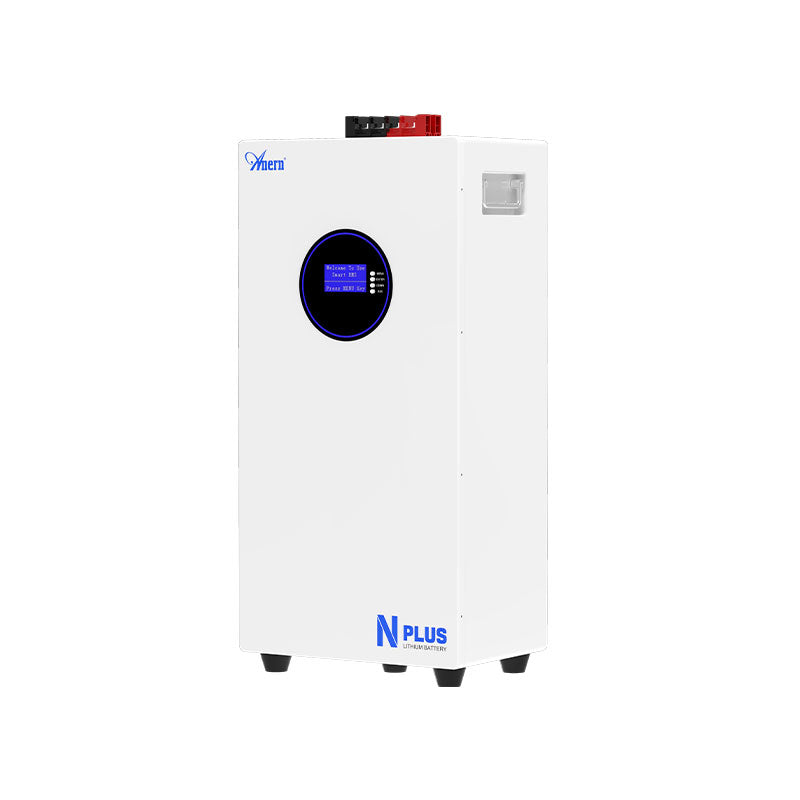
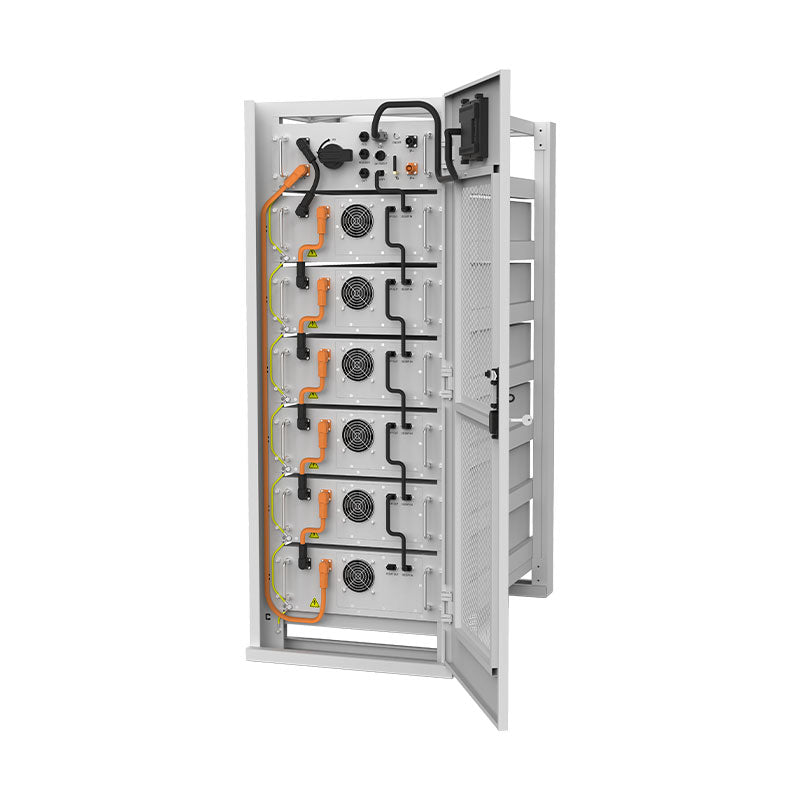
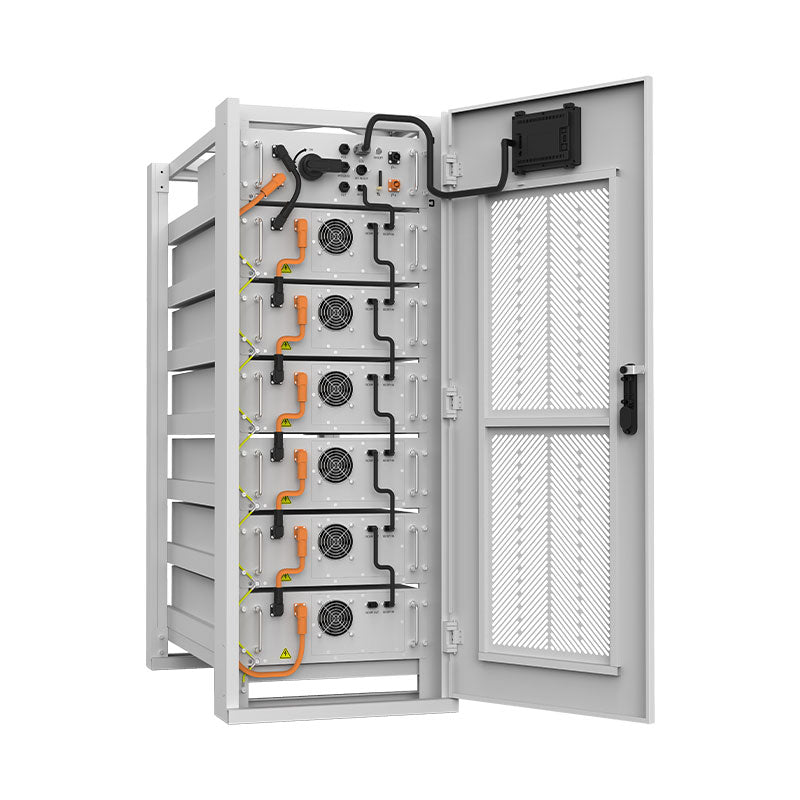
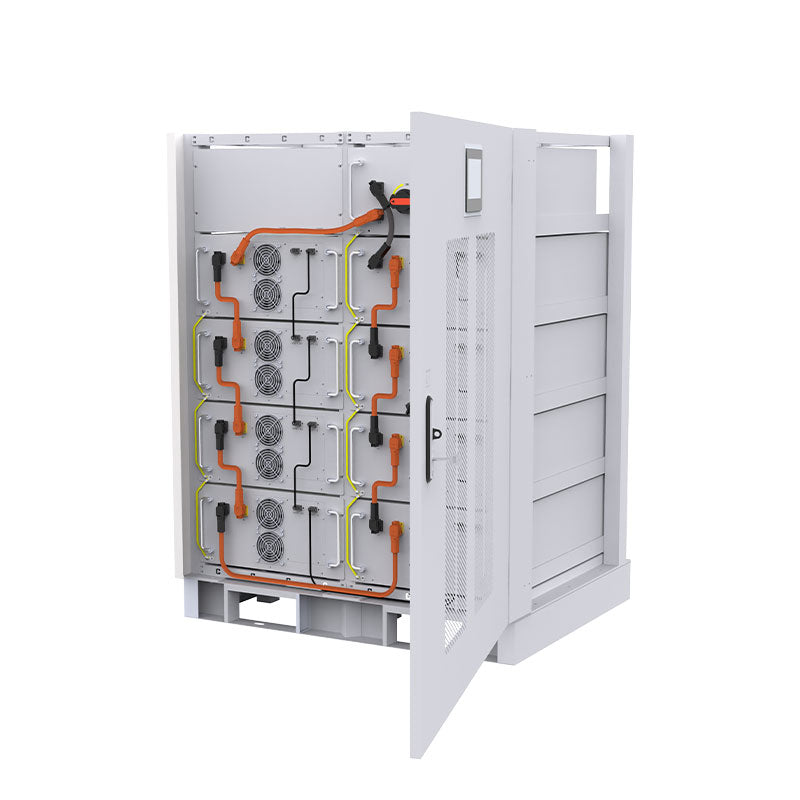
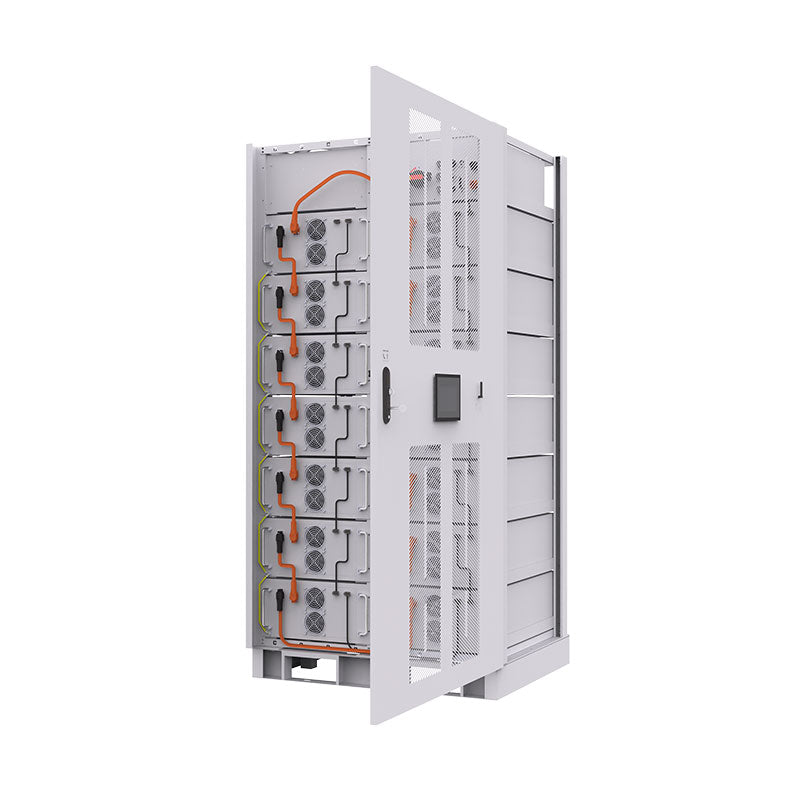
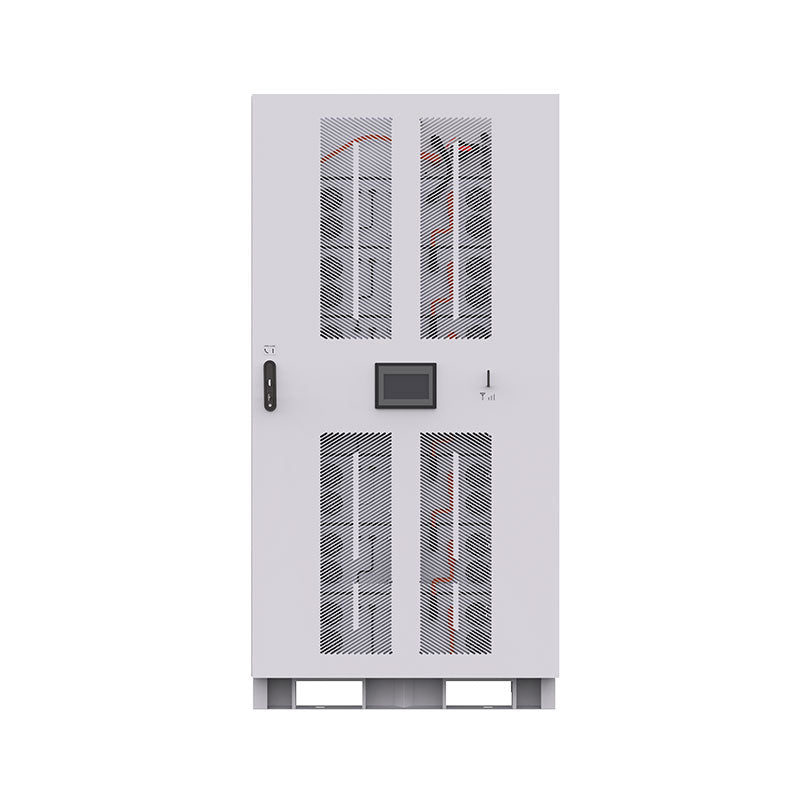
One of the most effective ways to mitigate the intermittent nature of solar power is through integrated energy storage. High-performance, safe, and reliable lithium iron phosphate (LiFePO4) batteries are an excellent choice for this purpose. When the sun shines brightly and PV output is high, excess energy can be stored in these batteries instead of being sent back to the grid or wasted. When clouds pass over, at night, or during periods of low solar production, the stored energy can be discharged, providing a continuous and stable power supply. This integration creates a robust home energy storage system that combines lithium batteries, a hybrid inverter, and solar panels, offering true energy independence. For locations without grid access, off-grid solar solutions powered by these battery systems provide reliable electricity for homes, farms, and remote cabins.
Advanced Inverters
Solar inverters play a critical role in optimizing PV output. These devices convert the direct current (DC) electricity generated by solar panels into alternating current (AC) electricity usable by homes and businesses. Modern solar inverters feature advanced maximum power point tracking (MPPT) algorithms that continuously adjust to find the optimal operating point for the solar array, even under fluctuating conditions like partial shading or varying temperatures. This ensures that the system extracts the maximum possible power from the panels at any given moment, enhancing overall system efficiency and resilience to weather impacts.
A Forward Look
The journey towards greater energy independence relies on understanding and adapting to the natural world. By meticulously analyzing PV fleet data, we gain a clearer picture of solar performance under various weather conditions and across different seasons. This knowledge empowers the development of more efficient and reliable solar energy solutions. Integrating advanced energy storage systems with high-quality solar components allows you to harness solar power effectively, ensuring a consistent and sustainable energy future, regardless of the weather outside.
