













Solar energy is transforming how we power our lives and businesses. It offers a clean, abundant, and renewable alternative to traditional energy sources. The transition to solar is happening at a rapid pace. Solar PV generation increased by a record 320 terawatt-hours (TWh) in 2023, a 25% rise from 2022. In fact, solar PV accounted for approximately three-quarters of the 510 gigawatts (GW) of renewable energy added globally in 2023. By 2024, solar power generated over 2,000 TWh, making up 7% of global electricity generation. This growth reflects a clear shift towards sustainable power.
You might wonder how sunlight, seemingly just warmth and light, transforms into the electricity that powers your home. This article will demystify that process, explaining the core principles and components that make solar energy a practical reality.
The Photovoltaic Effect Demystified
At the heart of solar electricity generation lies a scientific phenomenon known as the photovoltaic effect. This effect allows certain materials to convert light directly into an electric current.
What is the Photovoltaic Effect?
The photovoltaic effect is the fundamental process by which a photovoltaic (PV) cell generates voltage or electric current when exposed to sunlight. It was first observed by French physicist Edmond Becquerel in 1839. He noticed that the voltage of an electrochemical cell increased when its silver plates were exposed to sunlight. This discovery laid the groundwork for modern solar technology.
How Solar Cells Work
A solar cell, also called a PV cell, is a non-mechanical device that converts sunlight directly into electricity. These cells are typically made from semiconductor materials, most commonly silicon. Semiconductors conduct electricity better than an insulator but not as well as a pure metal. A PV cell consists of two layers of semiconductor material: one is "n-type" (negative) and the other is "p-type" (positive). When these two types of semiconductors join, they create a 'p-n junction' with an electric field.
Sunlight is composed of tiny packets of energy called photons. When photons strike the solar cell, they transfer their energy to electrons within the semiconductor material. If a photon carries enough energy, it can knock an electron loose from its atomic bond, creating a free electron and a "hole" where the electron used to be. The electric field at the p-n junction acts like a one-way street, pushing the free electrons to the n-type side and the holes to the p-type side. This separation of charges creates a voltage. When an external circuit connects to the cell, these electrons flow through the circuit to combine with the holes, generating an electric current.

Key Components of a Solar Cell
- Semiconductor Layers: Typically silicon, treated to create n-type and p-type regions.
- Conductive Contacts: Thin metal strips on the surface collect the electrons and allow them to flow out as current.
- Anti-Reflection Coating: A layer applied to the cell's surface to minimize light reflection and maximize absorption, improving efficiency. A high-efficiency cell often appears dark blue or black.
- Protective Glass: A durable top layer protects the delicate cell from environmental elements.
Building Blocks of a Solar Power System
Individual solar cells produce a small amount of power, typically 1 to 2 watts. To generate usable amounts of electricity, these cells are assembled into larger units.
From Cells to Panels
Many solar cells are connected in series and parallel to form a solar module, commonly known as a solar panel. Connecting cells in series increases the voltage, while connecting them in parallel increases the current. These panels are then encapsulated between protective materials, such as glass and plastics, to withstand outdoor conditions for many years.
Assembling Solar Arrays
For a complete solar energy system, multiple solar panels connect to form a solar array. The size of the array depends on the electricity demand you need to meet. For instance, a residential system might consist of several panels on a rooftop, while utility-scale solar farms can span acres with thousands of panels. The way panels are wired together in an array also determines the overall voltage and current delivered to the rest of the system.
The Complete Solar System
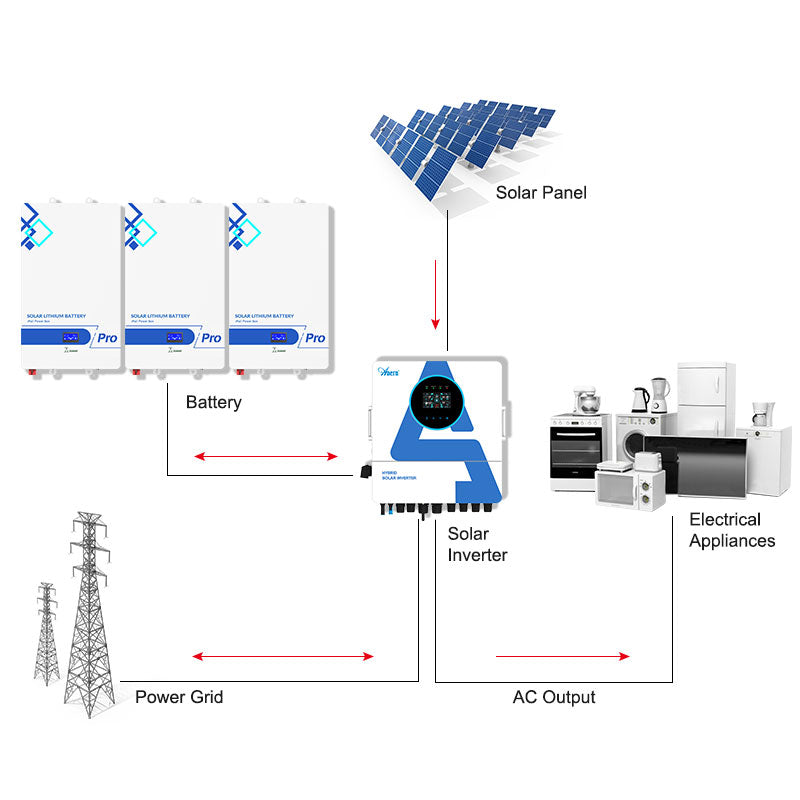
A functional solar energy system involves more than just panels. It includes:
- Solar Panels: Convert sunlight into direct current (DC) electricity.
- Inverter: Converts DC electricity from the panels into alternating current (AC) electricity, which is what most homes and businesses use.
- Mounting Structure: Securely holds the panels in place, often optimized for sun exposure.
- Electrical Wiring: Connects all components safely.
- Energy Storage (Optional but Recommended): Batteries store excess electricity for later use.
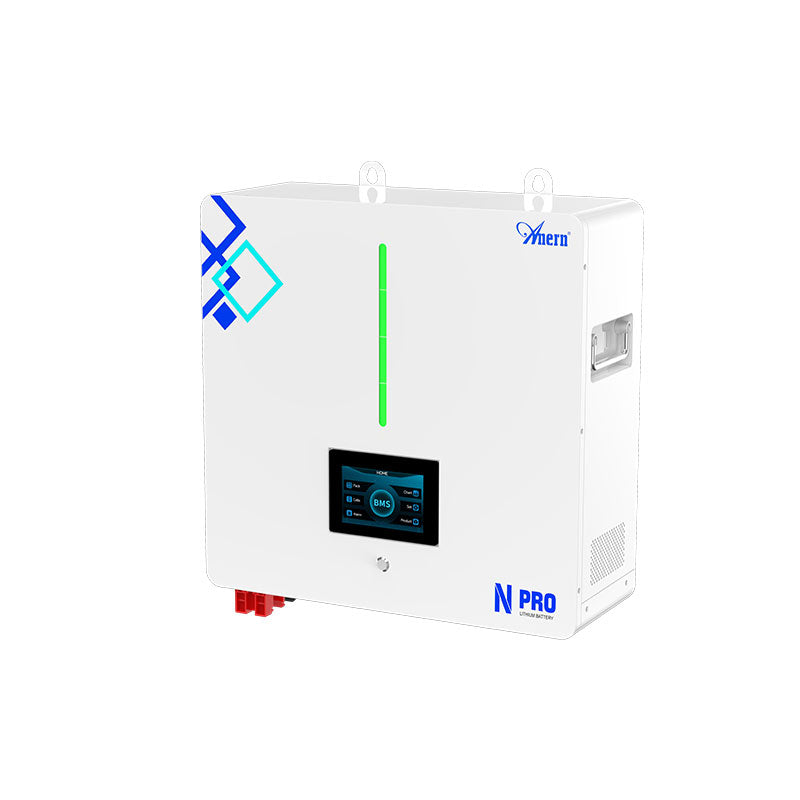
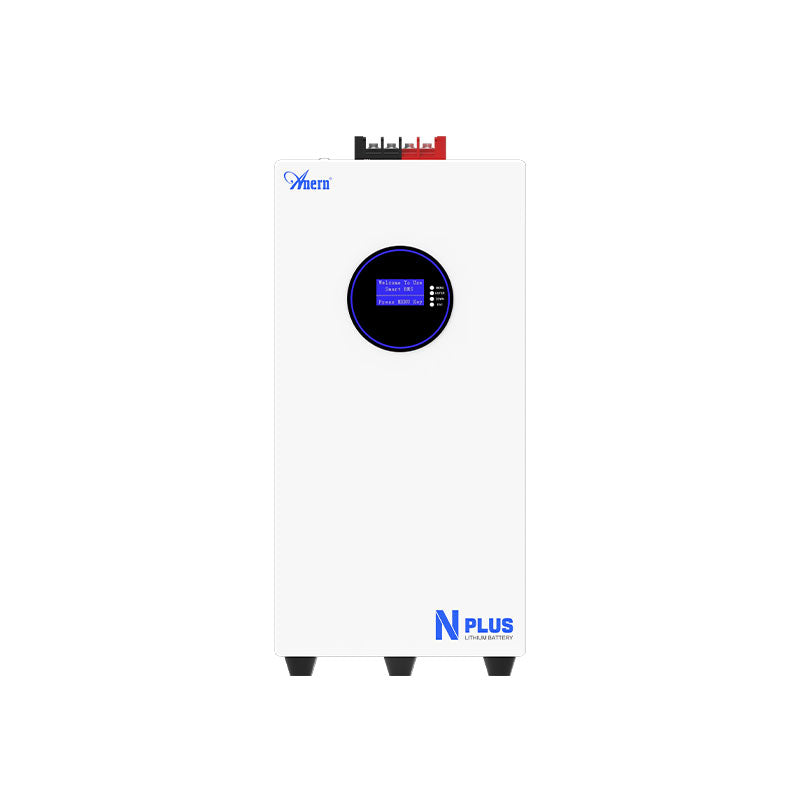
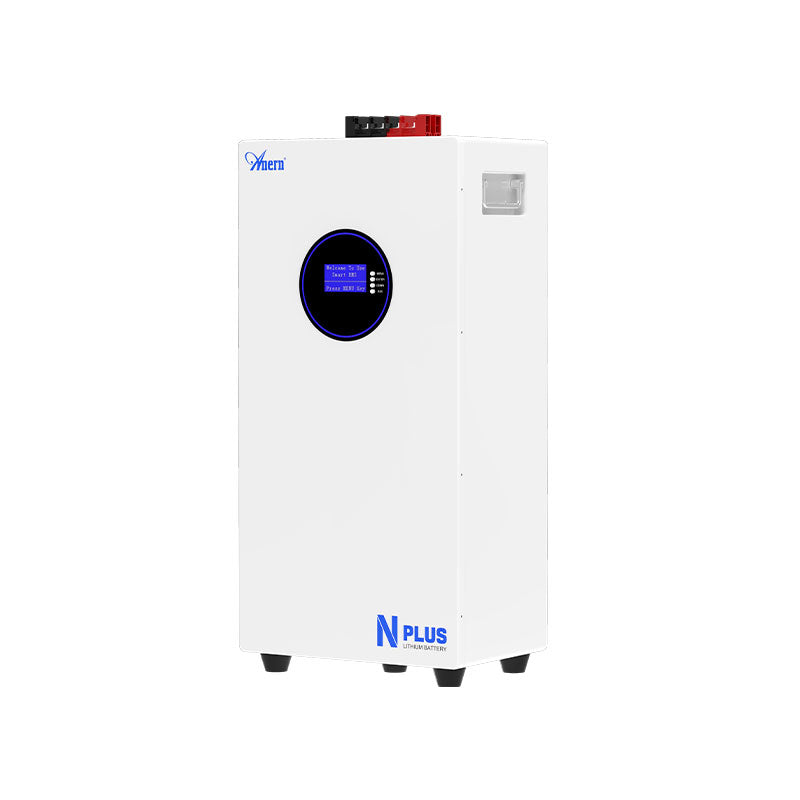
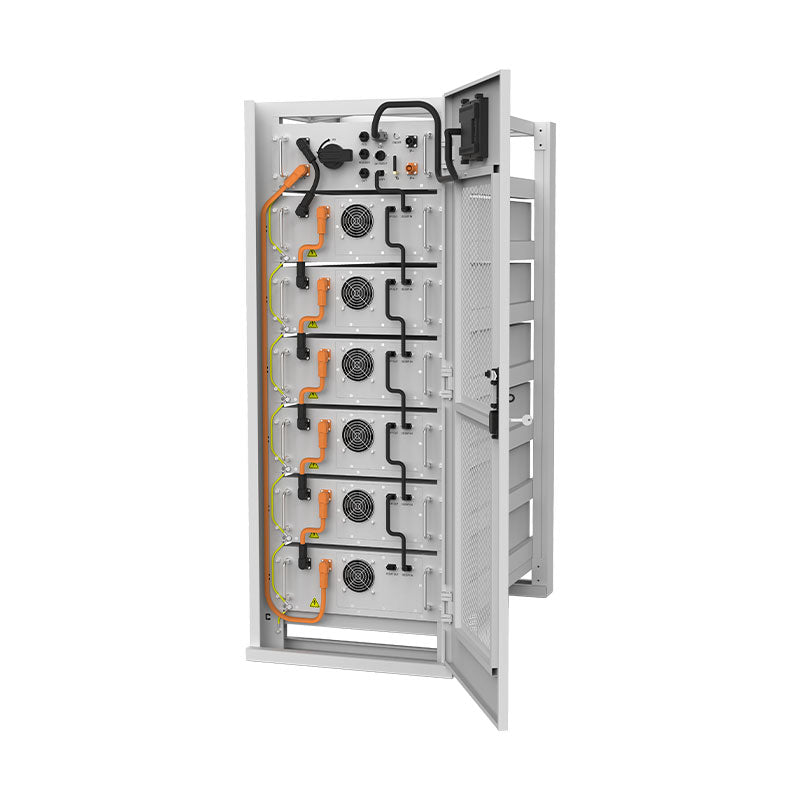
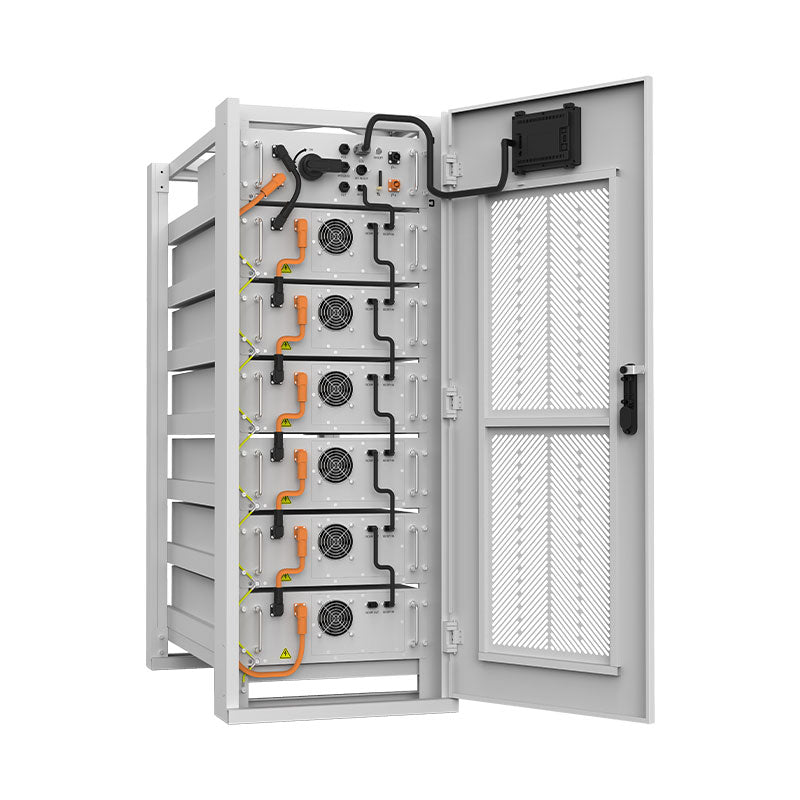
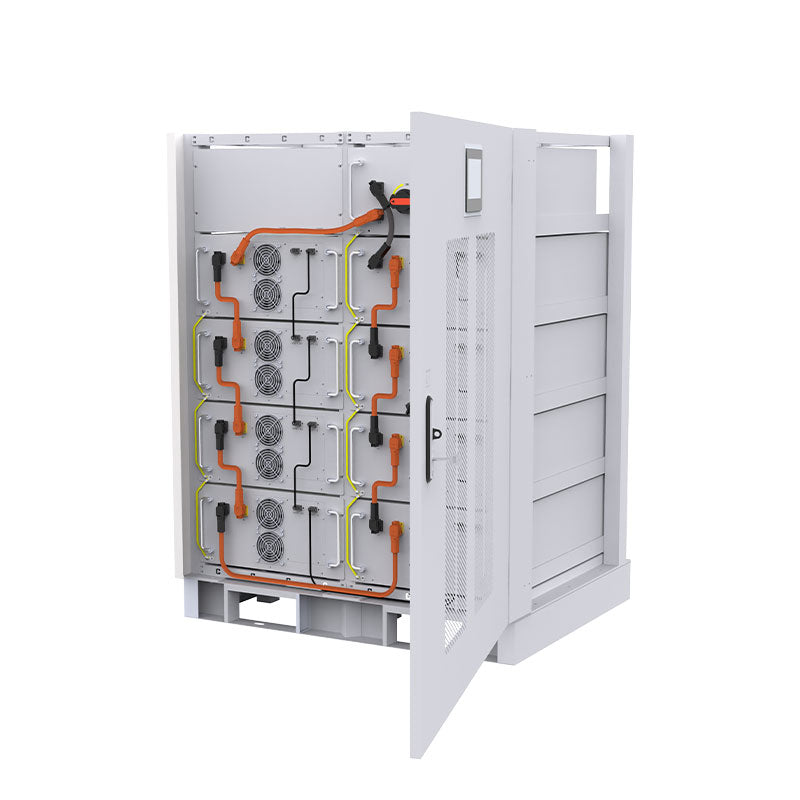
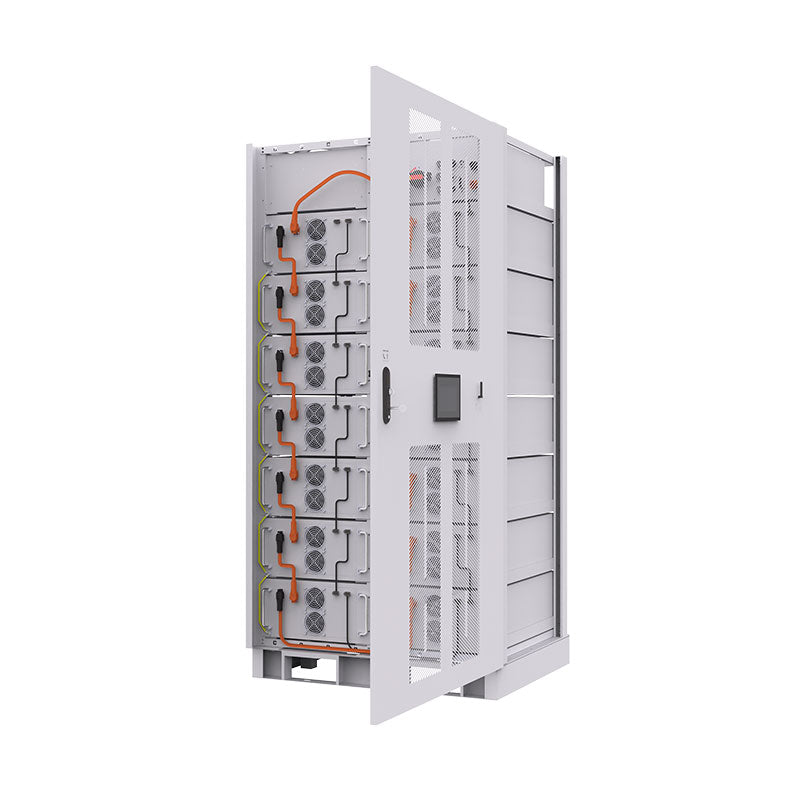
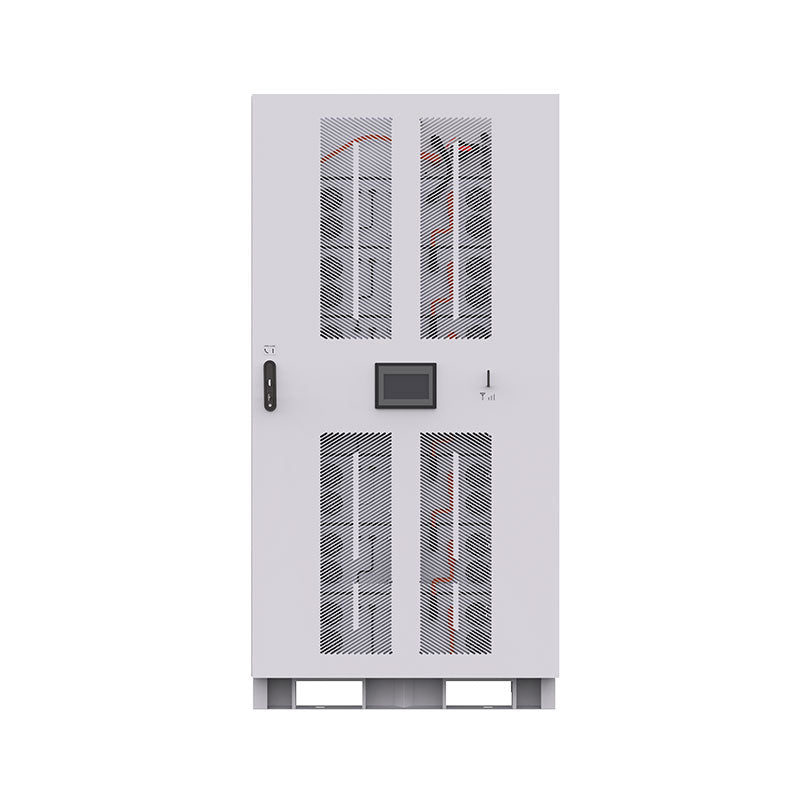
Our company develops integrated energy storage systems (ESS) that combine high-performance lithium batteries, advanced hybrid inverters, and solar panels. This integrated approach simplifies installation and optimizes energy management for your property.
Managing Your Solar Electricity
Generating electricity is just the first step. Effectively using and storing that power is equally important for energy independence.
The Inverter's Crucial Role
Solar panels produce direct current (DC) electricity. Most household appliances and the electricity grid operate on alternating current (AC). This is where the solar inverter becomes indispensable. The inverter converts the DC power from your solar panels into usable AC power. Modern solar inverters also often include monitoring capabilities, allowing you to track your system's performance.
The Power of Energy Storage
Solar panels generate electricity when the sun shines. However, your electricity needs extend beyond daylight hours. This is where energy storage, typically in the form of batteries, plays a vital role. Storing excess solar electricity allows you to use it at night, during cloudy periods, or in the event of a grid outage. This significantly enhances your energy independence.
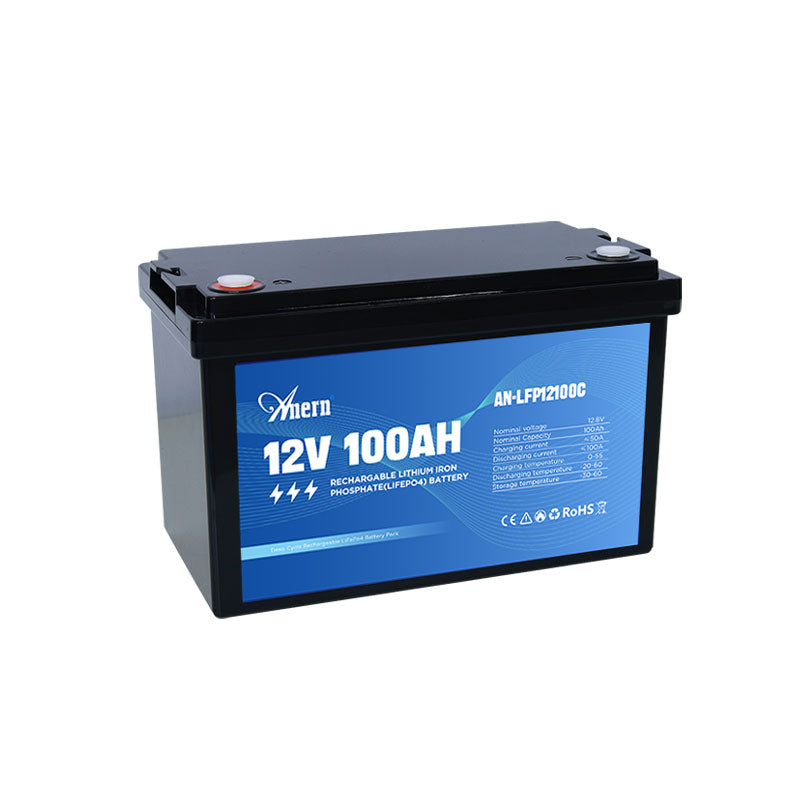
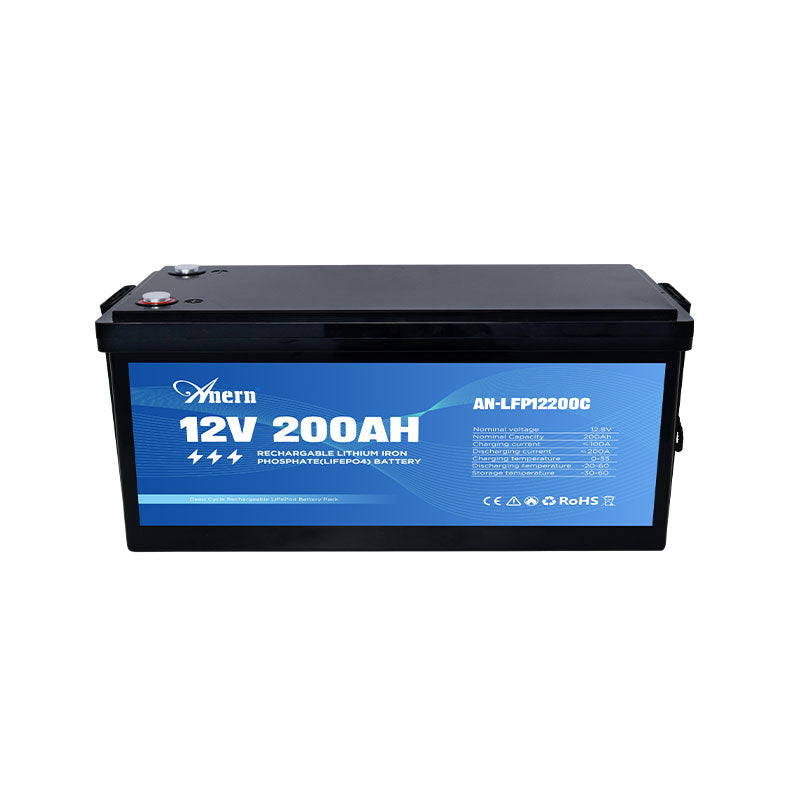
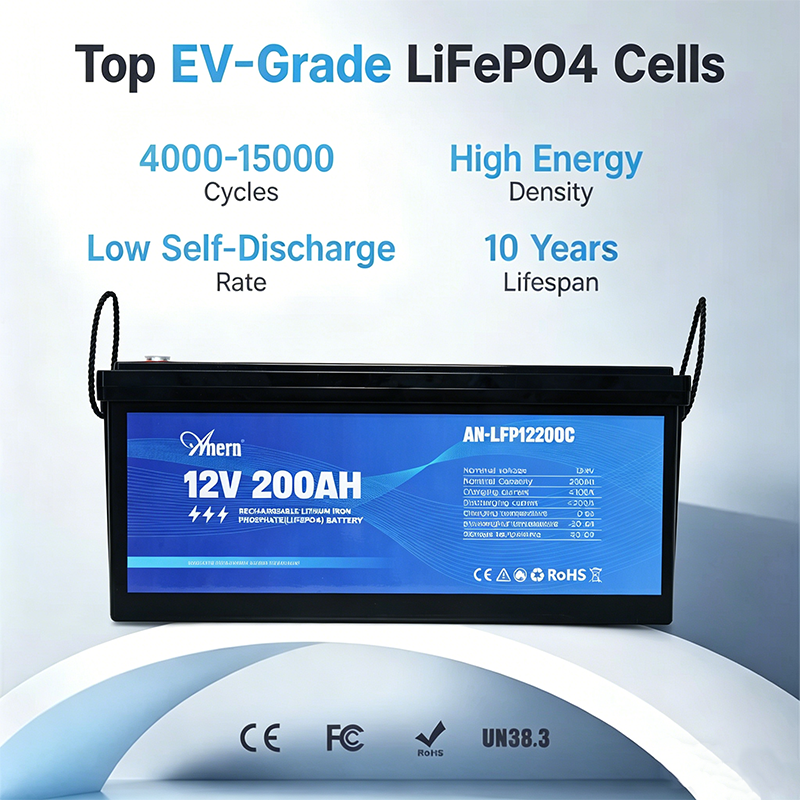
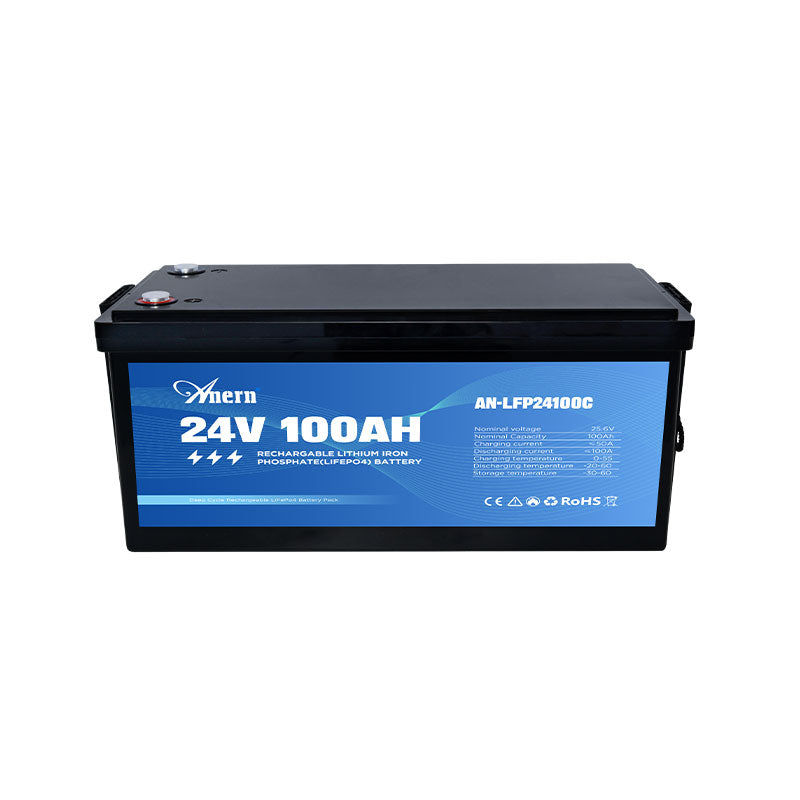
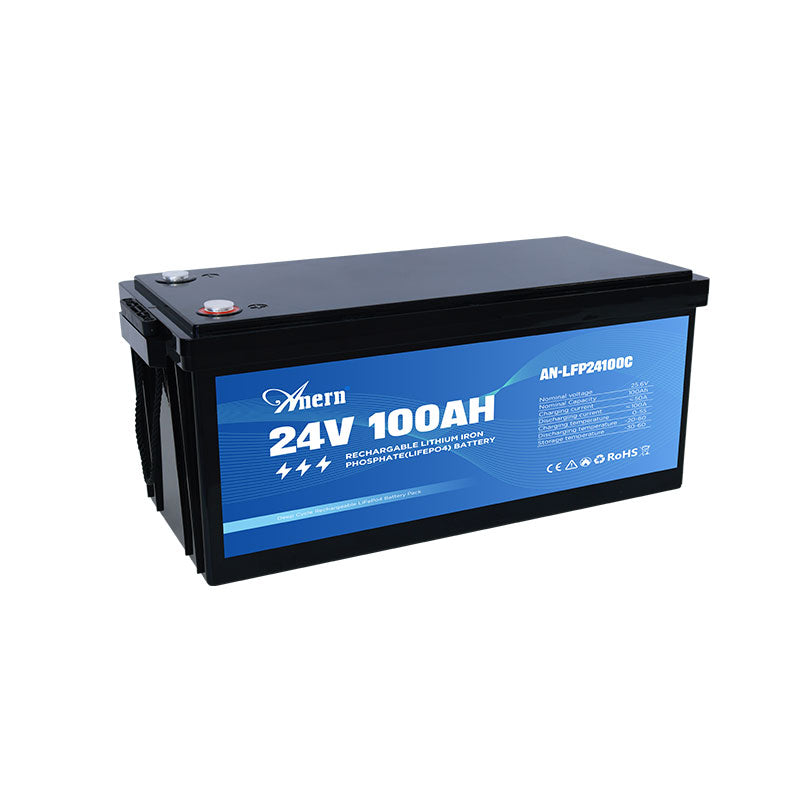
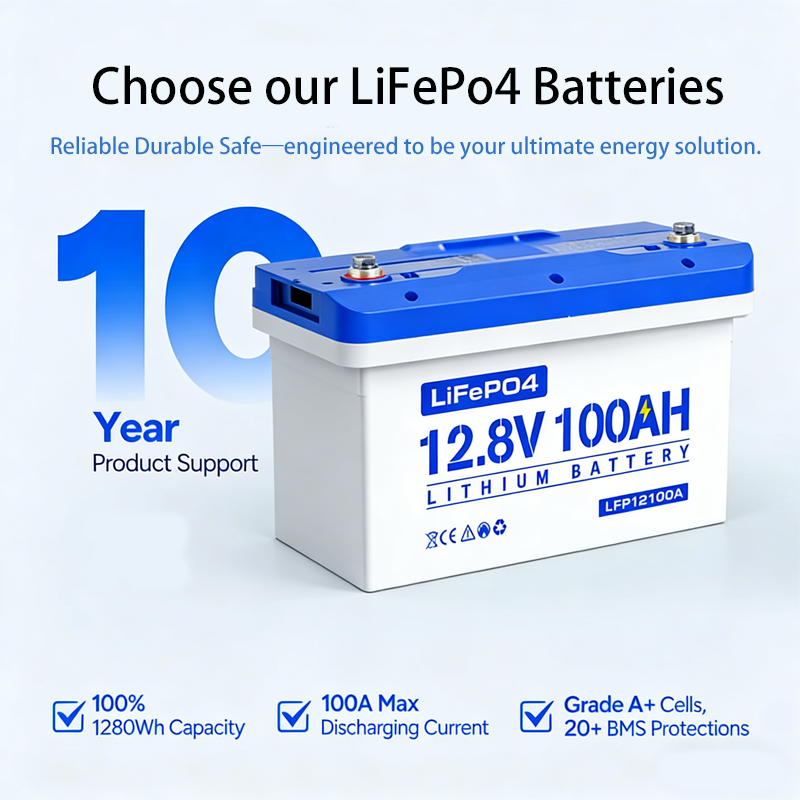
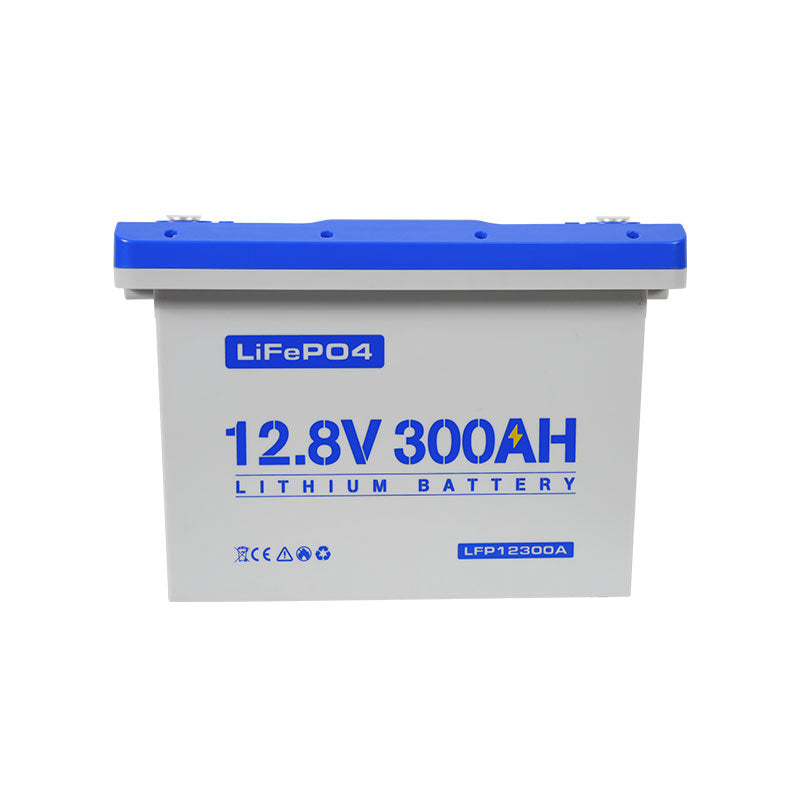
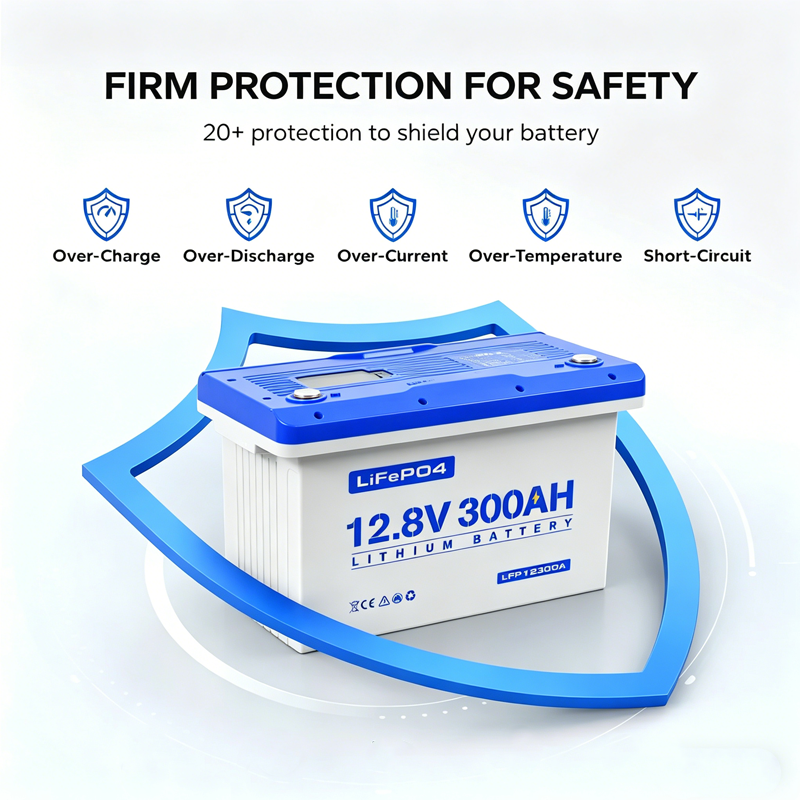
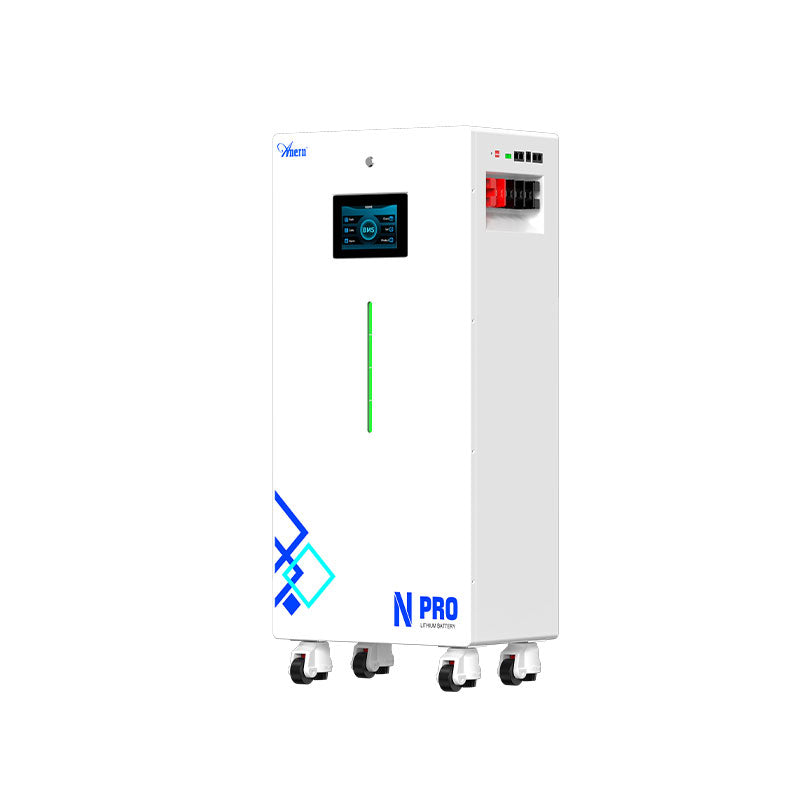
Our lithium iron phosphate (LiFePO4) batteries offer high performance, safety, and reliability for energy storage. These batteries are a core component of our home energy storage systems, providing stable and efficient power when you need it most.
Grid-Tied vs. Off-Grid Solutions
Solar energy systems can operate in different configurations:
- Grid-Tied Systems: These systems connect to the public electricity grid. When your panels produce more electricity than you use, the excess can feed back into the grid, often earning you credits. When your panels produce less, you draw power from the grid. Most PV systems in the United States have been grid-connected since 2004.
- Off-Grid Systems: These systems are entirely independent of the public grid. They rely on solar panels to generate electricity and batteries to store it, ensuring a continuous power supply. Off-grid solutions are ideal for remote homes, farms, or cabins where grid connection is impractical or unavailable. Our off-grid solar solutions provide reliable power for such isolated applications, helping you achieve complete energy autonomy.
Maximizing Solar Efficiency and Return
While solar technology has advanced significantly, several factors influence how much electricity your panels produce and how efficiently they operate.
Factors Affecting Performance
The efficiency of a PV cell is the percentage of solar energy shining on it that converts into usable electricity. Several factors can impact this conversion:
- Sunlight Intensity: More intense sunlight means more photons, leading to higher electricity generation.
- Temperature: Solar panels perform optimally at cooler temperatures. High temperatures can reduce efficiency.
- Shading: Even partial shading on a panel can significantly reduce the output of the entire system.
- Panel Orientation and Tilt: Panels angled directly towards the sun receive the most direct sunlight, maximizing energy capture. Tracking systems can follow the sun's path, increasing energy production by 10-20% for single-axis trackers and 20-30% for dual-axis trackers compared to fixed systems. In 2022, 94% of new U.S. capacity used tracking.
- Dust and Debris: Accumulation of dirt, dust, or leaves on panels can block sunlight and reduce efficiency.
Advancements in Solar Technology
Solar panel efficiency has seen remarkable improvements. In the mid-1980s, commercially available PV panels averaged less than 10% efficiency. By 2015, this rose to around 15%, and state-of-the-art modules are now approaching 25%. Research cells have achieved even higher efficiencies, with some reaching nearly 50%.
Consider the progress in solar cell efficiency over time:
| Year Range | Average Commercial PV Panel Efficiency | Highest Research Cell Efficiency (Approximate) |
|---|---|---|
| Mid-1980s | <10% | ~20% (for specific materials) |
| 2015 | ~15% | ~40% (for multi-junction cells) |
| Current | ~21-25% | ~47.6% (for multi-junction cells) |
This continuous improvement in efficiency, coupled with declining costs, makes solar energy an increasingly attractive investment. The average cost of installing residential solar systems has dropped by nearly $15,000 over the past two decades. From 2013 to 2018, solar construction costs in the U.S. fell by 50%.
Long-Term Benefits
Investing in solar energy offers numerous advantages. You can significantly reduce or even eliminate your electricity bills, creating substantial household savings over the system's lifetime. Solar installations also enhance energy independence and resilience, providing power during grid disruptions. By choosing solar, you contribute to a cleaner environment by reducing reliance on fossil fuels and lowering carbon emissions.
Empowering Your Energy Future
You now have a clearer understanding of how solar panels capture sunlight and transform it into the electricity that powers your life. The journey from photons hitting a silicon cell to kilowatt-hours flowing through your home is a testament to ingenious engineering and scientific principles.
The solar and energy storage industries are expanding rapidly, driven by innovation and a growing desire for sustainable, reliable power. Our company is dedicated to providing reliable and scalable energy solutions. We focus on manufacturing advanced lithium batteries, developing comprehensive energy storage systems, and offering integrated off-grid solar solutions. Our goal is to empower you to achieve true energy independence, ensuring a stable and sustainable power supply for your future.
Disclaimer: This article provides general technical information and should not be considered legal or investment advice.
