












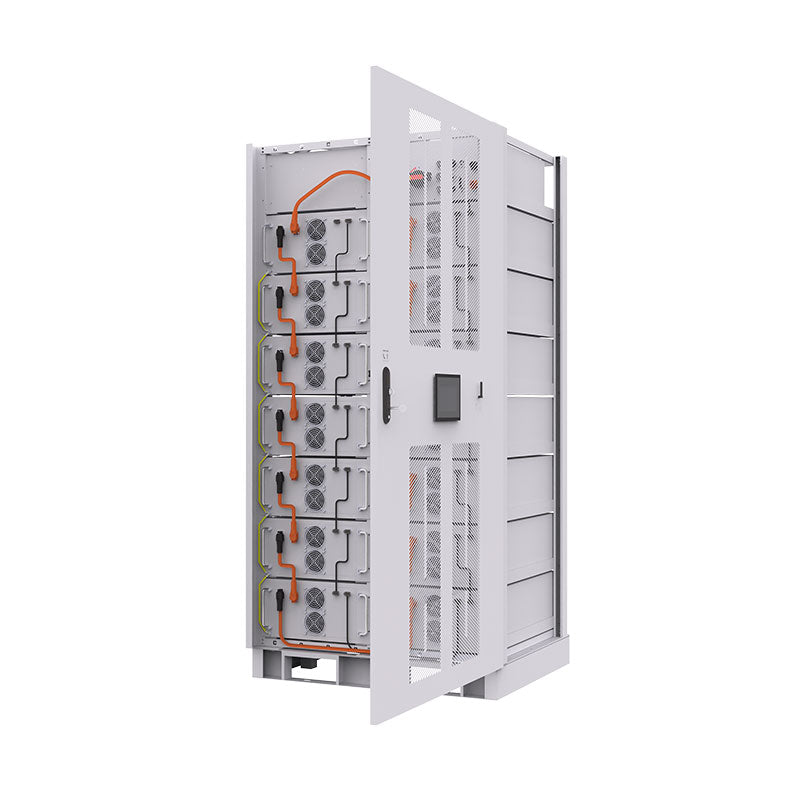
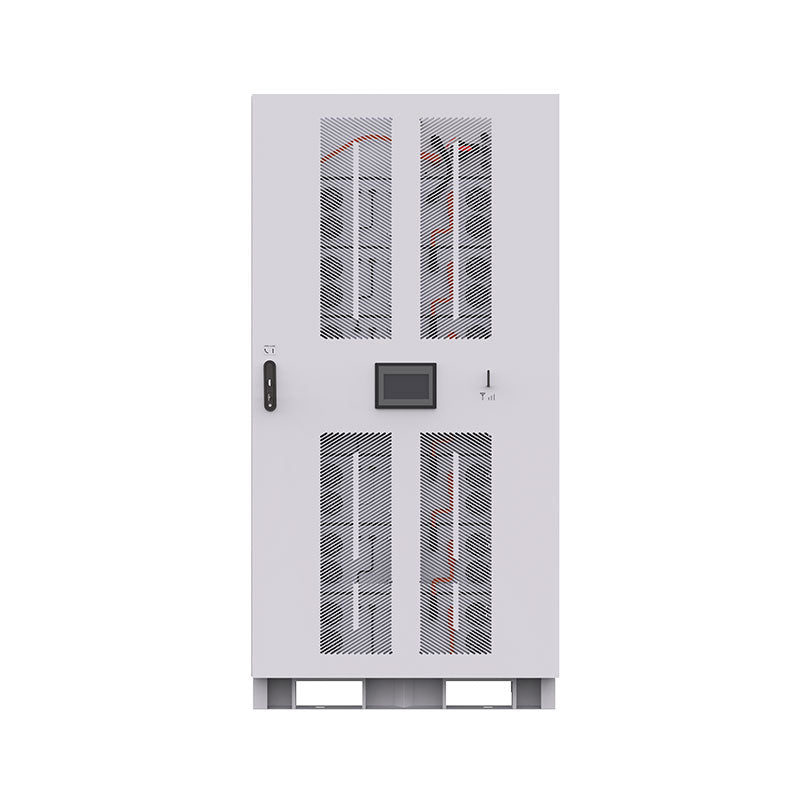


When designing emergency power systems for critical facilities, engineers face a fundamental choice: traditional standby generators or modern battery backup systems. This decision impacts not only initial costs but also regulatory compliance, environmental footprint, and operational efficiency. Understanding how these technologies perform under NFPA 110 standards while addressing noise and emissions concerns becomes crucial for facility managers.

NFPA 110 Standards: Framework for Emergency Power Systems
The National Fire Protection Association's NFPA 110 standard establishes requirements for emergency and standby power systems. This comprehensive framework addresses installation, testing, and maintenance protocols that ensure reliable power during critical situations.
Key NFPA 110 Requirements
NFPA 110 classifies emergency power supply systems (EPSS) into different levels based on application criticality. Level 1 systems serve life safety applications requiring 10-second maximum transfer time, while Level 2 systems allow up to 60 seconds for less critical loads.
The standard mandates specific testing intervals: weekly exercising under load, monthly transfer switch operation testing, and annual comprehensive performance verification. These requirements significantly impact operational costs and maintenance scheduling for different backup power technologies.
Compliance Advantages of Battery Systems
Battery backup systems excel in NFPA 110 compliance through instantaneous power delivery. Unlike generators requiring startup time, batteries provide immediate power transfer, easily meeting the most stringent 10-second requirement for Level 1 applications.
Testing procedures become simplified with battery systems. Weekly load testing occurs automatically through normal operation cycles, eliminating the need for dedicated exercise periods that generators require. This reduces maintenance complexity while ensuring continuous compliance verification.
Noise Performance: Silent Operations vs Acoustic Challenges
Noise generation represents a critical differentiator between backup power technologies. Facilities in urban environments, healthcare settings, or residential areas face strict acoustic requirements that influence technology selection.
Generator Noise Characteristics
Standby generators typically produce 65-75 dB at 23 feet during operation, equivalent to heavy traffic noise levels. Diesel generators often exceed these levels, particularly larger units serving substantial loads. According to IEA analysis, diesel generators "generate significant noise" that creates operational challenges for sensitive environments.
| System Type | Operating Noise Level | Installation Flexibility | Acoustic Mitigation Cost |
|---|---|---|---|
| Battery Backup | 0-25 dB | Indoor/Outdoor | None Required |
| Natural Gas Generator | 65-70 dB | Outdoor Only | $5,000-15,000 |
| Diesel Generator | 70-75 dB | Outdoor Only | $8,000-20,000 |
Silent Battery Advantages
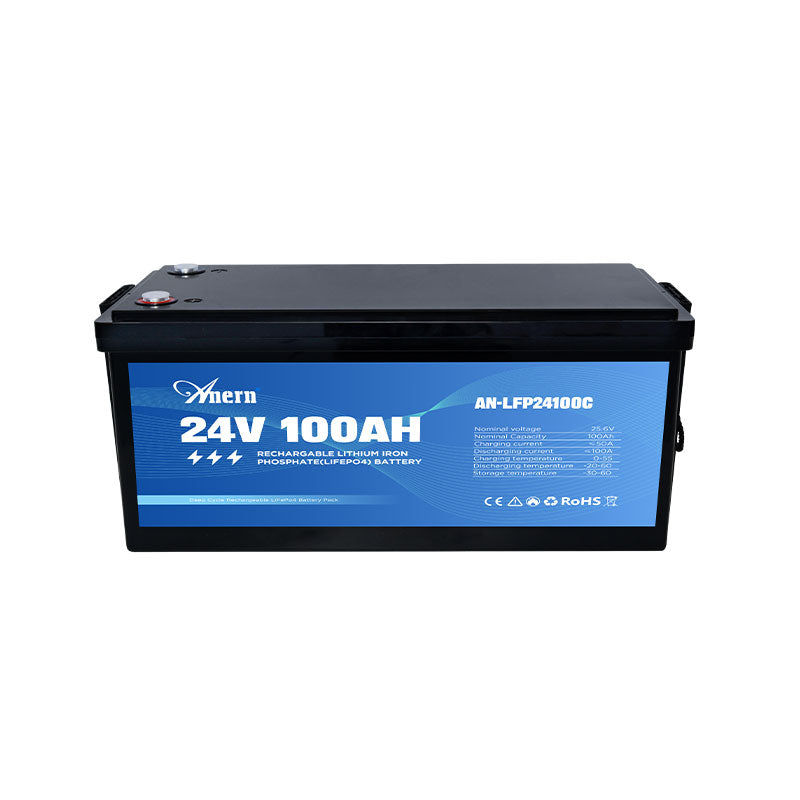
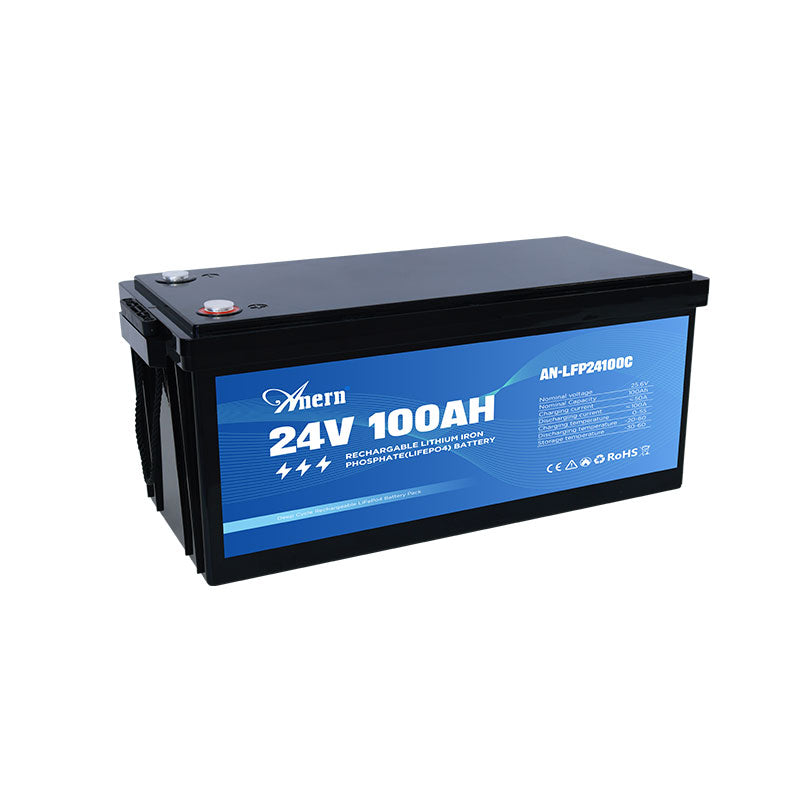
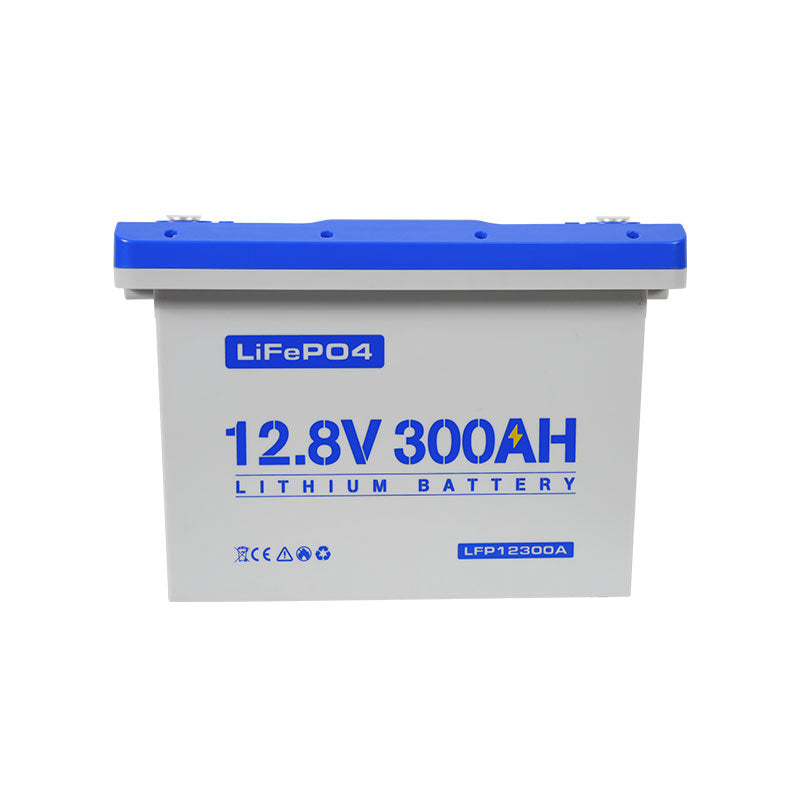
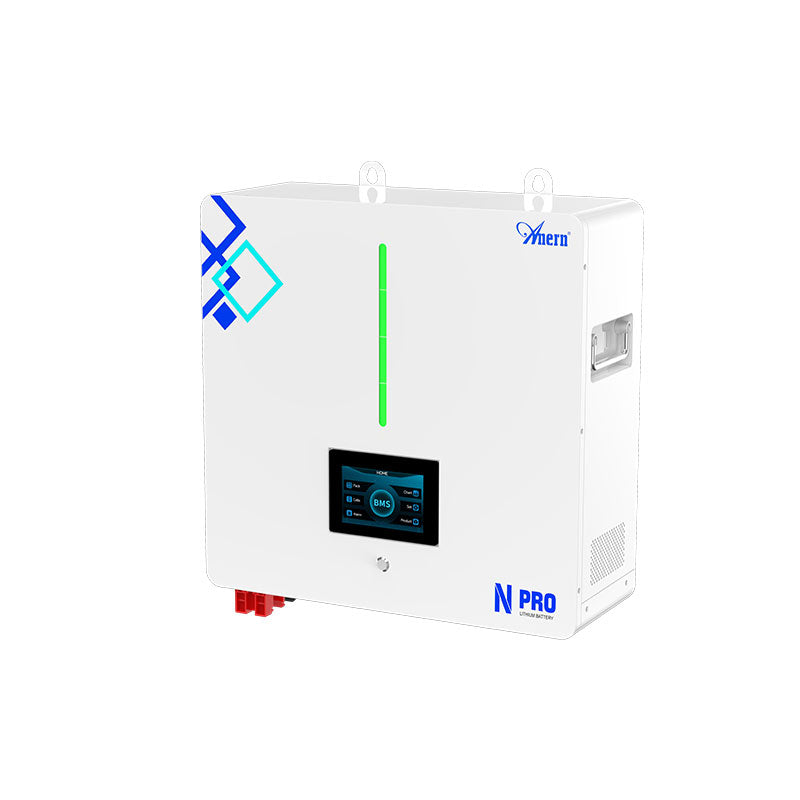
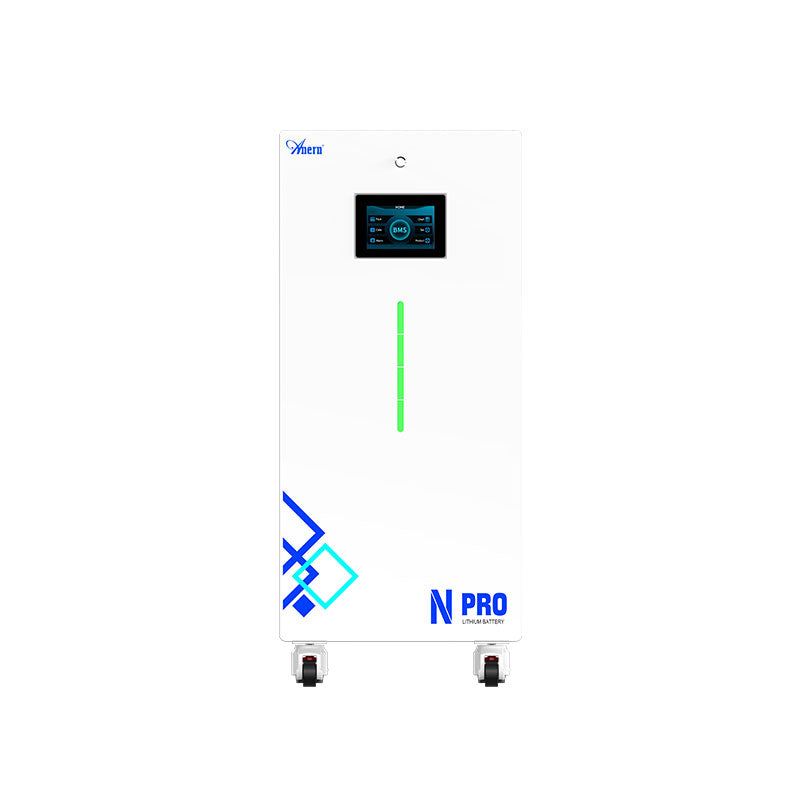
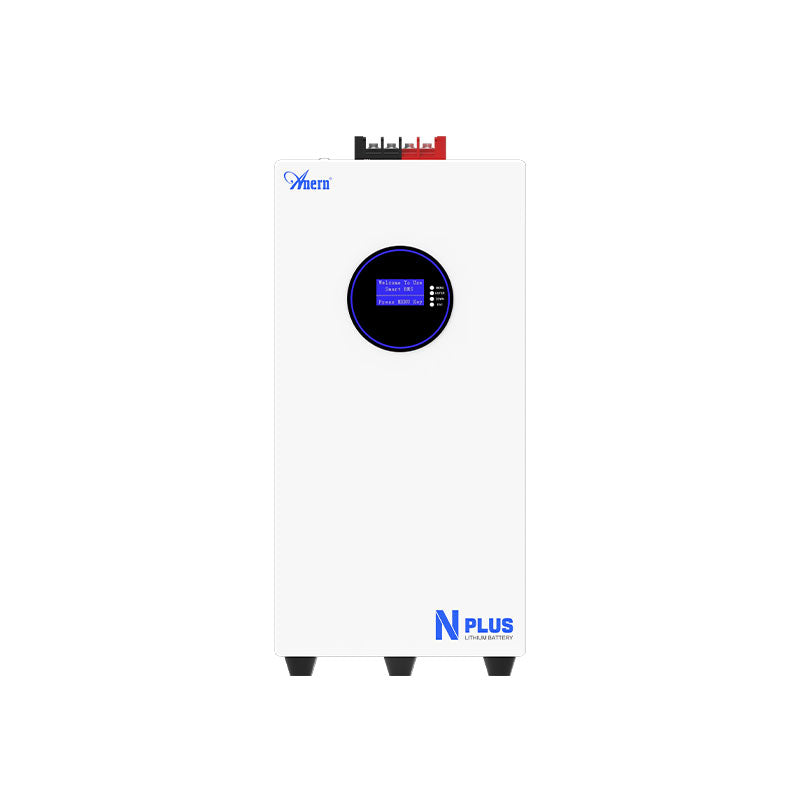
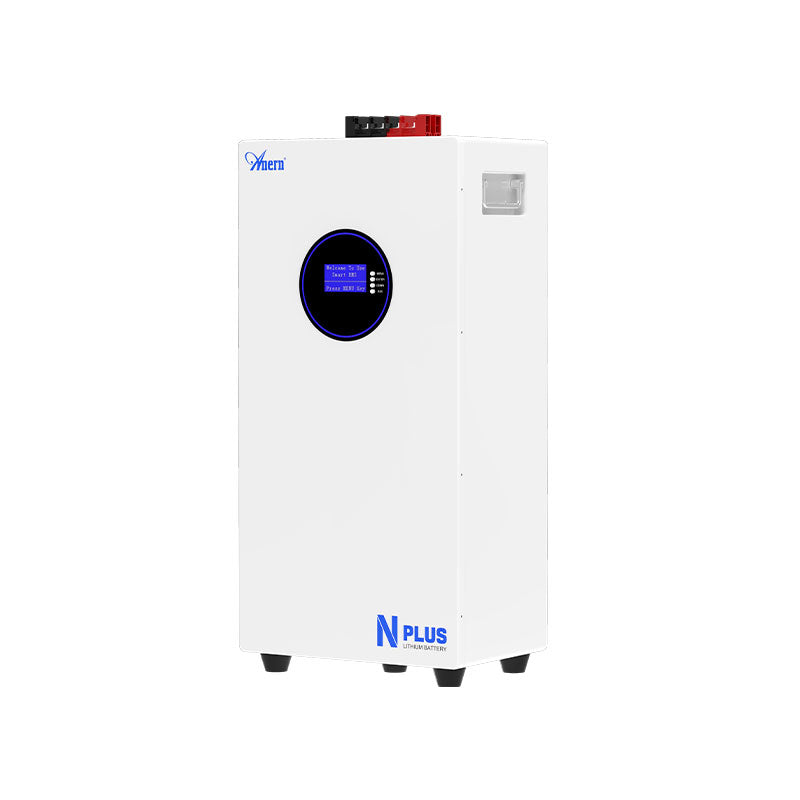
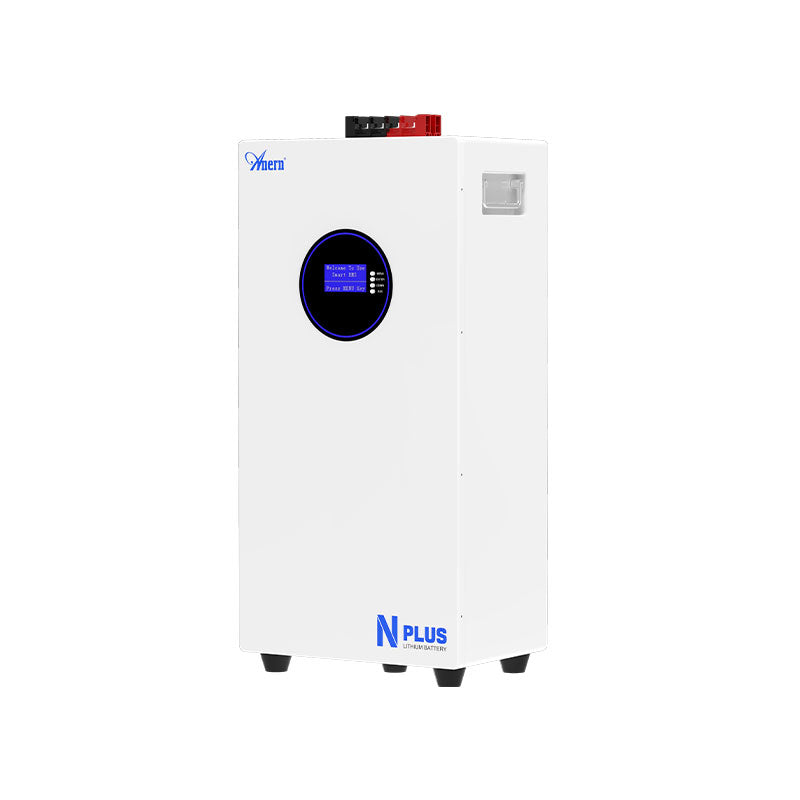
Battery systems operate virtually silently, producing only minimal cooling fan noise during high-load conditions. This silent operation enables installation in sensitive locations: hospital patient areas, office buildings, residential basements, or urban facilities with strict noise ordinances.
The acoustic advantage extends beyond installation flexibility. Silent operation eliminates neighborhood complaints, regulatory violations, and expensive sound mitigation measures required for generator installations.
Emissions Impact: Zero vs Combustion Byproducts
Environmental regulations increasingly scrutinize backup power emissions. Understanding the emissions profile of different technologies helps facilities meet current requirements while preparing for future regulatory changes.
Generator Emissions Profile
Standby generators produce direct emissions during operation: nitrogen oxides (NOx), carbon monoxide (CO), particulate matter (PM), and carbon dioxide (CO2). A typical 100kW diesel generator emits approximately 26 pounds of CO2 per hour of operation, along with regulated pollutants requiring air quality permits in many jurisdictions.
Natural gas generators produce lower emissions than diesel units but still generate combustion byproducts. EPA regulations require emissions testing and reporting for generators above certain capacity thresholds, adding compliance complexity and costs.
Zero-Emission Battery Operation
Battery backup systems produce zero direct emissions during operation. This eliminates air quality permit requirements, emissions testing protocols, and regulatory reporting obligations associated with combustion-based backup power.
When paired with solar generation, battery systems create a completely clean backup power solution. Even when charged from grid electricity, batteries typically produce lower lifecycle emissions than generators due to increasing renewable grid penetration.
Operational Efficiency and Maintenance Considerations
Long-term operational efficiency encompasses maintenance requirements, fuel logistics, and system reliability. These factors significantly impact total cost of ownership and operational complexity.
Generator Maintenance Demands
NFPA 110 requires weekly generator exercise cycles, consuming fuel and producing emissions even when backup power isn't needed. Annual maintenance includes oil changes, filter replacements, coolant system service, and comprehensive load bank testing.
Fuel management adds operational complexity: diesel fuel requires biocide treatment, water separation, and periodic replacement to prevent degradation. Natural gas generators need regular valve adjustments and combustion system cleaning to maintain efficiency.
Simplified Battery Maintenance
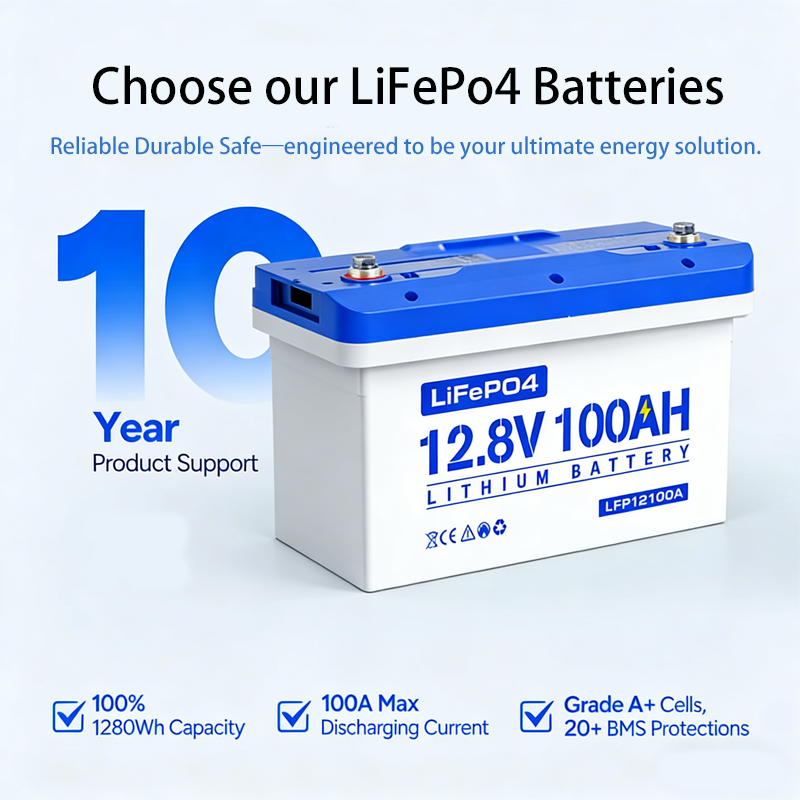
Modern lithium battery systems require minimal maintenance compared to generators. No scheduled fluid changes, filter replacements, or combustion system service. According to IEA cost projections, battery systems demonstrate superior operational efficiency through reduced maintenance requirements.
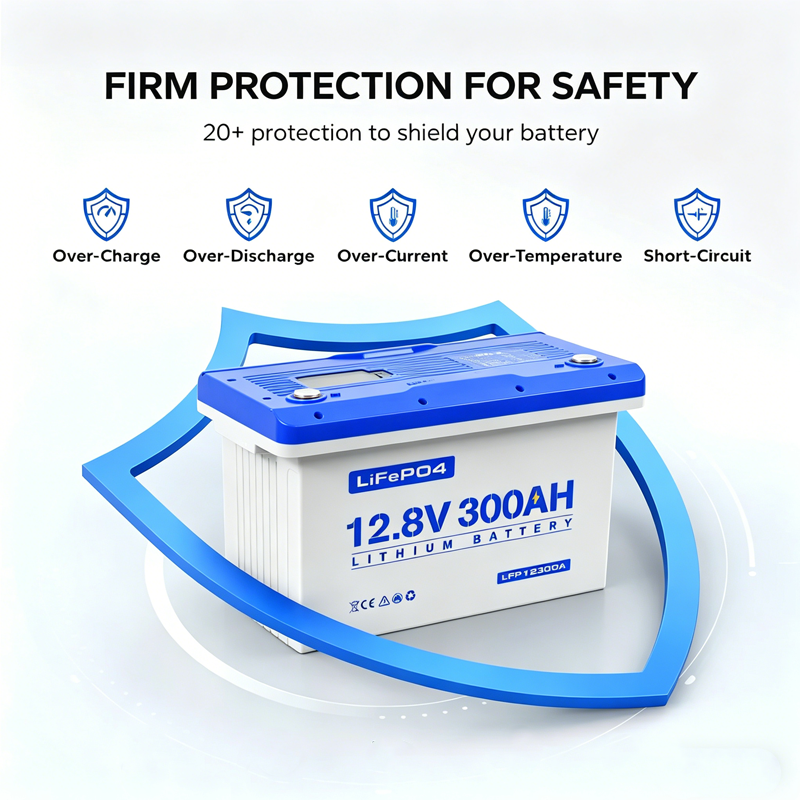
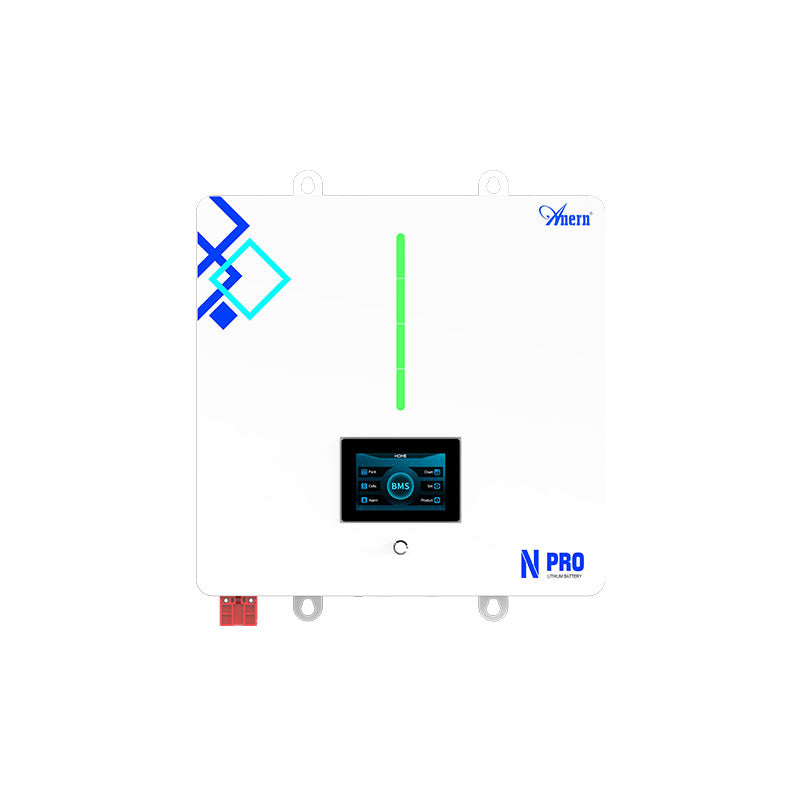
Battery management systems continuously monitor cell performance, temperature, and state of charge. This automated monitoring enables predictive maintenance scheduling while ensuring optimal system performance without manual intervention.
Installation and Integration Advantages
Installation requirements significantly impact project timelines, costs, and facility integration. Battery systems offer distinct advantages in modern facility design and retrofit applications.
Streamlined Battery Installation
Battery systems install indoors or outdoors with minimal infrastructure requirements. No fuel lines, exhaust systems, or combustion air ducting. This flexibility reduces installation costs while enabling placement closer to critical loads, improving system efficiency.
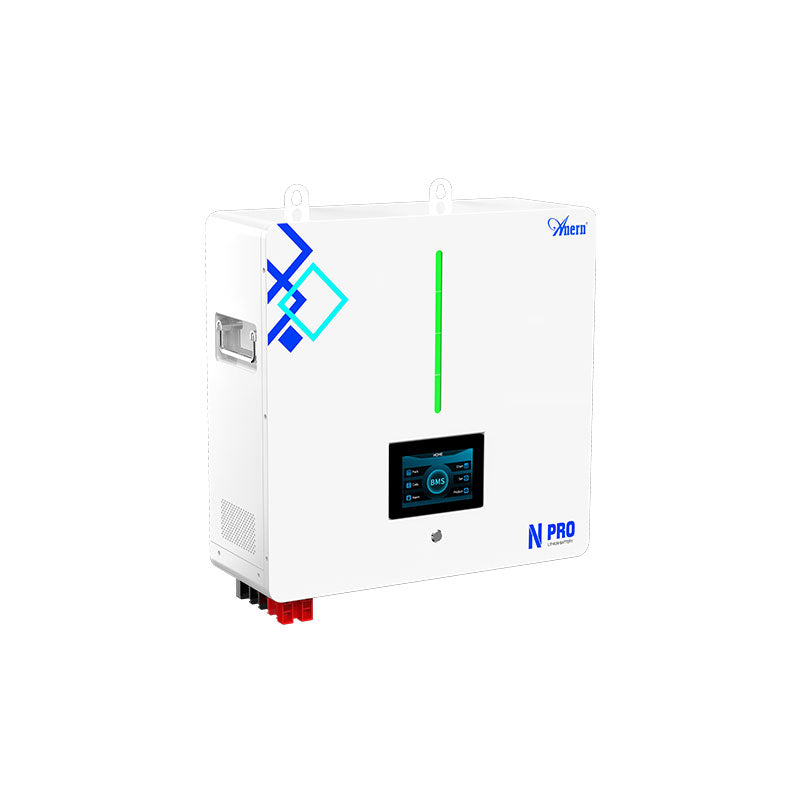
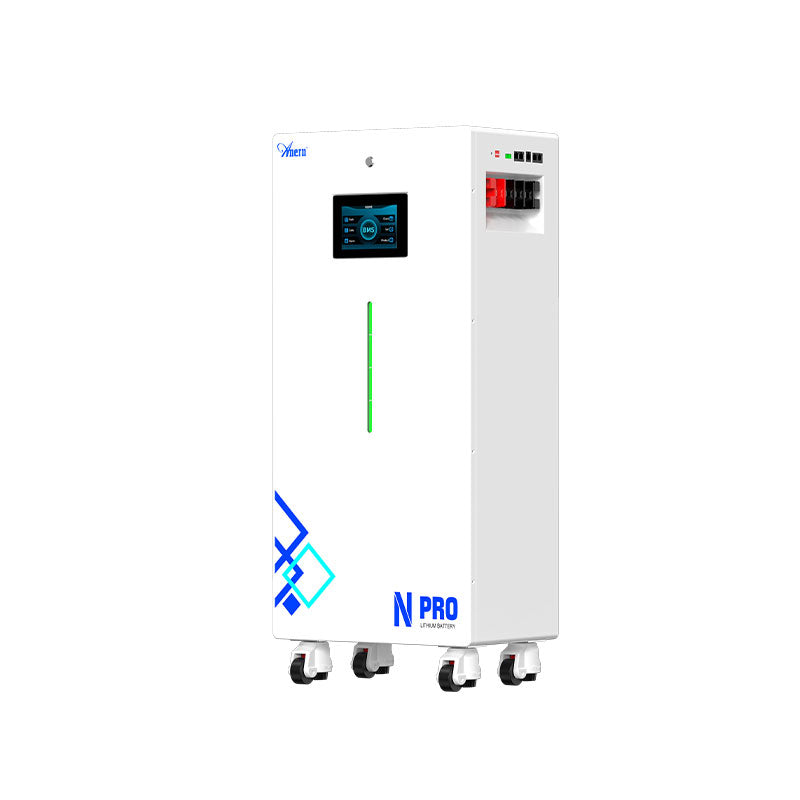
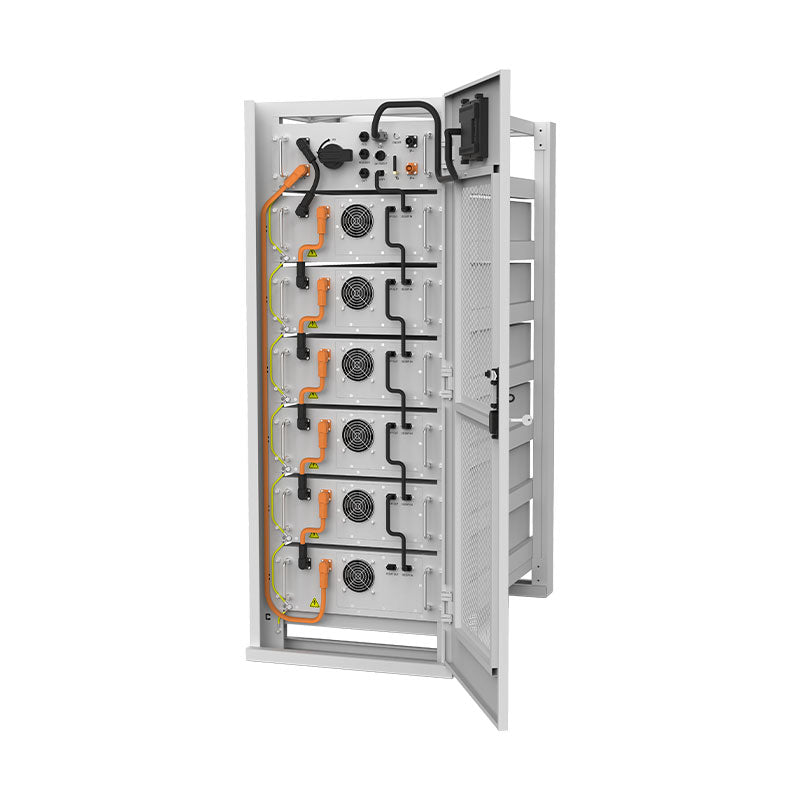
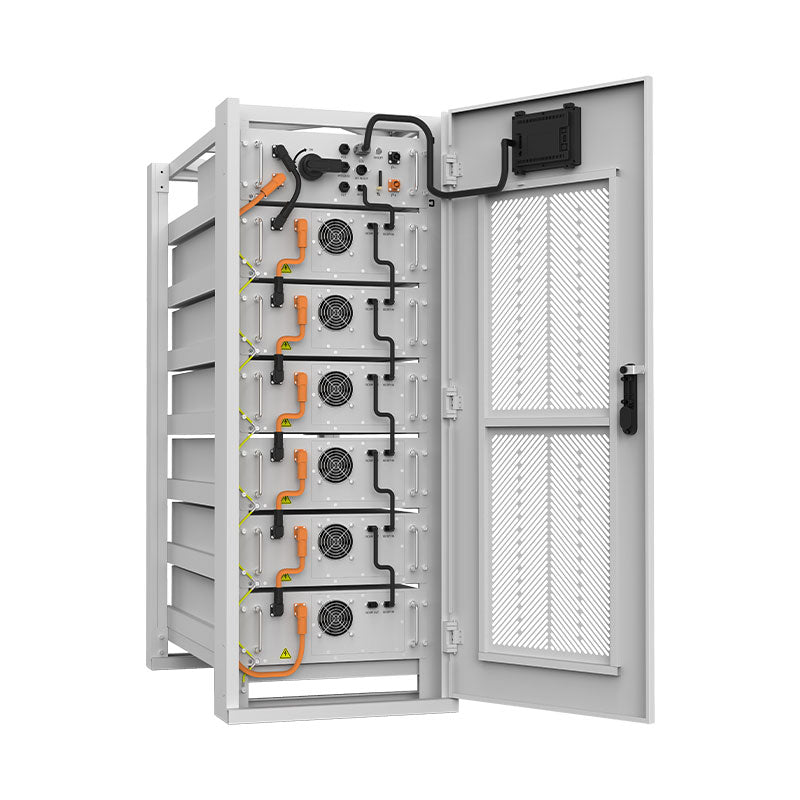
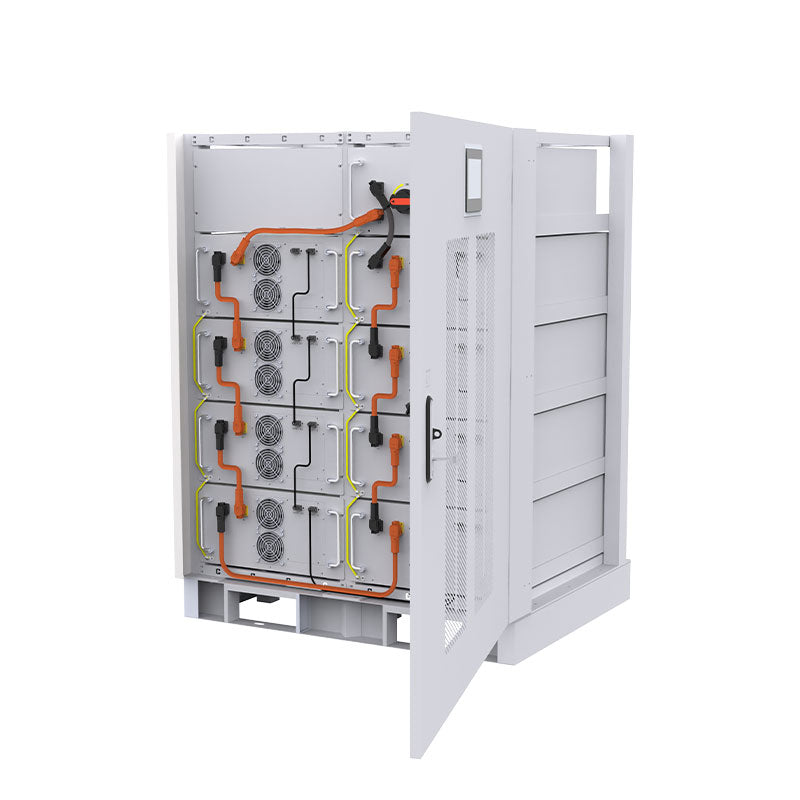
Modular battery design allows capacity expansion without major infrastructure changes. Additional battery modules integrate seamlessly with existing systems, providing scalability that generators cannot match without complete replacement.
Generator Installation Complexity
Generator installations require extensive infrastructure: concrete pads, fuel systems, exhaust routing, combustion air supply, and acoustic enclosures. These requirements increase installation costs and extend project timelines.
Permitting processes for generators involve multiple agencies: building departments for structural requirements, fire departments for fuel storage, and air quality boards for emissions compliance. Battery installations typically require only standard electrical permits.
Future-Proofing Critical Power Infrastructure
Technology selection for backup power systems should consider future regulatory trends, environmental requirements, and operational needs. Battery technology continues advancing while generator technology remains relatively static.
Regulatory trends favor zero-emission technologies. California's recent restrictions on diesel generator testing reflect growing environmental scrutiny. Battery systems position facilities ahead of these regulatory curves while providing superior operational benefits.
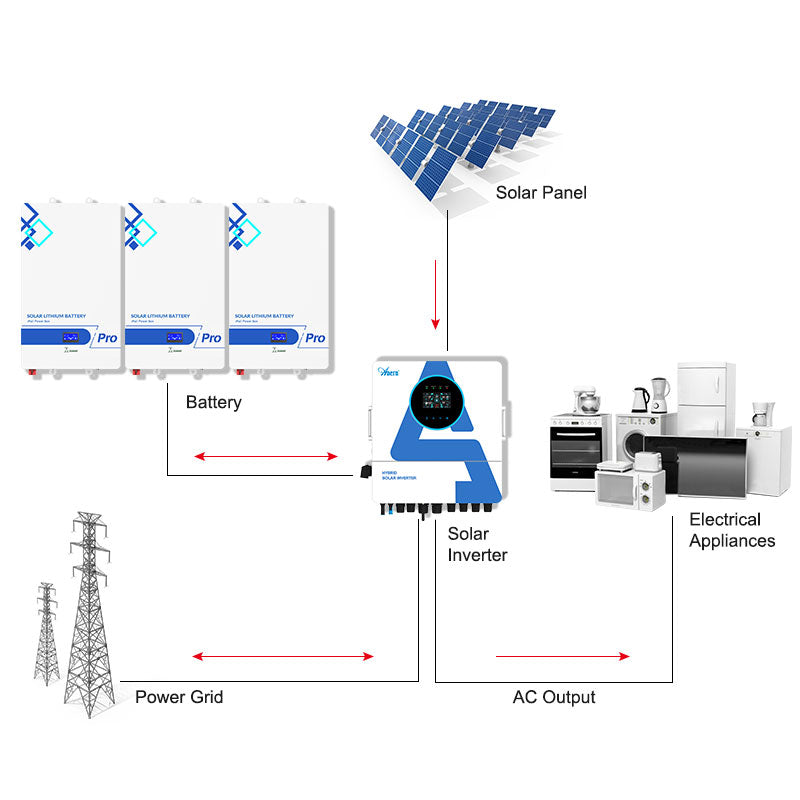
Grid integration capabilities give battery systems additional value through peak shaving, load shifting, and renewable energy storage. These applications generate ongoing revenue streams that generators cannot provide, improving project economics beyond backup power functionality.
For critical facilities requiring reliable backup power, battery systems deliver superior NFPA 110 compliance through instant activation, silent operation, and zero emissions. While generators maintain advantages in extended runtime applications, batteries excel in most commercial and institutional backup power scenarios. The combination of regulatory compliance, environmental benefits, and operational simplicity makes battery backup systems the preferred choice for modern critical power applications.
