














Installing a solar energy system at your home represents a significant step towards energy independence and a sustainable future. Once the installation crew leaves, your active role begins. A consistent, simple post-installation checklist helps ensure your system operates at its best for decades. This proactive approach allows you to identify minor issues early, preventing costly repairs and maintaining peak performance.
The Value of Post-Installation Verification
A solar power system is a long-term asset. Regular checks after installation are not just about troubleshooting; they are about safeguarding your investment and maximizing its benefits. These checks help protect your system's longevity and ensure you receive the energy savings you expect.
Protecting Your Investment
Investing in solar power is a smart financial decision, aiming for reduced electricity bills and a smaller environmental footprint. To truly realize these advantages, your system needs to perform optimally. A post-installation checklist provides peace of mind, confirming your system is safe and efficient. Early detection of issues can extend your system's life and ensure continuous financial returns.
Ensuring System Compliance and Safety
After installation, local authorities and utility providers often conduct final inspections. This verifies that your new solar system complies with safety standards and local building codes. You should also verify all system documentation matches the installed setup and cross-check component specifications with what was ordered. The International Renewable Energy Agency (IRENA) emphasizes that verifying generator compliance with grid code requirements is a crucial process, ideally performed throughout a renewable energy project, from planning to installation and commissioning. Getting Wind and Solar onto the Grid .
Your Hands-On Visual Inspection
A regular visual inspection of your solar system components can reveal potential problems before they affect performance. You can perform many of these checks safely from the ground or with appropriate safety precautions if accessing the roof.
Rooftop Components: Panels and Mounting
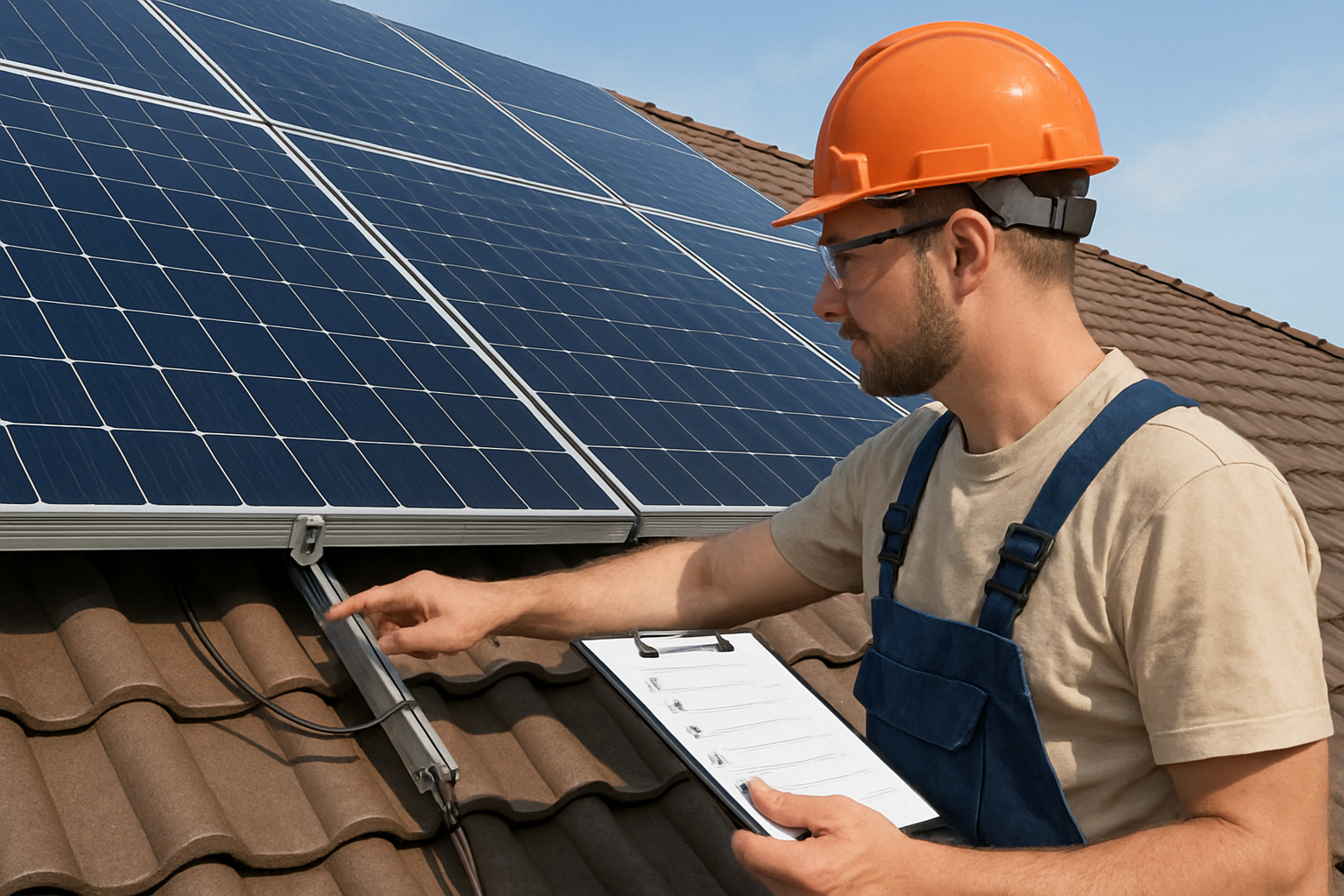
Look for any physical damage on the solar panels, such as cracks, chips, or discoloration. Ensure all mounting structures appear secure and free from corrosion. Wiring should be neat, secure, and show no signs of damage or exposed insulation. Keep an eye on surrounding vegetation; trees or plants can cast shadows on panels, significantly reducing energy production. Regularly clearing dust, leaves, and other debris from the panel surfaces is important. Dust and dirt accumulation can reduce energy production, making cleaning a vital part of maintenance.

Inverter and Electrical Connections
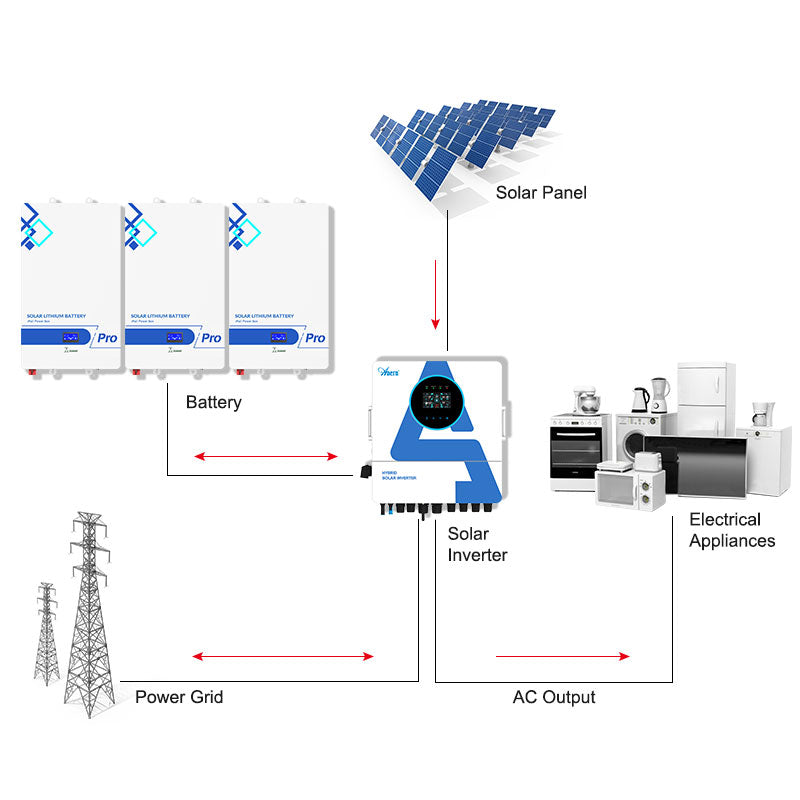
Your solar inverter converts the direct current (DC) electricity from your panels into alternating current (AC) for your home. Check its display for any error codes. A green light on the inverter usually means your system is functioning properly and producing power. Any red or orange lights during daylight hours often indicate a system event or fault. Verify that all wiring and connectors are tight, free from corrosion, and properly insulated. Proper grounding is also crucial for safety and system integrity. Issues like "hot spots" on panels or potential induced degradation (PID) can stem from improper wiring or installation, leading to reduced power output.
Energy Storage Systems
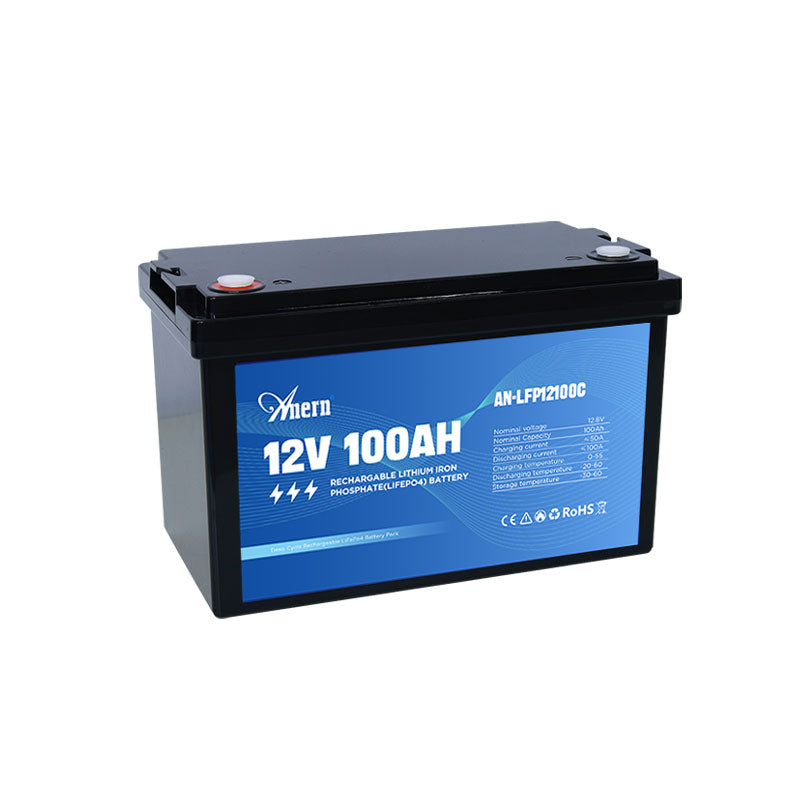
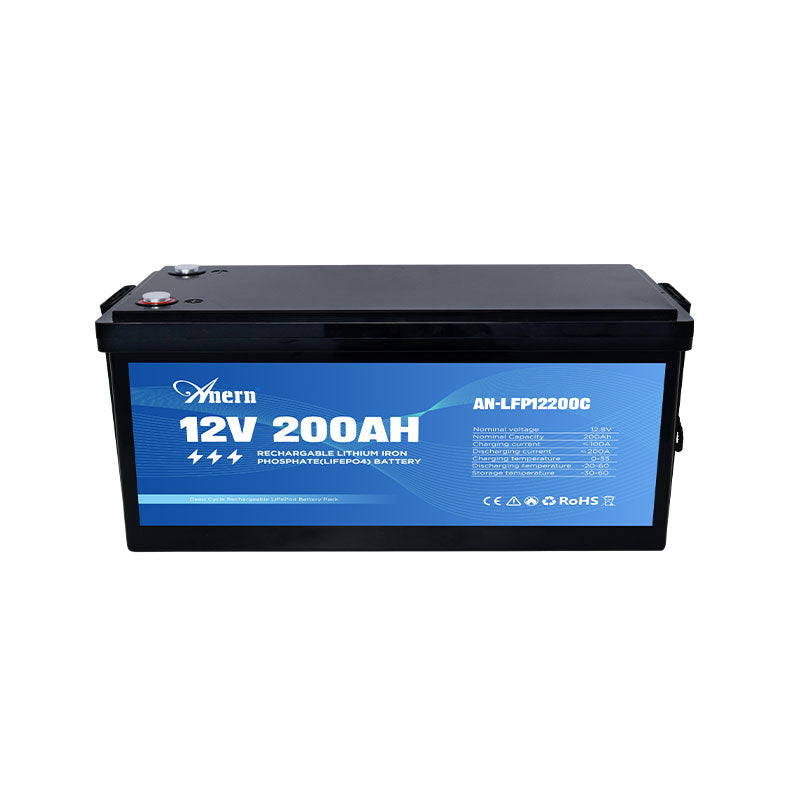
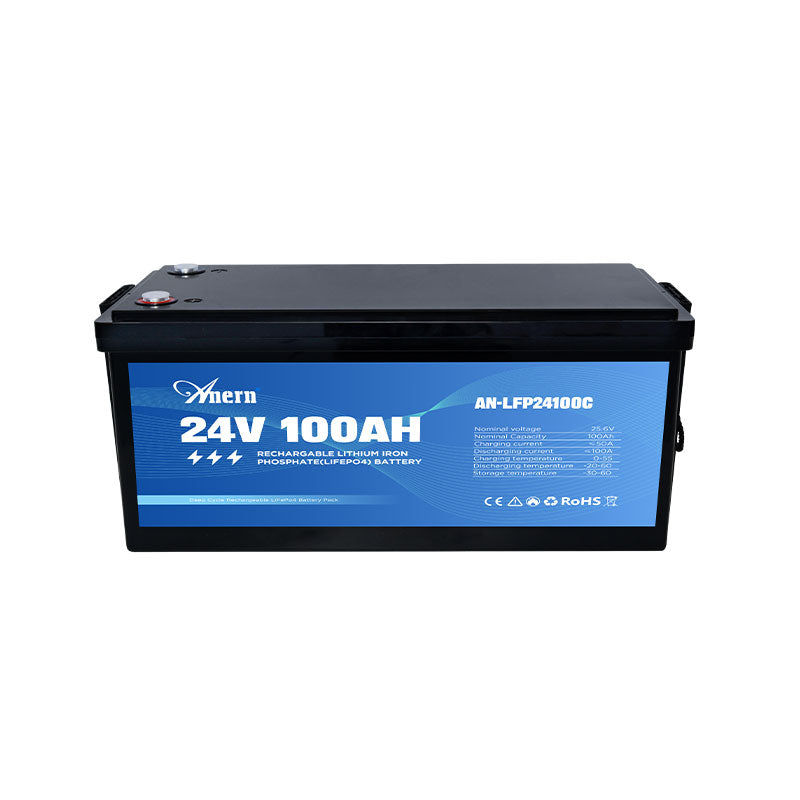
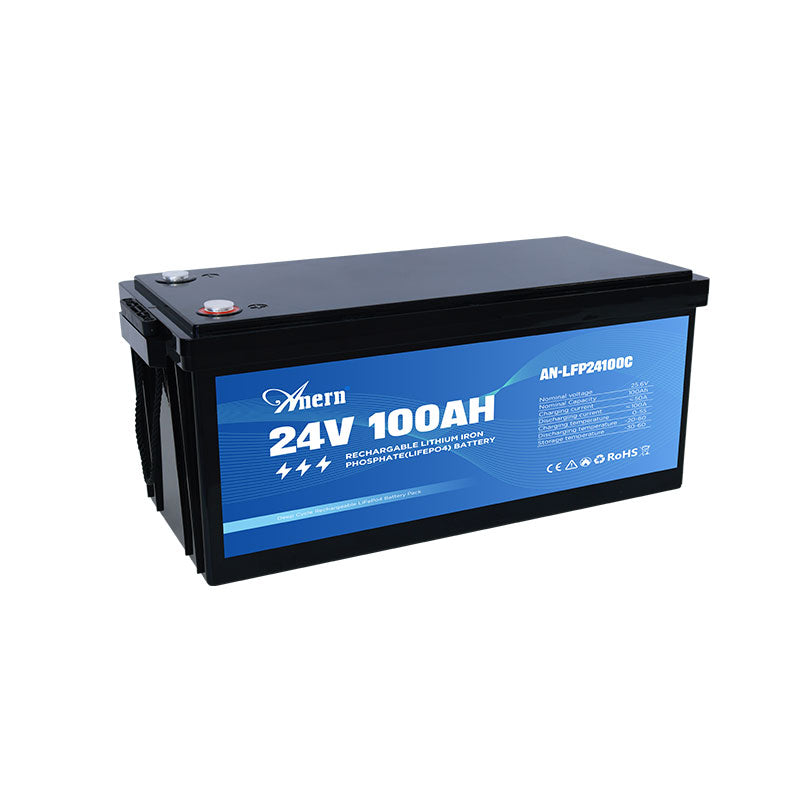
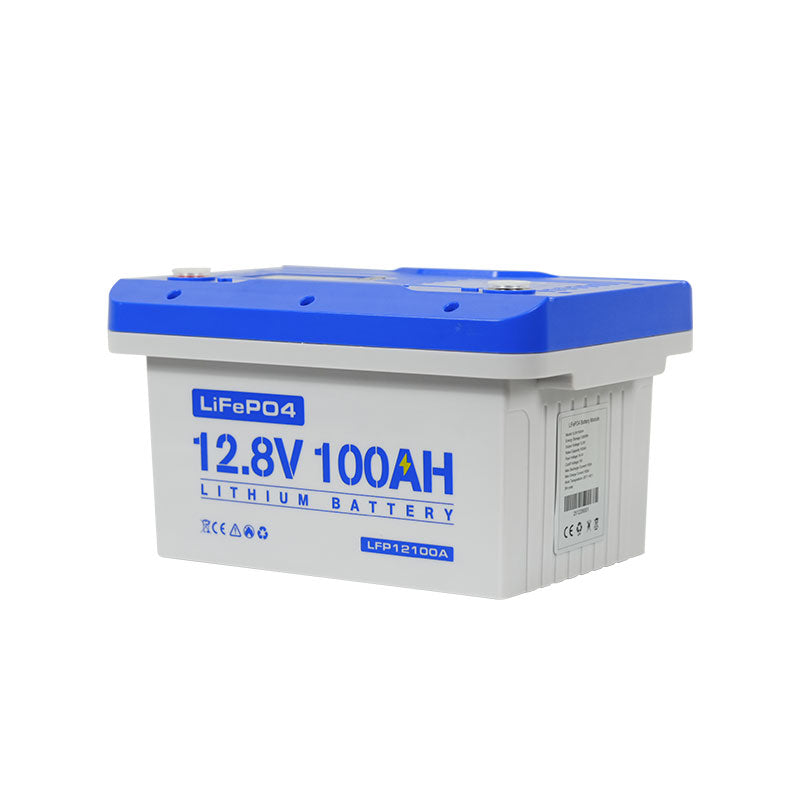
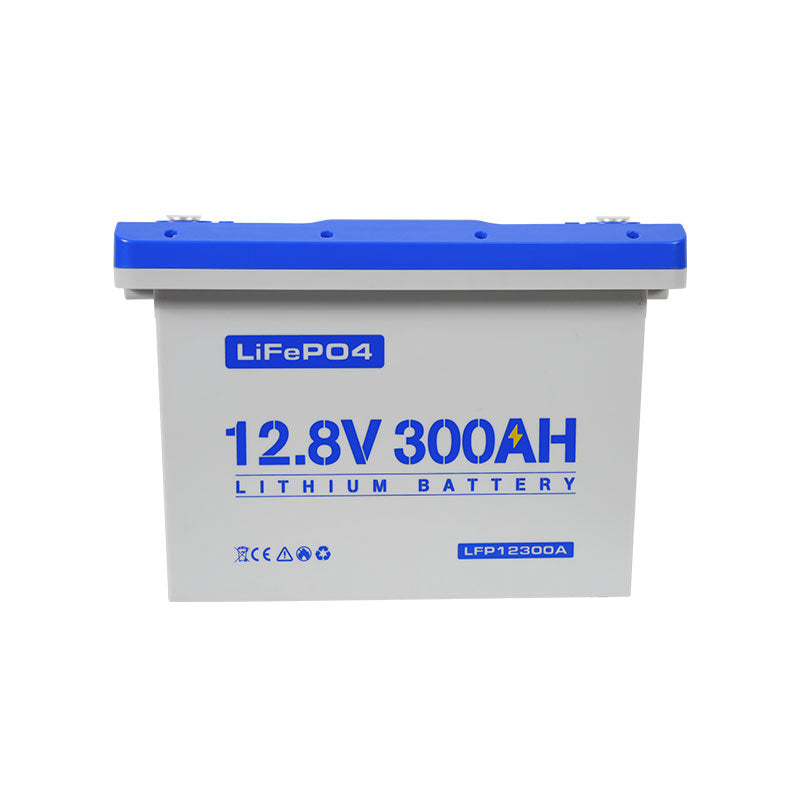
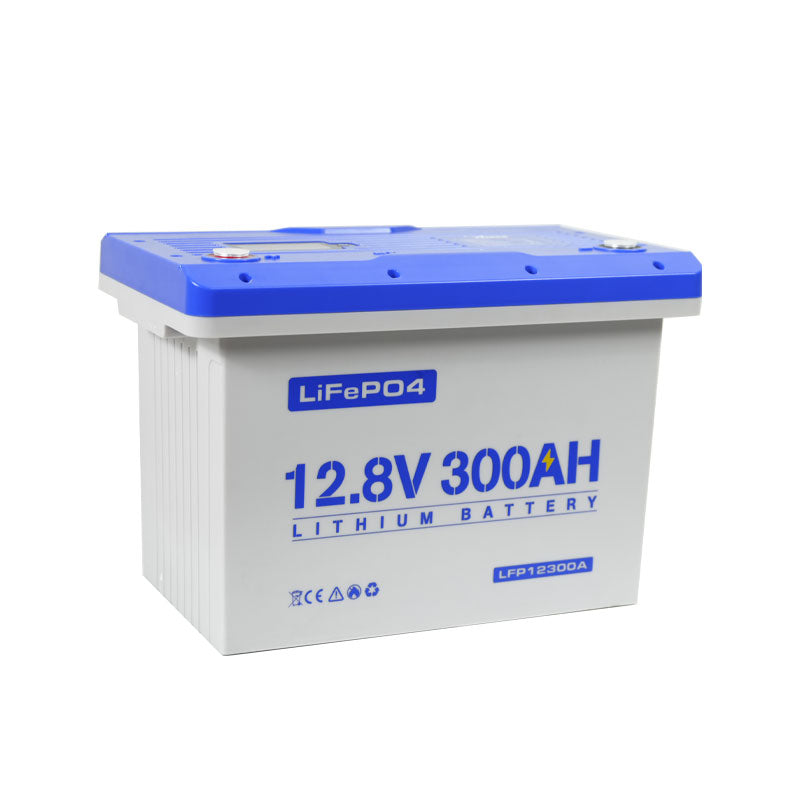
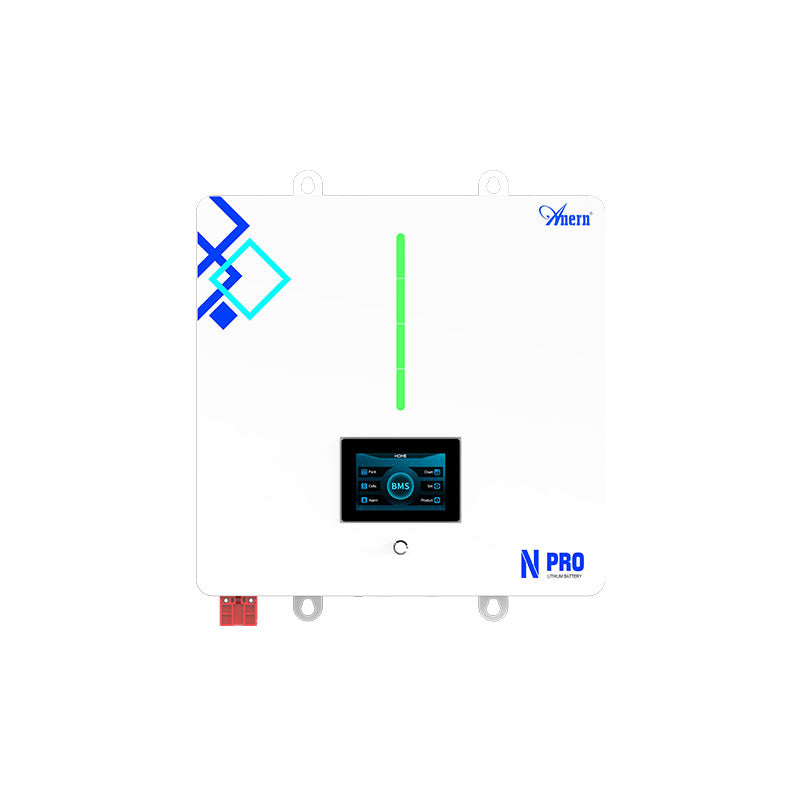
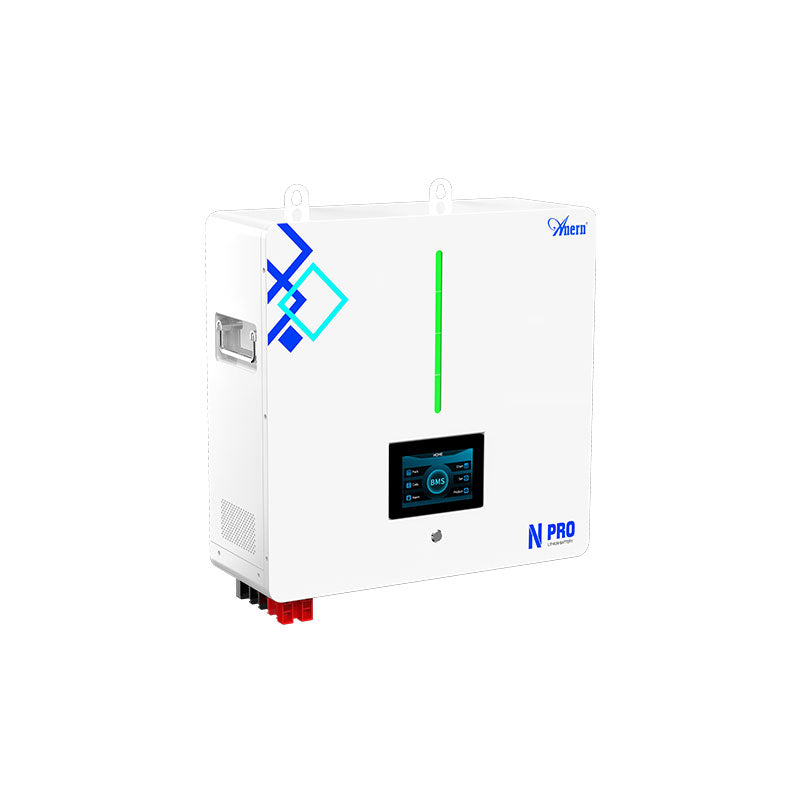
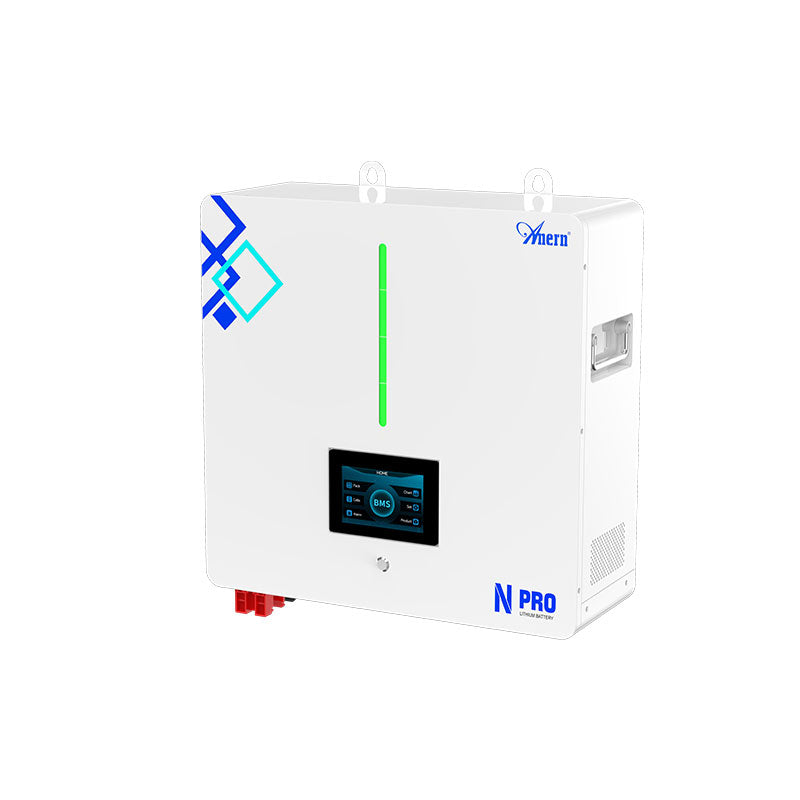
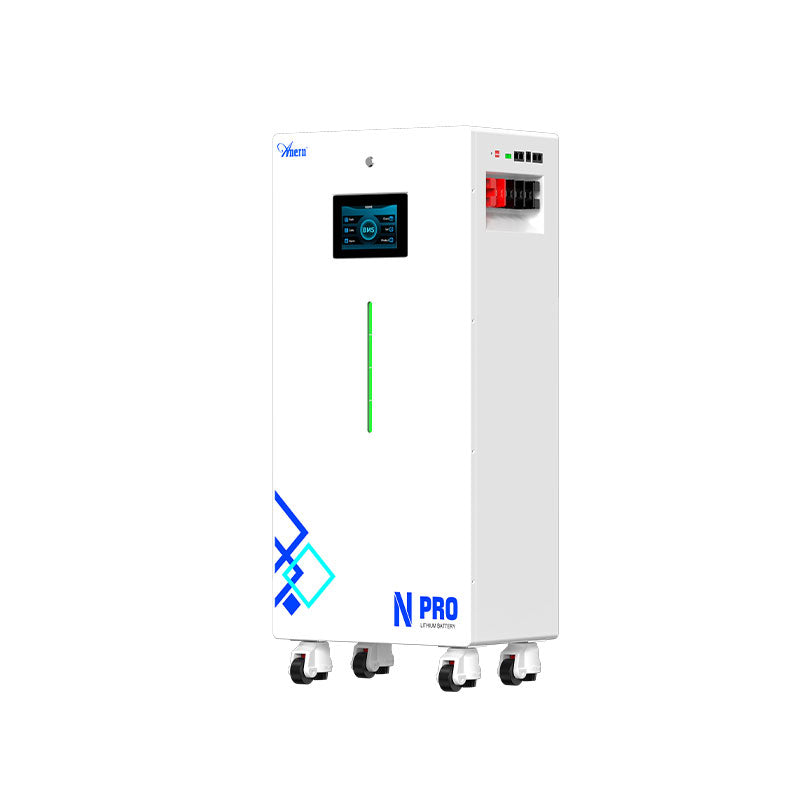
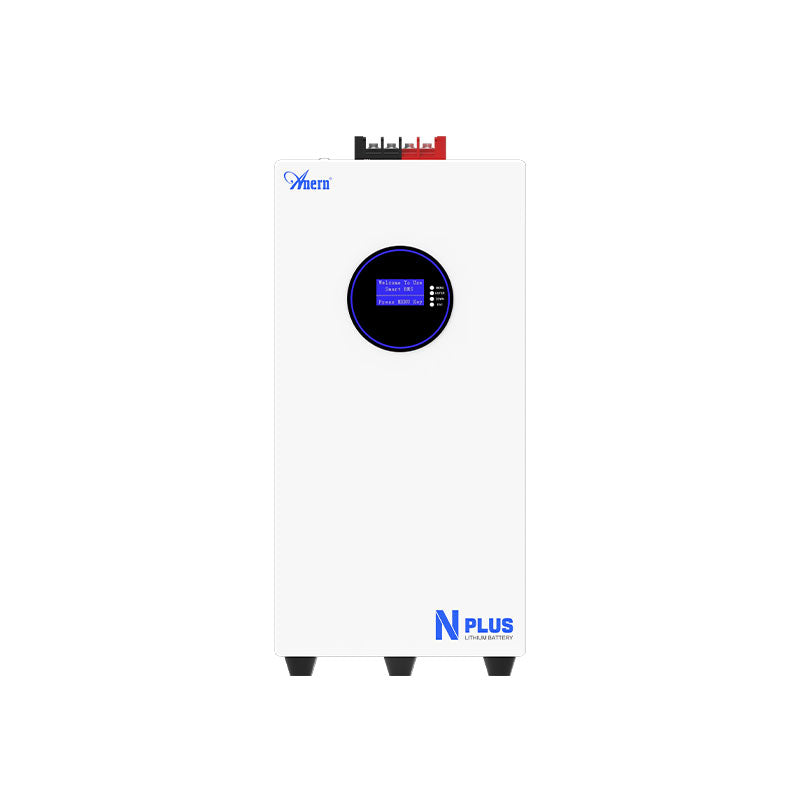
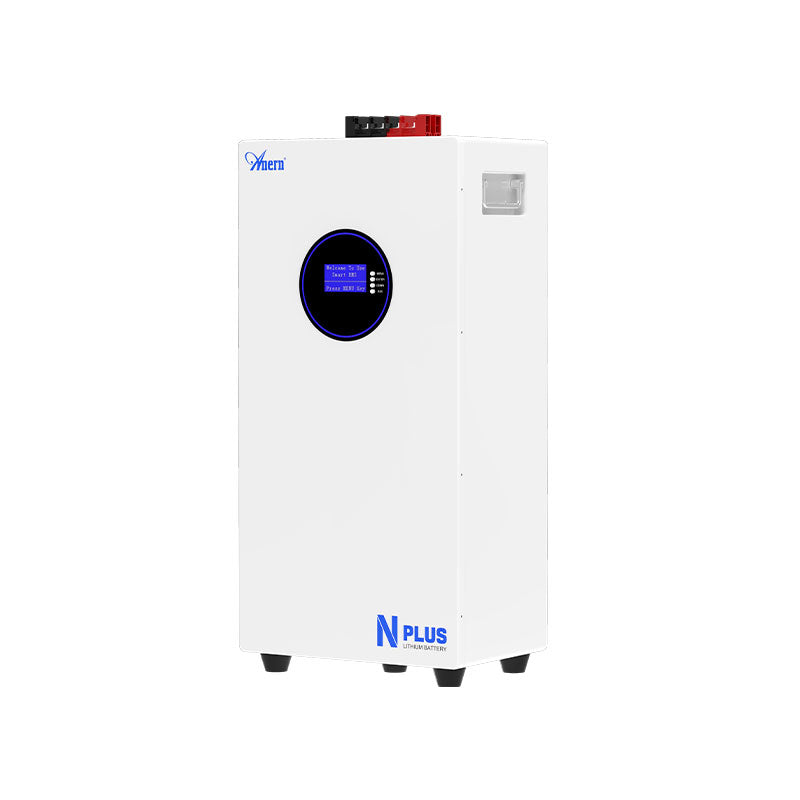
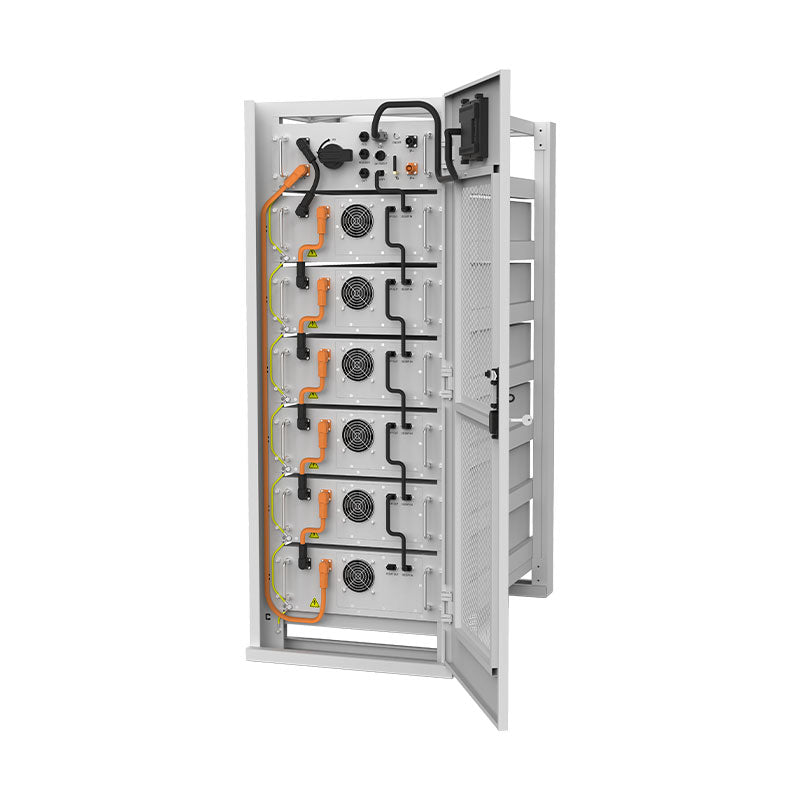
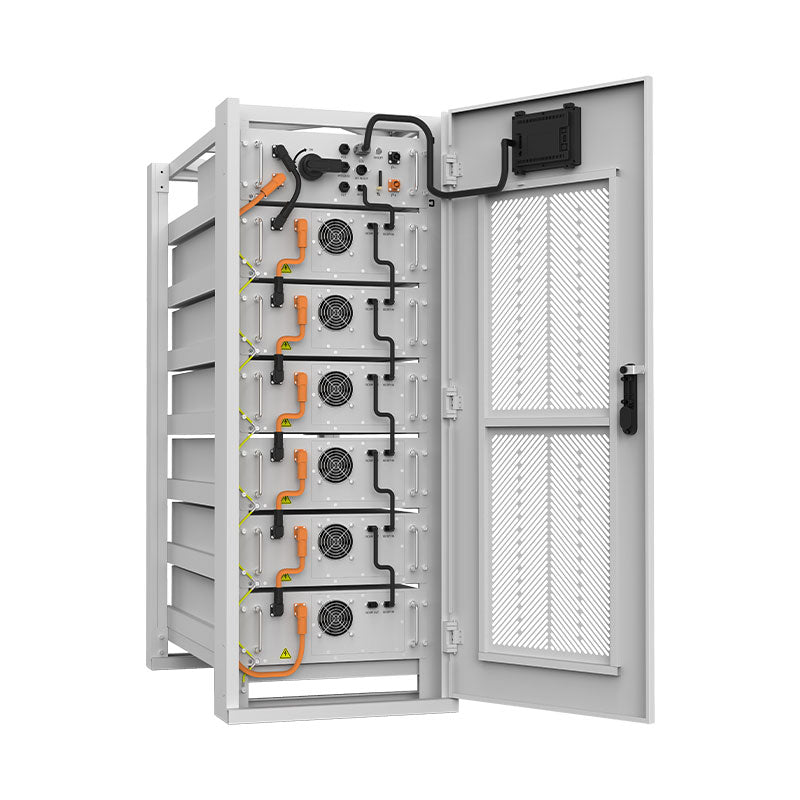
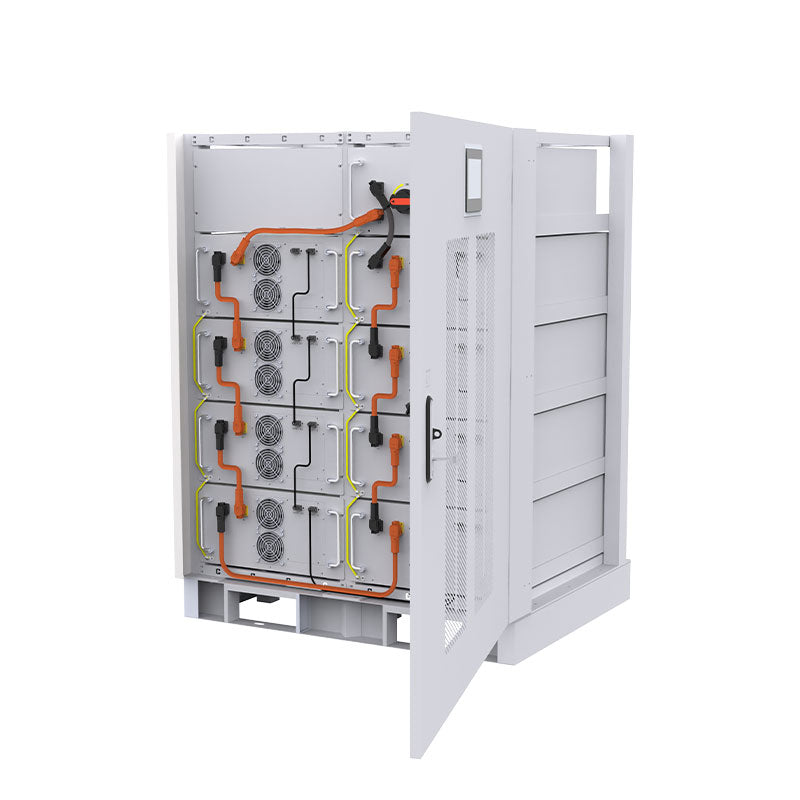
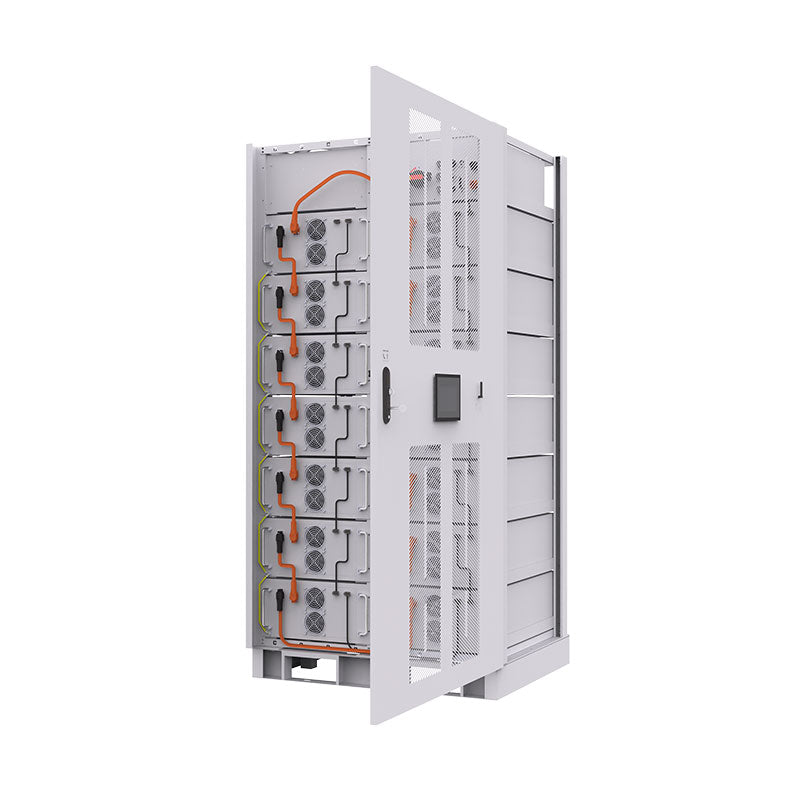
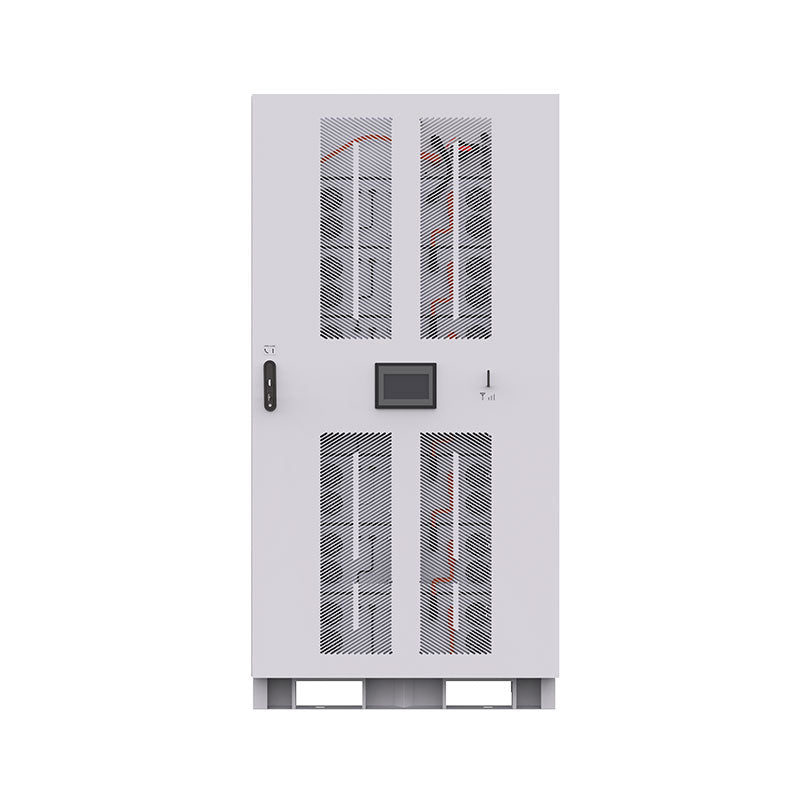
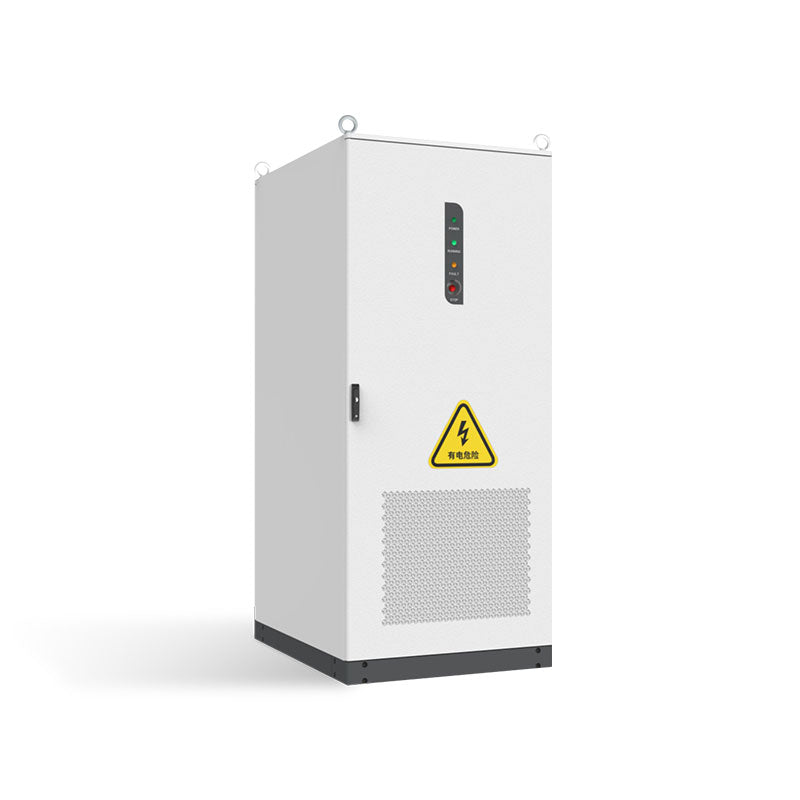
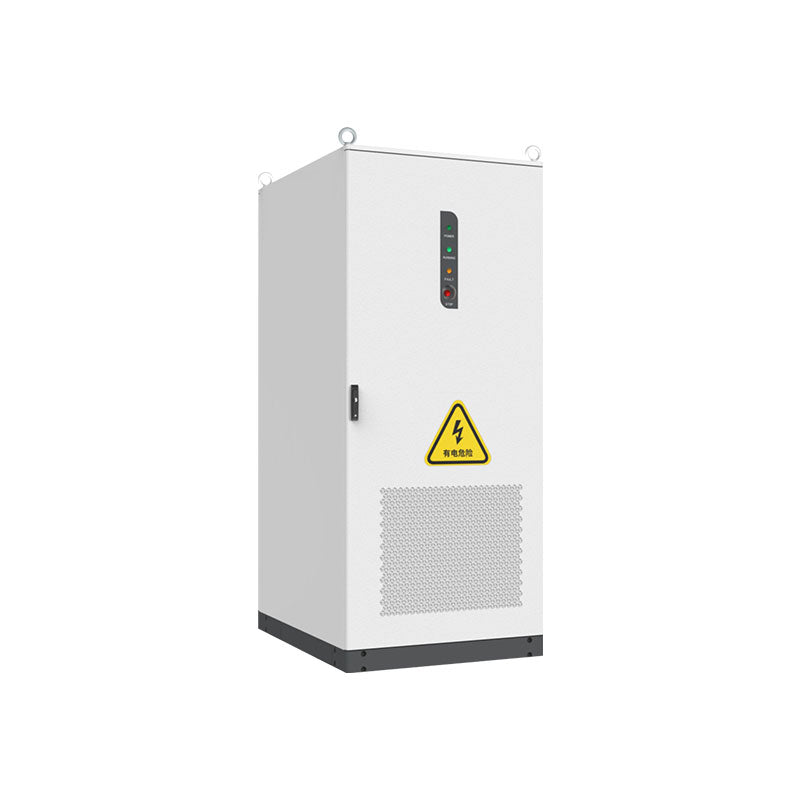
If your home includes a battery energy storage system (ESS), check its indicators or monitoring interface. Ensure connections are secure and there are no visible signs of damage or overheating. Our lithium iron phosphate (LiFePO4) batteries are designed for high performance and safety, but regular checks help ensure their continued reliability. A well-maintained ESS contributes to a consistent power supply, especially during periods of low sunlight, minimizing stress on your solar system.
Verifying Performance and Output
Beyond visual checks, monitoring your system's actual energy production is key to confirming its health and efficiency. Most modern solar systems offer digital tools for this purpose.
Monitoring System Data
Many solar systems come with monitoring software or apps that track energy production in real time. You can view daily, monthly, and annual kilowatt-hour (kWh) production trends. Compare these figures with your expected output. Significant deviations can signal issues such as shading, inverter malfunctions, or other system faults. These monitoring systems often provide alerts or warning signals from your inverter, prompting you to investigate.
Basic Output Checks
You can also check your electricity meter to see if your home is drawing power from the grid when your solar system should be generating electricity. On a bright, sunny day, if the meter is still spinning rapidly, it might suggest an issue with your solar PV system. For those comfortable with basic electrical measurements, a multimeter can verify voltage and current output, comparing readings against manufacturer specifications.
| Indicator | Expected Reading/Observation | Possible Issue |
|---|---|---|
| Inverter Status Light | Solid Green | Red/Orange light: Fault, wiring issue, or component damage |
| Energy Production (kWh) | Matches historical data for similar weather | Significant drop: Shading, dirt, inverter problem |
| Physical Panels | Clean, no visible damage | Cracks, debris, bird nests: Reduced output, potential damage |
| Wiring & Connections | Secure, no exposed wires | Loose, corroded, or chewed wires: Safety hazard, power loss |
Ongoing Maintenance for Peak Efficiency
A post-installation checklist is not a one-time event. Consistent maintenance practices ensure your solar system delivers reliable, clean energy for years.
Routine Cleaning Practices
Solar panels perform best when clean. Dust, pollen, leaves, and bird droppings can accumulate and reduce efficiency. Inspect your panels every 6 to 12 months, or more frequently if you live in a dusty or high-pollution area. When cleaning, use soft cloths or sponges with water. Avoid abrasive tools, harsh chemicals, or cold water on hot panels, as this can cause thermal stress or damage. It is safer to clean during cooler hours, such as early morning or late afternoon.
Professional Inspections and Upgrades
While homeowners can perform many basic checks, periodic professional inspections are highly recommended. A certified solar technician can conduct a comprehensive assessment of your system every 2 to 3 years, or annually if your system includes battery storage or is in a challenging environment. Professionals can identify potential issues proactively, ensuring optimal system performance and compliance. Over time, some components may become less efficient. Strategically upgrading outdated parts can improve system performance and extend the overall lifespan of your solar setup. This commitment to quality components and proper installation practices is vital for durability and optimal performance. Maximising Longevity and Performance of Solar PV Systems .
Securing Your Energy Future
A well-executed post-installation solar checklist empowers you as a homeowner to maintain your system's efficiency and secure your energy independence. Regular, proactive checks contribute directly to the longevity and effective operation of your solar investment. This attention to detail ensures your system continues to provide reliable, clean energy, reducing your reliance on traditional power sources and contributing to a more sustainable lifestyle.
The renewable energy sector, particularly residential solar, is also a significant driver of economic activity. The International Renewable Energy Agency (IRENA) notes that residential solar installations are considerably more labor-intensive per megawatt compared to utility-scale plants, creating numerous local employment opportunities. Decentralised solar PV: A gender perspective . Furthermore, the International Energy Agency (IEA) points out that integrating variable renewable energy (VRE) sources like solar into the grid requires minimal additional effort, especially during initial deployment phases. Getting Wind and Solar onto the Grid and Next-Generation Wind and Solar Power . Utility system operators verify grid code compliance based on a plant's observed response to real-world conditions, underscoring the importance of your system's consistent performance. Getting Wind and Solar onto the Grid .
By adopting a consistent post-installation checklist, you are not just maintaining equipment; you are actively participating in your home's energy future, ensuring it remains bright and efficient.


Leave a comment
All comments are moderated before being published.
This site is protected by hCaptcha and the hCaptcha Privacy Policy and Terms of Service apply.