

















Renewable Portfolio Standards (RPS) have been a primary policy driver for deploying solar energy across the country. These state-level mandates require utilities to source a specific percentage of their electricity from renewable sources by a certain date. For years, solar power has been a key component in meeting these targets. Now, a new player is entering the energy landscape: green hydrogen. As governments set ambitious goals for hydrogen production, a critical question arises: how will these new targets affect existing solar RPS policies and the future of solar development?
The Powerful Synergy of Solar and Green Hydrogen
To appreciate the potential policy shifts, you must first recognize the fundamental relationship between solar power and green hydrogen. They are not competitors; they are powerful partners in the mission to decarbonize our energy systems.
What Exactly is Green Hydrogen?
Green hydrogen is a clean fuel produced through a process called electrolysis. This process uses electricity to split water (H2O) into hydrogen (H2) and oxygen (O2). The 'green' designation comes from the power source used for electrolysis. When powered by renewable energy, like solar or wind, the entire process produces zero carbon emissions. This clean fuel can then be used to power vehicles, generate electricity, or decarbonize industrial processes that are difficult to electrify directly, such as steel and ammonia production. As noted in a report by the International Renewable Energy Agency (IRENA), green hydrogen is critical for cutting emissions from heavy industry and transport.
Why Solar Power is the Perfect Match for Hydrogen
Solar photovoltaic (PV) technology is uniquely suited to power green hydrogen production. The dramatic and ongoing reduction in the Levelized Cost of Energy (LCOE) for utility-scale solar makes it one of the cheapest sources of electricity available today. This low-cost input is vital for making green hydrogen economically competitive with fossil fuel-based alternatives. Large-scale solar farms can be developed specifically to power electrolyzers, providing a dedicated, predictable, and low-cost stream of clean electricity. This direct connection minimizes reliance on the grid and reduces transmission costs, further improving the business case for green hydrogen.
How Green Hydrogen Strengthens RPS Compliance
Instead of complicating renewable energy mandates, green hydrogen offers innovative solutions to some of the biggest challenges associated with high levels of solar penetration. It provides a new tool for utilities and grid operators to meet and even exceed their RPS targets.
Solving the Solar Curtailment Problem
One of the main operational challenges of solar power is intermittency. On sunny days, solar panels can generate more electricity than the grid can absorb, leading to a situation called curtailment. This is when grid operators are forced to discard clean energy to prevent grid instability. Green hydrogen production offers a perfect solution. Instead of being wasted, this excess, low-cost solar energy can be channeled to electrolyzers to produce hydrogen. This transforms a potential loss into a valuable, storable energy carrier. According to IRENA's analysis in Hydrogen: A renewable energy perspective, flexible resources like hydrogen production can significantly reduce the curtailment of variable renewable energy (VRE), improving the financial viability of solar projects.
Enhancing Grid Stability with Long-Duration Storage
While lithium-ion batteries are excellent for short-term energy storage (minutes to hours), green hydrogen offers a viable pathway for long-duration and even seasonal storage. Hydrogen can be stored for weeks or months and then converted back into electricity using fuel cells or hydrogen-ready gas turbines. This capability is crucial for ensuring grid reliability during extended periods of low solar generation, such as during winter months or long cloudy spells. By providing this firm, dispatchable power, green hydrogen helps balance the grid and ensures that RPS targets are met consistently throughout the year, not just on sunny days.
The Evolution of Renewable Energy Policy
The rise of green hydrogen will likely trigger a significant evolution in renewable energy policy, creating new mechanisms that integrate hydrogen production directly into compliance frameworks.
Expanding RPS to Include Clean Fuels
Policymakers may expand traditional RPS frameworks or create parallel mandates, such as a Clean Fuel Standard. Under such a policy, solar projects could earn additional credits or revenue streams by dedicating their output to green hydrogen production. This would create a market-based incentive to build more solar capacity specifically for electrolysis. For this to work, a robust certification system, often called a guarantee-of-origin, is needed. This system would track and verify that the hydrogen was produced using renewable electricity, ensuring the environmental integrity of the policy.
The Role of Integrated Energy Storage Systems
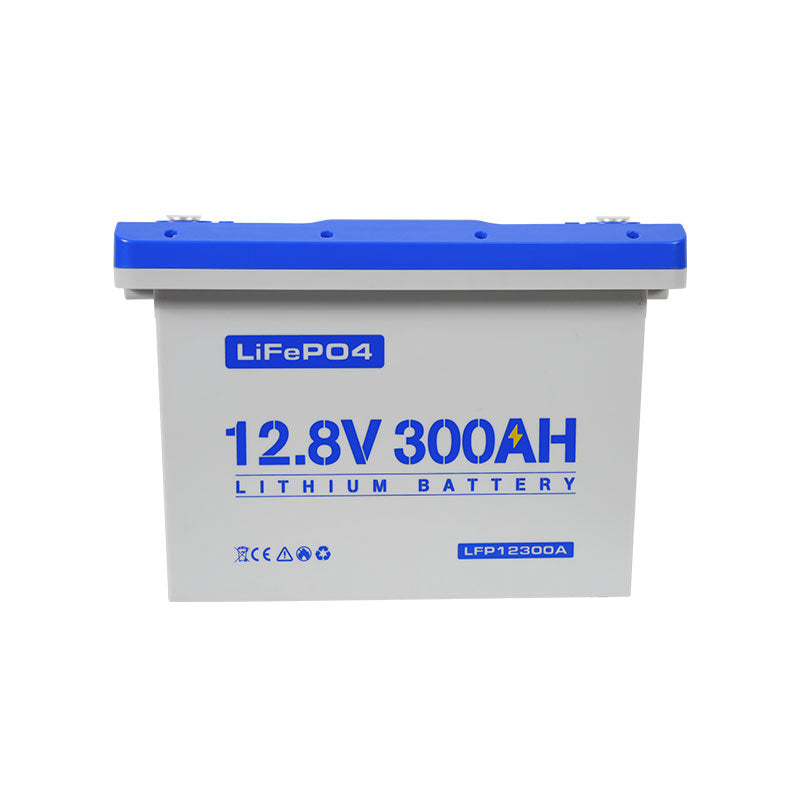
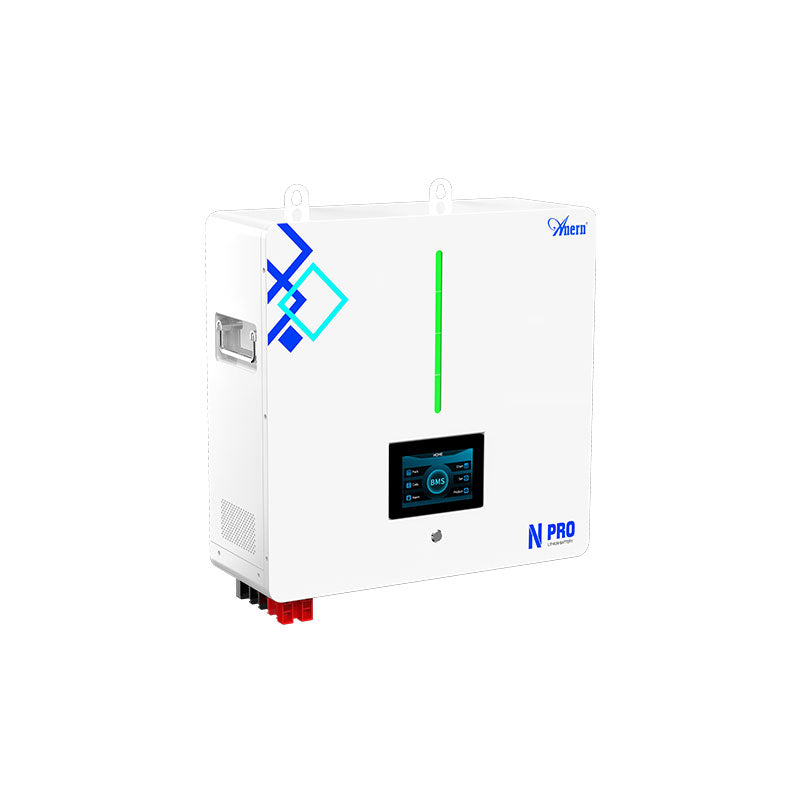
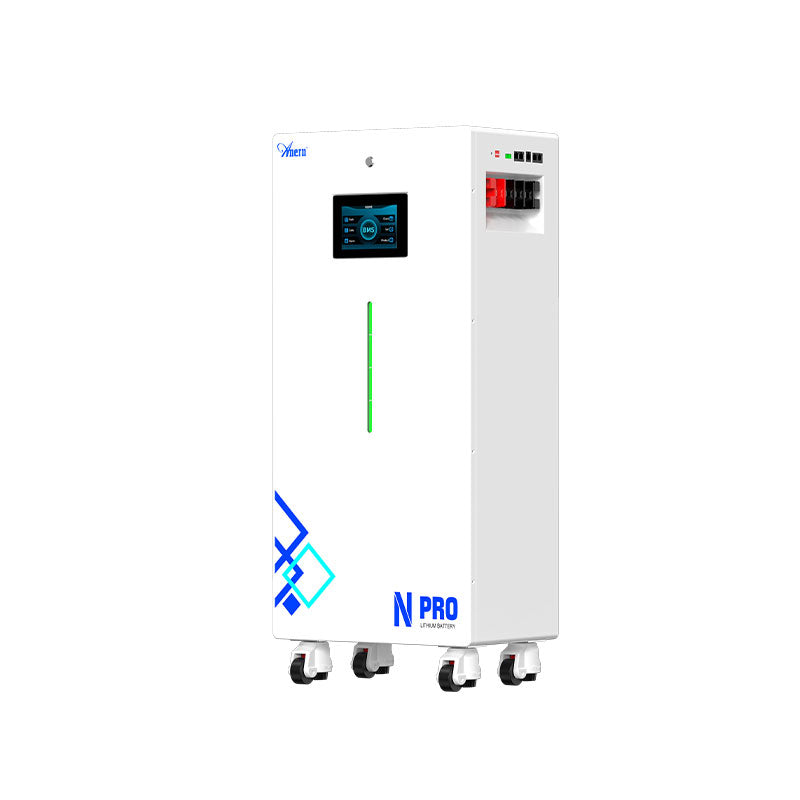
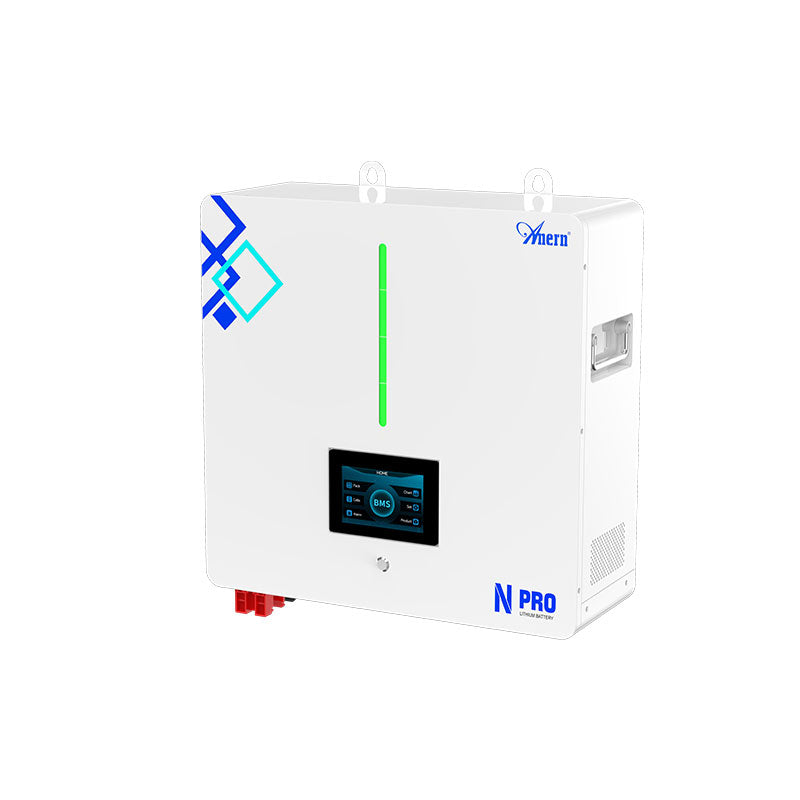
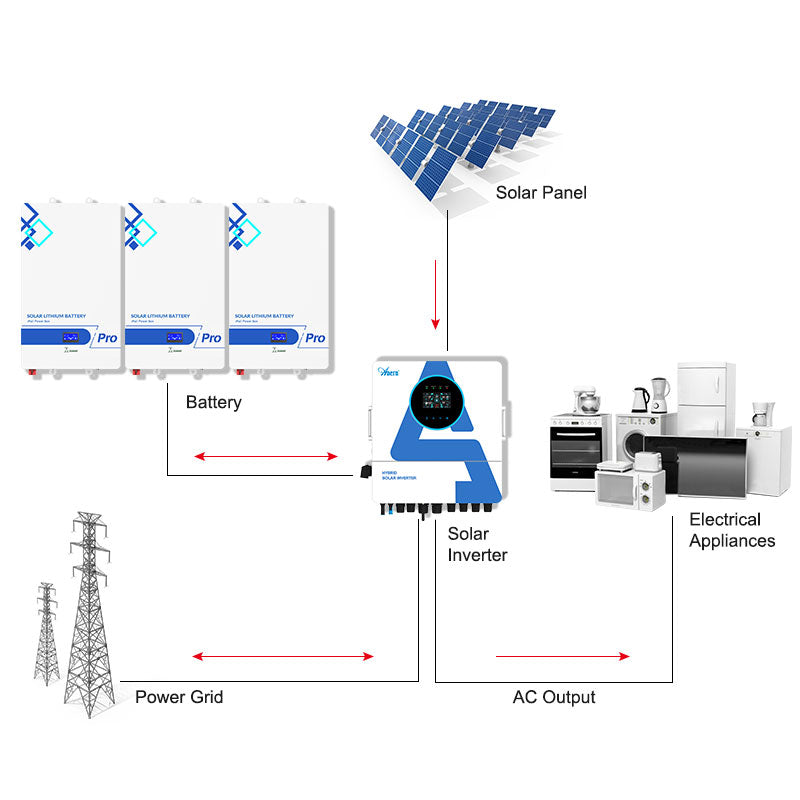
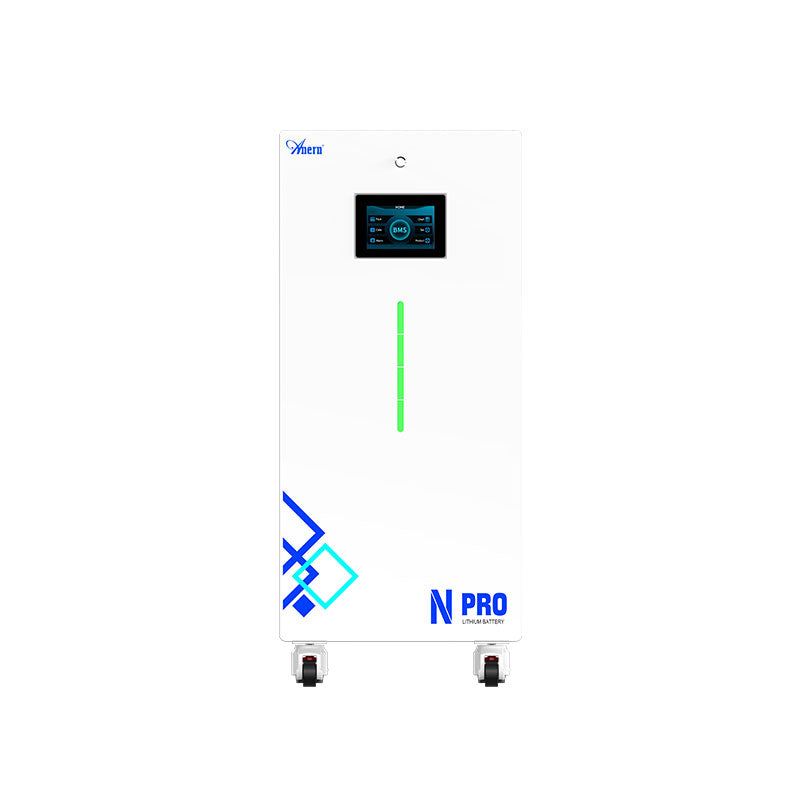
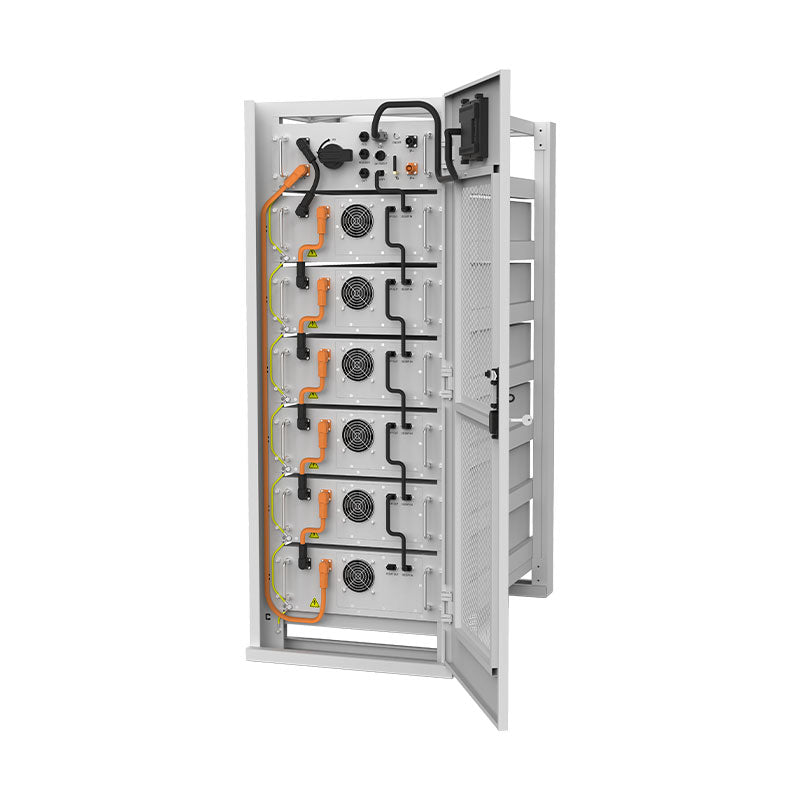
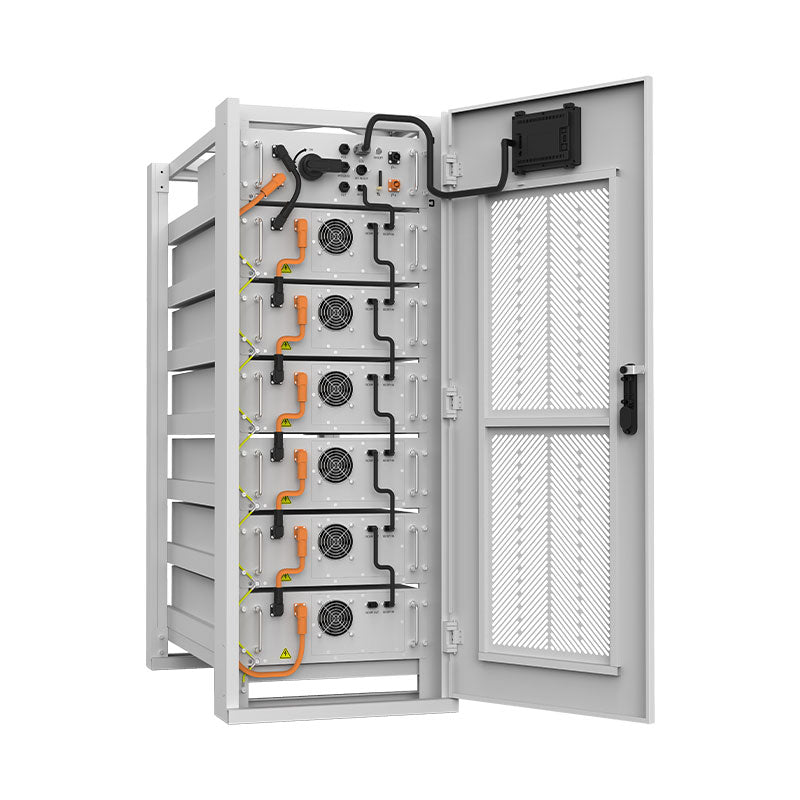
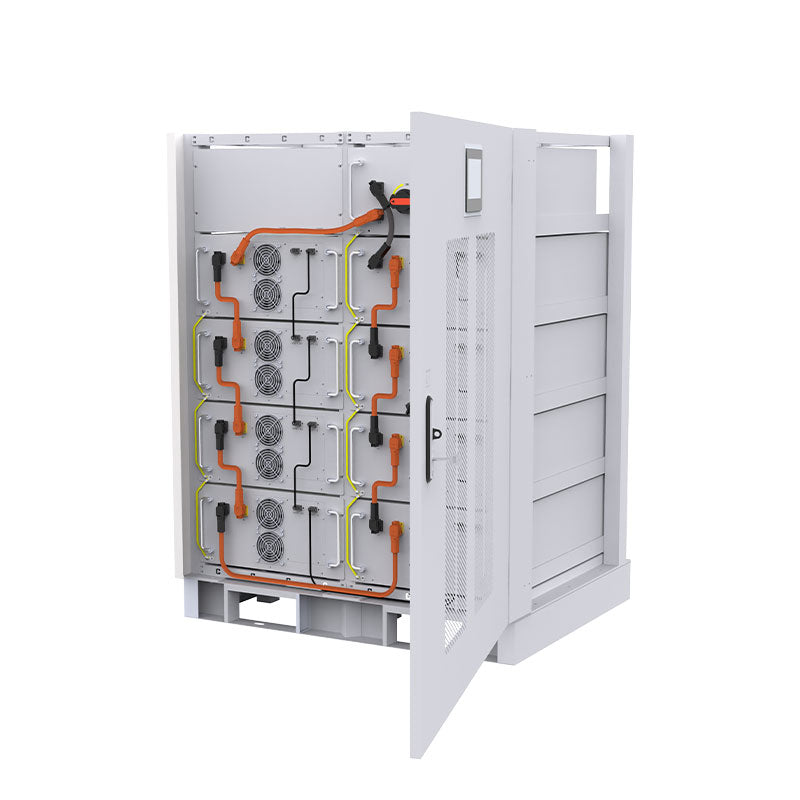
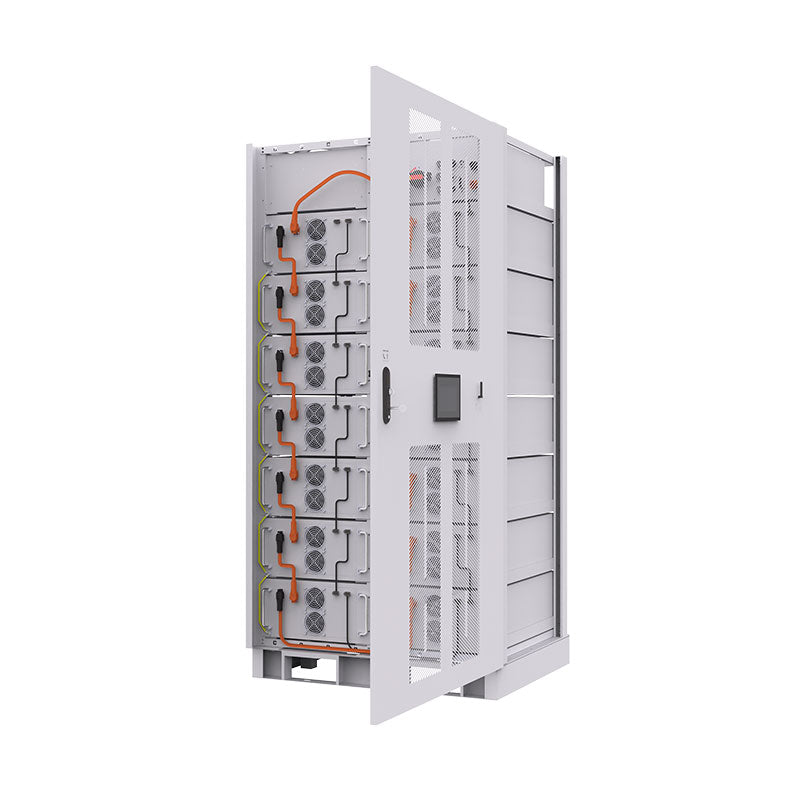
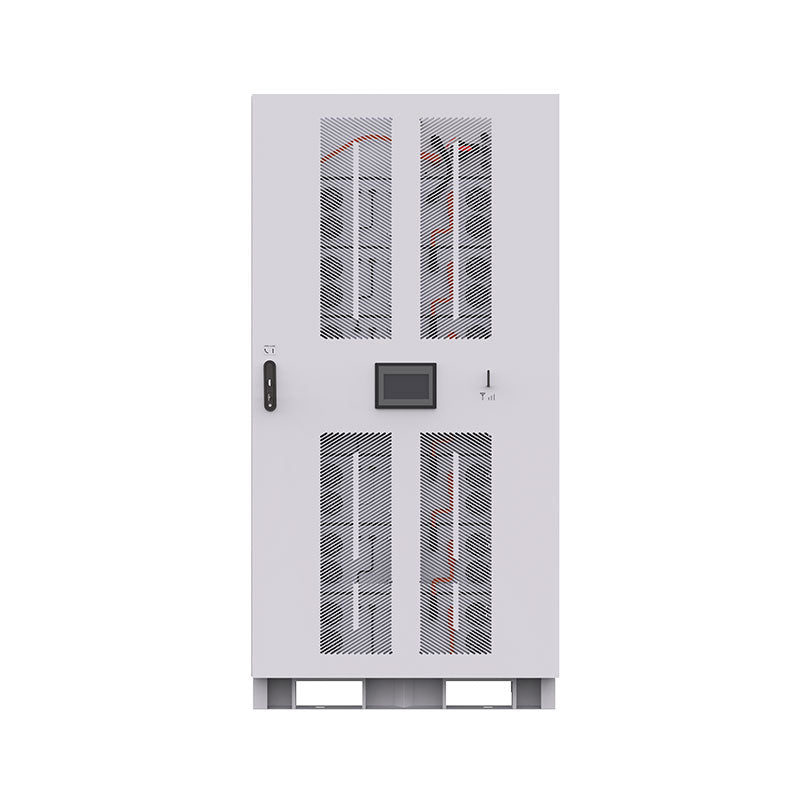
The connection between solar, batteries, and electrolyzers is becoming increasingly important. While hydrogen provides long-term storage, battery energy storage systems (ESS) are vital for managing the moment-to-moment fluctuations in solar output. An integrated solar-plus-storage system can provide the smooth, stable power that an electrolyzer needs to operate efficiently. LiFePO4 batteries, known for their safety and long cycle life, are particularly well-suited for this role. Properly sizing and managing these systems requires a deep technical understanding of their performance metrics. For a detailed breakdown of how to evaluate system efficiency, you can review this ultimate reference on solar and storage performance, which covers key indicators for both solar panels and storage components.
Challenges and Important Considerations
The path to a hydrogen-powered future is not without its obstacles. Technology costs, efficiency, and infrastructure all present challenges that must be addressed through innovation and smart policy.
Cost, Efficiency, and Infrastructure Hurdles
The cost of electrolyzers, while decreasing, remains a significant capital expense. Additionally, the process of converting electricity to hydrogen and back to electricity—known as round-trip efficiency—incurs energy losses. Policymakers and investors must carefully weigh these factors. The U.S. Department of Energy has recognized these challenges and is funding initiatives to drive down costs and improve technology, as seen in programs supported by the Solar Energy Technologies Office (SETO).
| Storage Technology | Typical Round-Trip Efficiency | Storage Duration | Primary Use Case |
|---|---|---|---|
| LiFePO4 Batteries | 85-95% | Hours to Days | Grid stabilization, peak shaving, daily load shifting |
| Green Hydrogen (Power-to-Gas-to-Power) | 30-50% | Days to Months (Seasonal) | Long-duration storage, industrial feedstock, transportation fuel |
Furthermore, a widespread hydrogen economy requires substantial investment in new infrastructure for transportation and storage. Standardized safety regulations and protocols must also be developed and implemented to ensure public confidence and safe operation.
Disclaimer: This content is for informational purposes only and does not constitute financial, legal, or investment advice. You should consult with a qualified professional before making any decisions related to renewable energy projects or investments.
A Symbiotic Future for Solar and Hydrogen
The emergence of green hydrogen targets does not signal a threat to solar RPS policies. Instead, it represents a profound opportunity to strengthen them. Green hydrogen acts as a powerful catalyst for solar energy, providing a solution to curtailment, a method for long-duration storage, and a new source of demand that will drive the deployment of massive new solar projects. While technical and financial challenges remain, the synergy is undeniable. The integration of hydrogen and solar will create a more resilient, flexible, and deeply decarbonized energy system, accelerating our progress toward a clean energy future.
Frequently Asked Questions
What is the main difference between green hydrogen and other types of hydrogen?
The difference lies in the production method and its carbon footprint. Green hydrogen is made using renewable energy to power electrolysis, resulting in zero emissions. In contrast, 'grey' hydrogen is produced from natural gas through a process that releases CO2, and 'blue' hydrogen is similar but captures some of the CO2 emissions.
Can green hydrogen production help a utility meet its solar RPS compliance?
Indirectly, yes. By using excess solar generation that would otherwise be curtailed, hydrogen production makes solar assets more valuable and efficient. Policies are also evolving to potentially allow electricity used for green hydrogen to count toward renewable targets, or for hydrogen itself to be included in new clean energy standards.
Is hydrogen a better energy storage solution than batteries?
They serve different purposes. Batteries, like LiFePO4 systems, are highly efficient for short-term storage (a few hours) and are ideal for managing daily grid fluctuations. Hydrogen is less efficient for short cycles but excels at long-duration, seasonal storage (weeks or months), which is something batteries cannot currently do cost-effectively. They are complementary technologies, not direct replacements for each other.
