




















A common question surrounding government-led renewable energy initiatives is their effect on your wallet. Many people assume that forcing a switch to solar power through mandates automatically leads to higher electricity bills. This belief, while understandable, often overlooks the full economic picture of modern energy systems. This piece examines the facts behind Renewable Portfolio Standards (RPS) and separates common myths from reality regarding solar energy costs.
The Foundation of Renewable Portfolio Standards (RPS)
To accurately assess the cost implications, you first need to know what these mandates are and what they are designed to achieve. They are more than just rules; they are strategic tools for shaping our energy future.
What Are RPS Mandates?
A Renewable Portfolio Standard is a regulation that requires utility companies to source a minimum percentage of the power they sell from renewable energy sources by a certain year. For example, a state might mandate that 30% of all electricity must come from renewables like solar, wind, or hydro by 2030. Many states also include specific 'carve-outs' that require a certain portion of that renewable energy to come specifically from solar power.
The Goal Behind the Mandates
The primary driver for RPS policies is the transition to a cleaner, more sustainable energy grid. These mandates aim to reduce greenhouse gas emissions and combat climate change. Beyond environmental benefits, they are also designed to stimulate innovation in clean technology, create local jobs in the renewable energy sector, and reduce a region's dependence on volatile global fossil fuel markets. As noted by the International Energy Agency in its Solar Energy Perspectives report, policies like RPS can effectively jumpstart the deployment of solar electricity by creating predictable demand.
Analyzing the Cost Argument: Where Does the Myth Come From?
The idea that solar mandates increase costs isn't entirely baseless. It stems from a narrow focus on initial expenses while ignoring long-term gains and technological advancements.
Initial Investment and Grid Upgrades
Building new infrastructure, whether it's a solar farm or a traditional power plant, requires significant capital. Renewable energy projects involve costs for solar panels, inverters, and land. Additionally, integrating large amounts of intermittent solar power into an aging grid can necessitate upgrades to transmission lines and substations to maintain reliability. These upfront costs are real, and they are often the central point of arguments claiming that RPS mandates are too expensive.
The Short-Term vs. Long-Term View
Focusing only on the initial build-out is like judging the value of a house by its construction cost alone, without considering its future appreciation or the cost of renting. While some grid cost increases may occur initially, this perspective misses the larger economic shifts that solar power brings over the lifetime of the project. A U.S. government analysis found that state RPS programs have increased grid costs by around 3%, but this figure doesn't capture the full range of economic and environmental benefits that offset these costs.
Debunking the Myth: How Solar Mandates Can Lower Costs
The argument that mandates lead to runaway costs crumbles when you examine the current state of solar technology, its operational advantages, and the crucial role of energy storage.
The Falling Cost of Solar Technology
The single most significant factor changing the economic equation is the dramatic drop in the price of solar technology. The Levelized Cost of Electricity (LCOE)—a metric that calculates the total cost of building and operating a power plant over its lifetime divided by its total energy output—shows this clearly. According to the IEA's World Energy Investment 2023, solar PV and wind, despite some recent cost pressures, 'remained a more attractive proposition than fossil fuel power for new generation in most markets around the world.' This sustained cost-competitiveness is a primary reason why solar is being deployed at a record pace.
| Energy Source | Typical LCOE Range (USD/MWh) | Key Cost Factors |
|---|---|---|
| Utility-Scale Solar PV | $30 - $60 | Zero fuel cost, low operating expenses |
| Onshore Wind | $30 - $70 | Zero fuel cost, moderate operating expenses |
| Combined-Cycle Gas | $45 - $80+ | High fuel price volatility, carbon pricing risk |
| Coal | $70 - $150+ | High fuel costs, significant environmental compliance costs |
Note: LCOE values are estimates and can vary significantly based on location, financing, and policy incentives. This table provides a general comparison.
Fuel-Free Operation and Price Stability
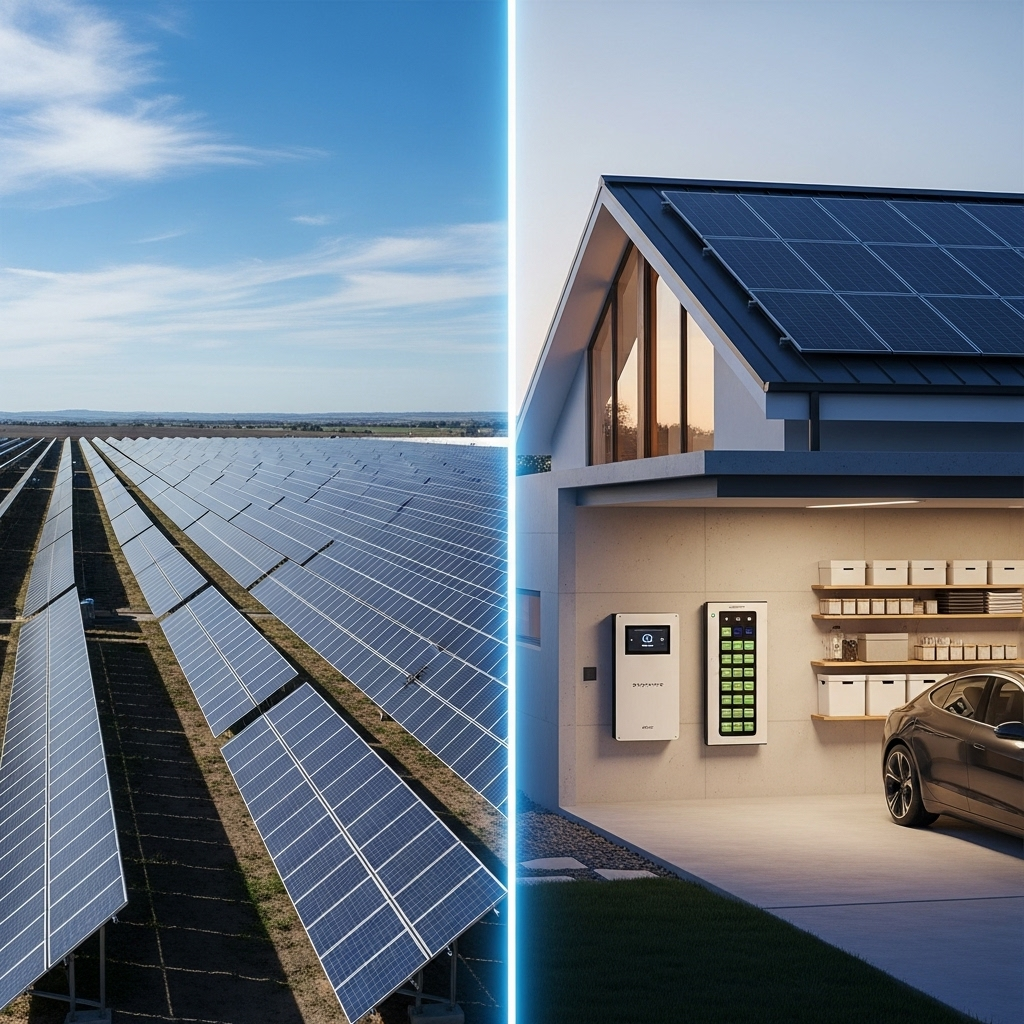
Once a solar farm is built, its fuel—sunlight—is free. This is a fundamental advantage over fossil fuel plants, which are constantly subject to unpredictable swings in the prices of coal and natural gas. This price volatility is often passed directly to consumers through fuel adjustment charges on their utility bills. By increasing the share of solar power, RPS mandates help insulate the electricity market from these price shocks, leading to more predictable and stable energy costs over the long term.
The Role of Energy Storage in Cost Management
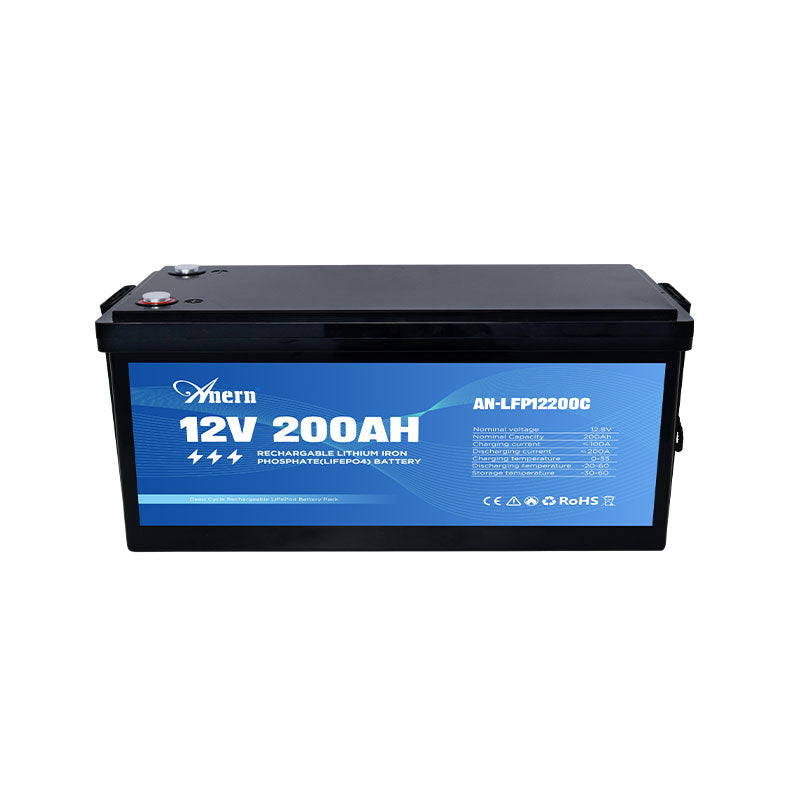
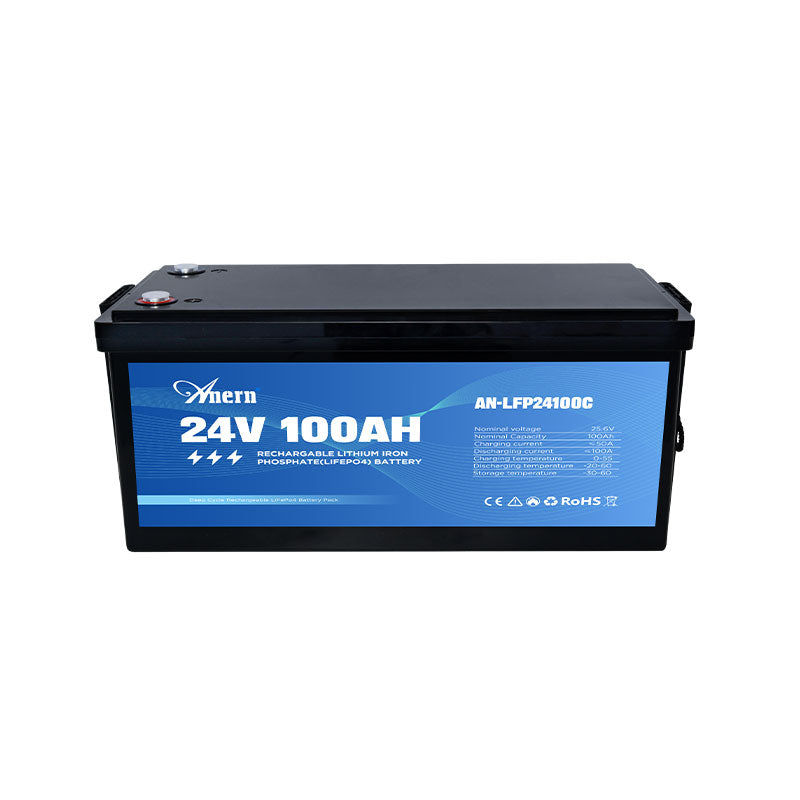
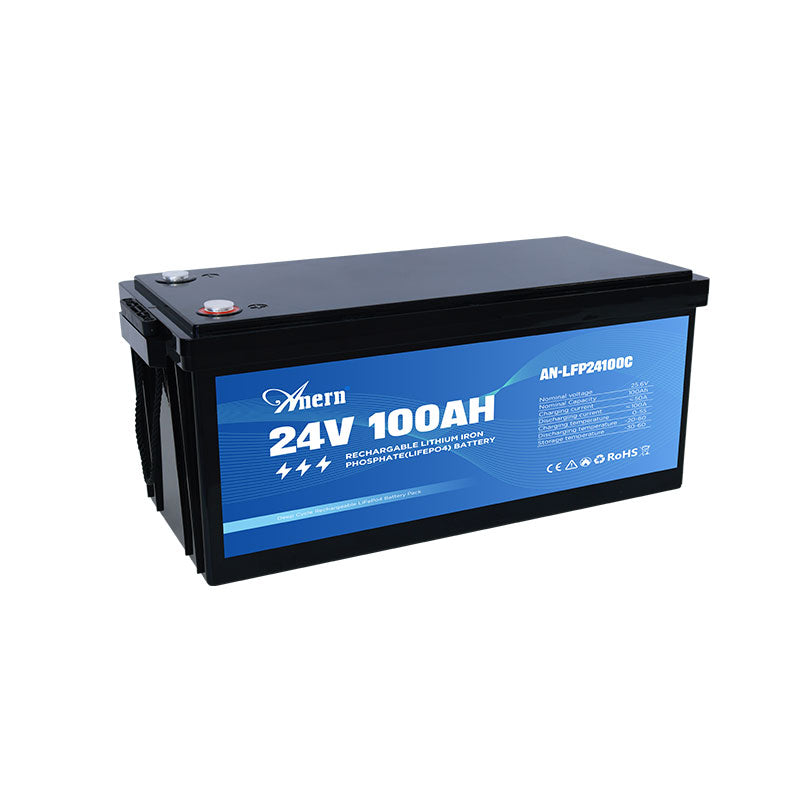
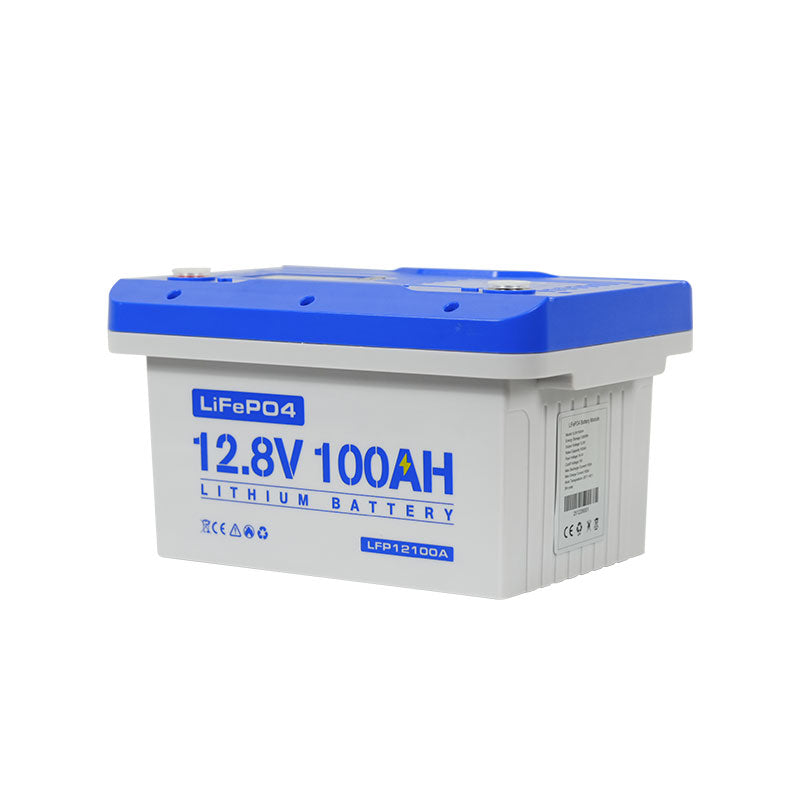
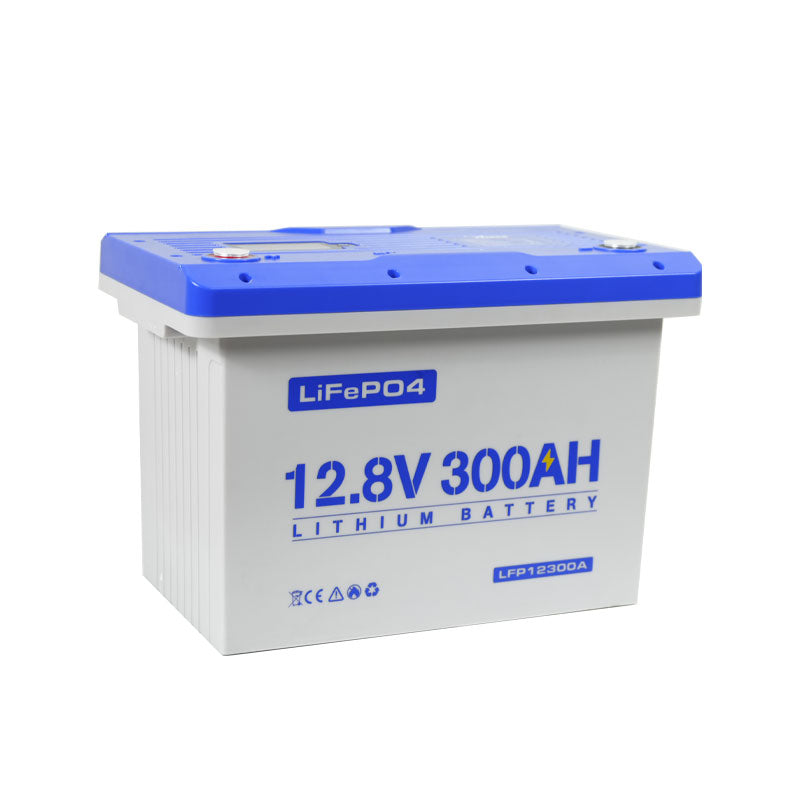
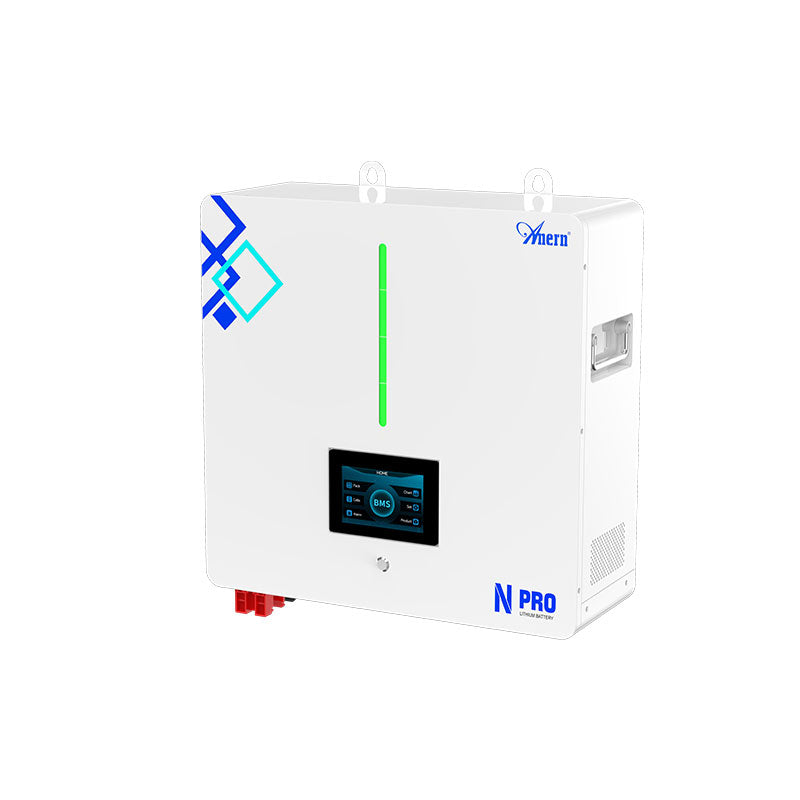
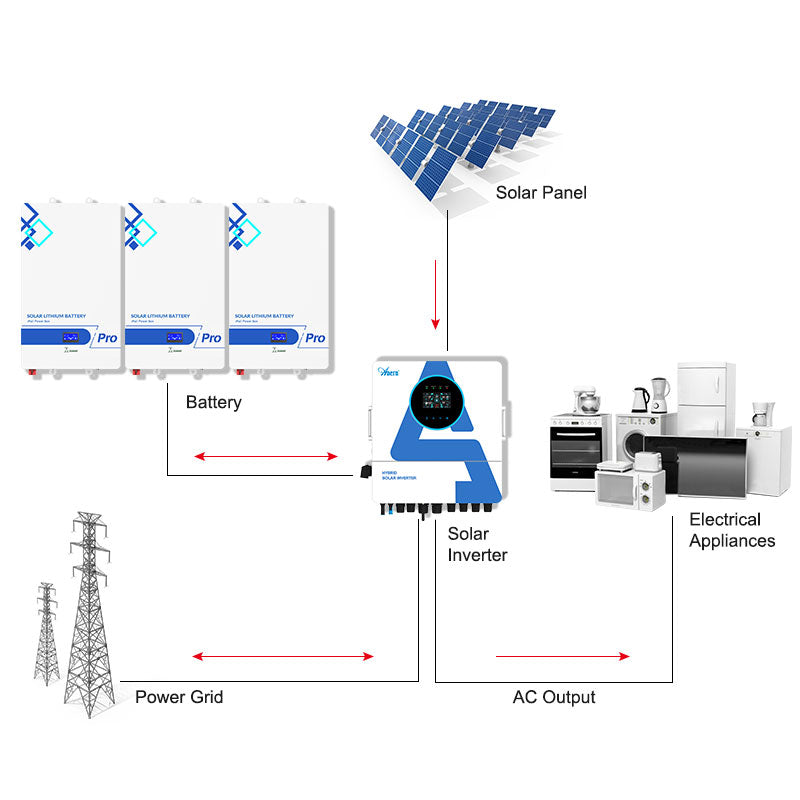
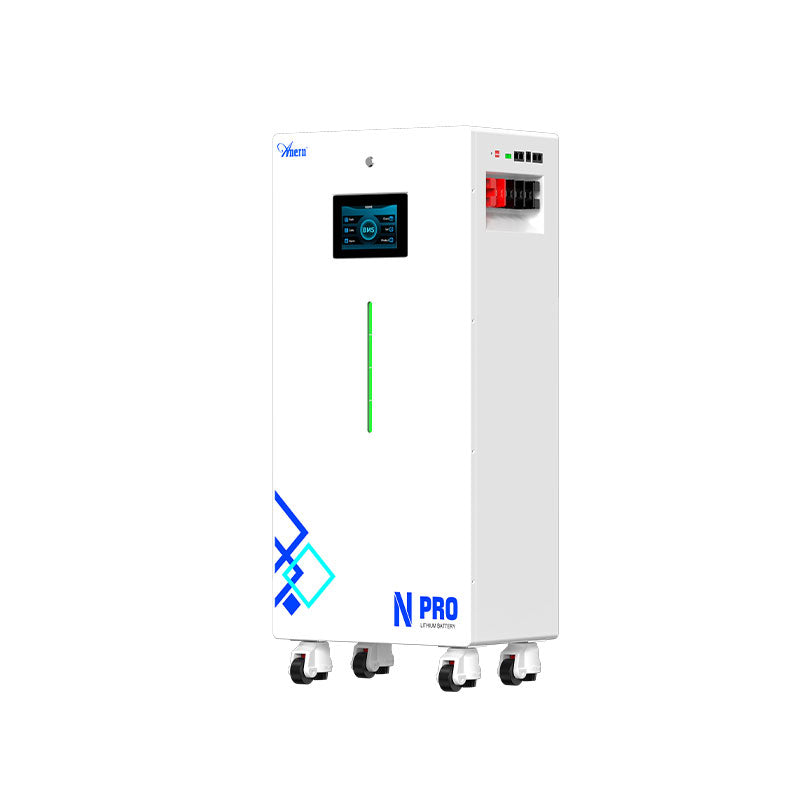
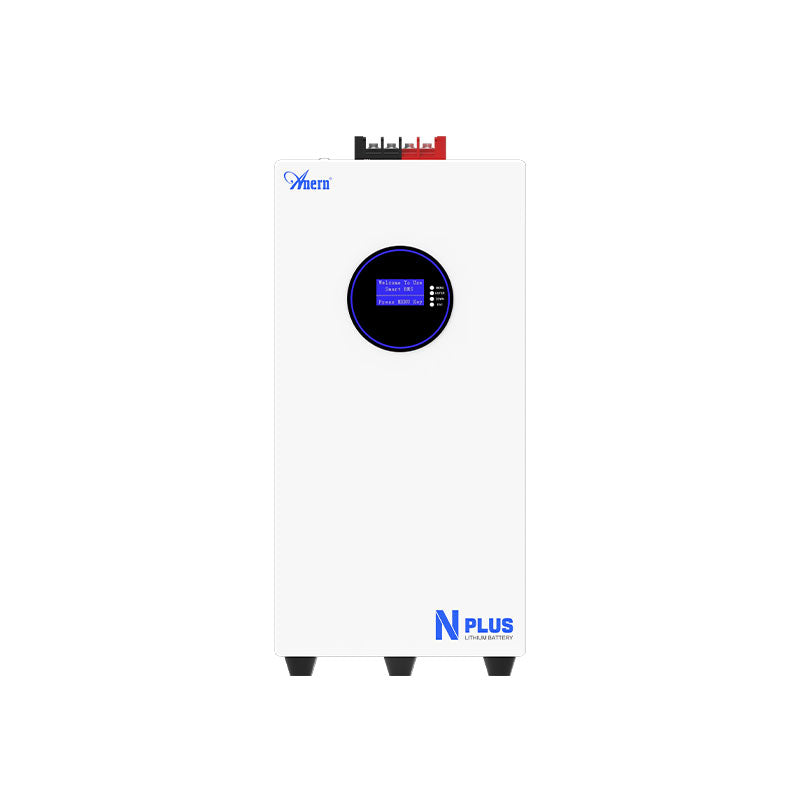
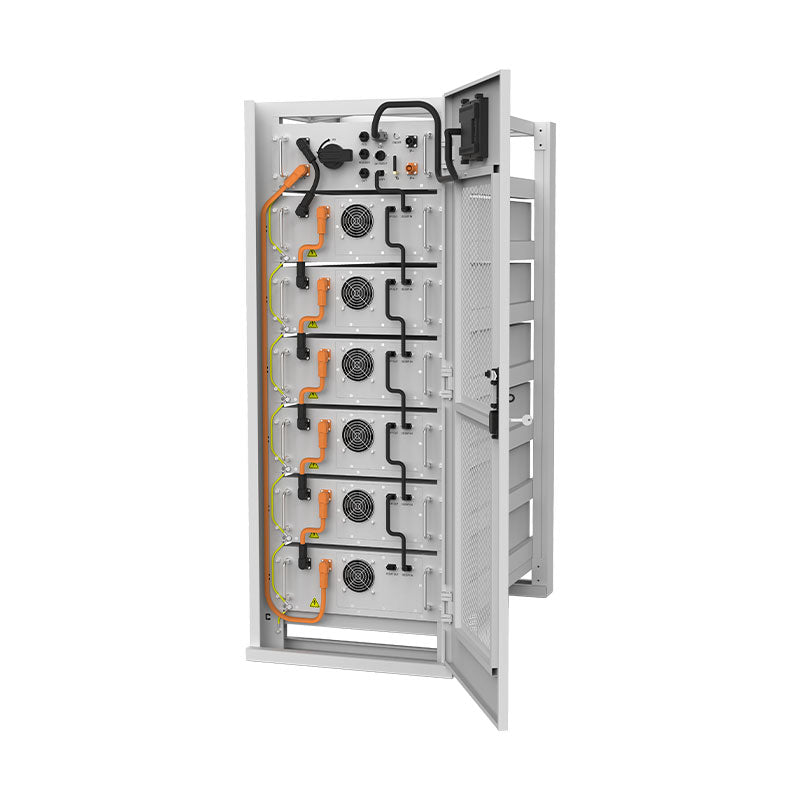
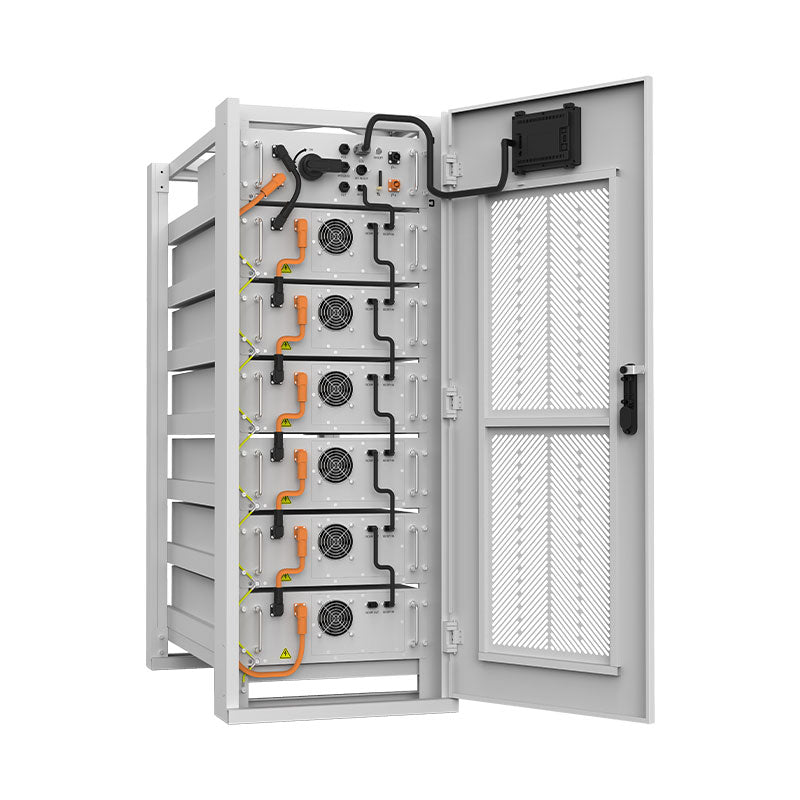
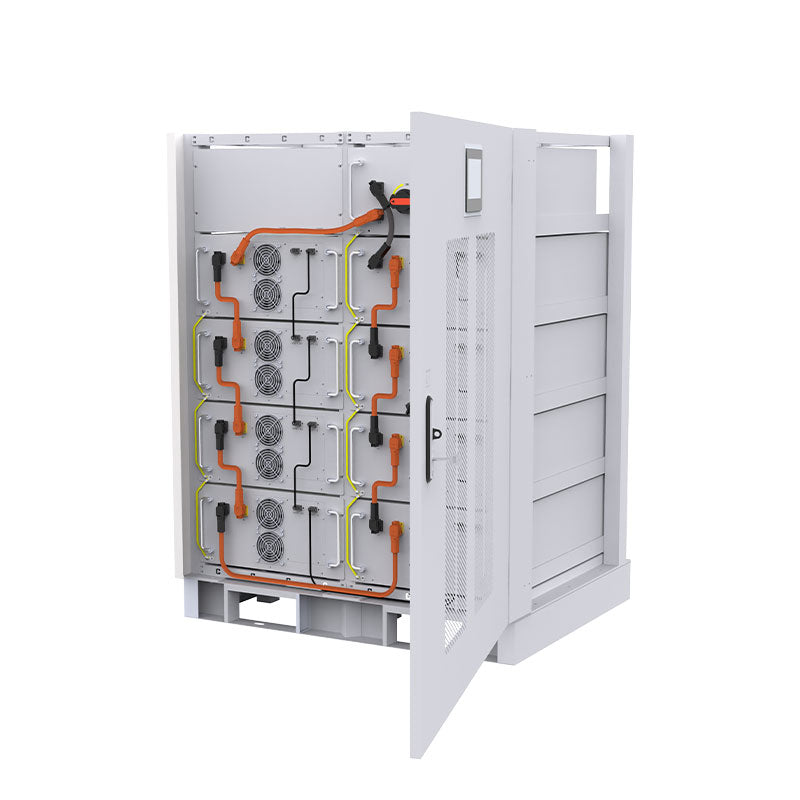
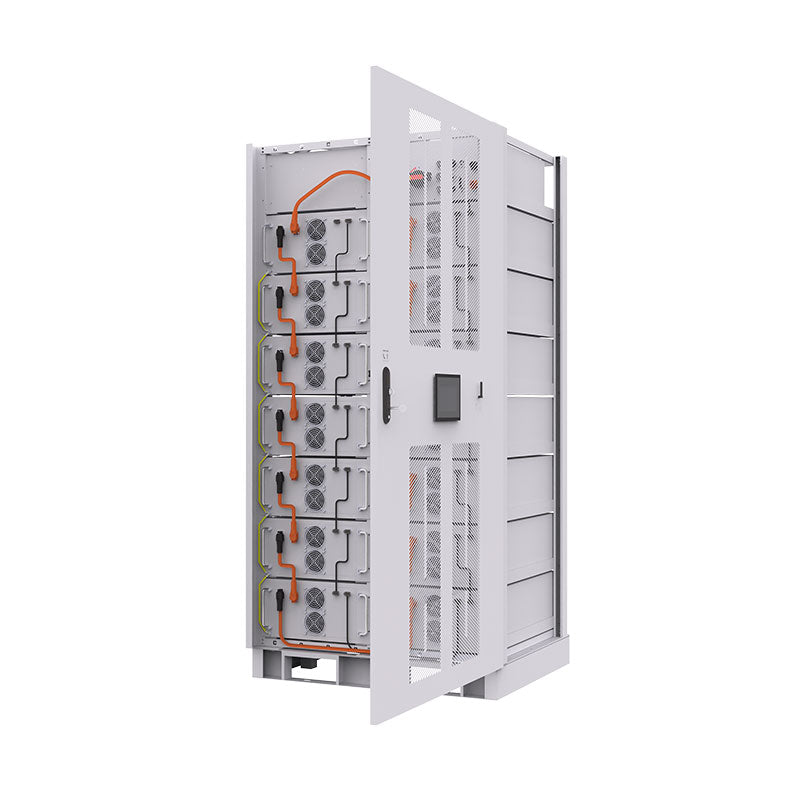
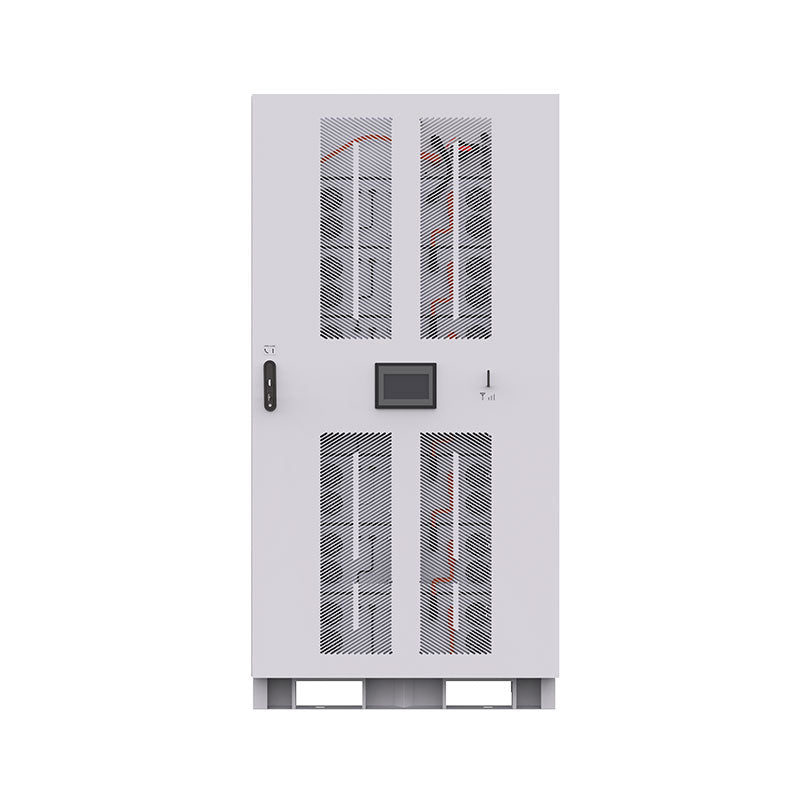
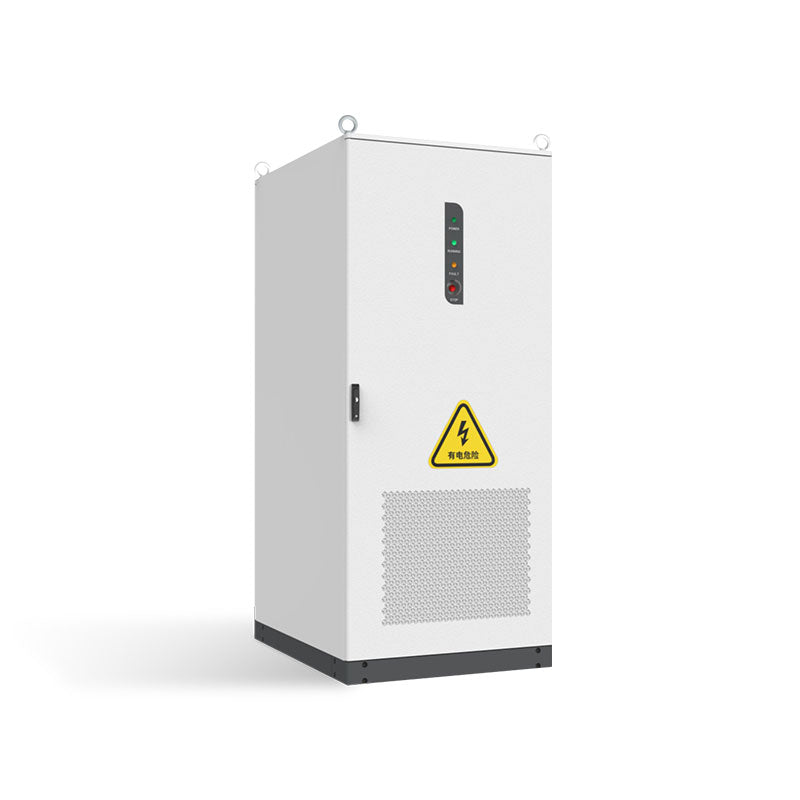
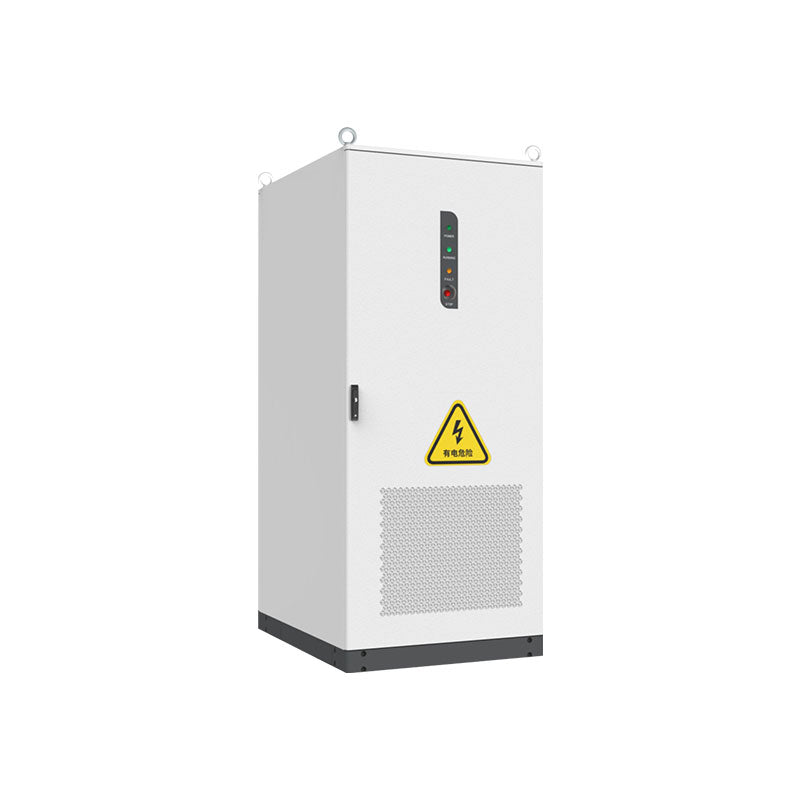
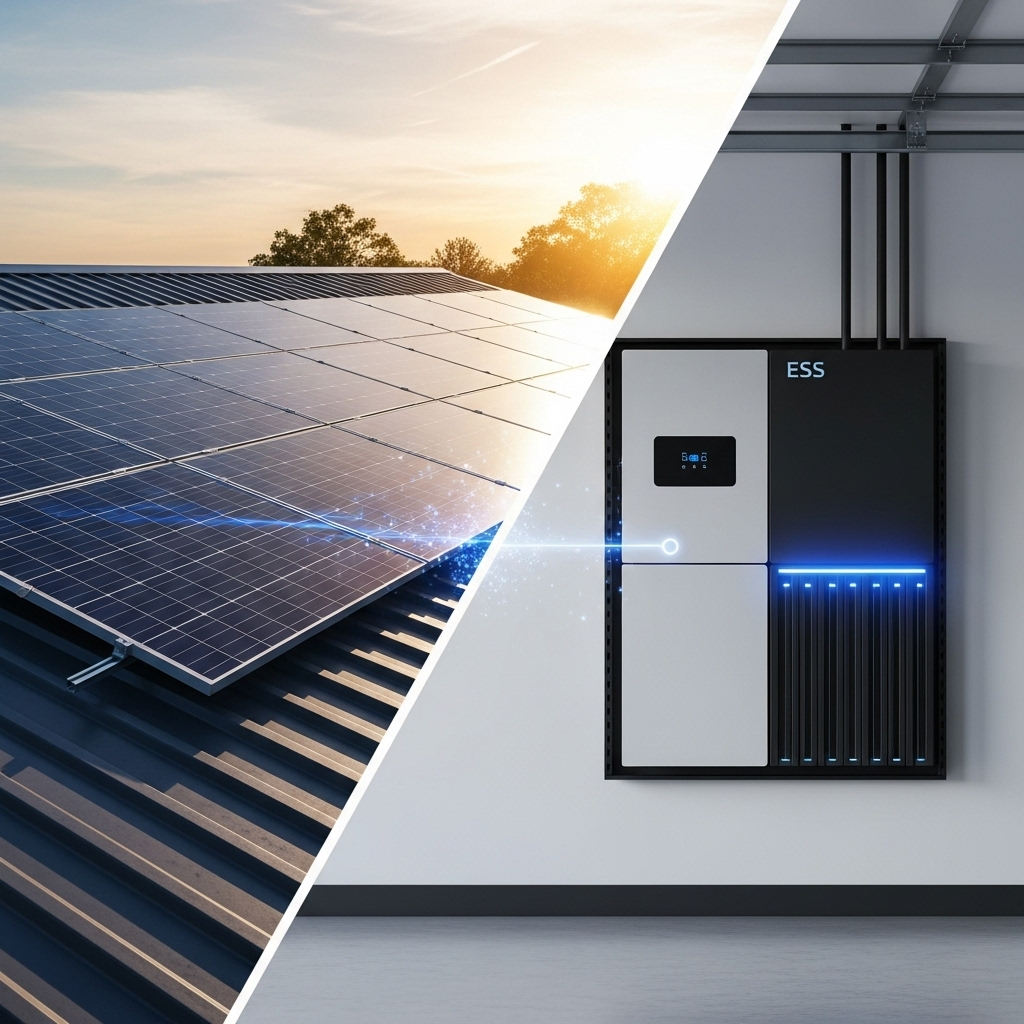
A common critique of solar is its intermittency; it only generates power when the sun is shining. This is where energy storage systems (ESS), particularly those built with reliable lithium iron phosphate (LiFePO4) batteries, become a game-changer. ESS stores excess solar energy produced during the day and dispatches it during evening peak hours or on cloudy days. This capability reduces the need for expensive, fossil-fuel-powered 'peaker plants' that fire up only to meet high demand, often at a very high cost. Optimizing this process requires a deep understanding of key metrics. As detailed in this ultimate reference on solar storage performance, factors like Depth of Discharge (DoD) and round-trip efficiency directly impact the economic viability of a storage system, ensuring you get the most value from every kilowatt-hour stored.
A Balanced Perspective on Renewable Mandates
The transition to renewable energy is a complex process, and it's true that Renewable Portfolio Standards can introduce initial costs related to infrastructure investment. However, the persistent myth that these mandates are a one-way ticket to permanently higher energy bills is outdated. The falling cost of solar technology, combined with zero fuel expenses and the stabilizing effect of energy storage, creates a powerful economic case for renewables. Policies like the U.S. Inflation Reduction Act further accelerate this trend by providing tax credits that lower project costs. Ultimately, solar mandates are an investment in a cleaner, more resilient, and economically stable energy system for the future.
Disclaimer: This article is for informational purposes only and does not constitute financial or investment advice. Consult with a qualified professional before making any financial decisions.
Frequently Asked Questions
What is a Renewable Portfolio Standard (RPS)?
An RPS is a state-level regulation.
It requires utilities to generate a specific percentage of their electricity from renewable sources, such as solar and wind, by a set deadline. It's a key policy tool for promoting clean energy.
Do solar mandates guarantee higher electricity bills?
Not necessarily.
While there can be initial costs for grid upgrades, the long-term trend shows that solar energy is becoming increasingly cost-competitive. The falling price of solar panels and zero fuel costs often lead to stable or even lower electricity prices over time compared to volatile fossil fuels.
How does energy storage help control costs?
By improving grid reliability and efficiency.
Energy storage systems, like those using LiFePO4 batteries, store excess solar power for use when the sun isn't shining. This reduces the need for expensive backup power plants and helps stabilize the grid, which can lower overall system costs.
Are there other benefits to RPS besides cost?
Yes, many.
RPS mandates help reduce air pollution and greenhouse gas emissions, improve public health, create local jobs in the clean energy sector, and increase a region's energy independence by reducing reliance on imported fuels.

Leave a comment
All comments are moderated before being published.
This site is protected by hCaptcha and the hCaptcha Privacy Policy and Terms of Service apply.