














Solar energy adoption continues to accelerate across the United States, but homeowners associations (HOAs) present a significant barrier in many communities. Understanding the scope and geographic distribution of these restrictions helps homeowners navigate the complex landscape of residential solar installation.

The Current State of HOA Solar Restrictions
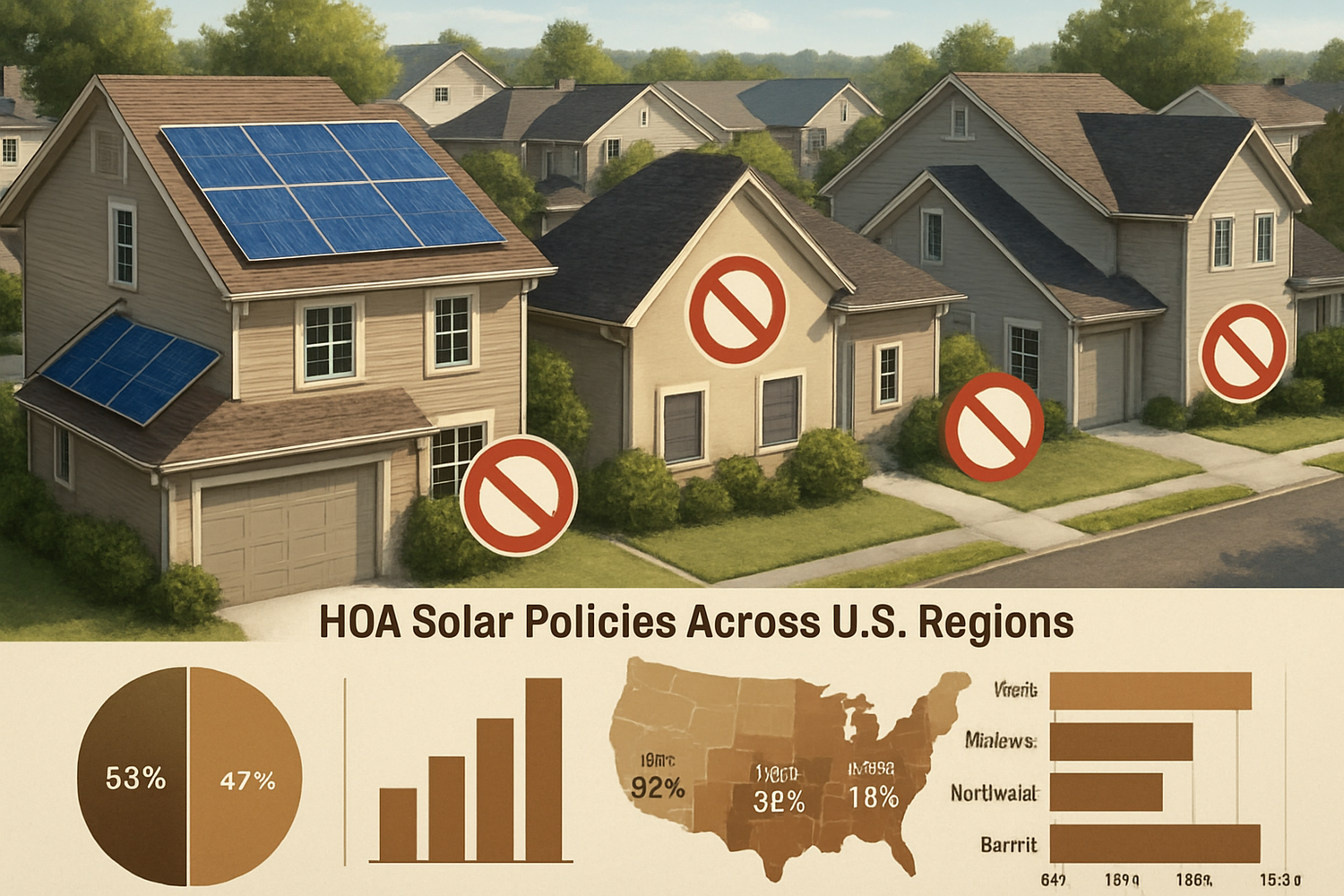
Recent studies reveal that approximately 40% of new homes built in the United States fall under HOA governance, affecting millions of potential solar adopters. Among these communities, an estimated 25-30% maintain some form of solar panel restrictions, though the severity varies significantly.
According to *research from the U.S. Department of Energy*, HOA restrictions impact roughly 10-12 million households nationwide. These restrictions range from complete bans to aesthetic requirements that make installations prohibitively expensive.
Types of HOA Solar Restrictions
HOA solar restrictions typically fall into several categories:
- Complete prohibitions: Outright bans on solar installations (approximately 8% of HOAs)
- Aesthetic restrictions: Requirements for specific colors, mounting methods, or placement locations (60% of restrictive HOAs)
- Approval processes: Mandatory review periods that can delay installations by months (75% of HOAs with solar policies)
- Size limitations: Caps on system capacity or panel coverage area (30% of restrictive HOAs)
Geographic Distribution of Solar Restrictions
Solar restrictions show distinct regional patterns influenced by local policies, climate conditions, and housing development trends. States with high HOA prevalence don't always correlate with the most restrictive solar policies.
| Region | HOA Coverage Rate | Solar Restriction Rate | Most Restrictive States |
|---|---|---|---|
| Southwest | 65% | 22% | Nevada, Arizona |
| Southeast | 55% | 35% | Florida, North Carolina |
| West Coast | 45% | 18% | California (varies by county) |
| Northeast | 35% | 28% | New York, Connecticut |
| Midwest | 25% | 32% | Illinois, Ohio |
State-Level Solar Protection Laws
Twenty-four states have enacted legislation limiting HOA authority over solar installations. These "solar access laws" vary in strength and scope. *Data from the Energy Information Administration* shows that states with stronger solar protection laws see 40% higher residential adoption rates.
States with comprehensive solar protection include California, Texas, Florida, and Colorado. These laws typically prevent HOAs from completely prohibiting solar installations while allowing reasonable aesthetic guidelines.
Economic Impact of HOA Solar Restrictions
The financial implications of HOA solar restrictions extend beyond individual homeowners to broader economic and environmental goals. Restricted communities show significantly lower solar adoption rates, impacting local renewable energy targets.
Market Analysis Data
Economic analysis reveals substantial impacts from HOA restrictions:
- Restricted communities average 65% lower solar adoption rates compared to unrestricted neighborhoods
- Property values in solar-friendly HOAs increase 4.1% faster than restrictive communities
- Installation costs in restricted areas average 15-25% higher due to aesthetic requirements
- Delayed approval processes cost homeowners an average of $1,200 in lost energy savings annually
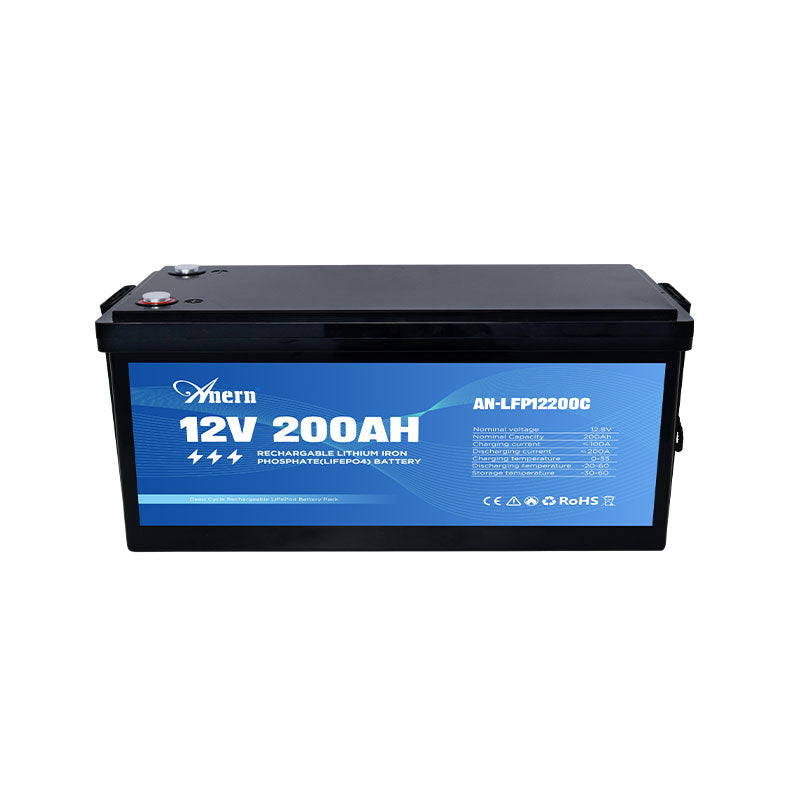
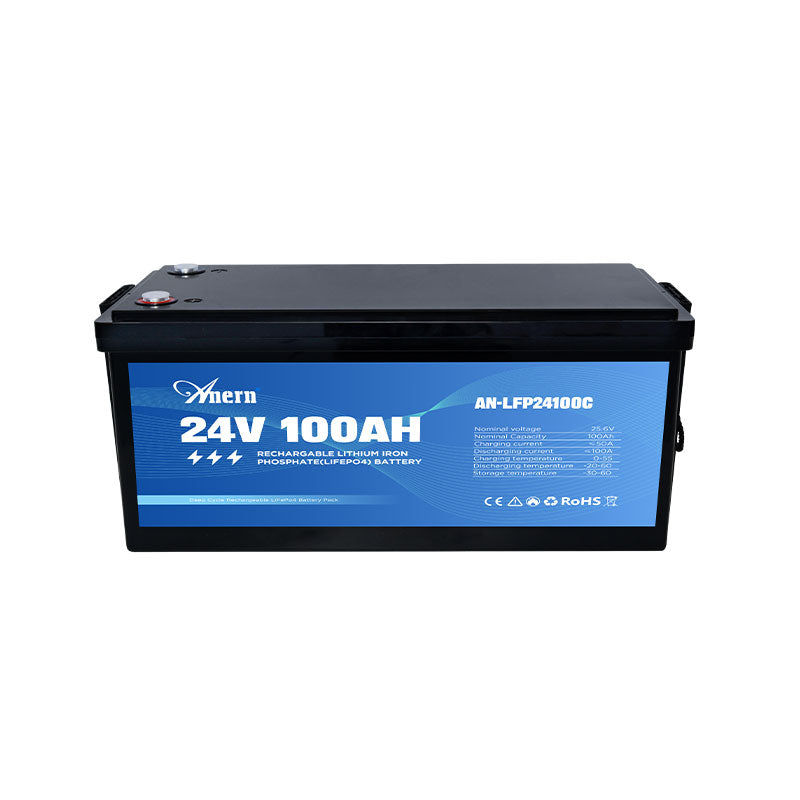
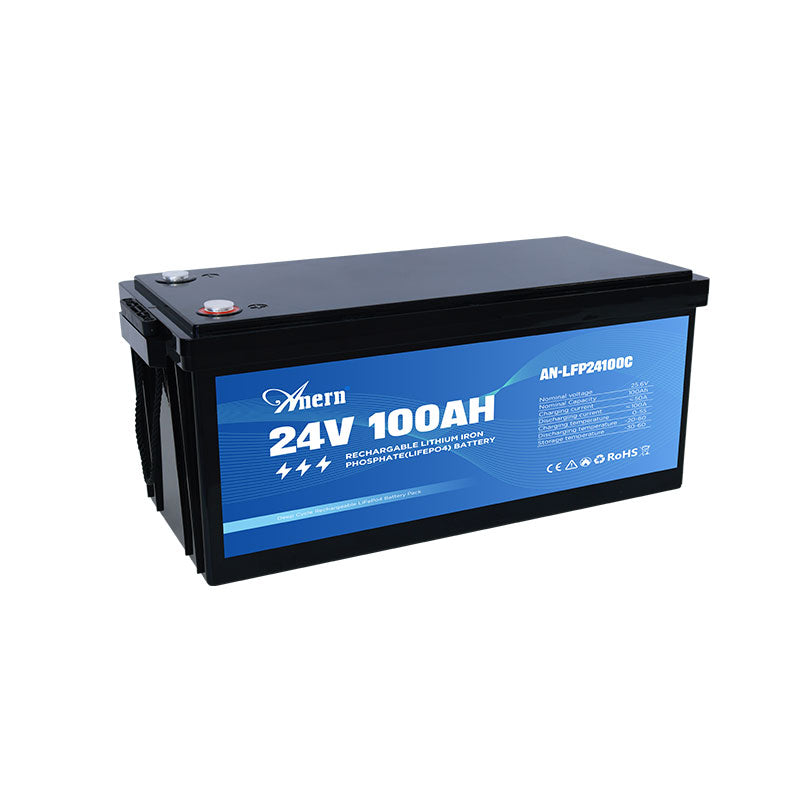
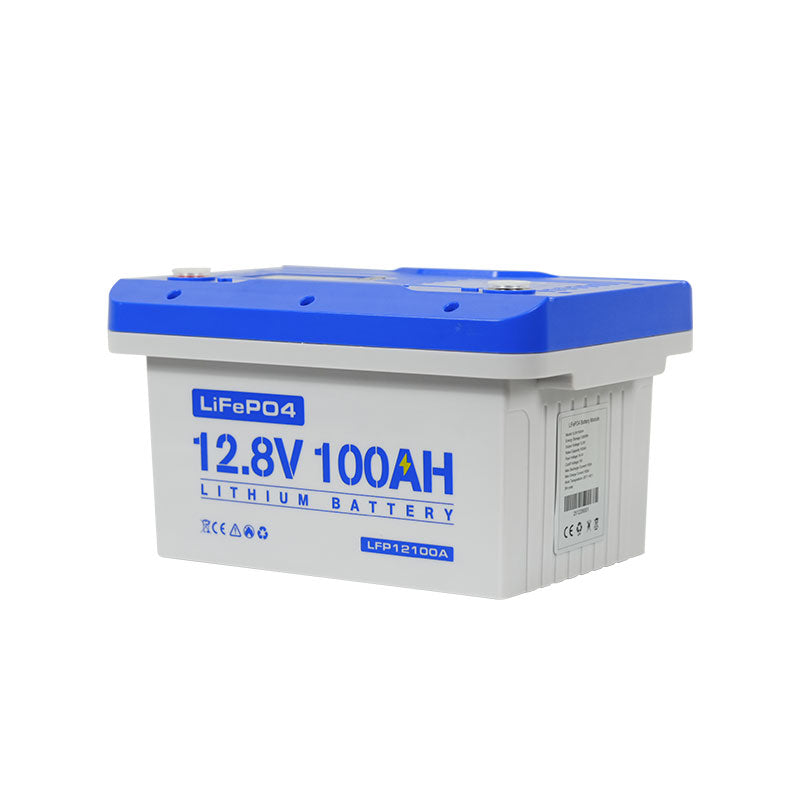
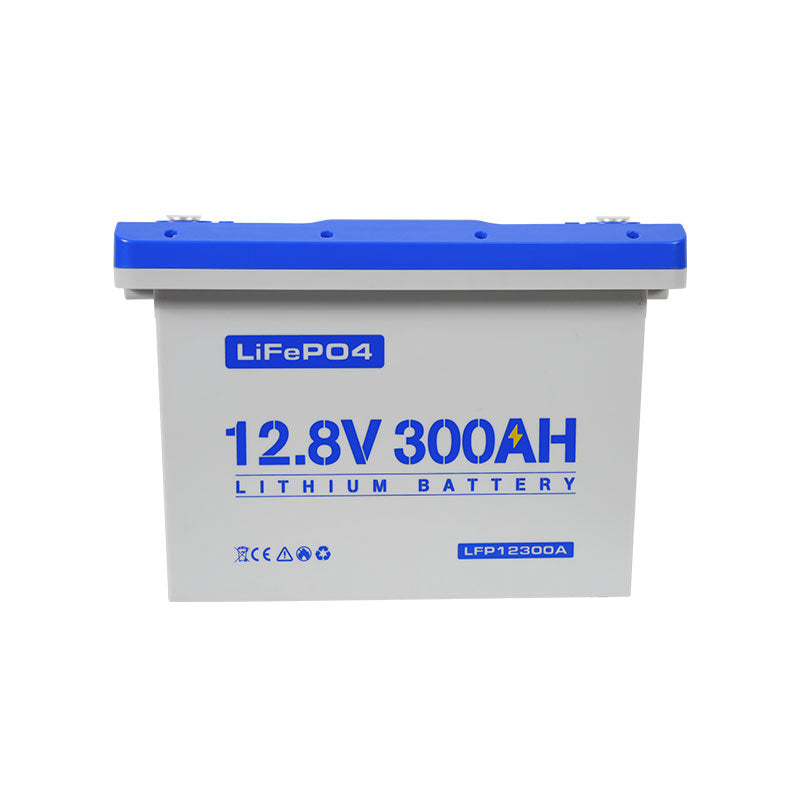
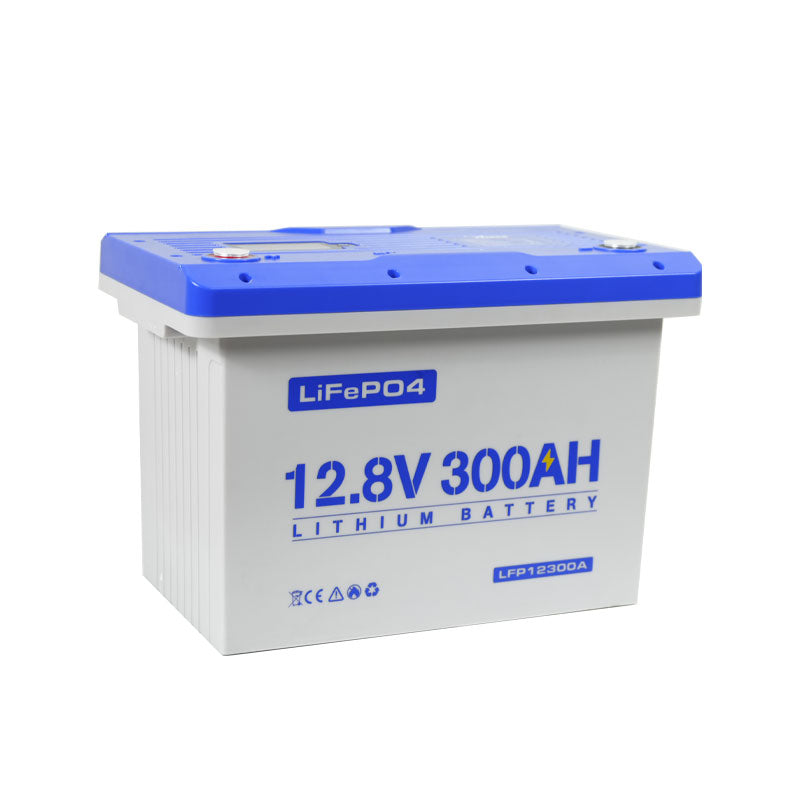
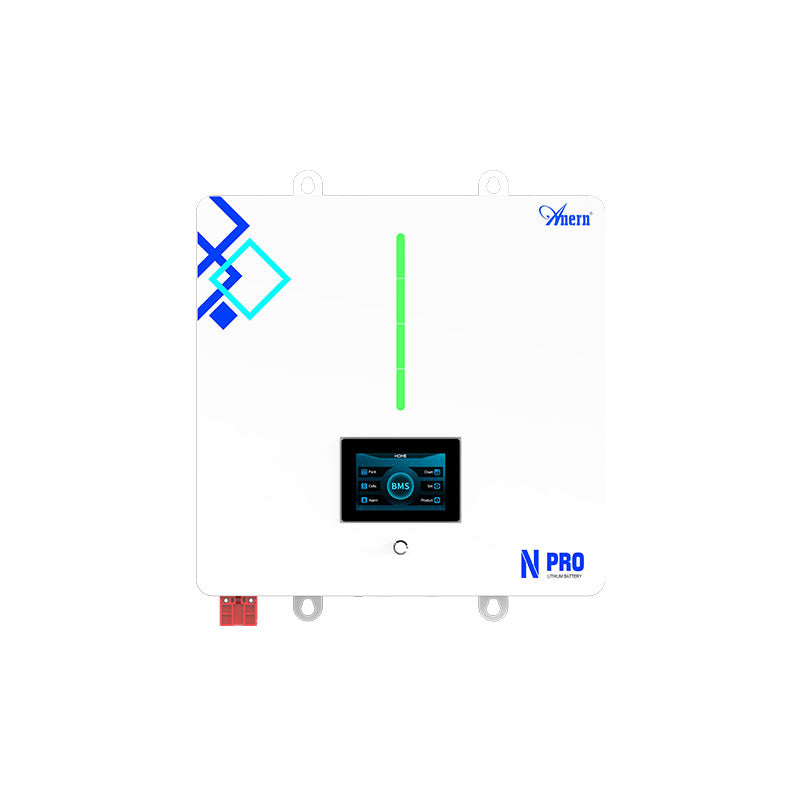
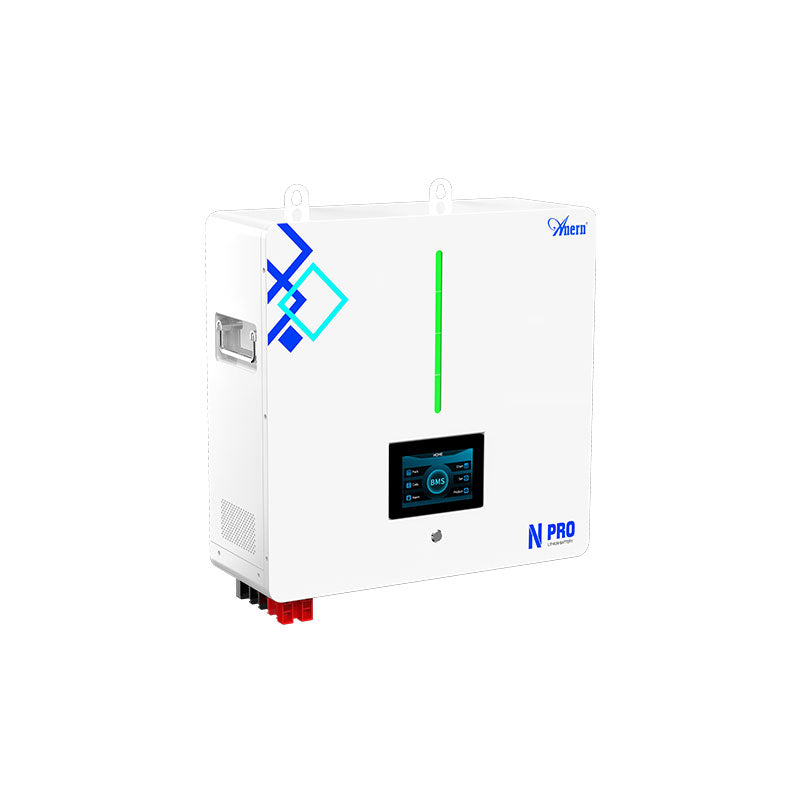
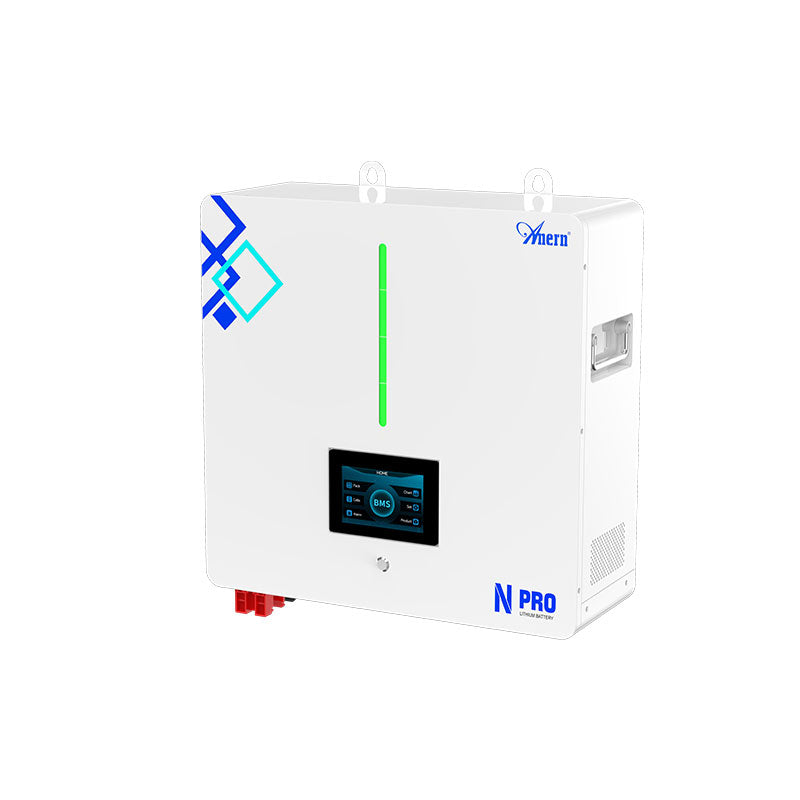
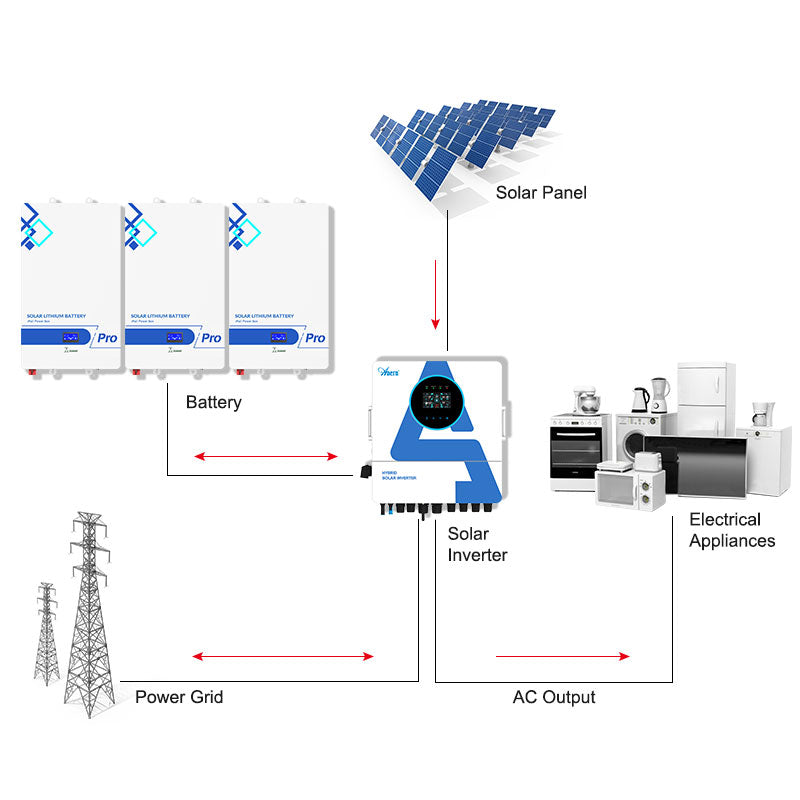
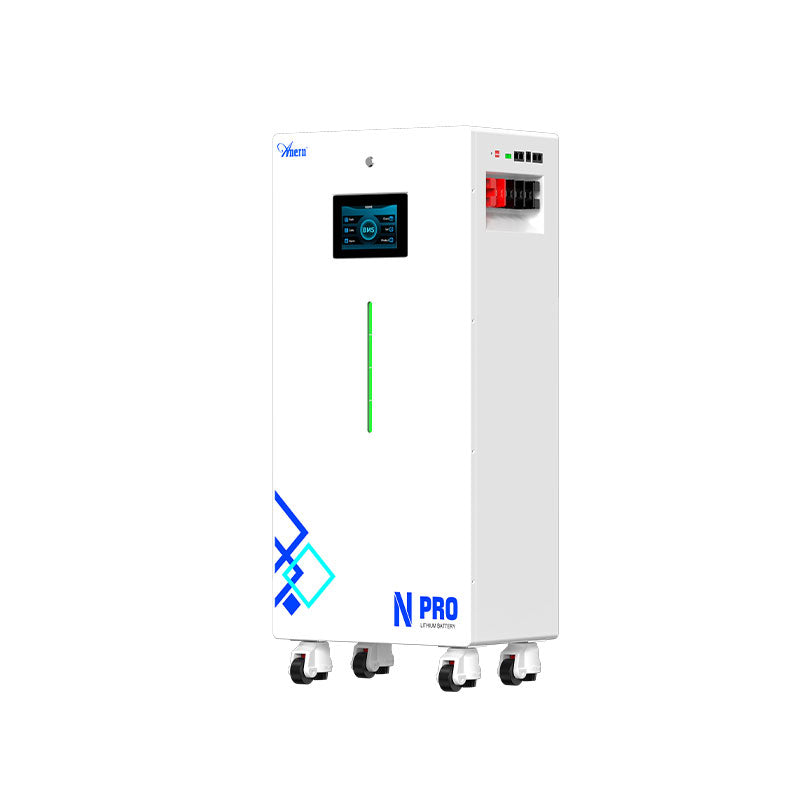
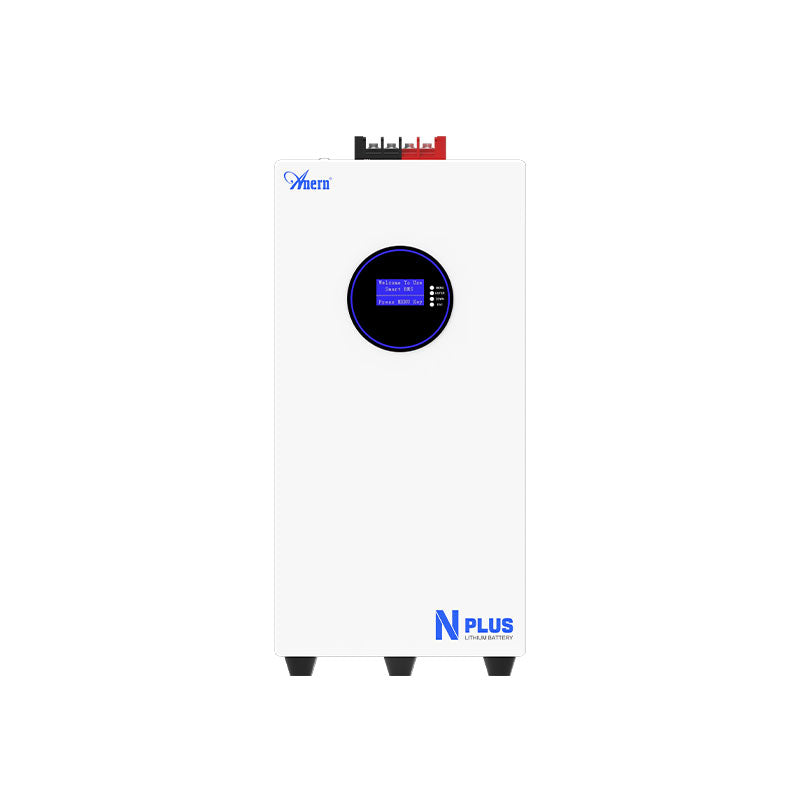
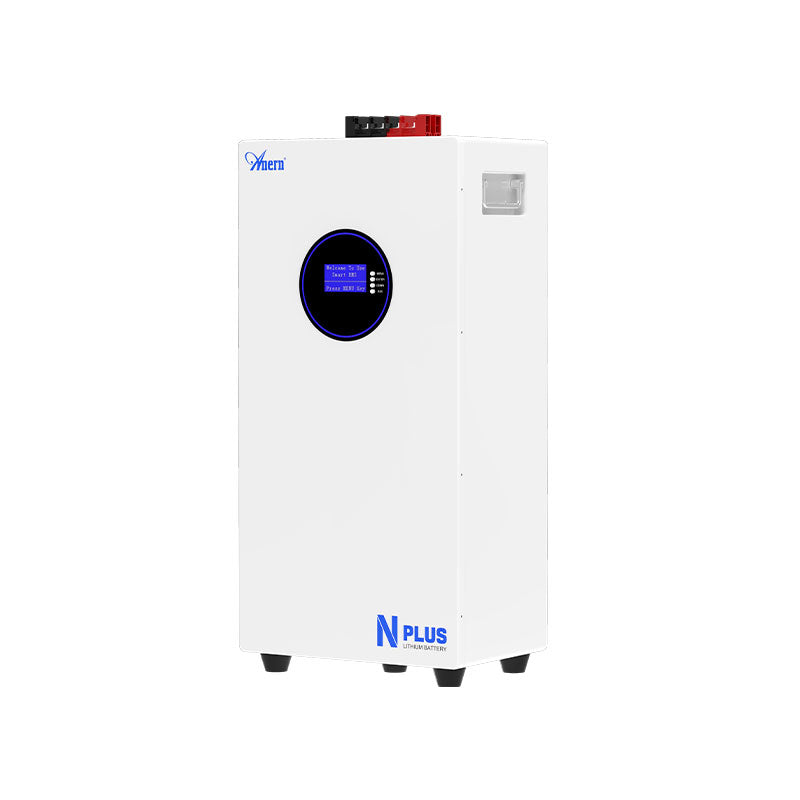
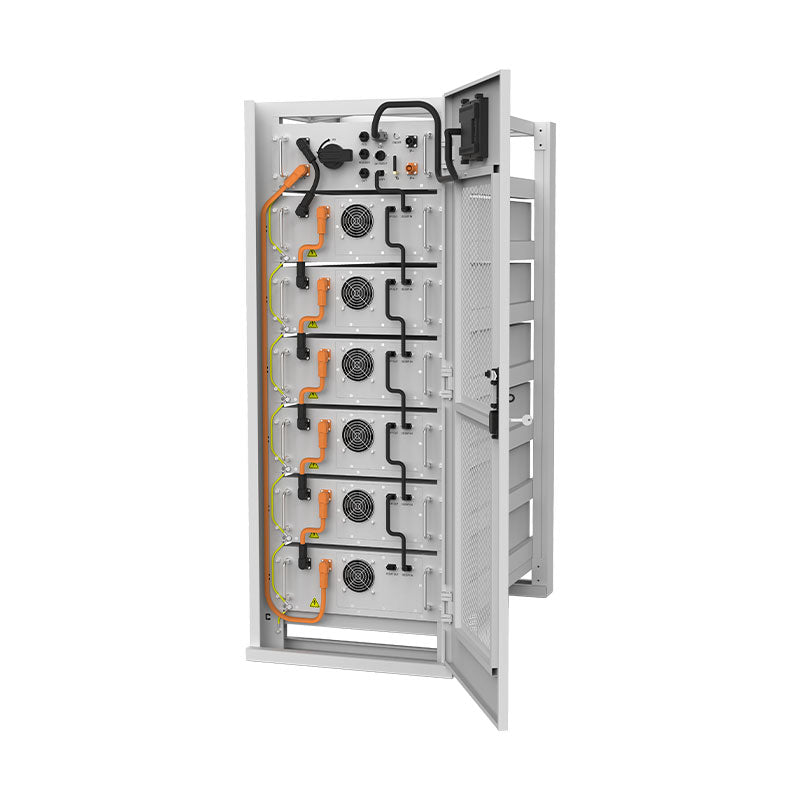
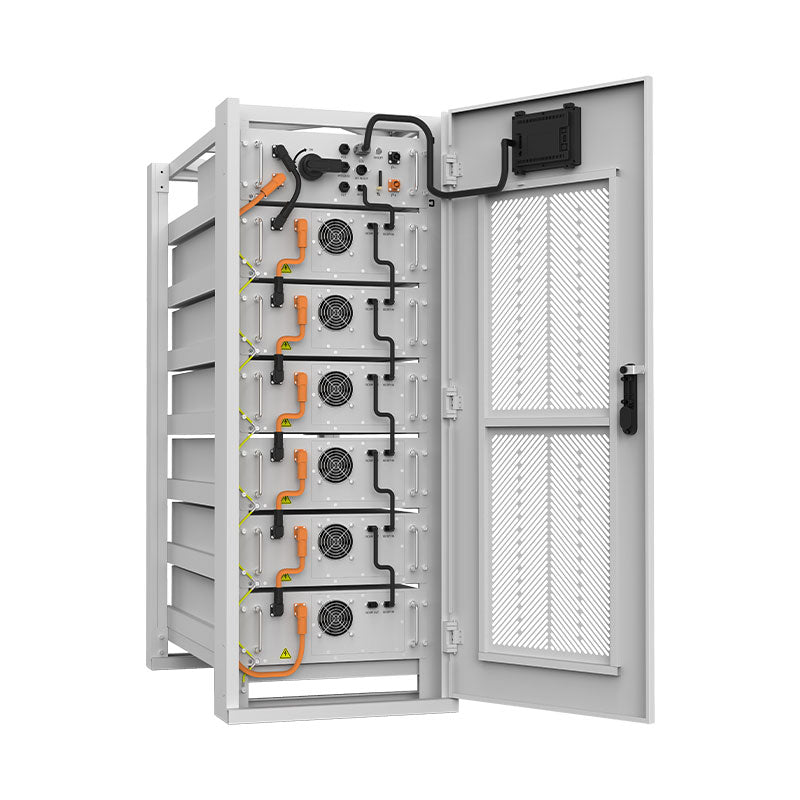
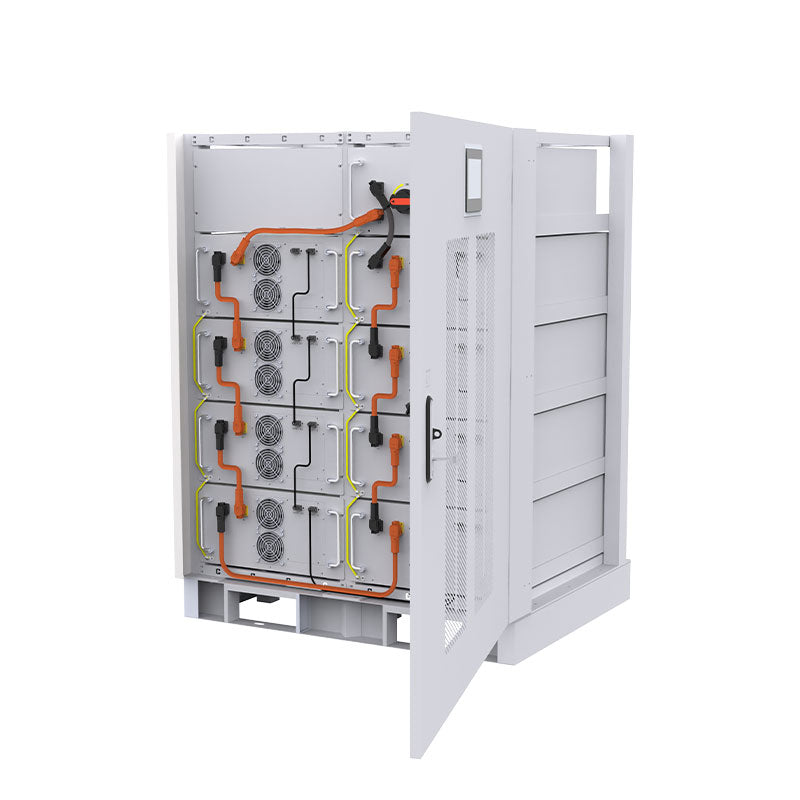
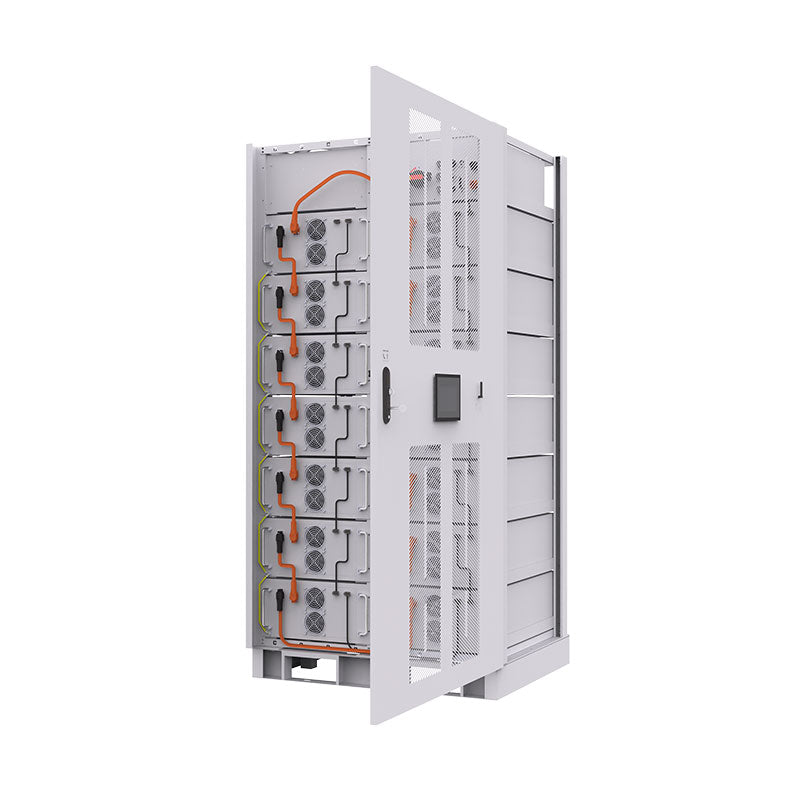
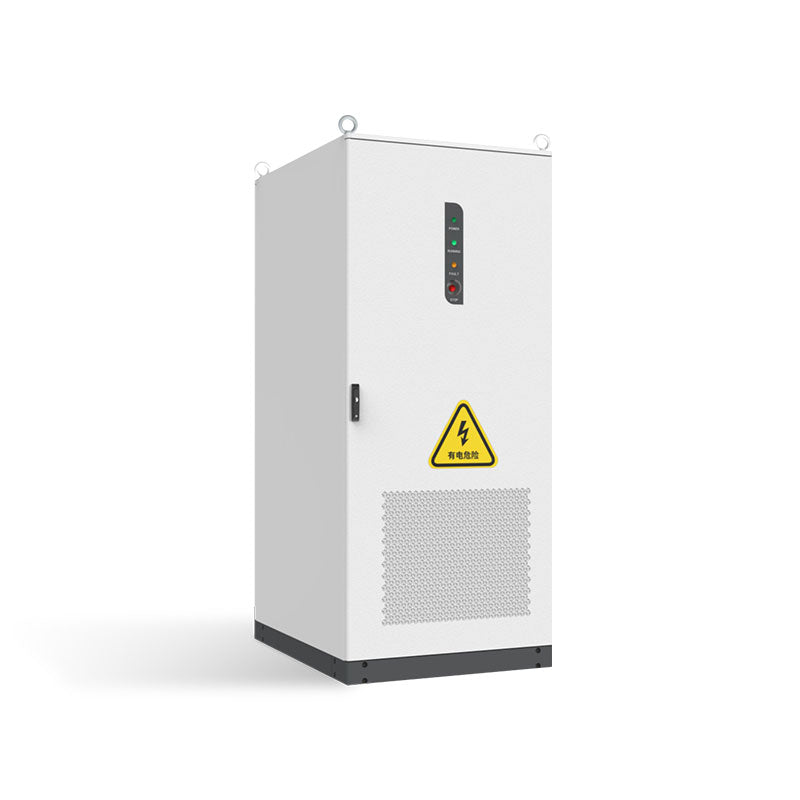
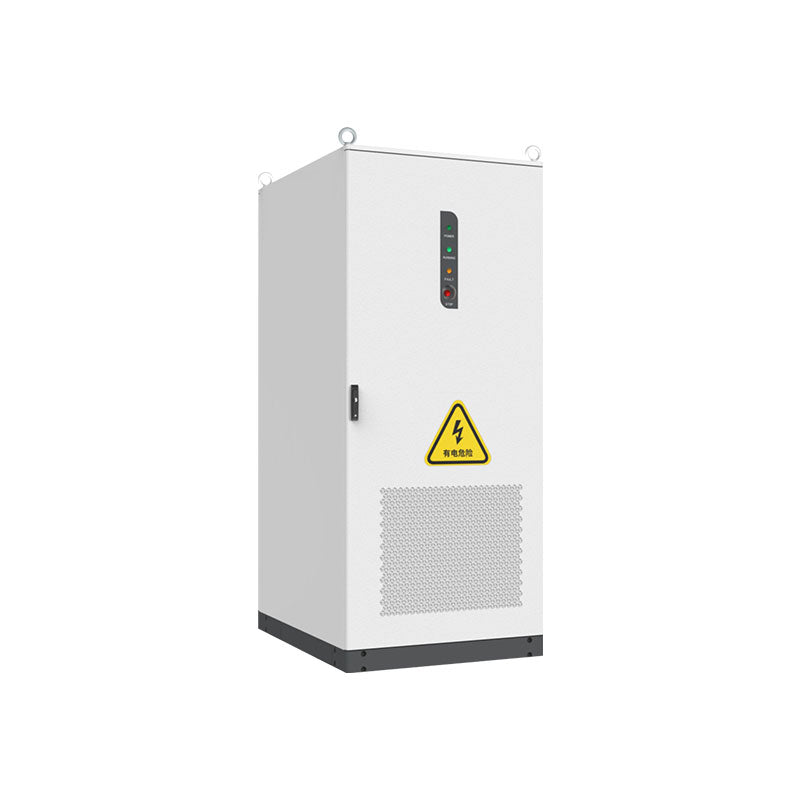
Modern energy storage solutions, including advanced lithium battery systems and integrated energy storage systems (ESS), can help homeowners maximize their solar investments even in restrictive environments. These technologies enable greater energy independence while working within HOA guidelines.
Strategies for Overcoming HOA Solar Barriers
Homeowners facing HOA restrictions have several options for pursuing solar installations. Success often depends on understanding local laws, building community support, and presenting compelling economic arguments.
Legal Pathways
State solar access laws provide the strongest protection against unreasonable HOA restrictions. Homeowners should research their state's specific protections and work with experienced solar installers familiar with local regulations.
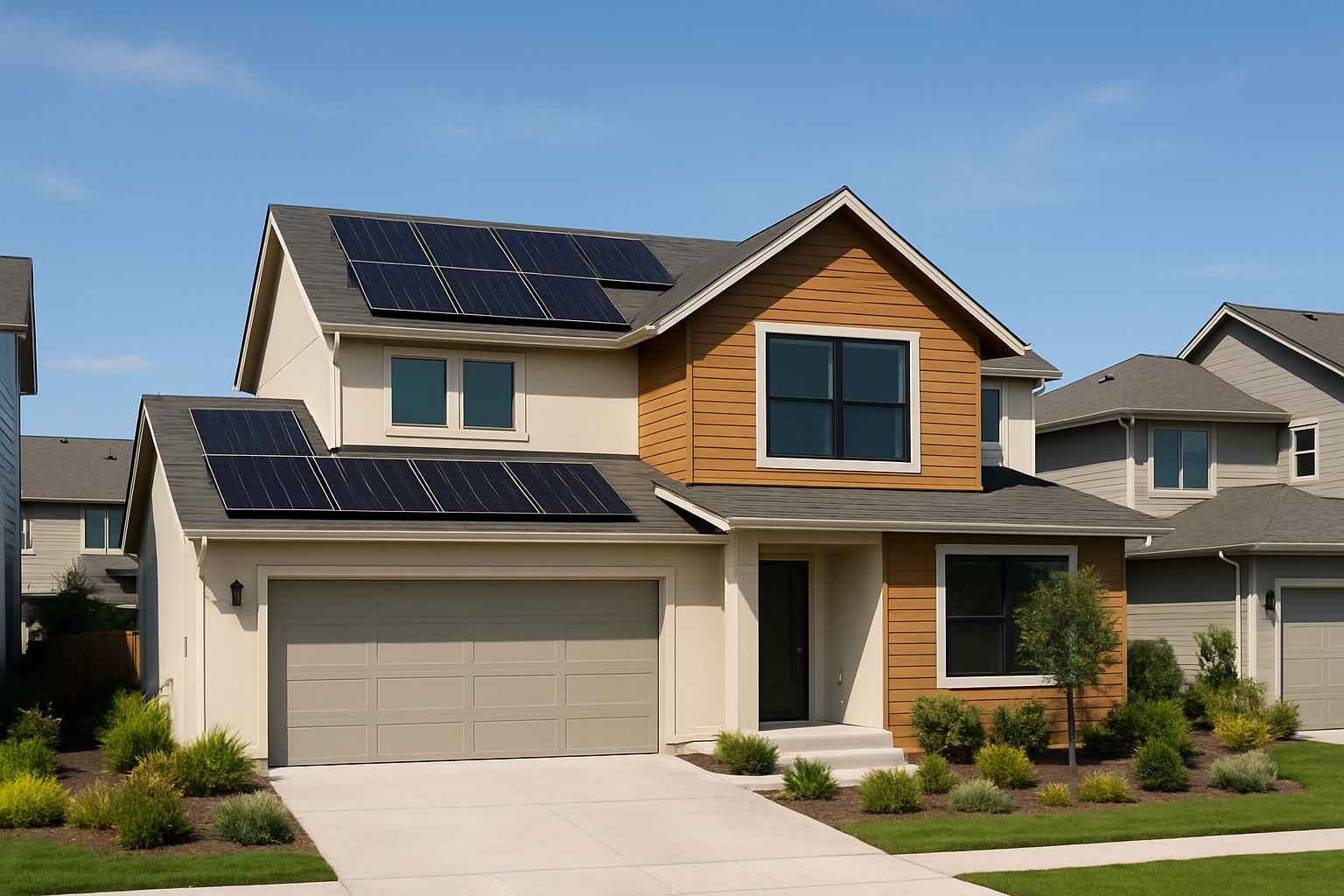
Professional solar system design can address many HOA concerns while maintaining system efficiency. Ground-mounted systems, building-integrated photovoltaics, and strategic placement can satisfy aesthetic requirements without compromising performance.
Community Engagement Approaches
Building support within the HOA community often proves more effective than confrontational approaches. Presenting data on property value increases, environmental benefits, and potential community-wide solar programs can shift perspectives.
Educational initiatives highlighting successful solar installations in similar communities help address common misconceptions about solar panel aesthetics and property impacts.
Future Trends and Policy Developments
The landscape of HOA solar restrictions continues evolving as renewable energy becomes mainstream. Several trends suggest increasing solar access in HOA communities.
Recent polling indicates that 72% of HOA residents support solar installations when presented with accurate information about benefits and modern panel aesthetics. This growing support pressure HOA boards to reconsider restrictive policies.
*According to IRENA's renewable capacity statistics*, distributed solar installations must triple by 2030 to meet climate goals. This urgency drives policy changes at state and federal levels that may override local HOA restrictions.
Technology Solutions
Advancing solar technology addresses many traditional HOA concerns. New panel designs offer improved aesthetics, while innovative mounting systems reduce visual impact. Combined with efficient energy storage solutions, these technologies make solar installations more acceptable to design-conscious communities.
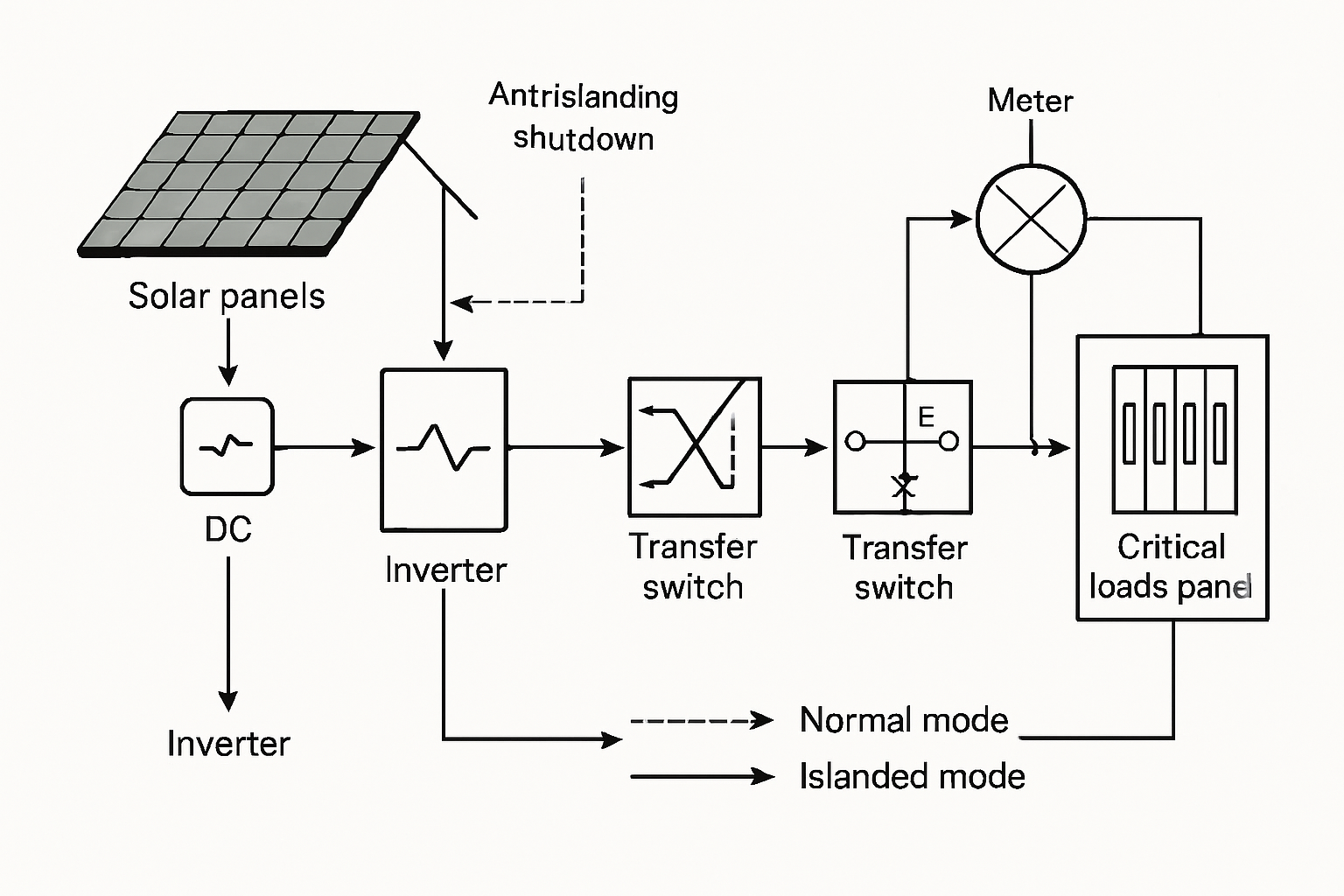
Smart energy management systems allow homeowners to optimize their solar production and storage, maximizing benefits even with installation constraints. These integrated solutions demonstrate how modern technology can work within existing community guidelines.
Moving Forward: Building Solar-Friendly Communities
The data clearly shows that HOA solar restrictions significantly impact renewable energy adoption across the United States. However, the trend toward greater solar access continues as communities recognize the economic and environmental benefits.
Homeowners considering solar installations in HOA communities should research state protections, engage with their communities, and work with experienced professionals who understand local requirements. The combination of improving technology, supportive legislation, and changing community attitudes creates more opportunities for residential solar adoption.
Success requires patience, preparation, and often compromise, but the long-term benefits of energy independence and reduced utility costs make the effort worthwhile. As solar technology continues advancing and costs decline, even the most restrictive communities may find compelling reasons to embrace renewable energy solutions.

Leave a comment
All comments are moderated before being published.
This site is protected by hCaptcha and the hCaptcha Privacy Policy and Terms of Service apply.