













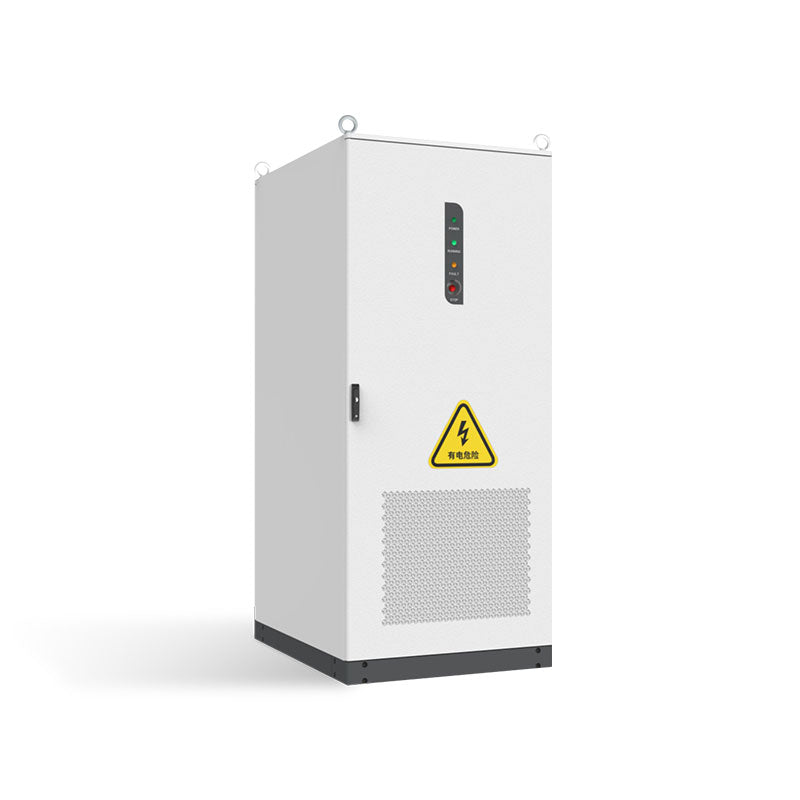
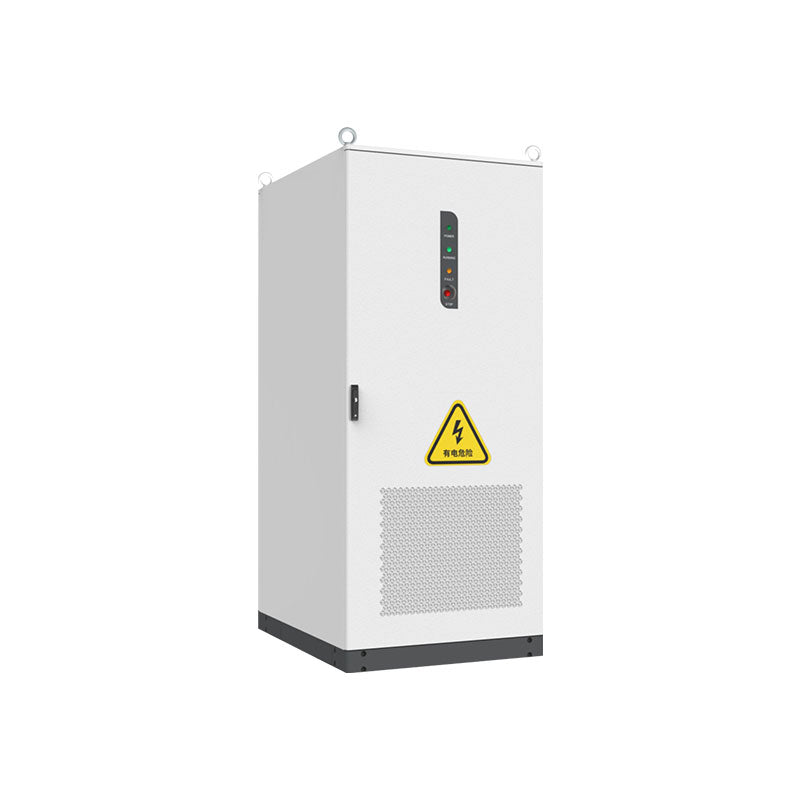
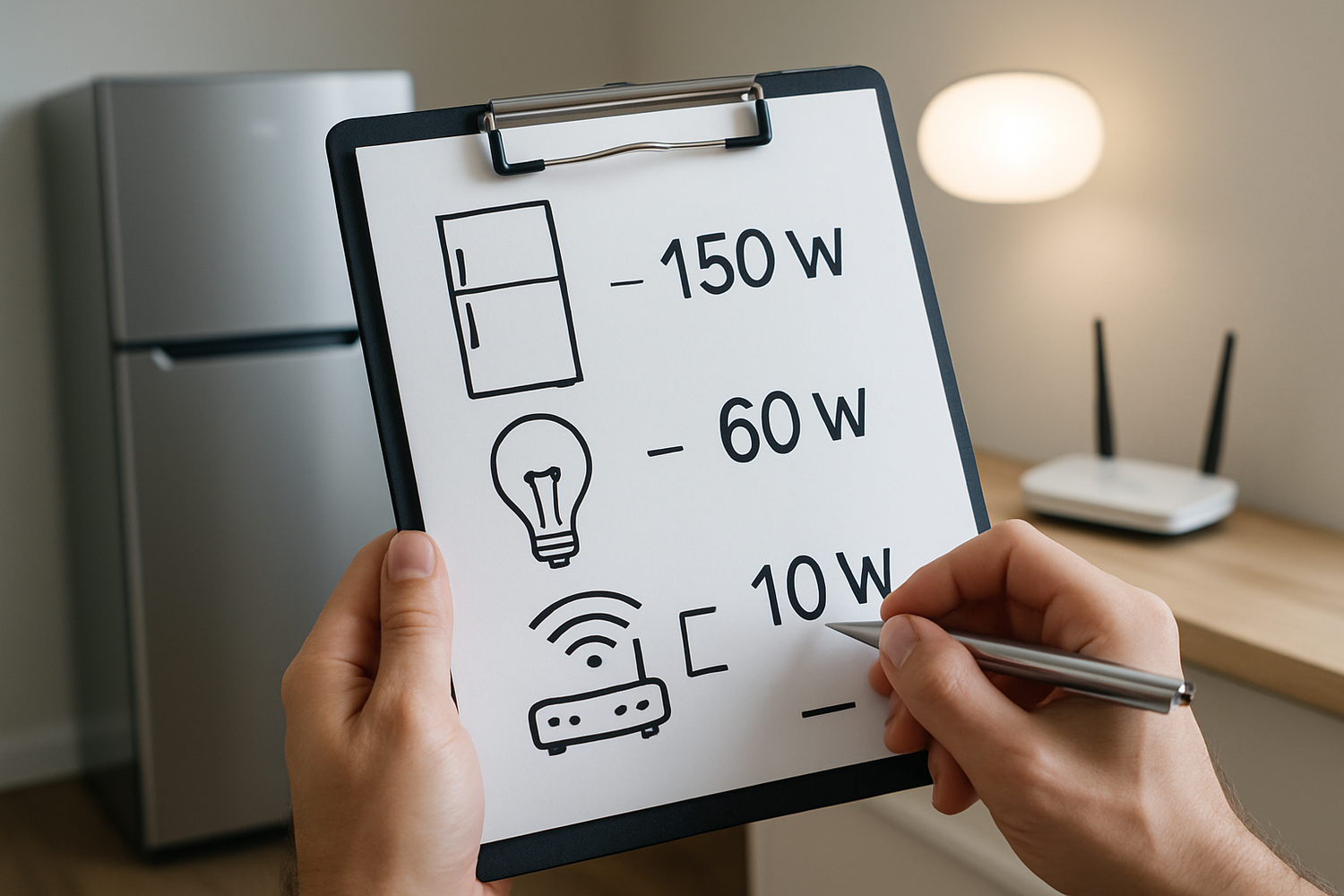
Power outages are becoming more common, leaving households without electricity for hours or even days. A home battery backup system provides peace of mind and energy security. But simply buying a battery isn't enough. The critical question is determining the right home battery size to meet your specific blackout power needs. An undersized system will leave you in the dark, while an oversized one is an unnecessary expense. This guide provides a clear path to an accurate battery capacity calculation.
First, Pinpoint Your Essential Appliances
The foundation of any emergency battery sizing is understanding exactly what you need to power. This isn't about running your entire home as usual; it's about identifying the critical loads necessary for safety and comfort during an outage.
Creating Your Critical Load List
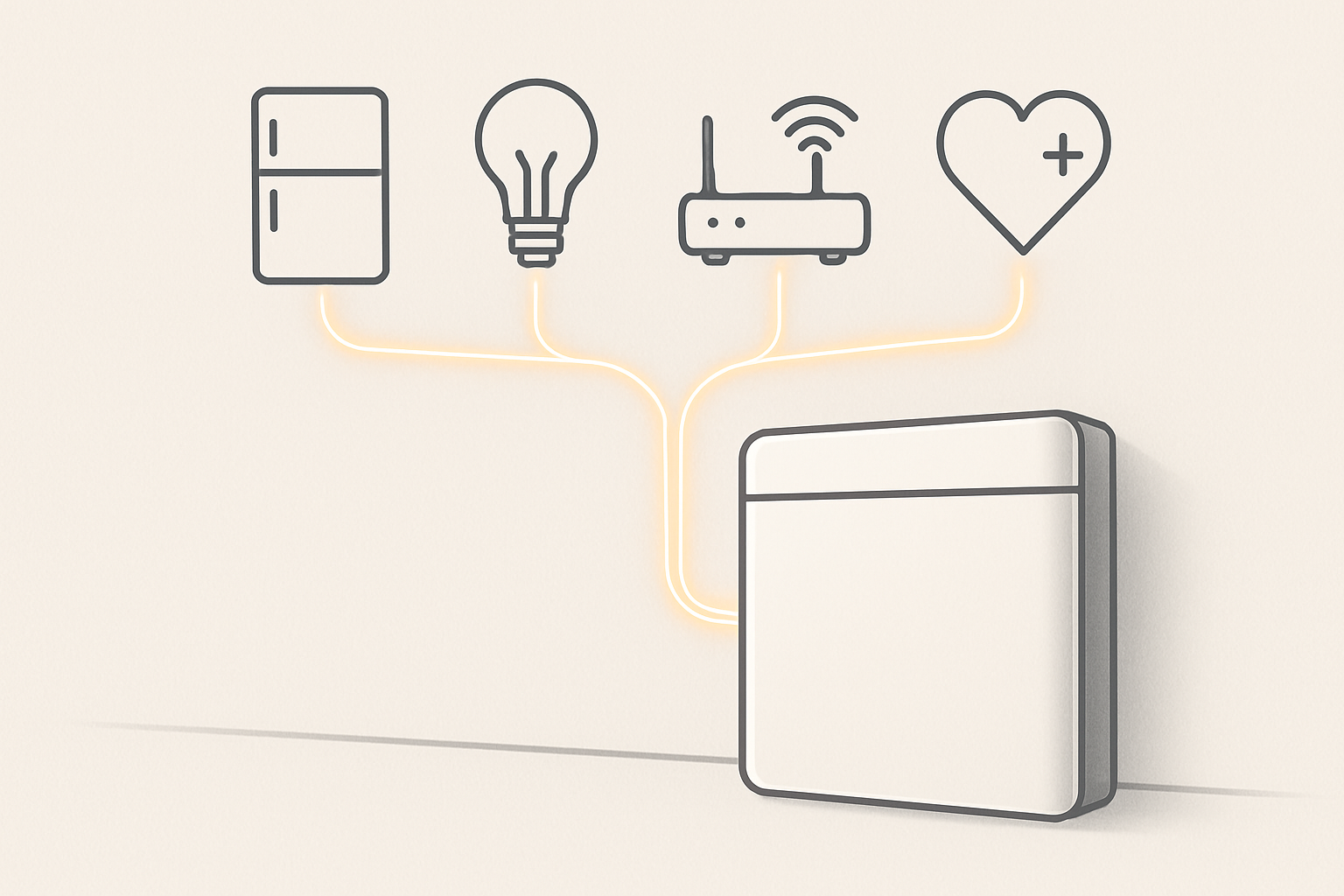
Walk through your home and list the appliances and devices that are non-negotiable during a blackout. This typically includes items like:
- Refrigerator and freezer
- Key lights in common areas
- Internet router and modem
- Phone chargers
- Medical devices (e.g., CPAP machine)
- Sump pump
- Well pump (for rural homes)
Focus on necessities. Items like electric ovens, clothes dryers, and central air conditioning are usually excluded as their high power consumption would require a very large and costly battery system.
Calculating Wattage and Watt-Hours
Once you have your list, you need two pieces of information for each item: running watts and starting watts. Running watts is the power an appliance consumes continuously. Starting watts (or surge watts) is the extra power a device with a motor needs for a few seconds to start up. You can usually find this information on the appliance's label or in its manual.
Here is a table with estimated wattages for common household items:
| Appliance | Estimated Running Watts | Estimated Starting Watts |
|---|---|---|
| Refrigerator/Freezer | 700 W | 2000 W |
| LED Light Bulb (10W) | 10 W | 10 W |
| Wi-Fi Router | 15 W | 15 W |
| Laptop Charger | 65 W | 65 W |
| Sump Pump (1/3 HP) | 800 W | 1300 W |
| CPAP Machine | 60 W | 60 W |
Note: These are estimates. Always check your specific appliances for accurate numbers. For precise measurements, consider using a plug-in power meter to record the actual consumption of your devices.
Calculating Your Total Blackout Energy Needs
With your critical load list and wattage information, you can now perform the battery capacity calculation. This will tell you the total energy your system needs to store, measured in kilowatt-hours (kWh).
The Core Calculation: From Usable Energy to Nominal Capacity
The process is straightforward. For each appliance, multiply its running watts by the number of hours you expect to use it during a 24-hour blackout. This gives you the daily watt-hours (Wh) for each device.
Example Calculation for a 24-Hour Outage:
- Refrigerator (700W): Runs about 8 hours a day (it cycles on and off). 700W x 8 hours = 5,600 Wh
- Five 10W LED Lights: Used for 6 hours. 50W x 6 hours = 300 Wh
- Wi-Fi Router (15W): Runs for 24 hours. 15W x 24 hours = 360 Wh
- Laptop Charging (65W): Charged for 4 hours. 65W x 4 hours = 260 Wh
Total Daily Usable Energy Need: 5,600 + 300 + 360 + 260 = 6,520 Wh, or 6.52 kWh.
This is the usable capacity you need. However, battery capacity is rated in nominal capacity. To find the right battery, you must account for Depth of Discharge (DoD) and round-trip efficiency. The formula is: Nominal Capacity = Usable Energy / (DoD × Round-Trip Efficiency).
- For a LiFePO4 battery with 90% DoD and 95% round-trip efficiency:
- Nominal Capacity = 6.52 kWh / (0.90 × 0.95) = 7.63 kWh.
Therefore, you should look for a battery with a nominal capacity of at least 8 kWh.
Factoring in Blackout Duration
How long do outages typically last in your area? While a 24-hour plan is a good start, many people prefer the security of a 48-hour or 72-hour backup. To plan for this, multiply your daily kWh need by the number of days you want autonomy. For a 3-day outage using the example above, you would need a nominal capacity of: 7.63 kWh/day * 3 days = 22.89 kWh.
Understanding Power Output (kW Rating) and Inverter Sizing
Capacity (kWh) tells you how much energy is stored, but the power rating (kW) tells you how much electricity the battery and its inverter can deliver at one time. To choose the right inverter, consider two factors:
- Continuous Power: This must exceed the total running watts of all appliances you might use simultaneously. Sum these watts and add a 20-25% safety margin.
- Peak/Surge Power: The inverter must be able to handle the single largest starting wattage from your list (usually a refrigerator or pump).
In our example, the maximum simultaneous running load might be the refrigerator (700W) + lights (50W) + router (15W) = 765W. With a 25% margin, you need a continuous output of at least 956W (0.96 kW). However, the refrigerator has a 2000W starting surge, so your inverter must have a peak rating of at least 2000W (2 kW).
Matching the Calculation to the Right Battery Technology
Once you know your required kWh and kW, you can select the right energy storage solution. The technology inside the battery matters for reliability and longevity, especially in an emergency.
Why LiFePO4 is a Strong Choice for Home Backup
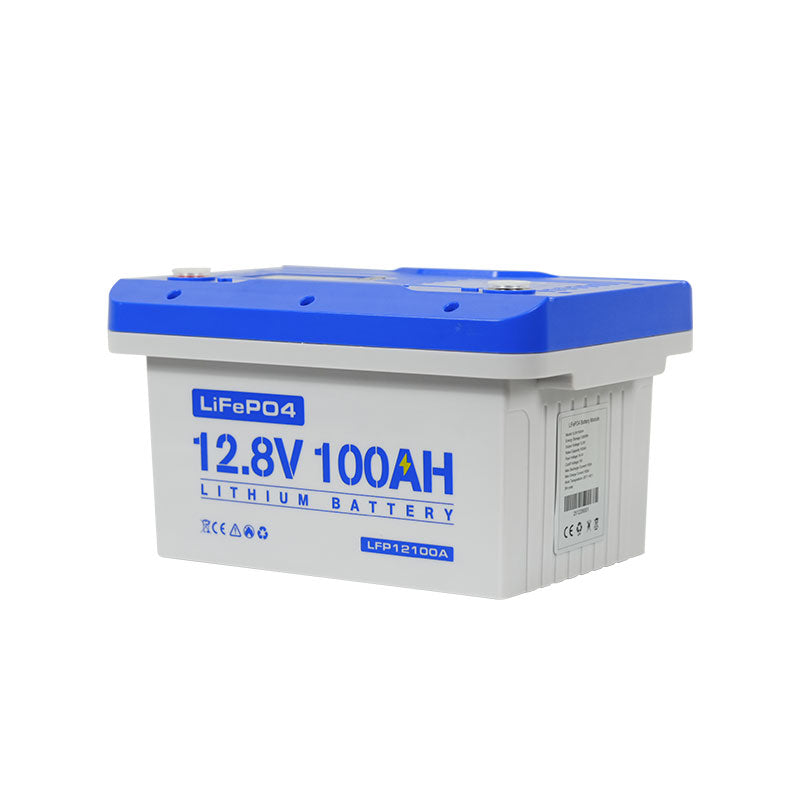
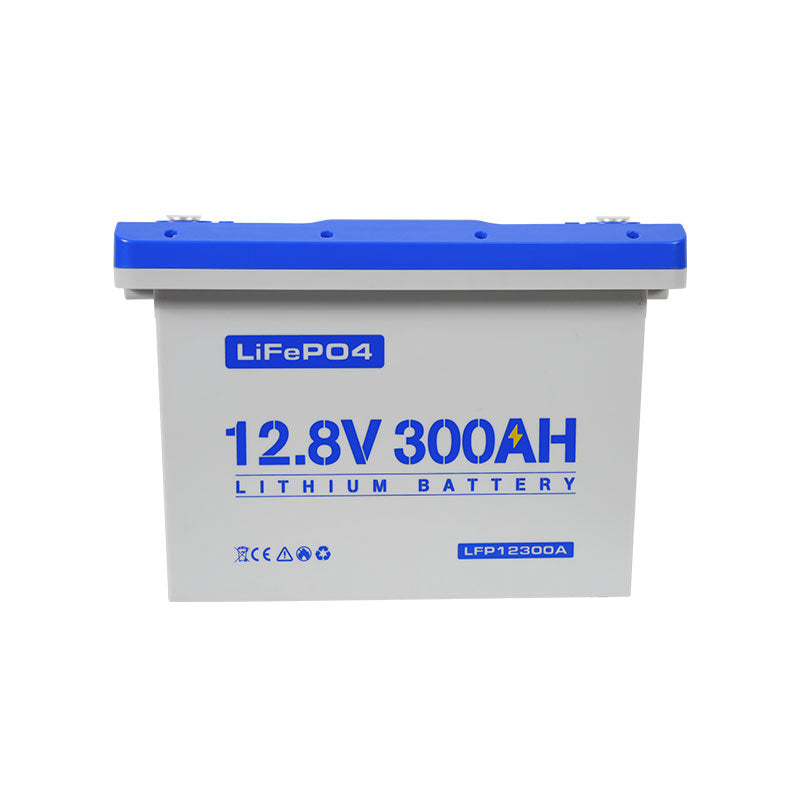
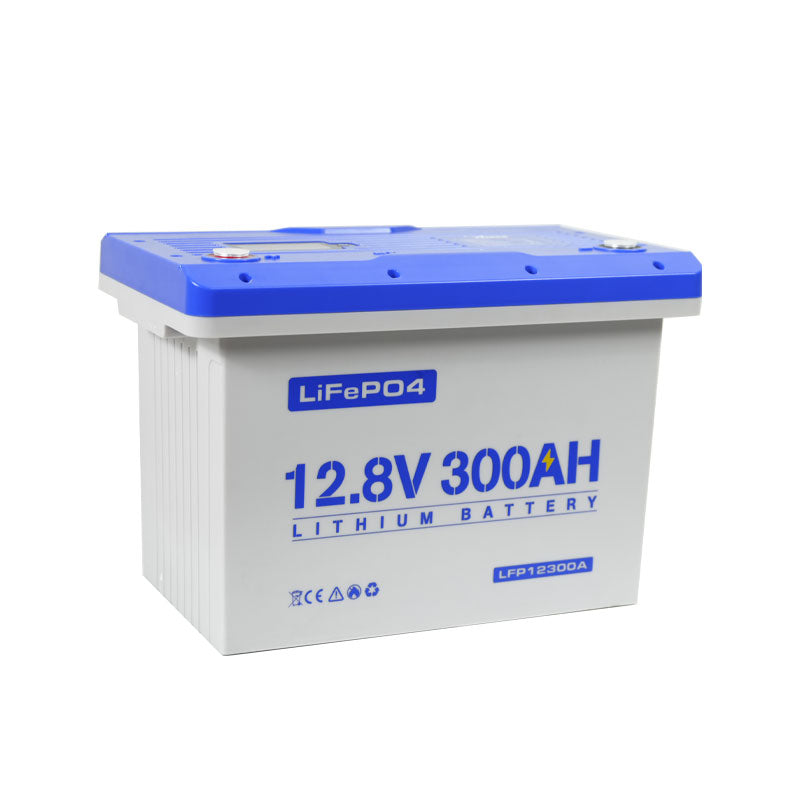
Lithium Iron Phosphate (LiFePO4) batteries are an excellent choice for a home energy storage system. They offer superior safety, a much longer lifespan, and a higher Depth of Discharge (DoD) compared to older lead-acid technologies. A high DoD means you can use more of the battery's stored energy without damaging it. Most LiFePO4 batteries can be safely discharged to 80-100% of their total capacity.
Key Specifications to Check
Beyond capacity and power, look at specifications that affect real-world use. As detailed in the ultimate reference on solar storage performance, metrics like round-trip efficiency are crucial. This measures how much energy you get out for every unit of energy you put in. A typical range for LiFePO4 systems is 90-98%, meaning less wasted energy. Also, consider scalability—the ability to add more battery units in the future if your needs grow.
The Role of a Solar Inverter
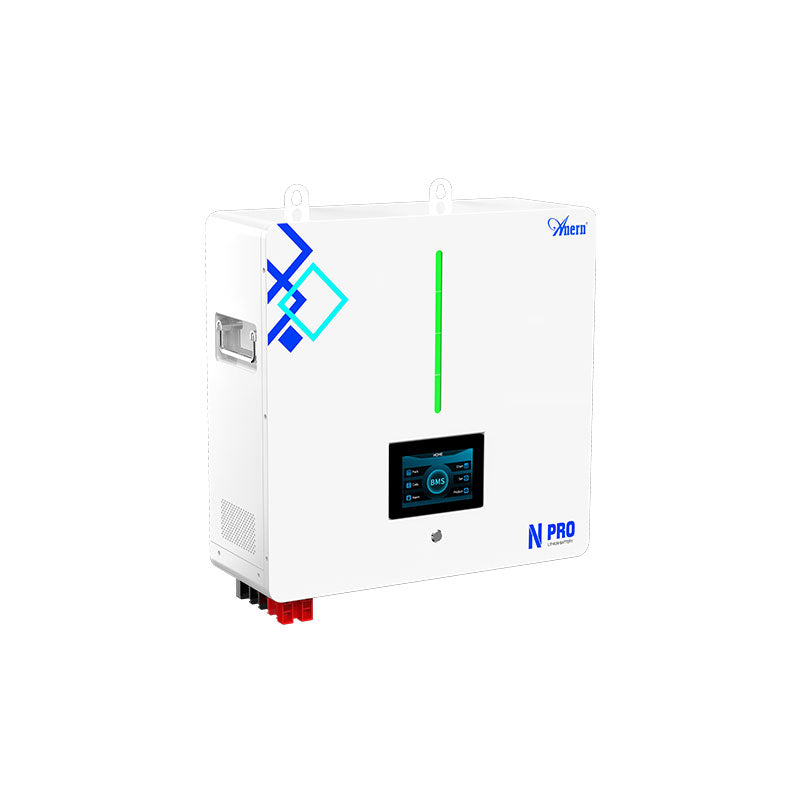
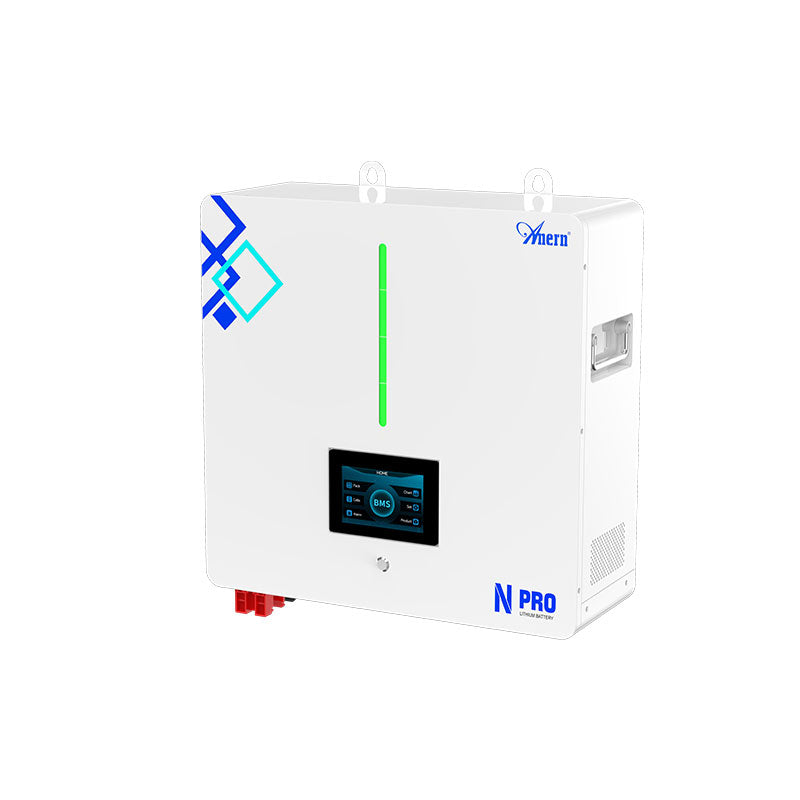
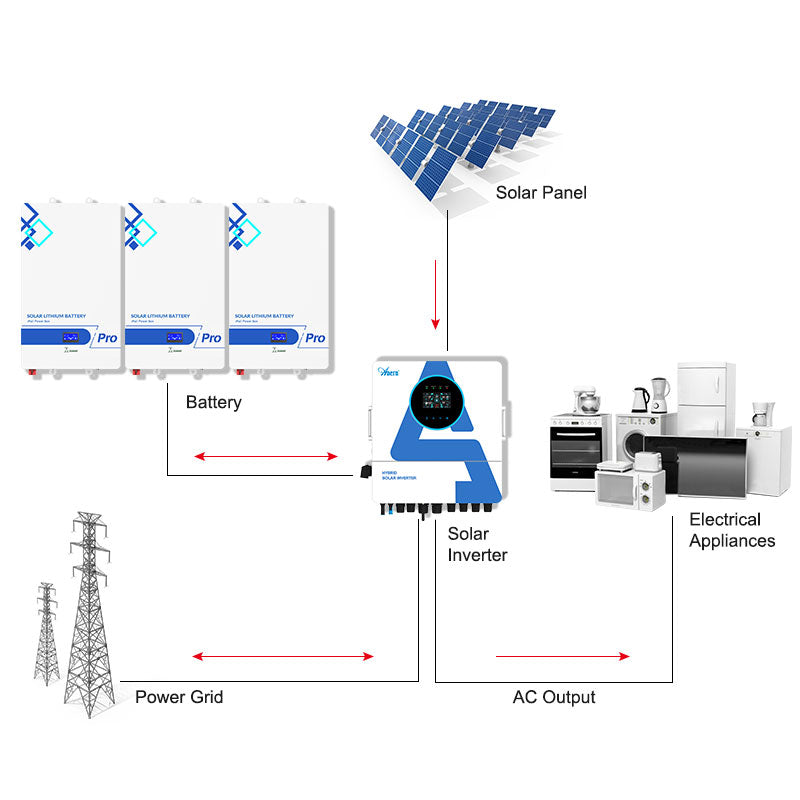
A solar power inverter is the brain of the system. It converts the DC power from your battery into the AC power your appliances use. A hybrid solar energy inverter can manage power from the grid, a battery, and solar panels simultaneously, providing seamless and efficient power management for your entire home energy storage system.
Crucial Safety and Compliance Considerations
Installing a battery system involves high-voltage electricity and safety risks. It is not a simple DIY project. Failure to comply with local codes can result in fire, electrical hazards, and denied insurance claims.
Authoritative Standards and Professional Installation
Always use a qualified and certified professional for installation. They will ensure your system complies with critical safety standards, such as:
- The National Electrical Code (NEC®): In the U.S., Article 706 of the NEC covers Energy Storage Systems (ESS), outlining requirements for installation, wiring, and safety.
- UL Standards: Look for products certified to UL 9540 (Standard for Energy Storage Systems and Equipment) and UL 1741 (Standard for Inverters). These certifications ensure the components have undergone rigorous safety testing.
- Local Fire and Building Codes: Your local jurisdiction will have specific rules regarding battery placement, ventilation, and fire suppression.
Permitting and Inspection
A typical installation process involves submitting plans to your local building department for a permit, followed by one or more inspections to verify the system was installed correctly and safely. Your installer should manage this entire process.
Beyond the Basics: Real-World Considerations
Case Study: Sizing a System for a Suburban Home
A family wants to back up a refrigerator (700W running, 2000W starting, 8hr/day), a gas furnace blower motor (300W running, 600W starting, 6hr/day), lights (100W, 5hr/day), and internet/chargers (50W, 24hr/day).
- Daily Energy (Usable): (700*8) + (300*6) + (100*5) + (50*24) = 5600 + 1800 + 500 + 1200 = 9,100 Wh or 9.1 kWh.
- Required Nominal Capacity (90% DoD, 95% Efficiency): 9.1 / (0.90 * 0.95) = 10.64 kWh. They should choose a battery system of at least 11 kWh.
- Inverter Sizing: Simultaneous load is ~1150W (fridge + furnace + lights + internet). With a 25% margin, that's ~1438W continuous. The peak load is the 2000W fridge start-up.
- Conclusion: A system with a ~11-12 kWh LiFePO4 battery and an inverter rated for at least 1.5 kW continuous and 3 kW peak power would be appropriate.
Global energy trends show a massive shift toward renewable sources and battery storage for grid stability. According to a report from the International Renewable Energy Agency (IRENA), Grid codes for renewable powered systems, advanced inverters in battery systems are becoming capable of supporting the grid, highlighting their growing importance. This same technology ensures your home stays powered independently.
The Impact of Solar Recharging
Pairing your battery with solar panels changes the sizing equation. With solar, you can recharge your battery during the day, even during a grid outage. This means you might not need a massive battery sized for three full days of autonomy, as you can replenish its energy daily. This makes your system more resilient and can reduce the initial investment.
Scalability for Future Needs
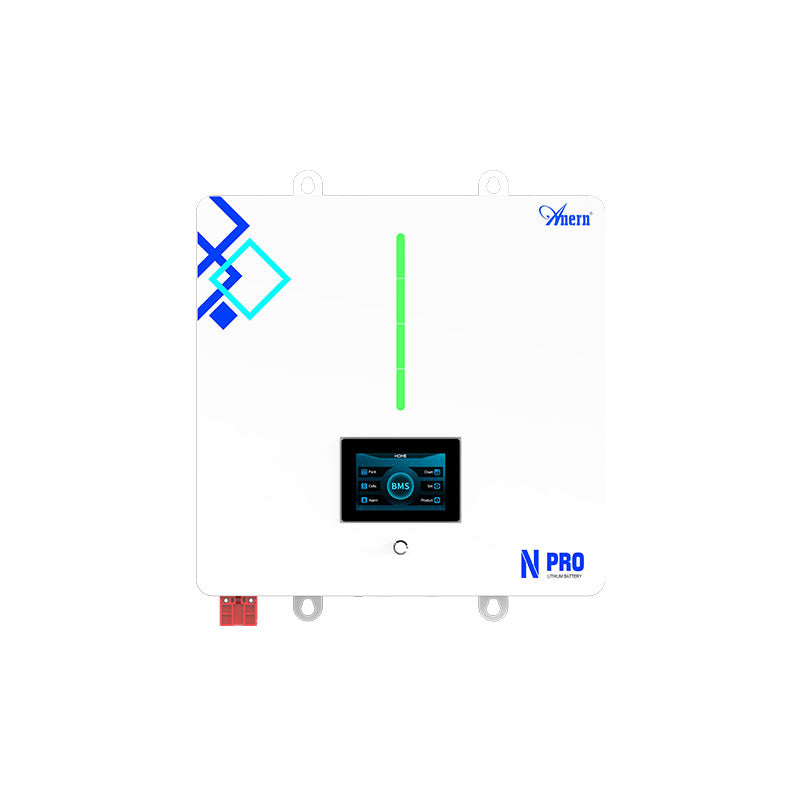
Your energy needs might change. You may add new appliances or desire more backup capacity later. Choosing a modular energy storage battery allows you to expand your system easily without replacing the entire setup. This provides a flexible, future-proof solution.
Finalizing Your Emergency Power Strategy
Calculating your home battery size for a full blackout is a process of careful planning. By identifying your critical loads, calculating your daily energy consumption in kWh, and accounting for your desired backup duration, you can confidently select a system. This preparation ensures that when the grid goes down, your essential systems stay on, providing security and achieving true energy independence. The International Energy Agency (IEA) emphasizes in its research the critical role of batteries in ensuring a secure energy transition, a principle that applies as much to individual homes as it does to national grids.
Frequently Asked Questions
How many days can a home battery power a house?
A typical 10 kWh home battery can power essential appliances like a refrigerator, lights, and internet for about 24 hours. However, the exact duration depends entirely on the battery's size and your electricity usage. A larger battery or lower consumption will extend the backup time.
Can a home battery run my entire house during a blackout?
Yes, a whole-home backup is possible, but it requires a significantly larger and more complex energy storage system. Most homeowners opt for a partial backup system that powers only essential loads, as this provides a more cost-effective balance of security and investment.
What is the difference between kWh and kW in a battery?
Think of kilowatt-hours (kWh) as the size of your battery's 'gas tank'—it measures the total amount of energy it can store. Kilowatts (kW) represent the 'engine's power'—it measures the maximum rate of electricity the battery can deliver at any given moment to power your appliances.
Disclaimer: This article is for informational purposes only and does not constitute financial, legal, or technical advice. All electrical work, including the installation of battery energy storage systems, must be performed by a qualified and licensed professional in accordance with local codes and regulations.

Leave a comment
All comments are moderated before being published.
This site is protected by hCaptcha and the hCaptcha Privacy Policy and Terms of Service apply.