













Harnessing solar power offers a path to energy independence. To truly maximize your solar investment, you need more than just solar panels; you require precise understanding of their performance. This involves accurately measuring how much electricity your panels generate compared to the amount of sunlight they receive. This guide helps you move beyond assumptions, providing practical insights to assess and optimize your solar energy system effectively.

Why Accurate Measurement Matters for Your Solar System
Accurate measurement is the cornerstone of an efficient solar energy system. It allows you to track performance, identify issues, and confirm your system delivers its expected output.
Understanding Solar Panel Performance
Solar panels convert sunlight into electricity through the photovoltaic effect. Their performance, however, is not constant. Factors like temperature, shading, and the intensity of sunlight directly influence their output. Monitoring these variables helps you understand the real-world efficiency of your panels, far beyond their laboratory ratings. The U.S. Department of Energy emphasizes that understanding actual performance compared to modeled performance is crucial for assessing system health.
The Impact of Inaccurate Data
Relying on guesswork or incomplete data can lead to significant financial and energy losses. If your system is underperforming, but you lack precise measurements, you might miss opportunities for optimization or critical maintenance. Inaccurate data can obscure issues such as panel degradation, faulty wiring, or inverter problems, costing you valuable energy production over time.
The Photovoltaic Effect: How Solar Panels Generate Electricity
The magic of solar power lies in the photovoltaic effect, a process that transforms photons from sunlight into usable electrical energy.
From Sunlight to Electricity
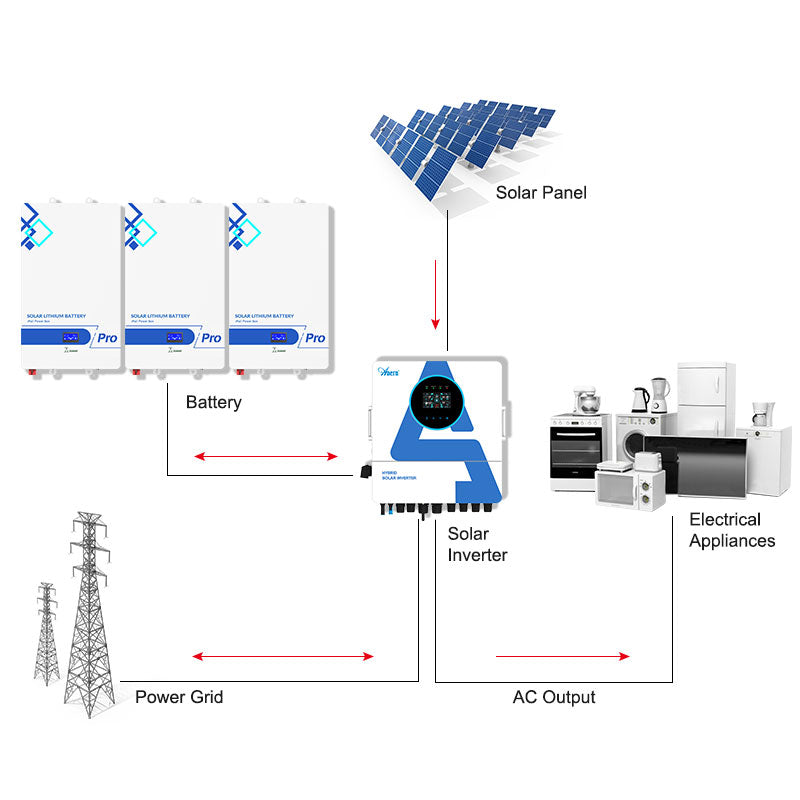
Solar panels consist of photovoltaic (PV) cells, typically made from semiconductor materials like silicon. When sunlight, composed of photons, strikes these cells, it excites electrons within the semiconductor. This excitation creates an electric current. This direct current (DC) then flows to an inverter, which converts it into alternating current (AC) suitable for your home or the electrical grid. This conversion process is fundamental to solar energy systems, including integrated solutions that feature advanced solar inverters to maximize energy harvest and conversion efficiency.
Key Factors Influencing Output
Several environmental factors directly influence a solar panel's output. Solar irradiance, the intensity of sunlight reaching the panel, is paramount. Panel temperature also plays a critical role. As panel temperature rises above 25°C, efficiency typically declines by 0.3% to 0.5% for every degree Celsius increase. The U.S. Department of Energy notes that solar cells generally work best at lower temperatures, as higher temperatures increase electrical resistance and reduce the voltage output of the cells. Other factors include shading, dust accumulation, and the spectrum of light.
Measuring Solar Irradiance Accurately
To accurately assess your solar panel's performance, you must measure the sunlight it receives.
What is Solar Irradiance?
Solar irradiance refers to the power of sunlight hitting a specific surface area, measured in watts per square meter (W/m²). According to energypedia, solar irradiation is the amount of energy incident per unit area on the earth's surface. It is distinct from solar irradiation (or insolation), which is the total energy received over a period, often expressed in kilowatt-hours per square meter (kWh/m²). Wikipedia states that the maximum normal surface irradiance at sea level on a clear day is approximately 1000 W/m². Understanding these terms is vital for precise performance analysis. The average daily solar irradiance across the Earth is approximately 5.0 kWh/m² or 5 peak sun hours (PSH). Alternative Energy Tutorials provides that the worldwide daily average value of solar irradiance across the whole planet over one day is approximately equal to 5.0 kWh/m².
There are different types of solar irradiance:
- Direct Normal Irradiance (DNI): Sunlight received directly from the sun, measured perpendicular to the sun's rays. Energypedia defines DNI as the amount of solar radiation received per unit area by a surface that is always held perpendicular to the incoming rays.
- Diffuse Horizontal Irradiance (DHI): Sunlight scattered by the atmosphere, reaching the surface from all directions. This type of radiation does not arrive on a direct path from the sun, but has been scattered by molecules and particles in the atmosphere.
- Global Horizontal Irradiance (GHI): The sum of DNI and DHI on a horizontal surface, widely used for evaluating PV systems. LandApp explains that GHI represents the total amount of solar irradiance received on a horizontal surface.
Tools and Techniques for Measurement
Measuring irradiance requires specialized tools:
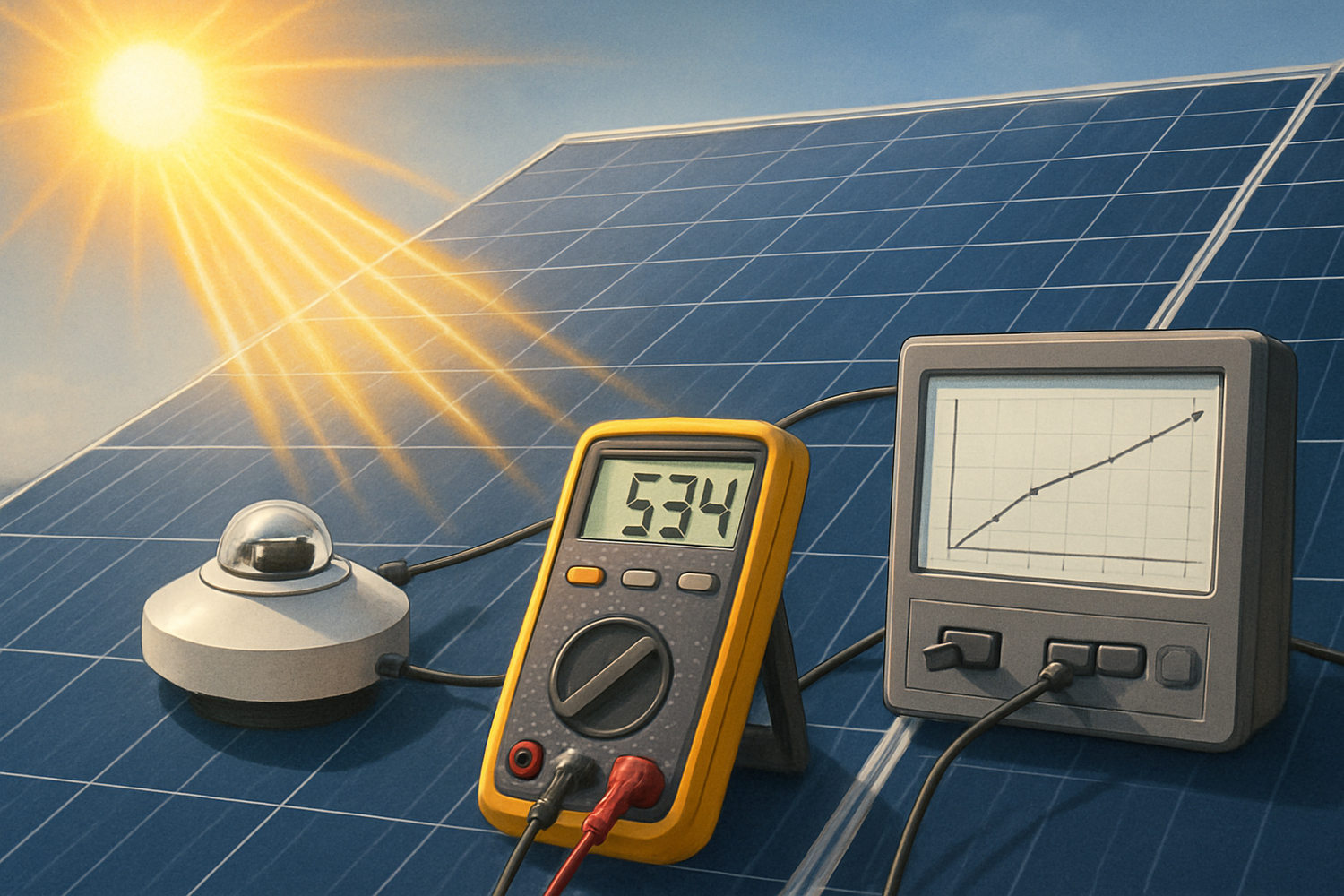
- Pyranometer: This instrument measures GHI by sensing solar radiation across a wide spectrum. You typically install it at the same tilt and orientation as your solar panels for the most relevant data.
- Reference Cell (or Reference PV Module): A calibrated solar cell that measures the incident solar radiation and converts it into an electrical signal, providing a direct correlation to panel performance.
- Weather Stations: Comprehensive stations often include pyranometers, temperature sensors, and other meteorological instruments, offering a complete picture of environmental conditions.
Standard Test Conditions (STC) vs. Real-World Performance
Solar panel manufacturers rate their products under Standard Test Conditions (STC) to ensure consistent comparison. STC defines conditions as 1000 W/m² solar irradiance, a cell temperature of 25°C, and an air mass (AM) of 1.5. Alternative Energy Tutorials confirms these standard test conditions for a photovoltaic solar panel. While useful for benchmarking, these conditions are rarely met in real-world scenarios. In practice, sunlight intensity is often less than 1000 W/m², and cell temperatures are typically hotter than 25°C. The U.S. Department of Energy highlights that these ideal conditions are seldom encountered in practice. Therefore, comparing your actual output to STC ratings requires accounting for these real-world deviations.
Measuring Solar Panel Electrical Output
Beyond sunlight, you need to measure the actual electricity your panels produce.
Essential Electrical Parameters
When measuring electrical output, focus on these key parameters:
- Voltage (V): The electrical potential difference. Residential solar panels typically operate between 12 and 96 volts, with 12V, 24V, and 48V being common nominal voltages. VTOMAN notes that standard residential panels might operate around 30 to 40 volts under full sun.
- Current (A): The flow rate of electrical charge.
- Power (W): The product of voltage and current (P = V x I). This is the instantaneous power generated.
- Energy (Wh or kWh): Power over time, representing the total electricity produced (e.g., kilowatt-hours per day).
Practical Measurement Methods
You can measure these parameters using various tools:
- Multimeter: A basic tool for spot-checking voltage and current. You can measure open-circuit voltage (Voc) by connecting it directly to the panel terminals without a load. Reolink explains that the open circuit voltage is recorded when no load is connected to the solar panel.
- Clamp Meter: Useful for measuring current without breaking the circuit.
- Dedicated Solar PV Analyzers: These devices provide comprehensive I-V curve tracing, helping diagnose complex performance issues by plotting current versus voltage.
- Inverter Monitoring: Most modern solar inverters, including advanced solar inverters that convert DC to AC, come with built-in monitoring capabilities. They provide real-time and historical data on power output, energy production, and sometimes even environmental conditions.
Data Logging and Analysis
For a thorough assessment, continuous data logging is essential. Data loggers record electrical output and environmental data over time. This allows you to:
- Track Daily and Seasonal Trends: Understand how your system performs under varying conditions.
- Calculate Performance Ratio (PR): PR is the ratio of actual energy produced to the theoretically possible energy, considering irradiance and temperature. A higher PR indicates better system efficiency. The U.S. Department of Energy states that performance ratio refers to the fraction of the expected power output when the plant is available.
- Identify Degradation: Solar panels degrade over time, with an average efficiency loss of 0.6% to 0.8% annually. Research indicates that degradation rates vary between 0.6% and 0.7% per year, while PV Magazine reports panels losing up to 0.8% efficiency annually on average. Consistent monitoring helps detect this degradation and plan for maintenance or upgrades.
- Troubleshoot: Pinpoint specific times or conditions when performance drops, aiding in diagnosing problems like shading or faulty components.
Optimizing Your Solar System Performance
Measurement is a tool for optimization. With accurate data, you can make informed decisions to enhance your solar system's effectiveness.
Bridging the Gap: Irradiance and Output Correlation
The core of performance analysis lies in correlating measured solar irradiance with measured electrical output. This comparison reveals how efficiently your panels convert available sunlight into electricity. For example, if irradiance is high but your output is low, it suggests a problem with the panels, inverter, or wiring. This correlation is particularly important when considering factors like temperature, as high temperatures can significantly reduce voltage output despite strong strong sunlight.
Consider this simplified table illustrating the impact of temperature on a hypothetical solar panel's output:
| Irradiance (W/m²) | Cell Temperature (°C) | Expected Power (W) (STC Adjusted) | Actual Measured Power (W) | Performance Ratio (%) |
|---|---|---|---|---|
| 1000 | 25 (STC) | 380 | 380 | 100 |
| 1000 | 45 (+20°C from STC) | 354 - 365 (Approx. 0.3-0.5% loss/°C) | 350 | 95.9 - 98.8 |
| 800 | 30 | 296 - 304 (Adjusted for irradiance & temp) | 280 | 92.1 - 94.6 |
(Note: Expected power values are illustrative and depend on specific panel characteristics and temperature coefficients. The degradation rate of solar panels can vary, with typical values ranging from 0.6% to 0.8% per year.)
The Role of Energy Storage and Inverters
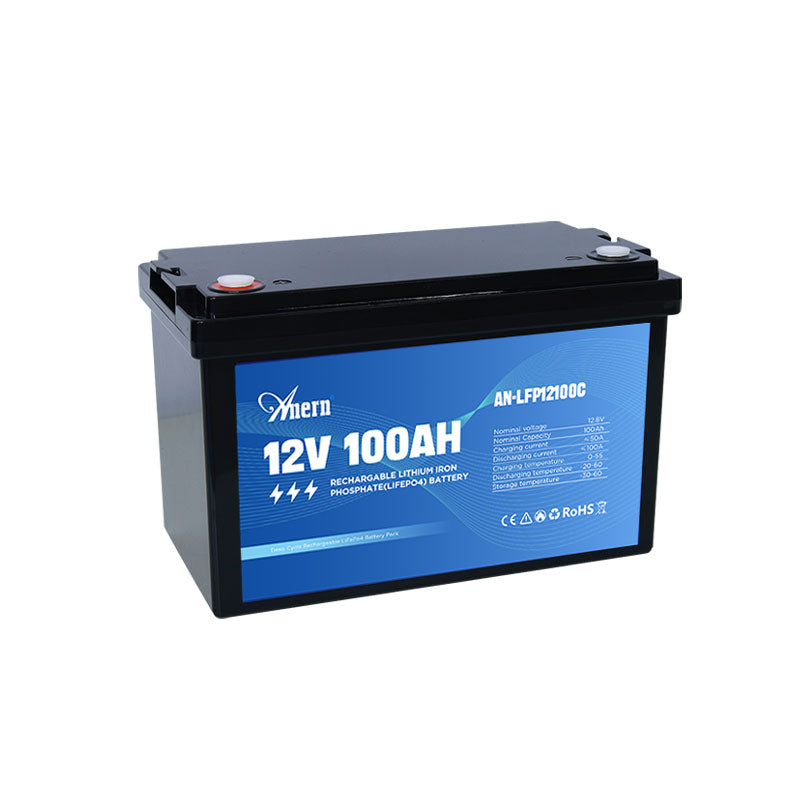
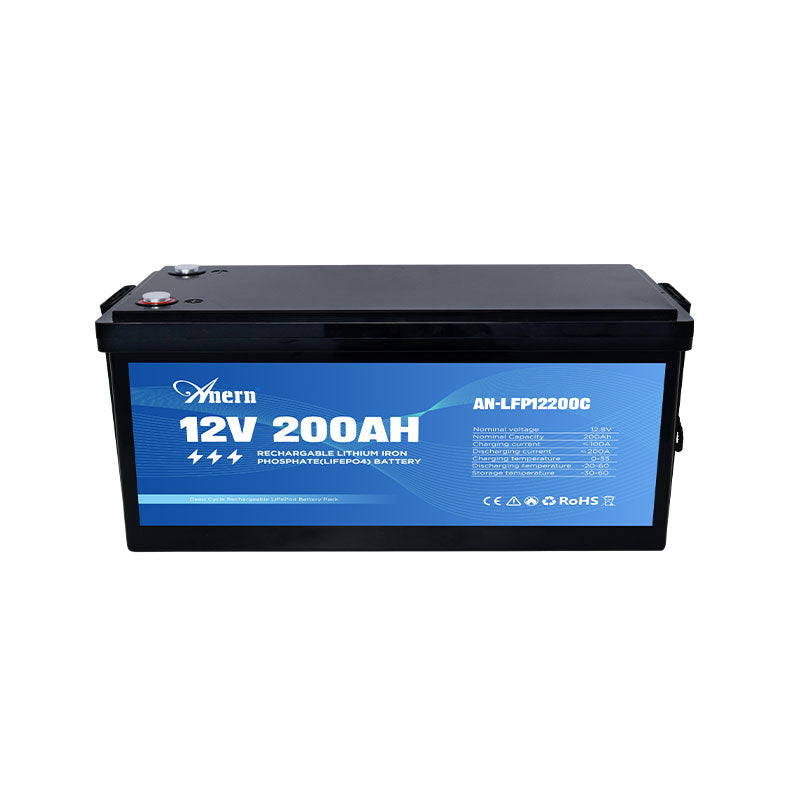
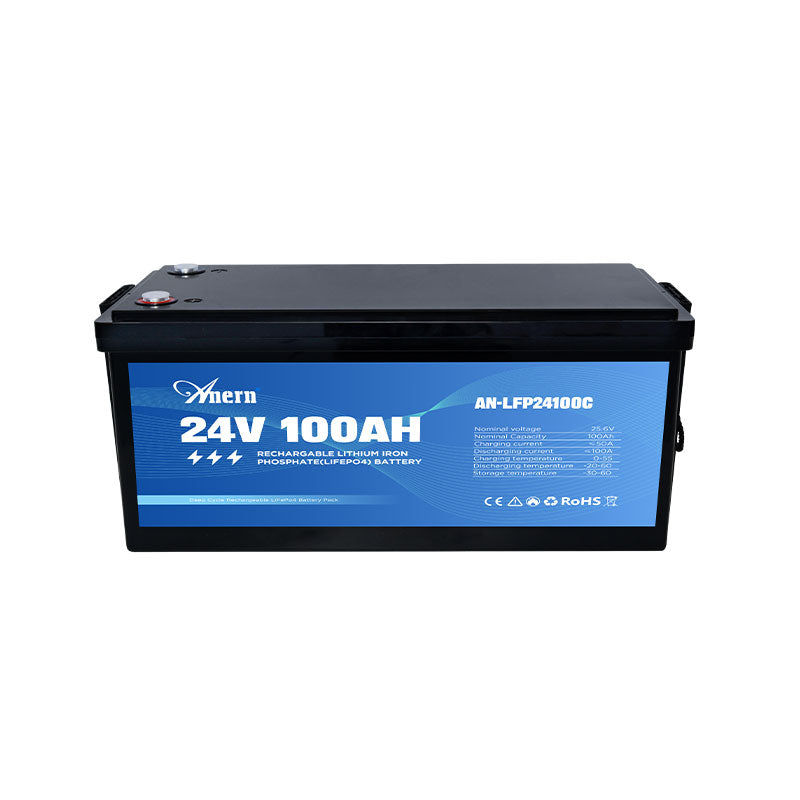
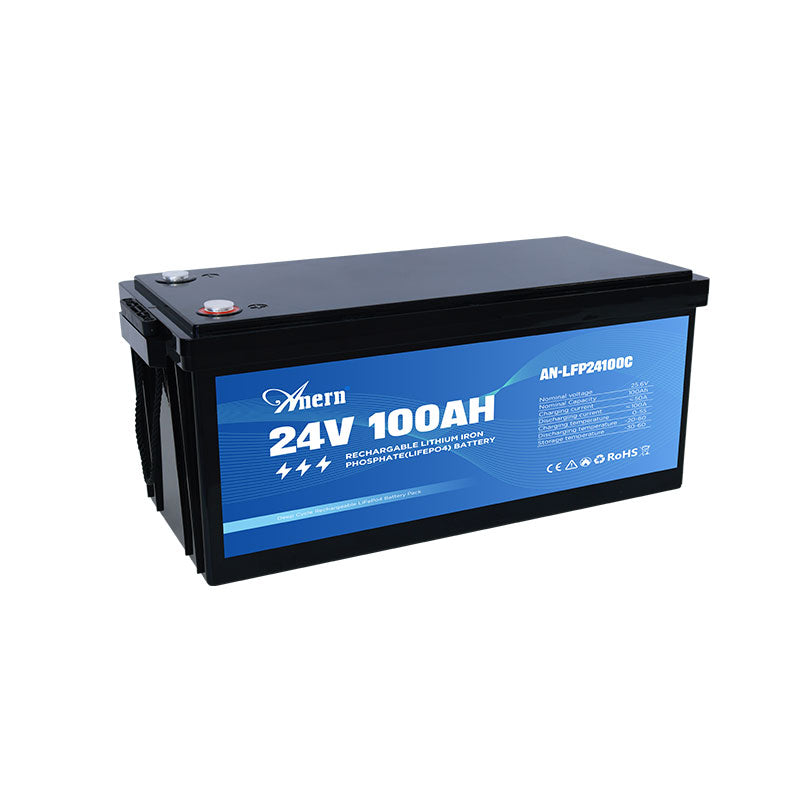
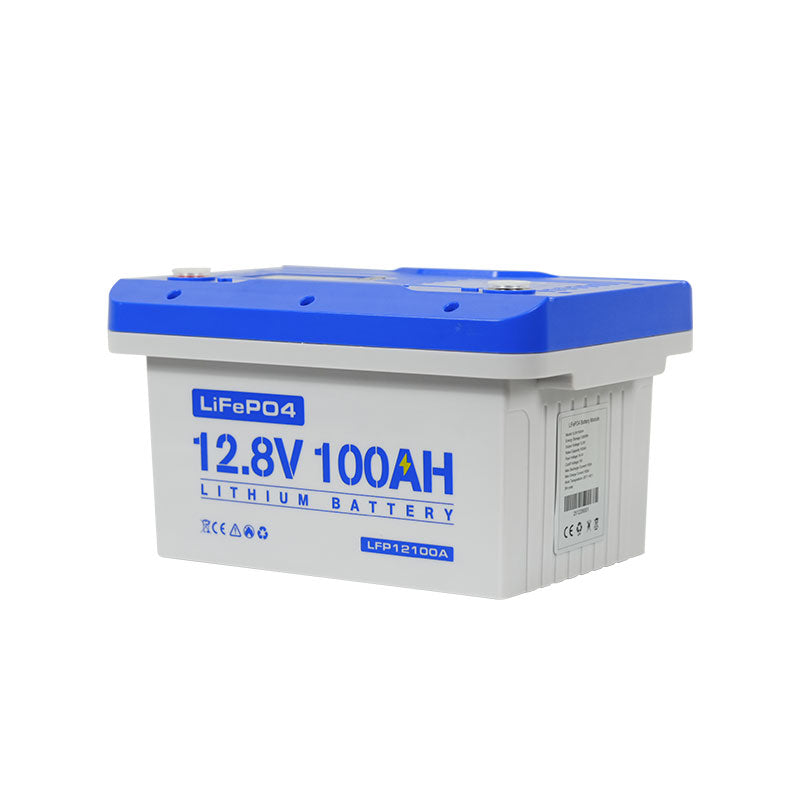
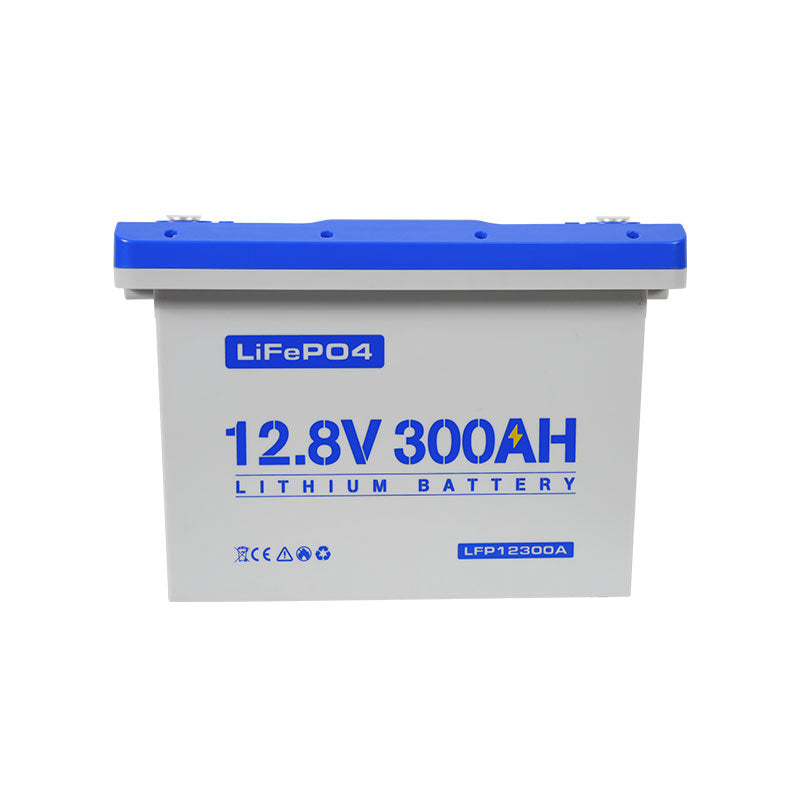
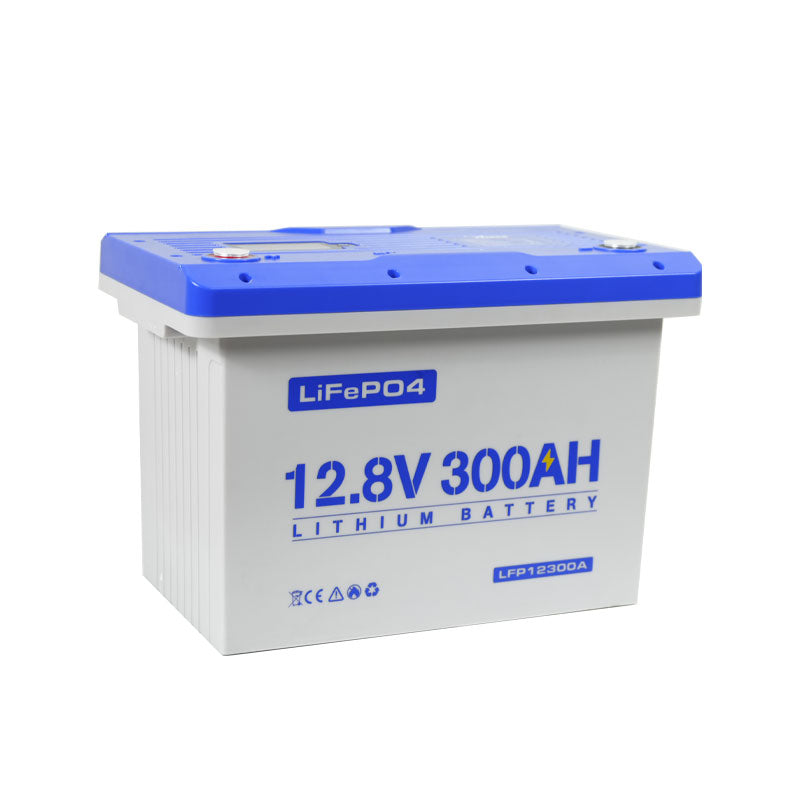
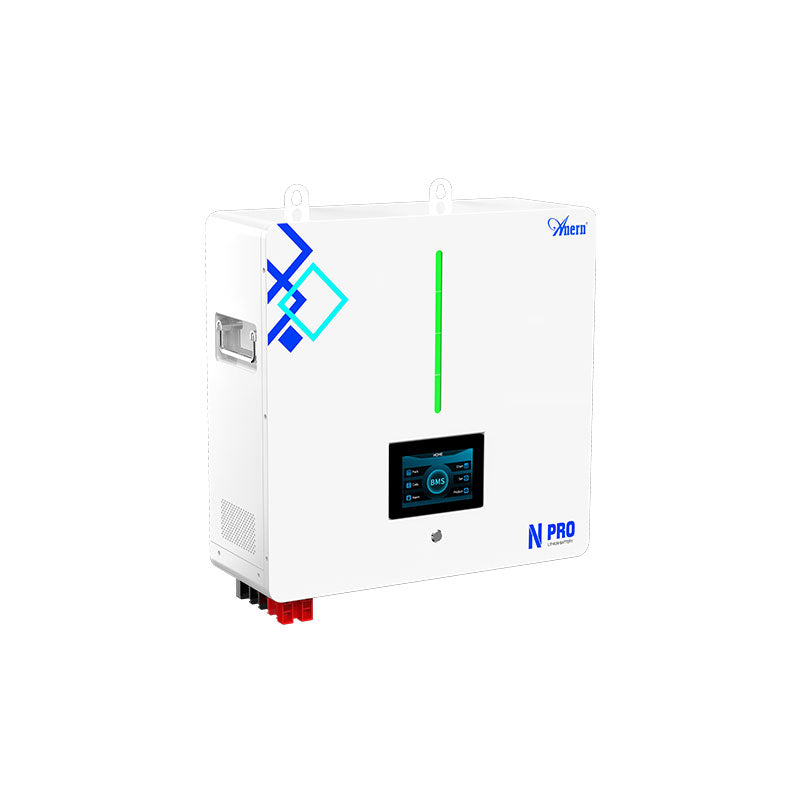
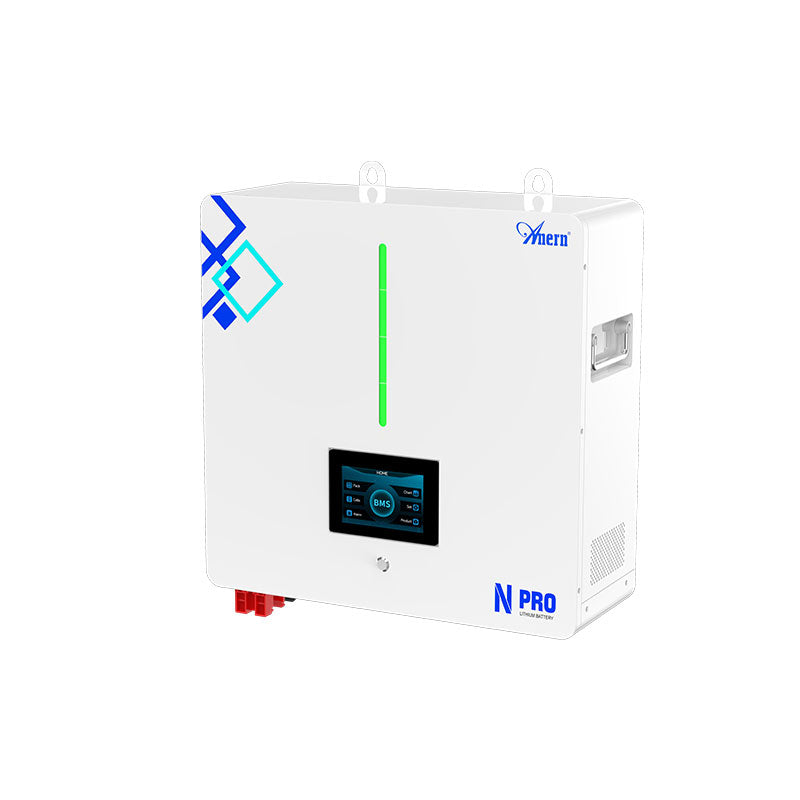
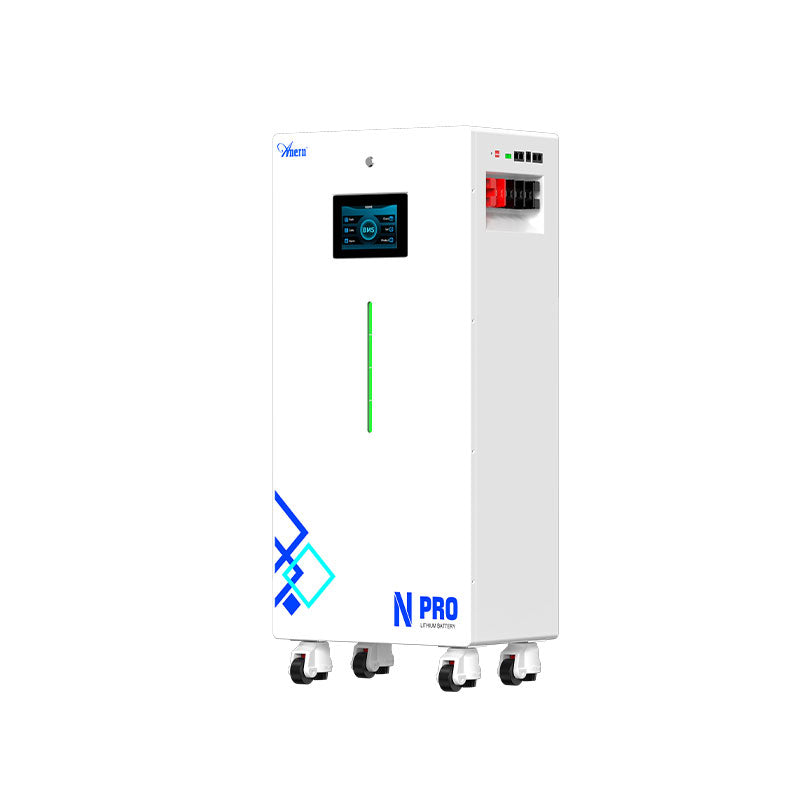
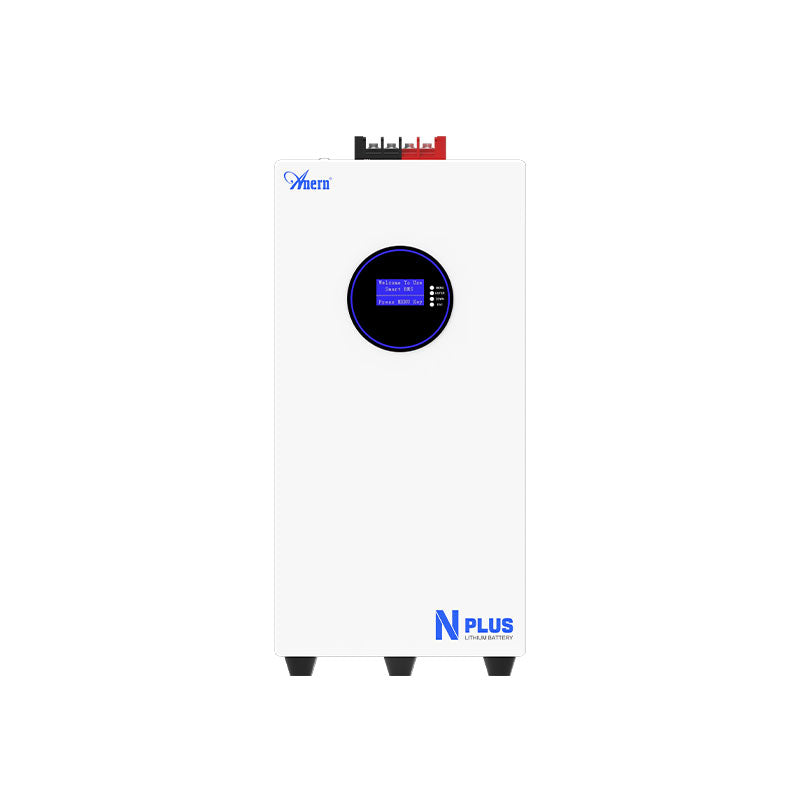
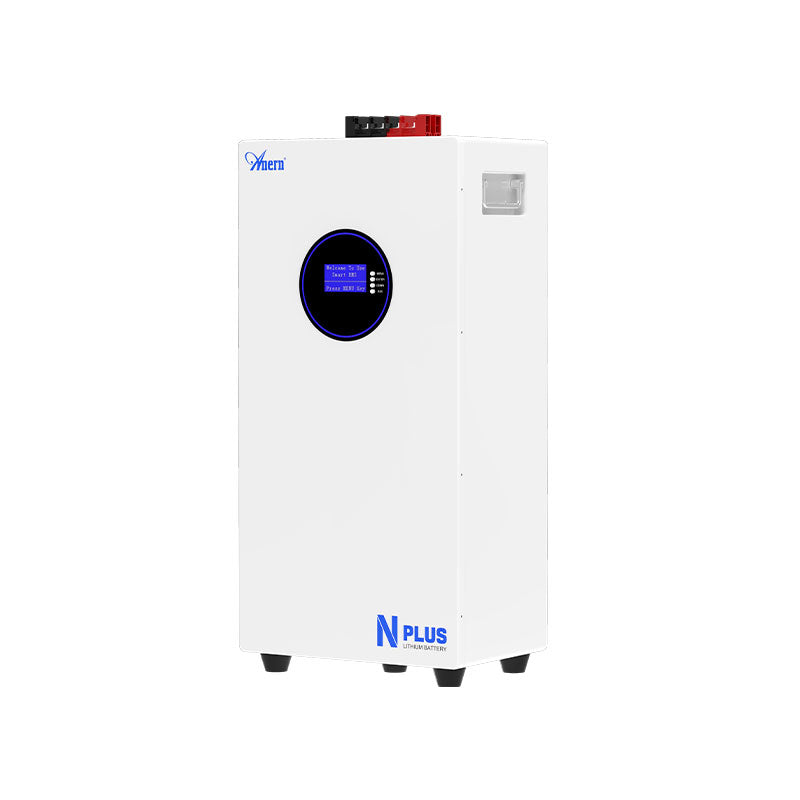
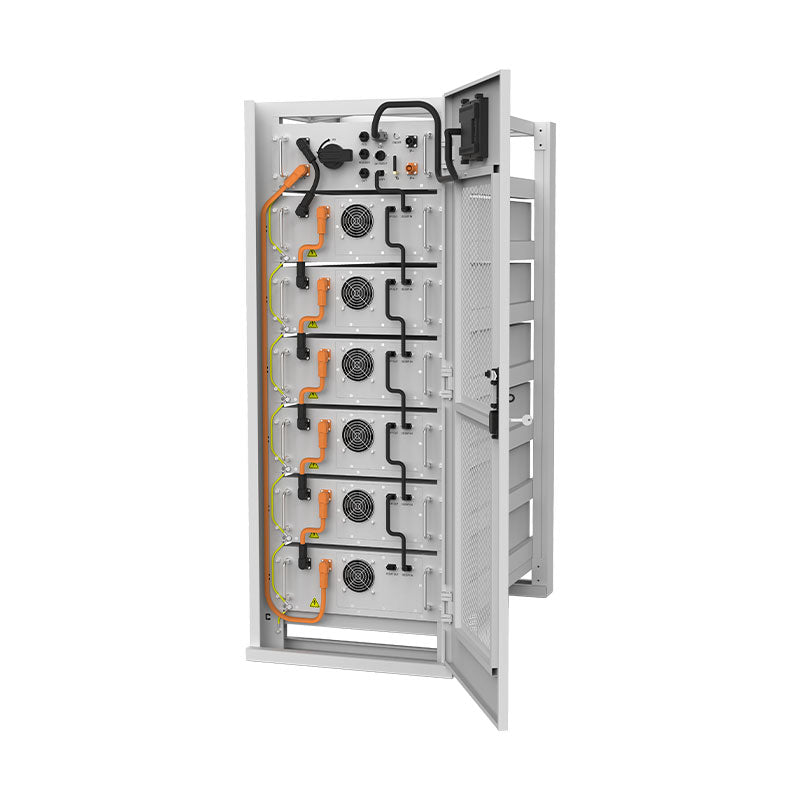
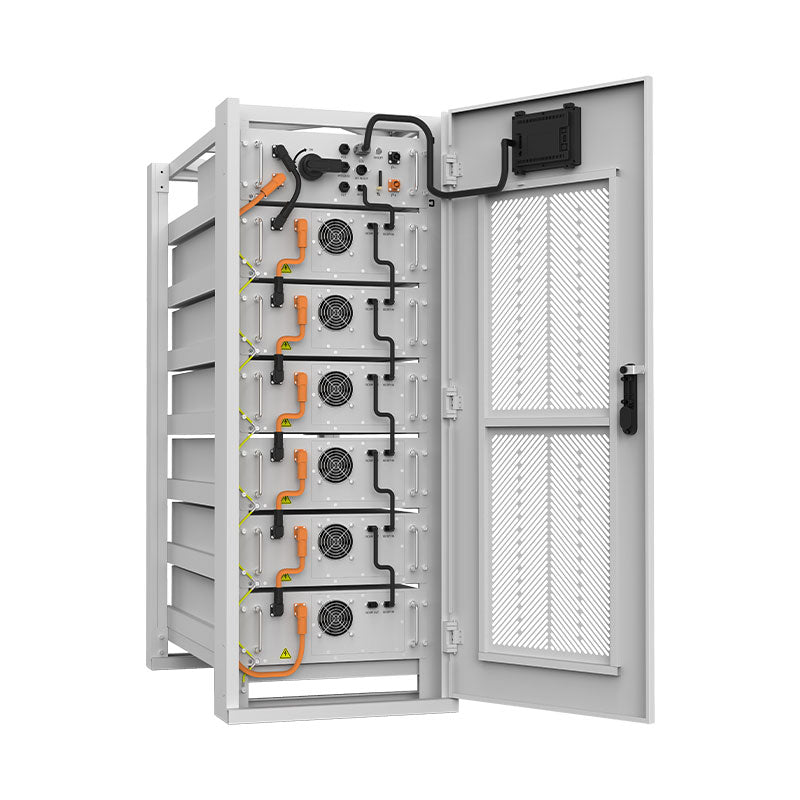
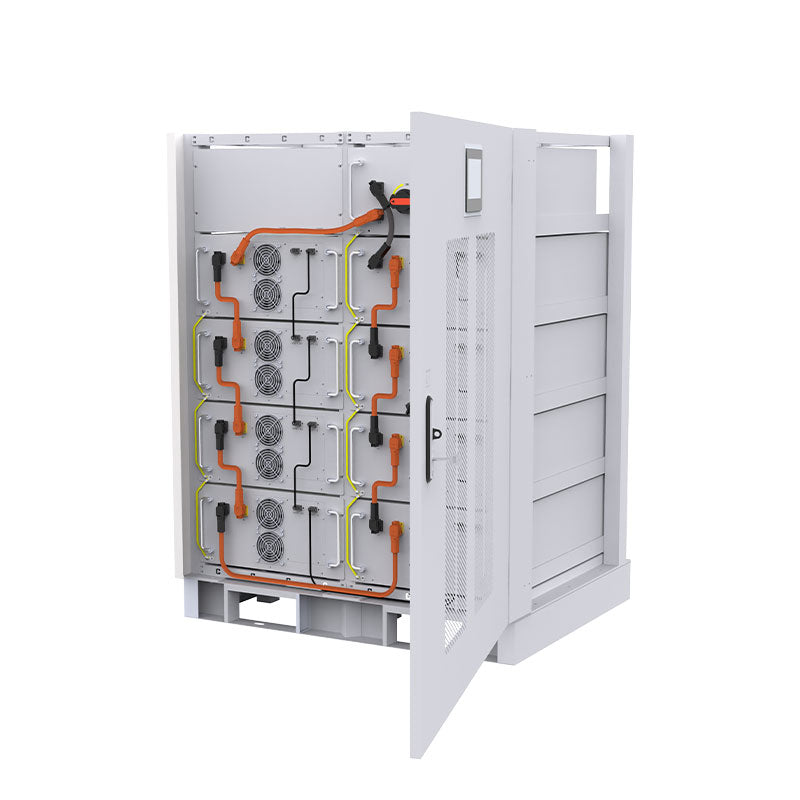
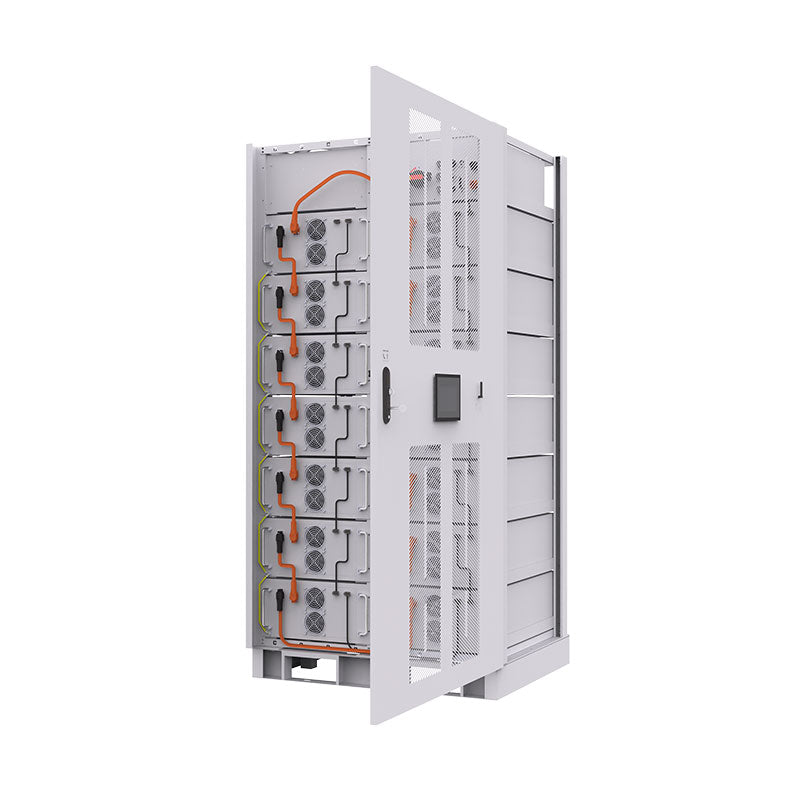
Integrating reliable energy storage systems, such as advanced lithium iron phosphate (LiFePO4) batteries, significantly enhances solar system performance. These batteries are known for their high performance, safety, and reliability. They store excess solar energy generated during peak sunlight hours for use when the sun is not shining, like at night or on cloudy days. The U.S. Energy Information Administration highlights that energy storage can provide greater and more effective use of intermittent solar and wind energy resources. This capability smooths out intermittent solar generation, provides backup power, and allows you to use your self-generated electricity more effectively. The Solar Energy Industries Association (SEIA) states that battery energy storage systems allow us to store energy when it is cheap and abundant and then dispatch that energy when demand and prices spike.
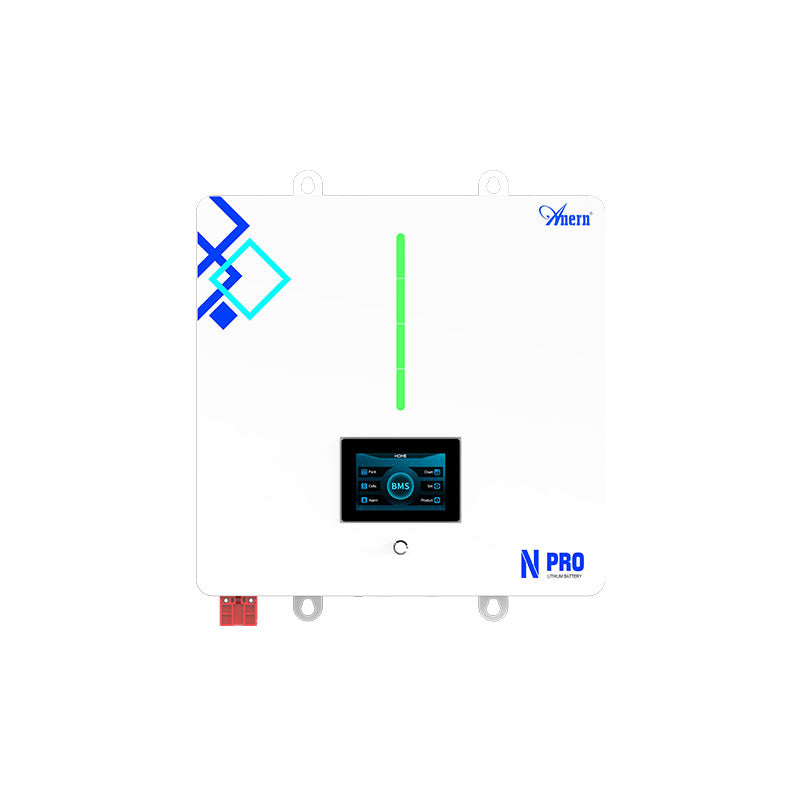
Our integrated home energy storage systems combine these high-performance lithium batteries with hybrid inverters and solar panels, creating a cohesive and highly efficient solution. Our solar inverters are designed to maximize the conversion of DC electricity from your panels into usable AC power, playing a crucial role in overall system efficiency.
Long-Term System Health and Maintenance
Regular monitoring and measurement are vital components of a proactive maintenance strategy. They allow you to detect potential issues early, such as individual panel underperformance, wiring faults, or inverter inefficiencies. Addressing these promptly helps maintain high energy production and extends the lifespan of your system. The U.S. Department of Energy indicates that proper operations and maintenance (O&M) can improve the average performance ratio of systems from 92% to over 95%.
Maximizing Your Energy Independence
Our commitment is to provide reliable and scalable energy solutions that empower you to achieve true energy independence. Whether you need a comprehensive home energy storage system or a robust off-grid solar solution for a remote farm or cabin, our expertise ensures your system is optimized for performance and longevity.
Integrated Solutions for Reliable Power
Our off-grid solar solutions, for instance, are designed to provide complete energy autonomy. They integrate high-capacity LiFePO4 batteries, efficient solar panels, and intelligent solar inverters to create self-sufficient power systems. This holistic approach ensures every component works in harmony to deliver consistent, reliable electricity, regardless of grid availability.
Final Thoughts on Solar Performance
Accurately measuring solar panel output against solar irradiance is not merely a technical exercise; it is a strategic step towards maximizing your renewable energy investment. By understanding the intricate relationship between sunlight and electricity generation, and by utilizing the right tools and technologies, you gain the power to optimize your system, ensure its longevity, and confidently step into a future of energy independence. The International Renewable Energy Agency (IRENA) reported that solar power alone accounted for a record 452 GW of new renewable capacity in 2024, demonstrating its pivotal role in the global energy transition. This growth underscores the importance of precise measurement for every system, large or small.


Leave a comment
All comments are moderated before being published.
This site is protected by hCaptcha and the hCaptcha Privacy Policy and Terms of Service apply.