













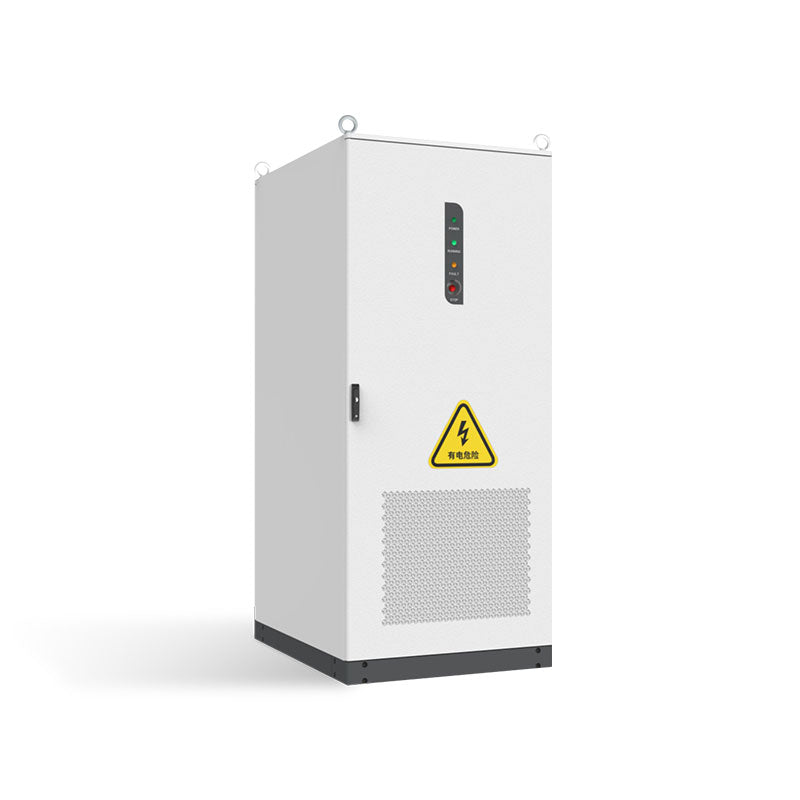

Harnessing energy from the sun is a remarkable feat of engineering and material science. Solar panels, seemingly simple devices, tap into the very essence of light to produce electricity. This process, known as the photovoltaic effect, forms the foundation of modern solar energy systems. Understanding the core principles of PV cells, including the crucial concept of band gaps, helps reveal how sunlight transforms into usable power. In the solar and energy storage industry, we focus on delivering reliable and scalable energy solutions. Our goal is to help you achieve greater energy independence through advanced technology.

The Photovoltaic Effect: Transforming Light into Current
The journey from sunlight to electricity begins within a photovoltaic (PV) cell. These cells represent the fundamental building blocks of solar panels, designed to capture photons and convert their energy into an electric current.
Understanding PV Cells and Semiconductors
A PV cell is typically made from semiconductor materials, most commonly silicon. Semiconductors possess unique electrical properties, allowing them to conduct electricity under specific conditions. At the heart of a silicon PV cell lies a "p-n junction." This junction forms when two different types of silicon, one "p-type" (doped with elements like boron to create positive charge carriers, or "holes") and one "n-type" (doped with elements like phosphorus to create negative charge carriers, or "electrons"), are brought together. This arrangement creates an electric field at their interface, a critical component for electricity generation.
How Photons Generate Electricity
When sunlight, composed of tiny energy packets called photons, strikes a PV cell, these photons transfer their energy to electrons within the semiconductor material. If a photon carries enough energy, it can knock an electron loose from its atomic bond, creating a free electron and a "hole" where the electron used to be. This is the creation of an electron-hole pair. The electric field at the p-n junction then acts like a one-way street, pushing the free electrons to the n-type side and the holes to the p-type side. This separation of charges creates a voltage. When you connect an external circuit to the cell, these separated electrons flow through the circuit to recombine with the holes, creating a direct current (DC) of electricity. This phenomenon is the photovoltaic effect.
Components of a Solar Panel
A complete solar panel consists of multiple PV cells connected together. These cells are carefully encapsulated between layers of protective material, such as EVA (ethylene vinyl acetate), and covered by a sheet of glass on the front. A durable backsheet protects the rear, and an aluminum frame provides structural integrity and ease of installation. This layered construction safeguards the delicate cells from environmental elements, ensuring long-term performance.
Band Gaps: The Core of Solar Efficiency
The efficiency of a PV cell hinges significantly on a fundamental property of its semiconductor material: the band gap. This concept is central to how effectively a material converts light into electricity.
What is a Band Gap?
In semiconductor physics, electrons occupy distinct energy levels, often described as "bands." The "valence band" contains electrons tightly bound to atoms, while the "conduction band" holds electrons that are free to move and conduct electricity. Between these two bands lies the "forbidden gap," or band gap, an energy range where electrons cannot reside. For a semiconductor to conduct, an electron must absorb enough energy (from a photon, for example) to jump across this band gap from the valence band to the conduction band.
Optimal Band Gaps for Solar Absorption
The size of a material's band gap dictates which wavelengths of light it can absorb. Photons with energy less than the band gap pass through the material without being absorbed, while photons with energy greater than the band gap are absorbed, but any excess energy beyond the band gap is typically lost as heat. Therefore, an ideal band gap allows for maximum absorption of the solar spectrum while minimizing energy loss. For single-junction solar cells, the optimal band gap range is generally between 1.0 and 1.6 electron volts (eV). Silicon, the most common PV material, has a band gap of approximately 1.1 eV, which aligns well with a significant portion of the solar spectrum. Other materials like Cadmium Telluride (CdTe) and Gallium Arsenide (GaAs) have band gaps around 1.45 eV and 1.43 eV respectively, which are closer to the theoretically optimal value for single-junction cells, balancing absorption and voltage output.
| Material | Approximate Band Gap (eV) | Key Characteristics |
|---|---|---|
| Silicon (Si) | 1.1 | Abundant, well-understood, good absorption of visible light. |
| Cadmium Telluride (CdTe) | 1.45 | Good light absorption, suitable for thin-film applications. |
| Gallium Arsenide (GaAs) | 1.43 | High efficiency in multi-junction cells, direct band gap. |
| Perovskite | Tunable (e.g., 1.7-2.2 for top cells) | Rapid efficiency improvements, low production costs. |
Efficiency Implications of Band Gaps
The band gap directly influences a solar cell's conversion efficiency – the percentage of sunlight converted into usable electricity. The theoretical maximum efficiency for a single-junction solar cell under standard sunlight conditions, known as the Shockley-Queisser limit, is around 33.7% for a band gap of 1.34 eV. For silicon, with its 1.1 eV band gap, the theoretical limit is nearly 32.33%. Researchers consistently work to develop materials and cell architectures that push closer to these theoretical limits. For example, multi-junction cells combine different materials with varying band gaps to absorb a broader range of the solar spectrum, achieving higher efficiencies. Laboratory research cells have achieved efficiencies exceeding 47% under concentrated light.
Power Harvesting: From DC to Usable Energy
Solar panels produce direct current (DC) electricity, which is not directly compatible with most household appliances or the electrical grid. Converting and managing this power effectively is essential for any solar energy system.
Converting DC to AC with Solar Inverters
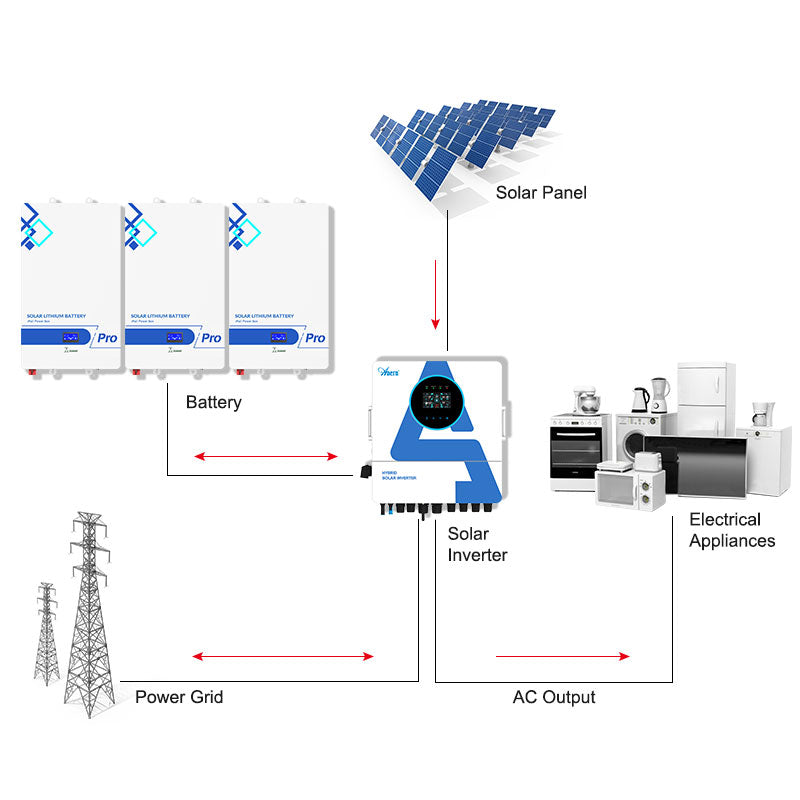
The electricity generated by solar panels needs conversion to alternating current (AC) to power homes and businesses. This is the crucial role of a solar inverter. Our solar inverters efficiently transform the DC power from your panels into usable AC electricity, ensuring compatibility with your existing electrical infrastructure and the grid.
The Role of Energy Storage Systems
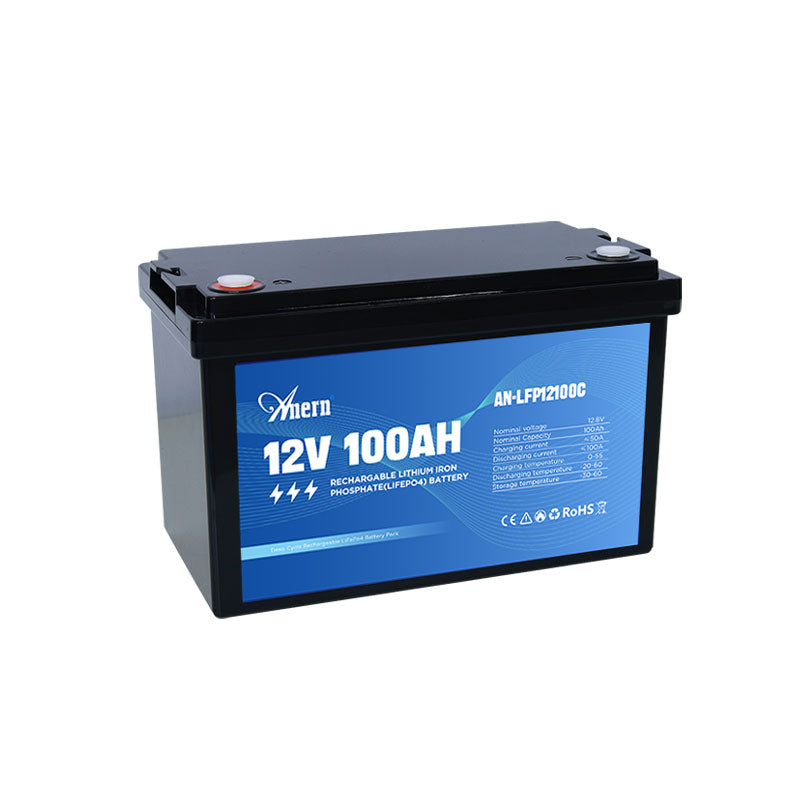
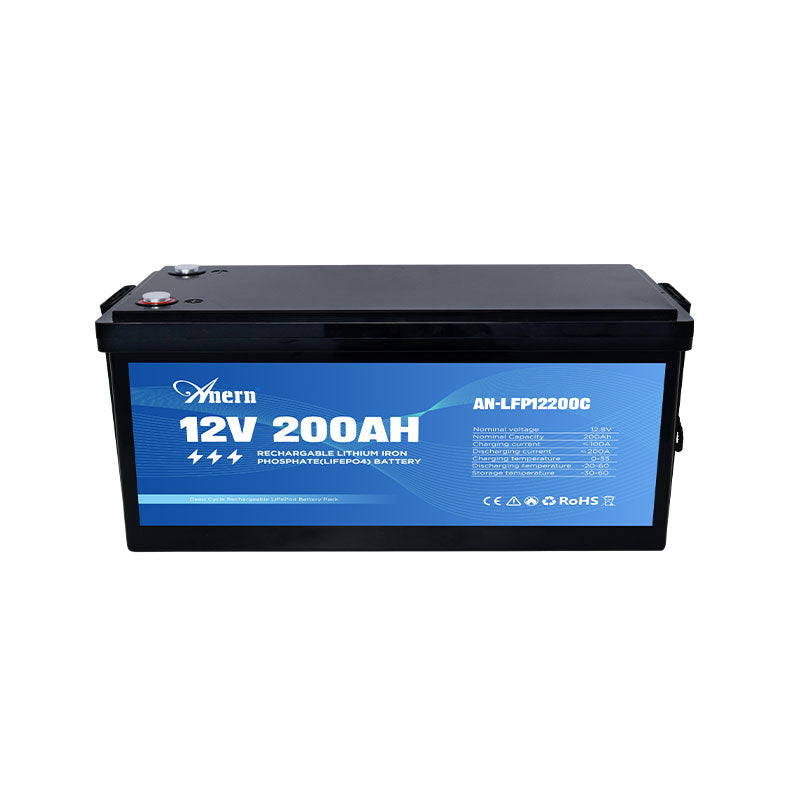
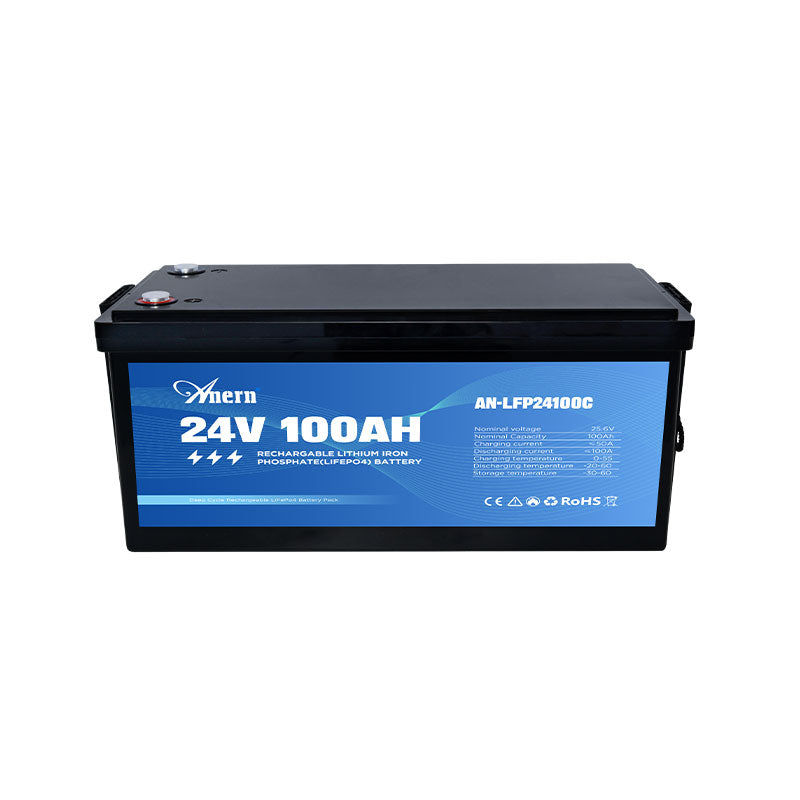
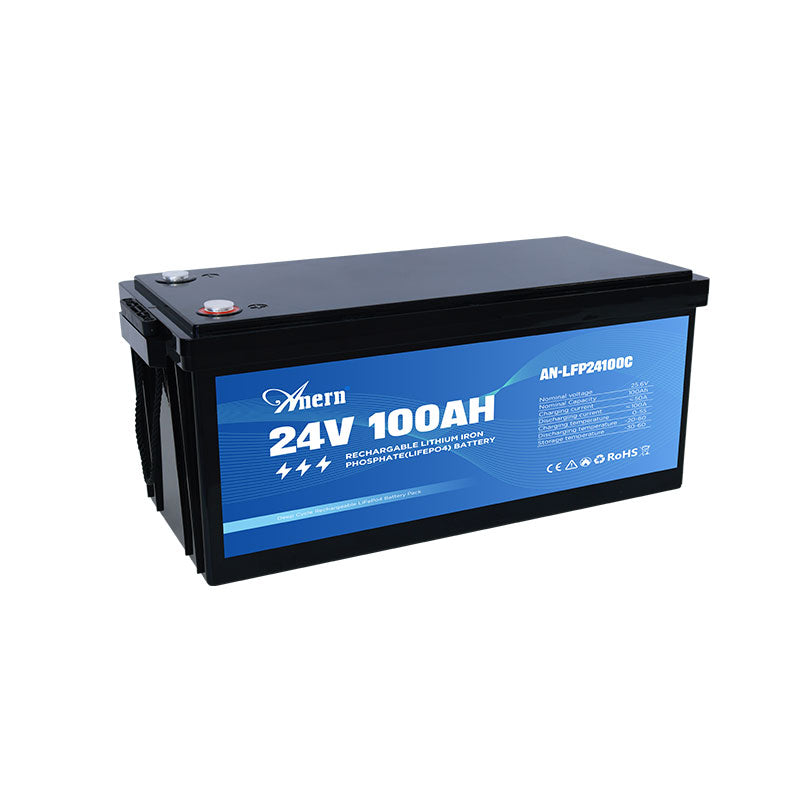
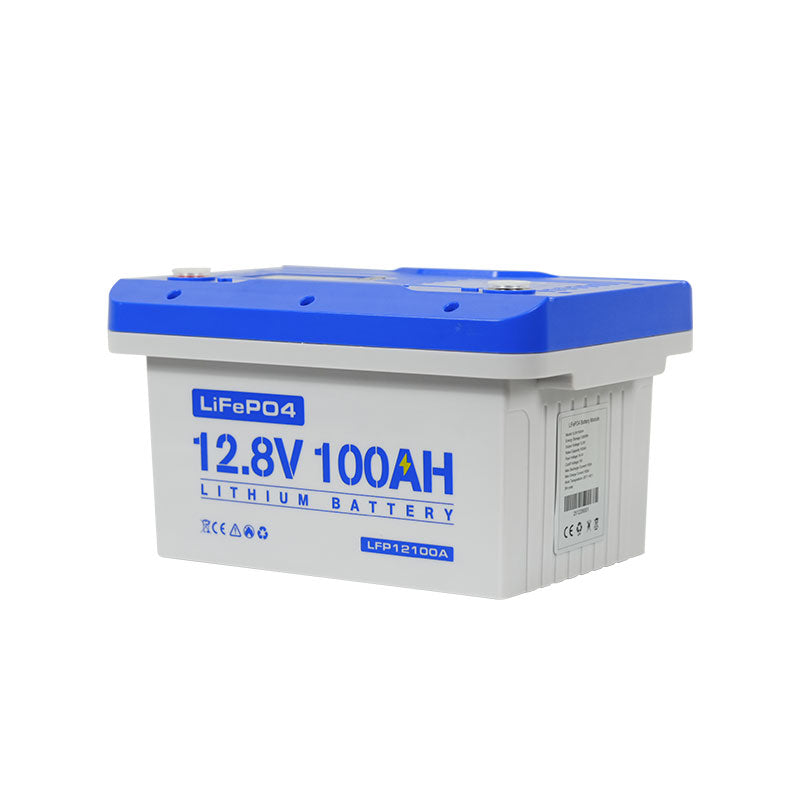
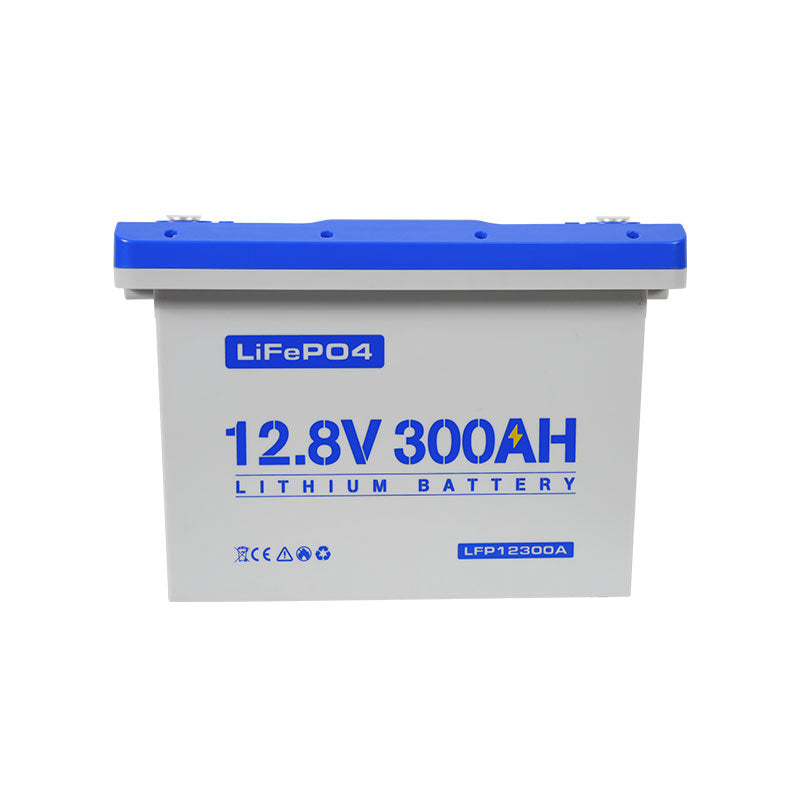
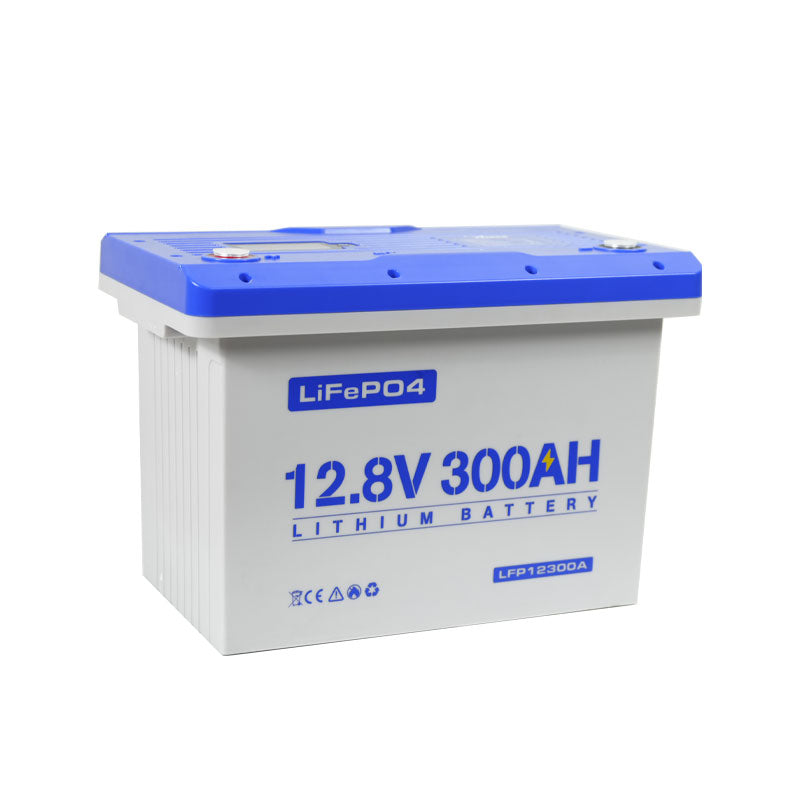
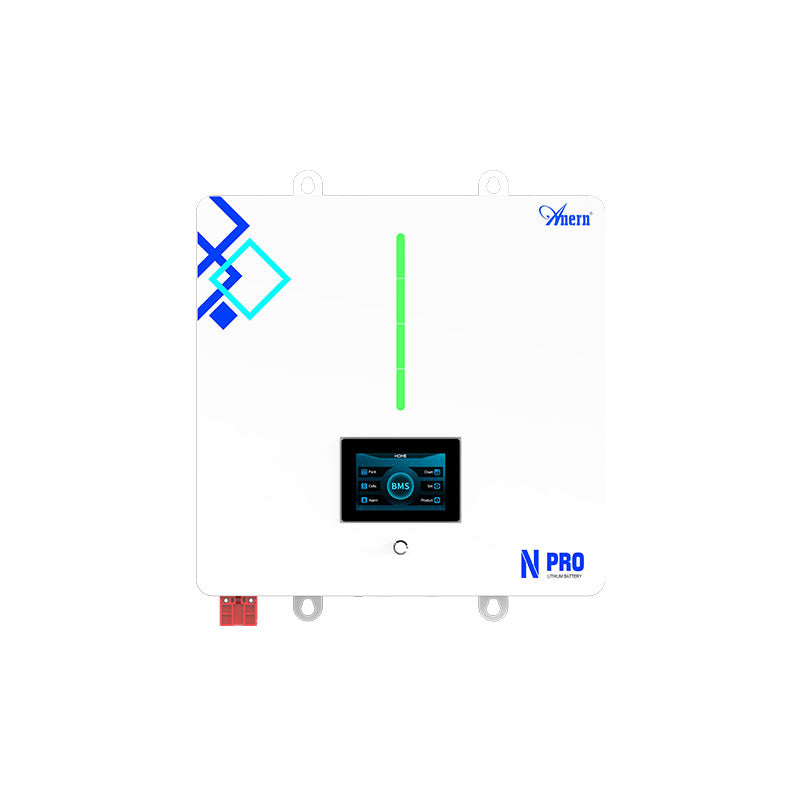
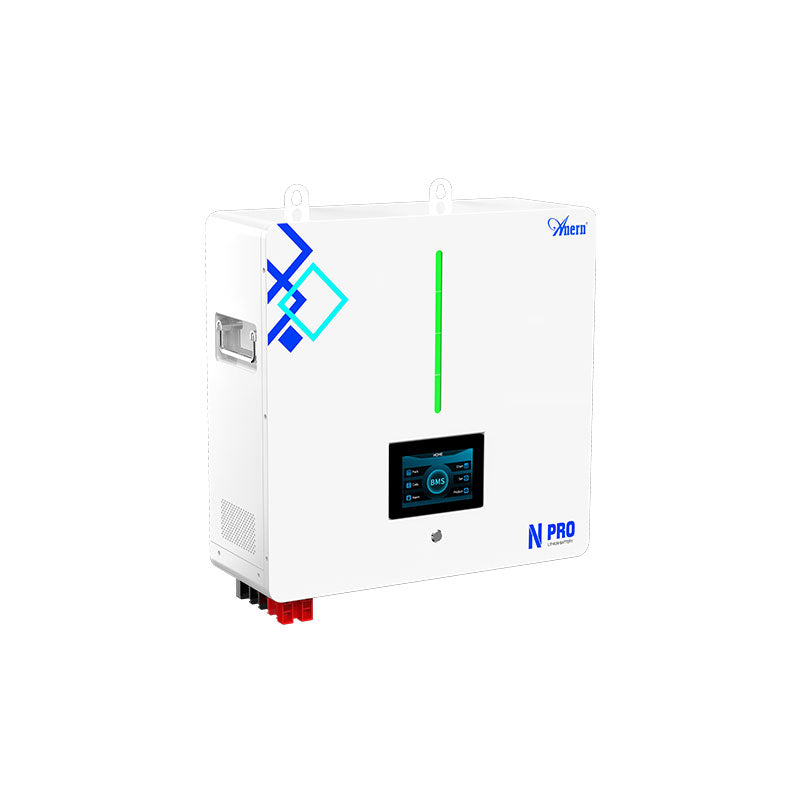
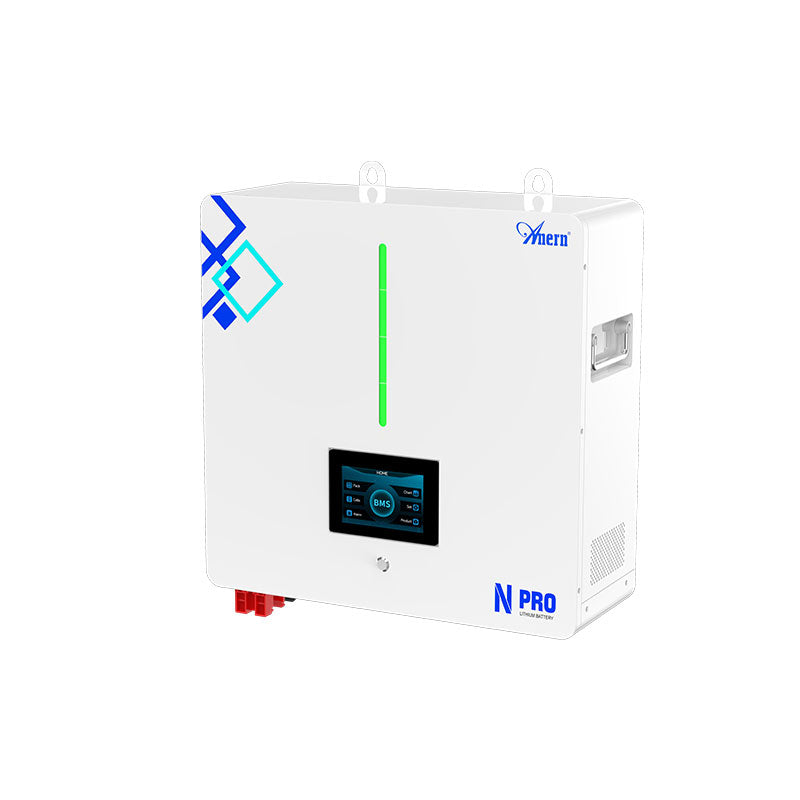
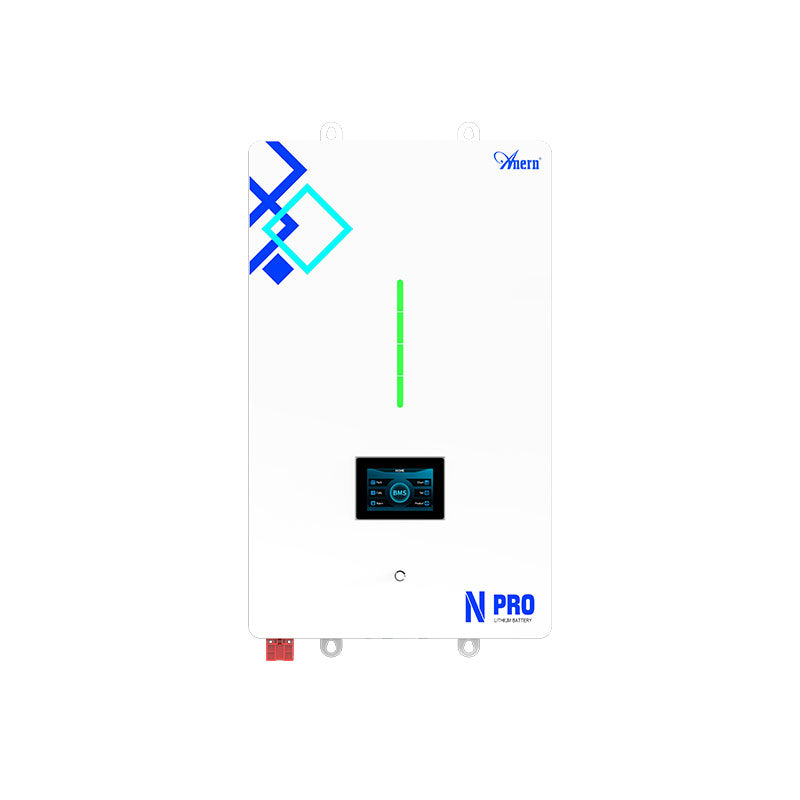
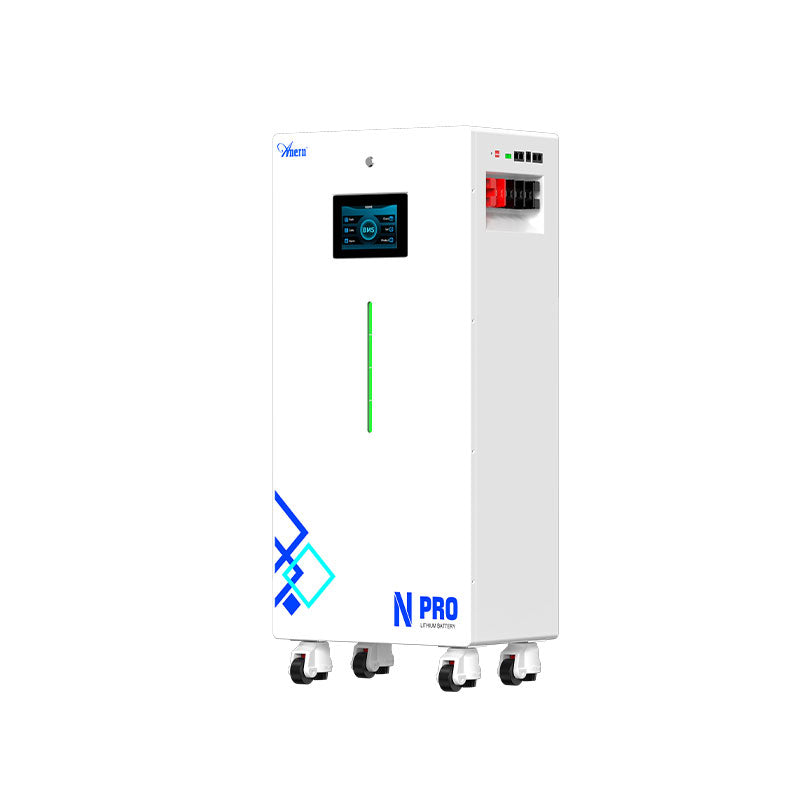
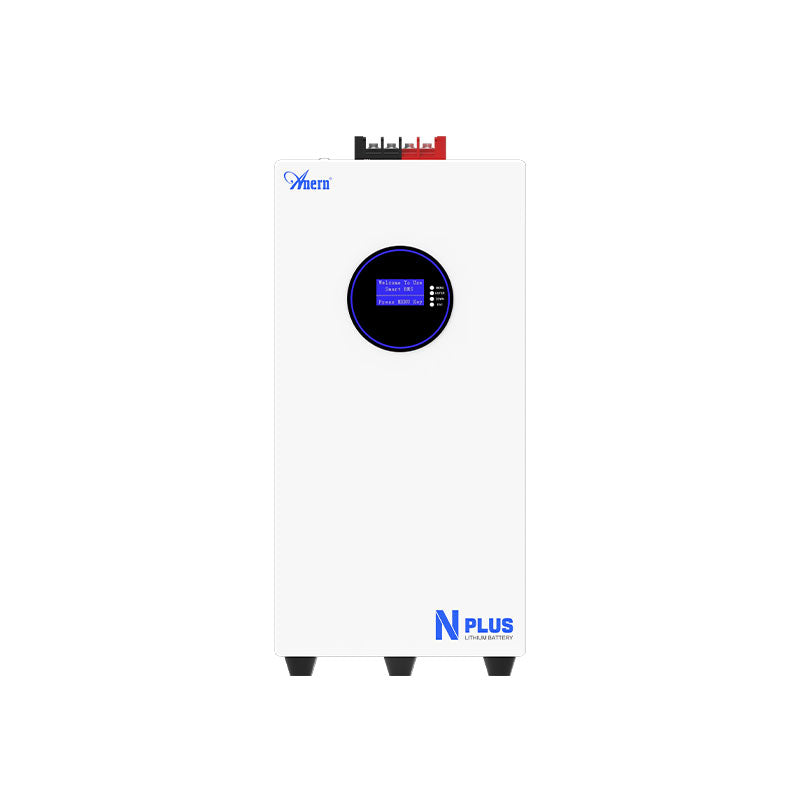
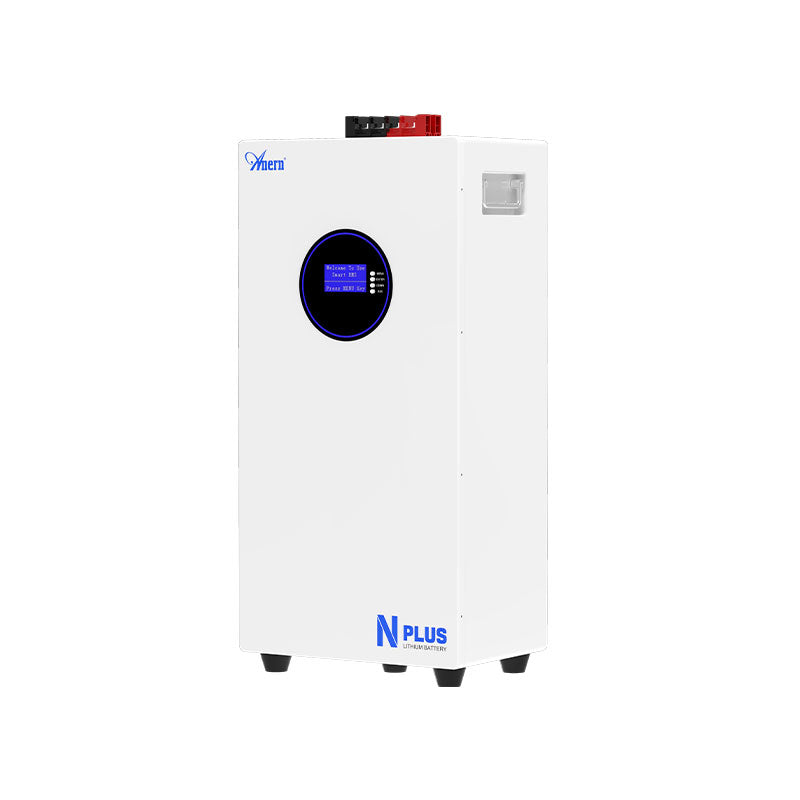
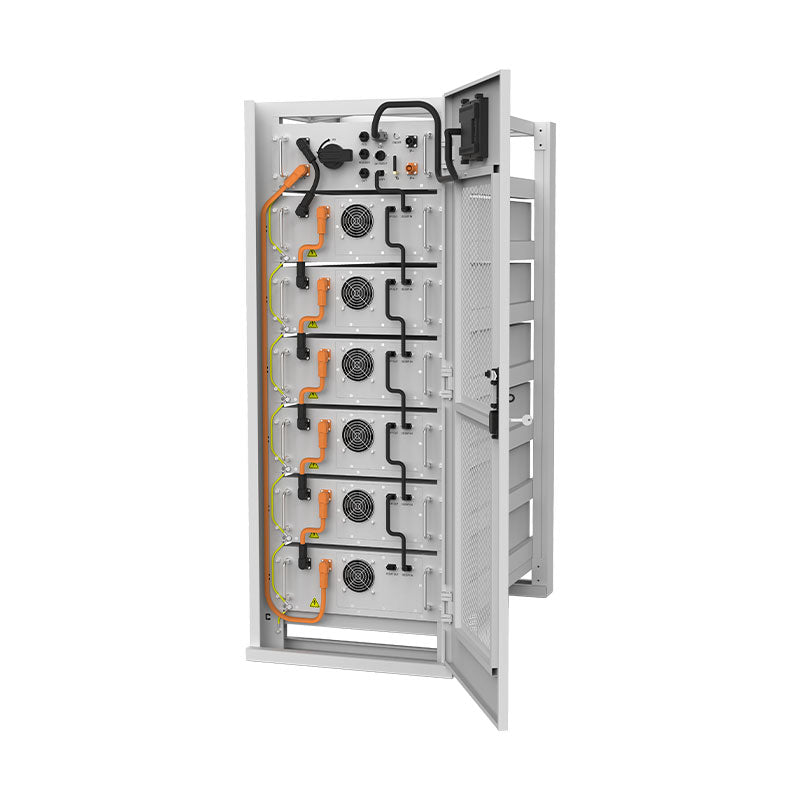
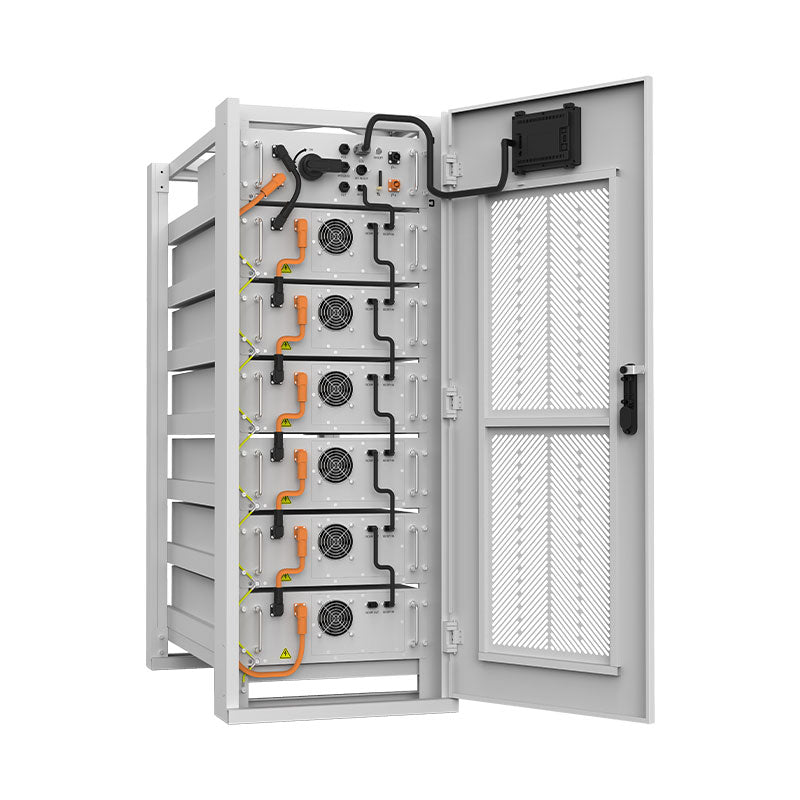
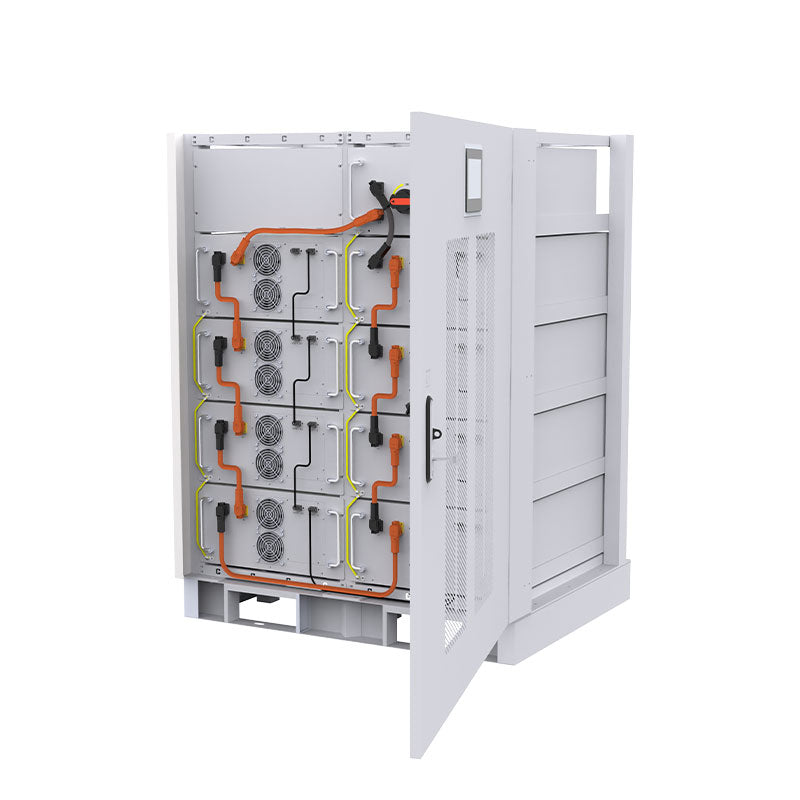
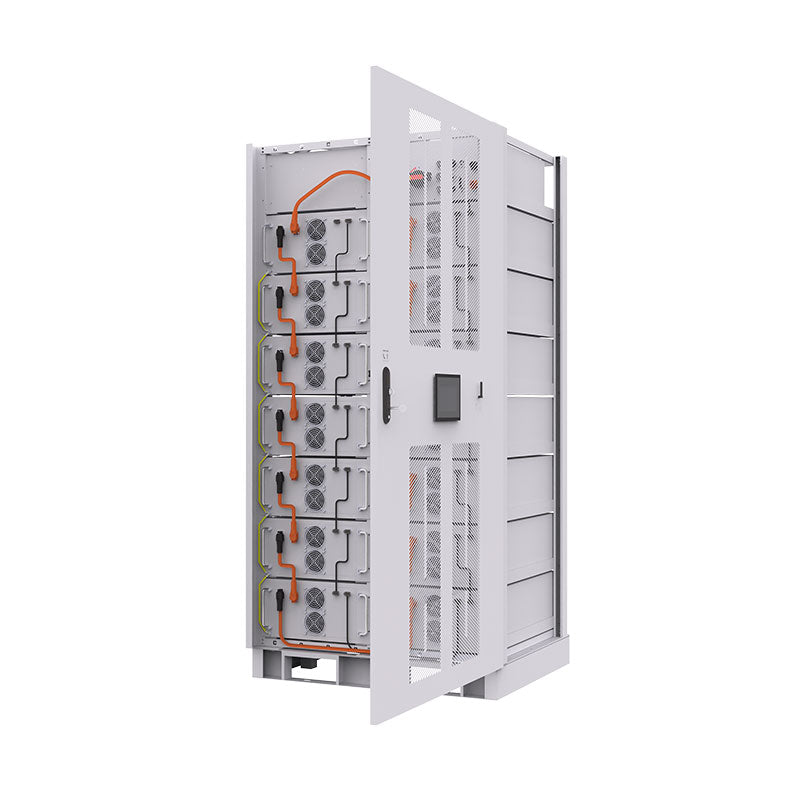
Solar energy is intermittent; panels produce power only when the sun shines. To ensure a continuous and reliable power supply, especially during evenings, cloudy days, or power outages, energy storage becomes indispensable. Our energy storage systems, built around advanced lithium iron phosphate (LiFePO4) batteries, offer a robust solution. LiFePO4 batteries are a superior choice for solar energy storage due to their exceptional safety, long lifespan (often exceeding 10 years), high energy density, and ability to handle deep discharge cycles without significant degradation. They provide high charge and discharge efficiency, ensuring minimal energy loss during storage and retrieval. This makes them highly effective for storing excess solar energy for later use.
Integrated Energy Solutions for Energy Independence
We provide integrated home energy storage systems that combine lithium batteries, hybrid inverters, and solar panels into a cohesive unit. This comprehensive approach simplifies installation and optimizes energy management. For properties not connected to the main electrical grid, our off-grid solar solutions offer complete energy independence. These systems are ideal for homes, farms, and remote cabins, providing a self-sufficient and reliable power source by storing solar energy in durable LiFePO4 batteries.
The Future of Solar: Advancements and Integration
The solar energy landscape is evolving rapidly, driven by continuous innovation and a global commitment to renewable power. This progress promises even more efficient and accessible solar solutions in the years to come.
Innovations in PV Cell Efficiency
Research continues to push the boundaries of PV cell efficiency. While commercial panels typically achieve 20-25% efficiency, laboratory breakthroughs are approaching theoretical limits. For instance, multi-junction solar cells, which layer different semiconductor materials to capture a broader spectrum of light, have achieved efficiencies as high as 39.5% under real-world conditions. Perovskite solar cells are another promising area, demonstrating rapid efficiency improvements and potential for low-cost production. These advancements contribute to generating more electricity from smaller areas, making solar power viable in more locations.
The Growing Role of Energy Storage
The integration of reliable energy storage is increasingly recognized as vital for the widespread adoption of solar power. As solar capacity expands, robust storage solutions balance supply and demand, enhance grid stability, and provide backup power. The market for battery storage, particularly LiFePO4 technology, continues to grow, offering homeowners and businesses greater control over their energy consumption and fostering true energy independence.
Solar Energy's Impact and Outlook
Solar power has emerged as a dominant force in the global energy transition. According to the International Energy Agency (IEA), solar PV generation increased by a record 320 TWh (up 25%) in 2023, reaching over 1,600 TWh. Solar PV accounted for 5.4% of total global electricity generation in 2023, rising to 7% in 2024. The International Renewable Energy Agency (IRENA) reported that global renewable power capacity additions hit a record high of 585 GW in 2024, with solar accounting for 452 GW of that expansion. These figures highlight solar's leading role in new capacity additions. The IEA also confirmed that solar power is now the cheapest form of electricity to build and produce in many regions, a significant factor driving its rapid deployment. The U.S. Energy Information Administration (EIA) predicts substantial growth in renewable electricity, with solar playing a major role. This consistent growth and cost reduction make solar power an increasingly attractive and accessible energy solution worldwide.
Shaping a Sustainable Energy Future
The principles of PV cells and band gaps are not merely academic concepts; they are the scientific bedrock upon which a sustainable energy future is built. From the fundamental interaction of photons with semiconductors to the sophisticated management of power through inverters and energy storage systems, each element plays a vital role. By understanding these technologies, you gain insight into the profound shift happening in energy production. We remain dedicated to providing reliable and scalable energy solutions, empowering you to embrace clean energy and achieve lasting energy independence for your home or business.


Leave a comment
All comments are moderated before being published.
This site is protected by hCaptcha and the hCaptcha Privacy Policy and Terms of Service apply.