













In my work as an analyst at Wood Mackenzie, we model the financial performance of distributed energy assets. The most common misconception I see among homeowners is viewing their solar-plus-storage system as a simple generator and a backup battery. This misses the entire point. A modern PV-to-ESS system is an intelligent, automated asset manager. The "power flow" is its dynamic algorithm, designed to maximize the economic value of every electron you generate.
To achieve true energy independence, you need to stop thinking about a wiring diagram and start understanding the decision-making logic your hybrid inverter follows every second of the day. This logic is what turns a collection of hardware into a high-performance energy asset.

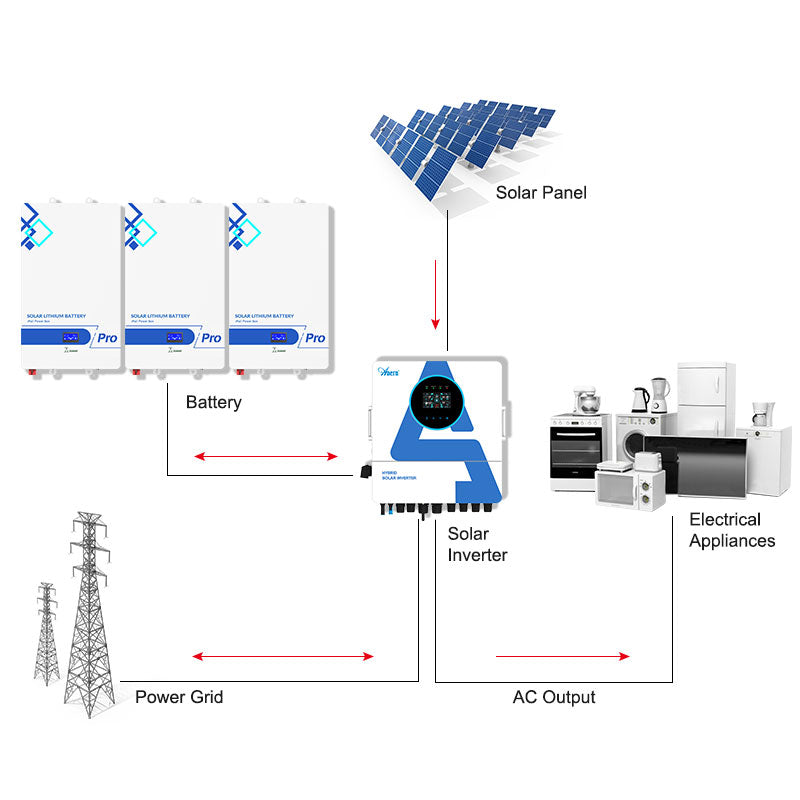
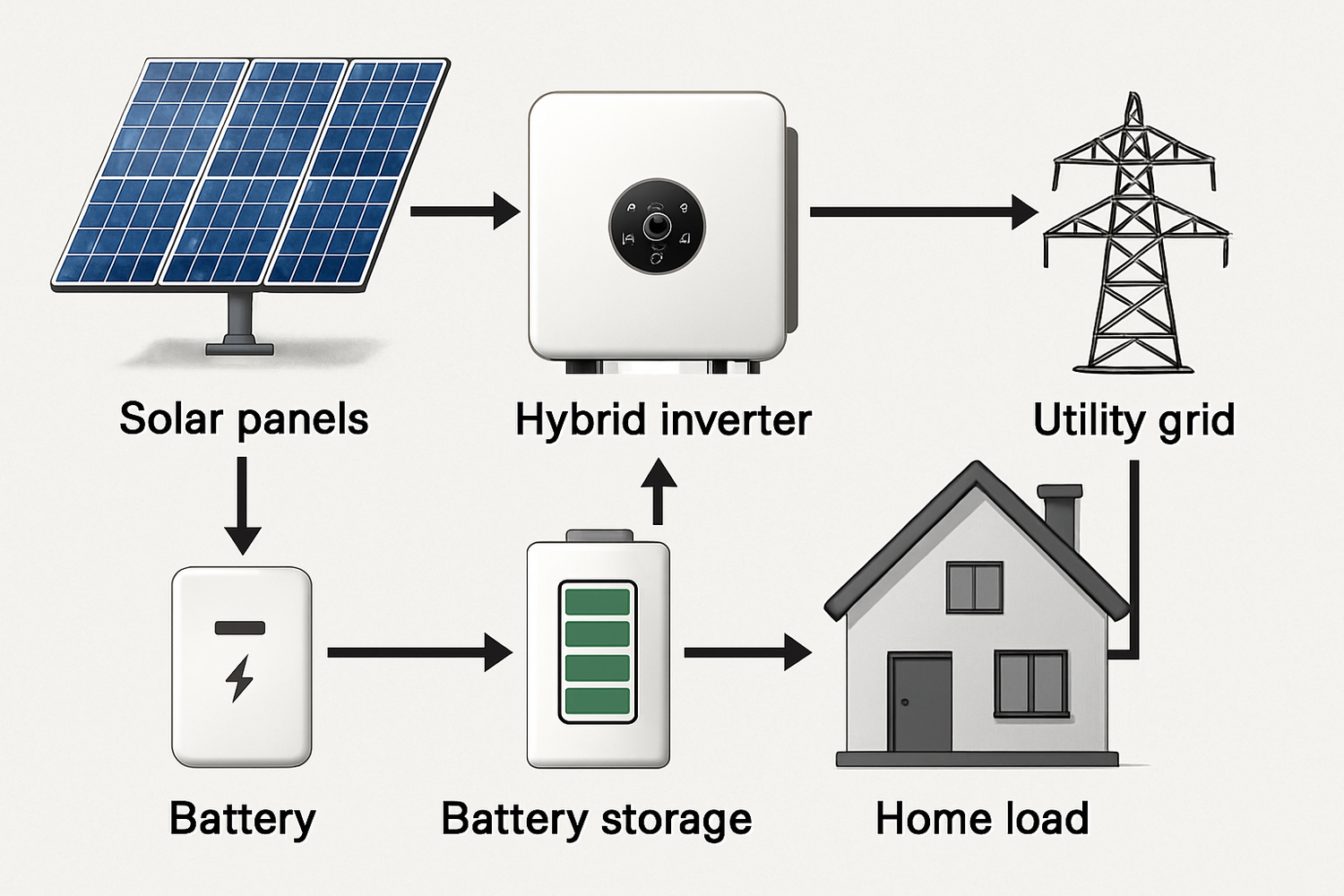
The Assets: Generator, Vault, and Market
First, let's redefine the components from a financial perspective:
- The PV Array (The Generator): This is your power plant. Its sole job is to generate your primary commodity—DC electricity—whenever the resource (sunlight) is available.
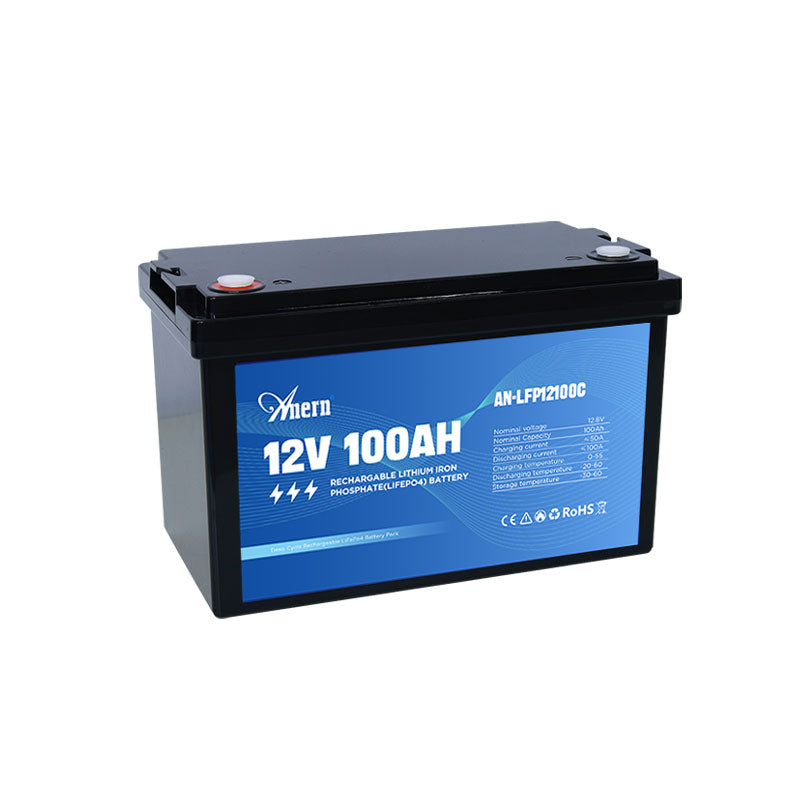
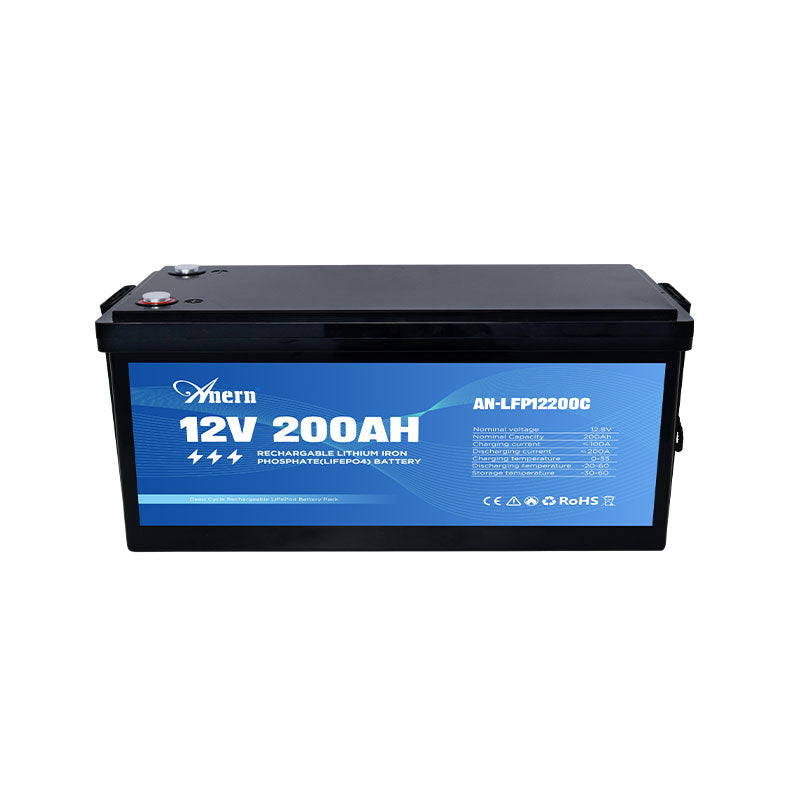
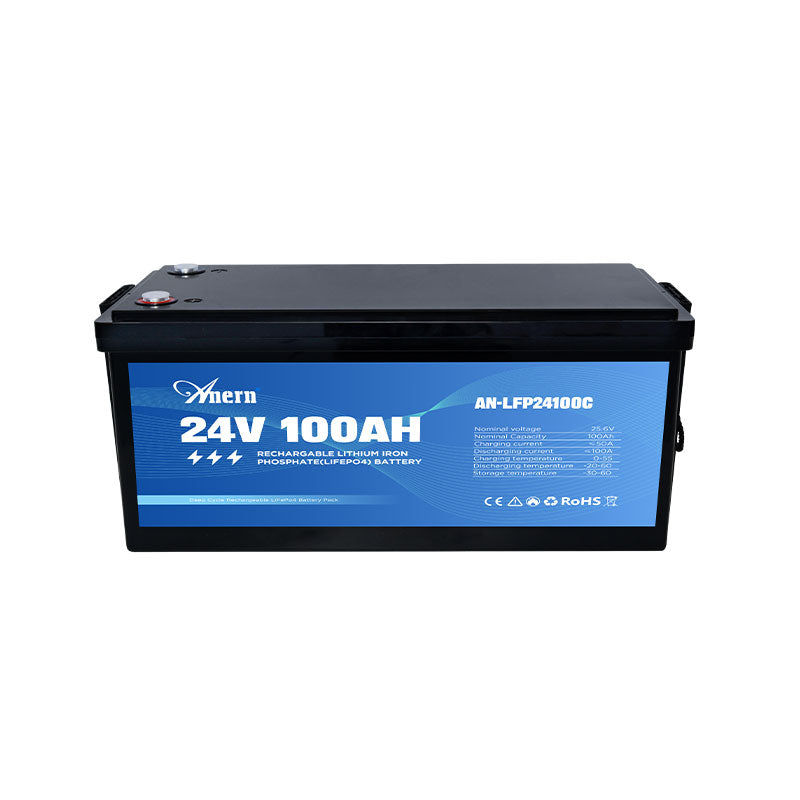
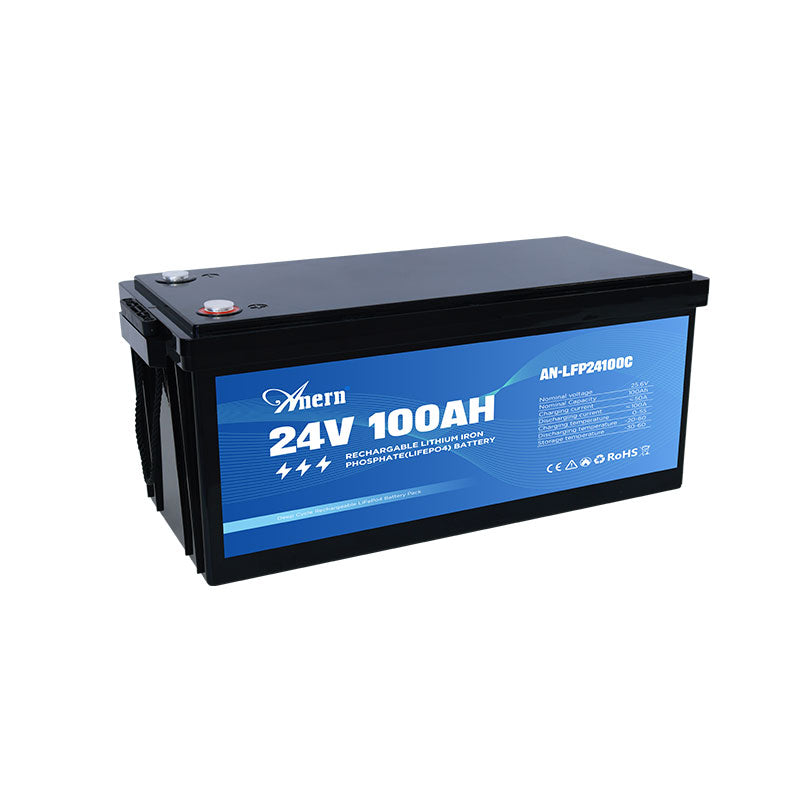
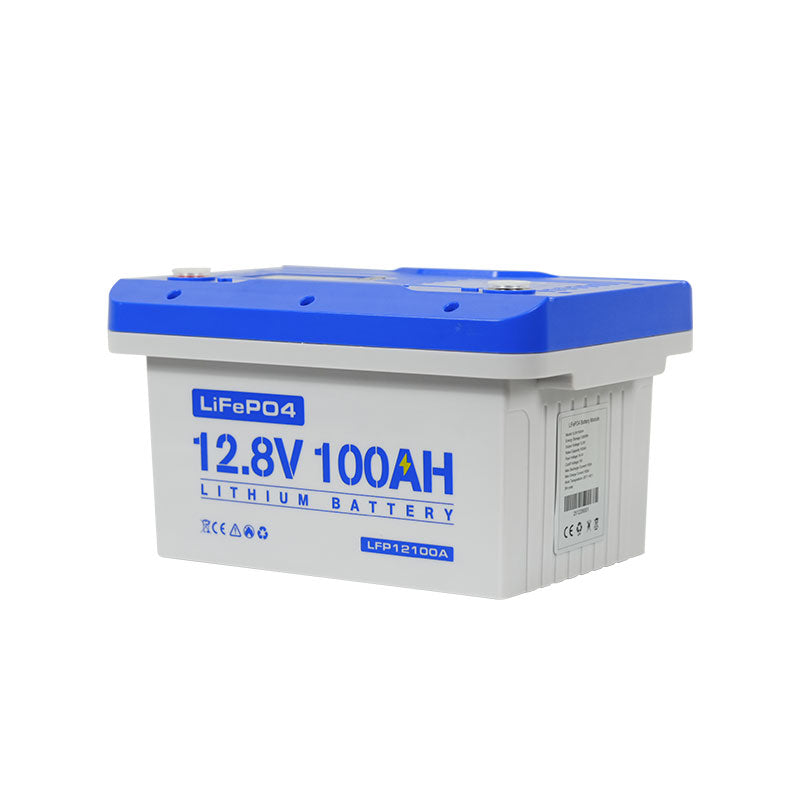
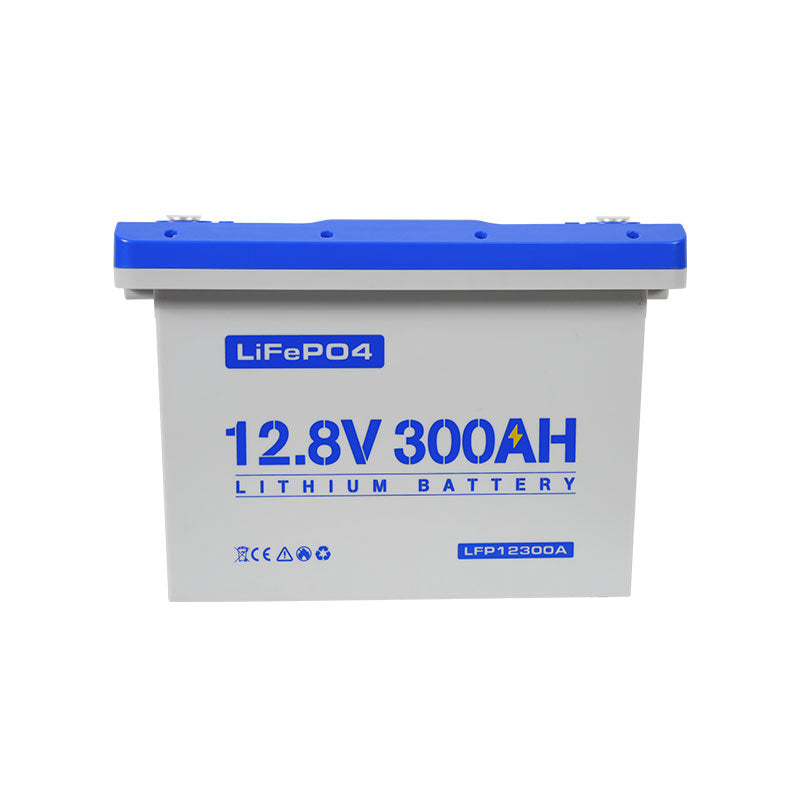
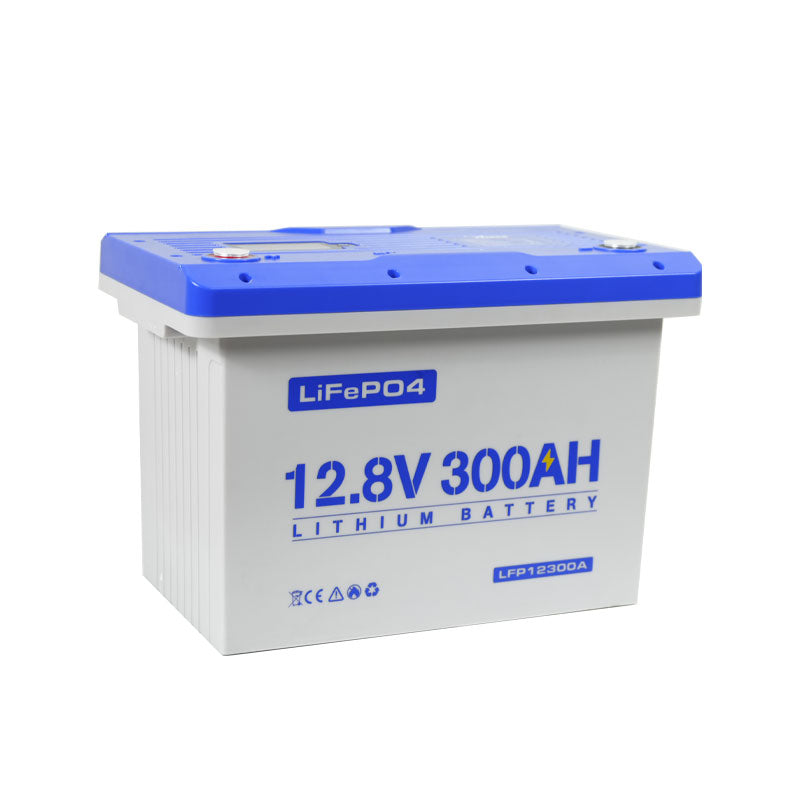
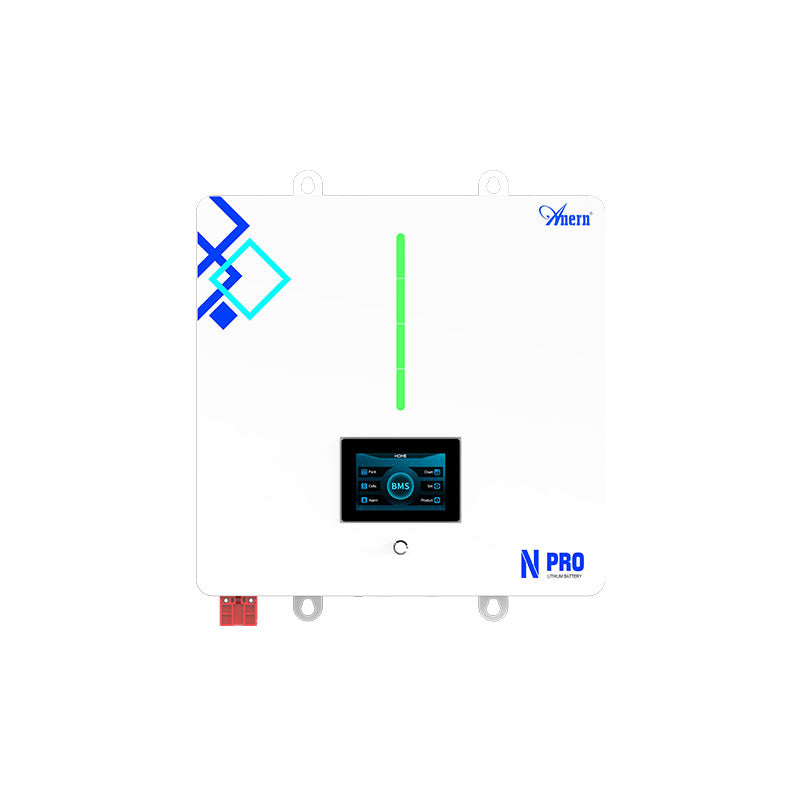
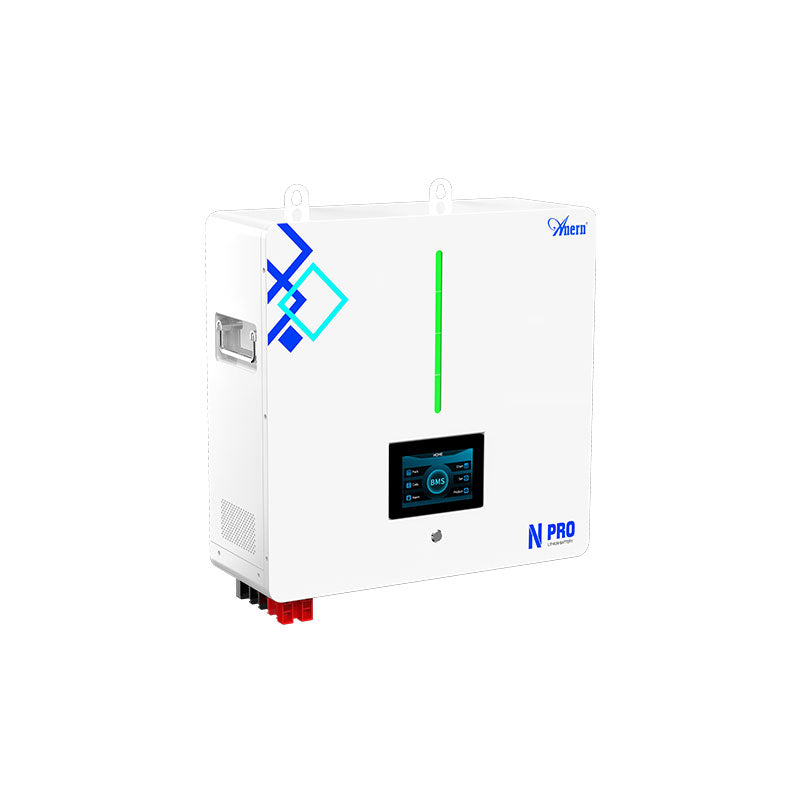
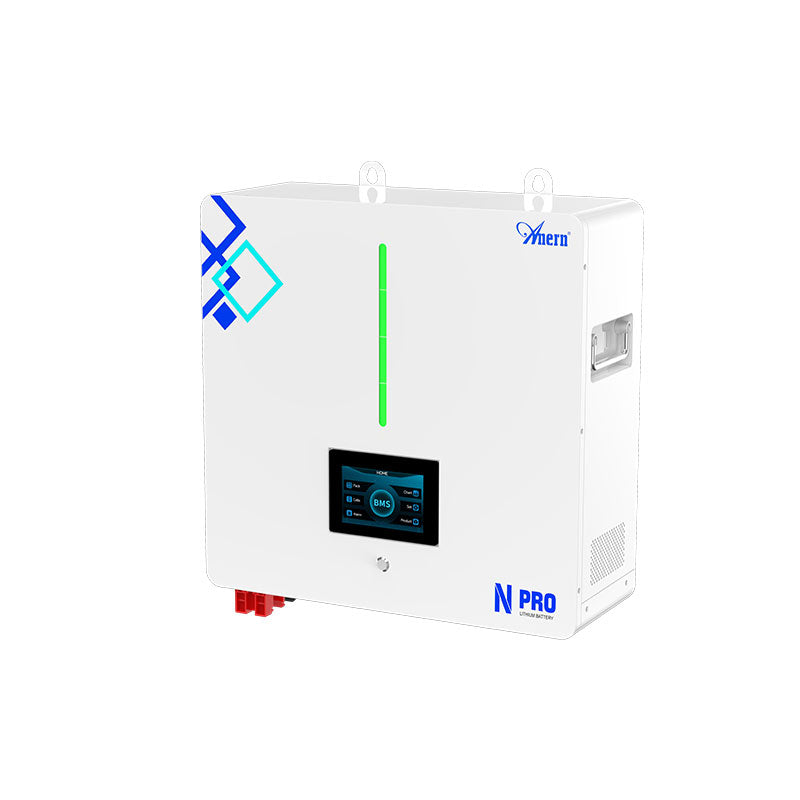
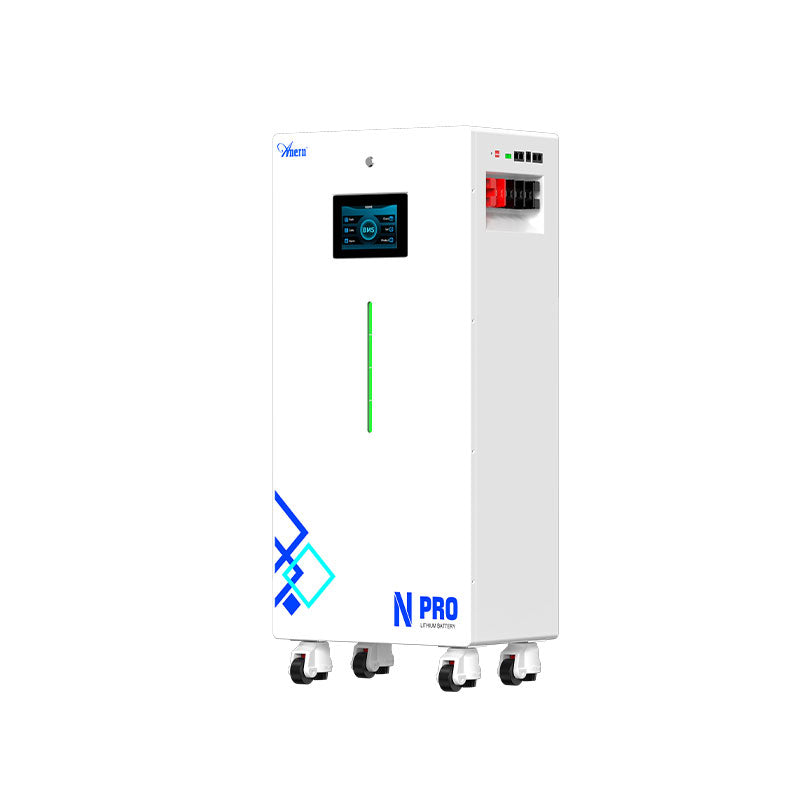
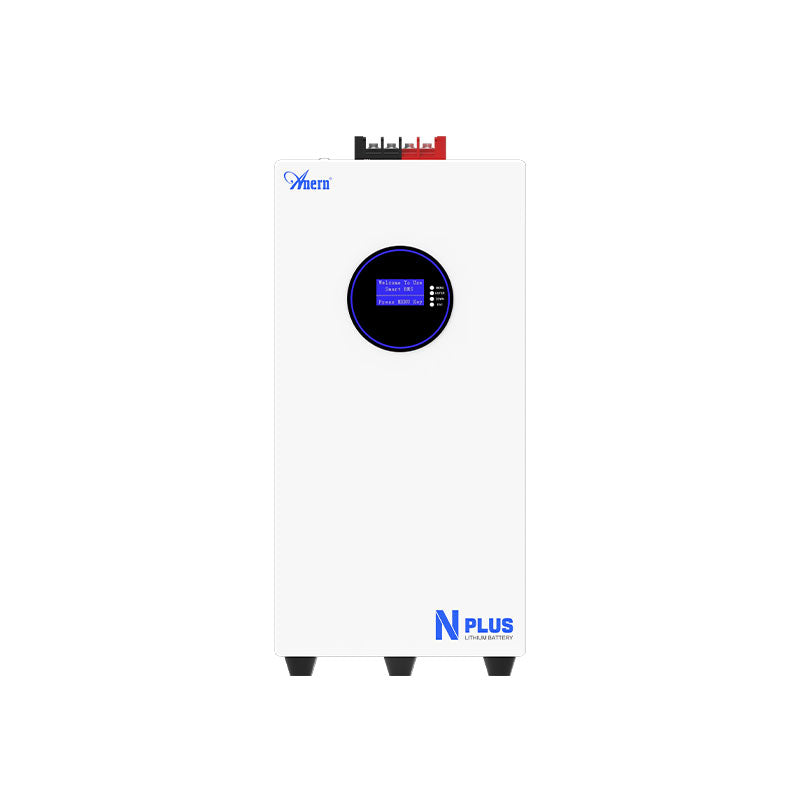
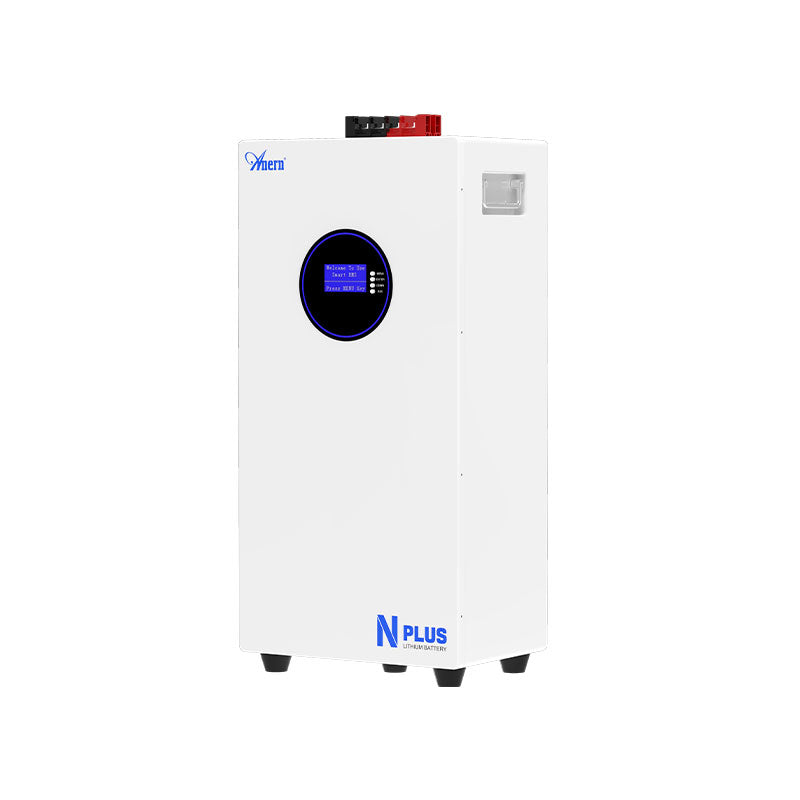
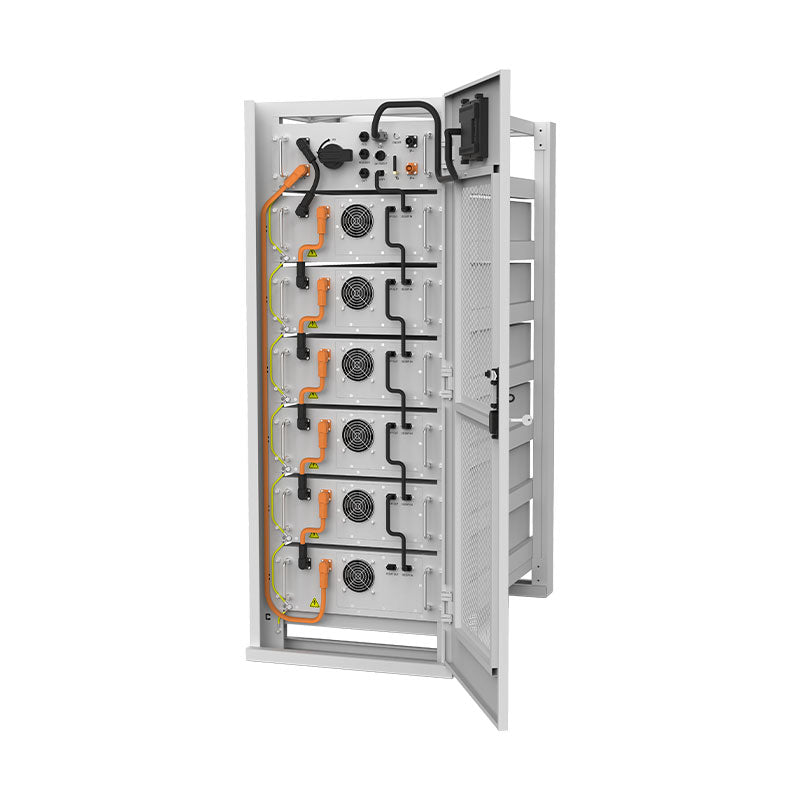
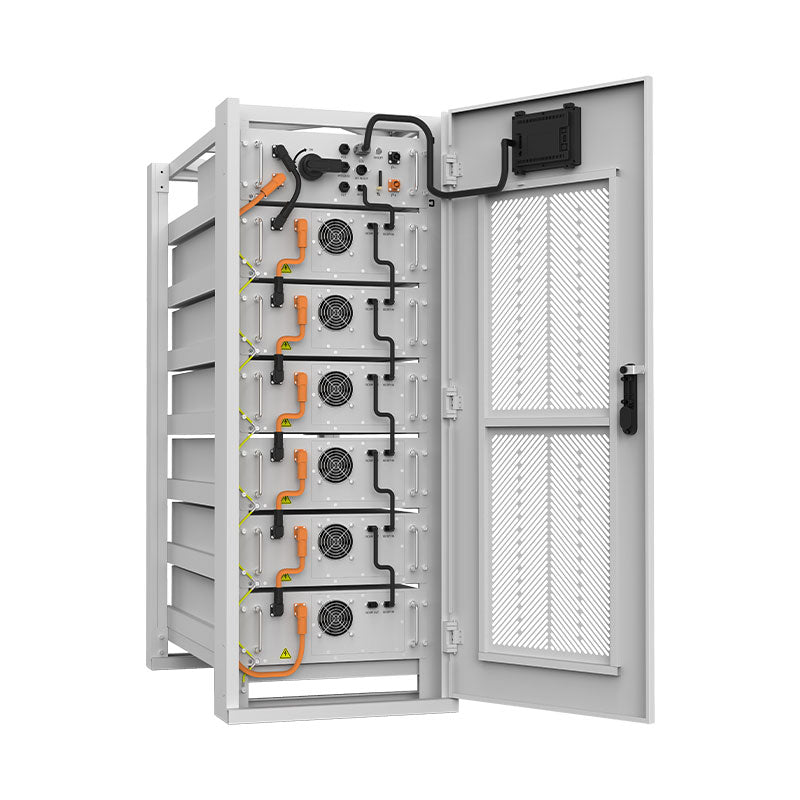
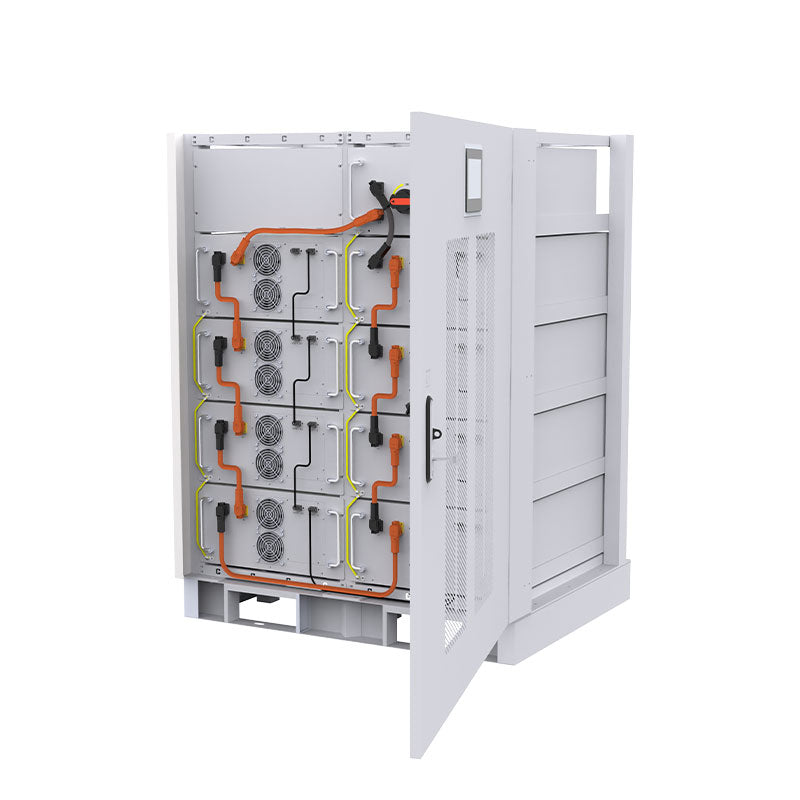
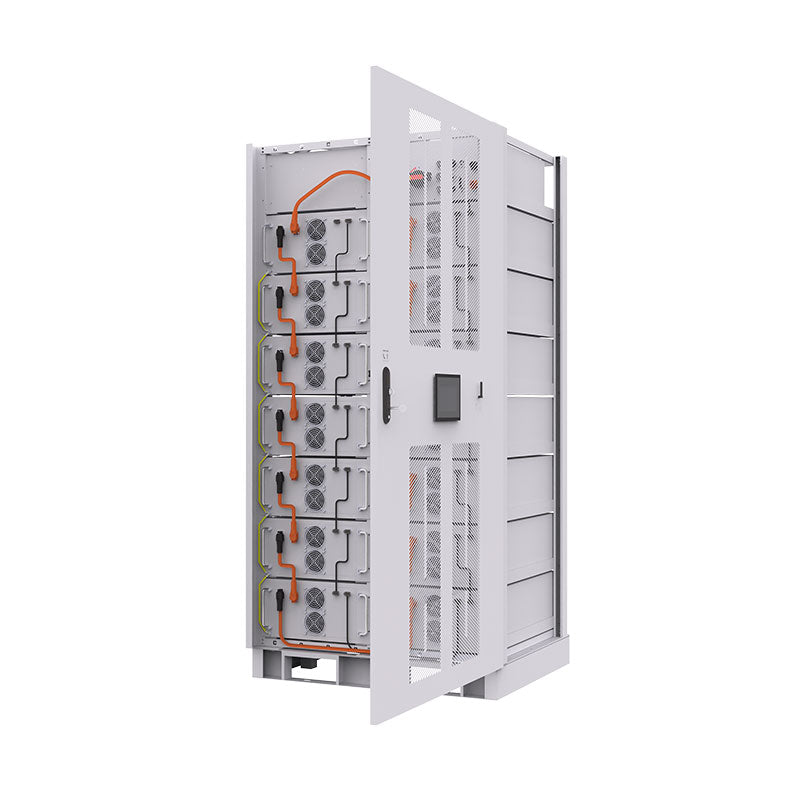
- The LiFePO4 Battery (The Vault): This isn't just a backup. It's a short-term energy vault. It allows you to store your generated commodity when its immediate value is low (i.e., you don't need it) and use it when its value is high (at night, or during a grid outage).
- The Grid (The Marketplace): The grid is a live marketplace where you can either buy energy when your own assets can't cover demand, or sell/export your surplus energy.
- Your Home (The Operating Load): These are your mandatory expenses that must be paid with energy, second by second.
The Brain: The Inverter's Priority-Based Decision Algorithm
The hybrid inverter is the brain of the operation. It constantly monitors all four of these areas and executes a strict, priority-based algorithm to optimize for self-sufficiency and economic benefit. Here is how it "thinks":
Priority #1: Satisfy Immediate Demand with Solar (Self-Consumption)
Before anything else, the inverter asks: "Is the sun shining, and does the house need power?" If the answer is yes, 100% of the solar generation is used to power the home's loads directly. This is the most valuable use of your solar energy because it offsets electricity you would have otherwise purchased from the grid at full retail price.
Priority #2: Store Surplus Solar Energy in the Vault (Battery Charging)
If the solar panels are generating more power than the house needs (a common scenario at midday), the inverter's next question is: "Is the battery vault full?" If not, all excess solar power is routed to charge the battery. This is the second most valuable action, as it stores "free" energy to be used later, again offsetting a future retail purchase from the grid.
Priority #3: Export Surplus to the Marketplace (Grid Export)
What if the home's loads are met AND the battery is fully charged? Only then does the inverter decide to export the remaining excess power to the grid. The value of this action depends on your utility's policy (net metering, feed-in tariff), but it is almost always less valuable than direct self-consumption or storage.
Priority #4: Use Stored Energy from the Vault (Battery Discharging)
When the sun goes down or clouds roll in, the solar generator goes offline. The inverter immediately pivots to its stored assets. It will draw power from the battery to meet the home's needs, continuing to offset grid purchases until the battery reaches its pre-set reserve level.
Priority #5: Purchase from the Marketplace (Grid Import)
The inverter only resorts to buying power from the grid as its last option—when there is no solar generation available and the battery has been depleted. This is the fundamental logic that drives down your electricity bill.
| Inverter's Priority | Action | Economic Rationale |
|---|---|---|
| 1 | Solar to Home Loads | Offset highest-cost energy (retail price). |
| 2 | Solar to Battery | Store zero-cost energy for future offset. |
| 3 | Solar to Grid | Monetize surplus after primary needs are met. |
| 4 | Battery to Home Loads | Use stored zero-cost energy. |
| 5 | Grid to Home Loads | Last resort; purchase energy when all else fails. |
Advanced Algorithms: Time-of-Use and Storm Watch
This basic algorithm is just the start. Modern inverters can run more advanced strategies. For example, in a "Time-of-Use Optimization" mode, an inverter might intentionally charge the battery with cheap, off-peak grid power at 2 AM, so it can use that stored energy to avoid buying expensive on-peak power at 6 PM. This is true energy arbitrage. Features like "Storm Watch" will monitor weather forecasts and prioritize charging the battery to 100% before an expected storm, valuing resilience over short-term economic gains.
Understanding these functions is critical. As detailed in reports from institutions like the National Renewable Energy Laboratory (NREL) on advanced grid controls, intelligent devices like these inverters are no longer just passive components; they are active participants that enhance the stability and efficiency of the entire energy ecosystem.
Your Home as an Independent Power Asset
Seeing your PV-to-ESS power flow as a dynamic, economic algorithm is the key to unlocking its full potential. It's what allows you to move beyond simply generating power to intelligently managing it. This logic—built into the core of your system—is what provides resilience during outages, reduces your reliance on a volatile marketplace, and ultimately delivers true energy independence.


Leave a comment
All comments are moderated before being published.
This site is protected by hCaptcha and the hCaptcha Privacy Policy and Terms of Service apply.