














Harnessing solar energy offers a path to energy independence and a reduced carbon footprint. For many, installing solar panels on a home or business represents a significant step towards sustainable living. To truly maximize the benefits of a solar photovoltaic (PV) system, you need to understand the various elements that influence its electricity production. This understanding helps you make informed decisions, ensuring your investment delivers optimal returns.
The Foundation of Solar Energy Production
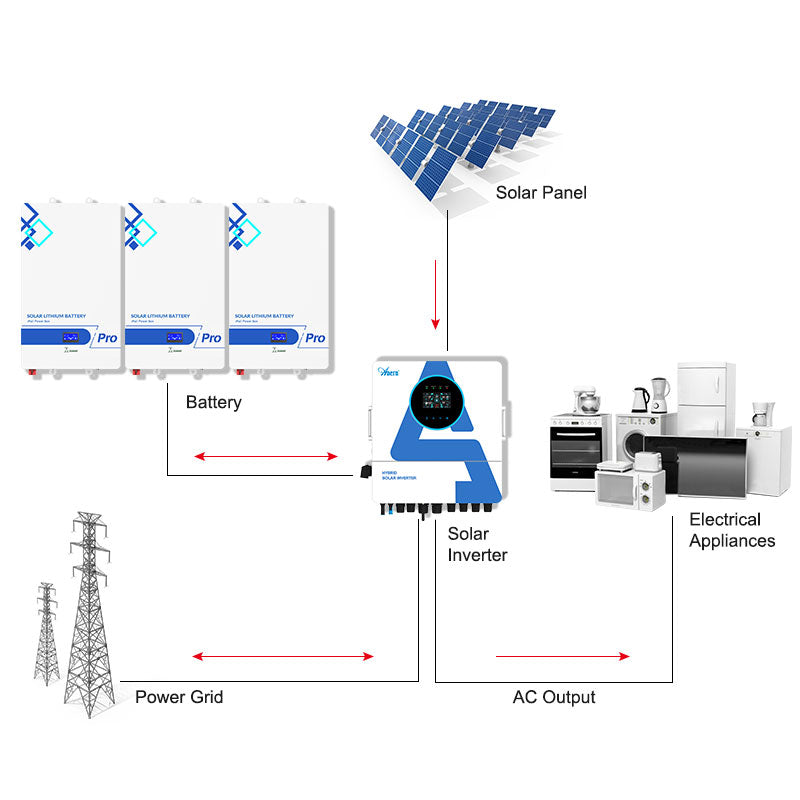
Solar panels convert sunlight directly into electricity through a process called the photovoltaic effect. When photons from sunlight strike the semiconductor material (typically silicon) in a solar cell, they dislodge electrons, creating an electric current. This direct current (DC) then flows to an inverter, which transforms it into alternating current (AC) suitable for powering homes and businesses. This fundamental principle underpins all solar energy generation.
How Solar Panels Generate Electricity
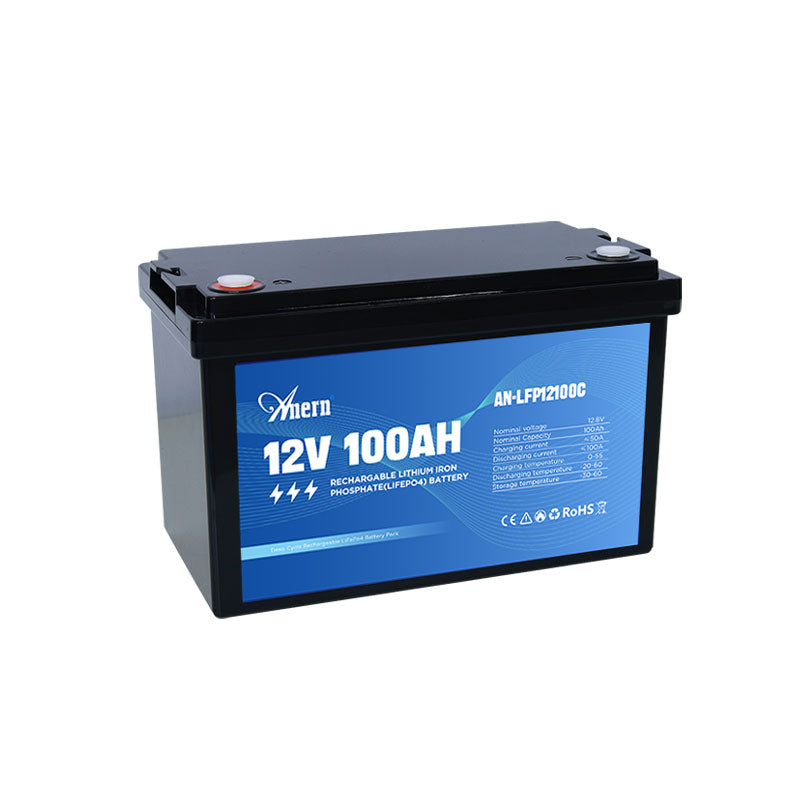
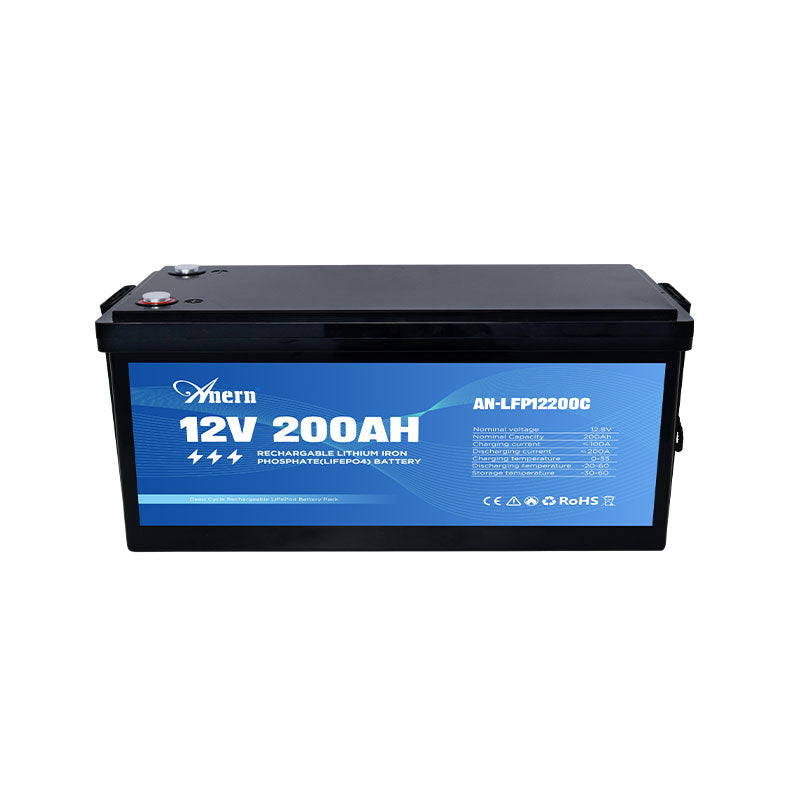
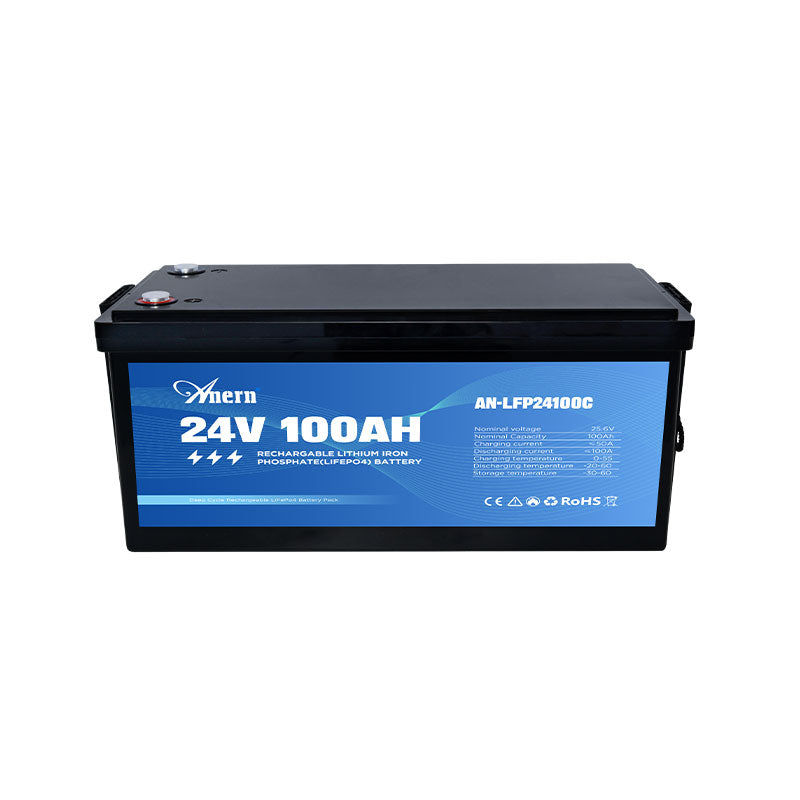
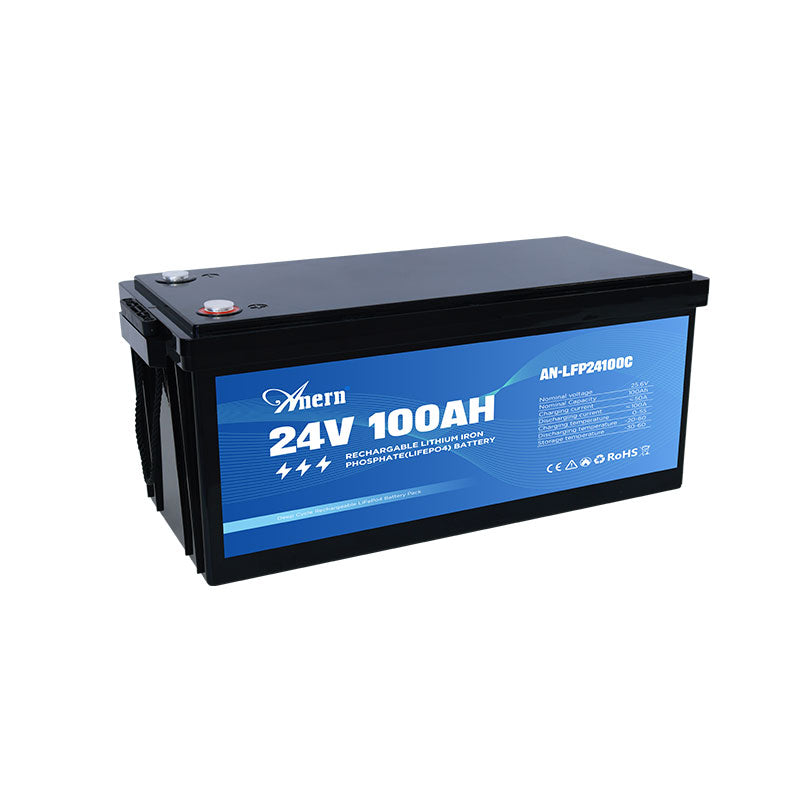
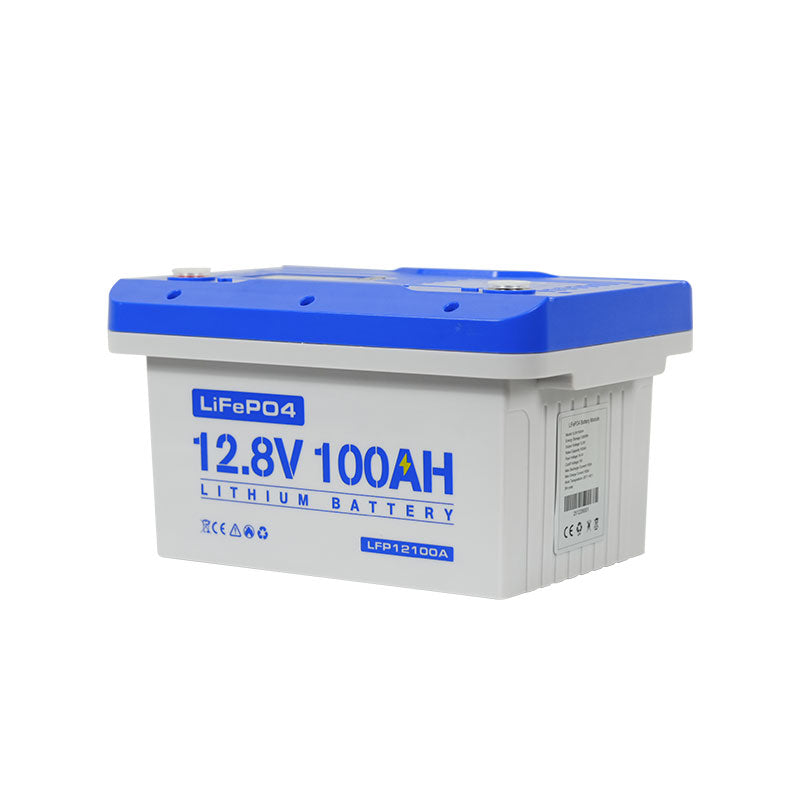
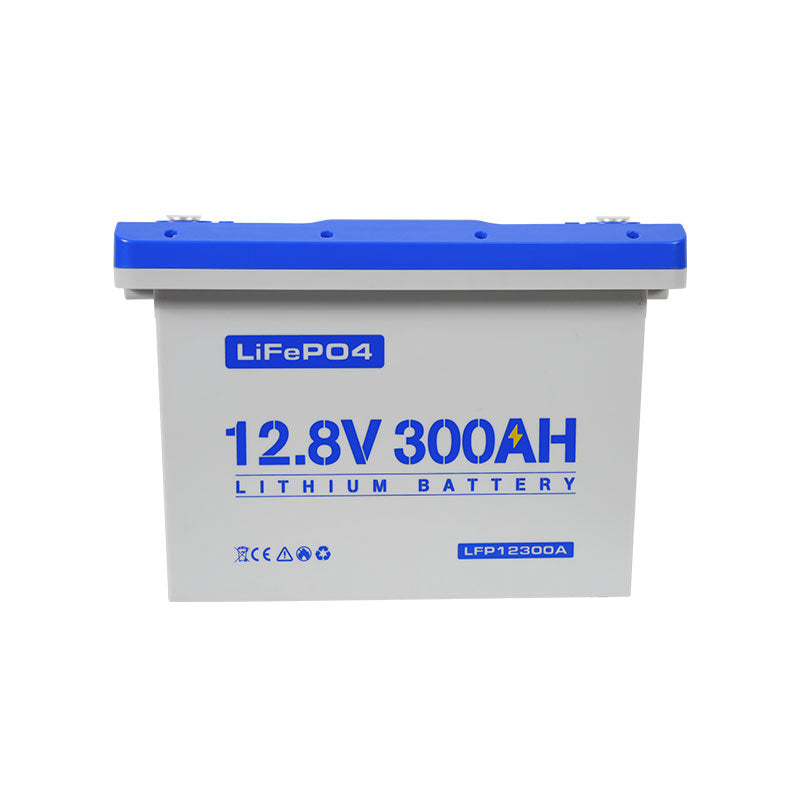
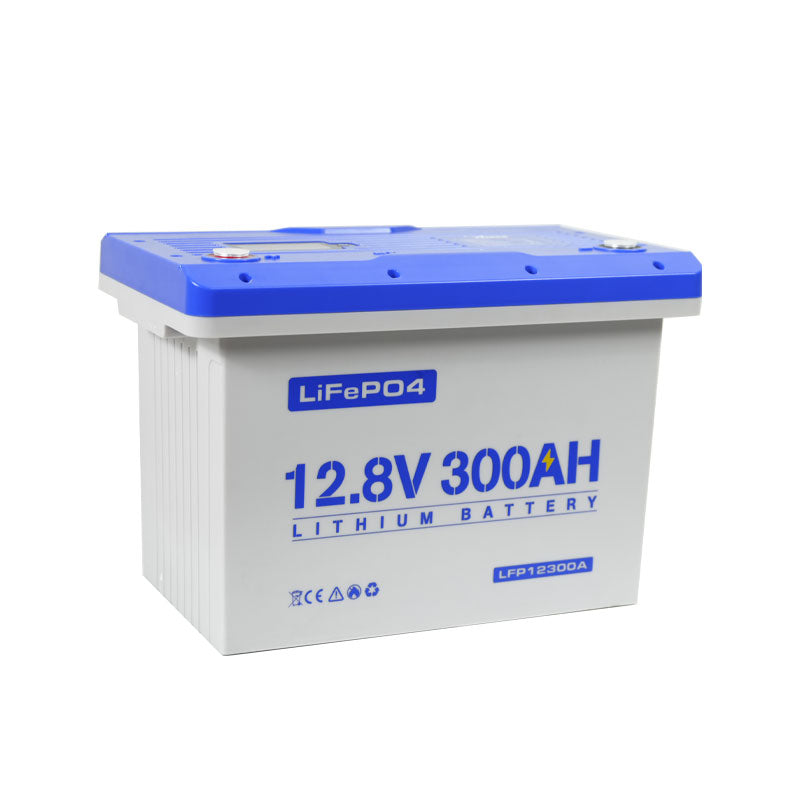
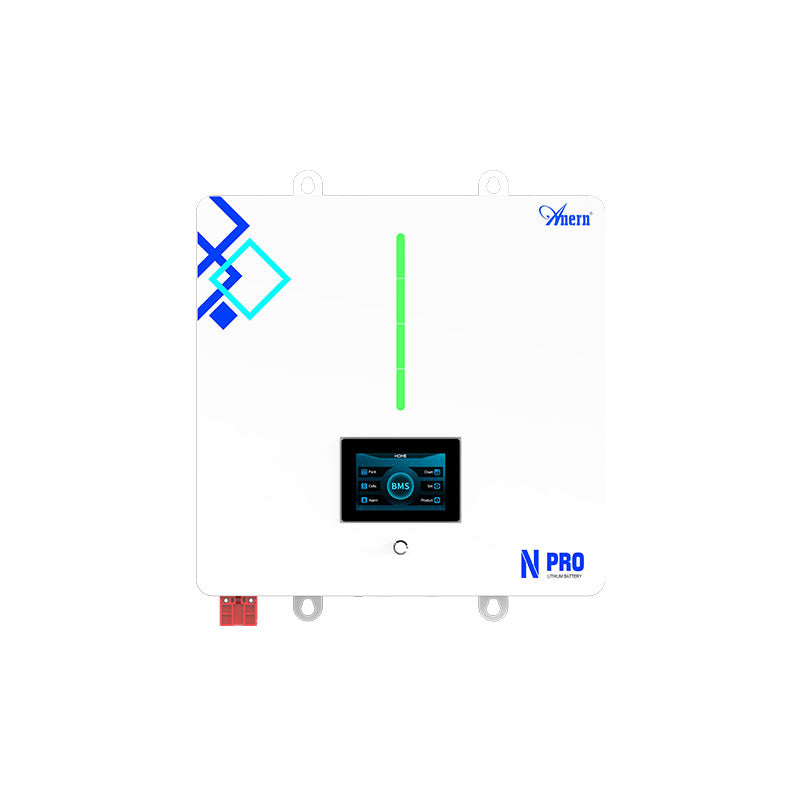
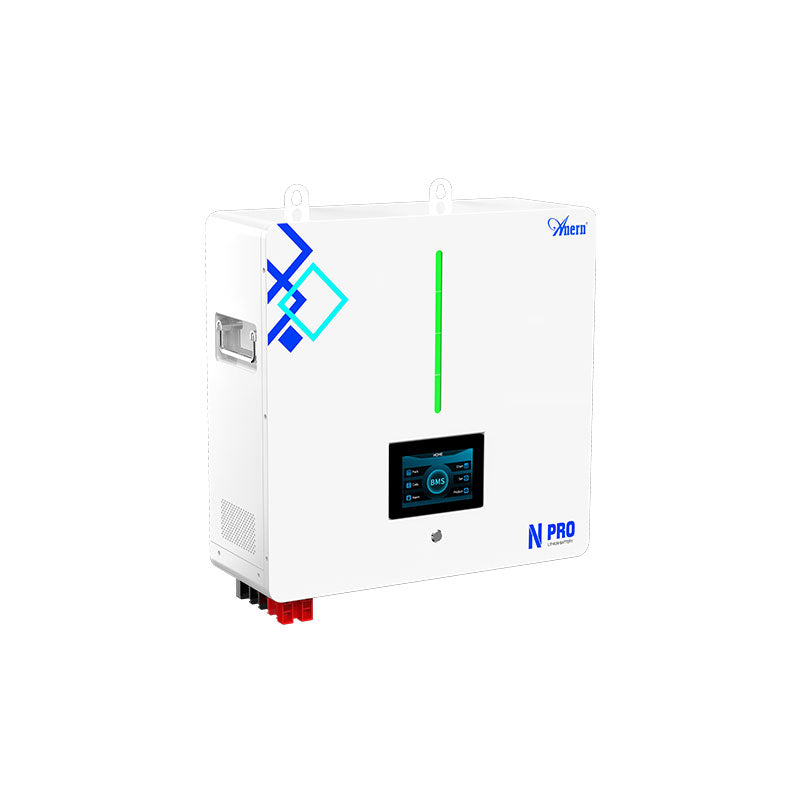
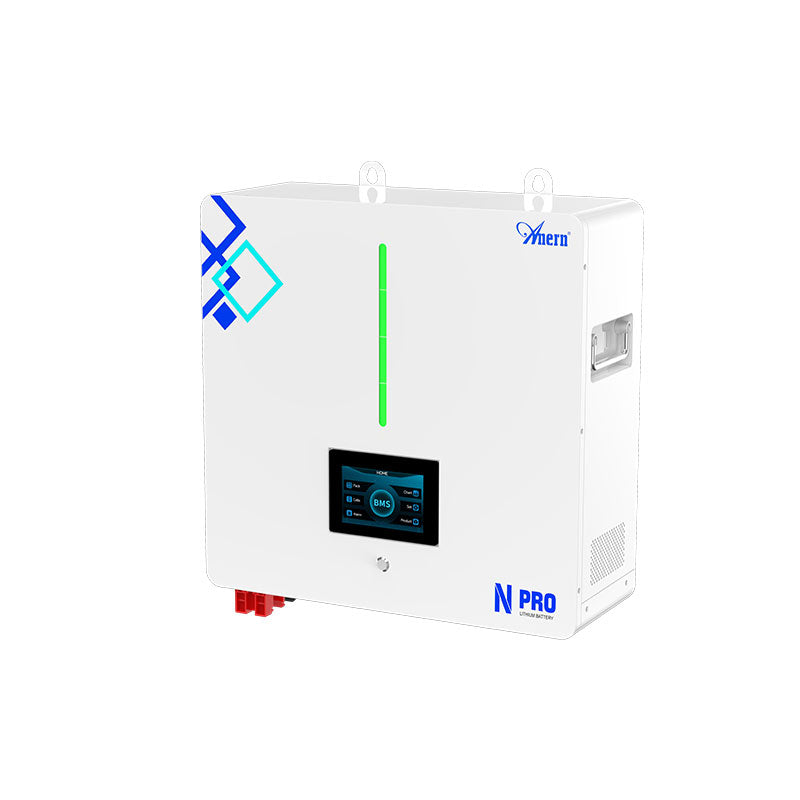
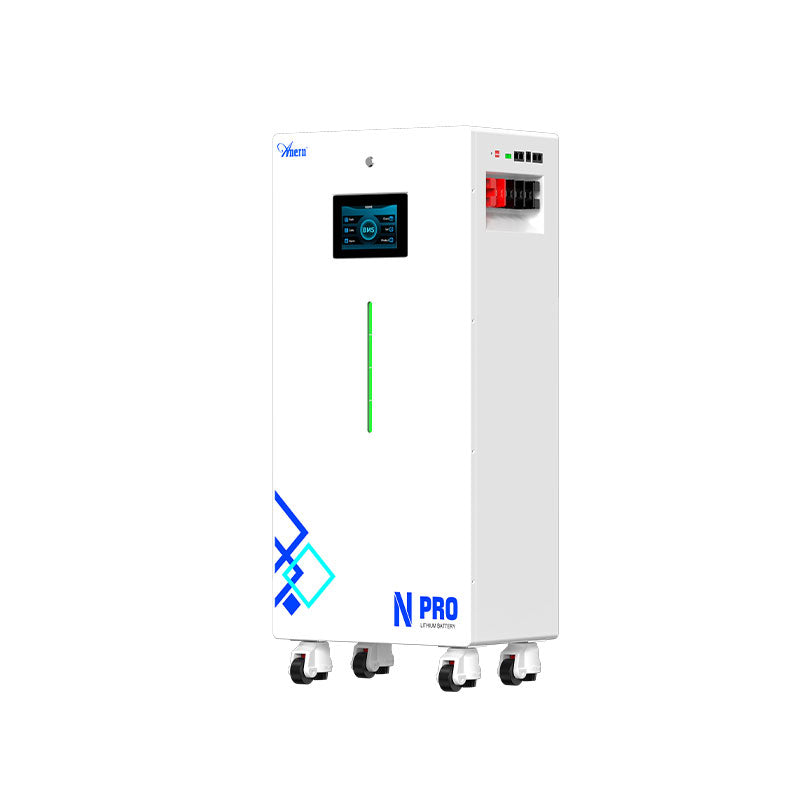
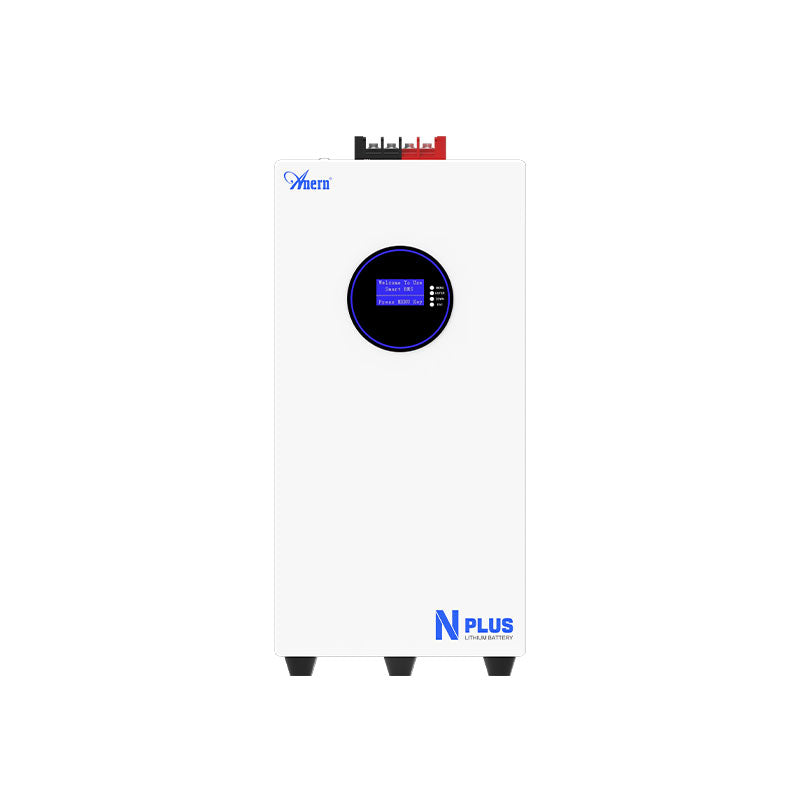
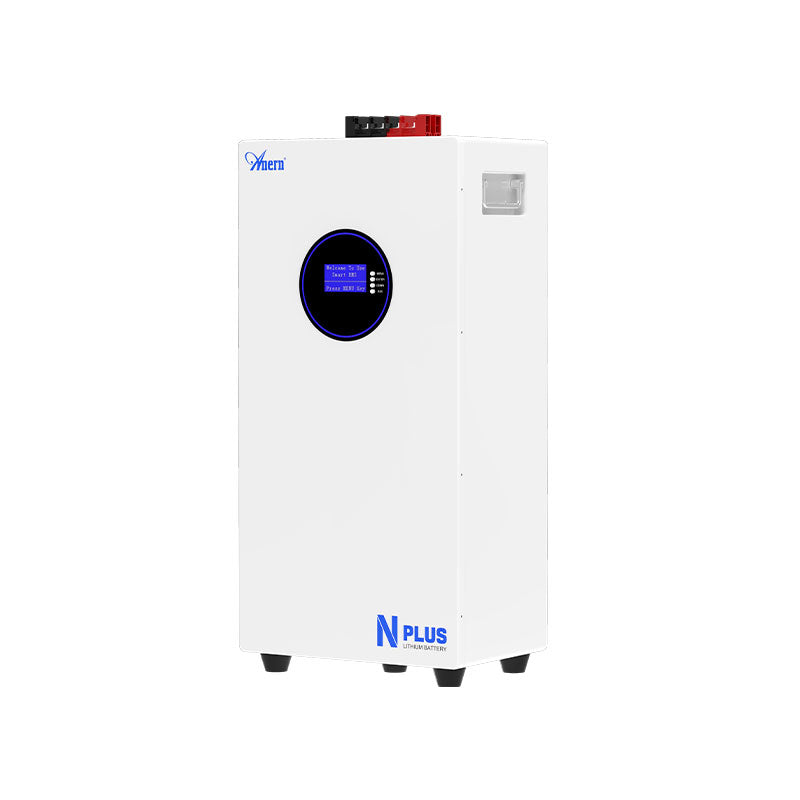
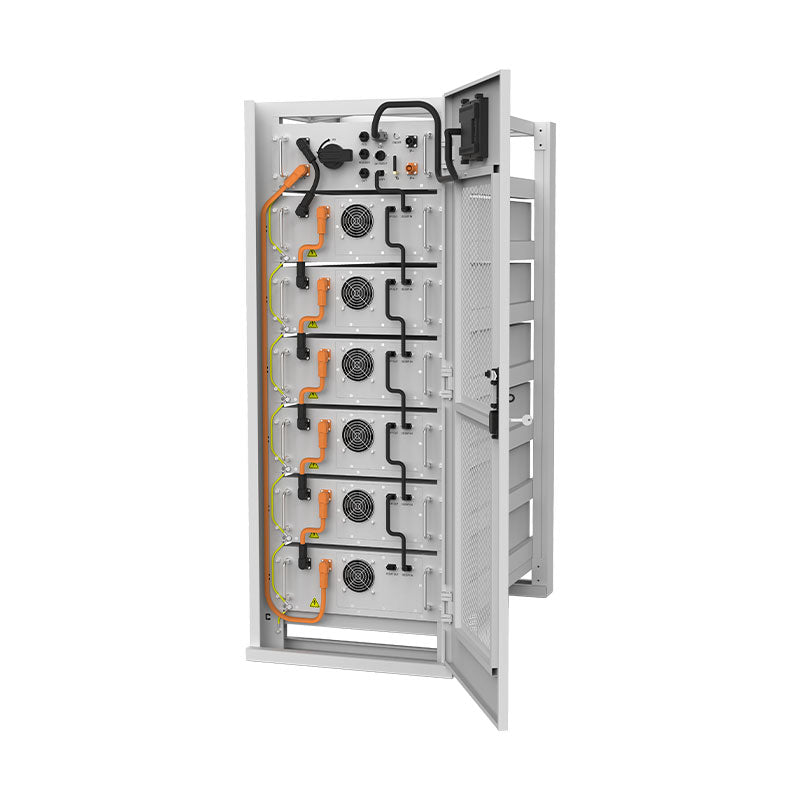
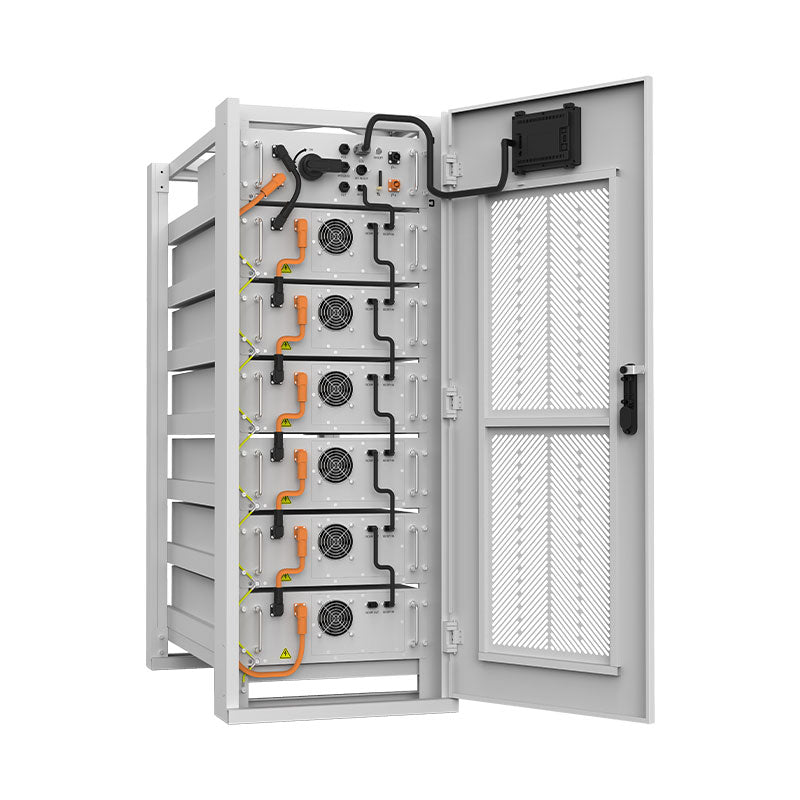
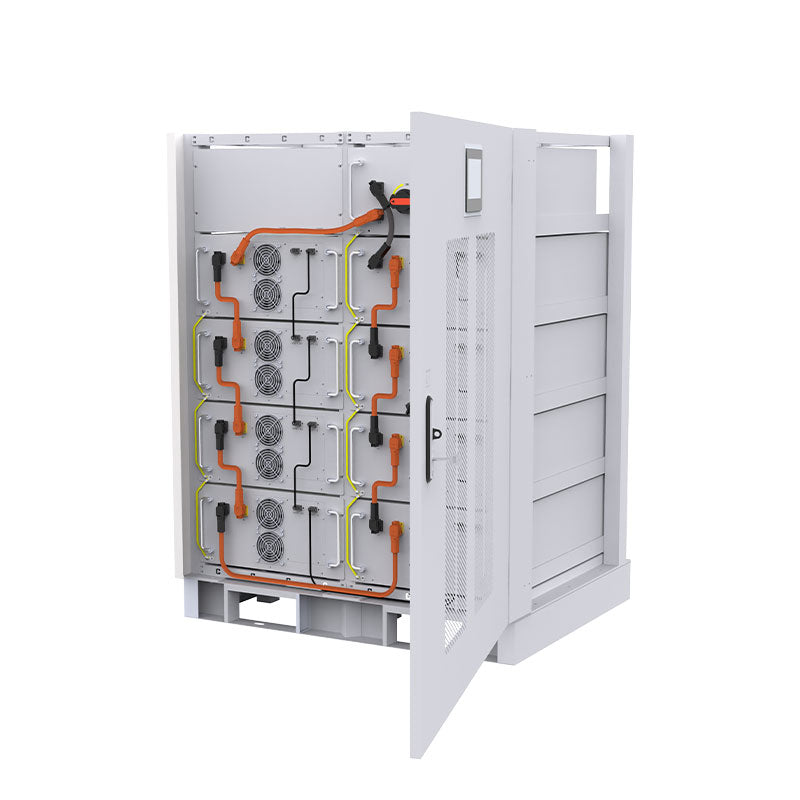
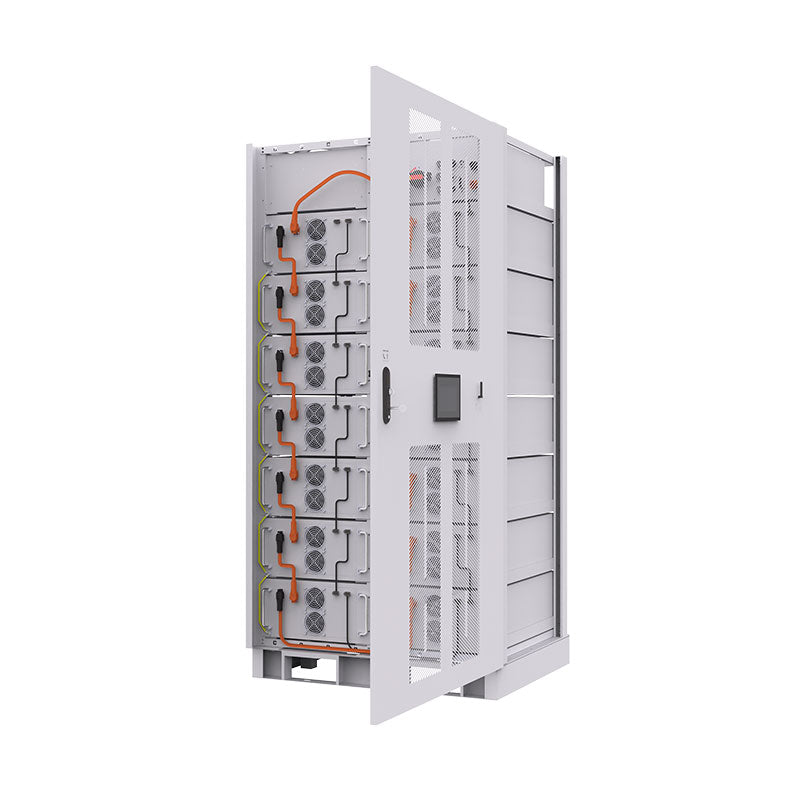
Each solar panel consists of multiple solar cells connected together. These cells are designed to capture as much sunlight as possible. The efficiency of a solar panel indicates how much of the sunlight hitting its surface is converted into usable electricity. Higher efficiency means more power from the same amount of sunlight. Innovative technologies in lithium iron phosphate batteries and integrated home energy storage systems are designed to capture and store this generated electricity efficiently, ensuring power availability even when the sun is not shining.
Key Performance Metrics
Two critical metrics define a solar panel's performance: its power rating (measured in watts) and its efficiency percentage. The power rating indicates the maximum electrical power a panel can produce under standard test conditions. Efficiency, as mentioned, is the percentage of solar energy converted into electricity. For example, a 20% efficient panel converts one-fifth of the incident solar energy into electricity. Understanding these metrics helps you compare different panel options and predict system output.
Optimizing Solar Panel Placement: The Role of Roof Angle and Orientation
The physical placement of solar panels significantly impacts their energy capture. The angle at which panels are tilted and the direction they face are crucial for maximizing exposure to sunlight throughout the day and across seasons.
Ideal Tilt Angles for Different Latitudes
The optimal tilt angle for solar panels depends primarily on your geographical latitude. In general, panels should be tilted at an angle roughly equal to your latitude to maximize annual energy production. For instance, if you are at 30 degrees latitude, a 30-degree tilt is often recommended. However, seasonal adjustments can further enhance output. Tilting panels steeper in winter (to catch lower sun angles) and shallower in summer (for higher sun angles) can yield more electricity. For off-grid solar solutions, especially in remote locations, correctly calculating this angle is vital for reliable energy supply.
Consider the following general guidelines for fixed-tilt systems:
- For Year-Round Optimization: Tilt angle approximately equal to the site's latitude.
- For Winter Maximization: Tilt angle approximately latitude plus 15 degrees.
- For Summer Maximization: Tilt angle approximately latitude minus 15 degrees.
Impact of Azimuth (Orientation) on Energy Capture
Azimuth refers to the compass direction the solar panels face. In the Northern Hemisphere, a true south orientation (180 degrees azimuth) typically yields the highest annual energy production because panels directly face the sun at its peak. In the Southern Hemisphere, a true north orientation is ideal. Deviations from the ideal azimuth will reduce overall output. For instance, panels facing southeast or southwest might produce slightly less total energy but can shift peak production times, which could be beneficial for specific energy consumption patterns.
Shading Considerations
Even partial shading can dramatically reduce a solar panel's output. A single shaded cell can affect the performance of an entire string of panels. Trees, chimneys, adjacent buildings, or even dirt and debris can cast shadows. During the design phase, a thorough shade analysis is essential. Identifying and mitigating potential shading issues, perhaps through careful panel placement or tree trimming, helps ensure consistent energy production. Advanced solar inverters can also help mitigate the impact of partial shading through features like Maximum Power Point Tracking (MPPT).
Temperature's Influence on PV Performance
While solar panels need sunlight to produce electricity, high temperatures can actually decrease their efficiency. This might seem counterintuitive, but it is a well-documented phenomenon in solar PV technology.
Understanding Temperature Coefficients
Every solar panel has a temperature coefficient, typically expressed as a percentage per degree Celsius (%/°C). This coefficient indicates how much a panel's power output decreases for every degree Celsius increase above a standard test temperature (usually 25°C or 77°F). A typical temperature coefficient for power might be -0.3% to -0.5% per °C. This means for every degree above 25°C, the panel's output drops by that percentage.
Here's an example of how temperature impacts efficiency:
| Module Temperature (°C) | Power Output Relative to STC (%) (Assuming -0.4%/°C) |
|---|---|
| 25 (STC) | 100% |
| 35 | 96% (25 + 10°C; 10 * -0.4% = -4%) |
| 45 | 92% (25 + 20°C; 20 * -0.4% = -8%) |
| 55 | 88% (25 + 30°C; 30 * -0.4% = -12%) |
How High Temperatures Reduce Efficiency
Increased temperature causes electrons within the semiconductor material to become more agitated. While this increases current slightly, it significantly reduces the voltage output of the solar cell. Since power is the product of voltage and current, the drop in voltage has a more pronounced negative impact on overall power output. This is why panels perform better on a cool, sunny day than on a hot, sunny day.
Mitigation Strategies
To counteract the negative effects of heat, solar installations often incorporate design elements that promote cooling. Ensuring good ventilation underneath the panels allows air to circulate and dissipate heat. Raising panels slightly above the roof surface, rather than flush mounting, creates an air gap for this purpose. Proper mounting systems and consideration of roof materials can also play a role in managing panel temperature. Integrating a comprehensive energy storage system allows you to store excess energy generated during cooler, more efficient periods, providing a buffer against temperature-induced power dips.
Other Critical Factors Affecting PV Output
Beyond tilt, orientation, and temperature, several other elements contribute to the overall performance and longevity of a solar PV system.
Solar Irradiance and Weather Conditions
The amount of sunlight reaching your panels, known as solar irradiance, is a primary determinant of output. Clear, sunny days with high irradiance naturally lead to higher production. Cloud cover, haze, and even atmospheric dust can reduce irradiance and, consequently, energy generation. While you cannot control the weather, understanding local climate patterns helps in accurately estimating a system's expected output. Meteorological data from sources like the U.S. Energy Information Administration can provide insights into regional solar resources.
Panel Degradation and Lifespan
Solar panels, like all electronic components, experience a gradual decrease in performance over time, known as degradation. Most quality panels are warrantied to produce at least 80-85% of their original rated power after 25 years. This degradation rate is typically very low, around 0.5% to 1% per year. Understanding this natural decline is important for long-term energy planning. High-performance lithium iron phosphate batteries are engineered for a long cycle life, complementing the extended lifespan of solar panels.
Maintenance and Cleaning
Regular maintenance, though minimal, can help maintain optimal PV output. Dust, dirt, pollen, bird droppings, and other debris accumulating on the panel surface can block sunlight and reduce efficiency. Periodic cleaning, especially in dry or dusty environments, can significantly improve performance. Inspections for loose wiring, damage, or shading changes are also advisable to ensure the system operates safely and effectively. Proper maintenance ensures your off-grid solar solution continues to provide reliable power.
Ensuring Your Solar System's Potential
Maximizing the output of your solar PV system involves careful planning and consideration of various factors, from the angle and orientation of your panels to the impact of temperature and environmental conditions. By understanding how these elements interact, you can design, install, and maintain a system that consistently delivers reliable, clean energy. Focusing on efficient energy capture and robust storage solutions, such as integrated home energy storage systems that combine solar panels, hybrid inverters, and high-performance lithium batteries, empowers you to achieve greater energy independence and sustainability. This comprehensive approach helps ensure your solar investment performs optimally for years to come.


Leave a comment
All comments are moderated before being published.
This site is protected by hCaptcha and the hCaptcha Privacy Policy and Terms of Service apply.