














Introduction: Understanding Solar Panel Efficiency Beyond the Lab
Harnessing solar energy offers a path to energy independence. When considering solar panels, efficiency is a key metric. This refers to how effectively a solar panel converts sunlight into usable electricity. While laboratory tests often showcase peak performance, real-world conditions introduce various factors that influence actual output.
The Photovoltaic Effect: How Solar Panels Generate Electricity
Solar panels generate electricity through a process called the photovoltaic effect. When sunlight strikes a semiconductor material, typically silicon, it excites electrons within the material. These excited electrons are then directed to flow, creating an electric current. This direct current (DC) can then be used immediately or converted into alternating current (AC) for household use. This fundamental process allows us to capture the sun's abundant energy.
Bridging the Gap: Lab vs. Real-World Performance
Laboratory efficiency ratings for solar panels are achieved under ideal, controlled conditions, including specific temperature, irradiance, and spectrum. In practical applications, environmental variables and system design elements significantly alter these figures. Understanding this distinction is crucial for setting realistic expectations and designing an effective solar energy system.
The International Energy Agency (IEA) and Its Role in Solar Data
The International Energy Agency (IEA) plays a vital role in analyzing global energy trends and providing data-driven insights. Their reports offer valuable benchmarks for various energy technologies, including solar photovoltaics. Relying on IEA data provides a neutral and authoritative perspective on solar panel performance and market dynamics.
Why IEA Data Matters for Solar Energy Planning
IEA data provides a comprehensive overview of solar technology advancements, market deployment, and efficiency trends. This information helps consumers and businesses make informed decisions, ensuring their solar investments are based on reliable, global benchmarks rather than isolated claims. For instance, the IEA's "Renewables 2023" report highlighted significant growth in solar PV capacity additions, reinforcing its role as a leading energy source.
Key IEA Benchmarks for Crystalline Silicon Panels
Crystalline silicon panels, including monocrystalline and polycrystalline types, dominate the solar market. The IEA consistently tracks their efficiency improvements. While laboratory efficiencies for commercial silicon panels can reach over 23%, real-world system efficiencies, considering factors like temperature and installation, are typically lower. According to the IEA, average installed system efficiencies for crystalline silicon PV typically range from 15% to 20% depending on the specific panel quality and installation conditions.
Here is a simplified overview of typical efficiency ranges:
| Panel Type | Typical Lab Efficiency | Typical Real-World System Efficiency (IEA Benchmarks) |
|---|---|---|
| Monocrystalline Silicon | 20-24% | 17-21% |
| Polycrystalline Silicon | 16-20% | 14-18% |
These figures emphasize the importance of considering system-level performance rather than just individual panel ratings.
Emerging Technologies and Their Efficiency Outlook
Beyond silicon, other technologies are emerging, such as thin-film and perovskite solar cells. Thin-film technologies, while generally having lower efficiencies (e.g., 10-15% for cadmium telluride), can offer advantages in flexibility and cost for specific applications. Perovskite solar cells show promising lab efficiencies exceeding 25%, but their long-term stability and commercial viability are still under development. The IEA continuously monitors these advancements, providing insights into their potential market impact and practical efficiency gains.
Factors Influencing Real-World Panel Efficiency
Several variables affect how much electricity your solar panels generate on a daily basis. Understanding these factors helps in designing a solar system that performs optimally for your specific location and needs.
Environmental Conditions and Their Impact
- Temperature: Solar panels perform best in cooler temperatures. As panel temperature increases, their efficiency slightly decreases. A typical silicon panel's power output can drop by approximately 0.3% to 0.5% for every degree Celsius above 25°C (77°F).
- Irradiance (Sunlight Intensity): The amount of sunlight reaching the panels directly impacts output. Shading from trees, buildings, or even dirt accumulation can significantly reduce efficiency.
- Weather: Cloudy days, rain, and snow reduce the amount of sunlight, thus lowering energy generation. However, even on overcast days, panels can still produce some electricity from diffused light.

System Design and Component Integration
The overall efficiency of your solar energy system is not solely dependent on the panels themselves. Other components play a crucial role:
- Inverter Efficiency: Solar inverters convert the DC electricity from panels into AC electricity usable by homes and businesses. High-quality solar inverters offer conversion efficiencies typically ranging from 95% to 99%. An efficient inverter ensures minimal energy loss during this critical conversion step.
- Wiring Losses: The length and gauge of wiring can lead to minor energy losses. Proper wiring design minimizes resistance and maximizes power delivery.
- Mounting and Orientation: Panels should be optimally angled and oriented (e.g., south-facing in the Northern Hemisphere) to capture the maximum amount of sunlight throughout the day and year.
Maintenance and Longevity
Regular maintenance helps maintain peak performance. Keeping panels clean from dust, leaves, and other debris ensures maximum sunlight absorption. Additionally, solar panels experience a gradual degradation in output over time, typically around 0.5% to 1% per year. Most reputable manufacturers guarantee a certain percentage of original output (e.g., 80% to 85%) after 25 years. Proactive monitoring and occasional cleaning contribute to sustained efficiency over the system's lifespan.
Maximizing Your Solar Investment: Practical Considerations
Investing in solar energy is a long-term commitment. By focusing on quality components and a well-designed system, you can ensure your investment delivers consistent, reliable power for years to come.
Choosing the Right Panels for Your Needs
When selecting solar panels, consider not only peak efficiency but also factors like temperature coefficient, durability, and warranty. Panels with a lower temperature coefficient perform better in hotter climates. Consulting with experienced solar professionals can help you choose panels that are best suited for your specific geographical location and energy consumption patterns.
The Role of Energy Storage in Optimizing Solar Output
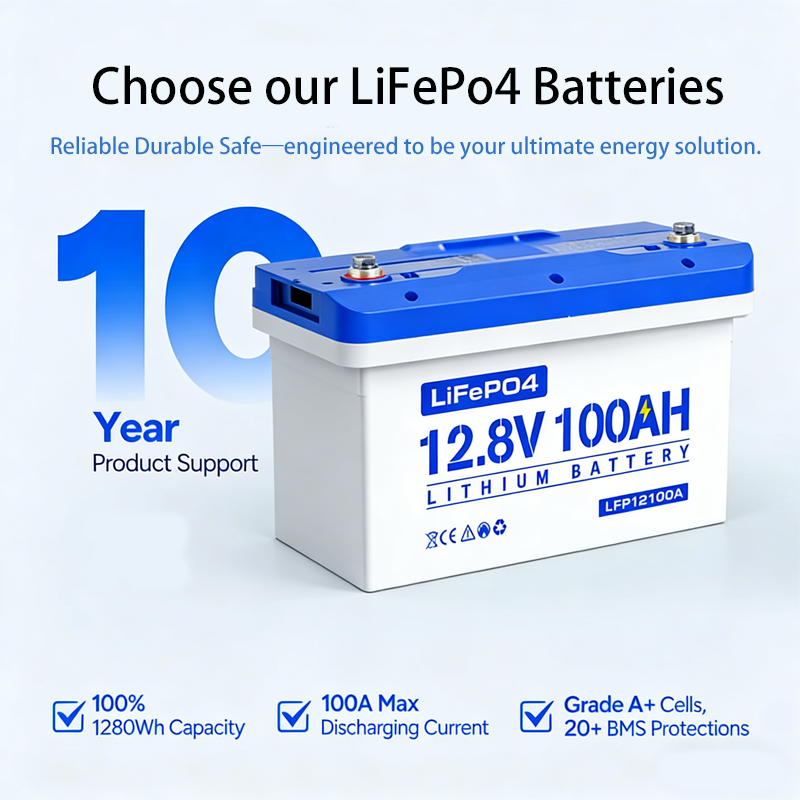
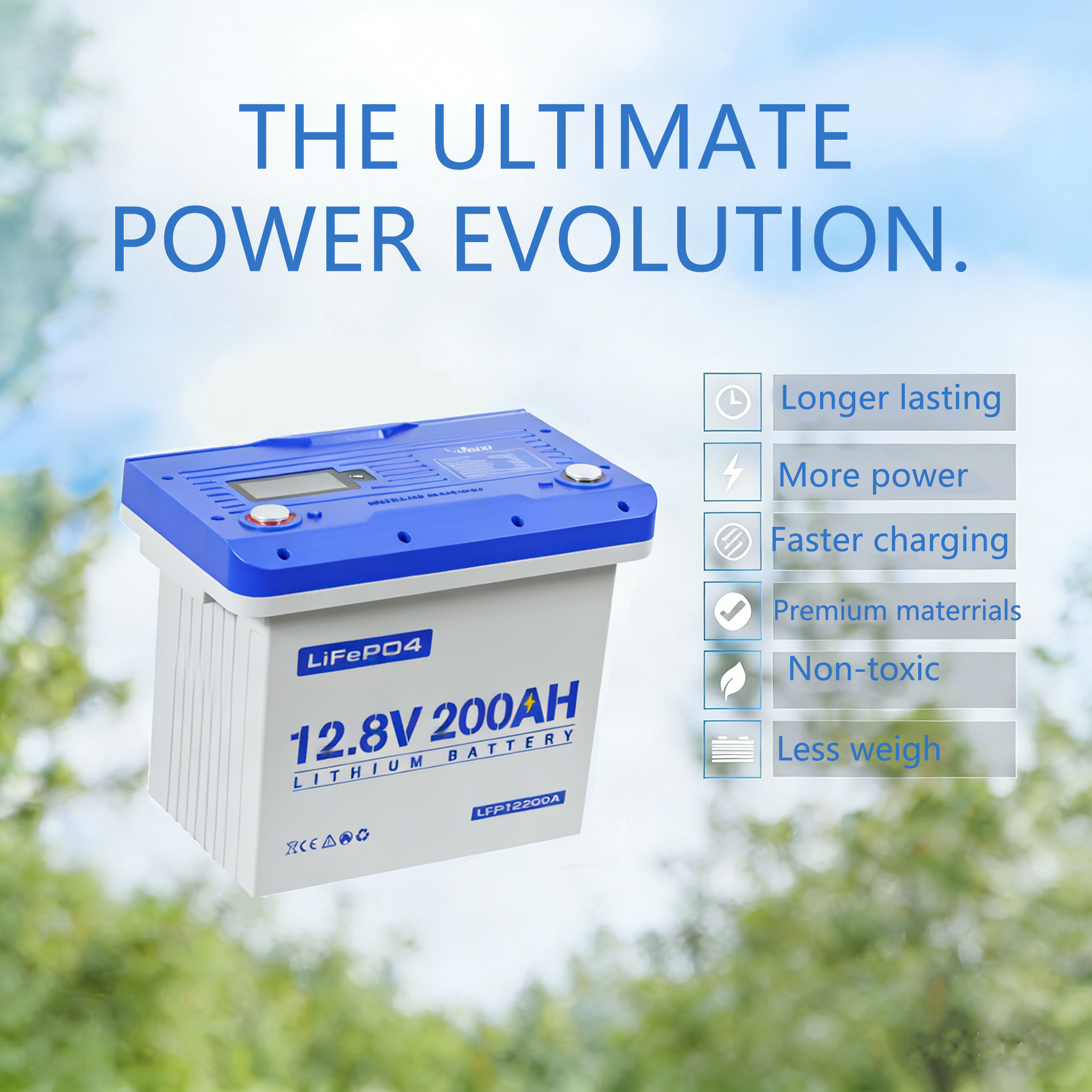
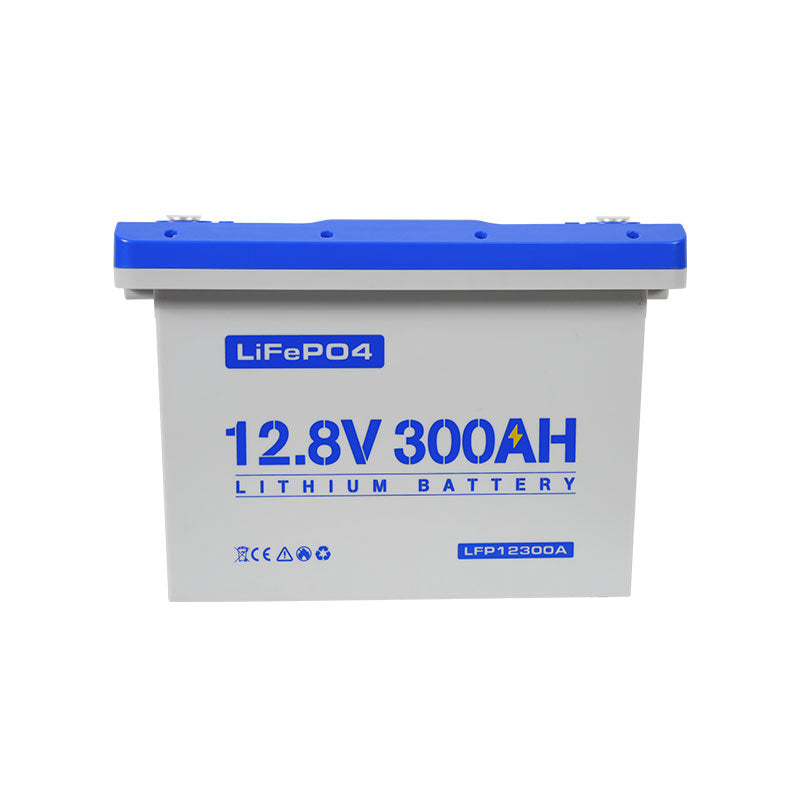
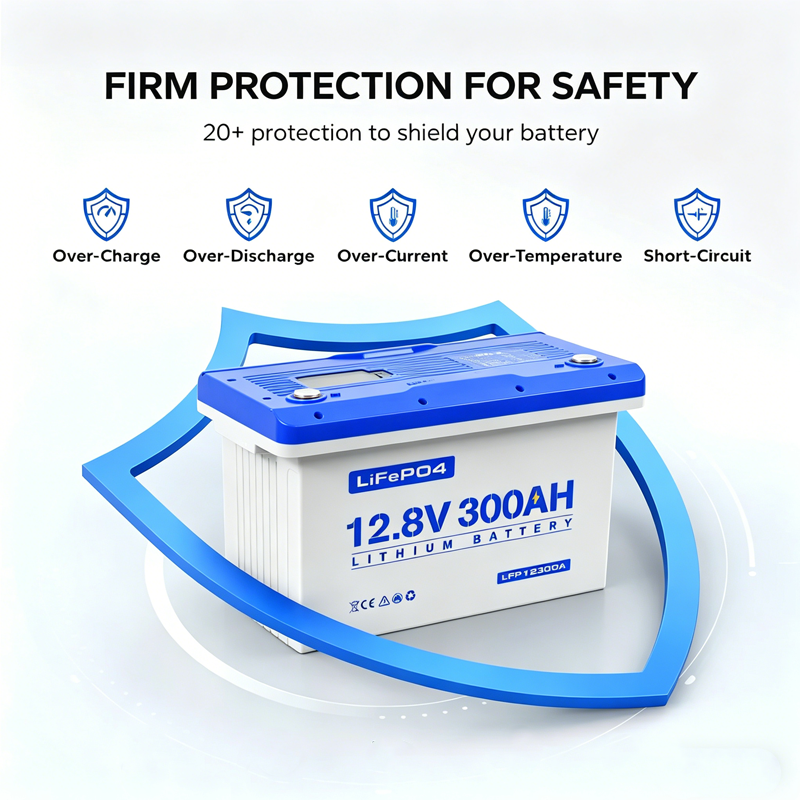
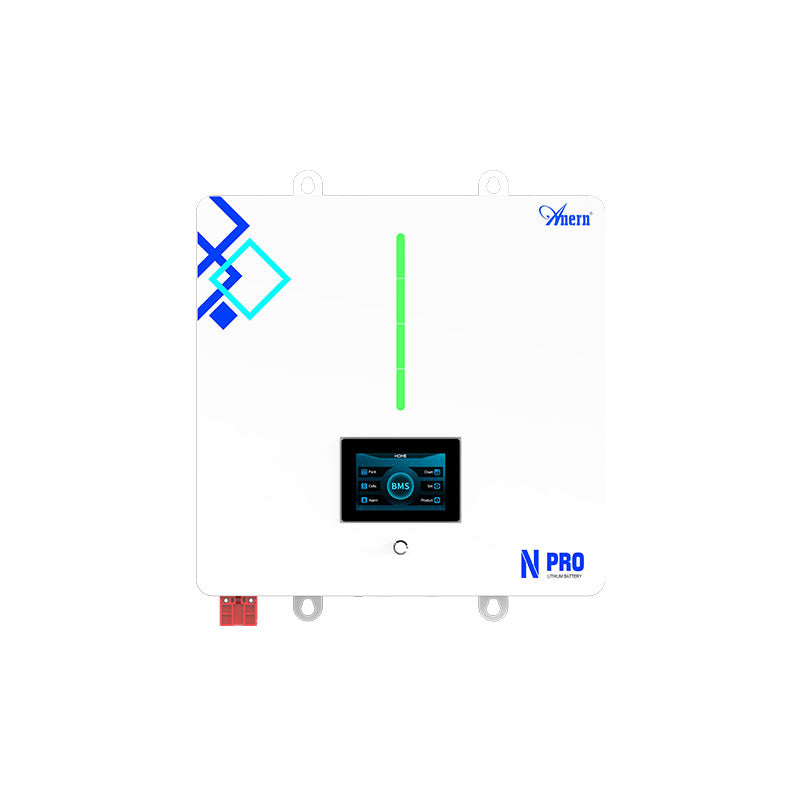
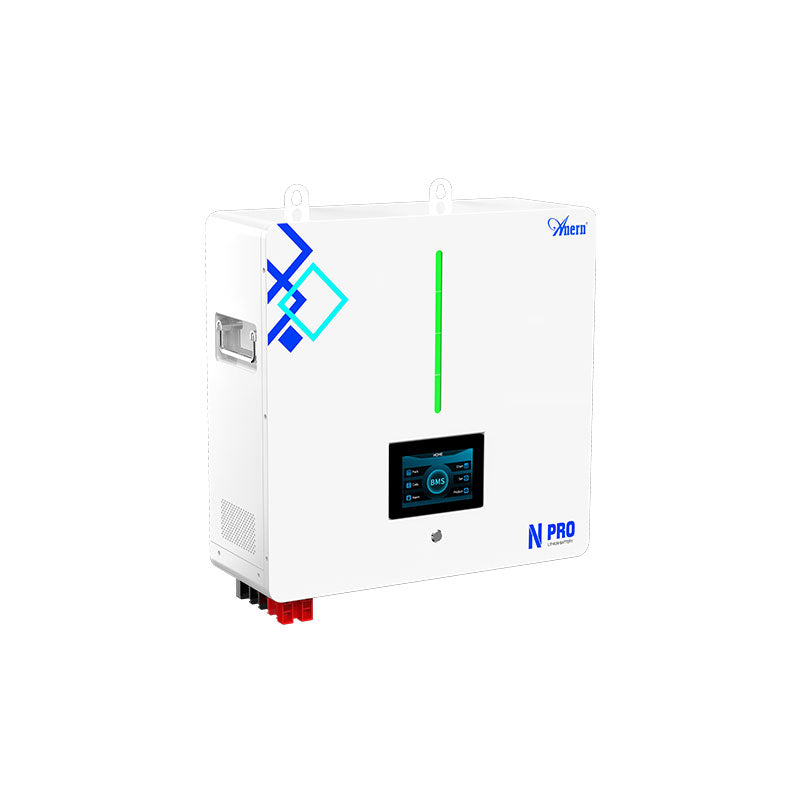
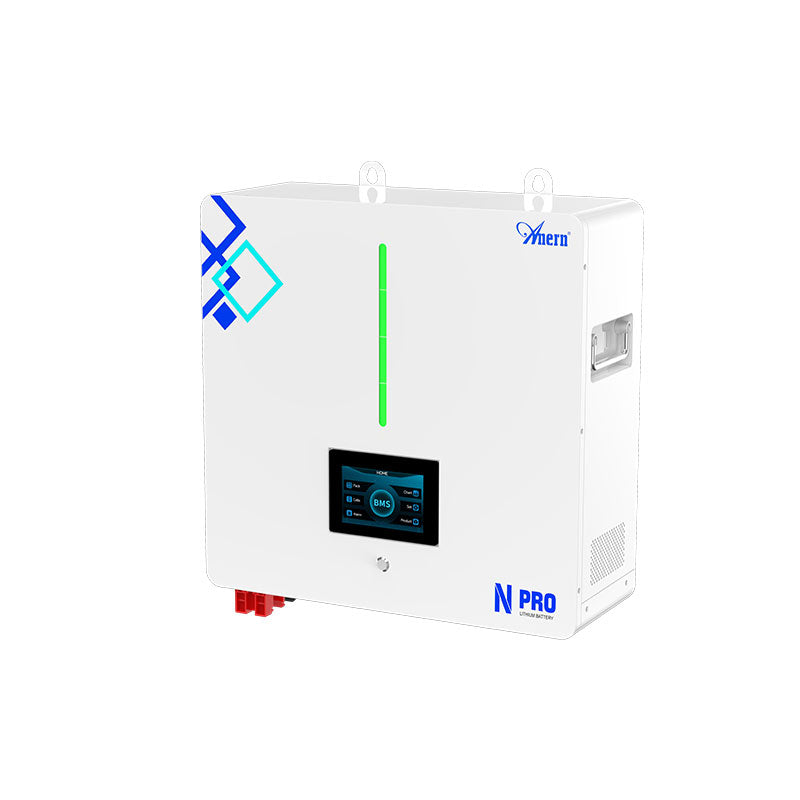
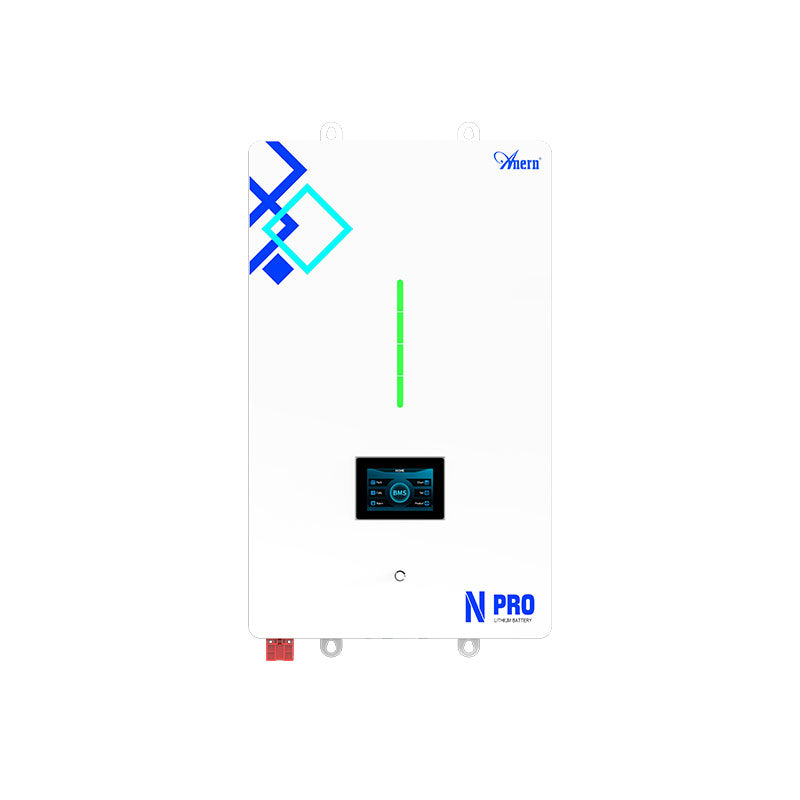
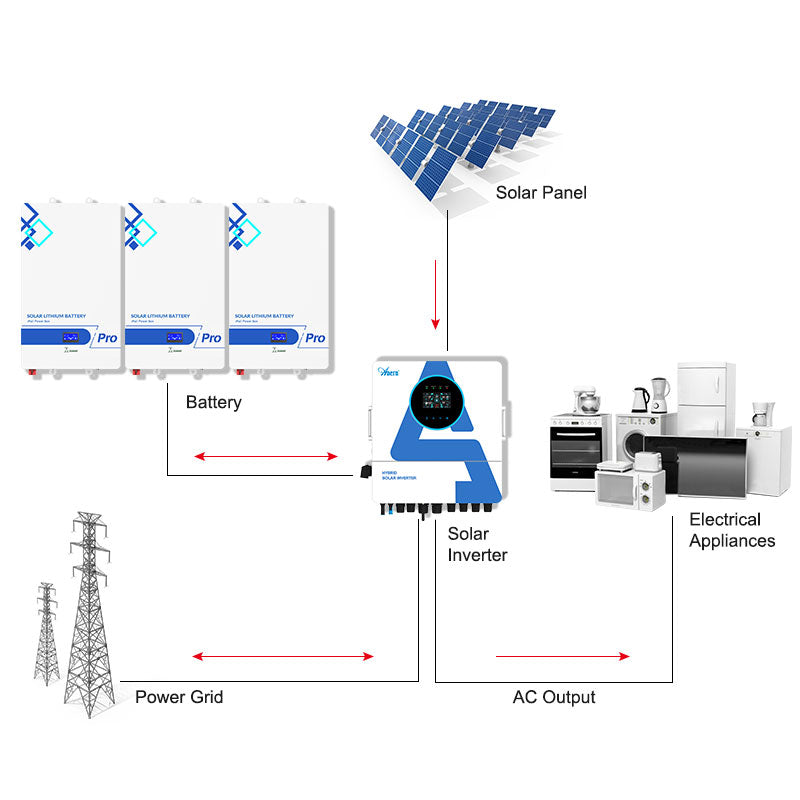
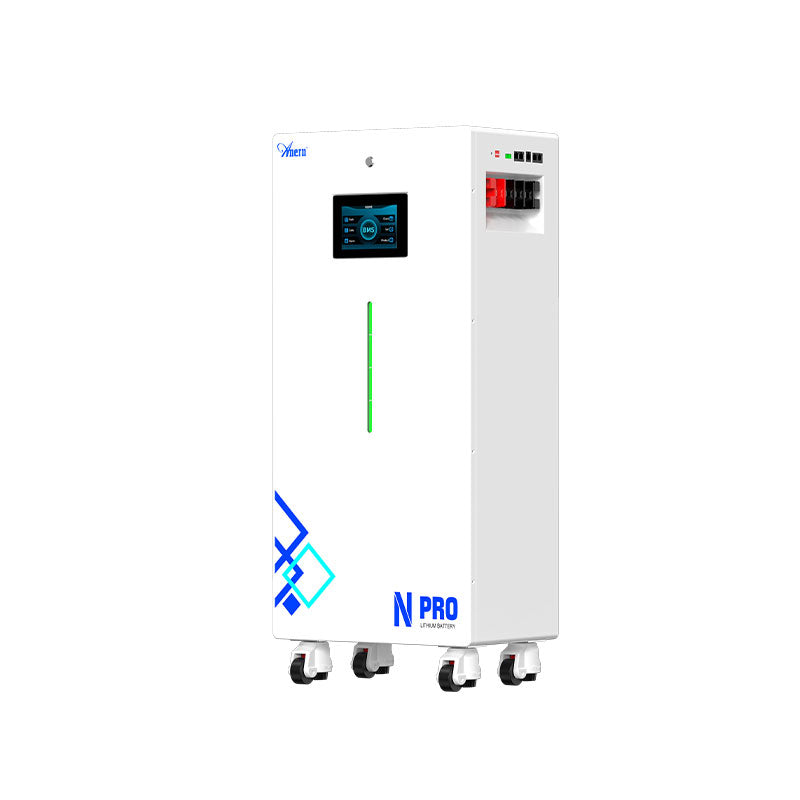
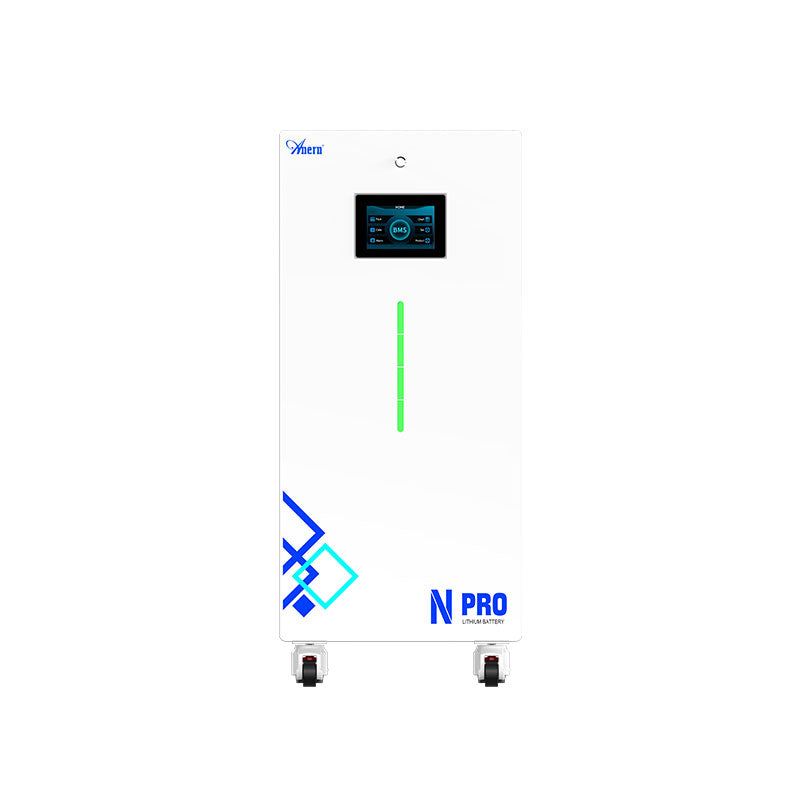
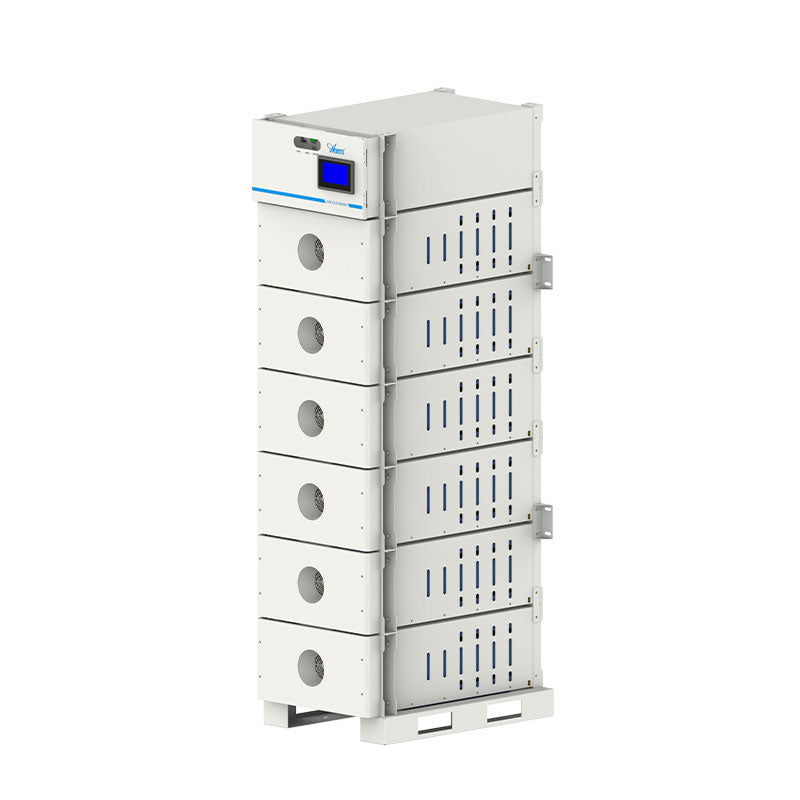
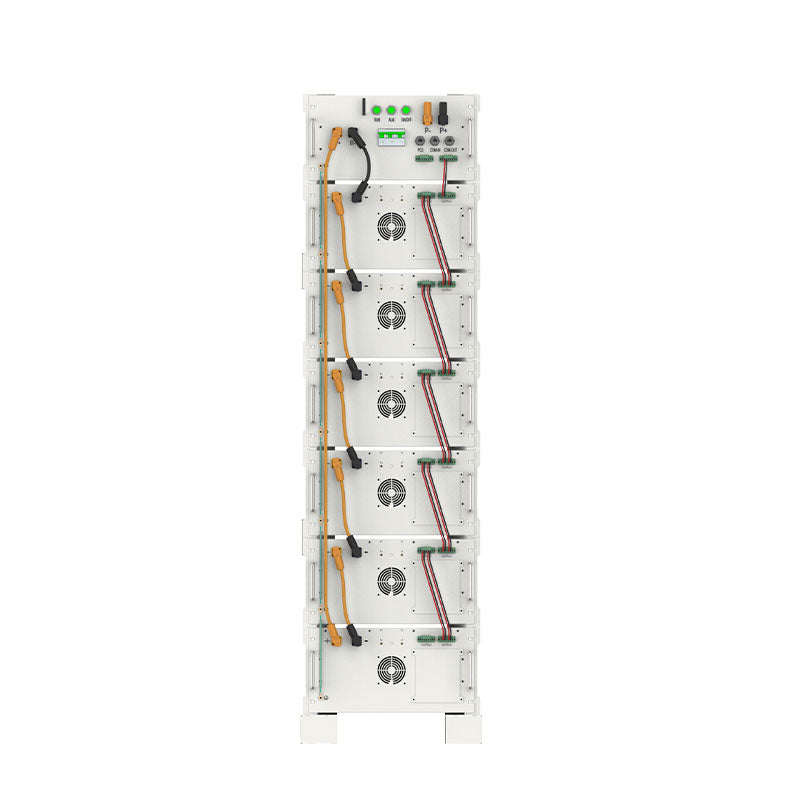
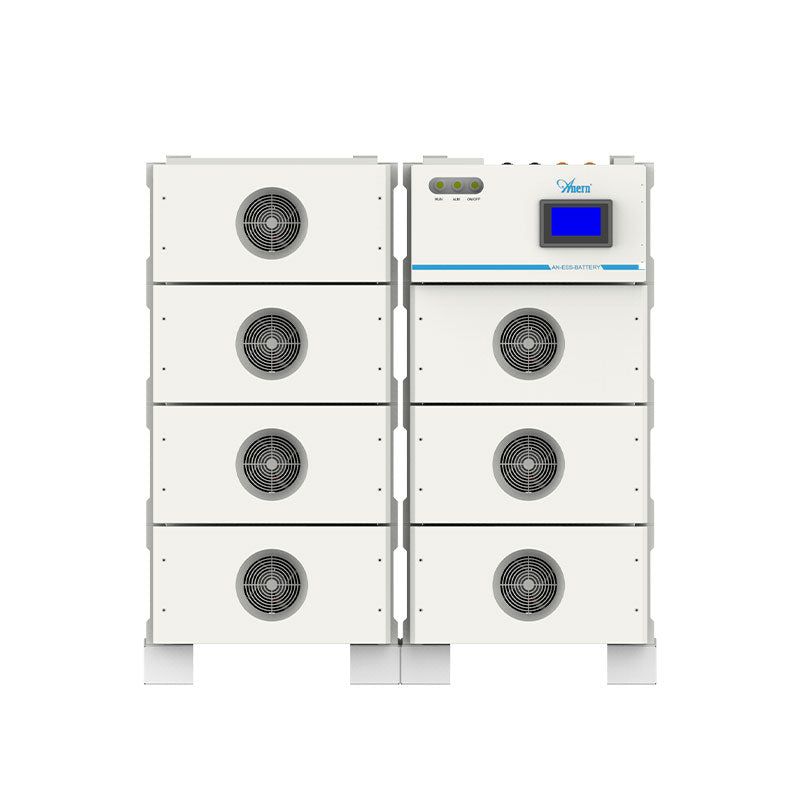
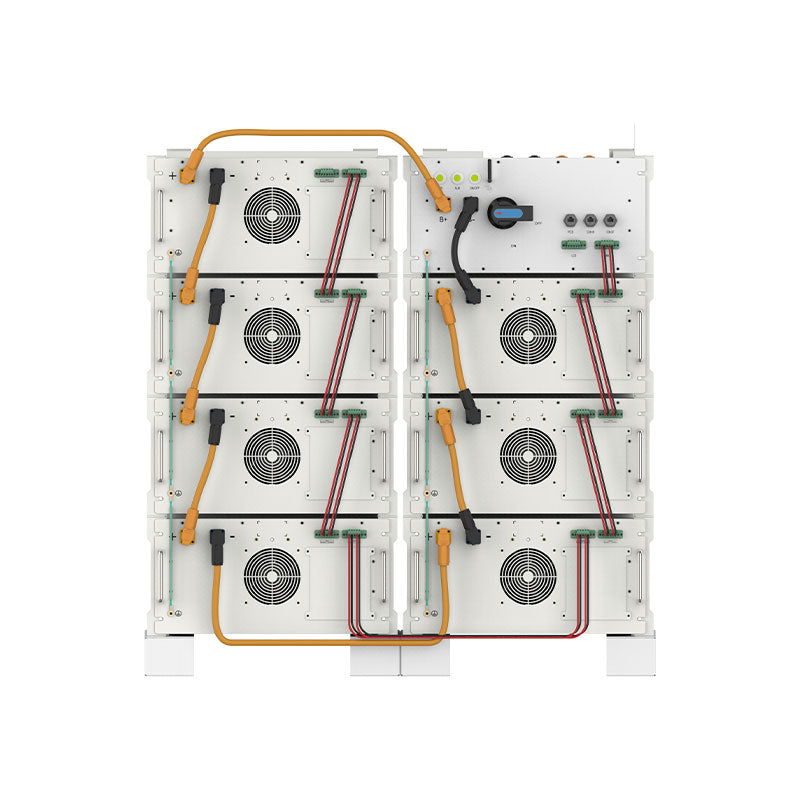
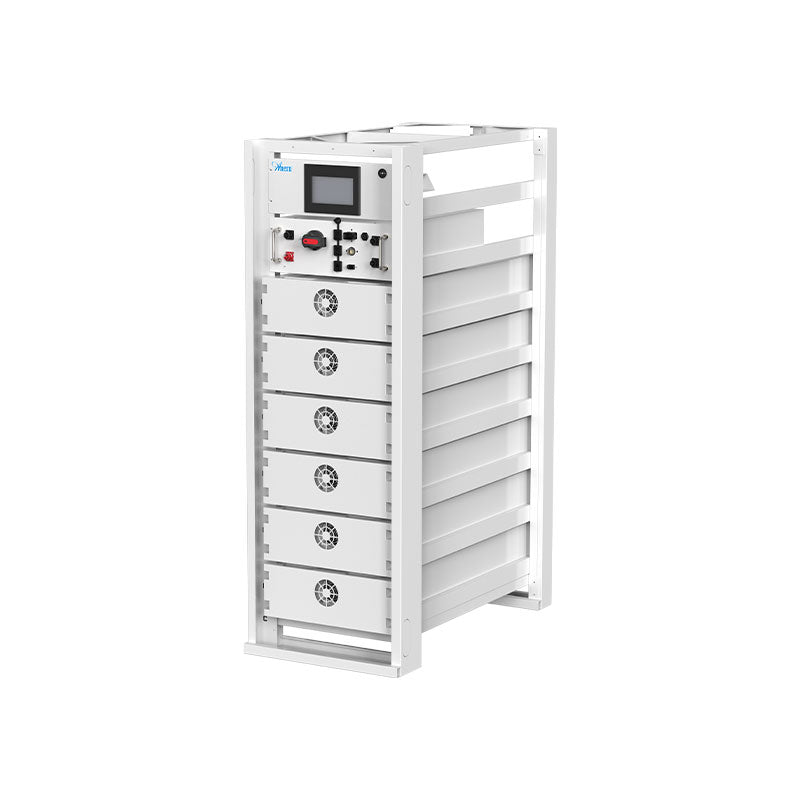
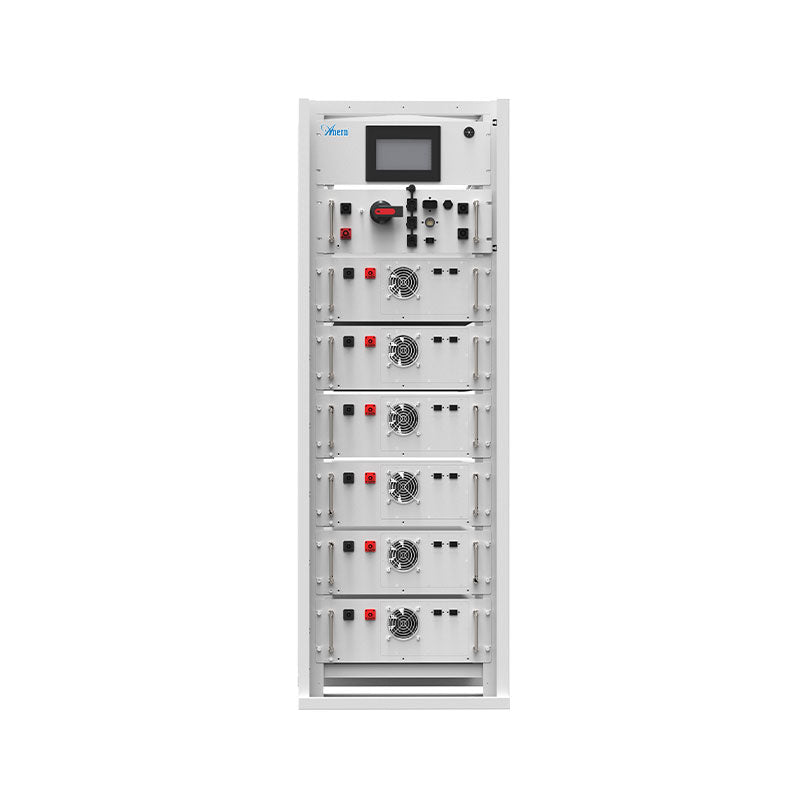
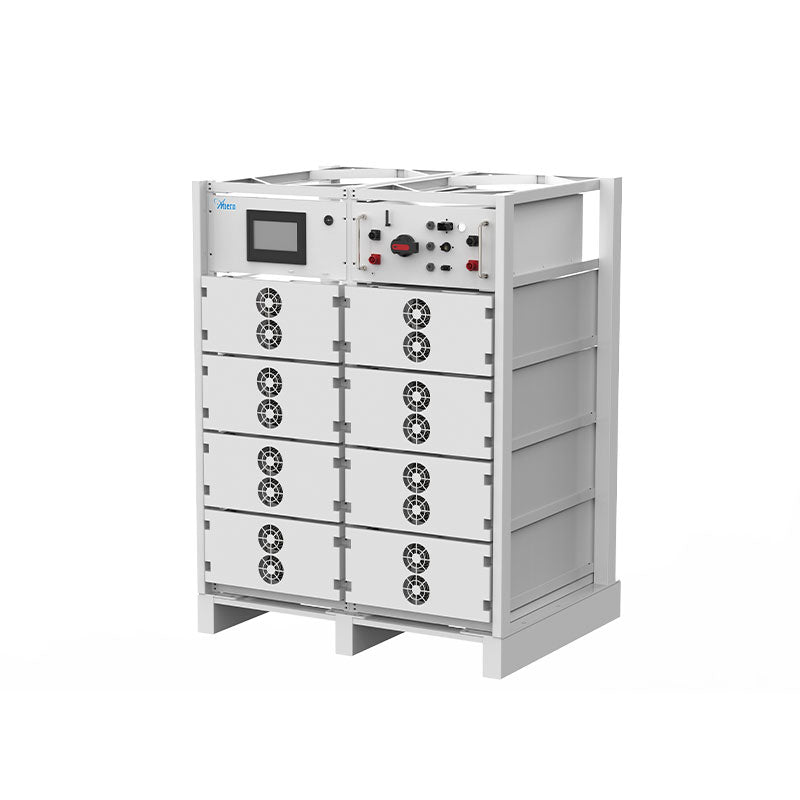
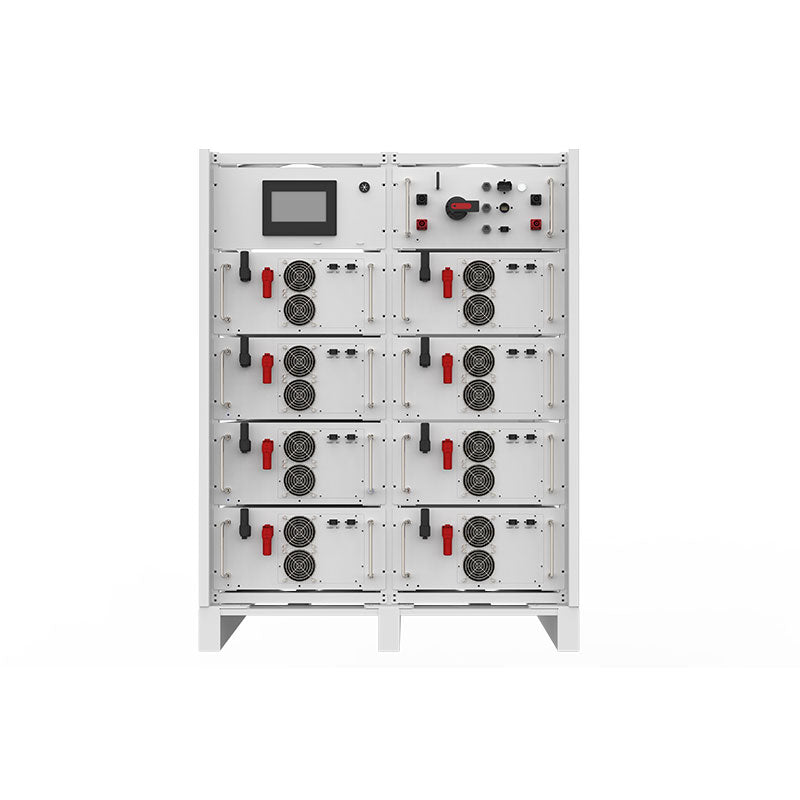
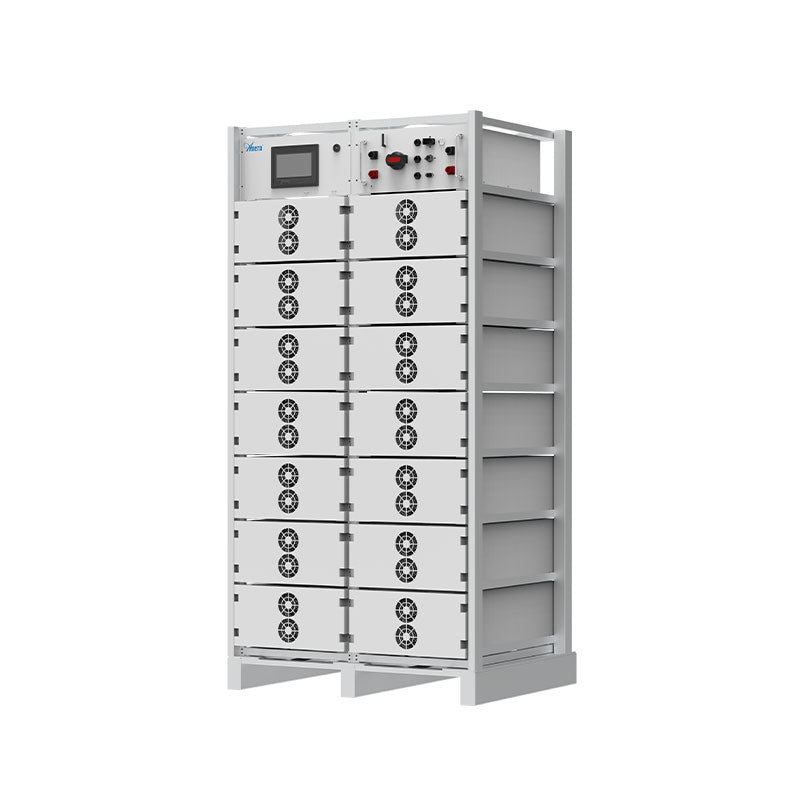
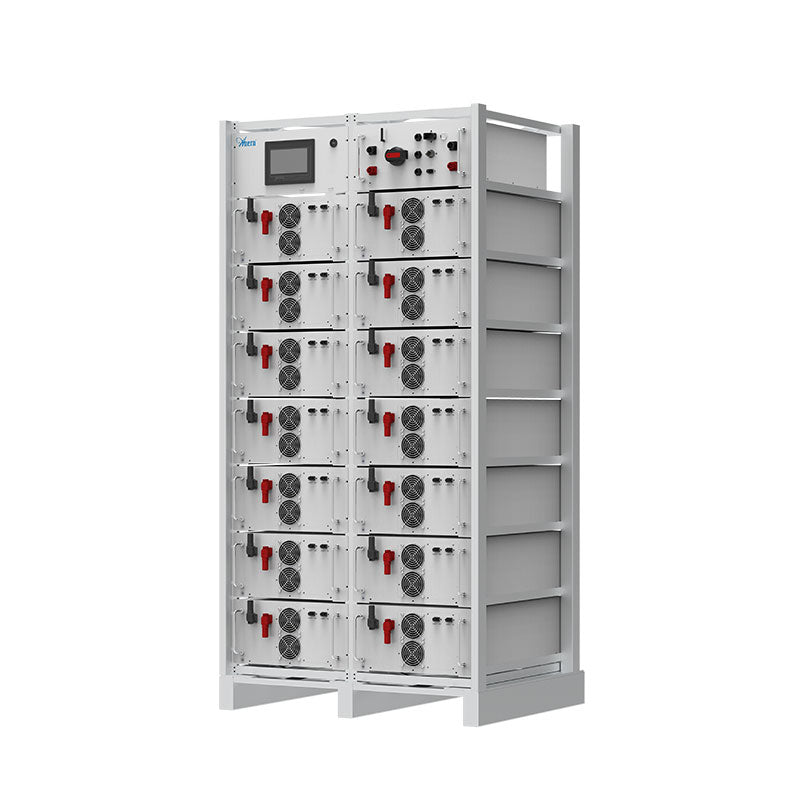
Solar panels generate electricity during daylight hours, but your energy needs extend beyond that. This is where energy storage becomes invaluable. Integrating a robust energy storage system allows you to capture excess solar energy generated during the day and use it during the night or during periods of low sunlight. Our LiFePO4 (Lithium Iron Phosphate) batteries offer a high-performance, safe, and reliable solution for energy storage. These batteries provide excellent cycle life and depth of discharge, ensuring you have access to stored energy when you need it most. Combining solar panels with a home energy storage system, which integrates the lithium battery, a hybrid inverter, and the solar panels, provides a complete solution for managing your household's energy needs efficiently.
Off-Grid Solutions for Energy Independence
For those seeking complete energy independence or living in remote areas without grid access, off-grid solar solutions offer a compelling alternative. These systems are self-sufficient, relying entirely on solar generation and battery storage. Our off-grid solar solutions are tailored for various applications, from individual homes and farms to remote cabins, providing a reliable and scalable energy supply. These systems are designed to offer peace of mind, knowing you have a consistent power source regardless of external grid availability. The solar inverter within these systems plays a critical role, efficiently converting the DC power from your panels and batteries into the AC power your appliances require.
Conclusion: Empowering Your Energy Future
Achieving realistic solar panel efficiency involves looking beyond laboratory ratings to understand the full system performance. By considering IEA benchmarks, environmental factors, and the integration of quality components like efficient inverters and reliable lithium battery storage, you can design a solar energy system that truly meets your energy goals. Our commitment is to provide dependable and expandable energy solutions, empowering you to achieve genuine energy independence and a sustainable future.
Non-legal advice: The information provided in this article is for general informational purposes only and does not constitute professional advice. Please consult with qualified professionals for specific recommendations regarding your solar energy system or investment decisions.
