















Solar-powered drip irrigation presents an efficient and sustainable way to water crops and gardens. By harnessing the sun's energy, these systems deliver water directly to the plant's root zone, minimizing waste. However, a common pitfall is overwatering, which can harm plants and negate the system's efficiency benefits. The key to preventing this is proper calibration of your solar drip emitters. A precisely calibrated system ensures every drop of water is used effectively, promoting healthy plant growth and conserving a precious resource.
Why Precise Calibration Matters in Solar Irrigation
Calibration is more than a simple adjustment; it's the foundation of an effective solar powered irrigation system. Getting it right prevents waste and improves the vitality of your plants. According to a joint report by the FAO and IRENA, solar irrigation is being widely adopted to improve water access and increase resilience to changing rainfall patterns. This makes efficient use even more critical.
The Hidden Costs of Overwatering
Giving plants too much water can be as damaging as not giving them enough. Overwatering saturates the soil, cutting off oxygen to the roots and leading to conditions like root rot. It also washes away essential nutrients from the soil, a process called leaching, which can stunt plant growth and reduce yields. Furthermore, in a world facing increasing water scarcity, every gallon wasted is a significant loss.
The Efficiency Gains of a Tuned System
A well-calibrated system delivers the precise amount of water your plants need, directly where they need it. This targeted approach can significantly reduce water consumption compared to traditional sprinkler methods. It also means the solar-powered pump operates for shorter, optimized periods, reducing wear and maximizing the use of the stored solar energy. The result is healthier plants, higher yields, and a more sustainable operation.
The Role of a Stable Power Source
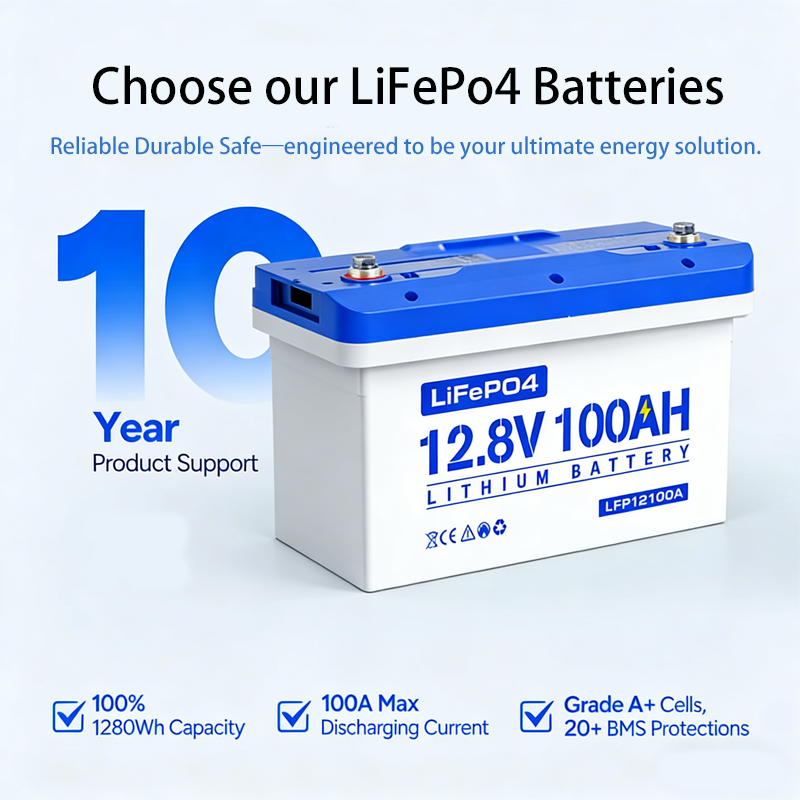
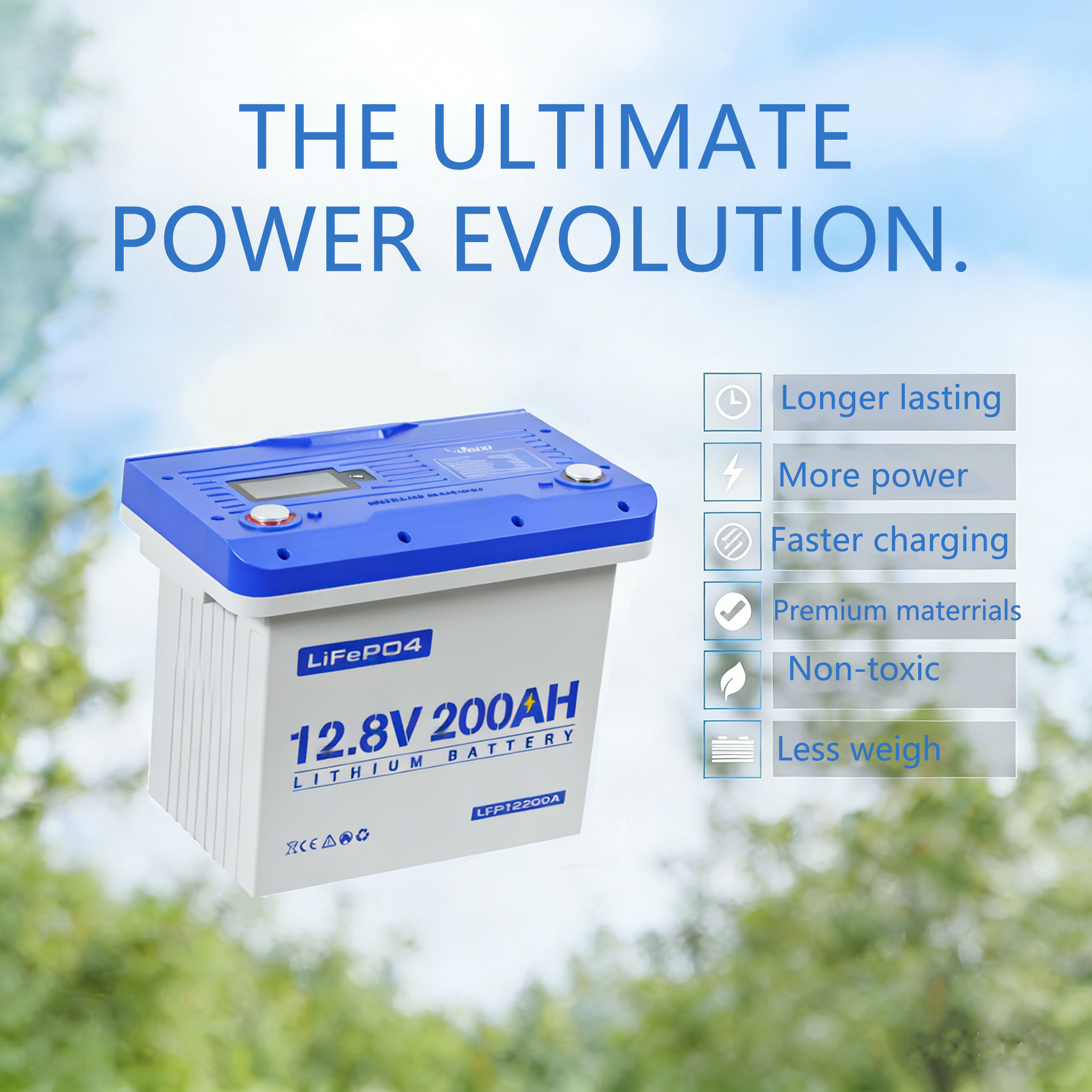
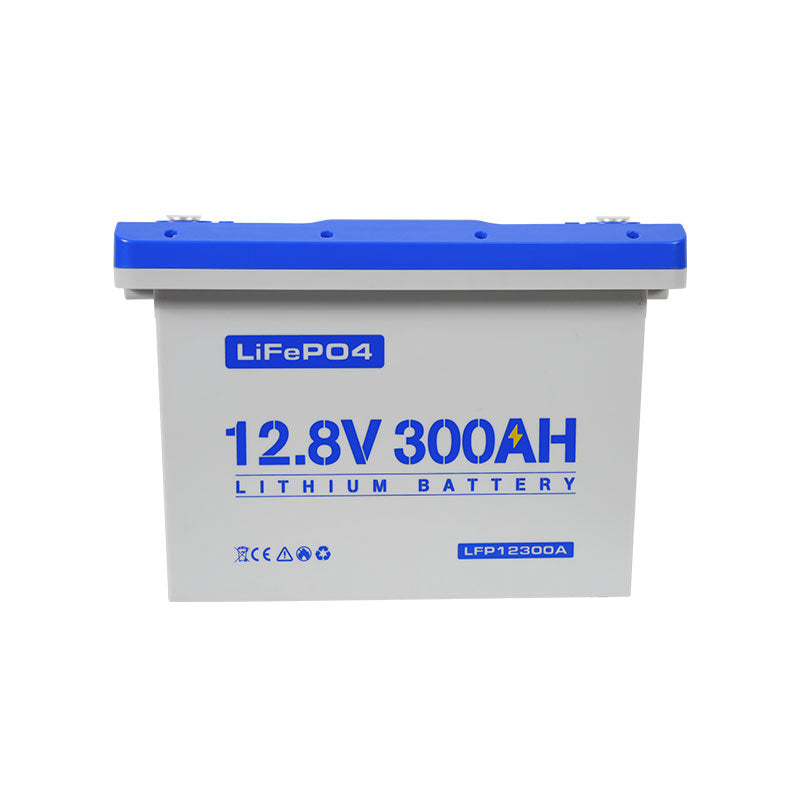
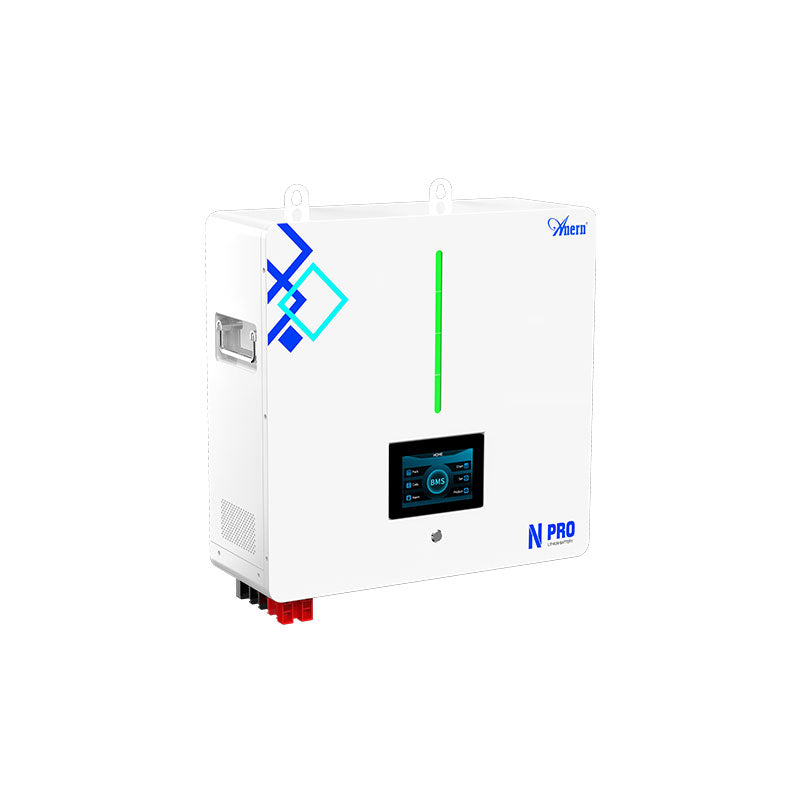
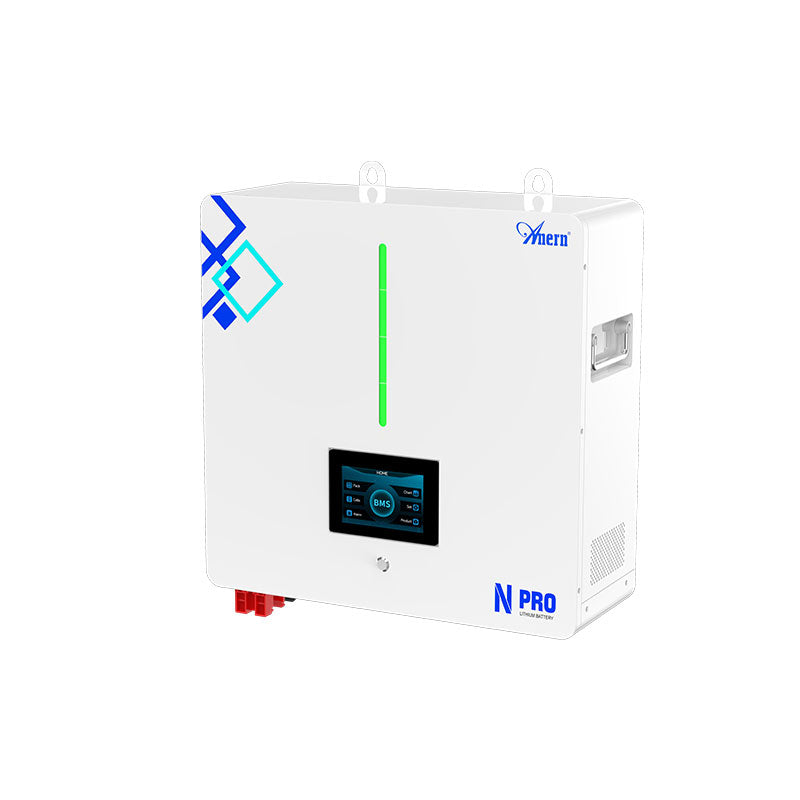
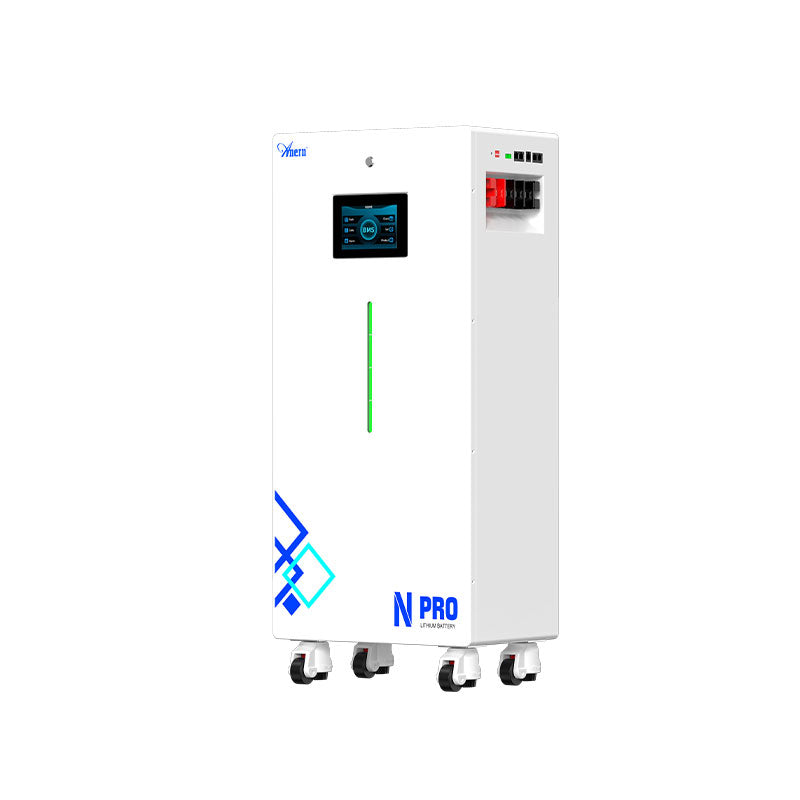
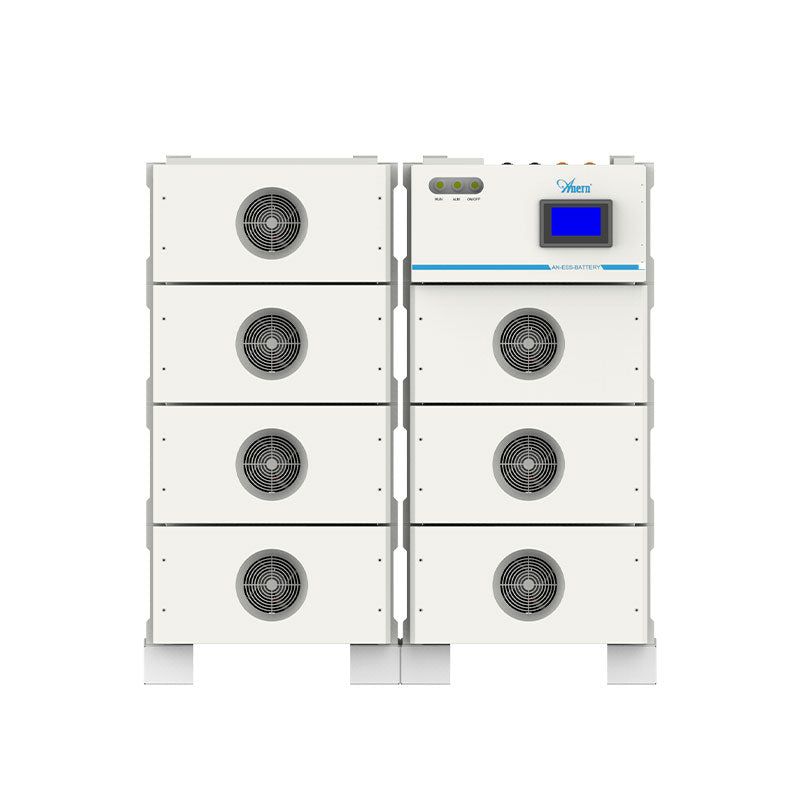
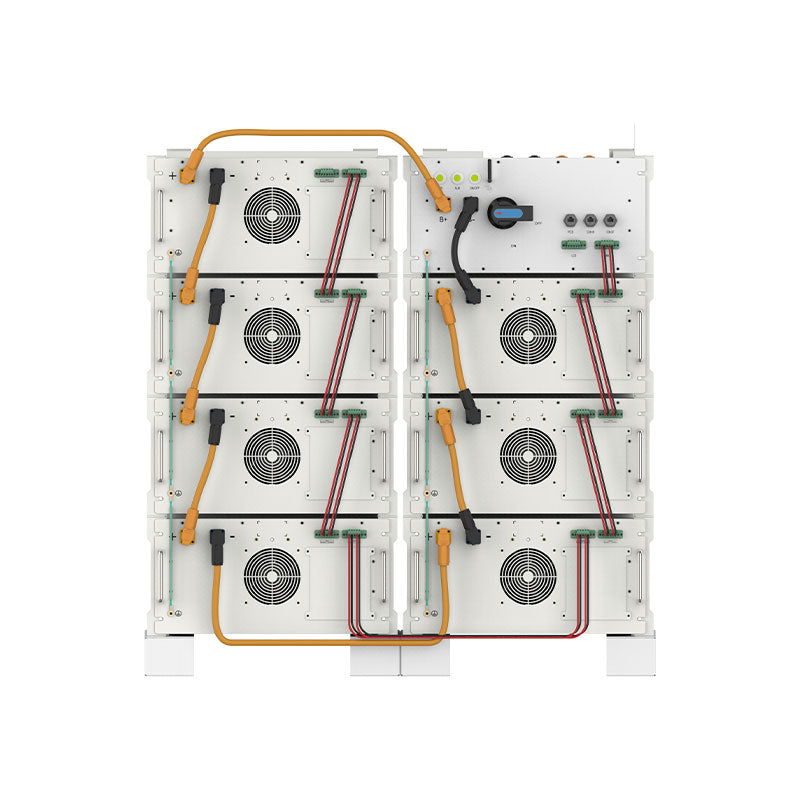
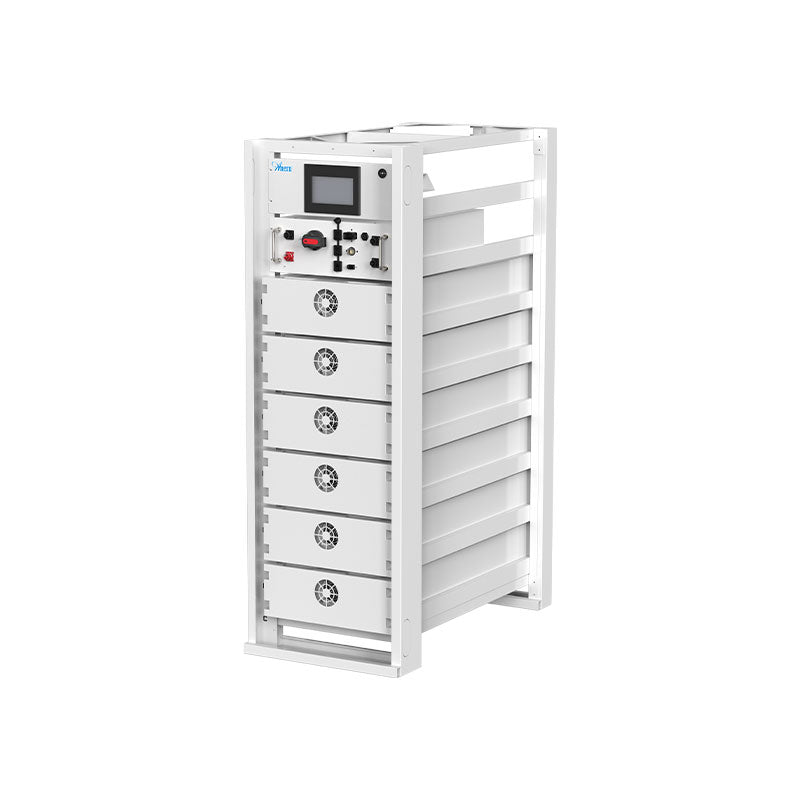
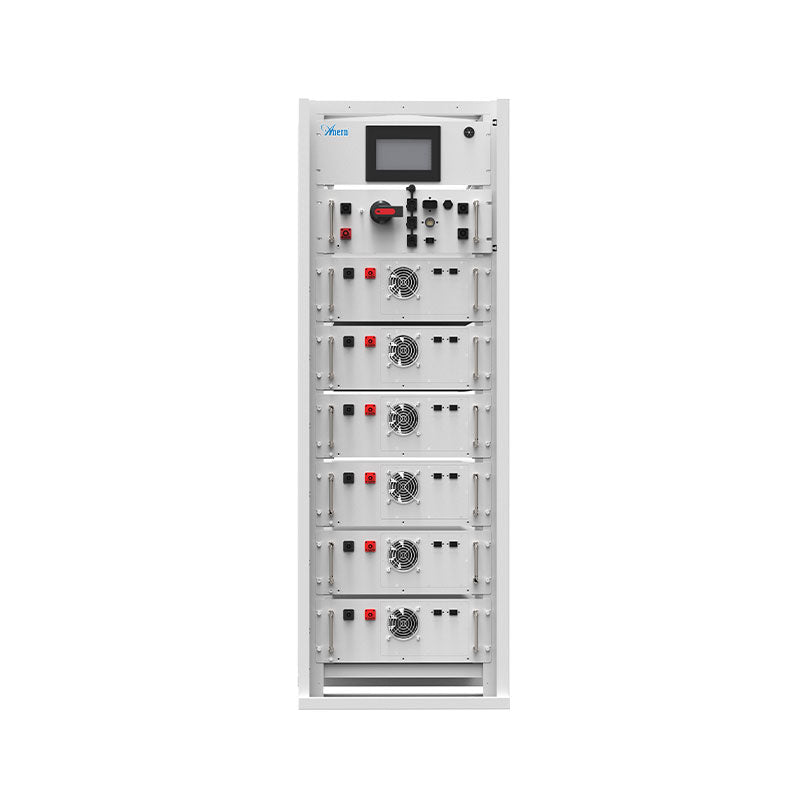
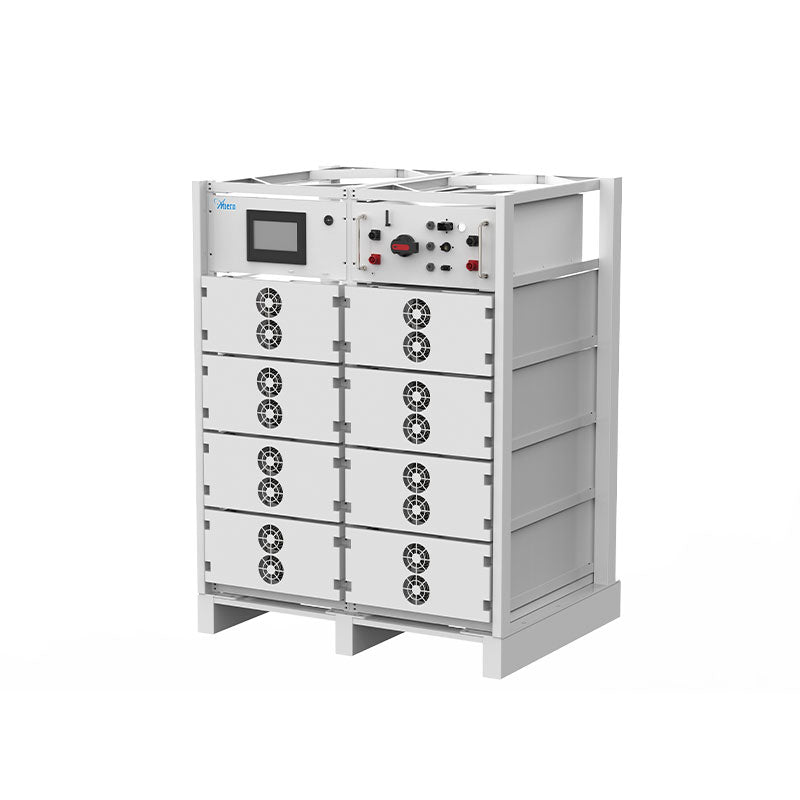
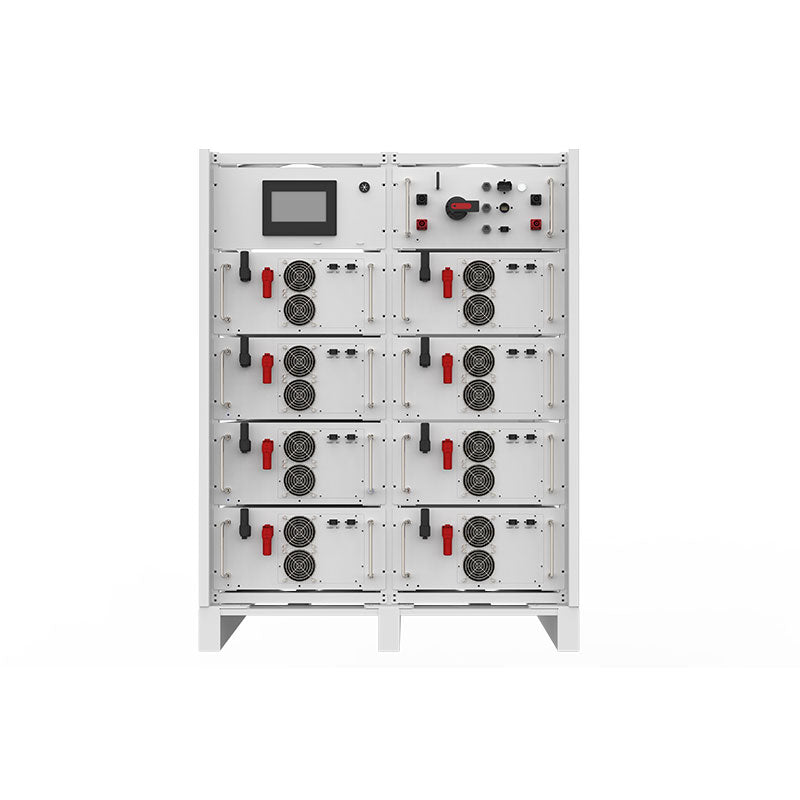
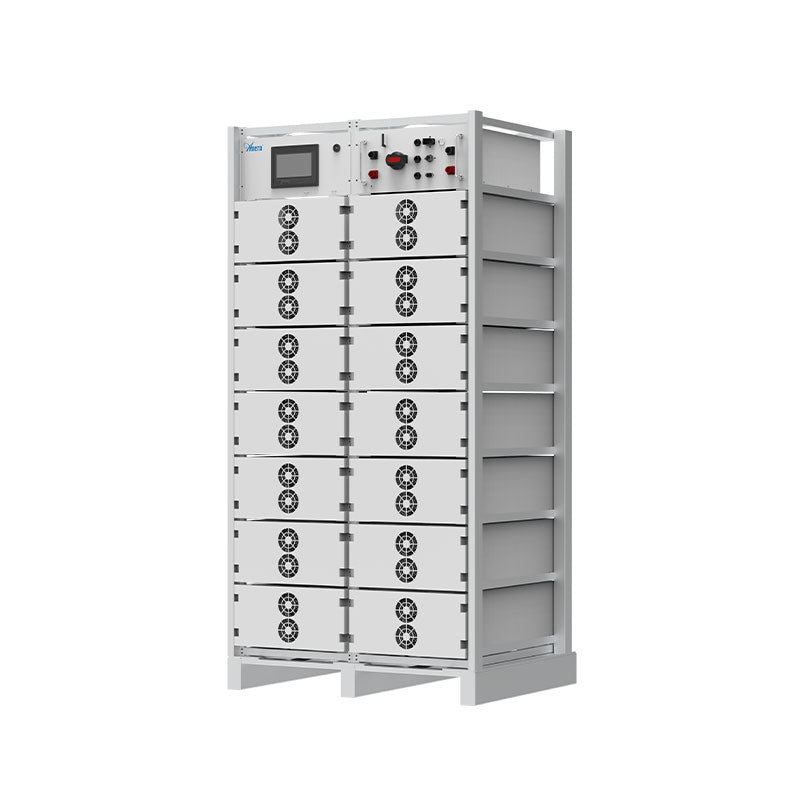
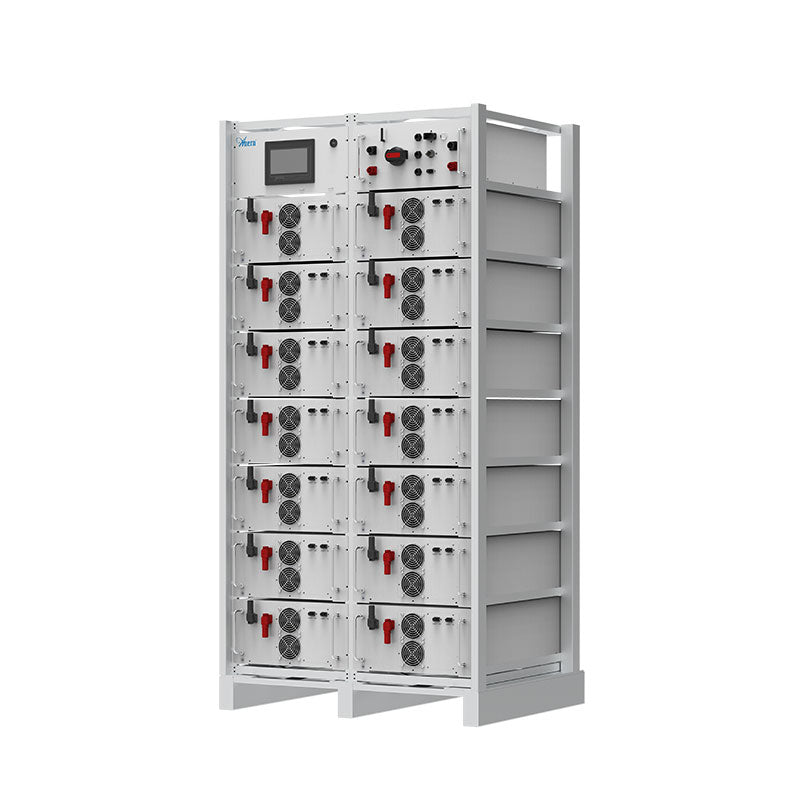
The consistency of your solar irrigation system depends heavily on its power source. Fluctuations in power can alter pump pressure and, consequently, the flow rate of your emitters, undoing your careful calibration. A reliable energy storage system is crucial. High-performance lithium iron phosphate (LiFePO4) batteries are an excellent choice, known for their long cycle life, safety, and stable power output. This stability ensures your pump operates consistently, maintaining the calibrated flow rate day after day, which is essential for achieving energy independence for your farm or home.
A Step-by-Step Method for Calibrating Your Drip Emitters
Calibrating your solar drip emitters is a straightforward process that requires a few basic tools and a little time. This initial effort pays off with significant water savings and healthier plants. This section will outline how to calibrate solar drip emitters effectively.

Pre-Calibration Checklist: What You Need
Before you begin, gather the following items:
- A measuring container with milliliter (ml) or ounce (oz) markings
- A stopwatch or a phone with a timer
- A notepad and pen to record your findings
- Several "catch cans" or identical containers to place under emitters
Also, perform a quick system check. Ensure your solar panel is clean and facing the sun, the pump is functioning correctly, and there are no visible leaks in the drip lines.
The "Catch Can" Test: Measuring Emitter Flow Rate
This simple test helps you determine the actual output of your emitters.
- Select 3-5 emitters at various points in your system (beginning, middle, and end of the line) to get a representative sample.
- Place a "catch can" or measuring container directly under each selected emitter.
- Turn on your solar irrigation system and run it for a set amount of time, for example, 15 minutes. Use your stopwatch for accuracy.
- After the time is up, turn off the system and measure the amount of water collected in each container.
- Calculate the flow rate. If you collected 100 ml in 15 minutes, the calculation is: (100 ml / 15 min) * 60 min = 400 ml per hour. Convert this to a more common unit like gallons per hour (GPH) if needed.
Adjusting for Uniformity and Plant Needs
Compare the flow rates from your different emitters. If there is a significant variation, it could indicate a pressure issue or clogged emitters. Clean or replace any underperforming emitters. The goal is to achieve a uniform flow rate across the system. Once uniformity is established, you can adjust the total watering time based on the needs of your specific plants and prevailing weather conditions.
Advanced Calibration: Integrating Soil and Weather Data
For truly optimized watering, consider factors beyond the emitter flow rate. Soil composition and local weather patterns play a huge role in how much water your plants actually need.
Understanding Soil Type and Water Absorption
Different soil types retain water differently. Sandy soils drain quickly and require more frequent, shorter watering cycles. Clay soils hold water for much longer and should be watered less frequently but more deeply to avoid runoff. Understanding your soil's properties is fundamental to effective irrigation management.
| Soil Type | Water Holding Capacity | Infiltration Rate | Recommended Irrigation Frequency |
|---|---|---|---|
| Sandy | Low | High | Frequent, short durations |
| Loamy | Medium | Moderate | Moderate frequency and duration |
| Clay | High | Low | Infrequent, long durations (slow application) |
Factoring in Evapotranspiration (ET)
Evapotranspiration (ET) is the combined loss of water from soil evaporation and plant transpiration. It's influenced by temperature, humidity, wind, and sunlight. On hot, windy days, ET is high, and plants need more water. On cool, cloudy days, they need less. Many local agricultural extensions or weather services provide daily ET data, which you can use to fine-tune your irrigation schedule for maximum efficiency.
The Power of Automation with Energy Storage
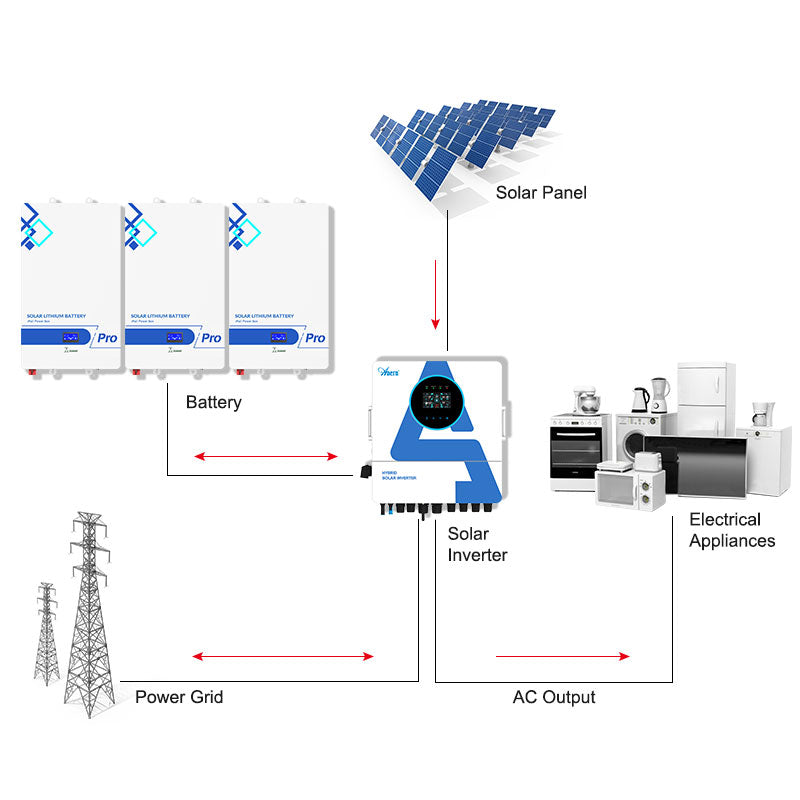
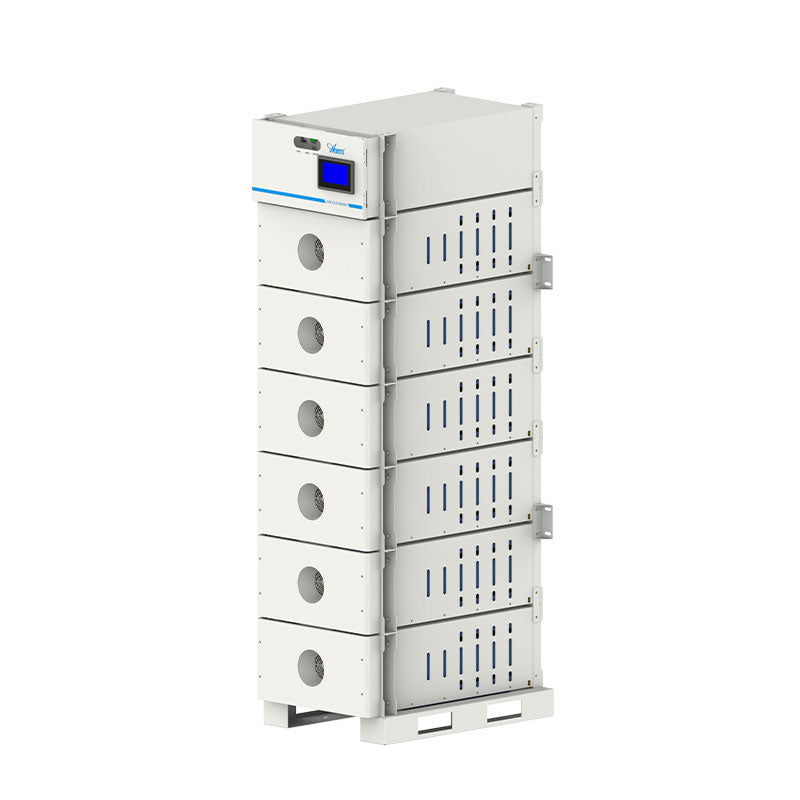
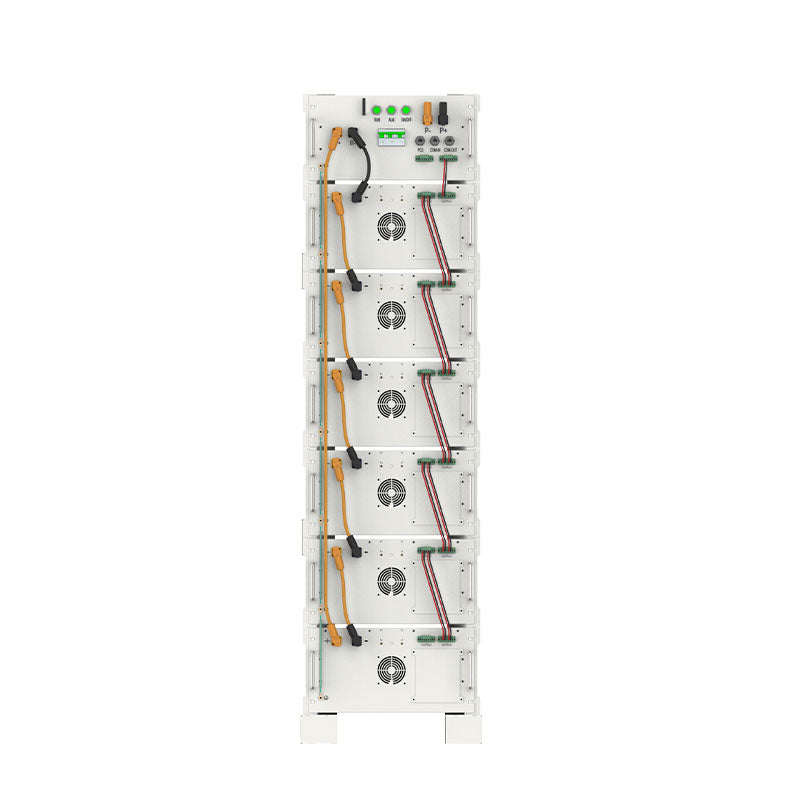
Pairing your solar powered irrigation system with a home energy storage system (ESS) unlocks the full potential of automation. An ESS, which integrates high-performance LiFePO4 batteries with a solar inverter, stores excess solar energy generated during the day. This stored power allows you to run your irrigation system on a precise schedule using timers or smart controllers, even at night or on cloudy days when solar generation is low. This level of control ensures your carefully calibrated watering plan is executed perfectly, helping you achieve true energy independence.
Optimizing Your Complete Solar Powered Irrigation System
A properly calibrated system is one part of a larger, optimized whole. Ensuring each component is correctly sized and functions efficiently will maximize the benefits of your investment.
The Heart of the System: The Solar Panel and Pump
The solar panel and pump must be sized appropriately for your needs. An undersized panel won't generate enough power to run the pump effectively, while an oversized one can be an unnecessary expense. The pump's capacity should match the total flow rate required by all your emitters and the pressure needed to deliver water evenly throughout the system.
Ensuring Consistency with Reliable Energy Storage
As mentioned, stable power is non-negotiable for a consistent irrigation system. Lithium iron phosphate (LiFePO4) batteries are recognized for their superior safety, thermal stability, and long lifespan, making them ideal for off-grid solar applications. They provide the steady, reliable power needed to maintain consistent pump pressure and water flow, safeguarding your calibration efforts and ensuring the long-term health of your system.
Beyond the Farm: Applications for Off-Grid Living
The principles of solar irrigation and energy storage extend far beyond large-scale agriculture. These technologies are perfect for off-grid homes, remote cabins, and community gardens. A small-scale off-grid solar solution, complete with panels, an inverter, and battery storage, can provide the energy independence needed to power not just irrigation but also lights, appliances, and other essentials for a sustainable lifestyle.
Achieving True Water and Energy Efficiency
Calibrating your solar drip emitters is a vital practice for anyone using a solar powered irrigation system. It moves beyond simple installation to create a truly efficient and responsive watering solution. By taking the time to measure, adjust, and monitor your system, you save water, reduce energy consumption, and foster healthier, more productive plants.
When supported by a robust and reliable energy solution, such as an integrated energy storage system featuring LiFePO4 batteries, your calibrated drip irrigation becomes a powerful tool. It represents a smart investment in sustainability, resource management, and long-term energy independence for your property.
Disclaimer: This information is for educational purposes only. Consult with a professional irrigation specialist or agricultural extension service for specific advice tailored to your property and crop needs. The information provided does not constitute financial or investment advice.
