
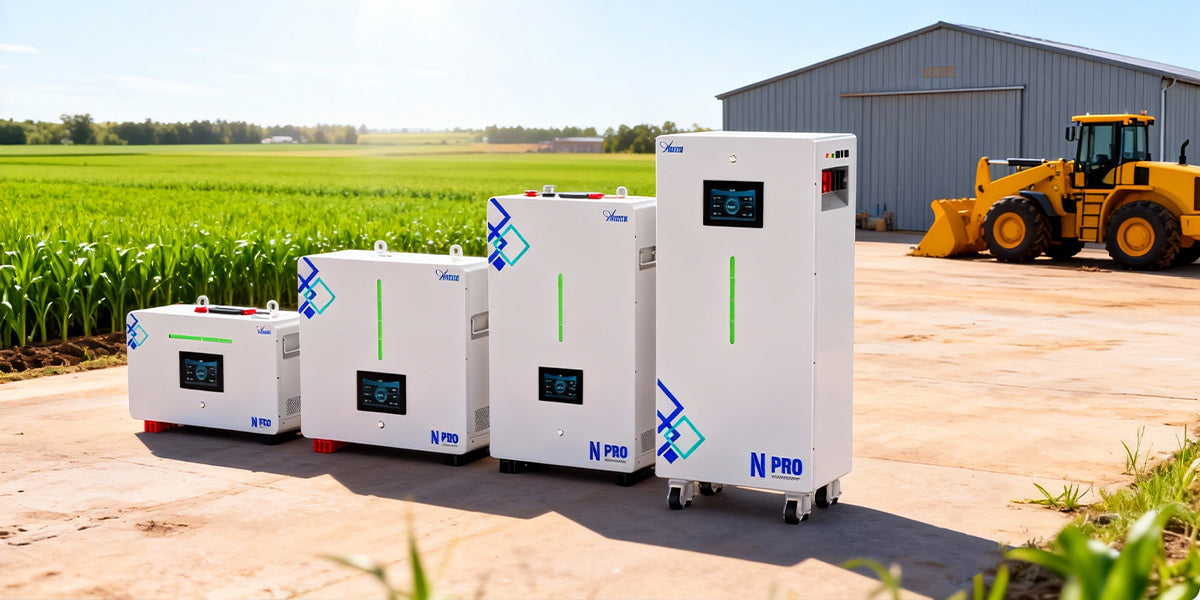
Farm energy problems usually show up at the worst time. A pump trips during a dry spell. A cold room loses power during a delivery week. Diesel prices jump right when field work peaks. These moments create real losses, not abstract inconvenience. A well-designed lithium-ion battery setup can reduce those shocks and smooth day-to-day operations. It can also pair cleanly with solar in ways that fit modern farm workflows.
Why Farm Power Management Is Getting More Complex
Farm power needs have changed. Many operations now run a mix of irrigation, refrigeration, lighting, security, and small processing equipment. Loads also cluster into short, intense windows. That pattern puts pressure on both the grid and on-site generators.
Rural supply is another factor. Some areas still face voltage swings, long outage restoration times, or limited infrastructure upgrades. Even farms with solid grid access can feel the strain during heat waves and seasonal peaks.
As a result, farm power management has become a planning issue for owners, not just electricians. The goal is simple. Keep critical systems stable and keep costs predictable.
Key Benefits of Lithium Batteries for Agriculture
A lithium-ion battery brings advantages that match agricultural reality. These benefits matter most when they are tied to specific tasks on the farm.
Compared with older storage approaches common on farms, a lithium-ion battery often offers higher usable energy for frequent cycling, steadier day-to-day performance, and less routine upkeep. That combination fits the way farms actually operate during peak weeks.
Higher Usable Energy for Daily Cycles
Many farms cycle storage daily. The ability to use a larger share of stored energy without accelerating wear is valuable in real routines. This is one reason lithium batteries for agriculture are increasingly considered for fixed storage.
Faster Recovery After High Loads
Irrigation and cold storage can create abrupt demand spikes. A lithium-ion battery system can recover and recharge efficiently when sized and controlled properly. This helps when solar production is available during the same day.
Lower Routine Maintenance Burden
Farm teams already manage equipment, water systems, and seasonal labor. A storage choice that reduces frequent service tasks can support better staffing and fewer missed checks.
Cleaner Integration with Modern Controls
Battery management systems can support alerts and performance tracking. That supports smarter decisions about load scheduling and expansion timing.
How Solar Battery Storage for Farms Reduces Fuel and Grid Dependence
A solar array without storage can still leave gaps. Morning irrigation often starts before peak solar output. Evening operations rely on grid or generator support. Solar battery storage for farms helps link production to the hours that matter.
A well-tuned setup can deliver three practical outcomes:
- Reduce generator runtime during predictable daily cycles
- Store midday excess for evening and early morning operations
- Provide short-term backup when the grid is unstable
This approach also protects the economics of on-site solar. Higher self-consumption usually improves long-term value, even when export rates fluctuate by region or utility policy. The clearest payoffs often show up on farms with strong day-night load swings, irrigation demand, or temperature-sensitive storage.
Common Farm Pairings
- Many systems follow a simple architecture:
- Solar PV
- Hybrid or off-grid inverter
- Lithium-ion battery bank
- Priority load panel for critical circuits
This structure scales well. It also allows farms to expand storage later without rebuilding the entire electrical layout.
Where Lithium-Ion Batteries Improve Daily Farm Operations Most
The best results come from focusing on high-value loads first. The following areas often provide clear operational wins.
Irrigation Support
Pumps need reliable power during exact watering windows. A lithium-ion battery can keep a pump running through short outages or reduce generator use during scheduled cycles.
Cold Storage and Temperature-Sensitive Goods
Milk cooling, produce storage, and vaccine or seed temperature controls depend on stability. Even brief interruptions can cause loss. Storage can serve as a buffer while backup systems ramp up.
Remote Monitoring, Security, and Fencing
Low to moderate loads like cameras, gates, and electric fences benefit from a steady supply. These systems are also prime candidates for small, distributed battery nodes.
Small Workshops and Value-Add Processing
Tool charging, packaging lines, and basic milling or sorting can run with fewer interruptions when supported by a well-sized battery system.
Backup Power for Irrigation Systems That Protect Yields
Water timing affects yield quality and consistency. A power gap during peak demand can shift irrigation schedules by hours or days. This is why backup power for irrigation systems deserves its own planning line item.
A battery-backed approach can work in several tiers:
Short-Duration Ride-Through
This covers brief grid drops. The battery bridges the gap while the equipment resets or the grid returns.
Scheduled Pump Windows
Some farms plan to pump during lower-cost electricity periods or around solar availability. A lithium-ion battery can provide energy for those windows with less reliance on diesel.
Dual Storage Thinking
Water storage and energy storage can complement each other. A farm that has both a buffer tank and a battery system gains flexibility in how it meets daily irrigation demands.
How to Size a Lithium-Ion Battery for Real Farm Loads
Sizing is where many projects either shine or disappoint. Overbuying wastes capital. Underbuying creates frustration and weak performance.
Quick sizing checklist
- List critical loads and their seasonal run hours
- Estimate daily kWh for normal and peak periods
- Confirm motor surge needs for pumps and compressors
- Add a modest buffer for weather and growth
Create a Priority Load List
Write down the loads that must stay online:
- Irrigation controls and pumps
- Cold storage
- Essential lighting
- Security systems
- Communications and monitoring
Separate must-run equipment from nice-to-have usage.
Estimate Daily Energy
Track approximate run hours during a typical week and during peak season. Multiply by equipment power ratings if you have them. If you do not, a qualified installer can measure actual consumption.
Add Sensible Buffer
A modest margin helps account for weather variability, seasonal changes, and load growth. This is especially relevant for agricultural energy solutions that rely on solar input.
Check Motor Surge Requirements
Pumps and compressors can draw higher current at startup. Your inverter and battery system must be able to handle that surge. This step is often more important than chasing a bigger energy number.
A Low-Risk, Practical Path to Lithium-Ion Adoption on Farms
A good plan respects both budgets and real farm rhythms. It also avoids grand promises tied to unrealistic assumptions.
Phase 1: Target One High-Value Use Case
Choose the area with the clearest risk or cost pain. Many farms pick irrigation support or cold storage first. A focused lithium-ion battery project gives clean performance data within one season.
Phase 2: Align Battery Use With Solar and Work Schedules
Set predictable charging and discharge habits. This includes using solar peaks for charging and reserving capacity for critical operations.
Phase 3: Expand in Modules
Many modern systems allow capacity growth without tearing out existing infrastructure. This approach suits farms that plan expansions in acreage, livestock, or processing.
Phase 4: Build Operational Habits
Assign responsibility for:
- Visual inspections
- Basic monitoring checks
- Keeping enclosures clean and ventilated
- Reviewing performance trends before the next season
These steps keep lithium batteries for agriculture operating as planned.
Practical Load Planning Snapshot
| Farm Need | Typical Value of Storage | Planning Focus |
| Irrigation | High | Surge handling, scheduled windows |
| Cold storage | Very high | Priority circuits, redundancy |
| Security and monitoring | Medium | Small distributed systems |
| Workshops and small processing | Medium | Daytime solar alignment |
Final Takeaway
A well-chosen lithium-ion battery system can give farmers tighter control over energy risk and operational cost. The biggest wins usually come from pairing storage with the loads that cannot afford downtime, then integrating solar where it fits the site and workflow. This approach supports steadier irrigation, safer cold storage, and fewer emergency generator hours. It also creates a clearer path for scaling as the farm grows. With careful load selection and realistic sizing, solar battery storage for farms becomes a practical tool for resilience and cost discipline, not a flashy upgrade that sits underused.
FAQs
Q1. Can lithium-ion batteries handle extreme farm temperatures?
Yes, but performance depends on enclosure design and thermal management. For hot climates, prioritize systems with robust ventilation, temperature sensors, and automatic derating. In cold regions, look for controlled warming features so charging and discharge remain stable during early-morning irrigation cycles.
Q2. What safety standards should farms look for in stationary battery systems?
Look for a documented safety testing path for stationary energy storage. Common markers include UL 1973 for batteries and UL 9540 for complete systems, plus clear installation guidance. A reputable supplier should provide datasheets, BMS documentation, and compliance statements suitable for permitting.
Q3. How might battery storage affect farm insurance planning?
Insurers may ask for system location, fire separation, and maintenance records. Place batteries away from combustible storage, provide clear access, and keep inspection logs. A professional commissioning report and adherence to local codes can speed underwriting and reduce premium uncertainty.
Q4. How do lithium-ion batteries work alongside existing generators?
Hybrid setups can be effective when sized intentionally. Use batteries for short outages and load smoothing, then let generators cover extended events. Ensure the inverter supports seamless transfer and set generator run thresholds to avoid inefficient low-load operation that wastes fuel.
Q5. What should farms plan for at the battery end of life?
Most commercial systems are designed for recycling through certified channels. Keep serial numbers and documentation for take-back programs when available. In some cases, modules with reduced capacity can serve in lower-demand roles before final recycling, improving total value extracted.
