















Water scarcity presents a profound challenge for agricultural communities across many regions, particularly in arid climates. Traditional irrigation methods often prove inefficient, leading to significant water waste and unsustainable farming practices. A transformative shift is underway with the adoption of solar-powered drip irrigation systems, offering a beacon of hope for water-stressed areas.
This approach combines the precision of drip irrigation with the sustainable energy of the sun, creating a powerful synergy for water conservation and agricultural productivity. We examine a compelling case from Kenya, where such systems have demonstrated remarkable success in reducing water consumption.

The Urgent Need for Water Conservation in Arid Regions
Arid and semi-arid regions face a persistent struggle to secure adequate water resources. Agriculture, a cornerstone of many local economies, heavily relies on water, often competing with other vital needs like drinking water. Accessing large quantities of water is a significant challenge in these areas, where available water resources are highly valued by many stakeholders.
Traditional flood or furrow irrigation methods, while common, lead to substantial water loss through evaporation, runoff, and deep percolation. This inefficiency depletes already scarce groundwater reserves and can contribute to soil degradation. Addressing this challenge requires innovative solutions that maximize water utility and promote long-term environmental sustainability.
Solar Drip Irrigation: A Transformative Approach
Solar drip irrigation offers a precise and efficient alternative to conventional methods. This system delivers water directly to the plant roots through a network of pipes and emitters, minimizing waste. The integration of solar power eliminates the need for grid electricity or fossil fuels, providing a self-sufficient and environmentally sound solution.
Solar-powered pumps can draw water from low-delivery surface or submersible sources, providing a viable solution for irrigation with available water. This capability is crucial for remote farms or areas lacking reliable grid access. The system typically consists of solar panels, a pump, a control unit, and the drip irrigation network.
The benefits extend beyond water savings. Farmers gain energy independence, reduce operational costs associated with fuel or electricity bills, and contribute to a lower carbon footprint. This empowers communities to cultivate crops even in challenging conditions, enhancing food security and economic stability.
Key Advantages of Solar Drip Systems
- Significant Water Savings: Delivers water directly to the root zone, reducing evaporation and runoff.
- Reduced Energy Costs: Utilizes free solar energy, eliminating reliance on expensive grid power or diesel generators.
- Enhanced Crop Yields: Consistent and controlled water delivery promotes healthier plant growth.
- Environmental Benefits: Lowers carbon emissions and conserves precious water resources.
- Scalability: Adaptable for various farm sizes, from smallholdings to larger agricultural operations.
A Success Story: Water Use Reduction in Kenya
In arid regions of Kenya, the implementation of solar-powered drip irrigation systems has yielded impressive results. Farmers adopting this technology have achieved a remarkable 60% reduction in water usage compared to traditional irrigation methods. This substantial saving has transformed agricultural practices, enabling sustainable farming in areas previously limited by water scarcity.
The shift to solar drip systems means farmers can grow more with less, extending growing seasons and diversifying crops. This not only improves food security for families but also creates new income opportunities. The success in Kenya demonstrates the practical and impactful application of renewable energy in agriculture, offering a scalable model for similar regions facing water challenges.
Building a Resilient System: Components and Considerations
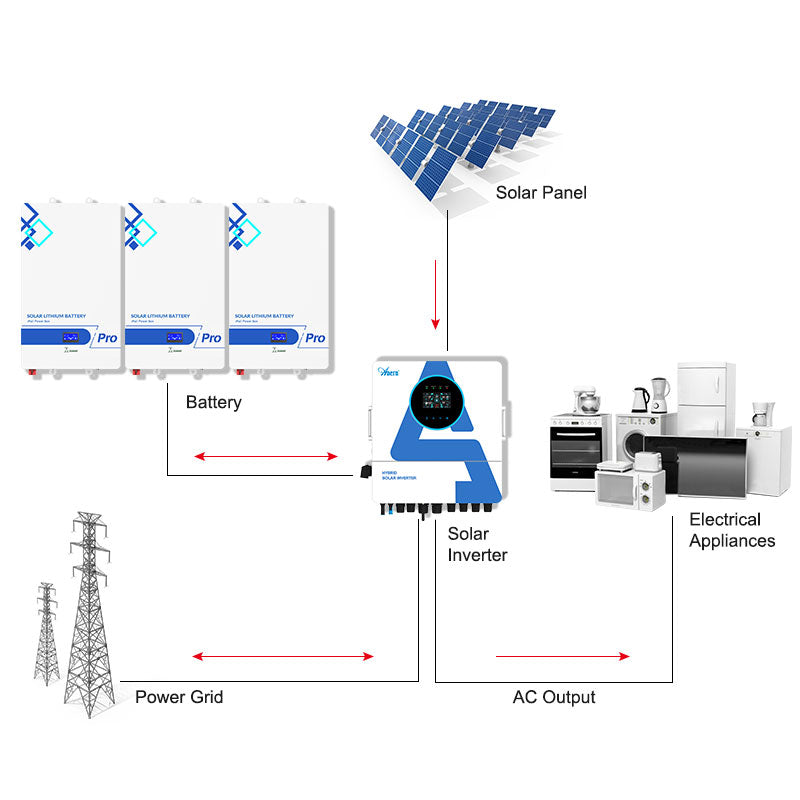
Building a robust solar drip irrigation system involves several critical components working in harmony. At the core are the solar panels, which convert sunlight into direct current (DC) electricity. This DC power then feeds into a solar inverter, converting it into alternating current (AC) to power the irrigation pump. These solar inverters are designed to efficiently manage power flow, ensuring the pump receives stable electricity.
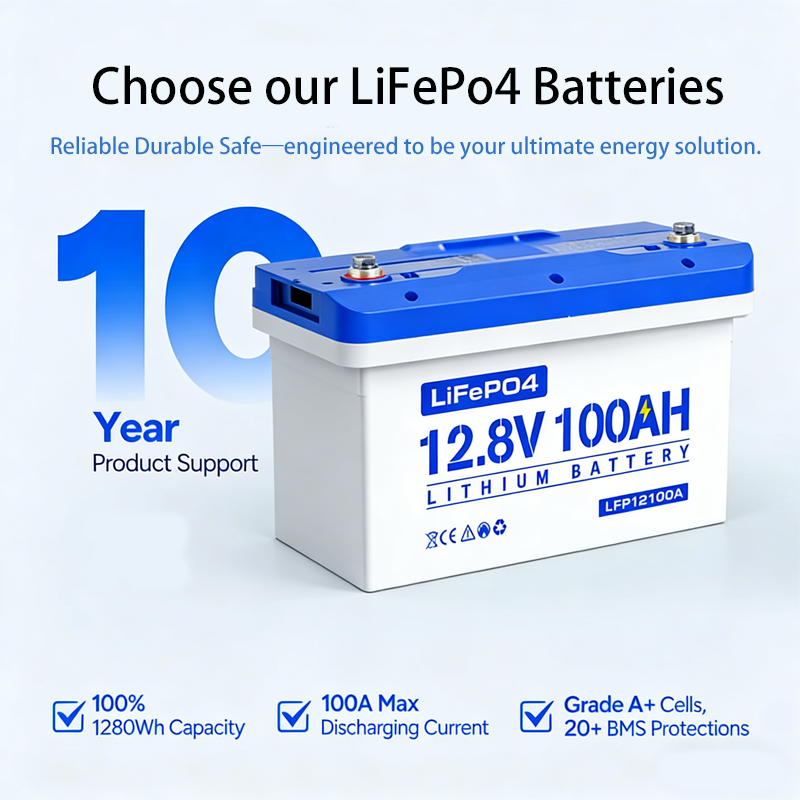
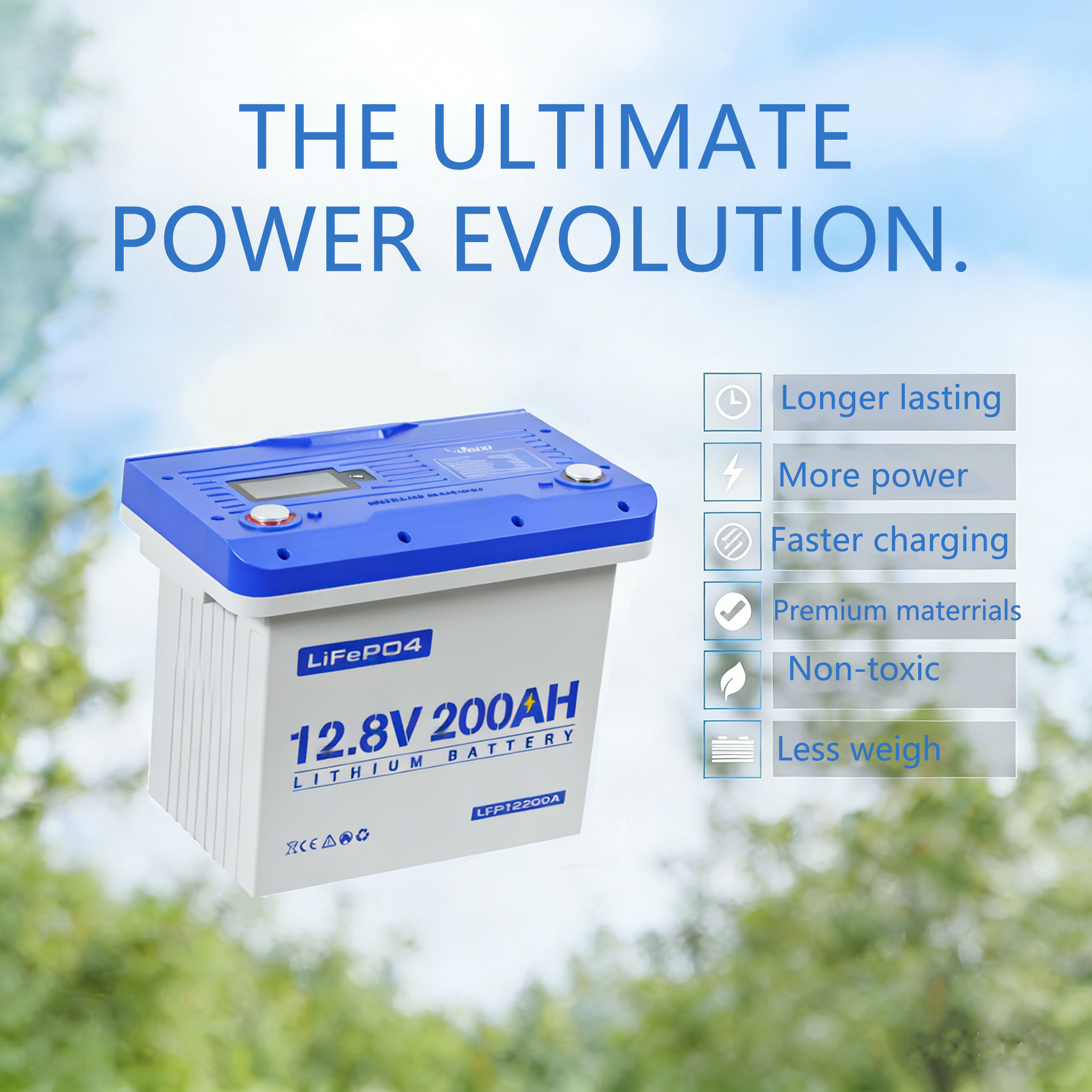
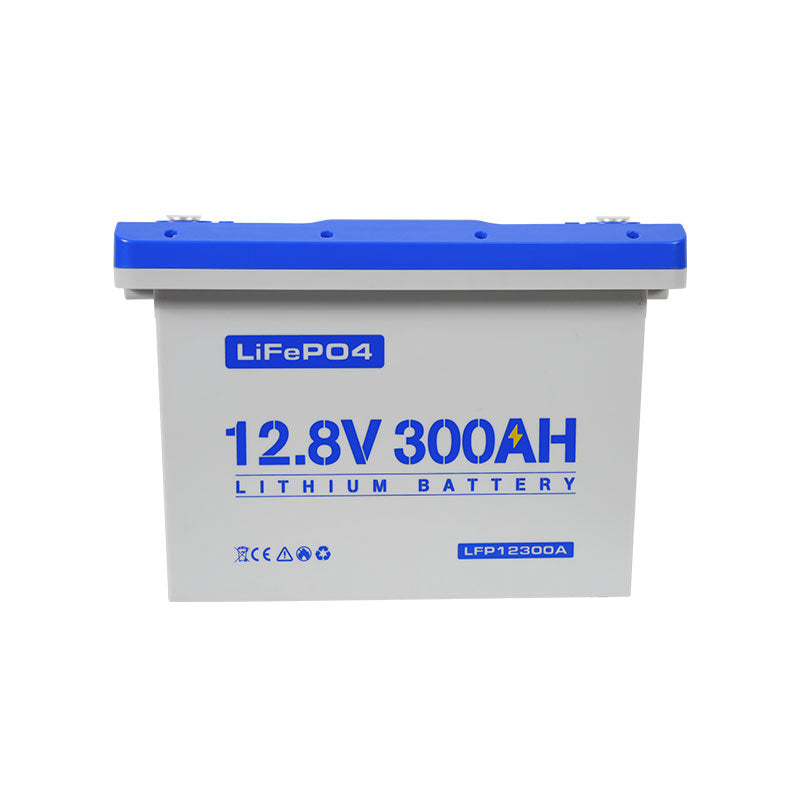
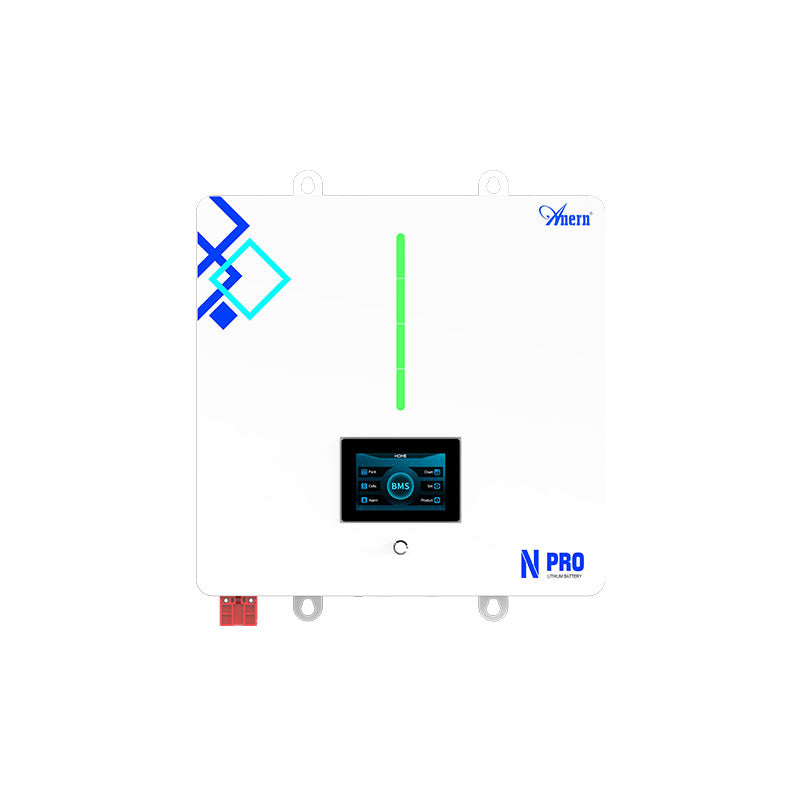
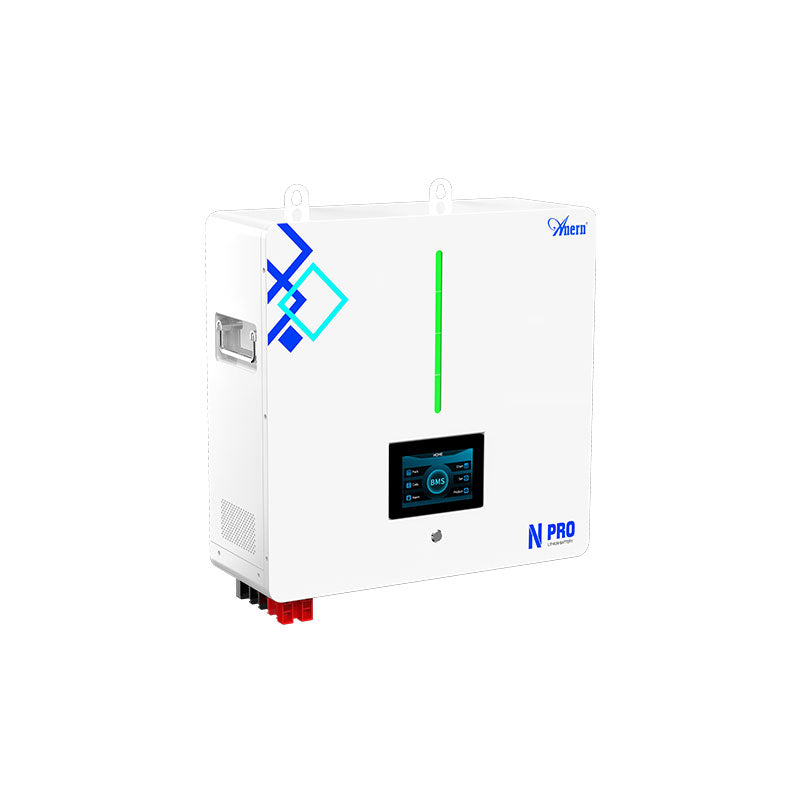
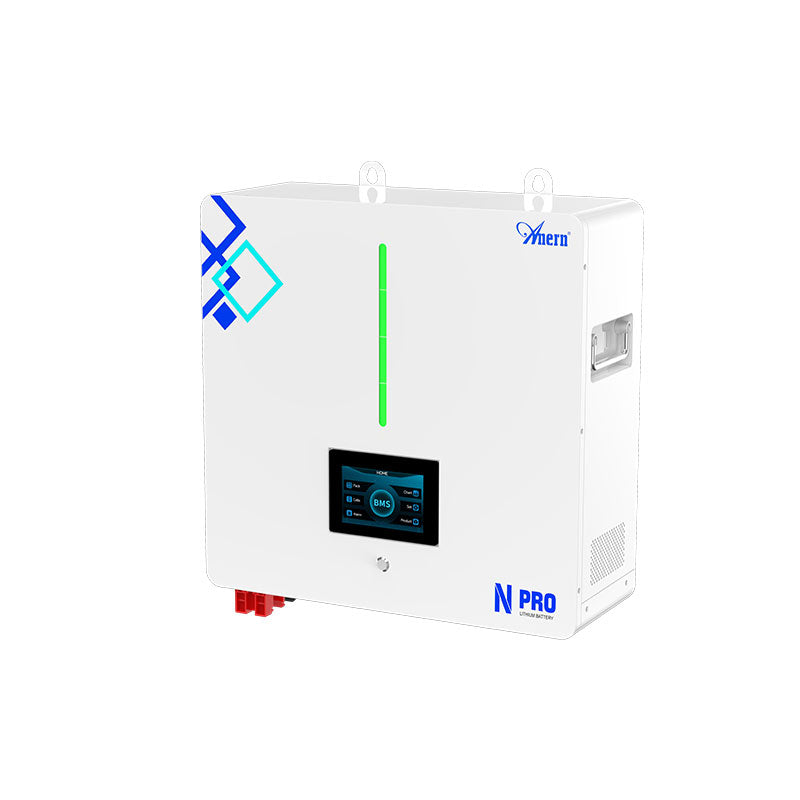
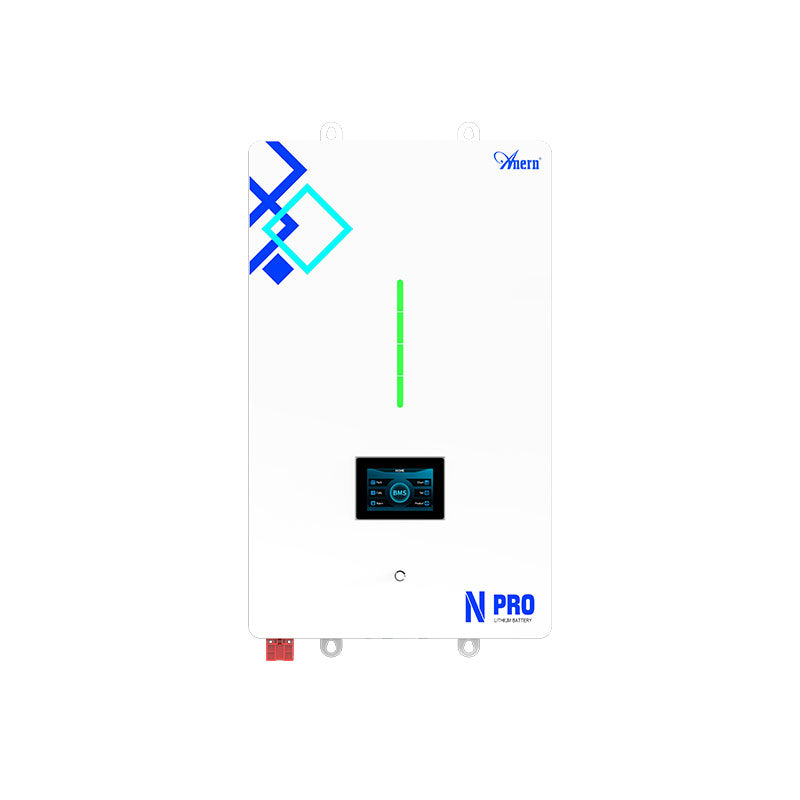
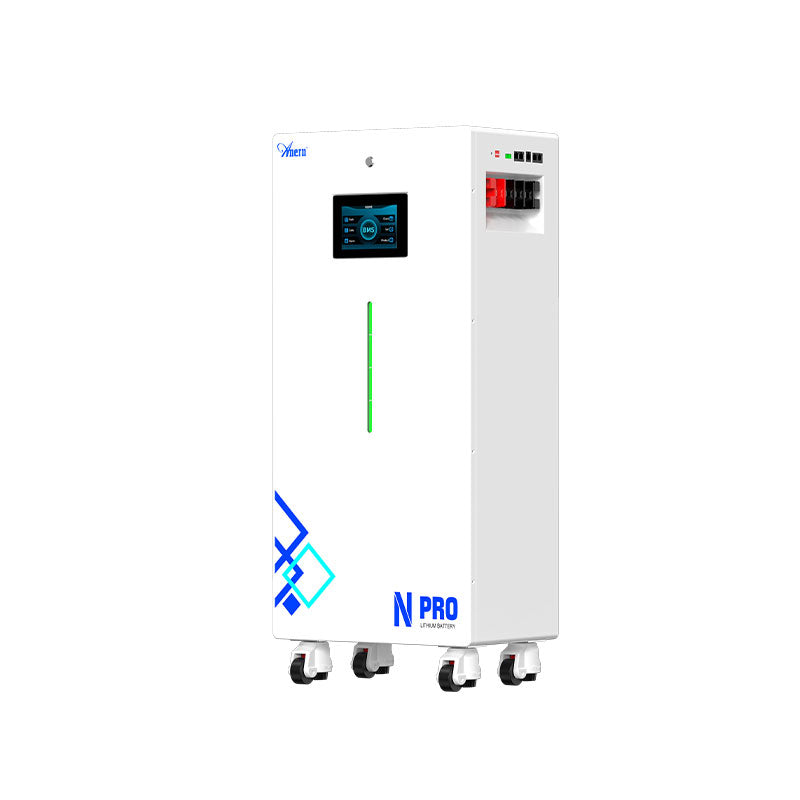
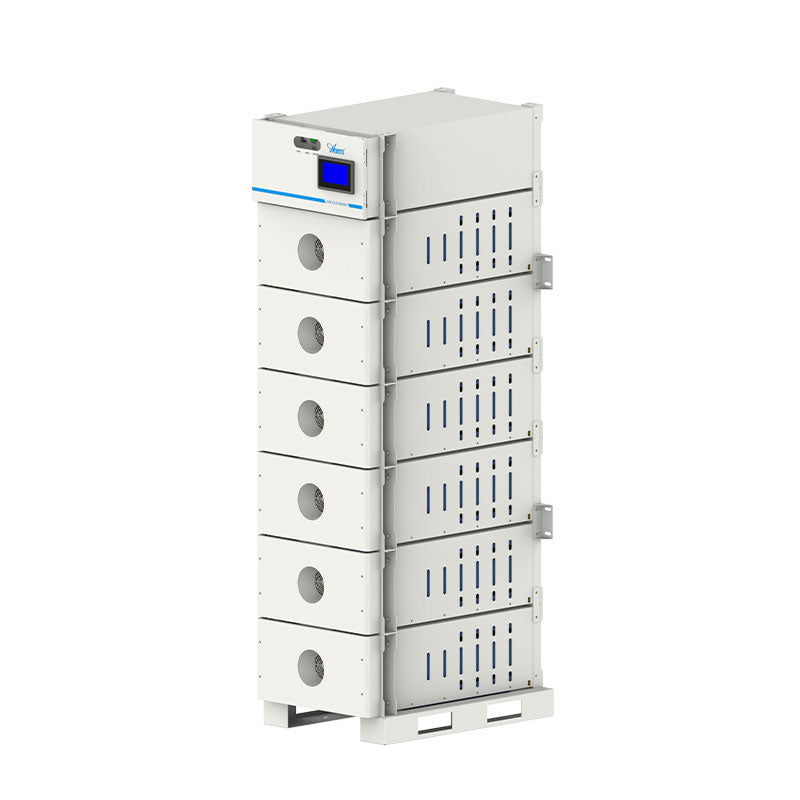
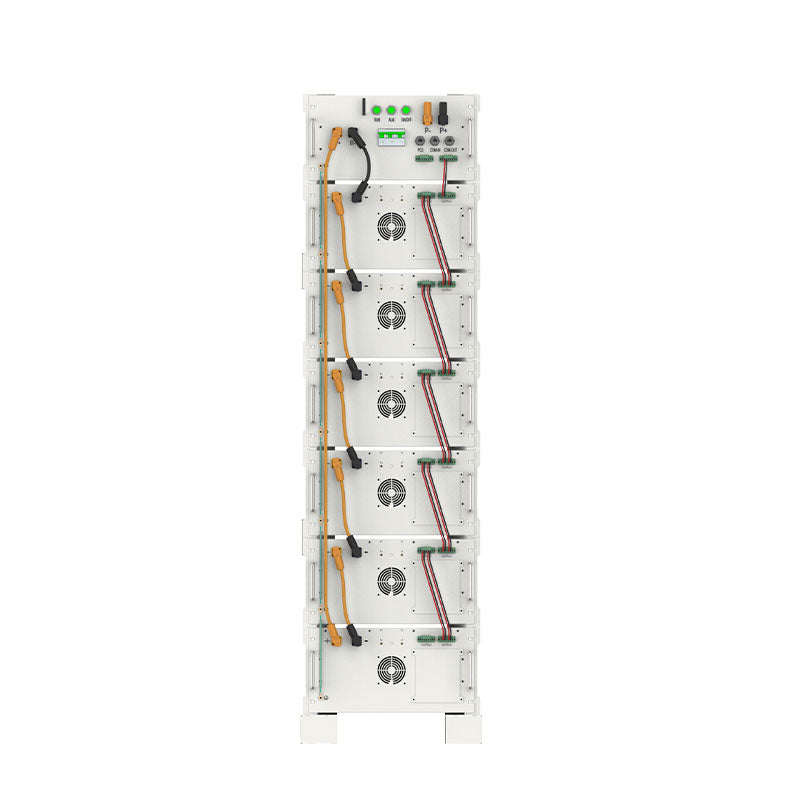
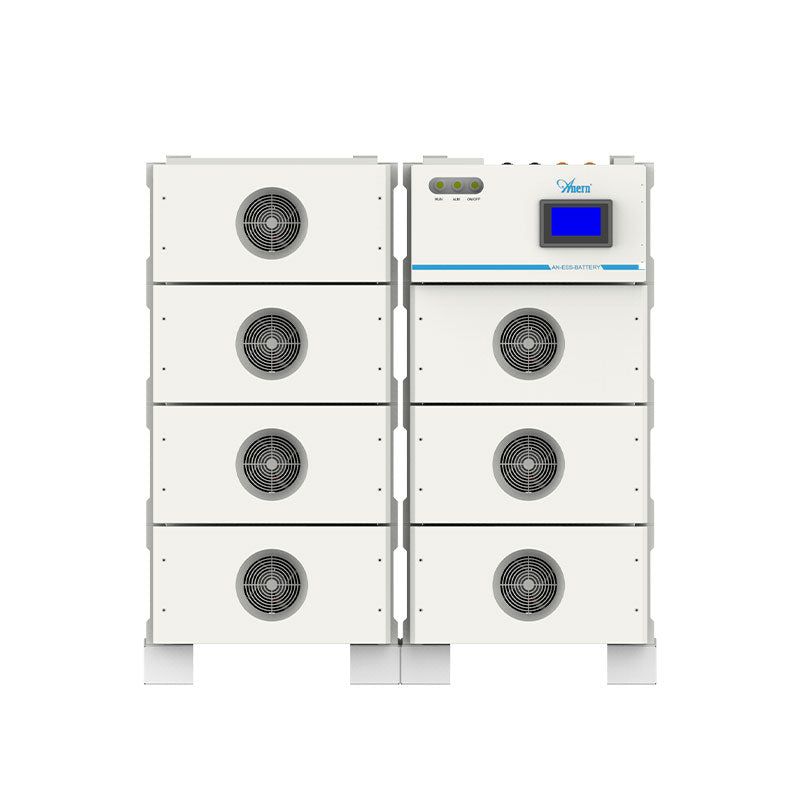
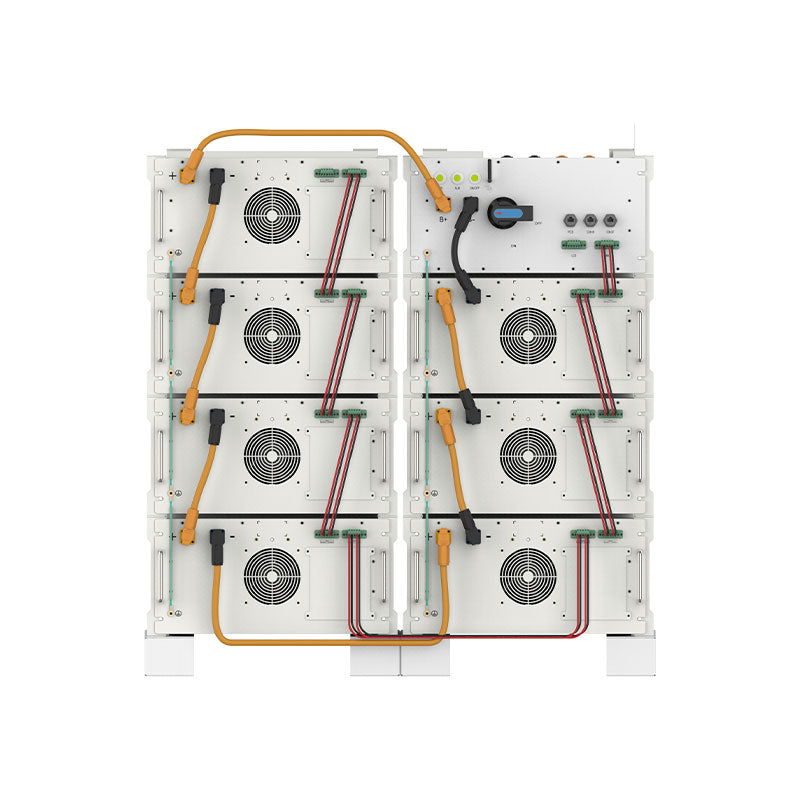
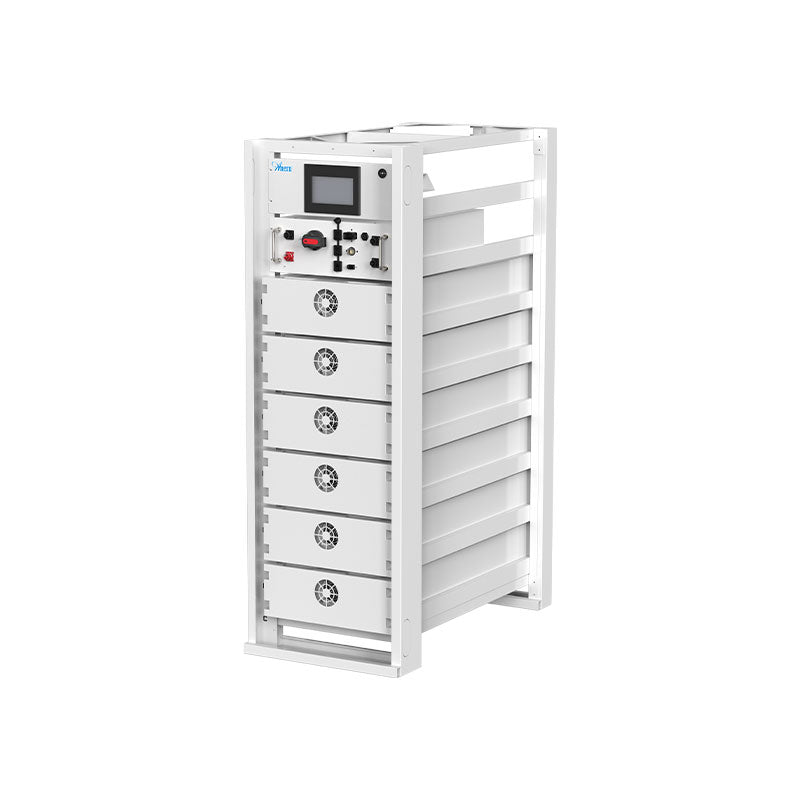
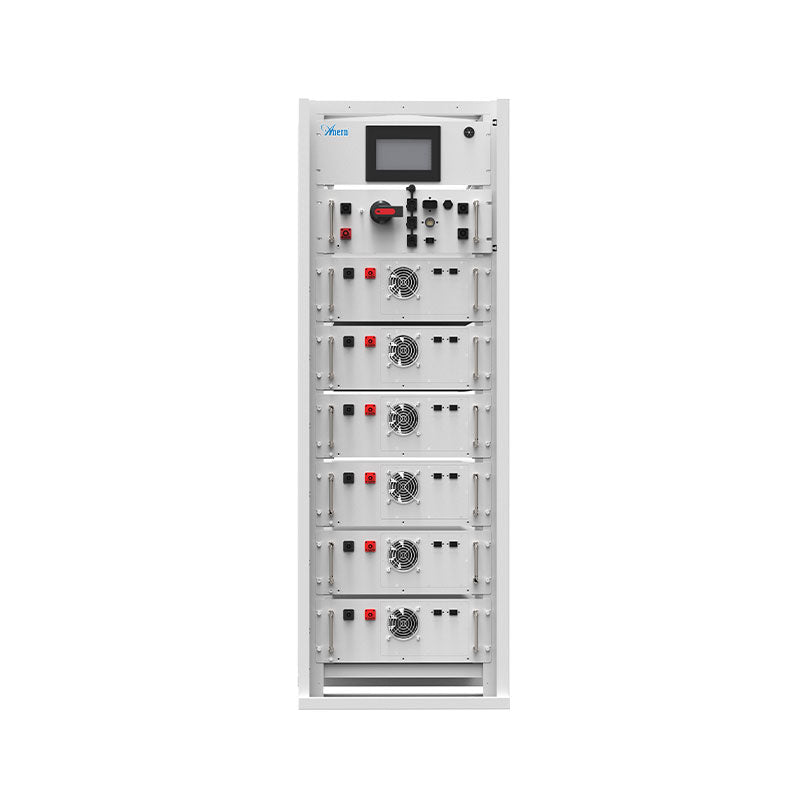
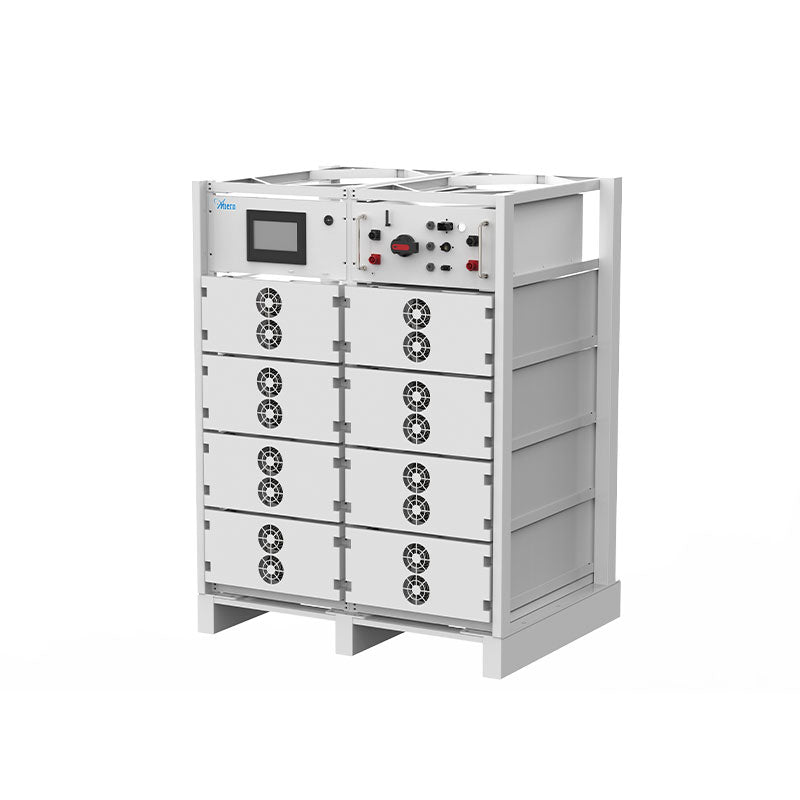
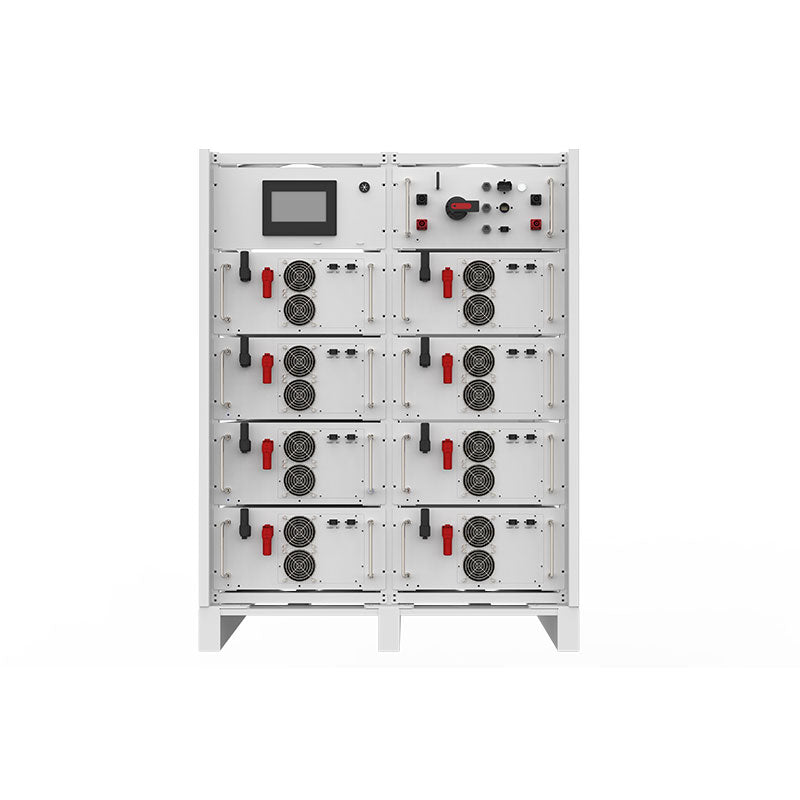
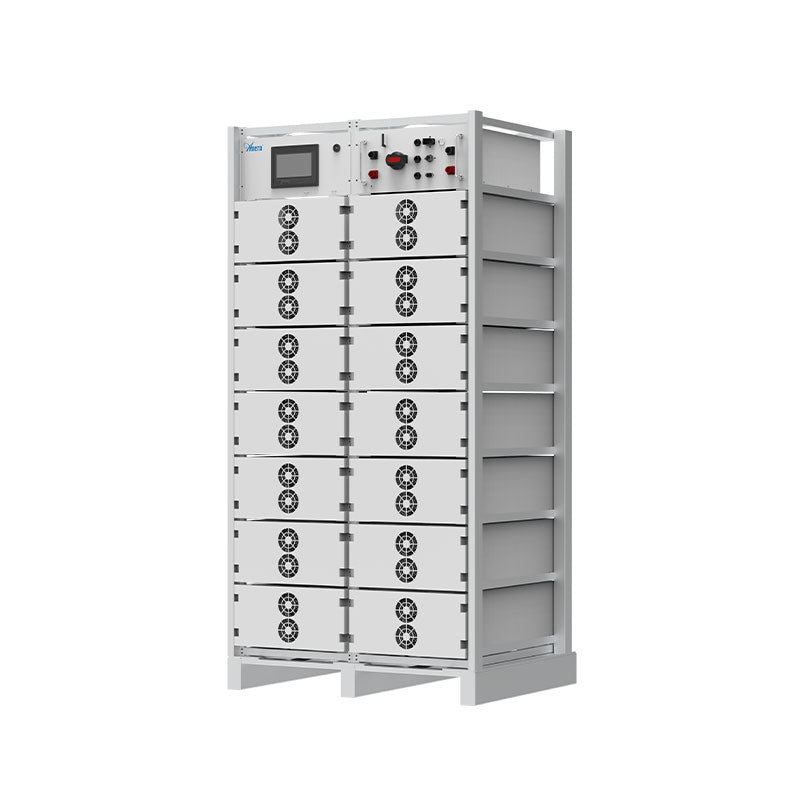
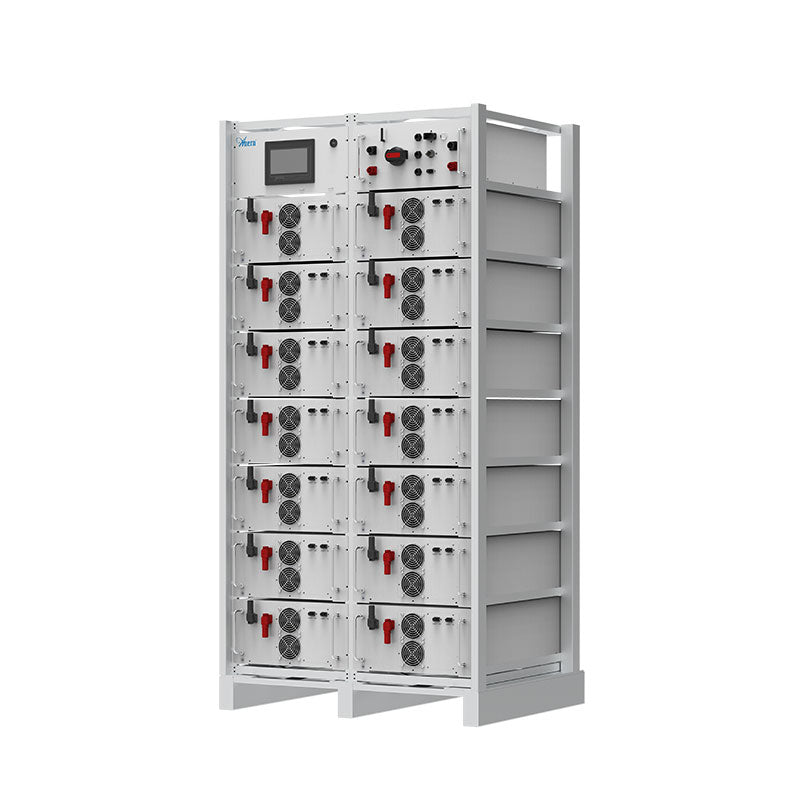
For consistent water supply, especially during cloudy periods or at night, integrating energy storage is vital. High-performance, safe, and reliable lithium iron phosphate (LiFePO4) batteries are an excellent choice for this purpose. These batteries store excess solar energy, ensuring that the irrigation pump can operate even when the sun is not shining. For comprehensive energy management, integrated home energy storage systems (ESS) combine lithium batteries with hybrid inverters and can integrate with solar panels, offering a complete solution for energy independence.
Off-grid solar solutions, featuring robust battery storage and efficient inverters, are particularly well-suited for farms, remote homesteads, and agricultural outposts lacking grid connectivity. These systems provide the necessary power to run not only irrigation pumps but also other farm equipment, such as small solar-powered agricultural insecticide sprayers which can operate with a 100 Wp solar system.
System Components Overview
| Component | Function | Benefits for Drip Irrigation |
|---|---|---|
| Solar Panels | Convert sunlight into electricity | Provide clean, free energy for pumping water |
| Solar Inverter | Converts DC power from panels to AC for pump | Ensures compatibility and efficient power delivery to the pump |
| Lithium Batteries (LiFePO4) | Store excess solar energy | Enable irrigation during non-sunny hours, reliable and long-lasting energy storage |
| Water Pump | Draws and pushes water through the system | Delivers water to the drip lines with adequate pressure |
| Drip Irrigation Network | Pipes, emitters, and filters | Delivers water precisely to plant roots, minimizing waste |
Beyond Water Savings: Broader Benefits and Future Prospects
The impact of solar drip irrigation extends far beyond mere water conservation. It fosters energy independence for agricultural communities, reducing their vulnerability to fluctuating fuel prices and unreliable electricity grids. This stability allows farmers to plan harvests more effectively and invest in the future of their land.
Regions facing fresh water shortages and possessing excellent direct solar resources offer many opportunities for this growing industry sector to be powered by solar, whether heat or electricity. The increasing efficiency and decreasing cost of solar technology make these solutions more accessible than ever. For instance, solar pumping for irrigation has demonstrated technical and economic viability, alongside the development of implementation frameworks and funding support mechanisms.
The success in Kenya serves as a powerful example of how integrated solar and energy storage solutions can drive sustainable development. By providing reliable and scalable energy solutions, farmers can achieve greater energy independence, contributing to more resilient food systems and improved livelihoods across arid regions.
A Path Forward for Sustainable Agriculture
The case of Kenya vividly illustrates the transformative power of solar-powered drip irrigation. Achieving a 60% reduction in water use is not just an impressive statistic; it represents a fundamental shift towards more sustainable and productive agriculture in challenging environments. The combination of efficient water delivery and clean, self-sufficient energy empowers communities to thrive, even where resources are scarce.
This approach offers a practical blueprint for other regions grappling with similar challenges. By embracing innovative solar and energy storage technologies, we can cultivate a future where water scarcity no longer limits agricultural potential, and communities achieve true energy and food independence.
Disclaimer: This content is for informational purposes only and does not constitute legal or investment advice.
