














Solar-powered drip irrigation systems offer a sustainable and efficient way to water crops, gardens, and landscapes, especially in remote areas without grid access. These systems rely on solar energy to power a pump, delivering water precisely where it is needed. A critical component in ensuring continuous operation, even after sunset or on cloudy days, is the energy storage unit: the battery. When selecting a battery for your solar drip pump, two primary technologies often come into consideration: lead-acid and lithium iron phosphate (LiFePO4) batteries. Understanding the differences between these options is vital for building a reliable and effective irrigation system.
Understanding Solar Drip Pump Systems
How Solar Drip Irrigation Works
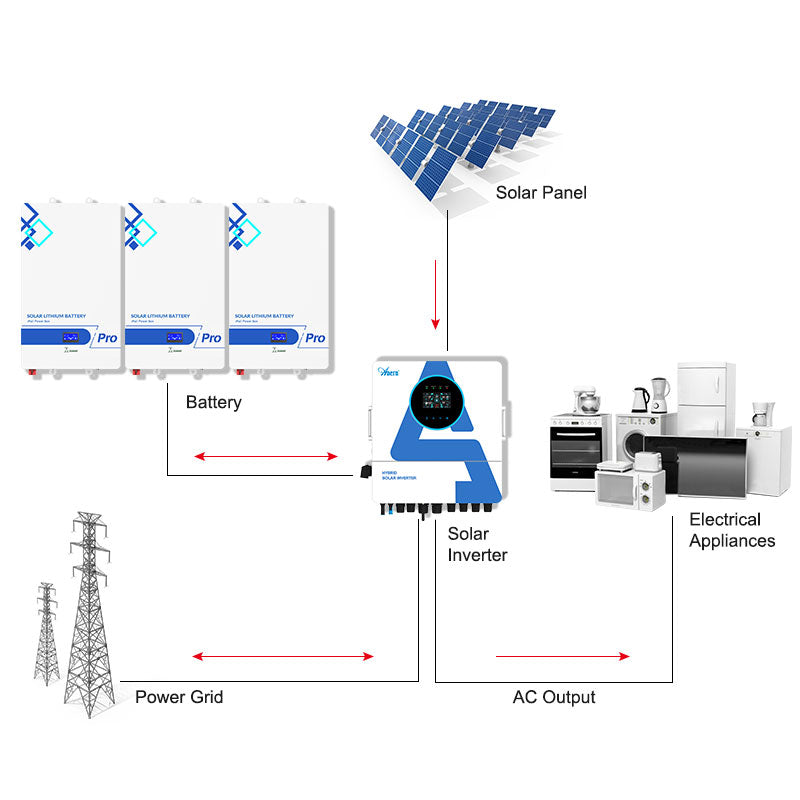
A typical solar drip irrigation system consists of several key components working in harmony. Solar panels convert sunlight into direct current (DC) electricity. This electricity powers a pump, which draws water from a source and delivers it through a network of drip lines to plants. A solar charge controller regulates the power flow from the panels to the battery, preventing overcharging. The battery stores excess energy generated by the panels, ensuring the pump can operate when sunlight is unavailable. An inverter may also be part of the system to convert DC power from the battery into alternating current (AC) for AC pumps, though many solar pumps operate on DC power directly.
The Crucial Role of Energy Storage
Energy storage is the backbone of any off-grid solar system. For solar drip pumps, batteries ensure consistent water delivery regardless of weather conditions or time of day. Without adequate battery storage, your pump would only function when the sun is shining directly on the panels. A well-chosen battery impacts the system’s overall efficiency, operational hours, and lifespan. It provides the necessary power buffer, allowing your irrigation system to maintain a steady watering schedule, which is crucial for plant health and yield.
Lead-Acid Batteries in Solar Applications
Overview and Common Types
Lead-acid batteries have been a long-standing choice for energy storage due to their established technology and lower initial cost. They come in several common types, including flooded lead-acid (FLA), absorbed glass mat (AGM), and gel batteries. FLA batteries require regular maintenance, such as checking and refilling water levels. AGM and gel batteries are sealed, offering a maintenance-free experience and greater flexibility in mounting positions. Lead-acid batteries have been used in various energy storage projects, including those for energy shifting and power smoothing, demonstrating their long-standing presence in the sector. For instance, a project involving 500 kilowatts (kW) of solar PV panels utilized both a 0.25 MW/1 MWh advanced lead-acid battery system for energy shifting and a 0.5 MW/0.35 MWh system for power smoothing.
Limitations and Challenges
While lead-acid batteries offer a lower upfront investment, they come with several limitations in solar drip pump applications. Their cycle life, or the number of charge-discharge cycles they can endure, is significantly lower compared to modern alternatives, especially when subjected to deep discharges. Deep discharging lead-acid batteries frequently can drastically shorten their lifespan. They also exhibit lower round-trip efficiency, typically ranging from 65% to 85%, meaning a notable portion of the energy put into them is lost during charging and discharging.,, This reduced efficiency translates to less usable energy for your pump and may require larger solar panel arrays to compensate. Additionally, lead-acid batteries are heavy, bulky, and can be sensitive to extreme temperatures, which impacts their performance and longevity. They also experience a higher self-discharge rate, losing charge even when not in use. Some studies have shown lead-acid batteries experiencing a loss of energy capacity of up to 36% after four years of operation, primarily due to calendar aging.

LiFePO4 Batteries for Solar Drip Pumps
Advantages for Solar Drip Irrigation
Lithium iron phosphate (LiFePO4) batteries represent a significant advancement in energy storage technology, offering compelling advantages for solar drip pump systems. One of their most notable benefits is their exceptionally long cycle life, often thousands of cycles, even with deep discharges of 80-90% or more. This capability ensures a much longer operational lifespan for your irrigation system compared to lead-acid options. LiFePO4 batteries boast a high round-trip efficiency, typically around 95% or higher, significantly reducing energy waste during charging and discharging.,, This means more of the solar energy captured by your panels is available to power your pump, leading to greater system efficiency. According to the International Renewable Energy Agency (IRENA), lithium-ion batteries, including LiFePO4, are valued for their durability and safety in smoothing applications, having been successfully used in various locations.
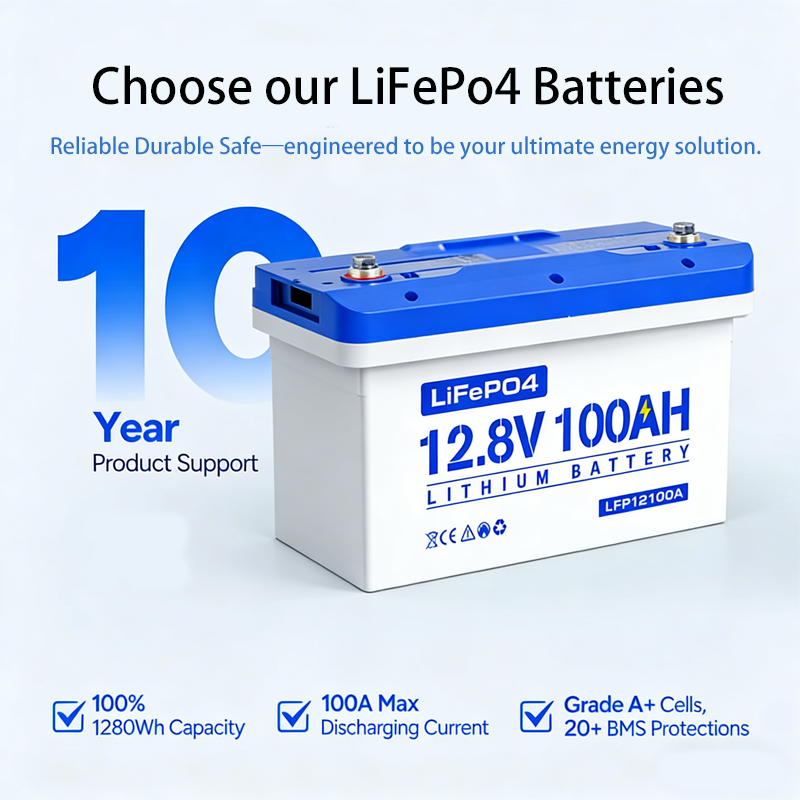
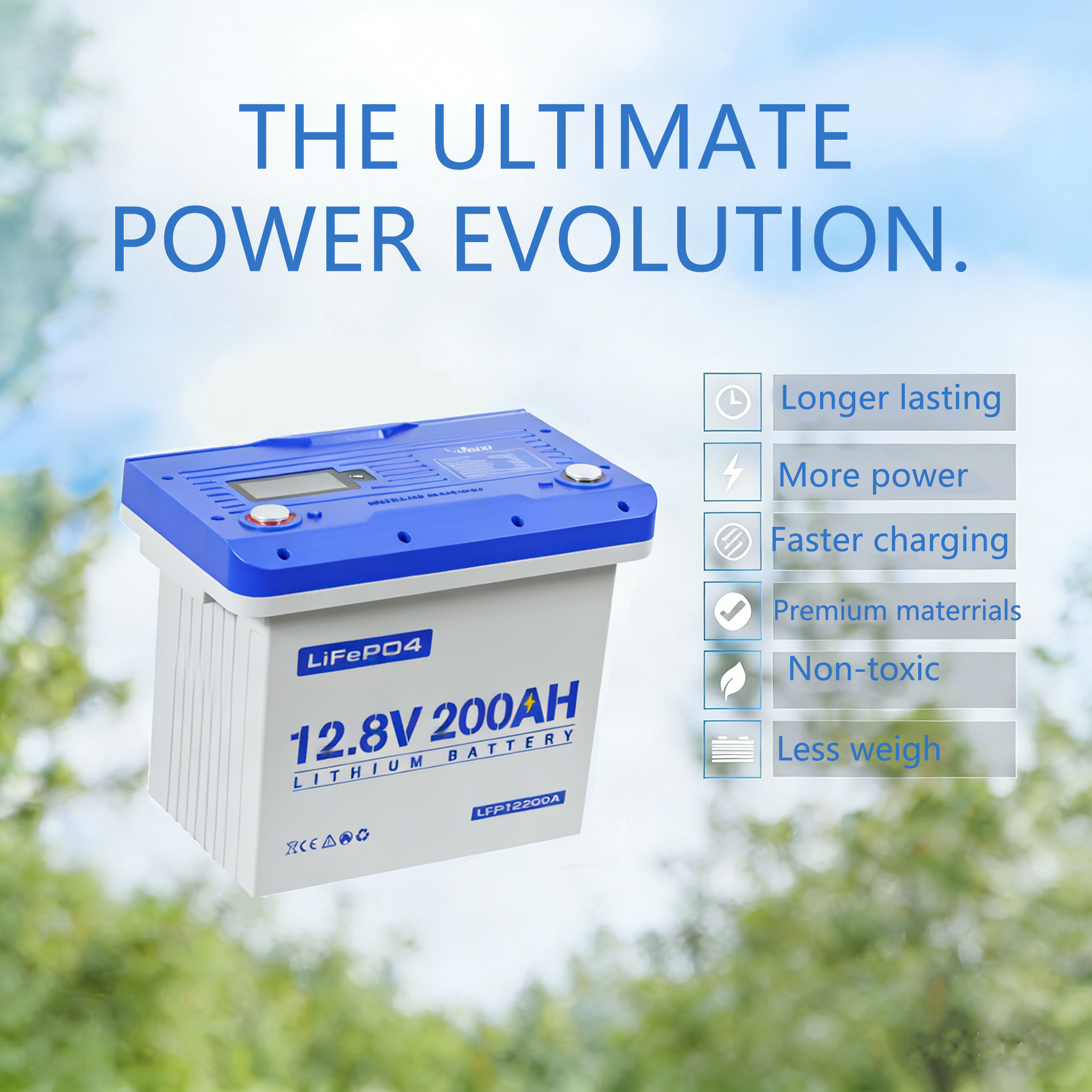
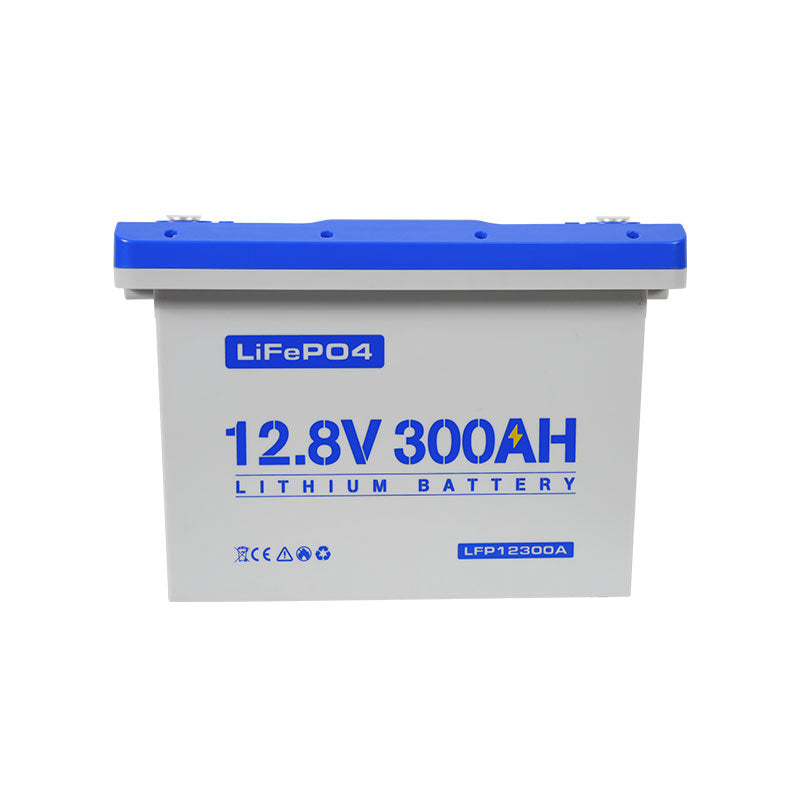
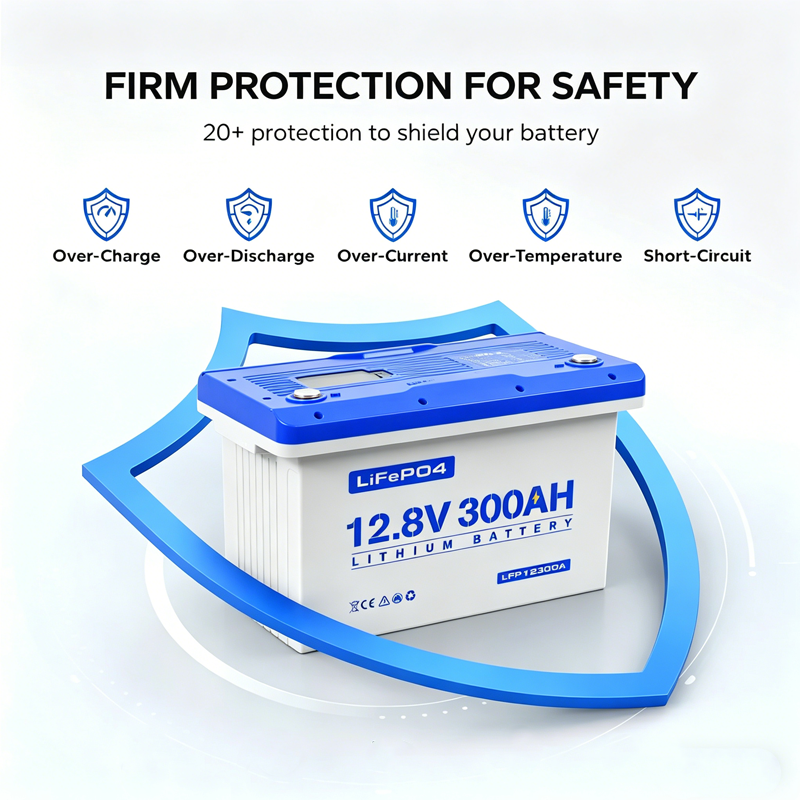
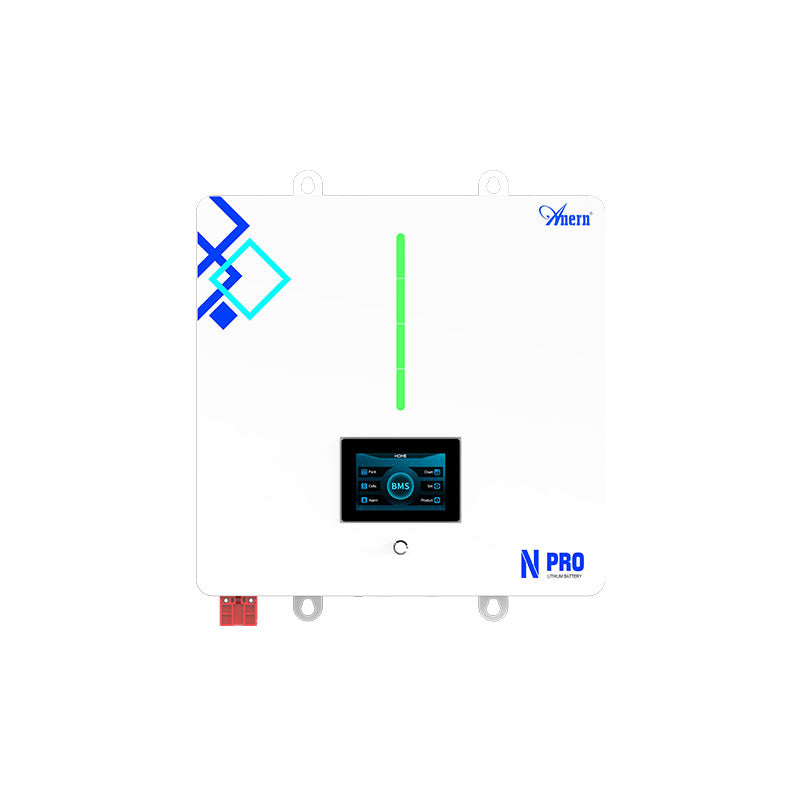
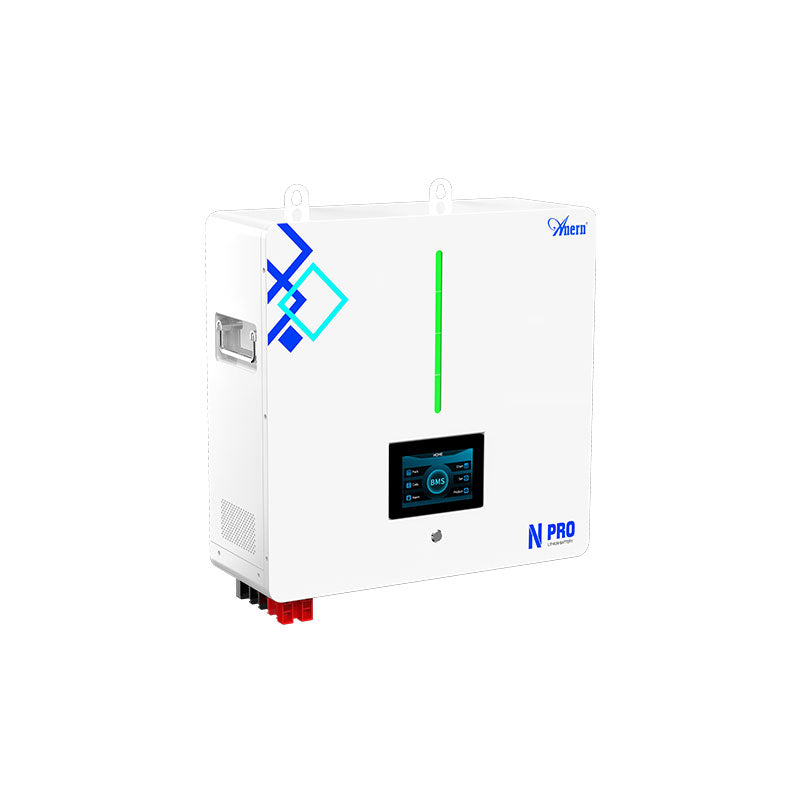
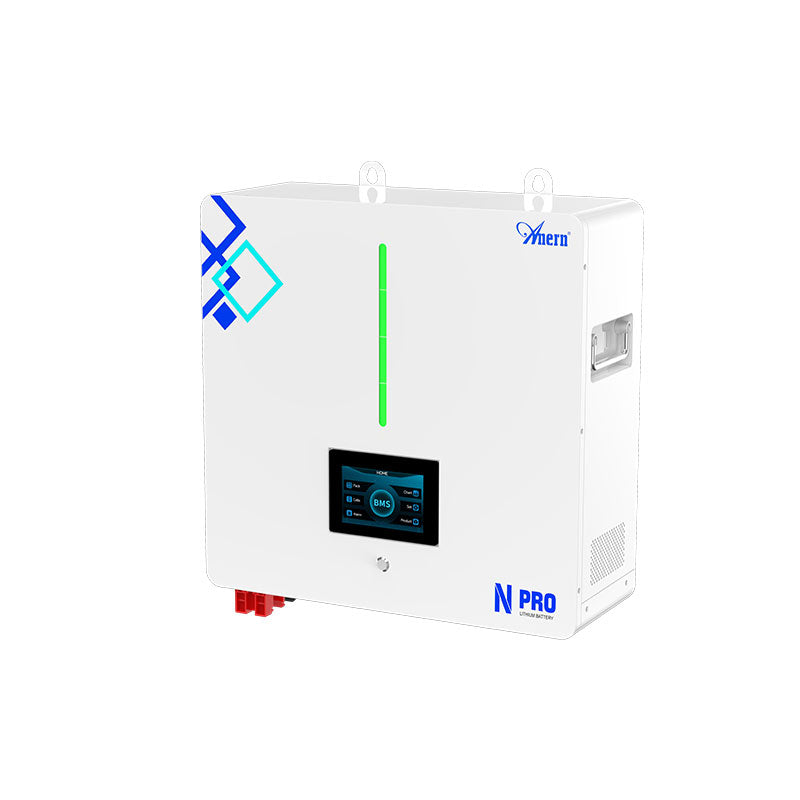
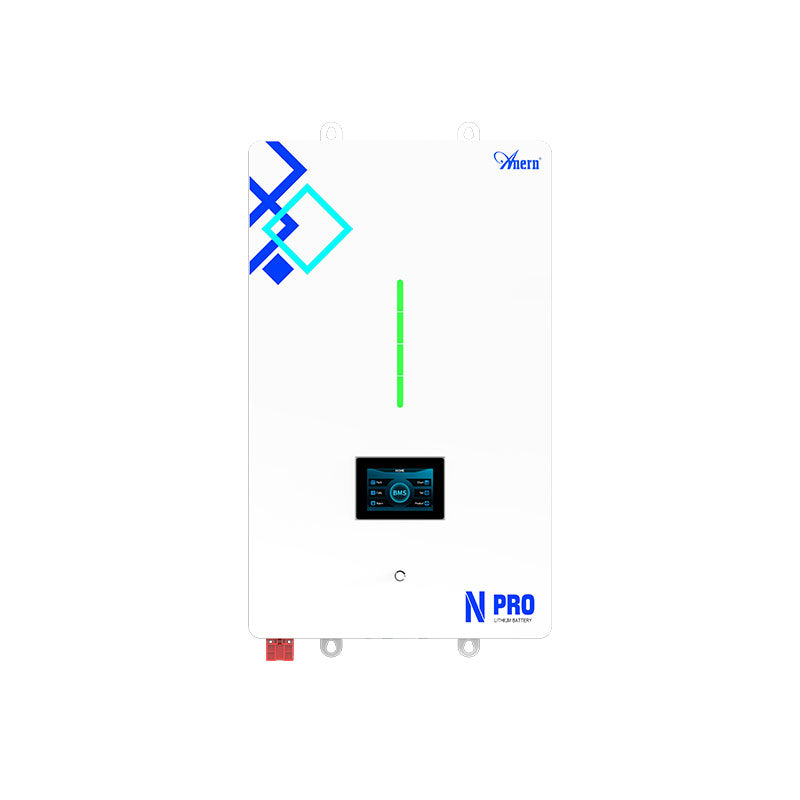
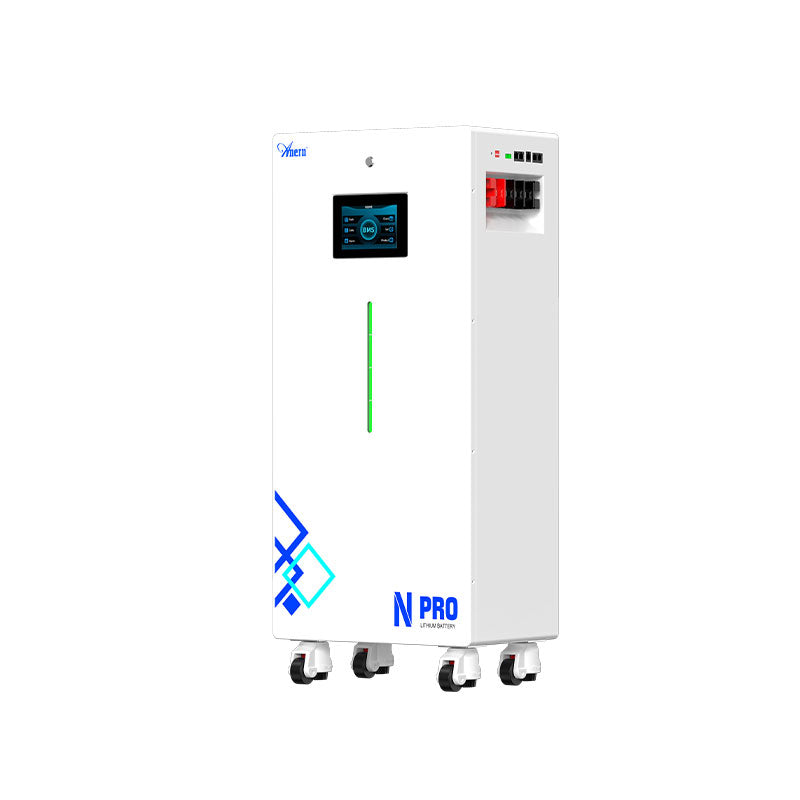
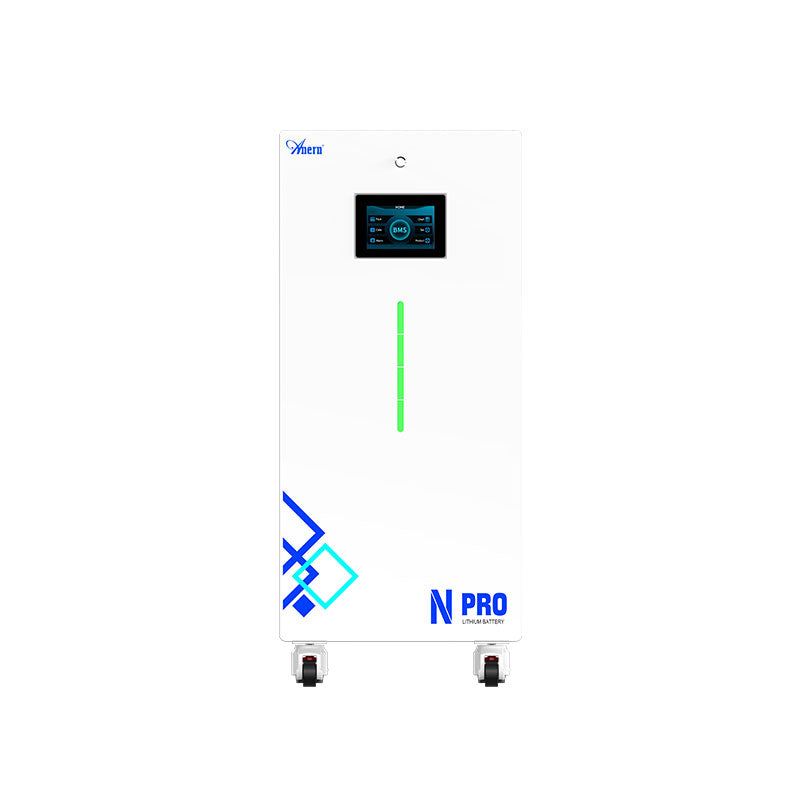
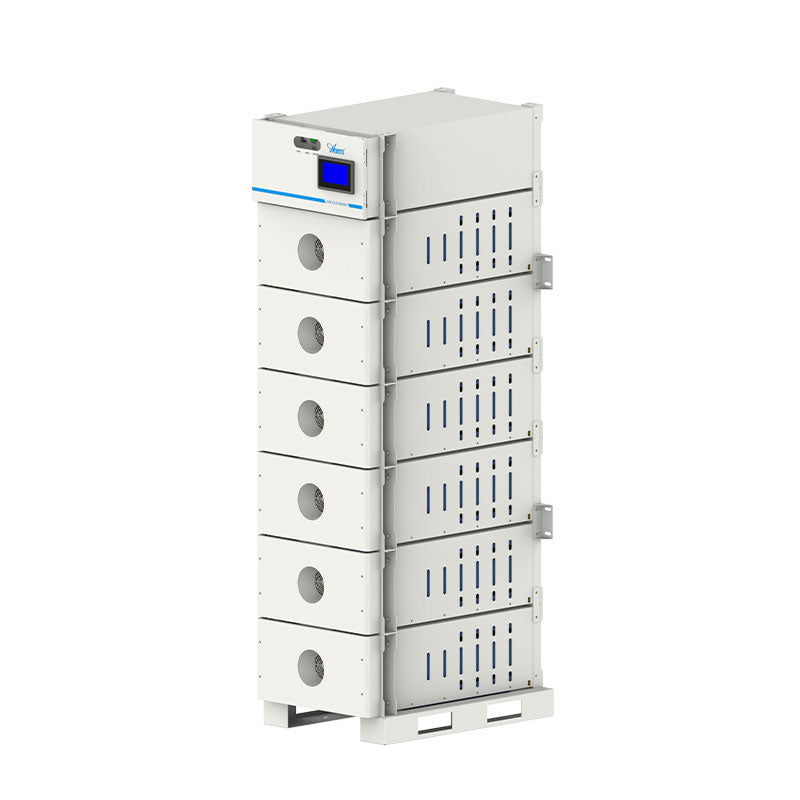
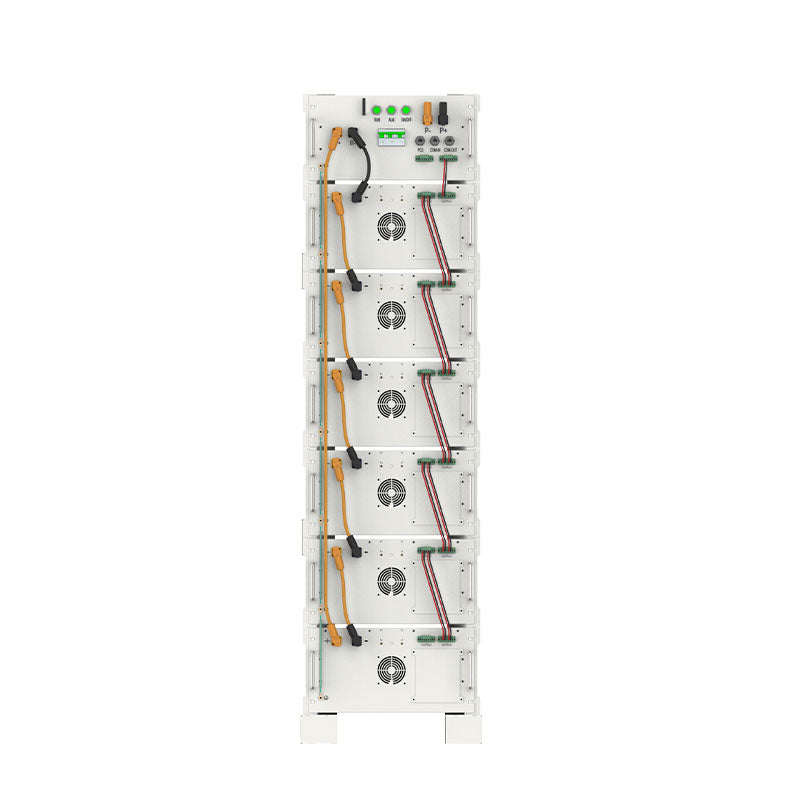
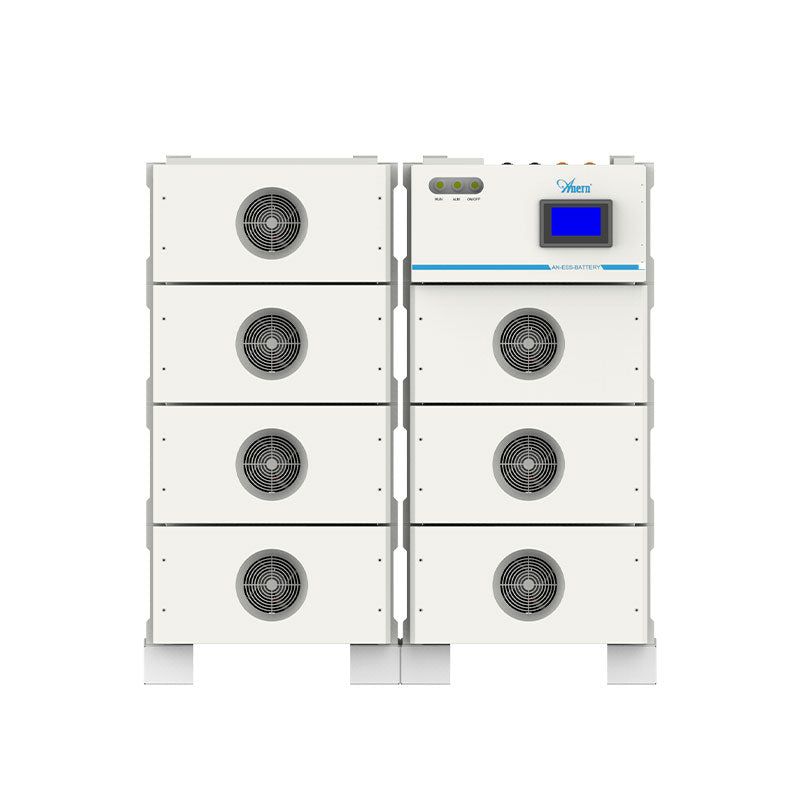
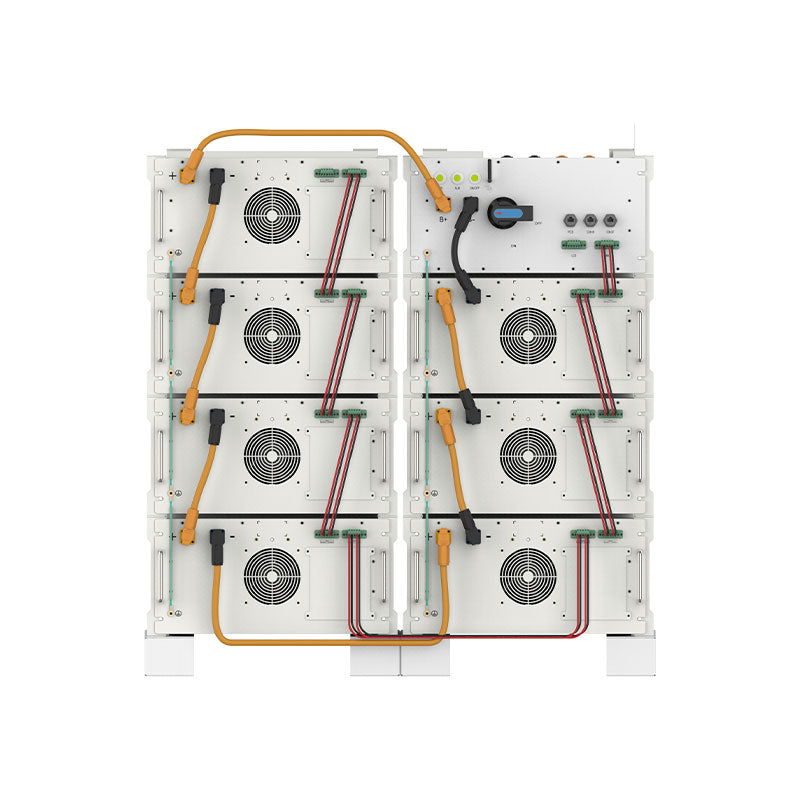
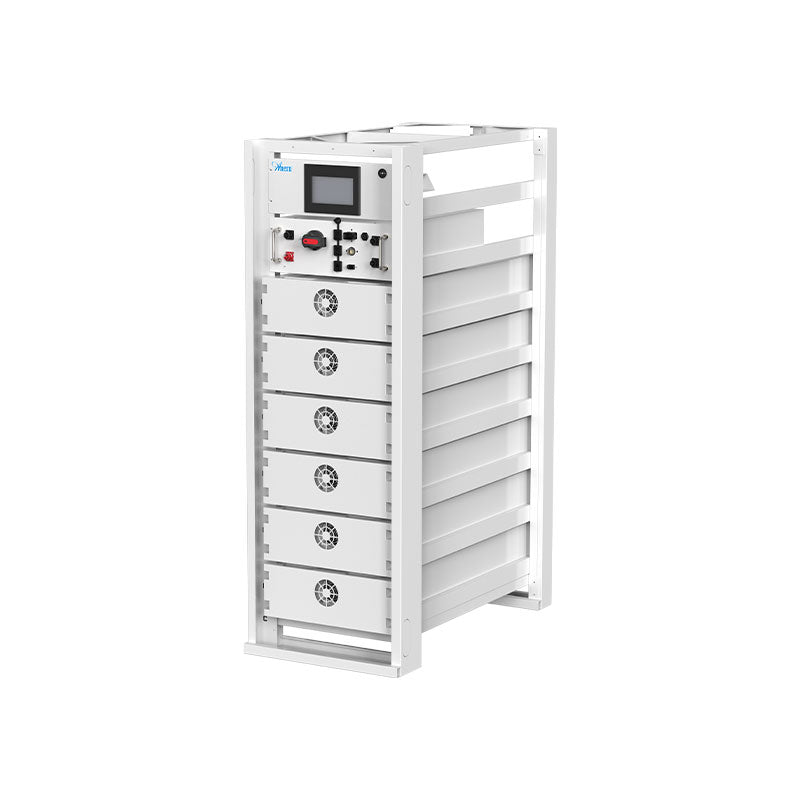
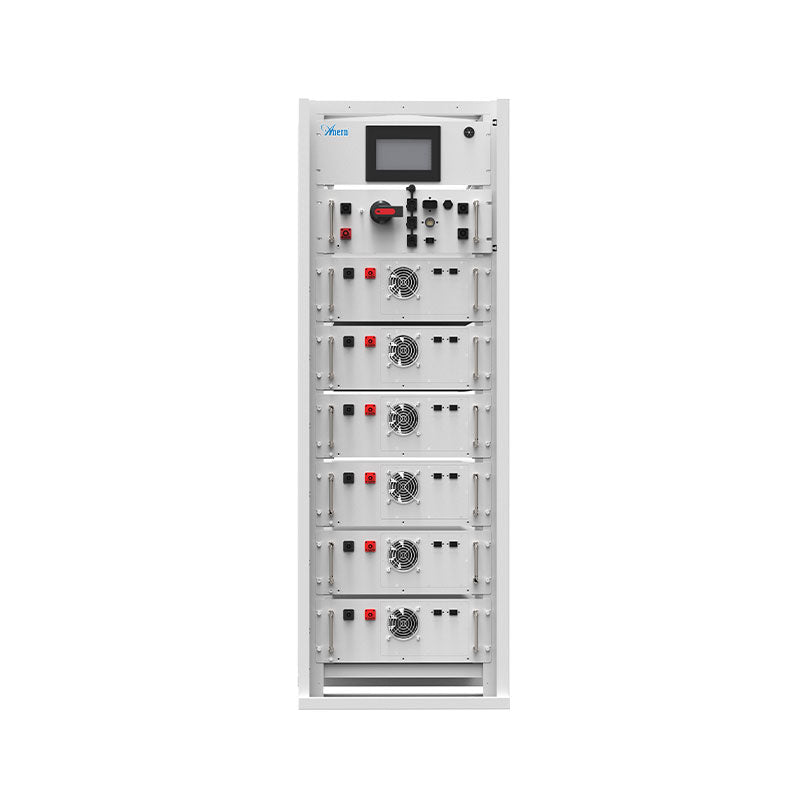
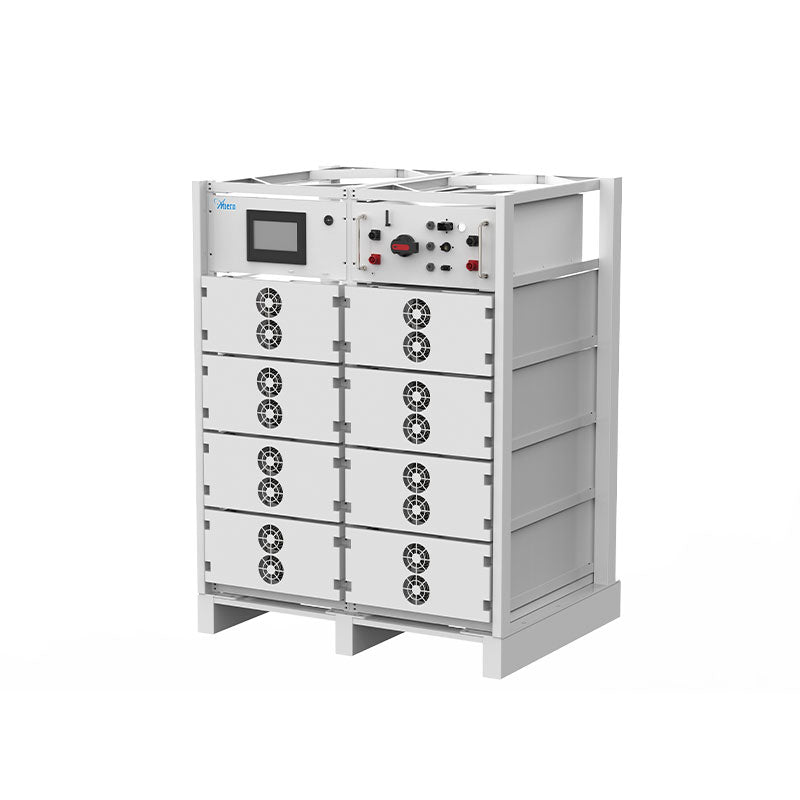
Furthermore, LiFePO4 batteries are considerably lighter and more compact than lead-acid equivalents, simplifying installation and reducing space requirements. They have a very low self-discharge rate, losing only about 2-3% of their charge per month when idle. They also perform well across a wider range of temperatures, maintaining efficiency in diverse climates. Safety is another key advantage; LiFePO4 chemistry is inherently stable and less prone to thermal runaway, providing peace of mind. These batteries are virtually maintenance-free, eliminating the need for regular water top-ups or specific ventilation, making them an ideal "set and forget" solution for remote irrigation sites. Our company focuses on manufacturing high-performance, safe, and reliable LiFePO4 batteries, designed to provide dependable power for various applications, including off-grid solar solutions for homes, farms, and cabins.
Addressing Initial Investment
While the upfront cost of LiFePO4 batteries is generally higher than lead-acid batteries, it is essential to consider the total cost of ownership (TCO). Due to their superior cycle life, higher efficiency, and longer lifespan, LiFePO4 batteries often prove to be more economical over the long term. You will replace LiFePO4 batteries far less frequently, if at all, during the lifespan of your solar drip pump system, offsetting the initial investment through reduced replacement costs and consistent performance.
Performance Comparison: LiFePO4 vs. Lead-Acid
Key Metrics and Practical Implications
Comparing LiFePO4 and lead-acid batteries across key performance metrics reveals why LiFePO4 is increasingly preferred for demanding solar applications like drip irrigation. The table below summarizes these differences:
| Feature | Lead-Acid Batteries | LiFePO4 Batteries |
|---|---|---|
| Cycle Life (approx.) | 300 - 1,500 cycles (depending on DoD) | 2,000 - 10,000+ cycles |
| Depth of Discharge (DoD) | 50% - 80% recommended maximum | 80% - 100% regularly achievable |
| Round-Trip Efficiency | 65% - 85%,, | 95% - 99%,, |
| Lifespan | 2 - 5 years | 10 - 15+ years |
| Weight & Size | Heavy and bulky | Lightweight and compact |
| Maintenance | Regular (FLA), Low (AGM/Gel) | Virtually none |
| Self-Discharge Rate | Higher (5-10% per month) | Very Low (2-3% per month) |
| Temperature Tolerance | More sensitive to extremes | Wider operating range |
| Initial Cost | Lower | Higher |
| Total Cost of Ownership (TCO) | Higher (due to replacements) | Lower (due to longevity) |
These metrics have direct practical implications for your solar drip pump. A higher cycle life and DoD for LiFePO4 batteries mean more consistent water delivery over many years without performance degradation. The superior efficiency translates to less wasted solar energy, potentially allowing you to size your solar panel array more optimally. Furthermore, the lighter weight and maintenance-free nature simplify installation and reduce operational headaches, especially for systems in remote or hard-to-reach locations.
Real-World Scenarios
Consider a small farm relying on a solar drip pump for daily crop irrigation. With lead-acid batteries, the farmer might experience reduced watering times on cloudy days or need to replace batteries every few years. This leads to downtime and additional expenses. In contrast, a system powered by LiFePO4 batteries would ensure consistent irrigation, even during periods of low sunlight, and require minimal intervention for over a decade. This reliability translates directly to better crop health, higher yields, and greater peace of mind for the farmer. Our integrated home energy storage systems, which combine high-performance lithium batteries with hybrid inverters and solar panels, exemplify the type of reliable and scalable energy solution that delivers energy independence.
Selecting the Right Battery for Your System
Factors to Consider
Choosing the ideal battery for your solar drip pump involves weighing several factors. Your budget, both initial and long-term, plays a significant role. Assess the required system size and daily energy needs of your pump. Consider the climate conditions where the system will operate, as temperature impacts battery performance. Your willingness and ability to perform regular maintenance are also important. Ultimately, align your choice with the desired lifespan of your irrigation system and any space constraints you may have.
Maximizing System Efficiency
Beyond battery selection, maximizing your solar drip pump system's efficiency involves selecting a high-quality solar inverter that effectively converts power for your pump. A well-designed system, with components that work seamlessly together, ensures optimal performance. Our company specializes in developing integrated energy storage systems and off-grid solar solutions that offer reliable and scalable energy, helping customers achieve greater energy independence. We provide solar inverters designed to efficiently convert DC power, ensuring your pump receives stable and consistent energy.
Achieving Sustainable Irrigation
The choice between LiFePO4 and lead-acid batteries for your solar drip pump system is a decision with long-term implications for performance, cost, and convenience. While lead-acid batteries offer a lower initial entry point, LiFePO4 technology provides superior efficiency, a significantly longer lifespan, and virtually no maintenance, resulting in a lower total cost of ownership and enhanced reliability. Investing in the right battery ensures your solar-powered drip irrigation system delivers consistent water, supports healthy growth, and contributes to sustainable agricultural practices for years to come.
