














Adopting solar power for agricultural needs is a forward-thinking move toward sustainability and energy independence. For farms utilizing drip irrigation, a solar-powered system offers a reliable and cost-effective water delivery solution. A primary question for many is determining the correct size of the solar array needed to power a drip irrigation system for a one-acre plot. This involves several factors, from the power of your pump to your geographical location.

Key Factors in Sizing Your Solar Array
Precisely sizing a solar array is critical for the efficiency and reliability of your irrigation system. An undersized array will fail to power your pump adequately, while an oversized one means unnecessary initial investment. Here are the core components to consider.
Calculating Your Water Pump's Power Needs
The heart of your irrigation system is the water pump. Its power consumption is the most significant factor in determining your solar array's size. Pump power is measured in horsepower (HP) or watts (W). For reference, 1 HP is equivalent to approximately 746 watts. However, due to factors like motor efficiency and the pump's hydraulic performance, the actual power draw can be higher. For instance, a 1 HP pump might realistically require 1,000-1,200 watts from solar panels to operate effectively, depending on its design and operating conditions. According to the U.S. Department of Energy, pump system efficiency can vary widely, making it crucial to check the manufacturer's data sheet for the exact power consumption in watts.
To find your pump's power requirement, check its specification label or manual. This figure, in watts, is your starting point for all subsequent calculations.
Determining Daily Water Requirements
The amount of water your crops need daily directly influences how long the pump must run. This, in turn, affects the total energy consumption. Factors that determine daily water needs include:
- Crop Type: Different plants have varying water requirements. For example, water-intensive crops like sugarcane might need 20,000 to 40,000 liters per acre.
- Climate and Soil Type: Hot, arid climates and sandy soils lead to higher evaporation and water absorption rates, increasing water demand.
- Drip System Efficiency: Drip irrigation is highly efficient, delivering water directly to the plant roots. The flow rate of your emitters (measured in gallons or liters per hour) and their spacing will determine the system's overall water output.
Once you estimate your total daily water volume, you can calculate the required pump runtime. For example, if you need 10,000 liters per day and your pump moves 2,000 liters per hour, it must run for 5 hours.
Assessing Solar Irradiance at Your Location
Solar irradiance is the amount of solar power hitting a specific area, measured in watts per square meter (W/m²). It's a critical variable because the power output of a solar panel is directly proportional to the intensity of sunlight it receives. Your geographic location determines the average number of "peak sun hours" per day—the equivalent number of hours when the sun's intensity is at its maximum (1000 W/m²).
How to Find Your Local Peak Sun Hours
To get an accurate estimate, you must use local data. Instead of guessing, you can use professional tools and public databases:
- NREL PVWatts® Calculator: The National Renewable Energy Laboratory (NREL) offers this free online tool. Simply enter your address, and it will provide monthly solar radiation data, which you can average to find the peak sun hours for your growing season.
- National Weather Services: Many countries' meteorological agencies provide historical solar irradiance data. Check your national or regional weather service's website.
Using local data is essential. For example, a location in Arizona might average 6.5 peak sun hours, while a location in the Northeast might only average 4.5. This difference will significantly change the required array size.
Designing the Complete Solar Powered Irrigation System
A solar-powered irrigation setup is more than just panels and a pump. Each component must be correctly matched to ensure a functional and durable system.
The Core Components
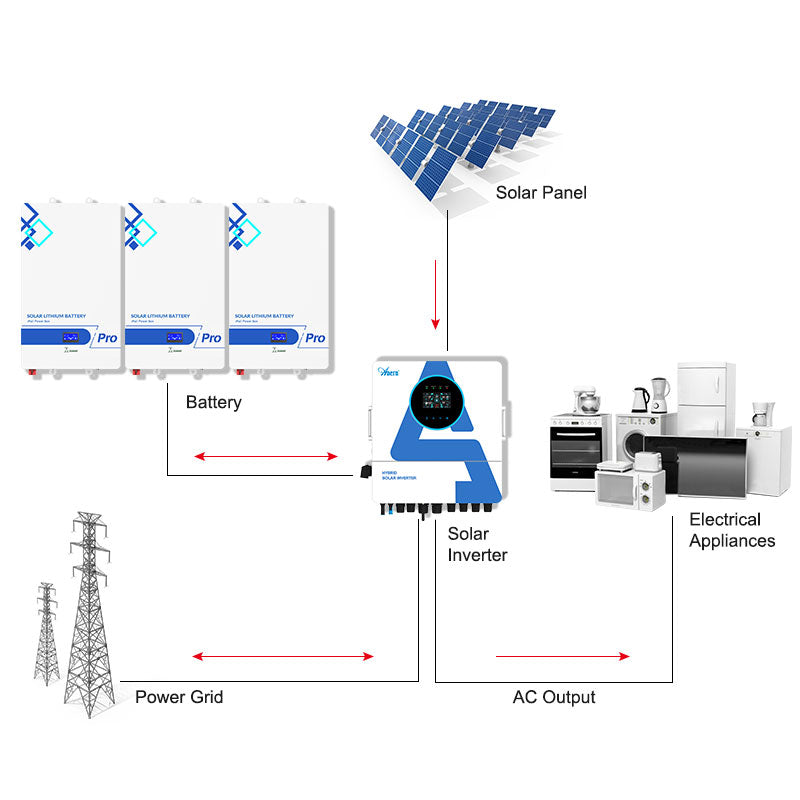
A typical solar irrigation system includes several key parts working in unison:
- Solar Panels (PV Array): These capture sunlight and convert it into direct current (DC) electricity. The number and wattage of panels are determined by your pump's energy needs and local sun hours.
- Water Pump: This can be a submersible pump for deep wells or a surface pump for shallow sources like ponds or rivers. The choice depends on your water source's depth.
- Pump Controller/Inverter: This device manages the power from the panels to the pump. If you use an AC pump, an inverter is necessary to convert the DC electricity from the panels into AC. The controller also optimizes power use, ensuring the pump operates efficiently even as sunlight conditions change.
- Mounting Structure: This framework holds the solar panels securely in place, angled to maximize sun exposure.
The Role of Energy Storage
While a solar pump can operate directly from the panels during sunny hours, what happens on cloudy days or when you need to irrigate at night? This is where energy storage becomes valuable.
- Water Tanks: The simplest form of energy storage is to pump water into an elevated storage tank during the day. The stored water can then be distributed via gravity whenever needed, providing a reliable water supply without the complexity of batteries.
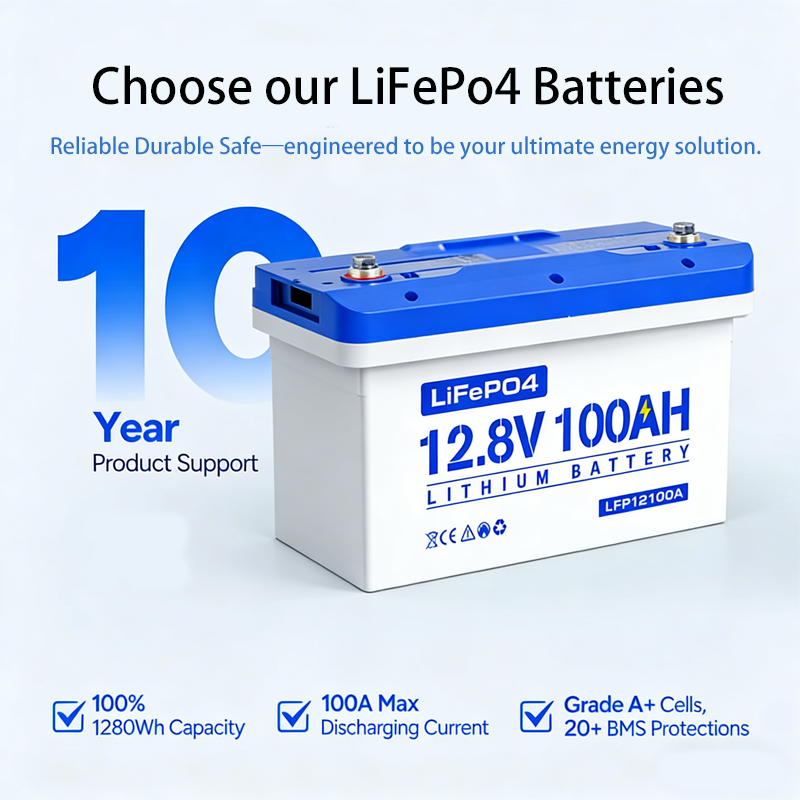
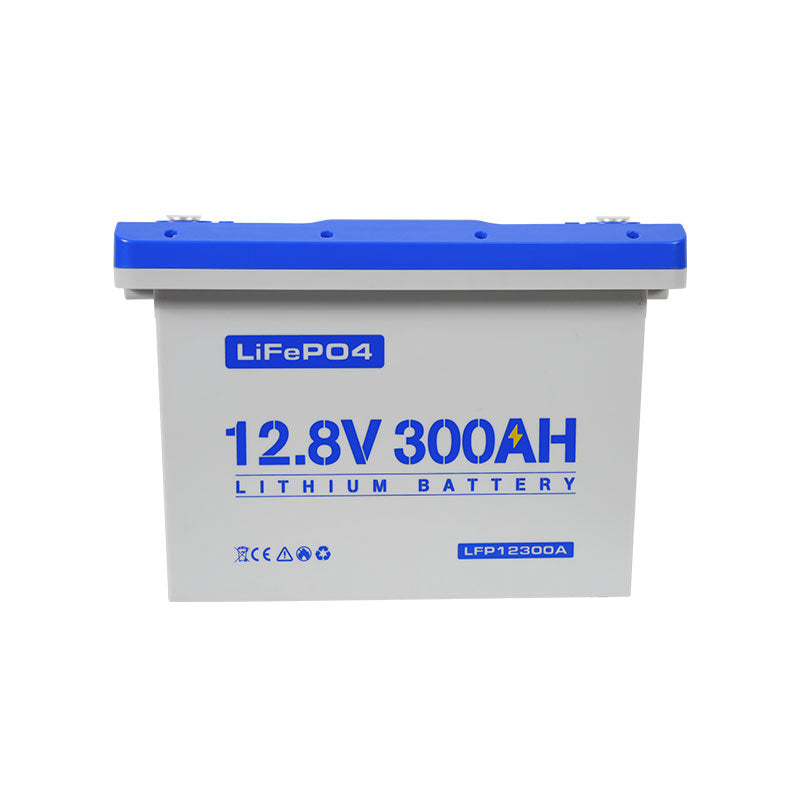
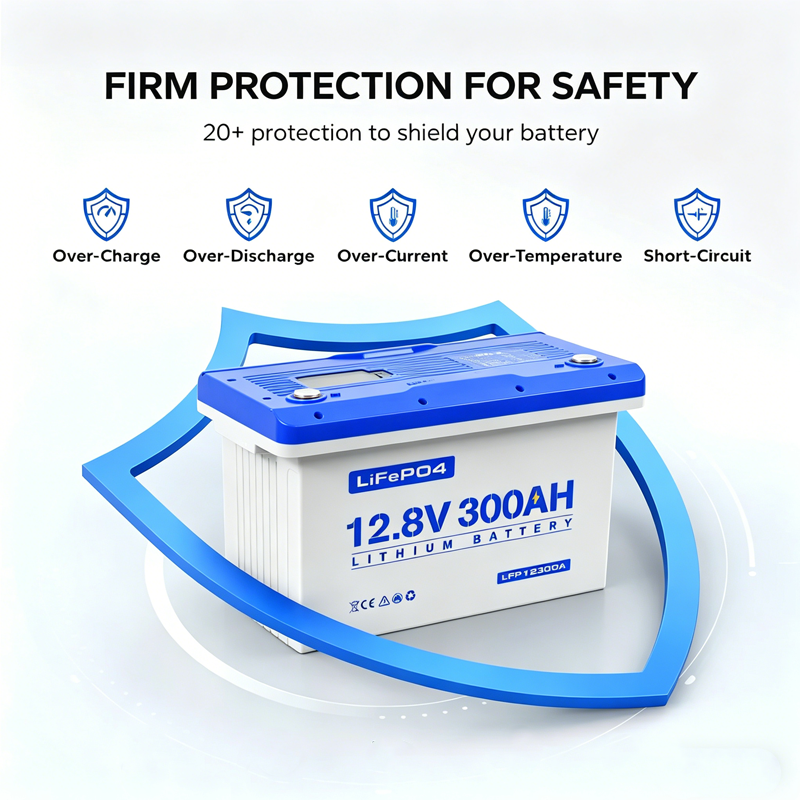
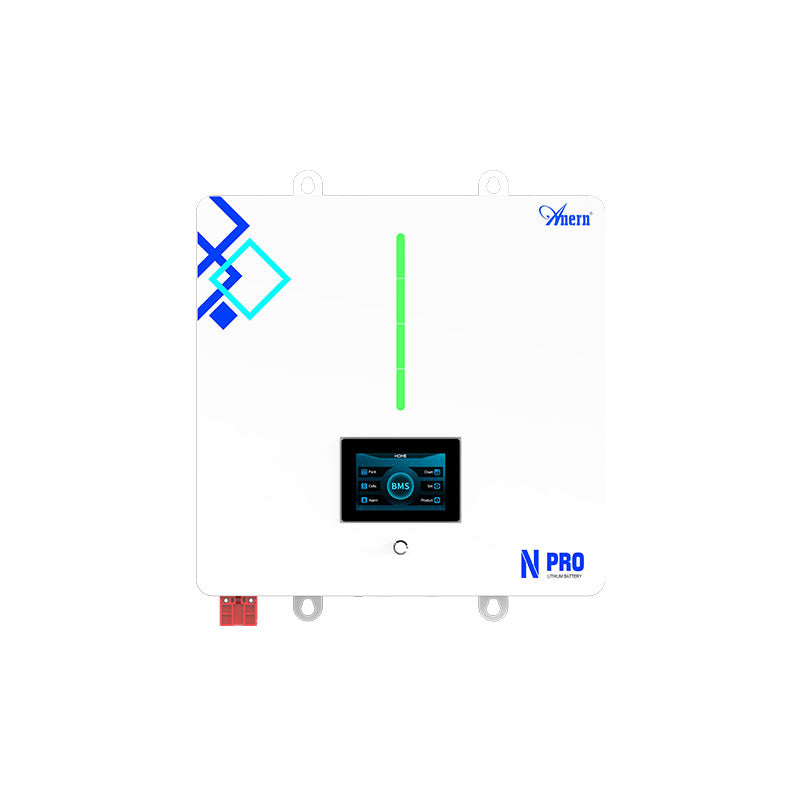
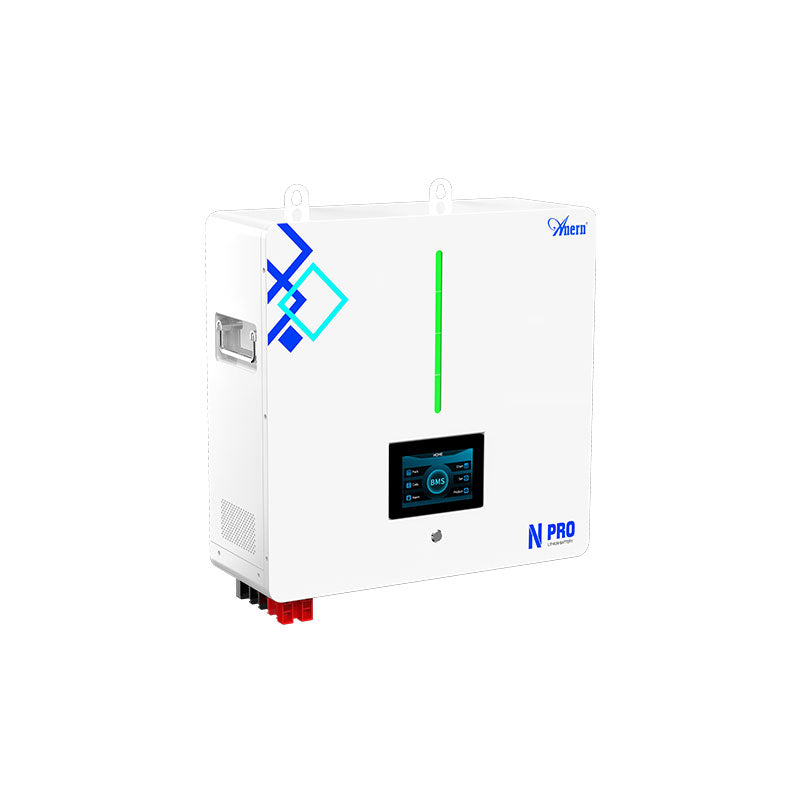
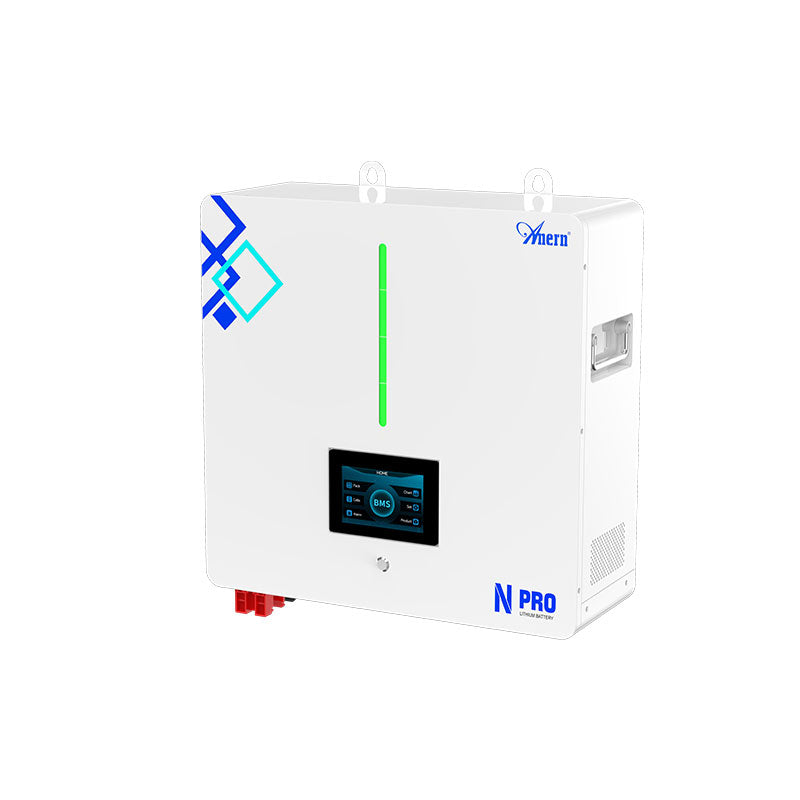
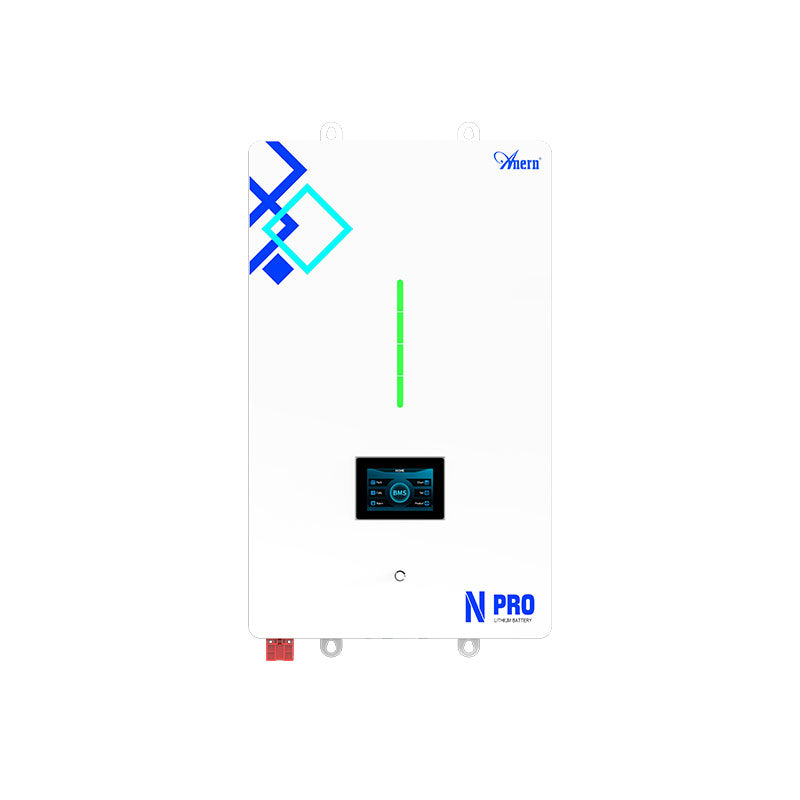
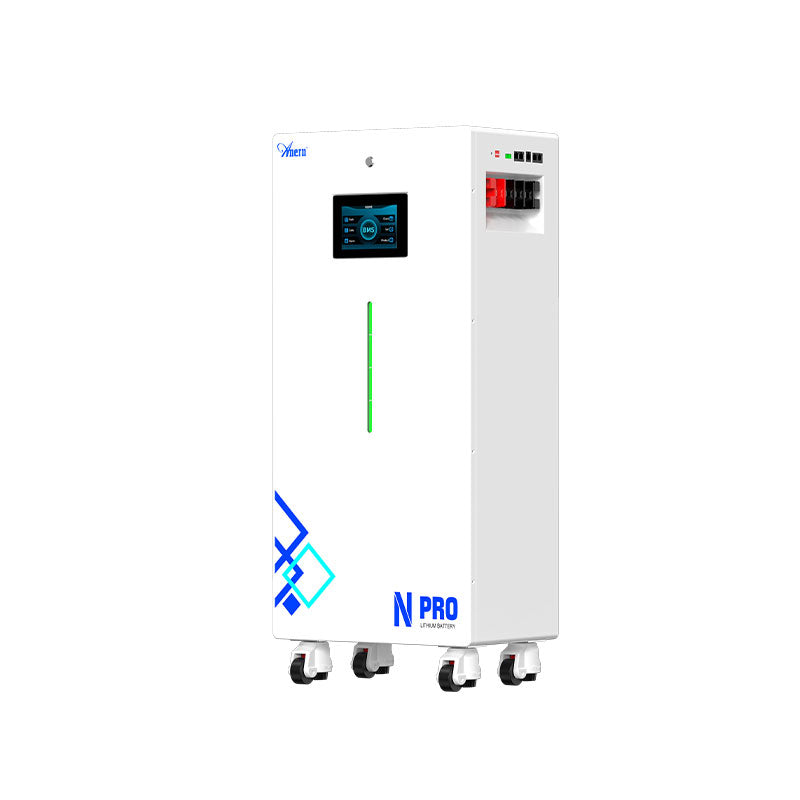
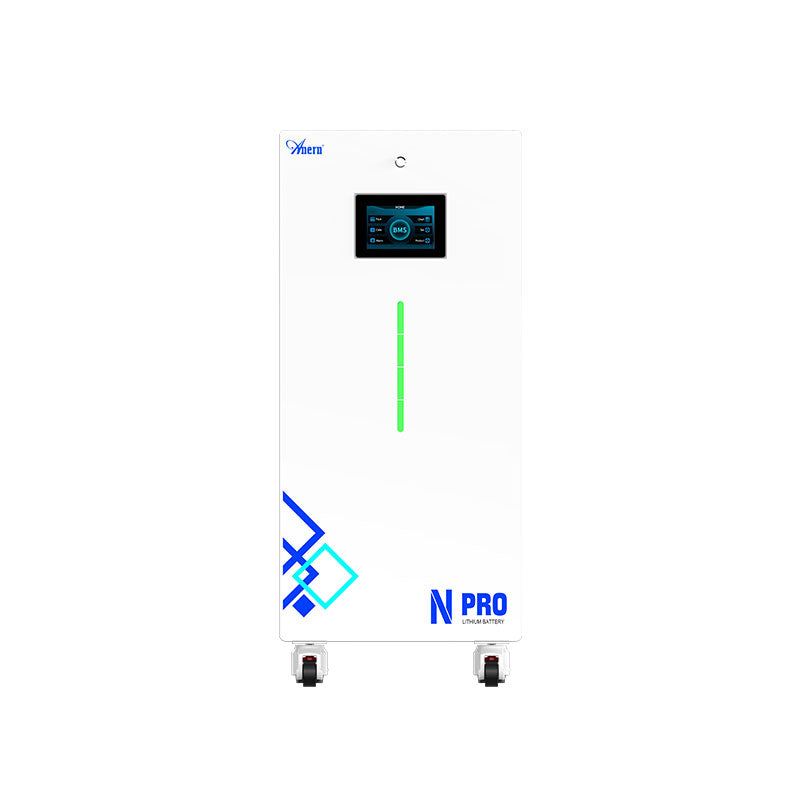
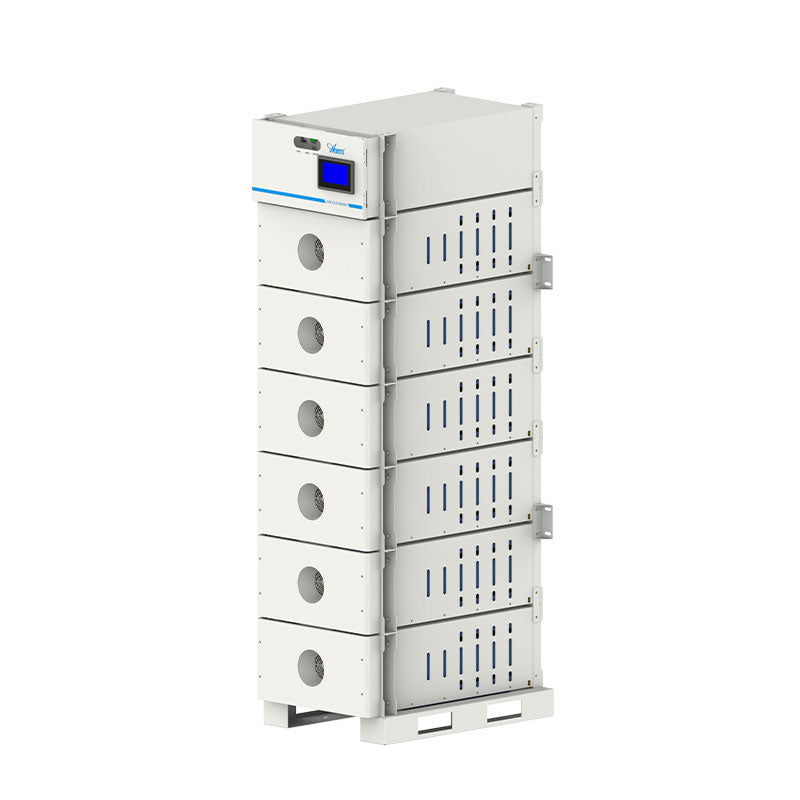
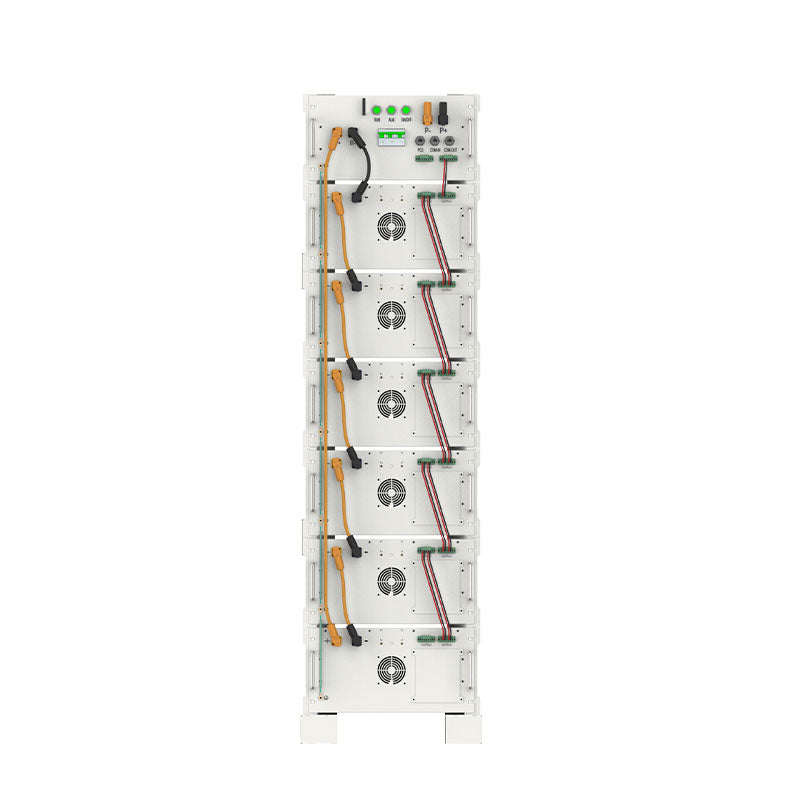
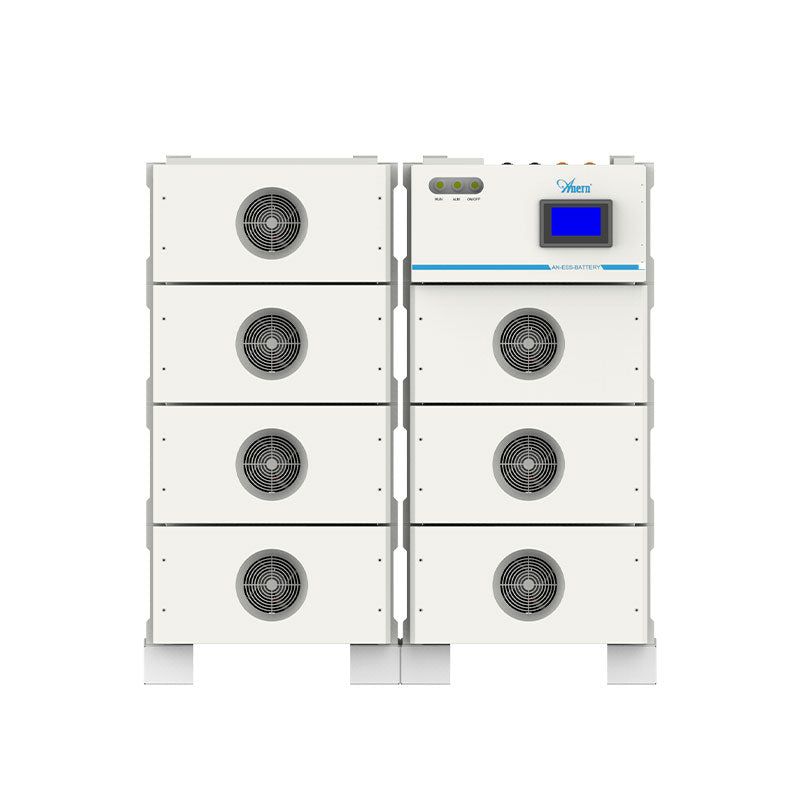
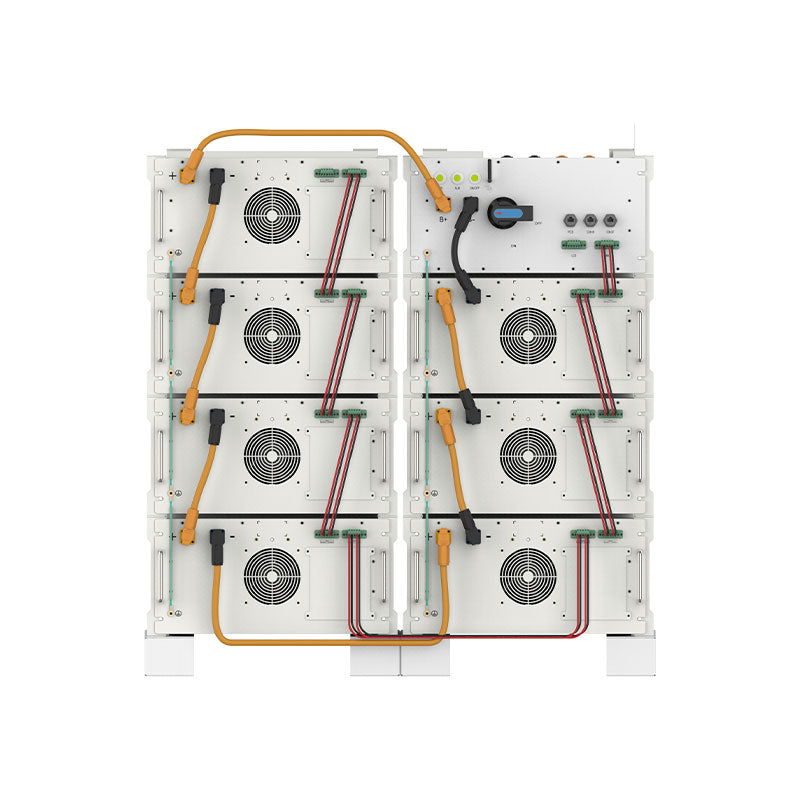
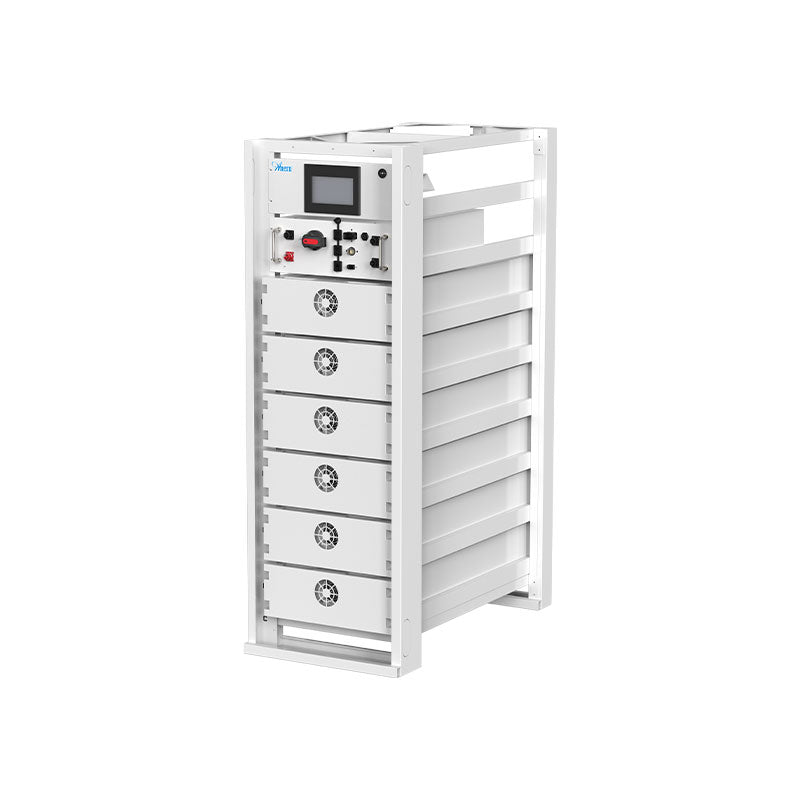
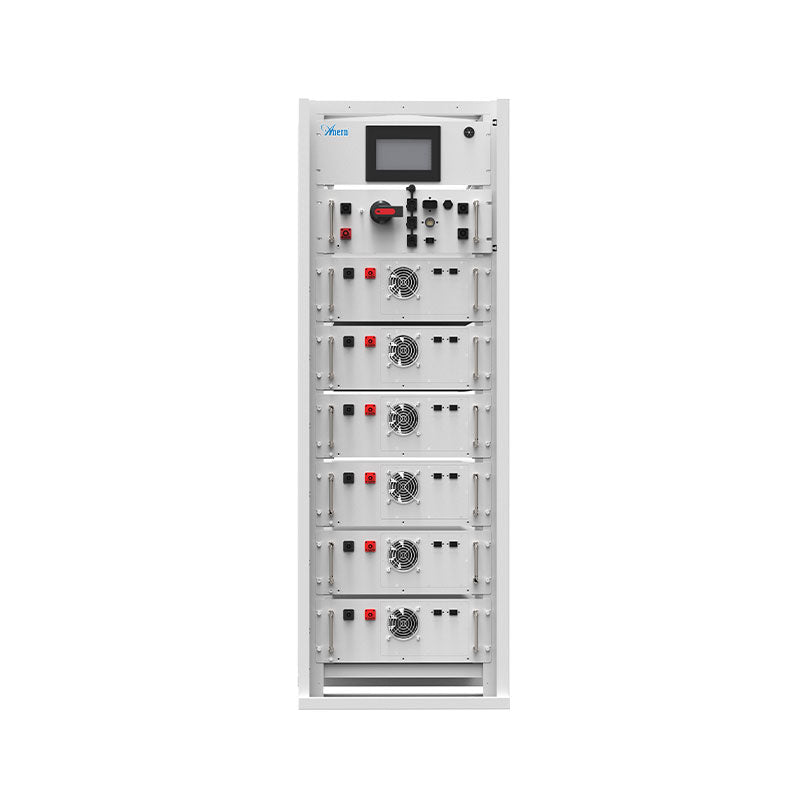
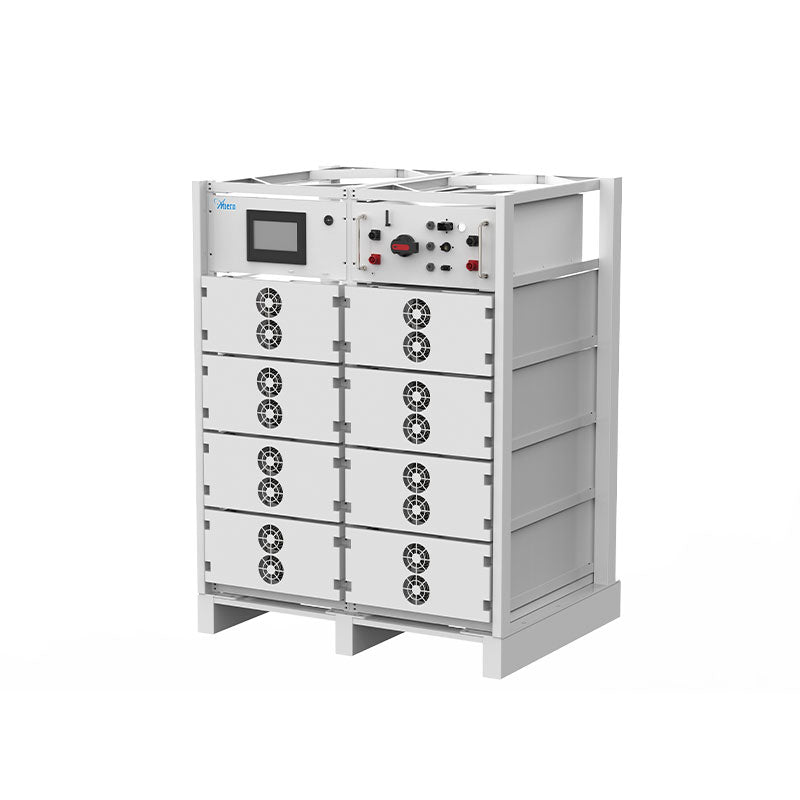
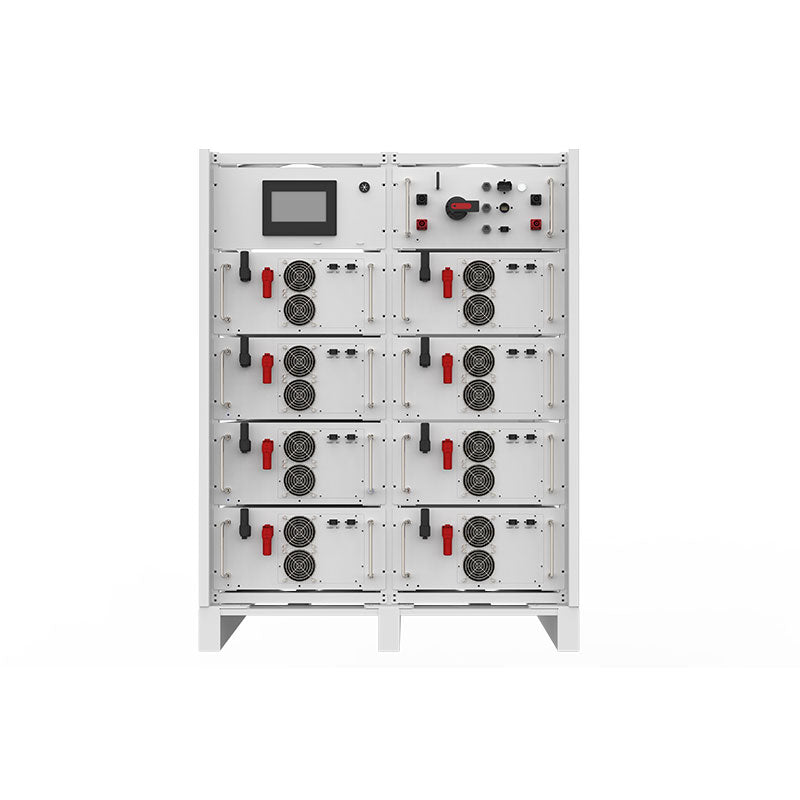
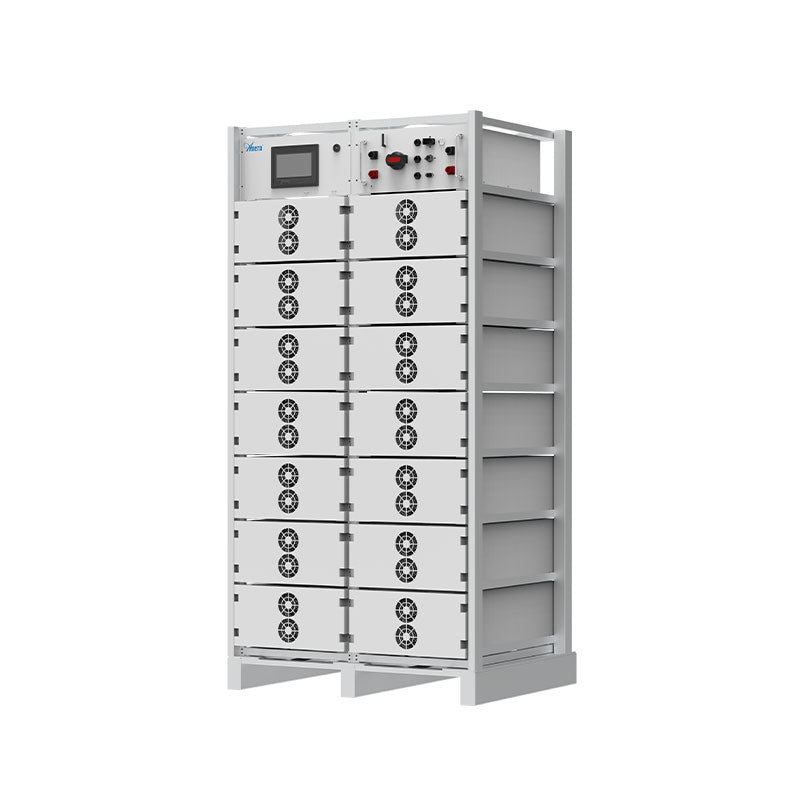
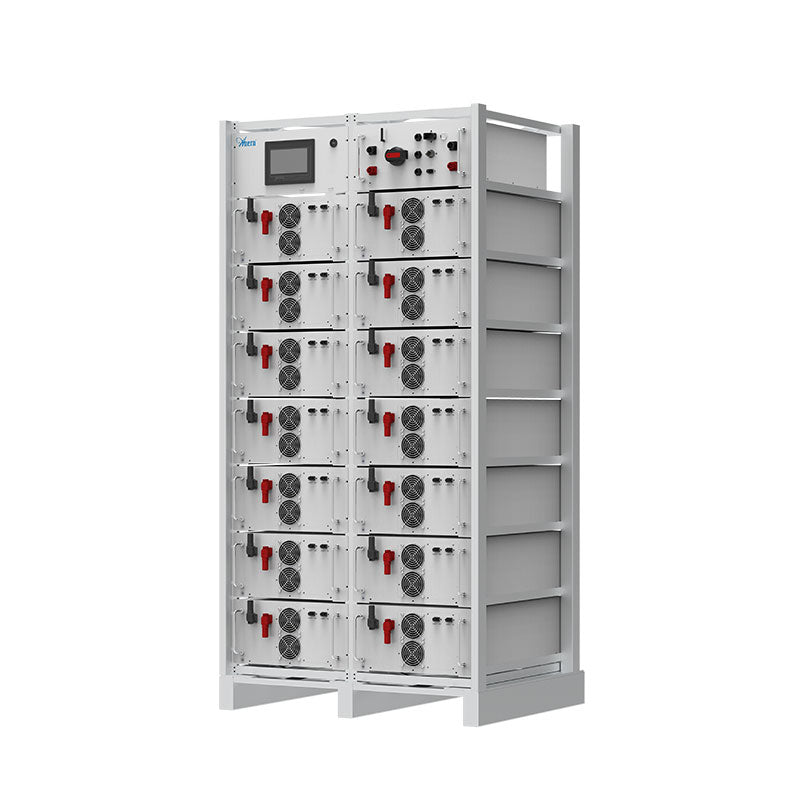
- Battery Storage: For ultimate flexibility, integrating a battery system allows you to store excess solar energy generated during the day. High-performance lithium iron phosphate (LiFePO4) batteries are an excellent choice, known for their long lifespan, safety, and reliability. An integrated Energy Storage System (ESS) combines batteries and an inverter into a seamless unit, providing a robust off-grid solution. This ensures you can power your pump and other farm equipment day or night, achieving true energy independence.
Putting It All Together: A Detailed Sizing Example
Let's walk through a practical calculation to determine the required solar array size, incorporating real-world system losses.
Scenario: Powering a 1 HP pump for a one-acre drip irrigation system.
- Determine Pump Wattage: A 1 HP pump has a baseline power rating of ~750W. However, checking the manufacturer's specs, we find this specific model has a continuous power draw of 1,200 watts.
-
Calculate Daily Energy Need: Suppose your crop and climate analysis shows you need to run the pump for 5 hours per day.
Daily Energy = Pump Wattage × Runtime = 1,200 W × 5 hours = 6,000 Wh or 6 kWh -
Factor in System Losses: A solar array's rated power is measured in a lab. Real-world output is lower due to several factors. A conservative total system efficiency is often around 75-80%. These losses include:
- Inverter & Controller Losses: ~5%
- Temperature Derating: Panels lose efficiency in high heat. ~10-15%
- Wiring and Connections: ~2%
- Soiling (Dirt/Dust): ~3-5%
-
Calculate Required Solar Array Size: Now, factor in your location's peak sun hours. Let's assume you used the PVWatts® Calculator and found an average of 5 peak sun hours per day.
Required Solar Array Wattage = (Daily Energy Need / Peak Sun Hours) / Derating Factor
Required Solar Array Wattage = (6,000 Wh / 5 h) / 0.75 = 1,200 W / 0.75 = 1,600 W
In this more accurate scenario, you would need a 1,600-watt solar array. This could be achieved with five 320-watt solar panels or a similar configuration.
Sizing Reference Table
This table illustrates how the required solar array size changes based on pump size and daily runtime, assuming 5 peak sun hours and a 0.75 derating factor.
| Pump Size (HP) | Estimated Pump Wattage (W) | Daily Runtime (Hours) | Daily Energy Need (Wh) | Recommended Solar Array (W) |
|---|---|---|---|---|
| 0.5 HP | ~600 W | 4 | 2,400 | ~640 W |
| 1 HP | ~1,200 W | 5 | 6,000 | ~1,600 W |
| 1.5 HP | ~1,800 W | 5 | 9,000 | ~2,400 W |
| 2 HP | ~2,000 W | 6 | 12,000 | ~3,200 W |
*Note: Recommended array size is calculated as (Daily Energy Need / 5) / 0.75. These are estimates; a detailed analysis is recommended for precise sizing. According to studies like one from the International Renewable Energy Agency (IRENA), a 2 HP pump could be supported by a 2-3 kWp solar system, aligning with these estimates. (*Based on research from Decentralised Solar Electricity for Agri-food Value Chains in the Hindu Kush Himalaya Region*)
Field Example: A 1 HP System in Practice
A case study from a University of California Agriculture and Natural Resources (UC ANR) report on a one-acre vineyard in Fresno, CA, documented a 1 HP submersible pump system. The installed 1.6 kW solar array consistently met the pump's daily 6 kWh energy demand during the 5.5 average peak sun hours of the growing season, even accounting for intermittent cloud cover and high summer temperatures reaching over 100°F (38°C).
Essential Installation and Safety Checklist
Designing the system is the first step. Safe and effective installation is critical for longevity and performance. Always prioritize safety and, when in doubt, hire a licensed professional.
- Professional Consultation: Engage a qualified solar installer or agricultural engineer to verify your design and oversee the installation.
- Correct Wire Sizing: Use the correct American Wire Gauge (AWG) for your system's voltage and current to prevent overheating and minimize power loss.
- Fusing and Circuit Protection: Install DC disconnects and correctly rated fuses or circuit breakers to protect your equipment and allow for safe maintenance.
- Proper Grounding: A correctly installed grounding system is essential for protecting against lightning strikes and electrical faults.
- Inverter/Controller Sizing: Ensure your controller and inverter are rated to handle not just the continuous wattage but also the pump motor's startup surge current, which can be much higher.
- Secure Mounting: The array's mounting structure must be engineered to withstand local wind and snow loads to prevent damage.
Your Path to Energy Independence
Transitioning to a solar-powered drip irrigation system is a strategic investment in your farm's future. By carefully calculating your power needs based on your pump, water requirements, and local sunlight availability, you can design a system that is both efficient and reliable. While the initial setup requires planning, the long-term benefits of reduced operational costs and a stable, independent energy source are substantial. High-quality components, from efficient solar panels to robust LiFePO4 batteries and integrated storage systems, form the foundation of a resilient agricultural operation prepared for the future.
Disclaimer: The information provided here is for general educational purposes only and does not constitute professional engineering or financial advice. System requirements can vary greatly. It is recommended to consult with a qualified solar installation professional to design a system tailored to your specific needs.
