












Investing in solar energy represents a commitment to a sustainable future and a sound financial decision. However, the true value of a solar project extends far beyond its initial installation. To ensure optimal performance and maximize financial returns over decades, careful consideration of Operations and Maintenance (O&M) and robust warranty choices is vital. These factors are not mere afterthoughts; they are core components that shape the long-term profitability and reliability of your solar investment.
Powering Longevity: The Role of Operations and Maintenance (O&M)
Operations and Maintenance (O&M) covers all activities required to keep a solar system performing at its best. It ensures your solar system provides maximum energy production and long-term reliability.
What O&M Encompasses for Solar Systems
Effective O&M involves a range of activities. These include routine inspections, cleaning of solar panels, and preventive maintenance of all system components. Continuous monitoring is also a key aspect, allowing for early detection of potential issues before they become costly problems. This proactive approach helps identify issues such as micro-cracks, hot spots, or inverter malfunctions.
O&M's Direct Link to Performance and Financial Returns
The link between diligent O&M and a solar project's financial success is clear. Regular cleaning and maintenance prevent dust, dirt, and debris from accumulating on panels, which can significantly reduce their ability to absorb sunlight and generate electricity. Dirt accumulation can cause a 10% drop in solar energy production in some regions. Regular cleaning can even increase annual solar energy production by 5 to 10 percent depending on environmental conditions. A study by McKinsey & Company suggests that thorough solar O&M services can increase a business owner's return on investment (ROI) by 10% to 30%. This is primarily due to maximized energy generation, decreased repair costs, and an increased system lifespan.
Well-maintained solar installations can retain 95% of their original capacity after 20 years, whereas poorly maintained systems might drop to 85% or lower. This 10% difference can translate into substantial lost revenue for large-scale projects. Proactive O&M ensures consistent energy output and extends the life of solar panels and other infrastructure.
Proactive vs. Reactive Approaches
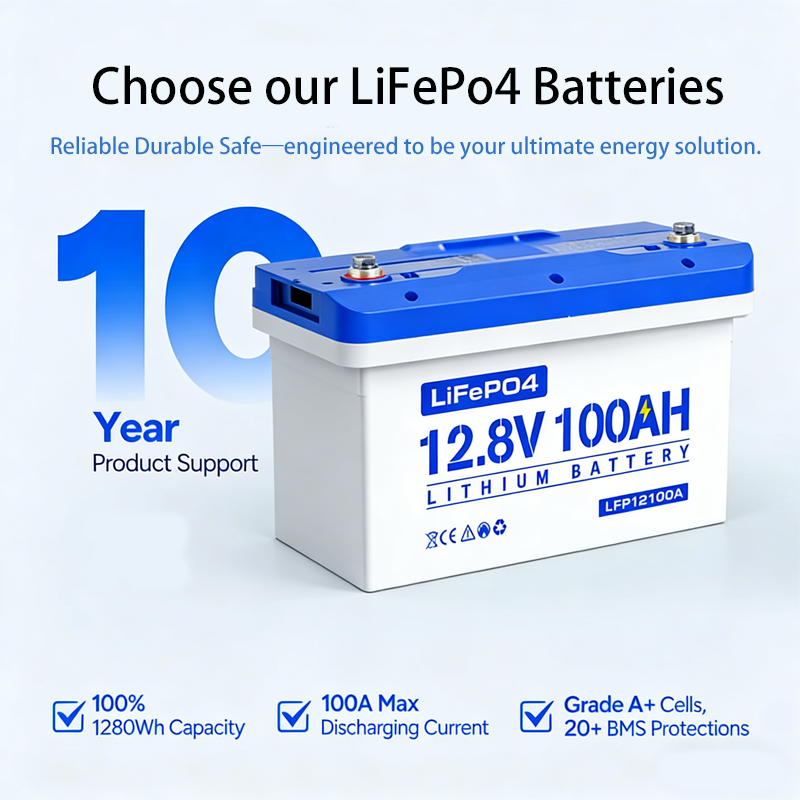
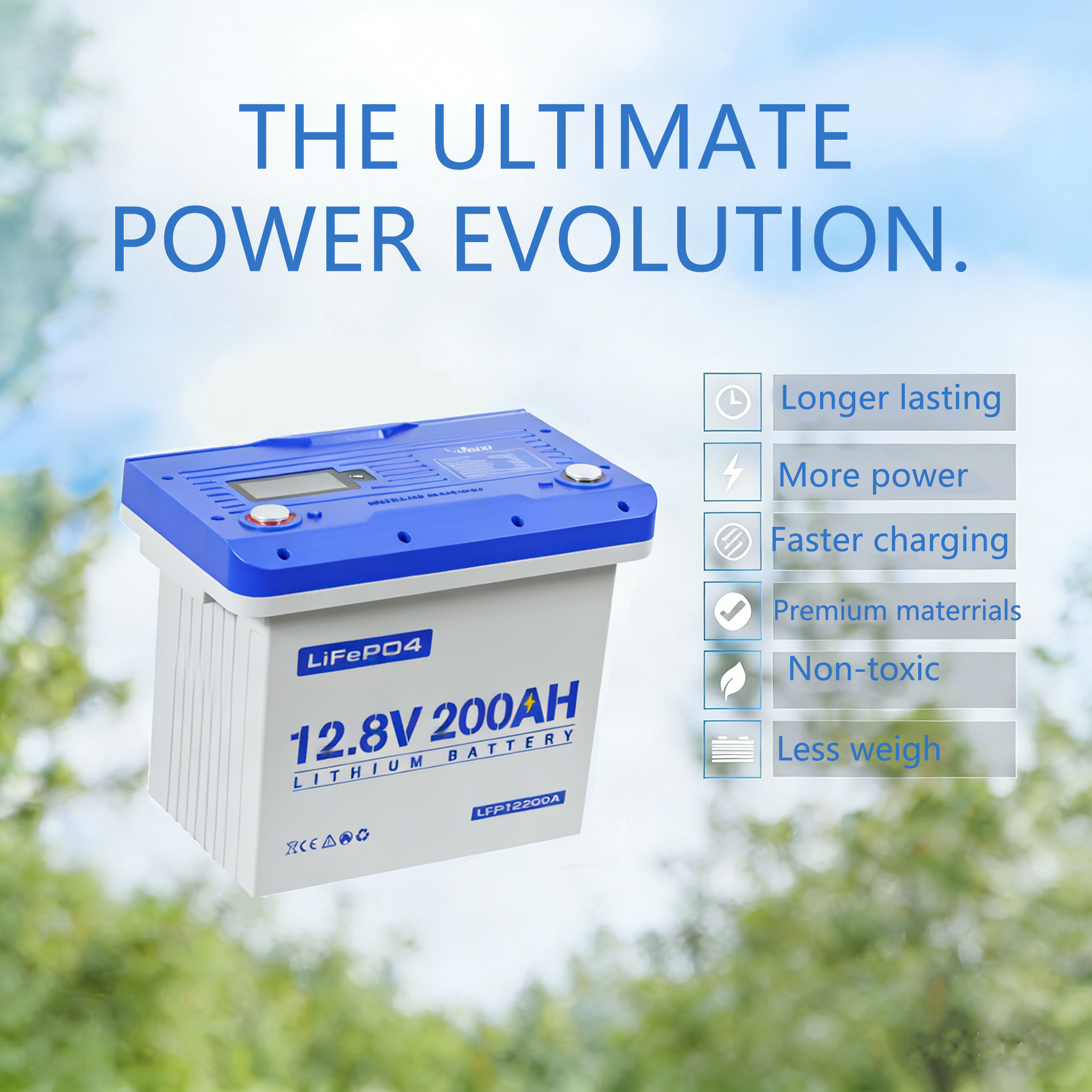
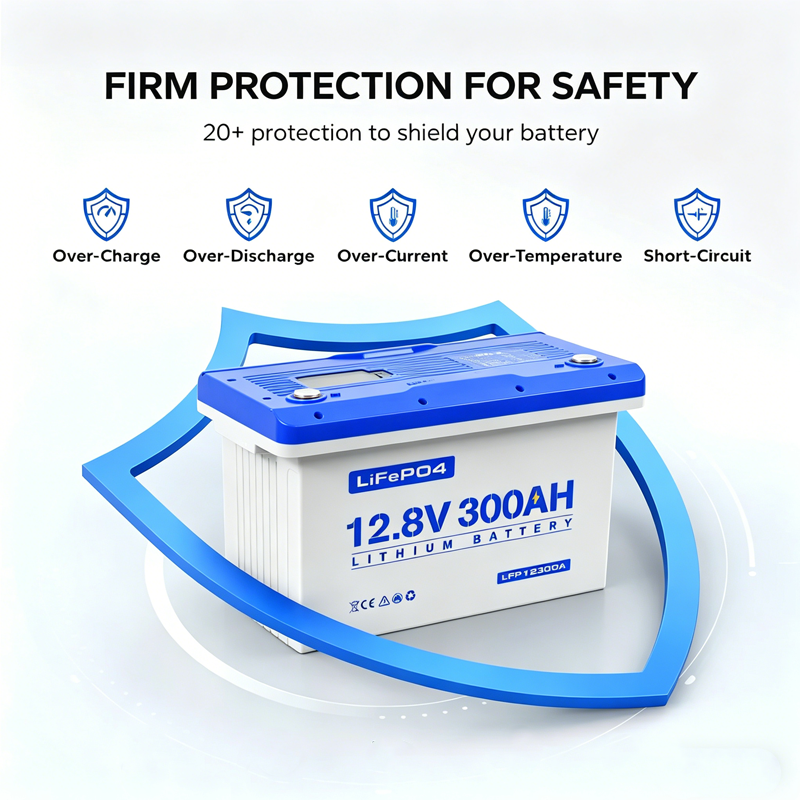
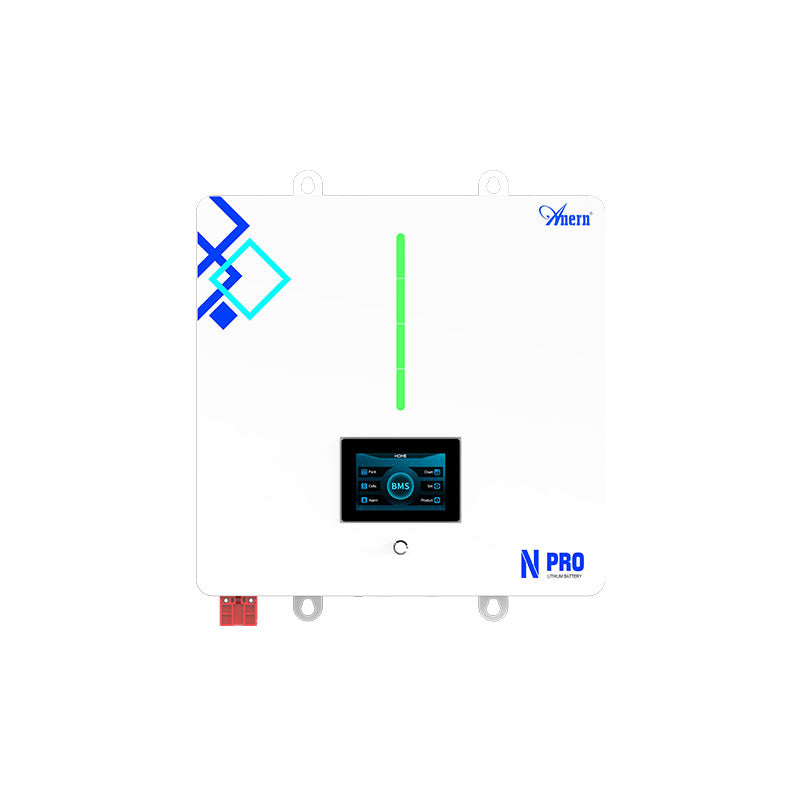
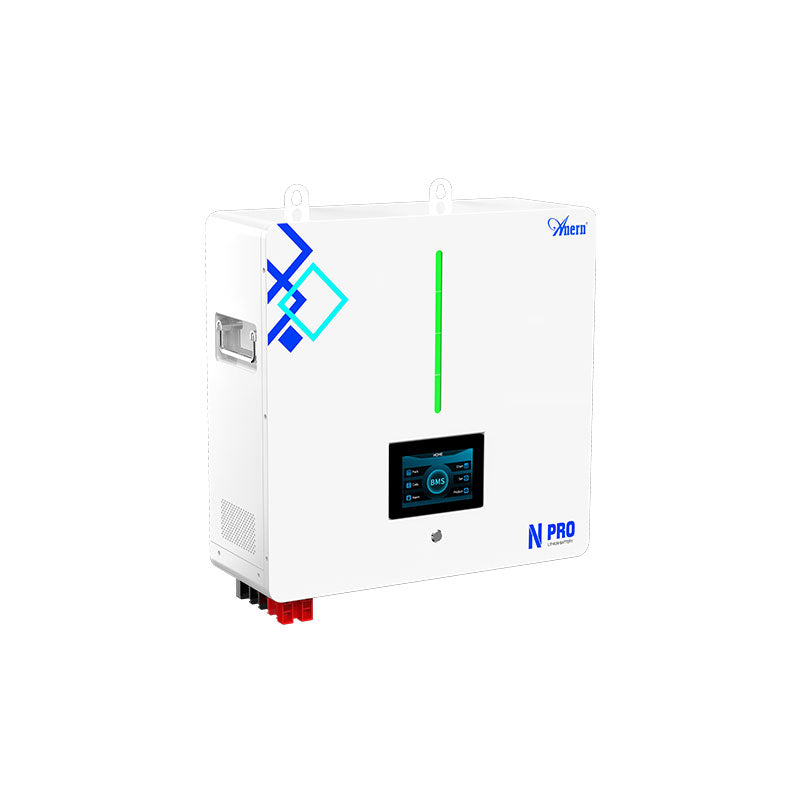
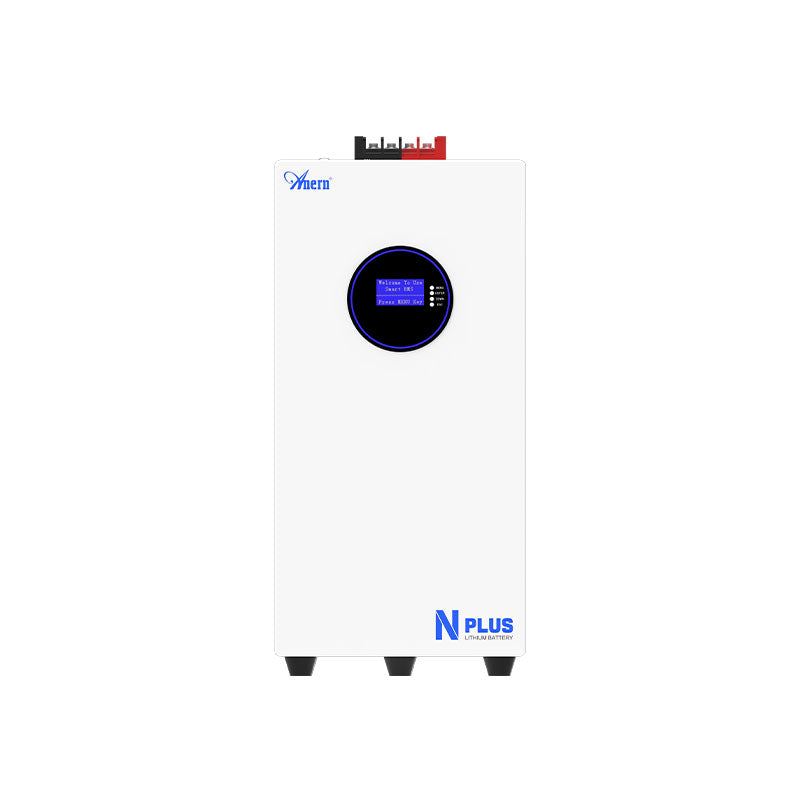
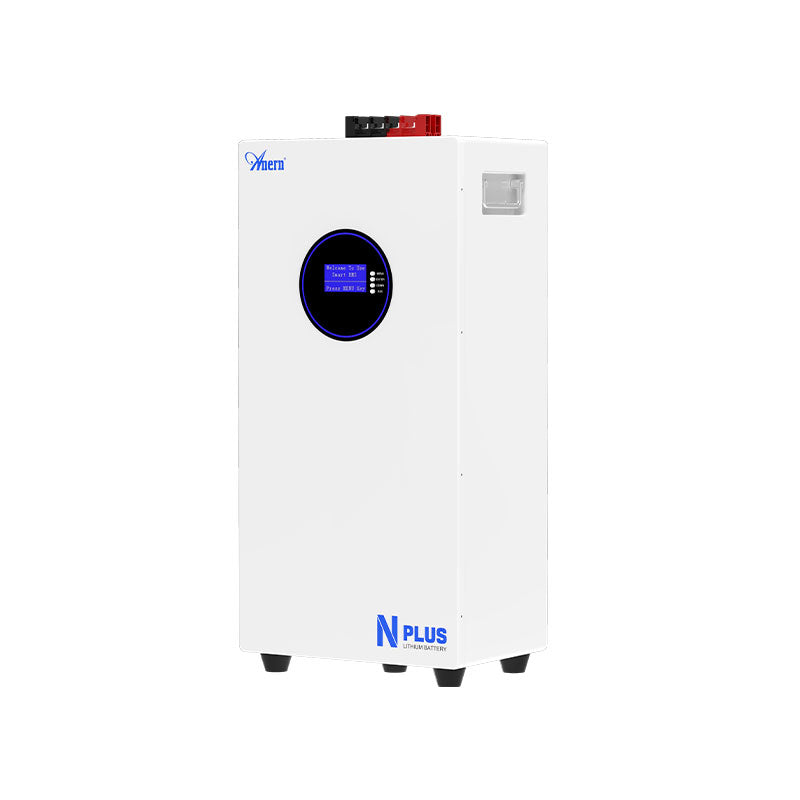
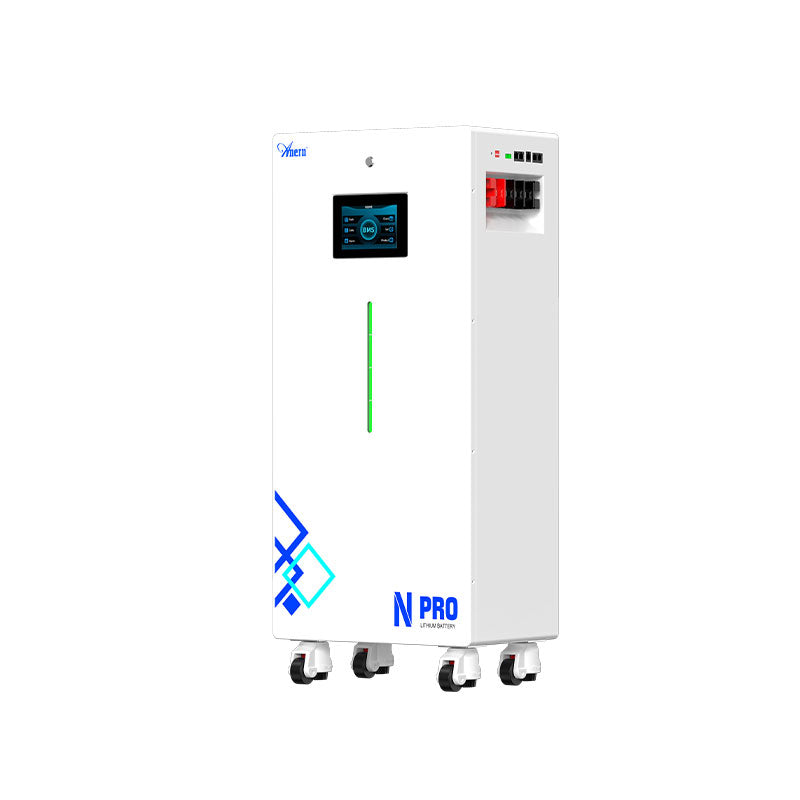
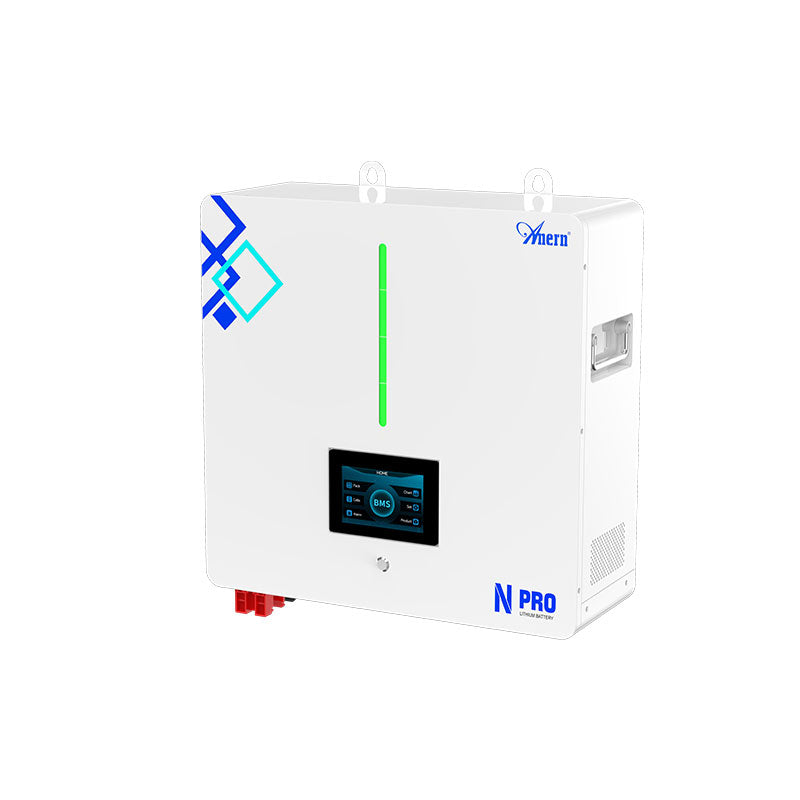
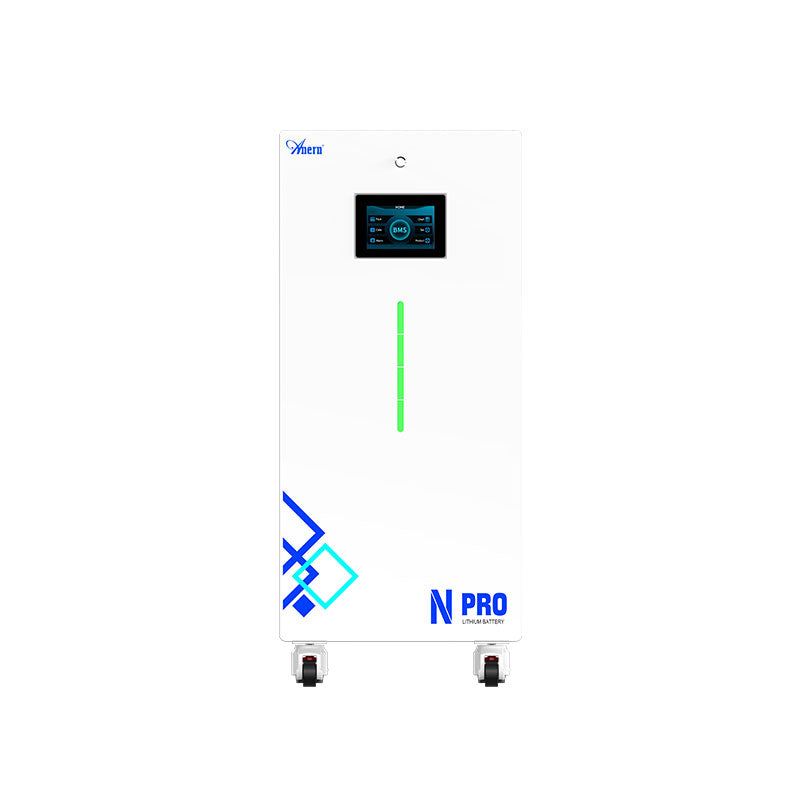
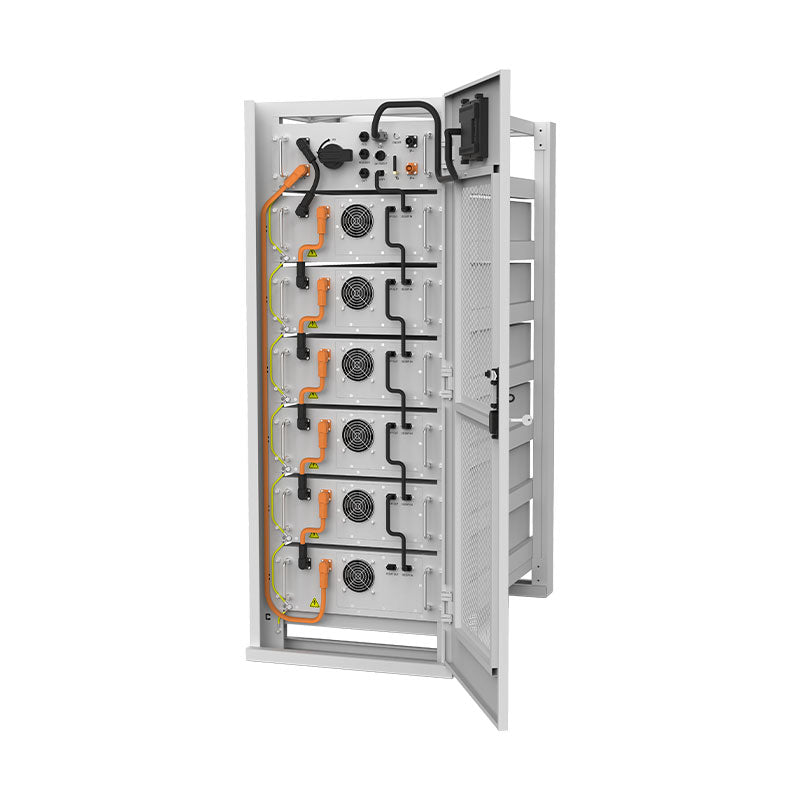
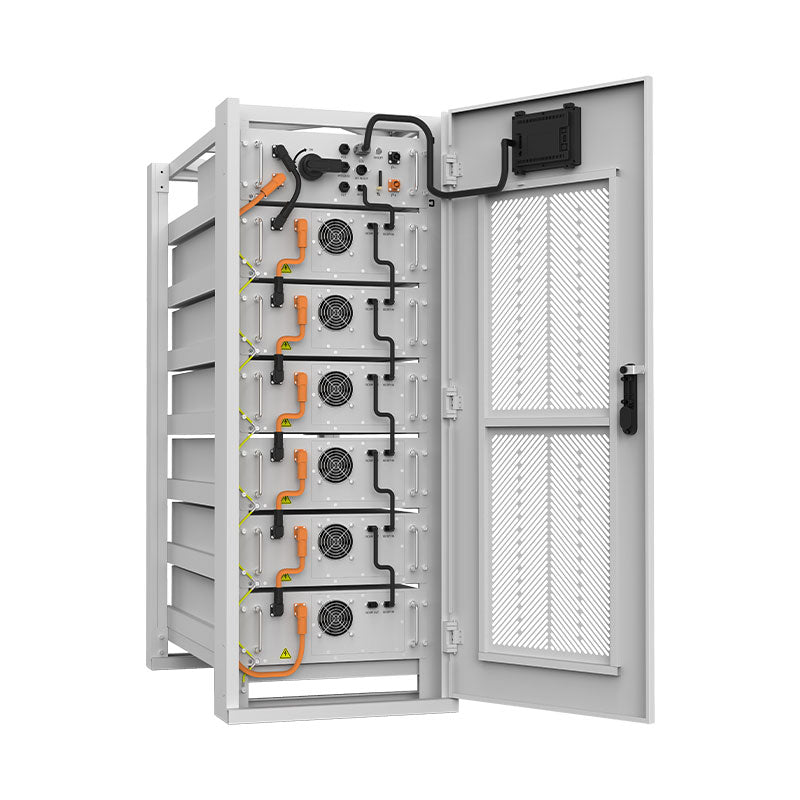
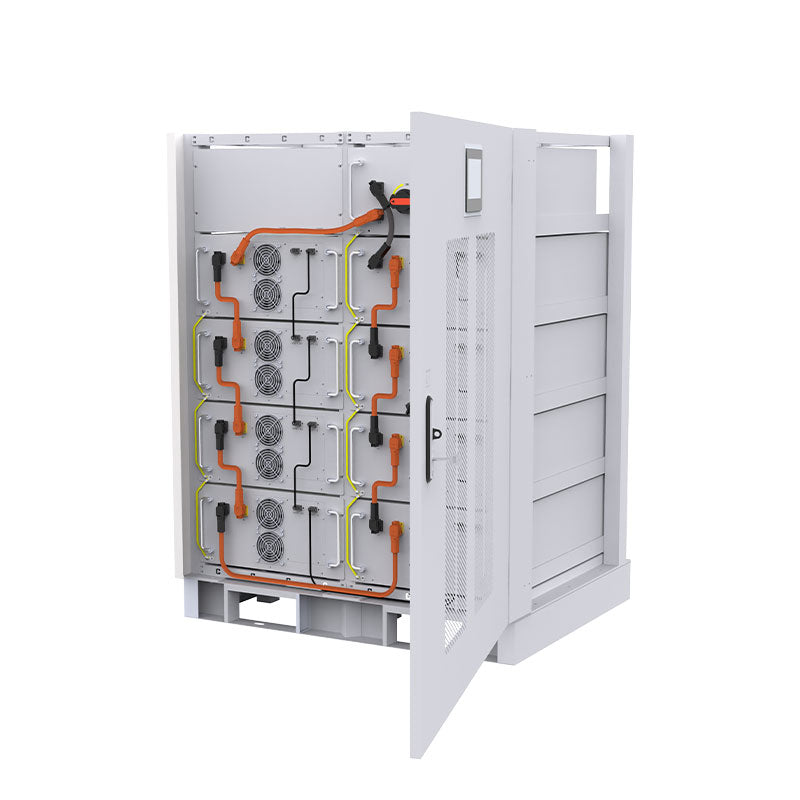
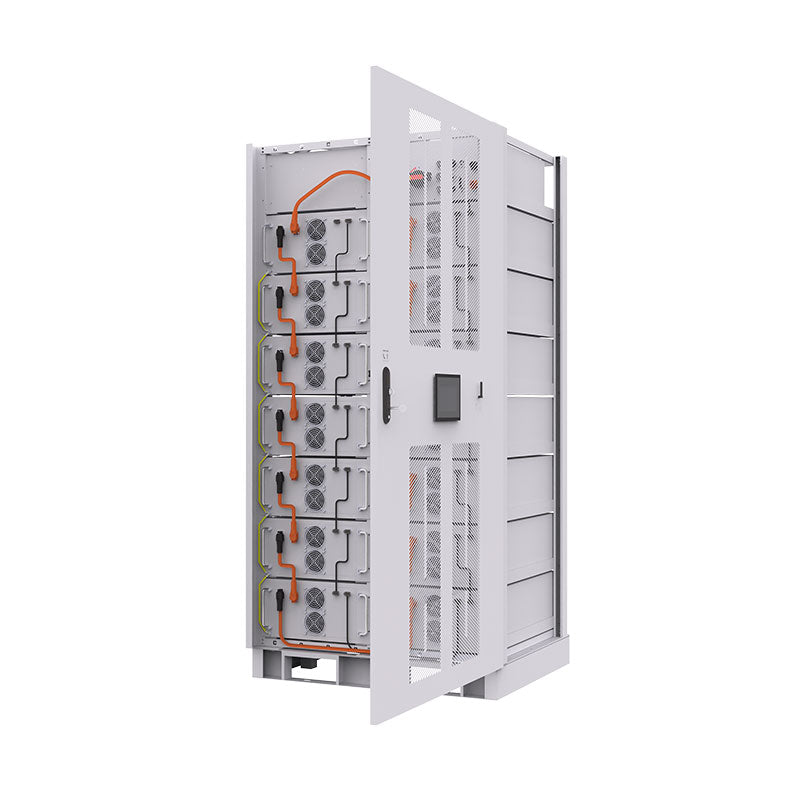
A proactive O&M strategy, which leverages real-time monitoring and predictive analytics, helps identify problems early. This approach minimizes downtime and prevents minor faults from escalating into major, expensive failures. In contrast, a reactive approach, waiting for issues to arise, often results in greater losses and higher repair costs. Our experience in the solar and energy storage sector highlights how quality components, such as high-performance, safe, and reliable lithium iron phosphate batteries (LiFePO4), inherently reduce the need for frequent maintenance, contributing to a more stable and predictable operational expenditure.

Safeguarding Your Investment: Solar Warranties
Warranties are a critical layer of protection for your solar energy system, providing assurances against defects and performance issues. Understanding the different types and their coverage is vital for long-term project security.
Different Warranty Types for Solar Components
Solar panels typically come with two main types of warranties: a product warranty and a performance warranty. A product warranty, also called a materials or equipment warranty, covers the integrity of the solar panels and other equipment against defects, mechanical issues, or unreasonable wear and tear. Most manufacturers offer at least 10 to 12 years of coverage, with some premium options extending to 25 or even 30 years.
The performance warranty, or power warranty, guarantees a minimum level of power output over a set period. Solar panels naturally degrade in efficiency over time, typically by 0.5% to 1% per year. A performance warranty ensures that your panels will still produce a certain percentage of their original power output, often 80% to 90%, after 25 years. Inverter warranties are also important, typically lasting around 5 years. Some manufacturers also offer workmanship or installation warranties, covering the installation process itself.
Key Factors When Evaluating Warranties
When assessing warranties, consider the specifics of their coverage. This includes what is covered, what is excluded, and whether labor costs for replacements are included. The duration of the warranty, the degradation rate guarantee, and transferability to a new owner are also important factors. Reputable manufacturers offer robust warranties, giving you confidence in the quality and longevity of their products.
Warranties as Risk Mitigation Tools
A strong warranty protects your investment against unforeseen issues, providing peace of mind and safeguarding your expected return on investment. It reduces the financial risk associated with potential equipment failures or significant drops in performance. Our integrated ESS solutions, which combine high-quality lithium batteries, hybrid inverters, and solar panels, come with comprehensive guarantees that reflect our confidence in the reliability and durability of our systems, helping you achieve energy independence with reduced risk.
The Financial Lens: Lifetime ROI and Total Cost of Ownership (TCO)
Understanding the full financial picture of a solar project requires looking beyond the initial purchase price. The Total Cost of Ownership (TCO) provides a comprehensive view of expenses and savings over the system's entire lifespan.
Moving Beyond Upfront Costs
TCO includes the initial investment, ongoing O&M costs, potential repairs, insurance, and even end-of-life costs such as decommissioning. Crucially, it also accounts for the energy savings generated by the system. While an initial cost might seem appealing, a lower-quality system could lead to higher O&M expenses and reduced savings over time, ultimately increasing the TCO.
Quantifying O&M and Warranty Impact on LCOE
The Levelized Cost of Electricity (LCOE) is a key metric for evaluating the overall cost-effectiveness of an energy generation asset over its lifetime. It considers all costs and the total energy produced. According to the International Renewable Energy Agency (IRENA), the global weighted average LCOE for utility-scale solar PV was $0.043 per kilowatt-hour (kWh) in 2024, making it 41% cheaper than the cheapest fossil fuel-fired alternative. This demonstrates solar's strong competitive advantage.
While the LCOE for solar PV and onshore wind saw slight increases in 2022 due to factors like inflation and supply chain issues, they remained more attractive propositions than fossil fuel power for new generation in most markets. O&M costs directly influence the LCOE. Financial models, such as those developed by the National Renewable Energy Laboratory (NREL), account for how warranties affect hardware and labor costs, impacting the overall lifetime cost.
Data-Driven Decision Making
Utilizing financial models helps forecast the long-term ROI of solar projects. These models factor in degradation rates, operational expenditures, and potential replacement costs. For instance, some inverters may have lower upfront costs but higher long-term O&M servicing costs. A comprehensive TCO analysis helps you make informed decisions, ensuring that your initial investment aligns with your long-term financial goals.
Total Cost of Ownership Components for a Solar System
| Component Category | Description | Impact on TCO |
|---|---|---|
| Initial Capital Expenditure | Purchase and installation of panels, inverters, mounting, wiring, and labor. | Upfront cost, forms the base of TCO. |
| Operations & Maintenance (O&M) | Monitoring, cleaning, inspections, preventative maintenance, minor repairs. | Ongoing cost; proactive O&M reduces larger future costs and maximizes output. |
| Major Equipment Replacement | Replacement of components like inverters (e.g., typically once over 25-30 years). | Periodic, significant cost; covered by warranties during their term. |
| Insurance & Administration | Policy costs, permitting, asset management fees. | Ongoing, relatively smaller costs; crucial for risk mitigation. |
| Energy Savings/Revenue | Reduced electricity bills or income from selling excess power. | Negative cost (savings); directly impacted by system performance and uptime. |
| End-of-Life Costs | Decommissioning and disposal of equipment. | Future cost; often overlooked in initial planning. |
Crafting a Value-Driven Solar Strategy
Maximizing the value of your solar project requires a strategic approach that integrates both O&M and warranty considerations from the outset.
Tailoring O&M Strategies to Project Needs
Choosing the right O&M strategy depends on your project's scale, location, and specific requirements. Custom maintenance plans, including regular site visits and advanced remote monitoring tools, are crucial. These tools provide real-time performance data and automated alerts, enabling proactive maintenance at scale. Skilled labor availability can influence project timelines and costs, making comprehensive O&M planning even more important.
Aligning Warranties with Long-Term Goals
Select warranties that align with your project's expected lifespan and your risk tolerance. Longer product and performance warranties offer greater protection and predictability for your financial returns. Prioritizing components from manufacturers known for their reliability reduces the likelihood of warranty claims and associated disruptions. Our company's commitment to manufacturing high-performance, durable lithium batteries and developing robust storage systems directly supports a reduced need for reactive maintenance and strengthens the overall reliability of your solar investment.
The Role of Integrated Energy Solutions
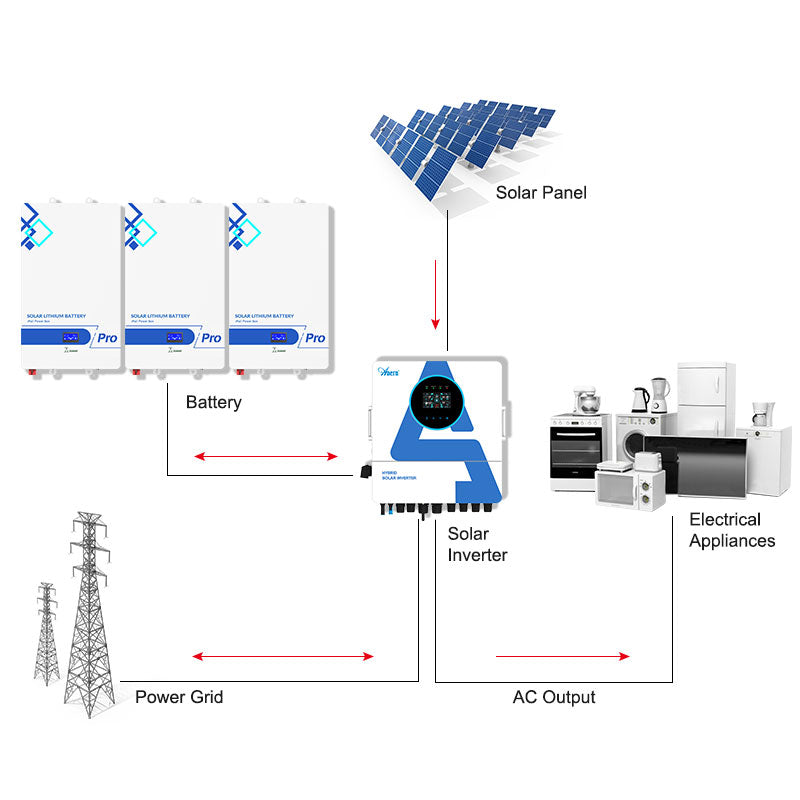
Modern solar projects increasingly benefit from integrated energy solutions. Combining solar panels with energy storage systems (ESS), such as those featuring advanced lithium batteries and hybrid inverters, allows for optimized energy usage and greater energy independence. The cost of battery storage technology has seen a substantial decline, falling by 93% from 2010 to 2024, reaching $192 per kWh. This makes integrated systems more accessible and financially attractive. These hybrid systems enhance grid flexibility and can reduce energy curtailment, further boosting your project's overall efficiency and financial viability.
Beyond Installation: Sustaining Your Solar Returns
A solar power system is a long-term asset designed to deliver clean energy and financial benefits for many years. To truly unlock its full potential, a holistic perspective that values ongoing performance and protection is essential. Operations and Maintenance services ensure your system operates at peak efficiency, preventing significant energy loss and extending its lifespan. Robust warranties provide a crucial safety net, protecting your investment against unforeseen issues and ensuring peace of mind.
By thoughtfully considering O&M strategies and warranty choices, you empower your solar project to deliver consistent performance and strong returns. This diligent approach helps you achieve energy independence and contribute to a sustainable energy landscape for the long term.
