




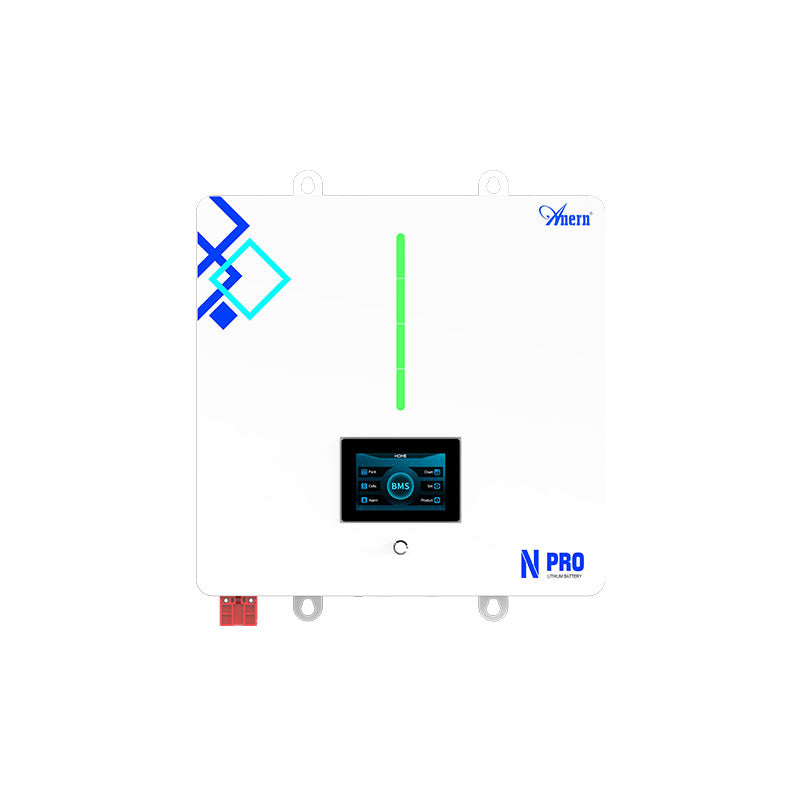
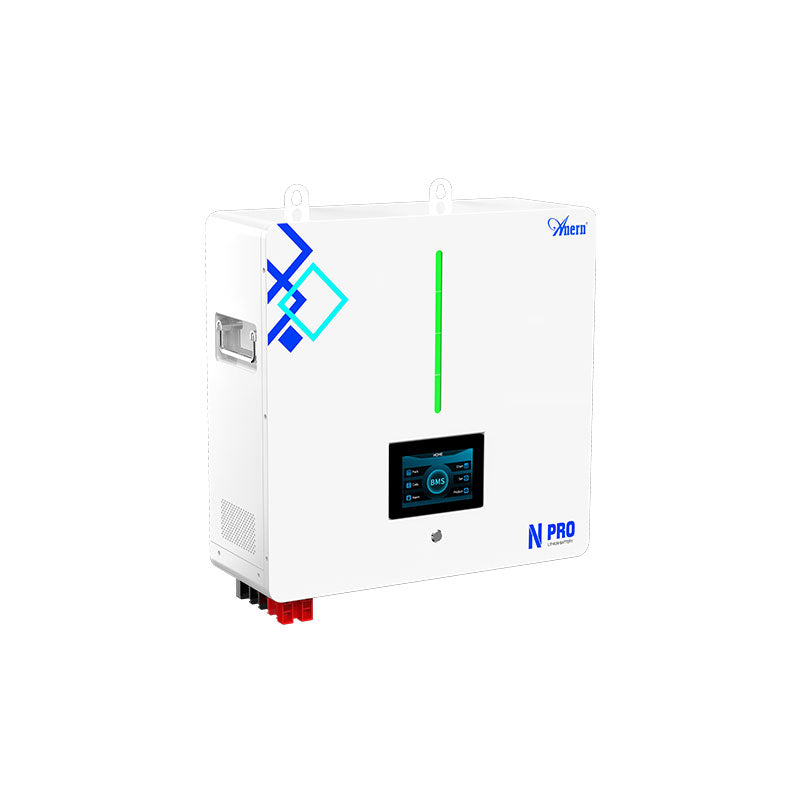


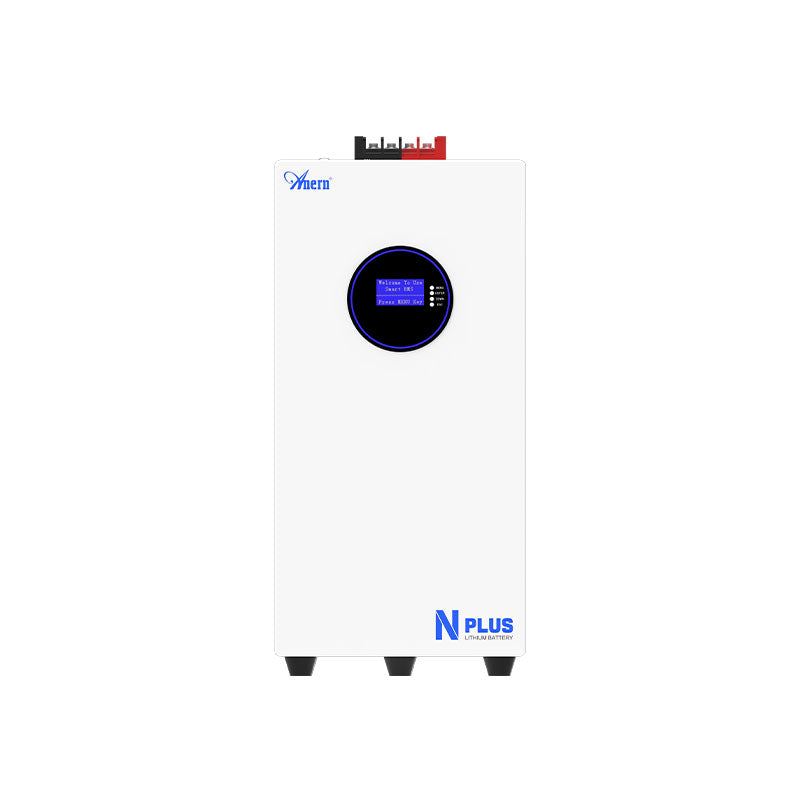
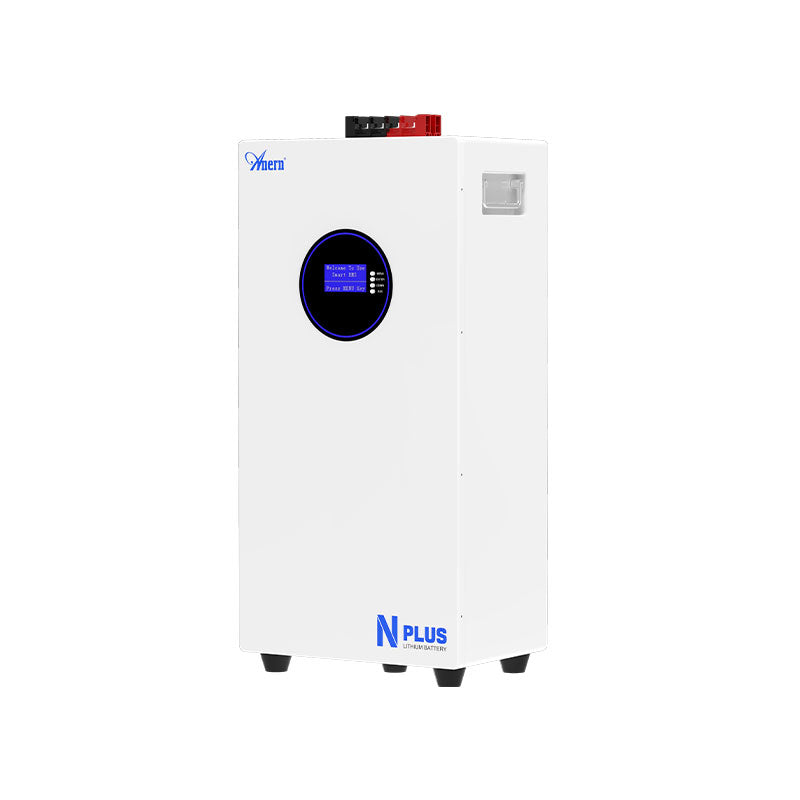


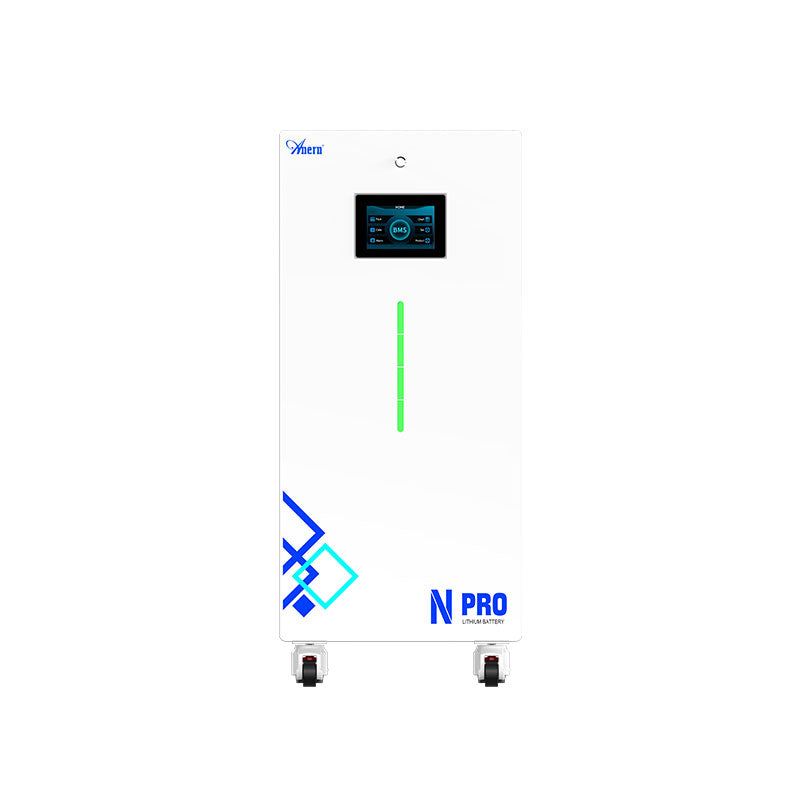

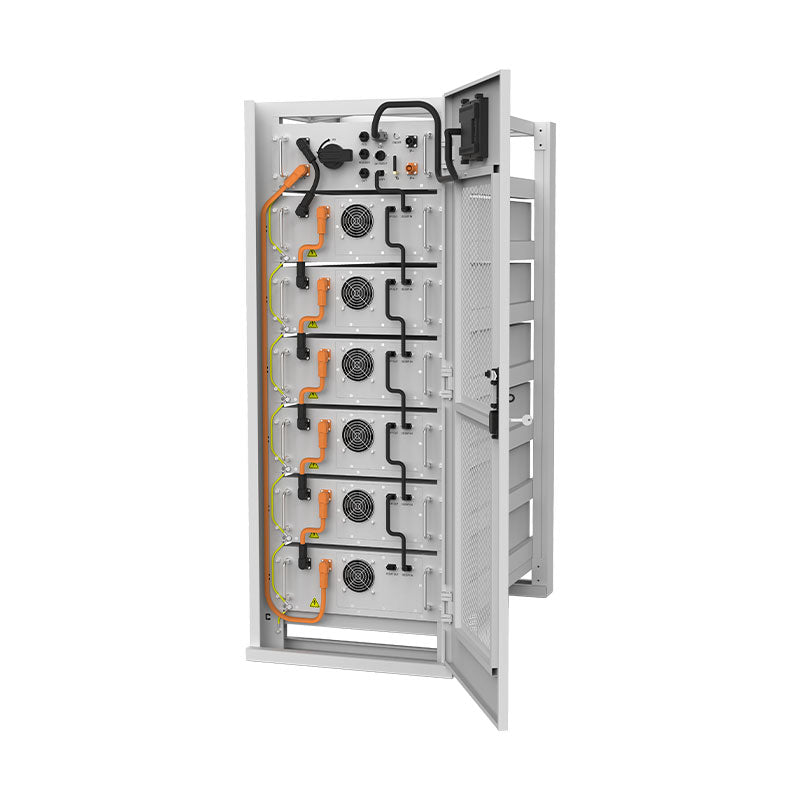
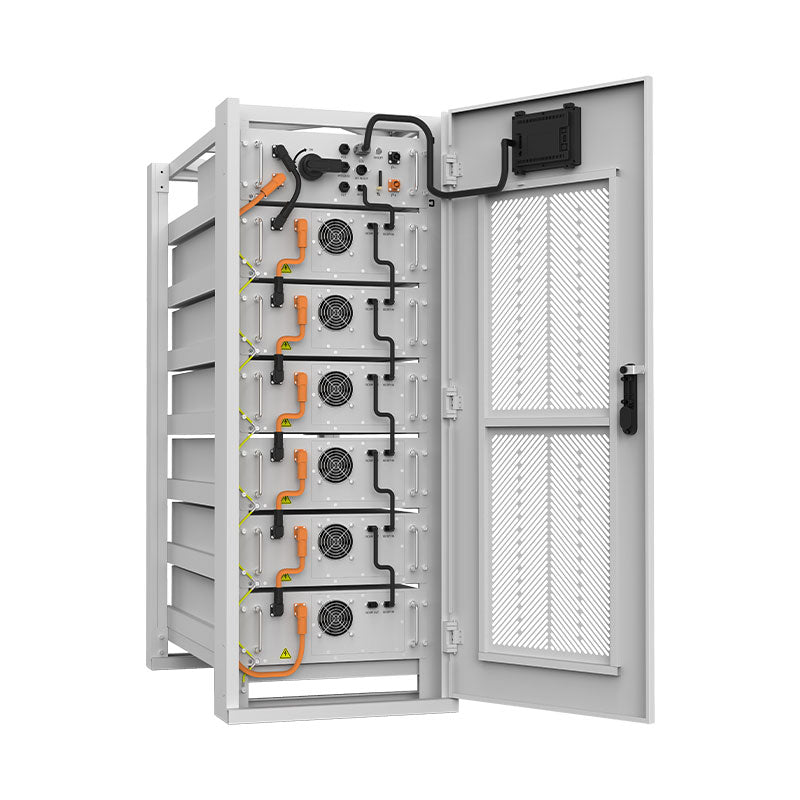
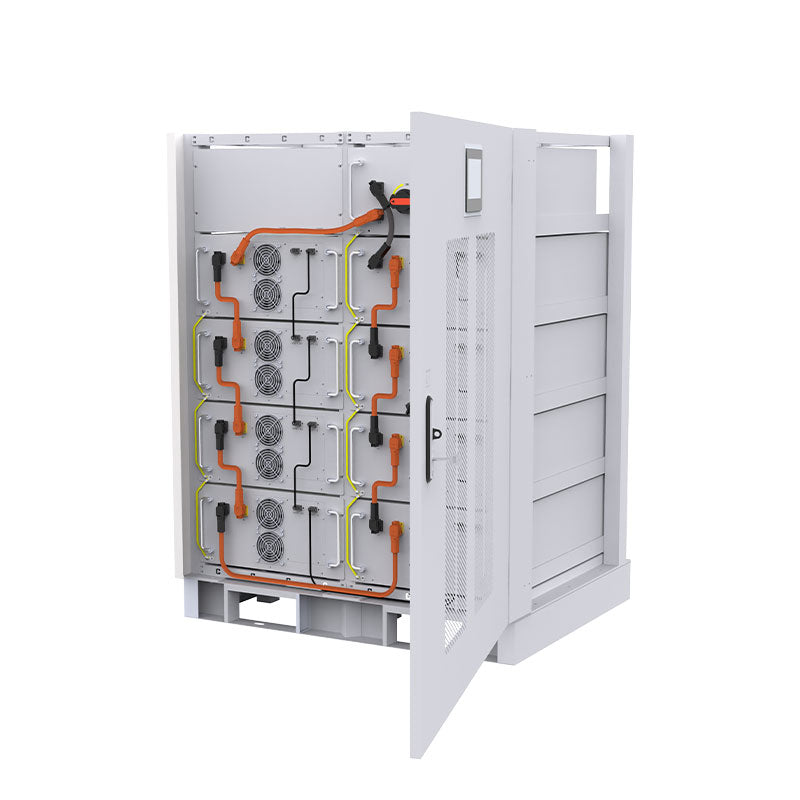



Lithium batteries are the foundation of modern residential and commercial energy storage systems. Their reliability and efficiency make them an excellent choice for anyone aiming for energy independence. To maximize the value of such an investment, it's helpful to understand two key performance metrics: cycle life and Depth of Discharge (DoD). These concepts are directly linked and play a significant role in the long-term health and performance of your battery storage.
Understanding the Core Concepts
What is Battery Cycle Life?
A battery's cycle life refers to the total number of full charge and discharge cycles it can complete before its capacity fades to a specific threshold, typically 80% of its original rating. For example, if a 10kWh battery can no longer hold more than 8kWh, it has reached the end of its warrantied cycle life. Lithium iron phosphate (LiFePO4) batteries are known for their exceptionally long cycle life, often lasting for thousands of cycles.
What is Depth of Discharge (DoD)?
Depth of Discharge describes the percentage of a battery's total capacity that has been used. If you have a 100Ah battery and use 60Ah of its capacity, you have discharged it to a 60% DoD. The remaining 40Ah is its State of Charge (SoC). These two terms are inversely related; a battery at 60% DoD is also at 40% SoC. Understanding DoD is crucial because it directly influences how many cycles your battery will provide.
The Direct Relationship Between DoD and Cycle Life
How DoD Influences Battery Longevity
There is a clear and inverse relationship between Depth of Discharge and a battery's cycle life: the shallower the average discharge, the longer the battery will last. Each deep discharge places more strain on the battery's internal components, accelerating the natural degradation process. Conversely, shallower cycles are less stressful and allow the battery to perform for a much greater number of cycles. While modern LiFePO4 batteries are robust enough to handle deep discharges, managing DoD remains a key strategy for optimization.
A Practical Look at the Numbers
The difference in cycle life at various DoD levels can be substantial. While exact numbers vary by manufacturer and specific cell chemistry, LiFePO4 batteries demonstrate a clear trend. A recent report from the U.S. Department of Energy highlighted that factors like discharge depth are critical for the longevity of energy storage systems. Managing these factors helps ensure the long-term reliability that is essential for grid stability and home energy solutions.
| Depth of Discharge (DoD) | Expected Cycle Life (LiFePO4) |
|---|---|
| 100% | 2,500 - 3,500+ Cycles |
| 80% | 4,000 - 6,000+ Cycles |
| 50% | 8,000 - 10,000+ Cycles |
This table illustrates that by limiting the regular depth of discharge, you can significantly increase the total number of cycles you get from your battery system. Setting a DoD limit of 80% is a common practice that provides an excellent balance between available energy and extended lifespan.
Optimizing Your Lithium Battery Storage System
Practical Strategies for Managing DoD
Effectively managing DoD doesn't require constant attention. Modern energy storage systems are designed with optimization in mind.
- Proper System Sizing: The most effective strategy begins with designing a battery bank that is appropriately sized for your energy needs. A slightly oversized system will naturally operate at a lower average DoD, reducing stress and extending its operational life without any extra effort.
- Setting DoD Limits: High-quality solar inverters and Battery Management Systems (BMS) allow you to configure a maximum DoD. Setting a limit, for instance at 80% or 90%, instructs the system to stop discharging the battery once it reaches that point, preserving a portion of its charge and protecting its health.
- Load Management: Aligning your consumption of high-power appliances with peak solar production times can reduce the amount of energy drawn from the battery. This minimizes the depth of discharge on a daily basis.
The Role of the Battery Management System (BMS)
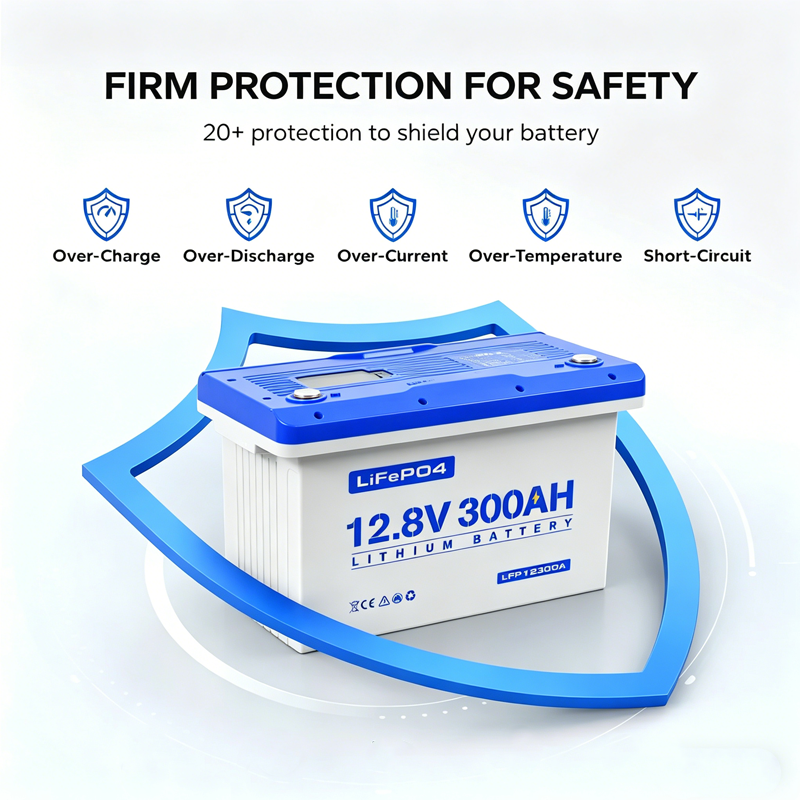
The Battery Management System is the brain of your lithium battery pack. It is an essential electronic system that monitors and manages the battery's performance and safety. A key function of the BMS is to protect the cells from over-discharging, which directly enforces the DoD limits you set. It also prevents over-charging, balances the voltage across all cells, and monitors temperature, all of which are vital for ensuring a long and reliable service life.
Beyond DoD: Other Factors Affecting Lifespan
Temperature's Critical Role
Operating temperature has a significant impact on battery health and longevity. Extreme heat accelerates the chemical degradation inside the battery, which can shorten its lifespan regardless of your DoD settings. According to research from the U.S. Department of Energy, maintaining an optimal temperature range is crucial for battery performance and durability. Most lithium batteries perform best between 20°C and 25°C (68°F and 77°F). Ensuring your battery system is installed in a location with stable temperatures will contribute to its longevity.
Charge and Discharge Rates
The speed at which a battery is charged or discharged is known as its C-rate. While LiFePO4 batteries can handle high C-rates, consistently charging or discharging them at maximum speed can also generate extra heat and stress, potentially reducing their overall lifespan. Gentle, controlled charging and discharging are always beneficial.
A Holistic View on Performance
While cycle life and DoD are central to battery longevity, a full assessment involves multiple performance metrics. The International Energy Agency (IEA) notes that the rapid growth of battery storage is critical for the global energy transition, with technology improvements constantly enhancing reliability and lifespan. For those interested in a deeper examination of various performance indicators, the ultimate reference on solar storage performance provides a comprehensive overview of what to look for.
Balancing Performance and Longevity
Understanding the relationship between cycle life and Depth of Discharge empowers you to make informed decisions about your energy storage system. By managing your battery’s DoD, you are not just preserving its health; you are maximizing its value and ensuring it delivers reliable power for years to come. It is about finding the right balance between daily energy needs and long-term performance. With high-quality lithium iron phosphate technology and smart management, achieving energy independence is a durable and sustainable reality.
Disclaimer: This article is for informational purposes only and does not constitute financial or investment advice. Please consult with a qualified professional before making any decisions regarding your energy system.
Frequently Asked Questions
Is it bad to discharge a lithium battery to 100% DoD?
While LiFePO4 batteries are capable of handling a 100% Depth of Discharge, doing so regularly will shorten their lifespan compared to shallower cycles. Most high-quality systems include a BMS that prevents the battery from being completely drained to protect the cells from potential damage.
What is a good DoD setting for a home energy storage system?
A common and highly effective setting is 80% DoD. This provides access to most of the battery's capacity for daily use while significantly extending its cycle life, often helping it achieve 4,000 to 6,000 cycles or more. This setting offers a great balance between usability and longevity.
Does leaving a lithium battery fully charged damage it?
Leaving a LiFePO4 battery at a 100% state of charge is not significantly harmful, thanks to its stable chemistry and the oversight of a BMS. Unlike older battery technologies, it does not suffer from a 'memory effect.' However, for very long-term storage (months), it is often recommended to keep it at a partial state of charge, around 40-60%.
