











Solar energy systems represent a significant investment in sustainable living. These systems promise long-term energy independence and reduced utility costs. Protecting this investment means understanding the fine print, especially regarding your system's warranty. A warranty acts as a safeguard, ensuring your system performs as expected and covering potential defects or failures. However, certain actions, particularly attempting do-it-yourself (DIY) repairs, can inadvertently nullify this crucial protection.
Understanding Your Solar System's Warranty
Your solar system typically comes with several types of warranties, each covering different aspects of its operation and components. Knowing these distinctions helps you make informed decisions about maintenance and repairs.
-
Product Warranty
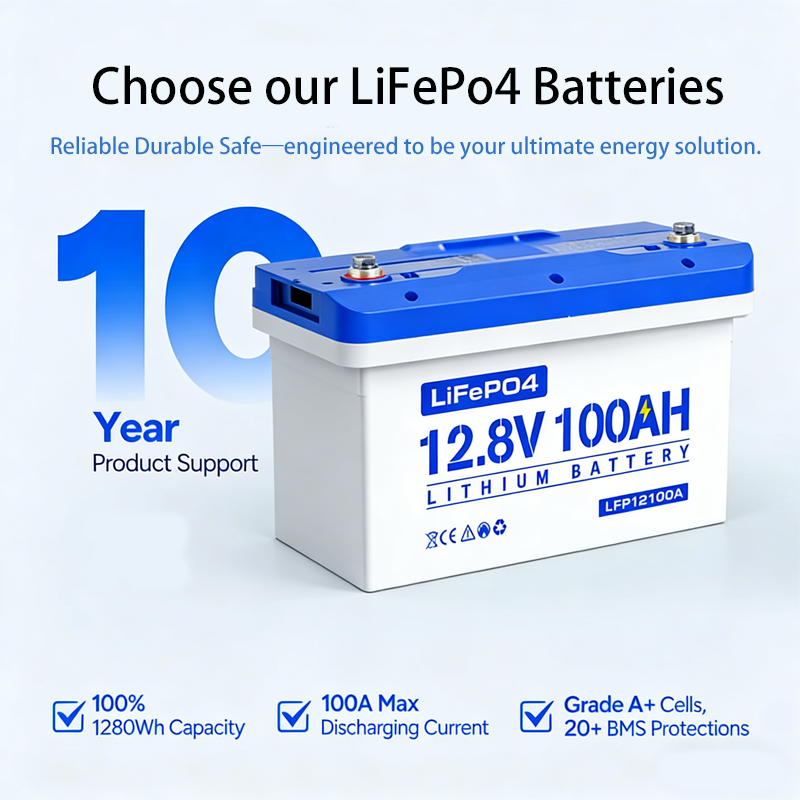
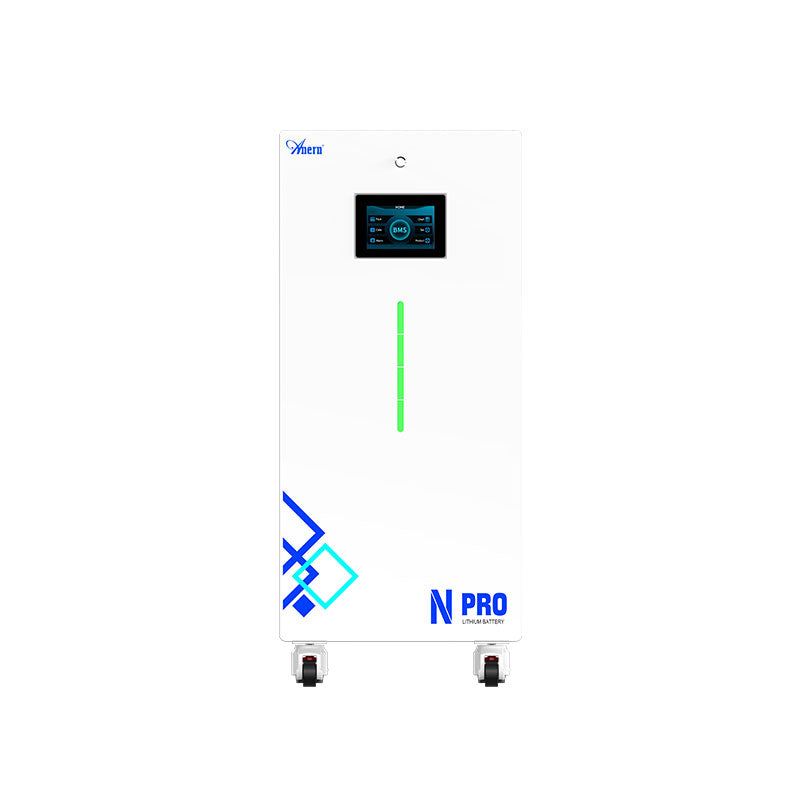
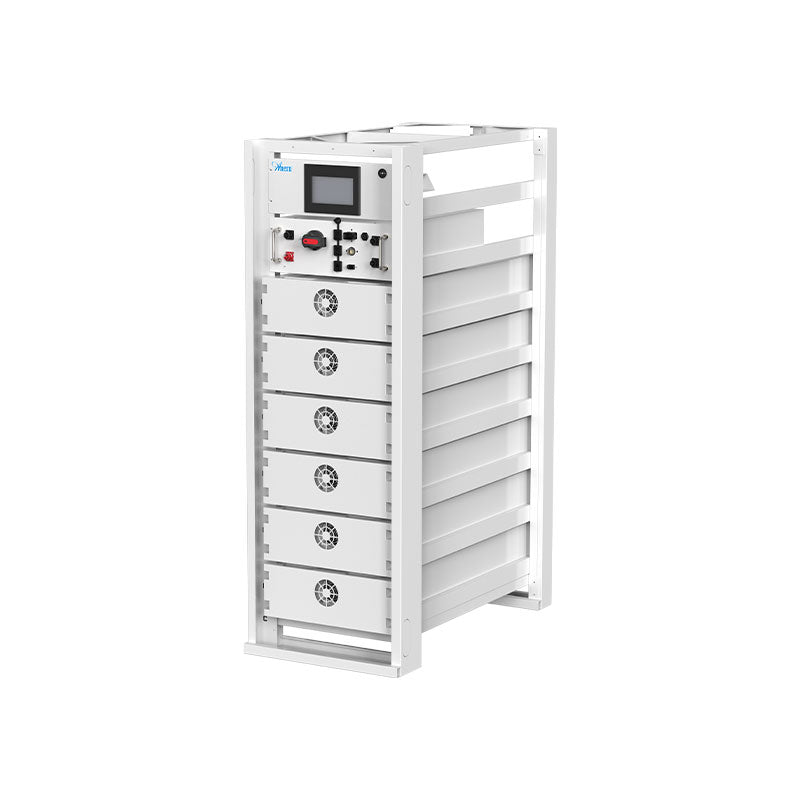
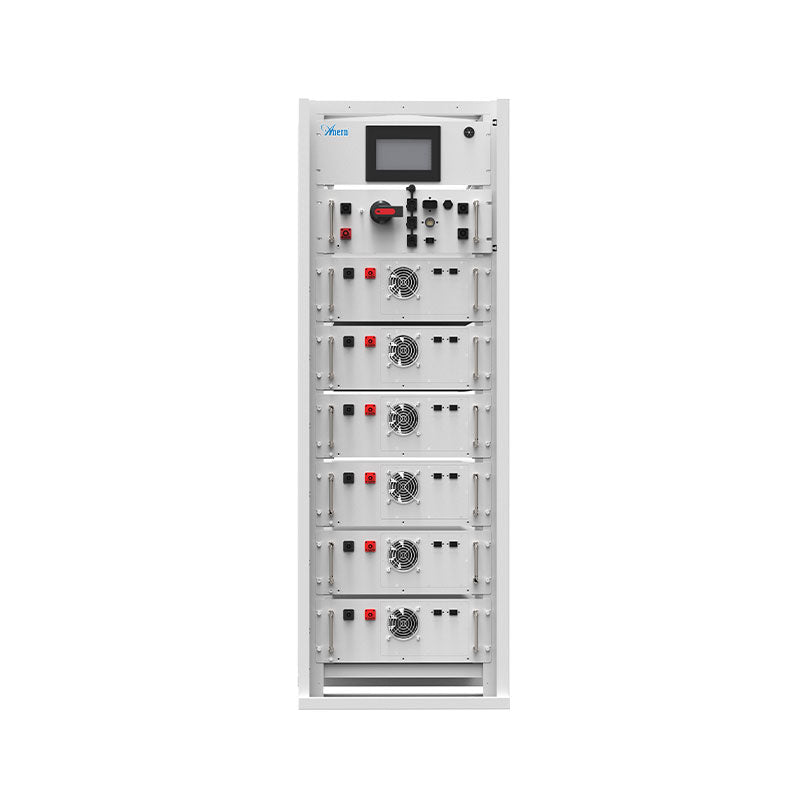
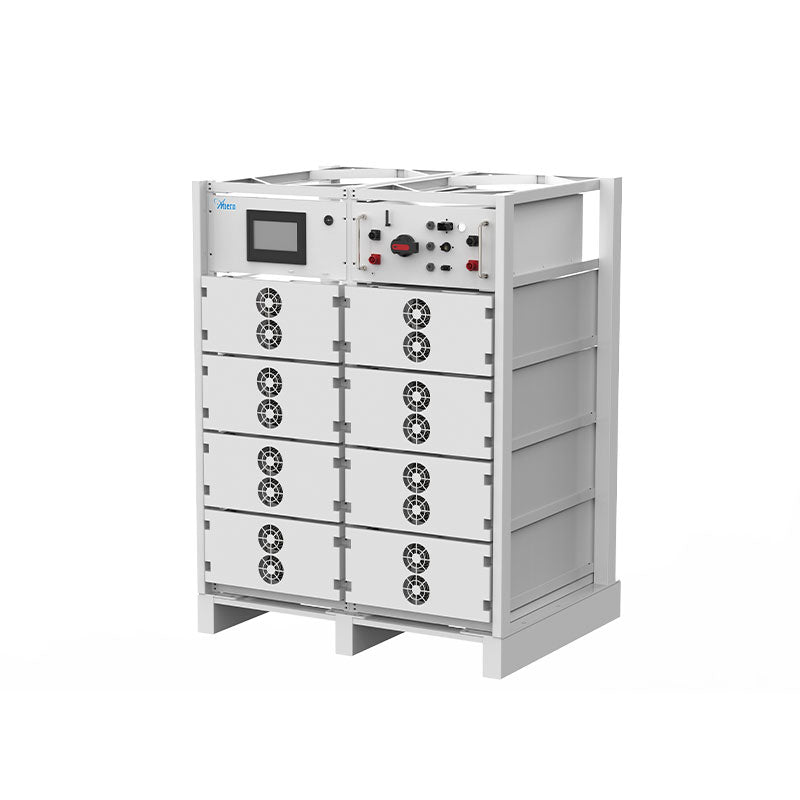
This warranty covers the physical components themselves, such as solar panels, inverters, and batteries, against manufacturing defects and material failures. For solar panels, manufacturers often provide warranties for a period of 25 years, aligning with their expected lifespan. Lithium-ion batteries commonly carry warranties for around ten years. Inverters, which convert direct current (DC) from panels into alternating current (AC) for your home, typically have warranties starting from one year.
-
Performance Warranty
A performance warranty guarantees that your solar panels will produce a certain percentage of their rated power output over time. This typically degrades slightly each year but remains high for decades. For instance, a common performance warranty might ensure 80% output after 25 years.
-
Workmanship Warranty
This covers the installation quality and the labor involved. It ensures that the system was installed correctly according to industry standards and local codes. The duration of workmanship warranties varies but often ranges from 5 to 10 years, with some extending up to 25 years.

The Allure and Risks of DIY Solar Repairs
The idea of fixing things yourself often appeals to many homeowners. It can seem like a way to save money and gain a sense of accomplishment. Common DIY attempts for solar systems might include cleaning panels, checking visible wiring for loose connections, or resetting an inverter after a minor glitch. While some basic tasks, such as routine panel cleaning, are generally safe and encouraged, more complex repairs carry significant risks.
Attempting repairs without proper training, specialized tools, or an understanding of electrical systems can lead to several hazards. You risk electrical shocks, fires, or further damage to expensive components. Incorrect repairs can also compromise the system's efficiency, leading to reduced energy production and higher electricity bills. More critically, DIY interventions often invalidate your system's warranty, leaving you without manufacturer support when genuine issues arise.
How DIY Actions Can Invalidate Your Warranty
Manufacturers design warranties to protect both the consumer and themselves. They outline specific conditions that, if violated, can render the warranty void. Understanding these conditions is crucial for maintaining your service coverage.
-
Unauthorized Modifications
Any alteration to the system not approved or performed by a certified technician can void your warranty. This includes adding non-compatible components, modifying wiring, or changing the system's configuration. Manufacturers specify approved parts and installation methods to ensure safety and performance. Using unapproved spare parts for components like transformers, inverters, or panels, especially if not covered by warranty, can lead to issues not covered by your agreement.
-
Improper Installation or Repair
If a problem arises from an installation error or a repair performed by an unqualified individual, the warranty may not cover it. Installing solar panels on your own, even if successful, typically voids the warranty. This is why workmanship warranties are important, but they only apply if the initial installation was professional. Subsequent uncertified repairs typically fall outside this coverage.
-
Neglect or Improper Maintenance
While basic cleaning is fine, neglecting necessary maintenance or performing it incorrectly can also be grounds for voiding a warranty. Warranties often require adherence to a maintenance schedule to keep the system in optimal condition. Conversely, some maintenance activities, like scheduled visual inspections and sensor cleaning, are part of preventive maintenance that helps ensure system longevity.
The consequences of a voided warranty are substantial. You become responsible for the full cost of repairs, which can be thousands of dollars for major components like inverters or battery storage systems. Without manufacturer support, you also lose access to technical assistance and genuine replacement parts, potentially affecting the system's long-term reliability and safety.
When Professional Solar Service is Necessary
Knowing when to call a professional solar technician is key to preserving your warranty and ensuring the longevity of your system. Look for clear signs that indicate a problem beyond simple troubleshooting.
-
Performance Declines
If your energy production significantly drops without an obvious reason (like prolonged cloudy weather), or your electricity bills are unexpectedly high, it signals a potential issue. Professional diagnostics can pinpoint the cause, whether it is an inverter malfunction, panel degradation, or wiring fault.
-
Error Codes and Alerts
Modern solar inverters and energy storage systems often display error codes or send alerts through monitoring apps. These codes indicate specific faults within the system. While some simple resets might be possible, many codes require expert interpretation and specialized tools for diagnosis and repair. Ignoring these alerts or attempting to clear them without addressing the underlying problem can worsen the situation.
-
Unusual Noises, Smells, or Visible Damage
Any strange sounds from your inverter, burning smells, or visible damage to panels, wiring, or mounting equipment demand immediate professional attention. These can indicate serious electrical issues, overheating, or structural problems that pose safety risks.
-
Battery Performance Issues
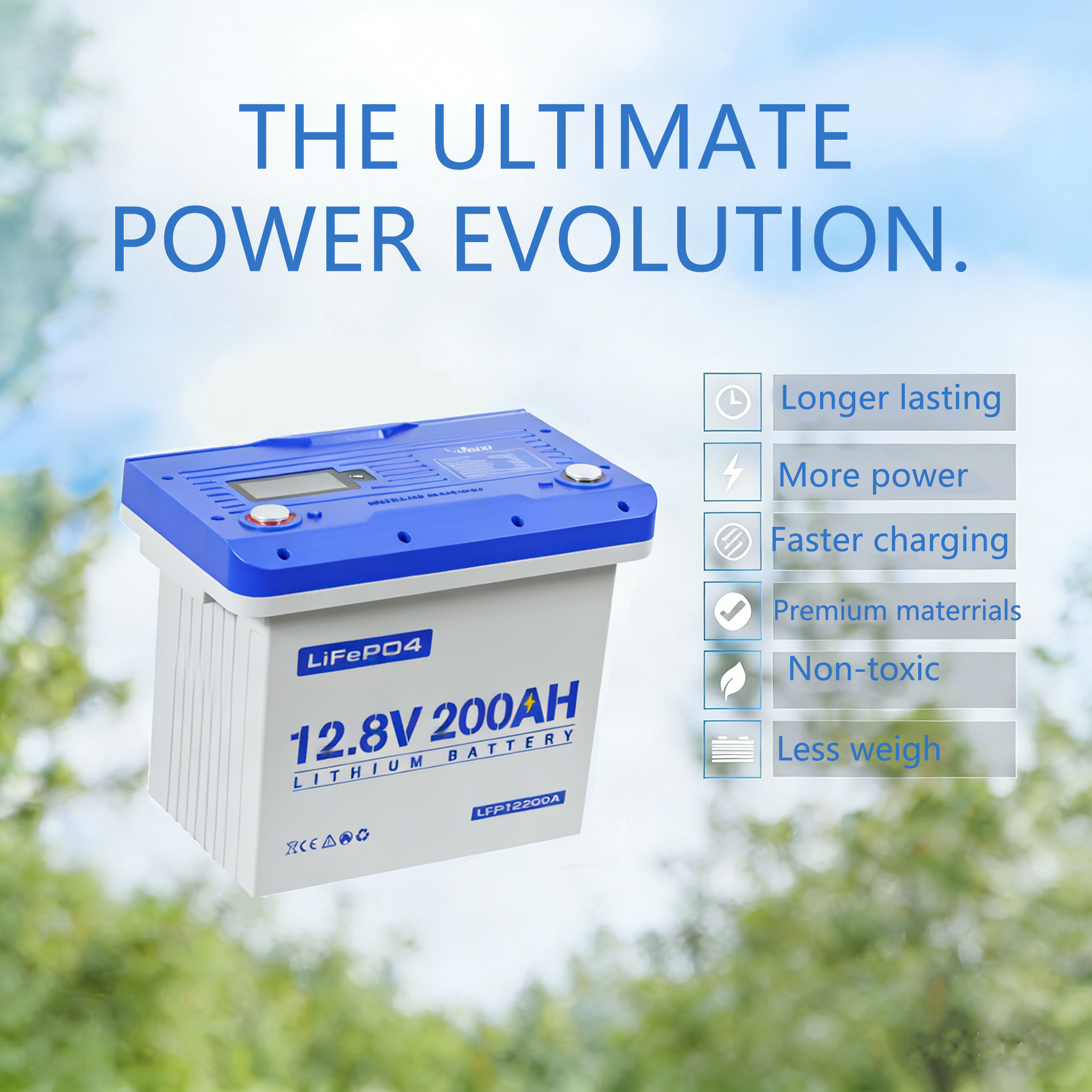
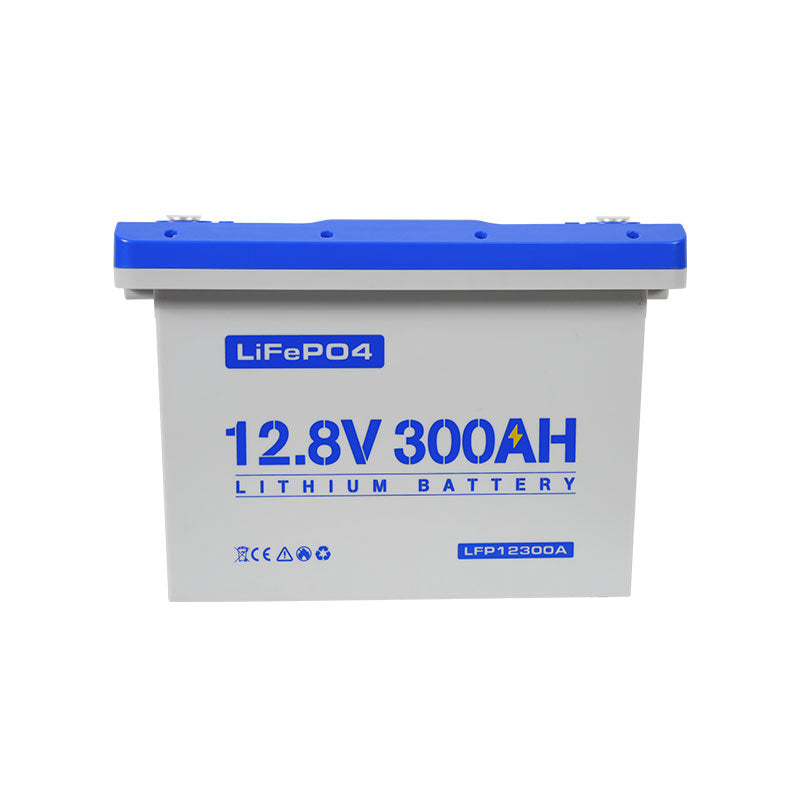
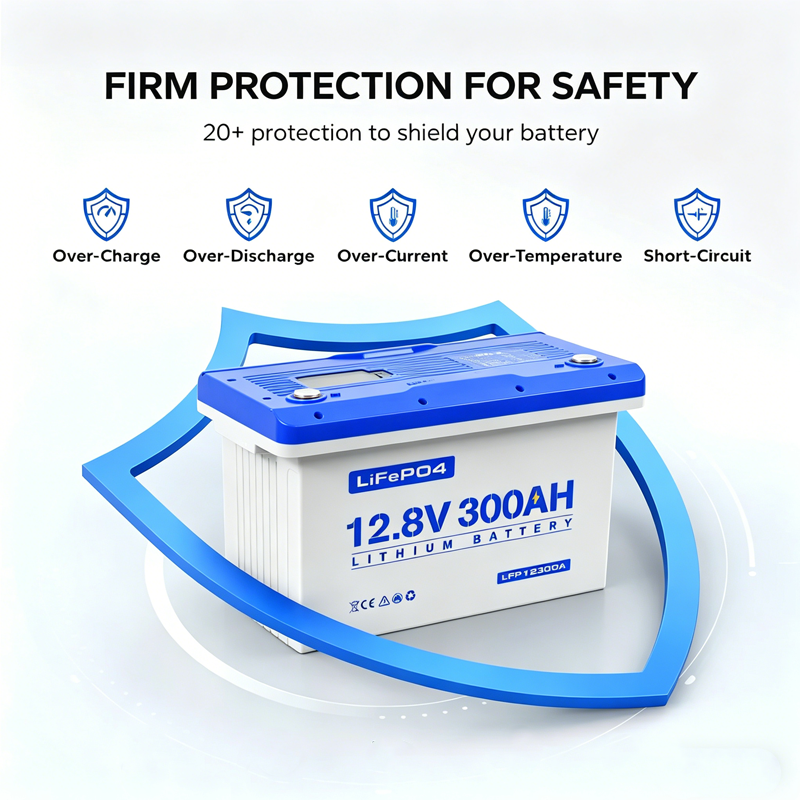
For systems with energy storage, issues like rapid discharge, inability to hold a charge, or physical swelling of battery components are critical indicators requiring professional assessment. Attempting to tamper with batteries, especially lithium iron phosphate batteries, is highly dangerous and will void warranties.
Professional technicians possess the expertise, certifications, and specialized equipment to diagnose and repair complex solar system issues safely and effectively. Their work ensures that repairs comply with warranty terms, preserving your service coverage. Regular preventive maintenance, including scheduled visual inspections and system calibration, performed by qualified personnel, helps prevent major issues and extends the lifespan of your solar investment.
| Aspect | DIY Repair | Professional Repair |
|---|---|---|
| Safety Risks | High (electrical shock, fire) | Low (trained experts, safety protocols) |
| Warranty Impact | High risk of voiding warranty | Preserves warranty, ensures compliance |
| Diagnostic Accuracy | Limited, often guesswork | High (specialized tools, expertise) |
| Component Damage Risk | High (improper handling, wrong parts) | Low (correct parts, careful handling) |
| Long-term Reliability | Uncertain, potential for recurring issues | Enhanced, reliable system operation |
| Cost Implications | Initial savings, but potentially higher long-term costs due to voided warranty or further damage | Upfront cost, but protects investment and avoids expensive future repairs |
Securing Your Solar Investment
Your solar energy system provides a pathway to energy independence and environmental benefits. Protecting this valuable asset involves more than just ensuring its physical integrity; it requires respecting the terms of its warranty. While the desire to manage minor issues yourself is understandable, the potential financial and safety repercussions of voiding your warranty far outweigh any perceived short-term savings. When faced with complex technical issues, unusual system behavior, or any doubt about a repair, consulting certified solar professionals is always the best course of action. Their expertise safeguards your system's performance, extends its lifespan, and most importantly, keeps your warranty intact, ensuring your peace of mind and continued access to clean, reliable power.
Disclaimer: This content provides general information and does not constitute legal or financial advice. Always consult with qualified professionals for specific guidance regarding your solar system and warranty terms.
