








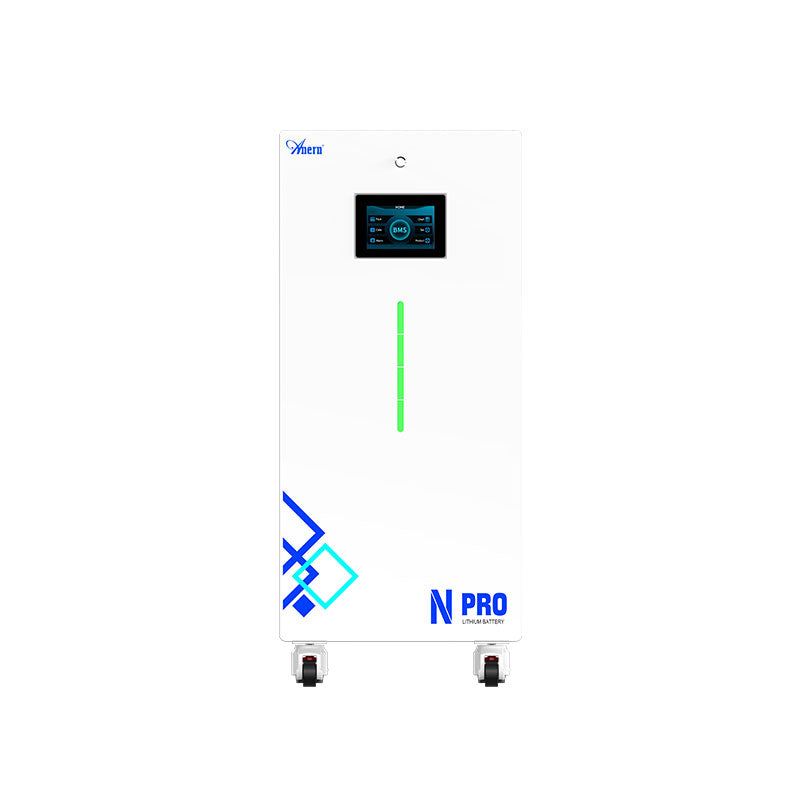

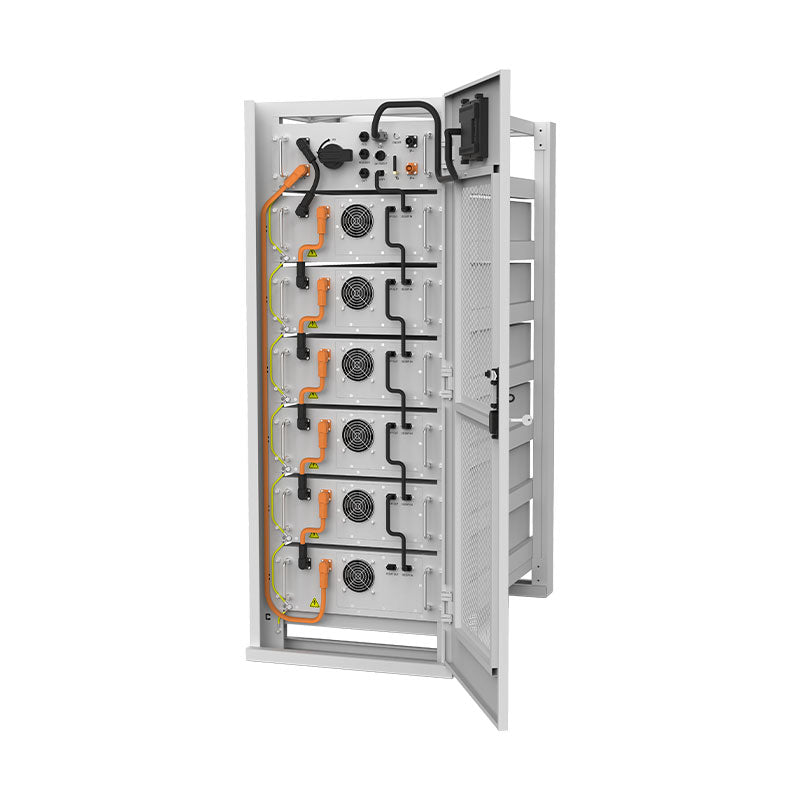
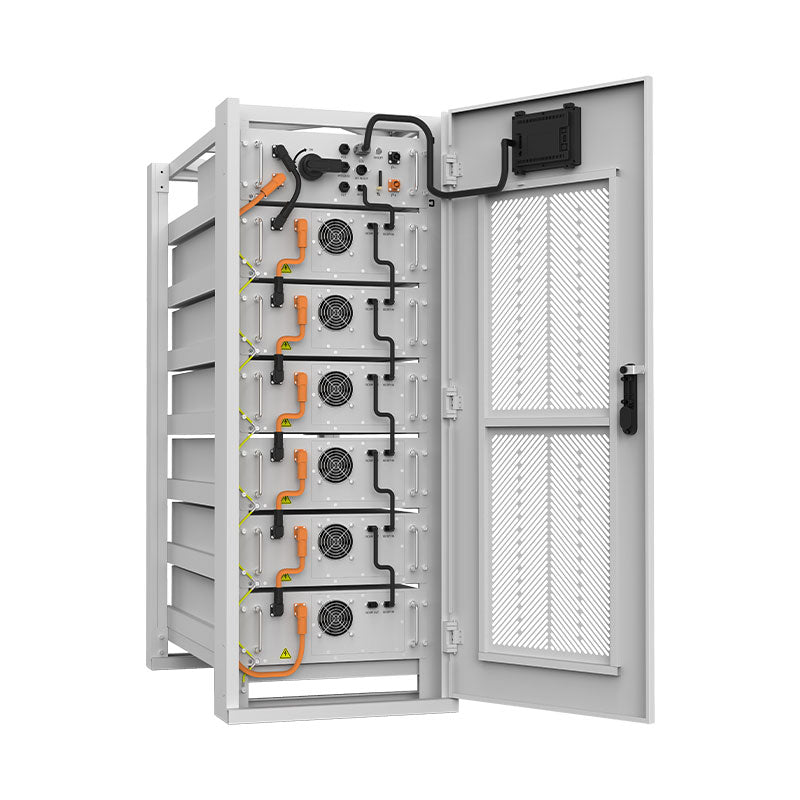
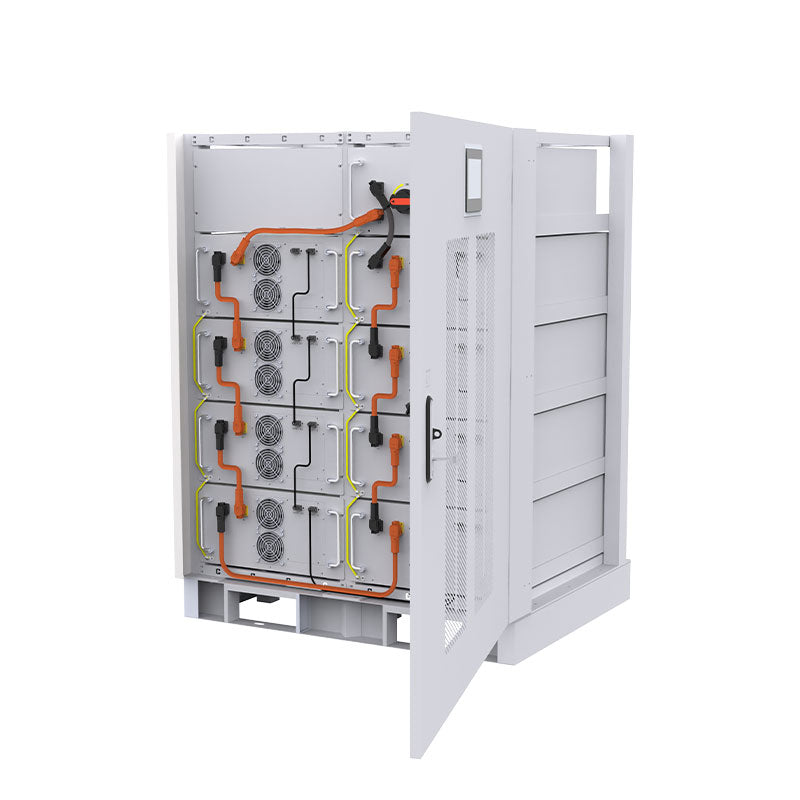



Investing in a solar battery system is a significant step toward energy independence. To get the most value from this investment, it's crucial to understand how to care for its most vital component: the battery. One of the most critical factors influencing your solar battery's lifespan is its Depth of Discharge (DoD). DoD refers to the percentage of the battery's total capacity that is used in a charge-discharge cycle. Making mistakes in how you manage DoD can prematurely shorten its service life, leading to costly replacements. This article outlines five common DoD-related errors and provides practical advice to help you avoid them, ensuring your system operates efficiently for years to come.
Understanding the Critical Link Between DoD and Cycle Life
Before diving into the mistakes, it's important to grasp the relationship between Depth of Discharge and a battery's cycle life. Cycle life is the number of full charge and discharge cycles a battery can endure before its capacity degrades to a specific point (usually 80% of its original rating). These two concepts are inversely related: the deeper you regularly discharge your battery, the fewer cycles it will last. Think of it as putting stress on the battery's internal chemistry. A shallow discharge is like a light jog, while a deep discharge is a full sprint—doing the latter too often will lead to faster wear and tear.
The Data Behind the Cycles
Different battery chemistries have different tolerances for deep discharge. Modern Lithium Iron Phosphate (LiFePO4) batteries are far more resilient than older lead-acid types. However, the fundamental trade-off still applies. A quality LiFePO4 battery can deliver thousands of cycles, but respecting DoD limits can extend that number significantly.
| Average Depth of Discharge (DoD) | Expected Cycle Life (LiFePO4) |
|---|---|
| 100% | ~2,000 - 3,000 cycles |
| 80% | ~4,000 - 6,000 cycles |
| 50% | ~7,000 - 10,000+ cycles |
Note: These are typical industry estimates. Always consult the manufacturer's specifications for your specific battery model.
Mistake #1: Consistently Pushing to Maximum DoD
One of the most common errors is treating a solar battery like a phone battery, using nearly all its capacity before recharging. While LiFePO4 batteries can technically be discharged to 100% without immediate failure, making this a regular habit puts significant stress on the battery's internal components. This 'use it all' approach accelerates capacity fade, meaning your battery will hold less charge over time.
Setting Smart DoD Limits
The solution is to program your system to maintain a buffer. Most modern solar inverters and Battery Management Systems (BMS) allow you to set a maximum DoD limit. For LiFePO4 batteries, a common recommendation is to set this limit to 80-90%. This simple configuration prevents the battery from being fully drained, dramatically increasing its expected cycle life with only a small reduction in daily usable capacity.
Mistake #2: Ignoring Battery Chemistry Differences
Not all solar batteries are created equal. Assuming the same DoD rules apply to different chemistries is a frequent oversight. Older technologies, such as Flooded Lead-Acid (FLA) batteries, are highly sensitive to deep discharge and should ideally be kept above a 50% state of charge to avoid permanent damage.
The LiFePO4 Advantage
LiFePO4 has become a leading technology for residential energy storage due to its superior safety, thermal stability, and tolerance for deeper discharge. While you can safely use more of a LiFePO4 battery's capacity, understanding its specific characteristics is key. Its robust nature means it handles a 80% DoD far better than other chemistries, offering a great balance between usable energy and longevity. According to the International Renewable Energy Agency (IRENA), advancements in battery technology, particularly in lithium-ion chemistries, are crucial for making energy storage economically viable.
Mistake #3: Undersizing Your Battery System
An undersized battery bank is a recipe for accelerated aging. If your battery's capacity is too small for your home's energy needs, you will be forced into deep discharge cycles every night just to keep the lights on. This constant high-stress operation is one of the quickest ways to shorten a battery's lifespan.
Calculating Your Needs for Longevity
Before installation, conduct a thorough energy audit to determine your average daily electricity consumption. The goal is to size your battery bank so that your typical daily usage results in a shallow DoD, perhaps between 50% and 70%. This approach not only preserves the battery's health but also provides a crucial energy reserve for days with low solar generation. A properly sized system ensures you are not consistently pushing your battery to its limits.
Mistake #4: Disregarding Temperature's Role
A battery's operating environment has a direct impact on its health and how it responds to discharge. Extreme temperatures—both hot and cold—can negatively affect performance and lifespan. High temperatures accelerate the chemical degradation inside the battery, while very cold temperatures can temporarily reduce its available capacity and efficiency. Discharging a battery deeply under these stressful conditions compounds the damage.
Best Practices for Battery Placement
To mitigate these effects, install your battery system in a location with a stable temperature, such as a garage or basement, away from direct sunlight and moisture. Most LiFePO4 batteries are equipped with a sophisticated BMS that protects against over and under-temperature charging and discharging. However, consistently operating at the edge of these temperature limits is still not ideal for maximizing longevity.
Mistake #5: Neglecting System Monitoring and Adjustment
Modern energy storage systems are equipped with powerful monitoring software that provides a wealth of data about your energy production and consumption. The 'set it and forget it' approach is a missed opportunity for optimization. Regularly ignoring this data means you are unaware of patterns that could be harming your battery.
Using Data for Proactive Management
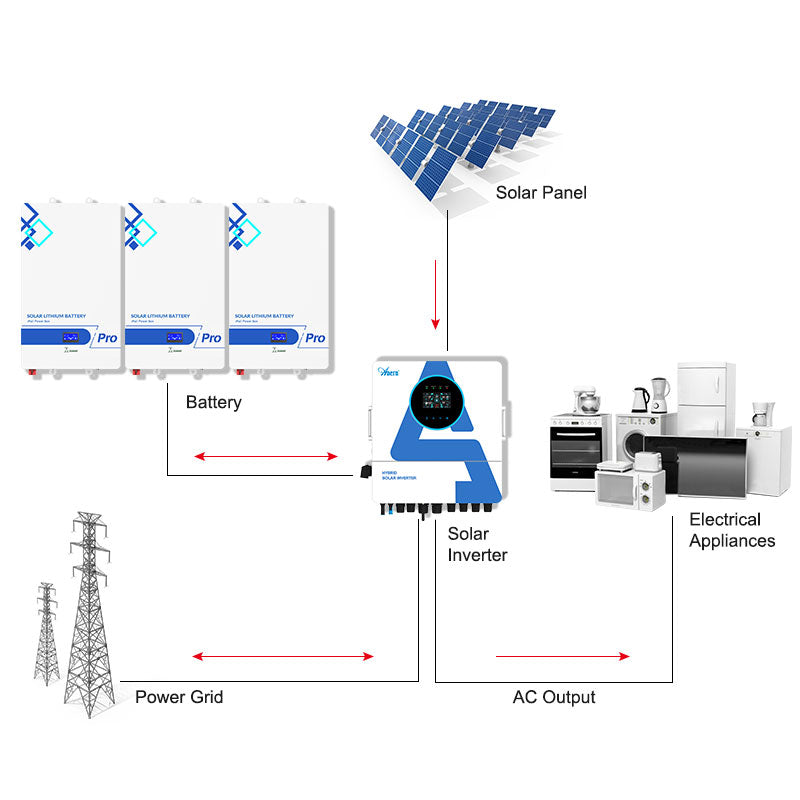
Make a habit of checking your system's performance data. Look for trends in your daily DoD. Are you frequently hitting the maximum DoD limit you set? If so, it could indicate an increase in your energy consumption that needs to be addressed, or it might signal that your system is undersized for your current needs. The performance of your entire storage system, from the battery to the inverter, dictates how well you can manage these factors. As detailed in this comprehensive guide on solar storage performance, a well-integrated system provides the control needed to optimize cycle life. According to the U.S. Energy Information Administration (EIA), the rapid growth in battery storage is a key component of modernizing the grid, and proper management is essential for reliability.
Protecting Your Energy Future
Managing your solar battery's Depth of Discharge is not about limiting your energy use; it's about using your stored energy intelligently. By avoiding these five common mistakes, you can significantly extend the service life of your battery. A small adjustment, like changing your maximum DoD from 100% to 80%, can result in thousands of additional cycles. This proactive approach ensures your solar energy system remains a reliable and cost-effective asset for years, paving the way for true energy independence. The International Energy Agency (IEA) highlights that robust and long-lasting energy storage is essential for the global transition to renewable energy.
Frequently Asked Questions
What is the ideal DoD for a LiFePO4 solar battery?
While LiFePO4 batteries can handle deep discharges up to 100%, for optimal lifespan, a maximum DoD of 80-90% is widely recommended for daily use. An average daily DoD of 50-70% provides an excellent balance between usable capacity and extending the battery's service life.
Does leaving a solar battery fully charged hurt it?
Unlike some older battery chemistries, leaving a LiFePO4 battery at a 100% state of charge for short periods is not significantly harmful. Its stable chemistry and the integrated Battery Management System (BMS) protect it from overcharging. However, for long-term storage (e.g., several months), it is often recommended to keep it at a partial state of charge, around 50-60%.
How does DoD affect the return on investment (ROI) of a solar battery?
Proper DoD management directly improves your ROI. By extending the battery's lifespan, you delay the need for a costly replacement. A battery that provides reliable service for 15 years instead of 8 because of smart DoD settings delivers a much better financial return on your initial investment.
Disclaimer: This information is for educational purposes only and does not constitute financial or investment advice. Consult with a qualified professional for personalized recommendations.
