














Living off the grid offers unparalleled freedom and a direct connection with nature. For many, a cabin nestled away from traditional infrastructure represents the ultimate escape. Powering such a retreat requires a dependable and self-sufficient energy solution. Solar power, combined with advanced battery storage, makes this vision a practical reality. This approach empowers you to generate your own electricity, store it for when you need it most, and achieve true energy independence.
Our experience in the solar and energy storage industry, particularly in lithium battery manufacturing and integrated energy storage systems, positions us to deliver reliable and scalable energy solutions. We focus on empowering customers to gain control over their energy needs.

The Foundation: Solar Panel Electricity Generation
At the heart of any solar power system lies the solar panel, a device capable of converting sunlight directly into electricity. This remarkable process relies on a scientific phenomenon known as the photovoltaic effect.
Understanding the Photovoltaic Effect
The photovoltaic effect describes how a material generates voltage and electric current when exposed to light. Solar cells, the building blocks of solar panels, typically consist of two different types of semiconductors, a p-type and an n-type, joined to form a p-n junction.
When photons from sunlight strike these cells, they transfer energy to electrons within the semiconductor material. This energy excites the electrons, causing them to break free from their atomic bonds and move to a higher energy state. This movement creates an electric potential difference, leading to the flow of direct current (DC) electricity.
Essentially, the photovoltaic effect transforms light energy into electrical energy, providing a clean and renewable power source.
Key Solar Panel Components and Types
Solar panels are comprised of multiple solar cells encased in a protective frame. The most common types include monocrystalline, polycrystalline, and thin-film panels. Monocrystalline panels, recognized by their uniform dark appearance, offer high efficiency due to their single-crystal silicon structure. Polycrystalline panels, with a fragmented, crystal-like look, are generally more cost-effective. Thin-film panels are flexible and lightweight, suitable for various applications, though typically less efficient than crystalline options.
Advances in technology have significantly improved solar panel efficiency. Early solar panels had an efficiency of around 12-15%, but modern panels now exceed 22-24% efficiency in real-world conditions.
Factors Affecting Solar Panel Output
The amount of electricity a solar panel generates depends on several factors. Sunlight intensity is paramount; brighter, direct sunlight yields more power. Temperature also plays a role, with panels performing optimally in cooler conditions, as excessive heat can reduce efficiency. Shading from trees, buildings, or even dirt can drastically reduce output, as a shaded portion of a panel can impact the performance of the entire array. Proper system design considers these factors to maximize energy harvest.
Storing Your Power: The Role of LiFePO4 Batteries
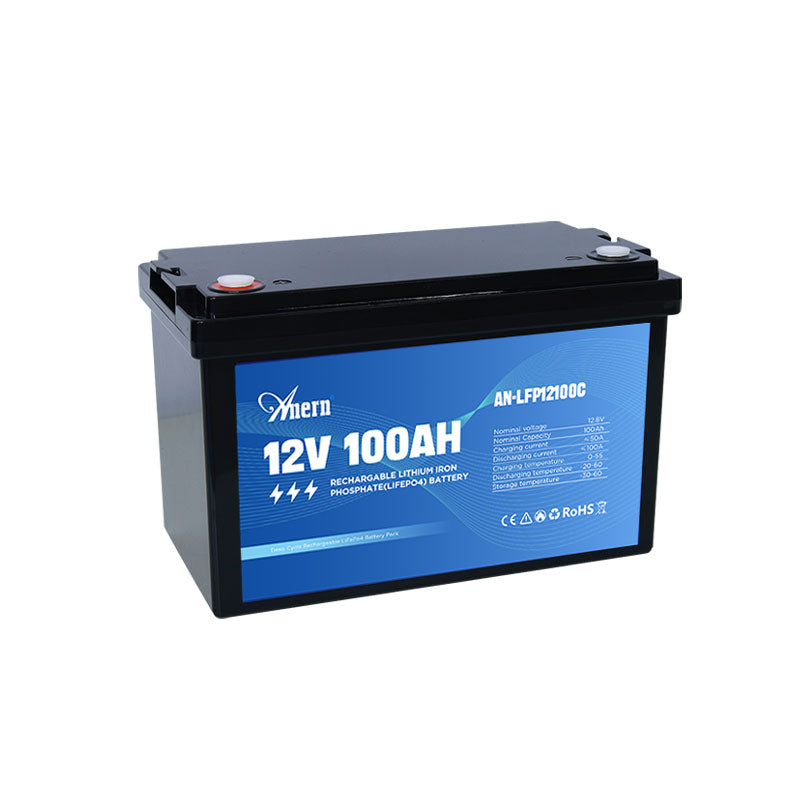
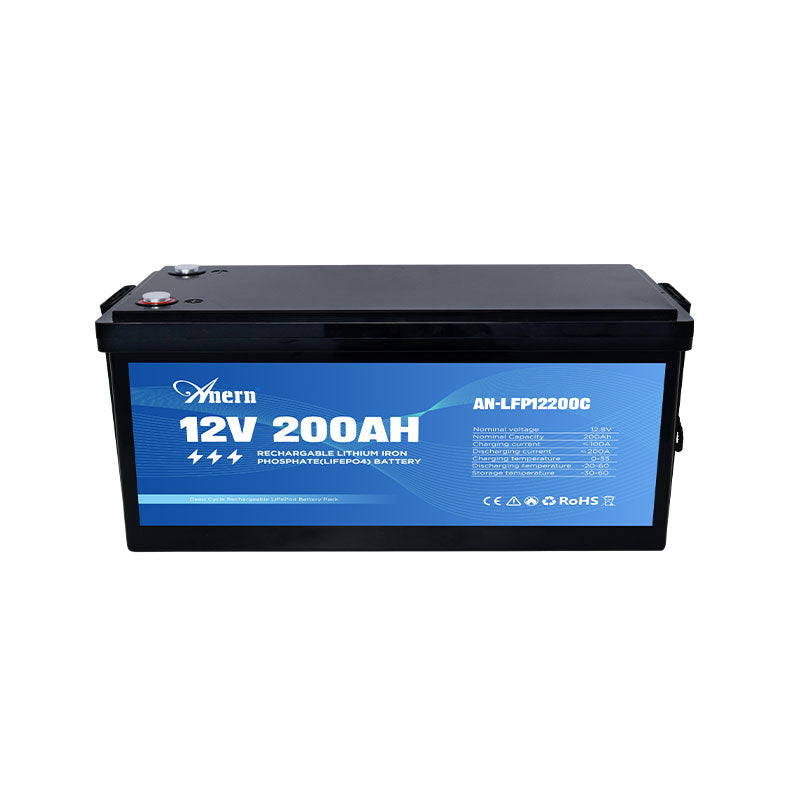
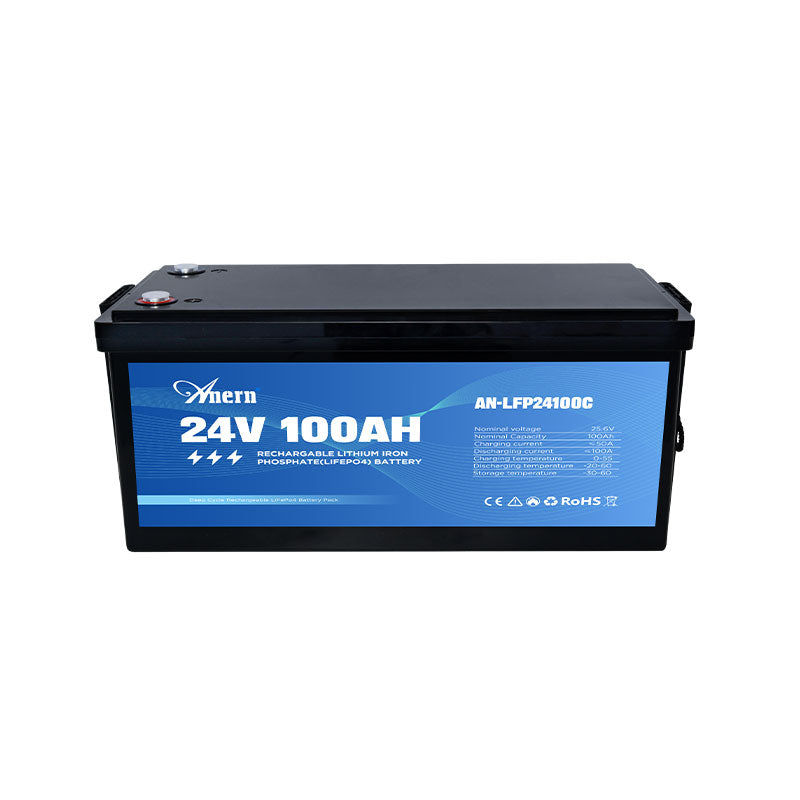
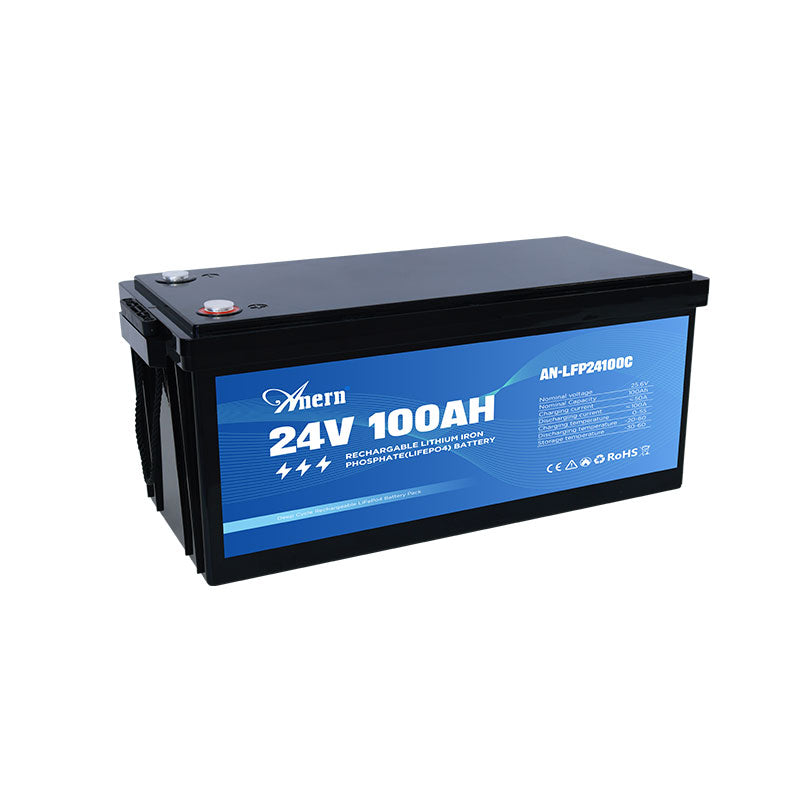
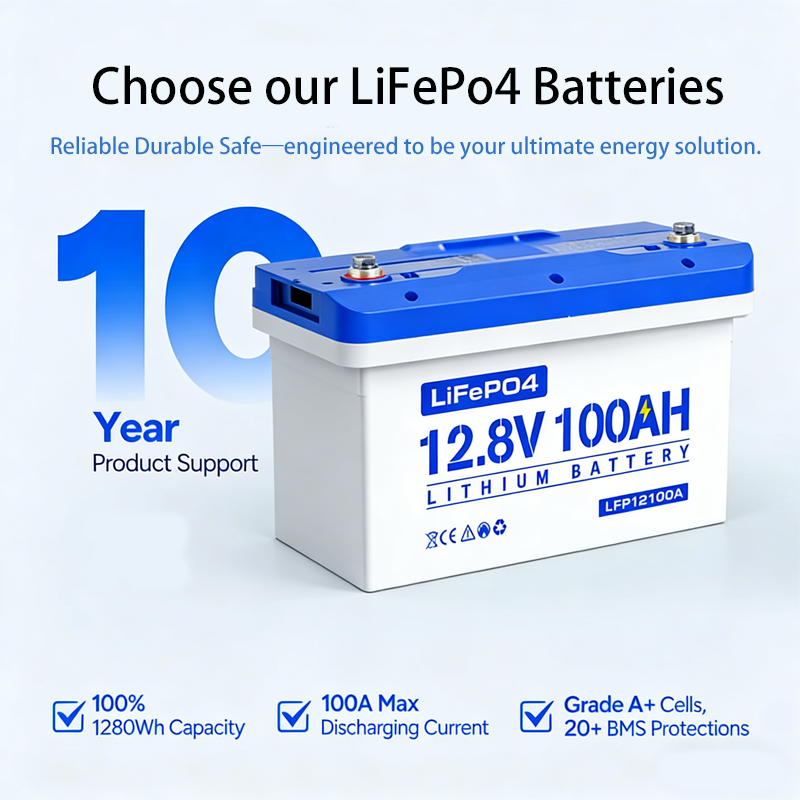
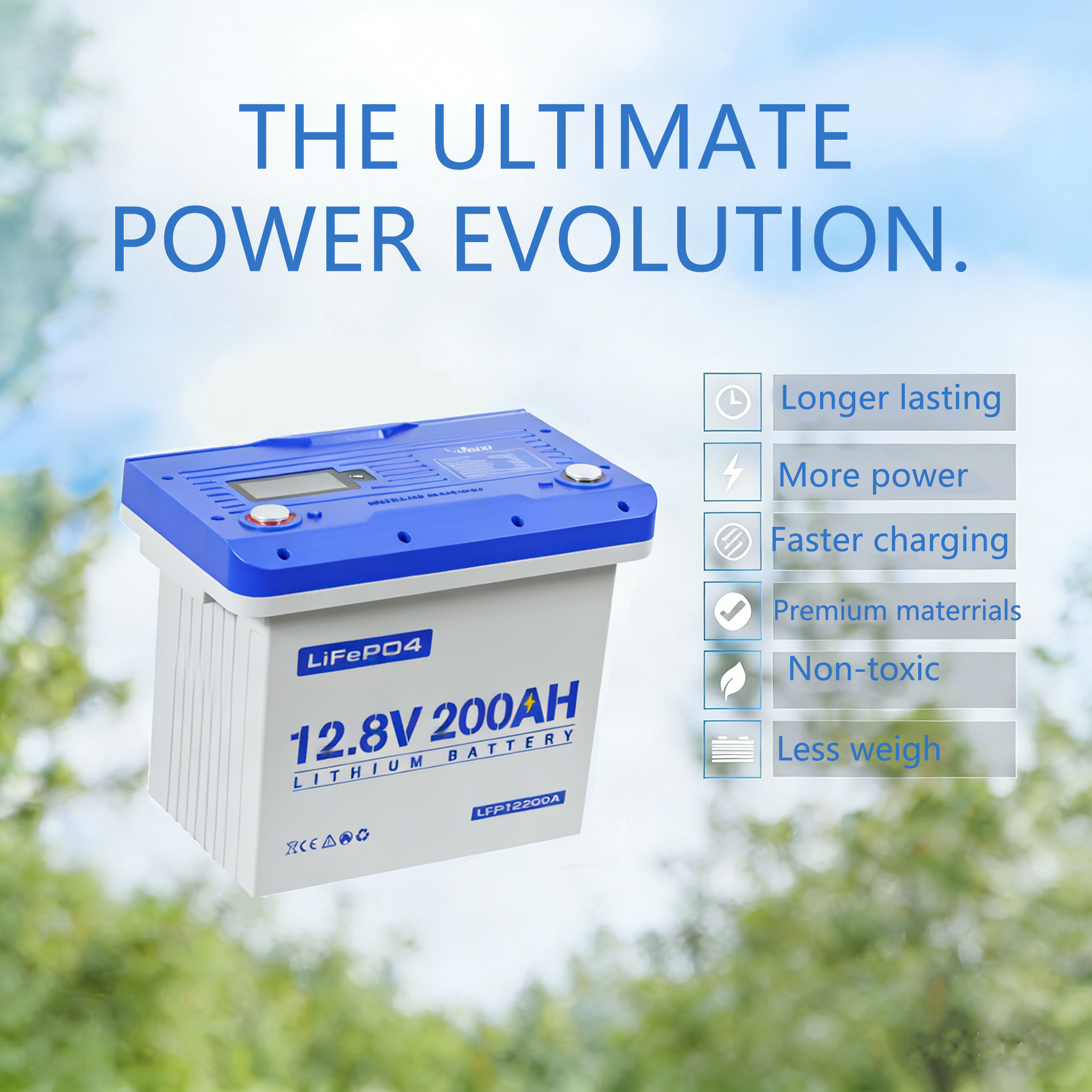
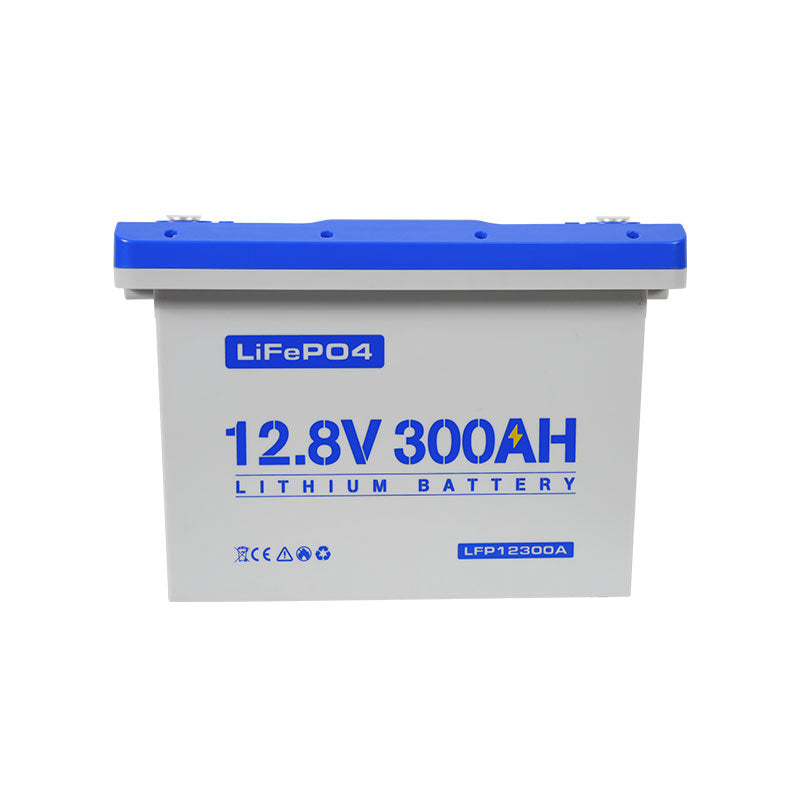
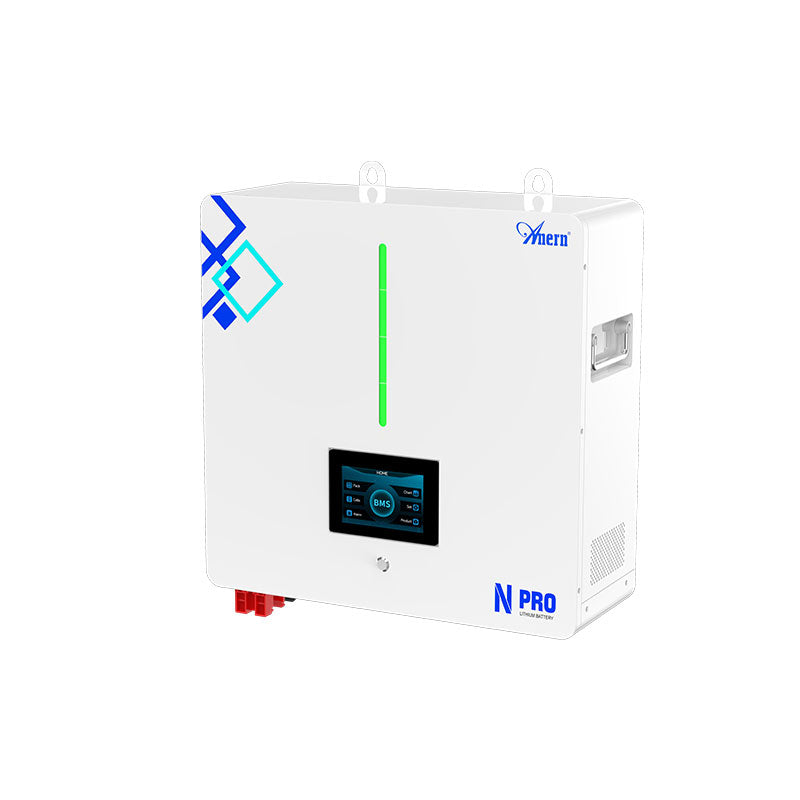
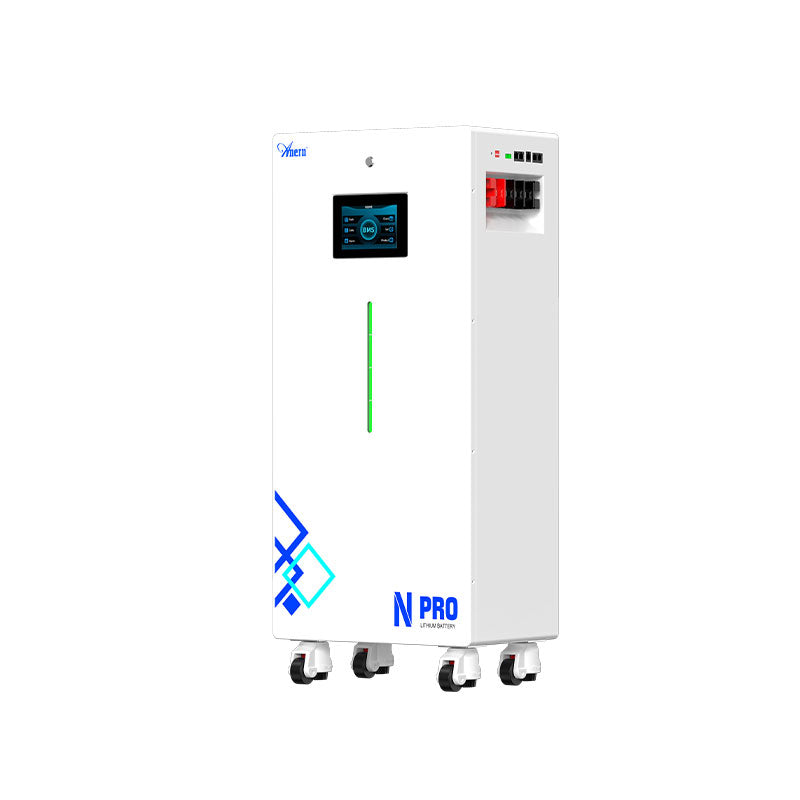
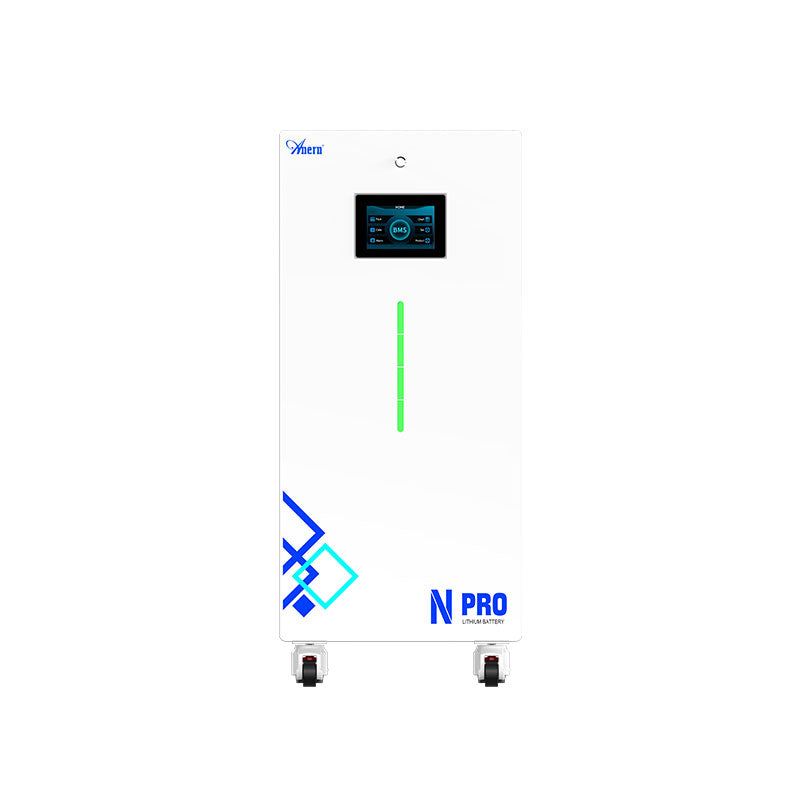
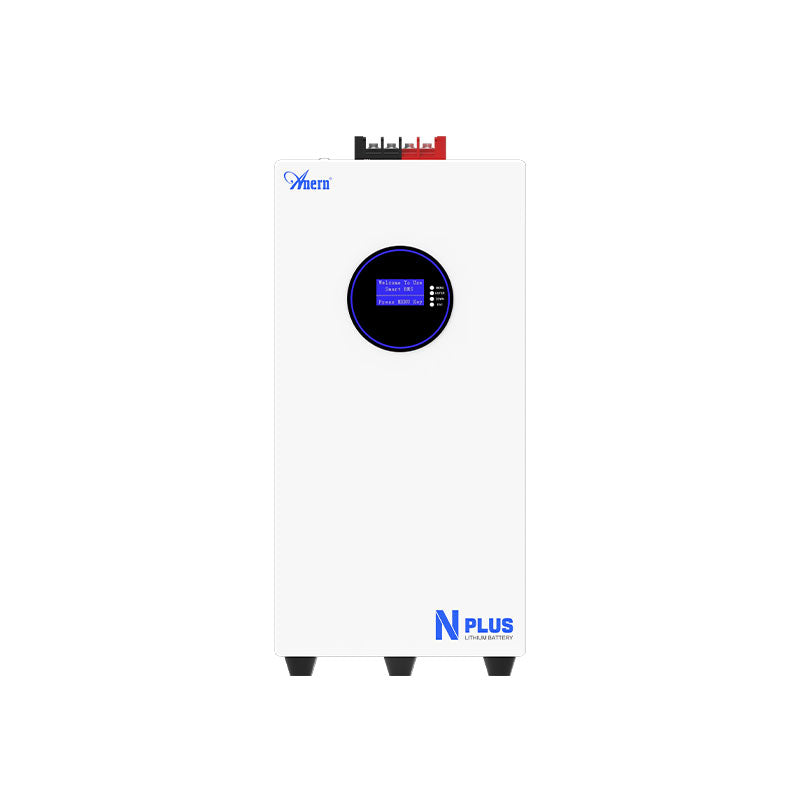
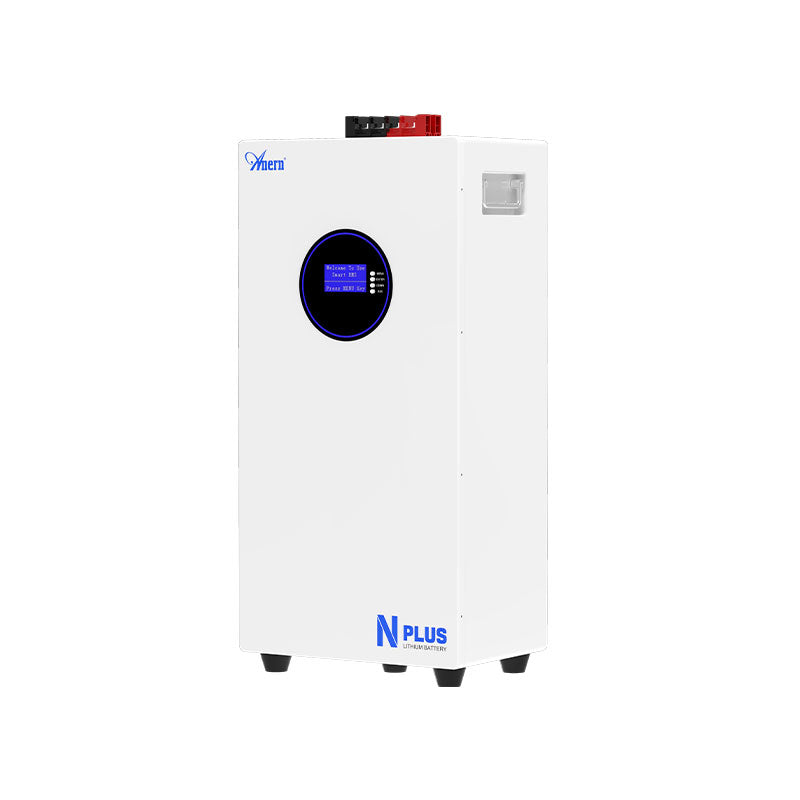
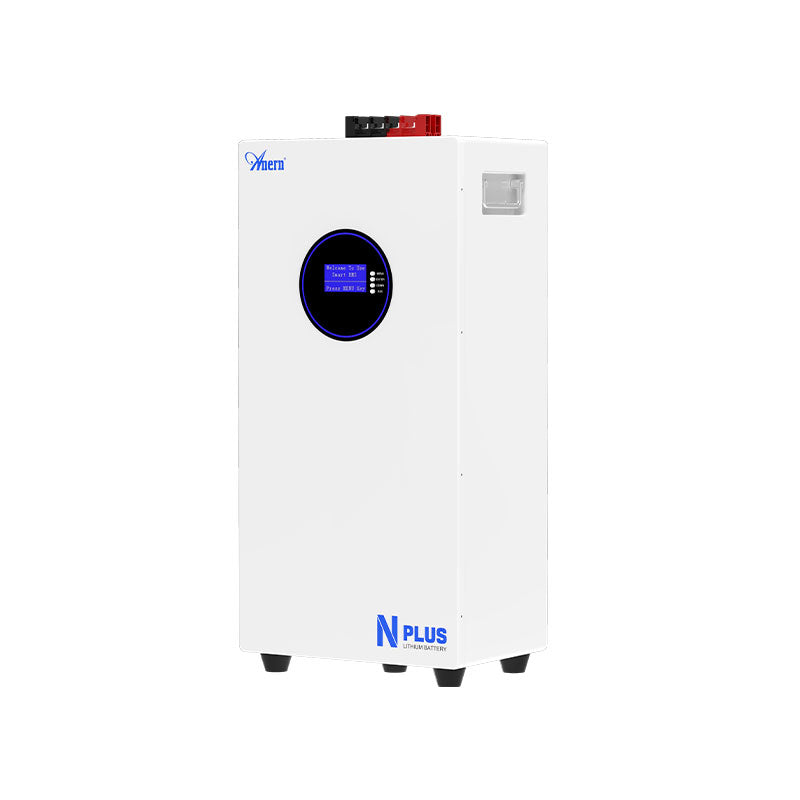
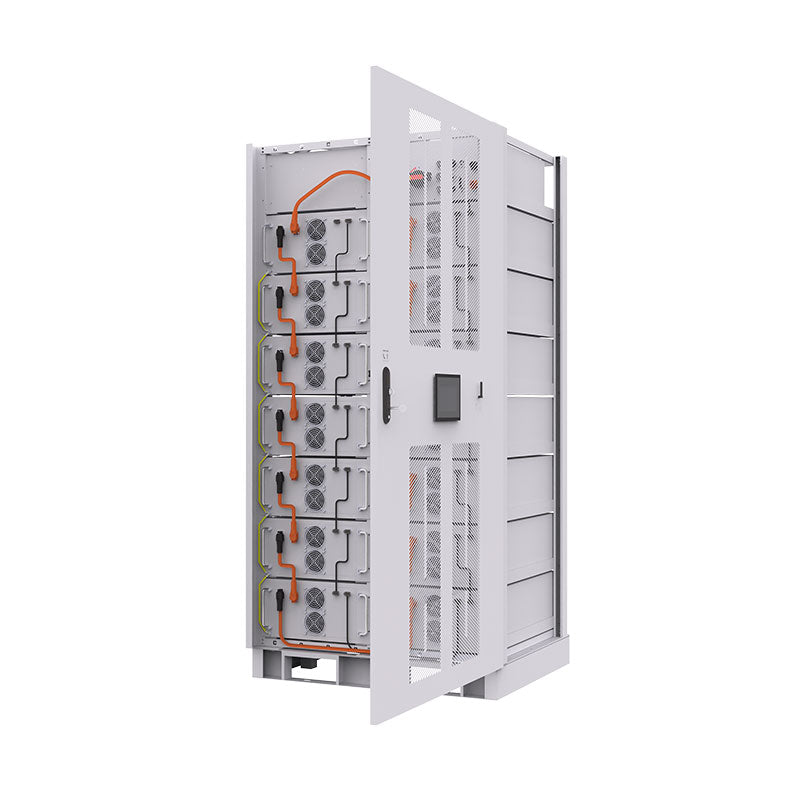
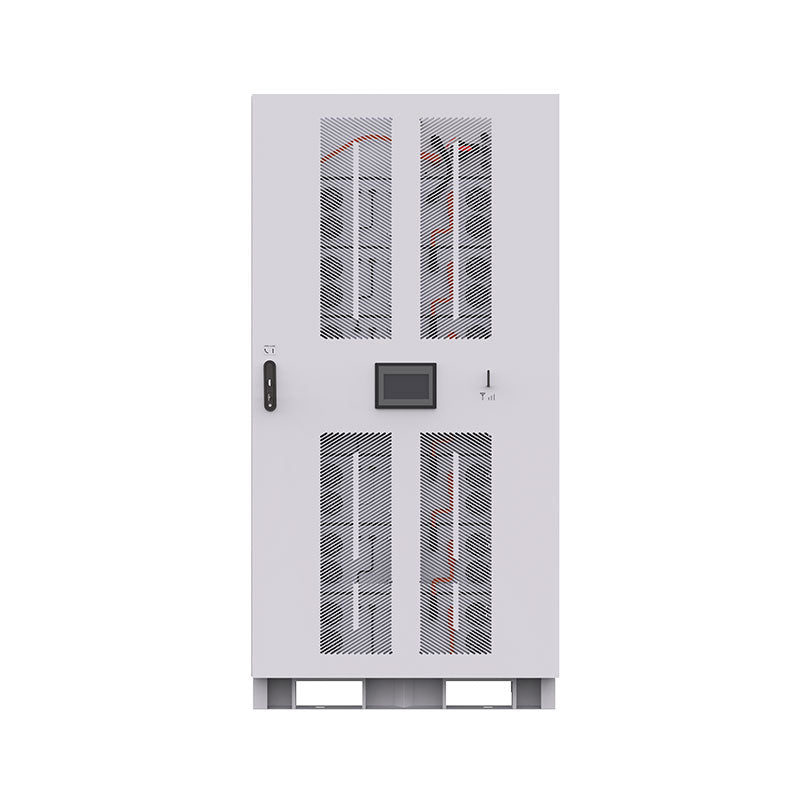
For an off-grid cabin, storing generated electricity is as crucial as producing it. Batteries provide the essential buffer, ensuring power availability during cloudy days or at night. Lithium Iron Phosphate (LiFePO4) batteries stand out as a superior choice for such applications.
Why LiFePO4 for Off-Grid?
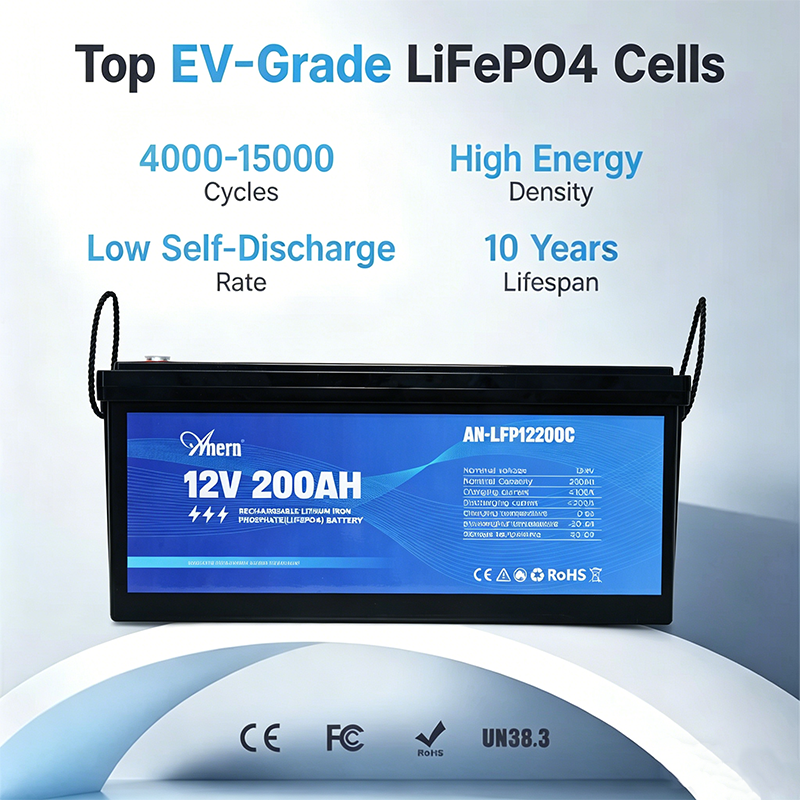
LiFePO4 batteries offer a compelling combination of performance, safety, and reliability, making them ideal for off-grid solar solutions. They boast a longer cycle life compared to other battery chemistries, often delivering thousands of charge and discharge cycles. This translates to a longer lifespan and greater value. Their inherent chemical stability provides enhanced safety, reducing the risk of thermal runaway. Additionally, LiFePO4 batteries maintain a stable voltage output throughout their discharge cycle, ensuring consistent power delivery to your cabin's appliances.
The cost of lithium-ion battery packs, including LiFePO4, has seen a significant decline, making them increasingly accessible for energy storage systems. In 2020, the average lithium-ion battery pack price was $137 per kWh, a substantial drop from over $1,000 per kWh a decade earlier. By 2024, prices continued to fall, reaching a record low of $115 per kilowatt-hour.
Battery Sizing and Management
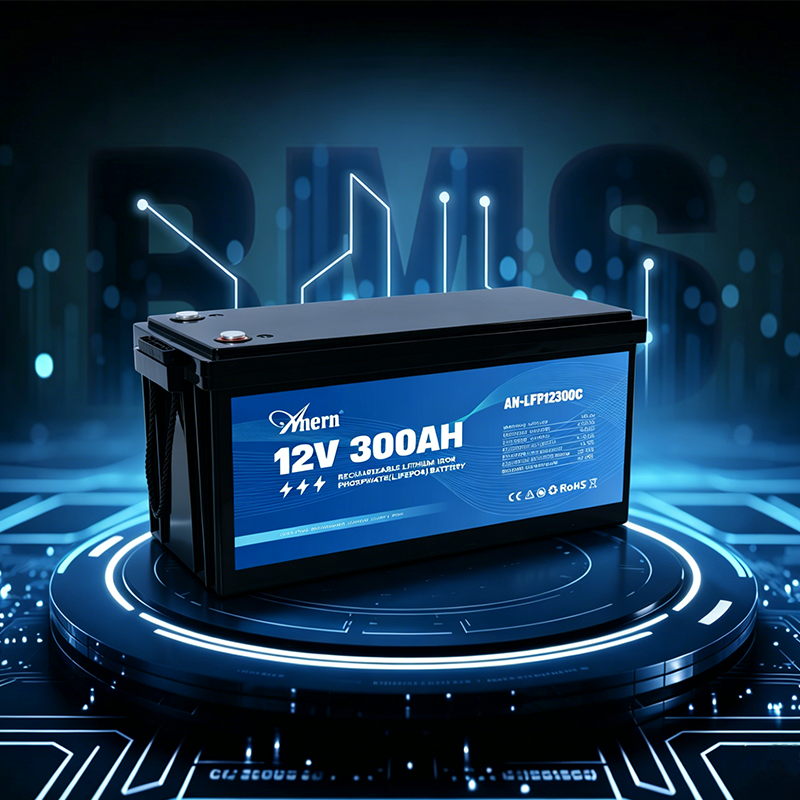
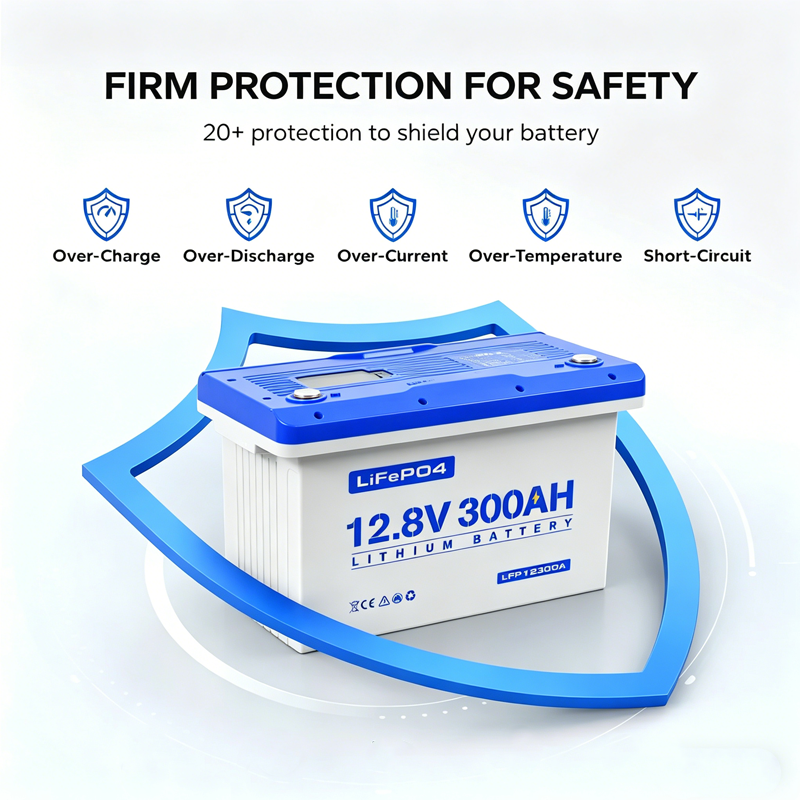
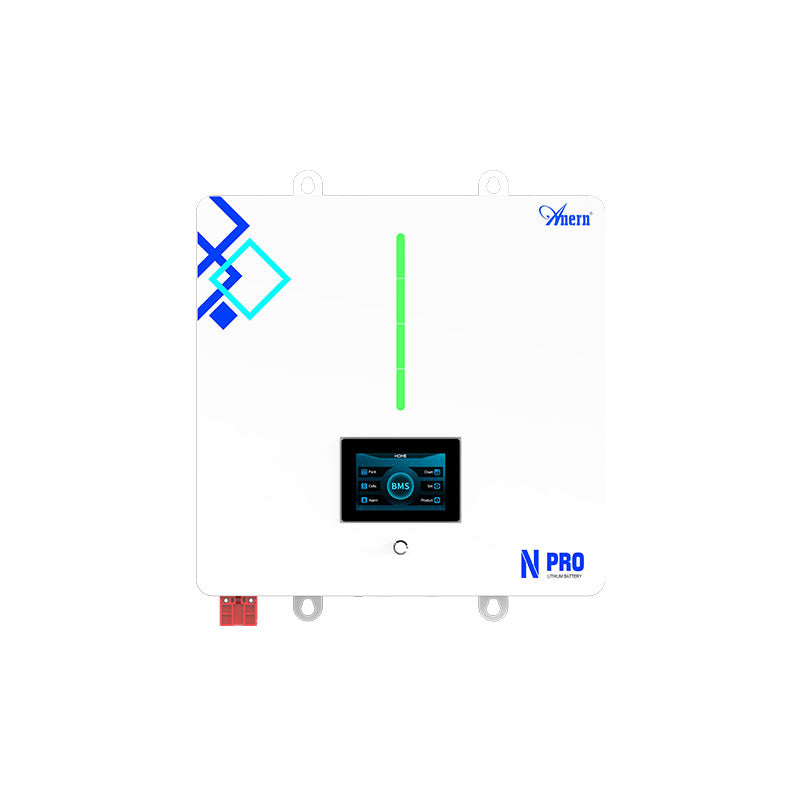
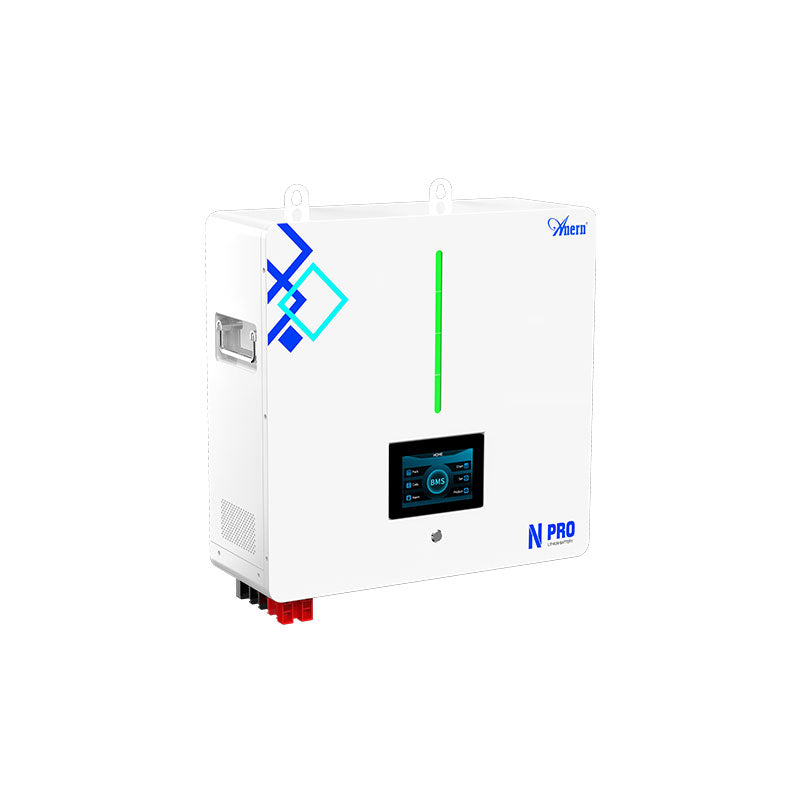
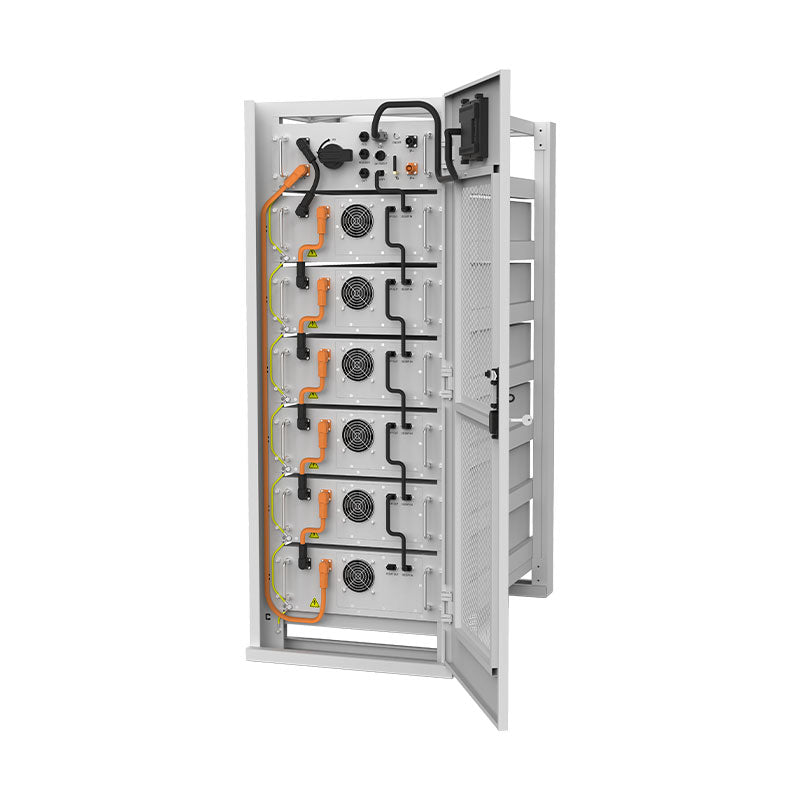
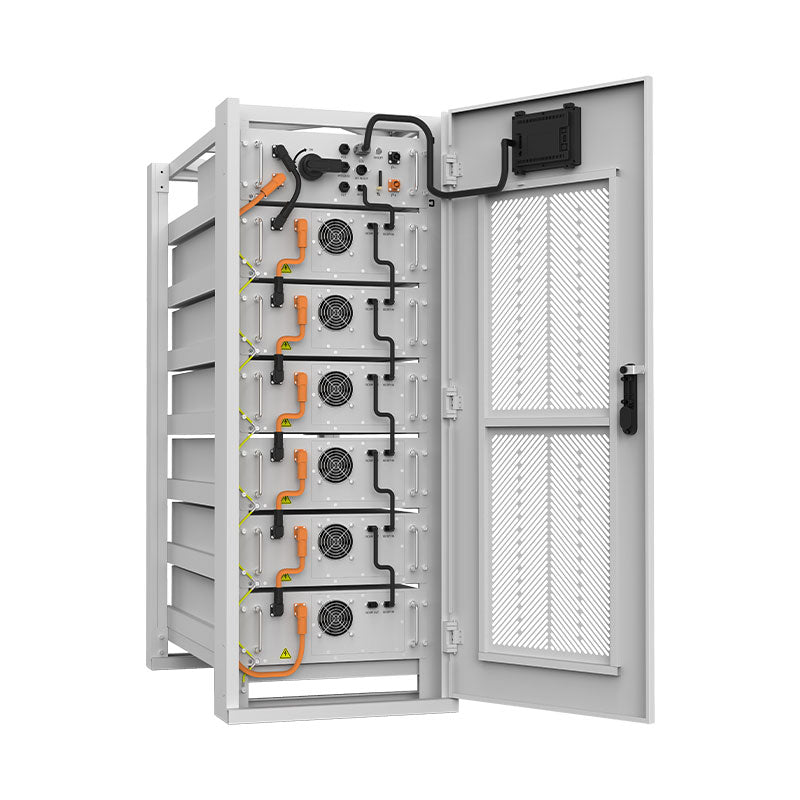
Properly sizing your battery bank is critical for off-grid living. This involves assessing your daily energy consumption and determining how many days of autonomy you require (e.g., how many days you need power without sun). A Battery Management System (BMS) is an integrated component that monitors and manages the battery pack's performance, ensuring safe operation, balancing cell voltages, and protecting against overcharge or over-discharge. This management system extends the battery's lifespan and maintains its efficiency.
Comparing Battery Technologies
While various battery technologies exist, LiFePO4 offers distinct advantages for off-grid applications compared to traditional lead-acid batteries:
| Feature | LiFePO4 Batteries | Lead-Acid Batteries |
|---|---|---|
| Cycle Life | 2,000 - 8,000+ cycles | 300 - 1,000 cycles |
| Depth of Discharge (DoD) | Up to 100% (recommended 80-90%) | 50% (to preserve lifespan) |
| Efficiency | 95-99% | 80-85% |
| Weight | Significantly lighter | Very heavy |
| Maintenance | Virtually maintenance-free | Regular watering, ventilation needed |
| Safety | High thermal stability, very safe | Can off-gas, requires ventilation |
| Self-Discharge Rate | Very low (1-3% per month) | Higher (5-10% per month) |
The superior performance and longevity of LiFePO4 batteries, despite a higher upfront cost, often result in a lower total cost of ownership over their lifespan.
Connecting the System: From Panel to Power Outlet
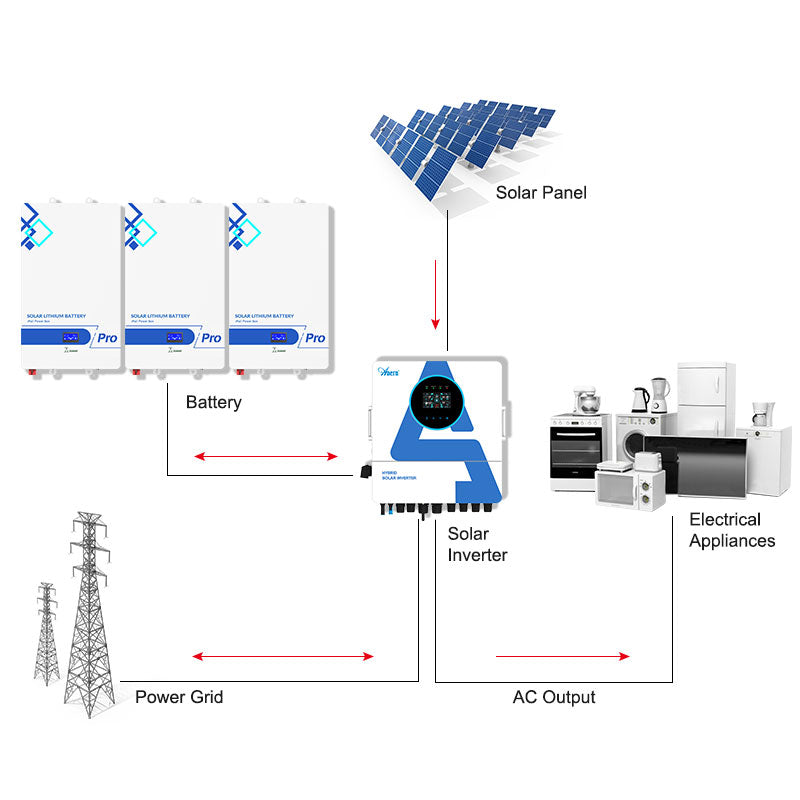
A functional off-grid power system integrates solar panels and batteries with other crucial components to deliver usable electricity throughout your cabin.
The Hybrid Inverter's Crucial Role
Solar panels produce direct current (DC) electricity, while most household appliances operate on alternating current (AC). The solar inverter is the device that converts this DC power to AC power. For off-grid systems, a hybrid inverter is particularly beneficial. It manages power flow from solar panels, charges the batteries, and draws power from the batteries to supply your cabin's electrical loads. Some advanced hybrid inverters can also manage generator input if you choose to have a backup generator.
System Components Overview
Beyond panels and batteries, an off-grid system includes several other components:
- Charge Controller: This device regulates the voltage and current coming from the solar panels to the batteries, preventing overcharging and extending battery life. Many modern hybrid inverters integrate this function.
- Wiring and Cabling: Proper sizing and installation of wiring are crucial for efficiency and safety, minimizing power loss and ensuring reliable current flow.
- Safety Devices: Circuit breakers, fuses, and disconnect switches protect the system from electrical faults and allow for safe maintenance.
- Mounting Structure: Securely holds the solar panels in place, often adjustable to optimize sun exposure.
Designing Your Off-Grid Cabin System
Designing an off-grid system requires careful planning. You begin by assessing your energy needs, listing all appliances and their power consumption. This load assessment helps determine the required size of your solar array and battery bank. Next, consider your geographic location's sunlight availability to estimate potential solar production. Finally, select components that are compatible and appropriately sized for your calculated needs. While a DIY approach is possible for smaller setups, consulting with professionals ensures optimal performance, safety, and compliance with electrical standards. The global energy storage market continues to grow significantly, with a projected compound annual growth rate (CAGR) of 15% from 2025 to 2033, reaching approximately $150 billion by 2033.
Practical Considerations for Off-Grid Living
Embracing off-grid power for your cabin is a lifestyle choice that brings both rewards and responsibilities. Understanding practical aspects ensures a smooth and reliable energy experience.
Maintenance and Longevity
Solar panels generally require minimal maintenance. Periodically cleaning the panel surfaces to remove dirt, dust, or snow helps maintain optimal performance. Batteries, especially LiFePO4 types, are largely maintenance-free due to their robust design and integrated management systems. Regularly inspecting connections and wiring for wear or damage is a simple step to ensure system integrity. Proper maintenance extends the lifespan of your system components, safeguarding your investment.
Safety First
Electricity demands respect. When working with solar power systems, particularly those with high voltage and current, safety is paramount. Always ensure proper grounding, use appropriate circuit protection, and follow manufacturer guidelines. If you are not comfortable with electrical work, engage a qualified electrician for installation and significant maintenance. Modern energy storage solutions are designed with multiple safety features, but informed operation is still key.
Expanding Your System
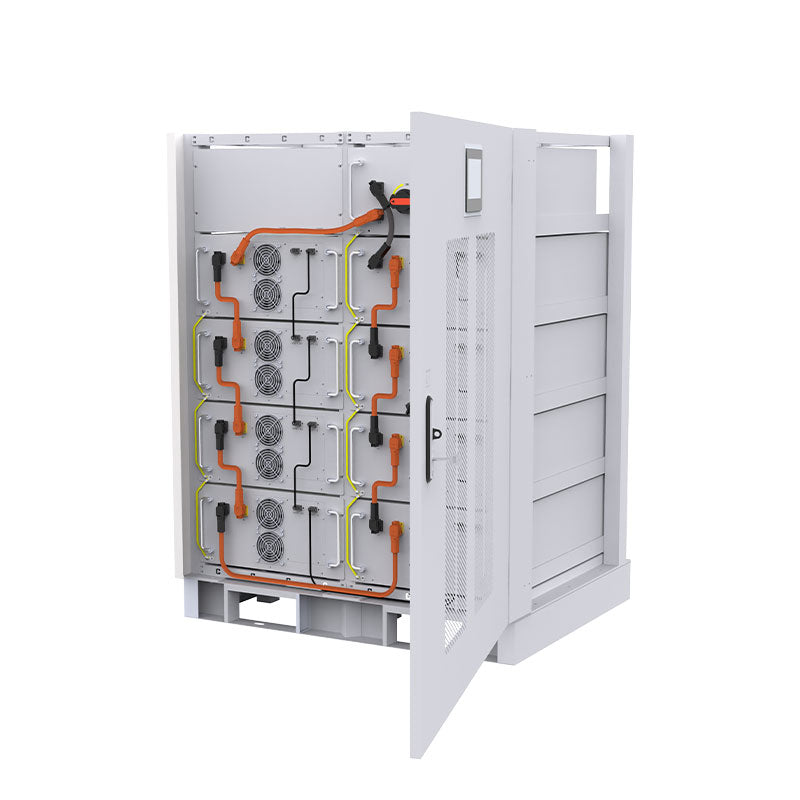
Your energy needs may evolve over time. Perhaps you add new appliances or decide to spend more time at the cabin. A well-designed off-grid system often allows for modular expansion. You can add more solar panels to increase generation capacity or expand your battery bank to enhance storage. This flexibility means your power system can grow with your lifestyle, ensuring continued energy independence without needing a complete overhaul.
Achieving Energy Independence
The journey to powering an off-grid cabin from solar panels to LiFePO4 batteries is a testament to sustainable living. You gain the ability to generate your own clean electricity, store it efficiently, and power your life away from the conventional grid. This not only reduces reliance on traditional energy sources but also contributes to a more sustainable future. The decreasing costs of solar technology and advanced battery solutions make this more attainable than ever. For instance, solar panel costs have dropped by around 20% every time global capacity doubled, transforming solar into one of the cheapest electricity sources in many countries.
By investing in a robust off-grid solar and storage system, you secure reliable power for your cabin, embrace environmental stewardship, and achieve true energy independence. Our commitment is to provide the reliable and scalable energy solutions that help you realize this independence.
Disclaimer: This article provides general technical information and is not a substitute for professional electrical engineering advice or local code compliance. Please consult qualified professionals for specific system design and installation.
