


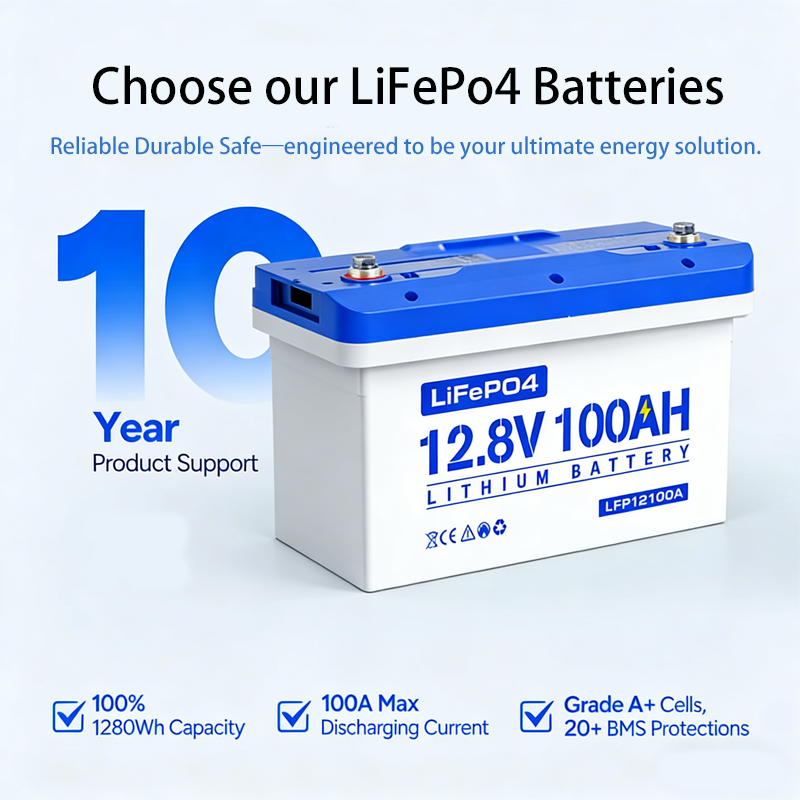


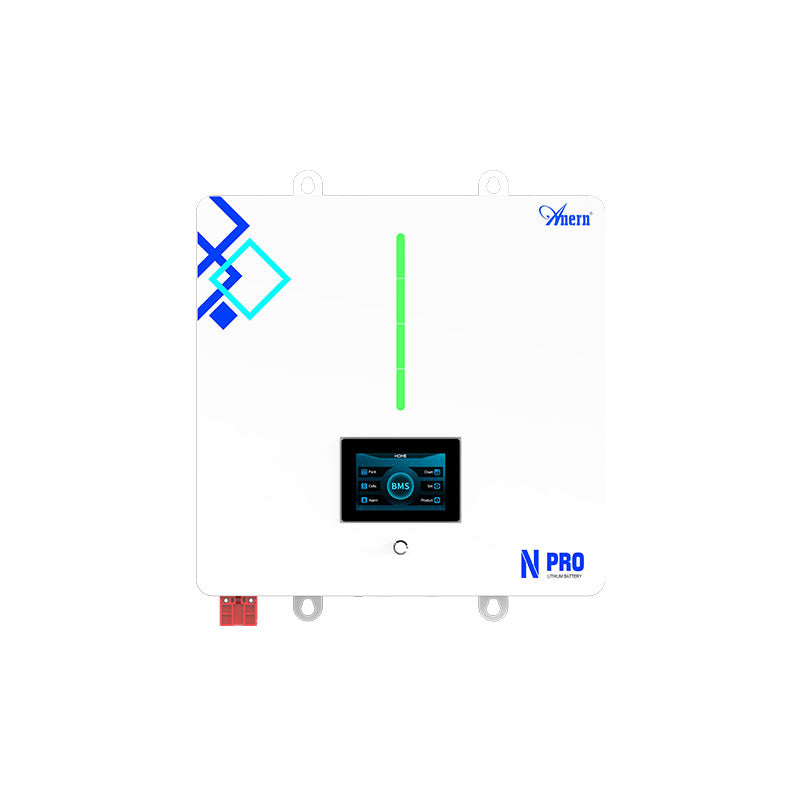
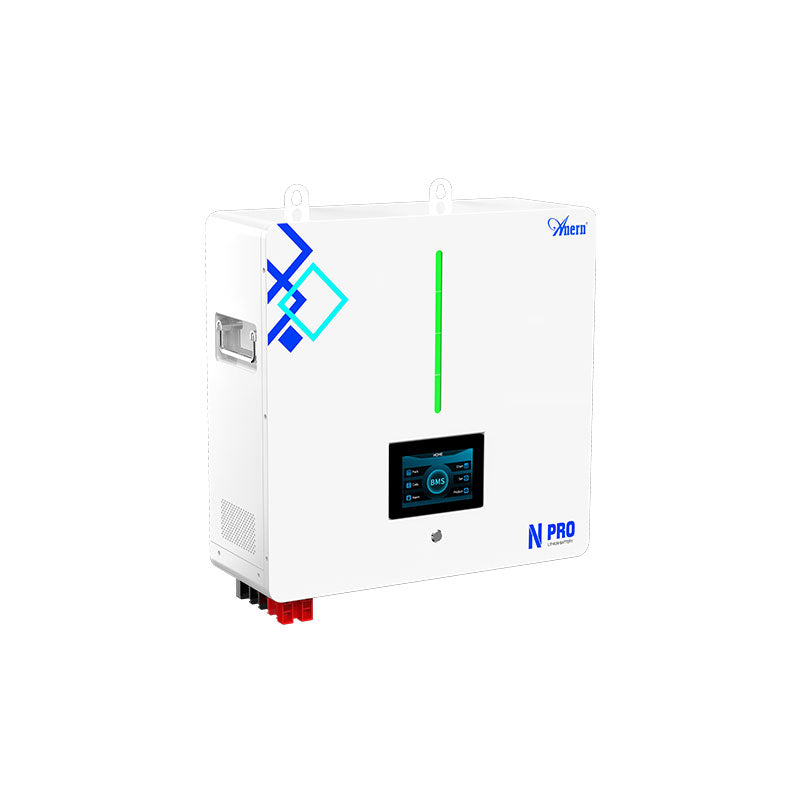


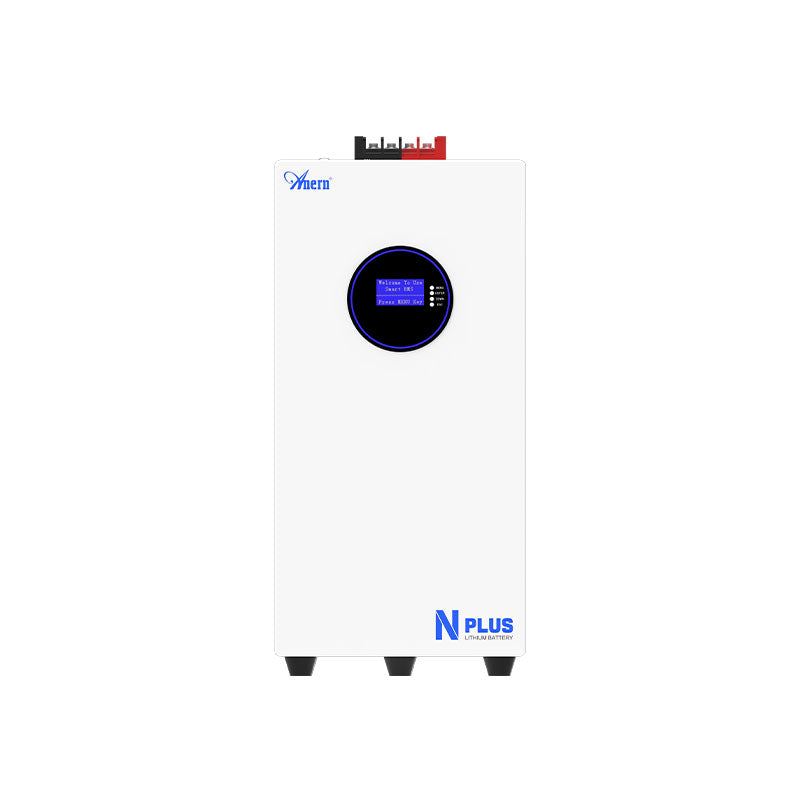
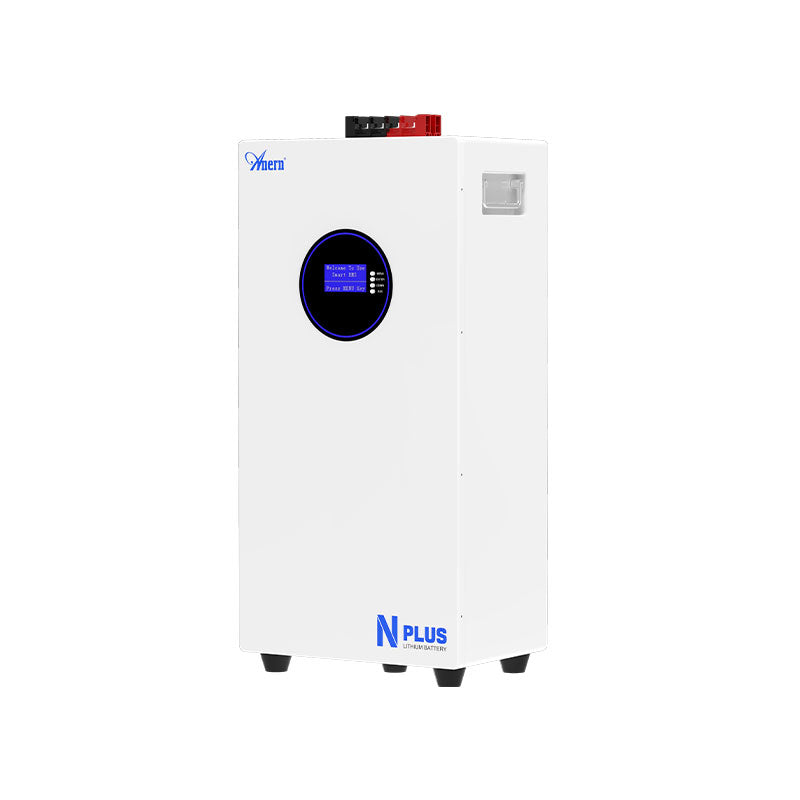
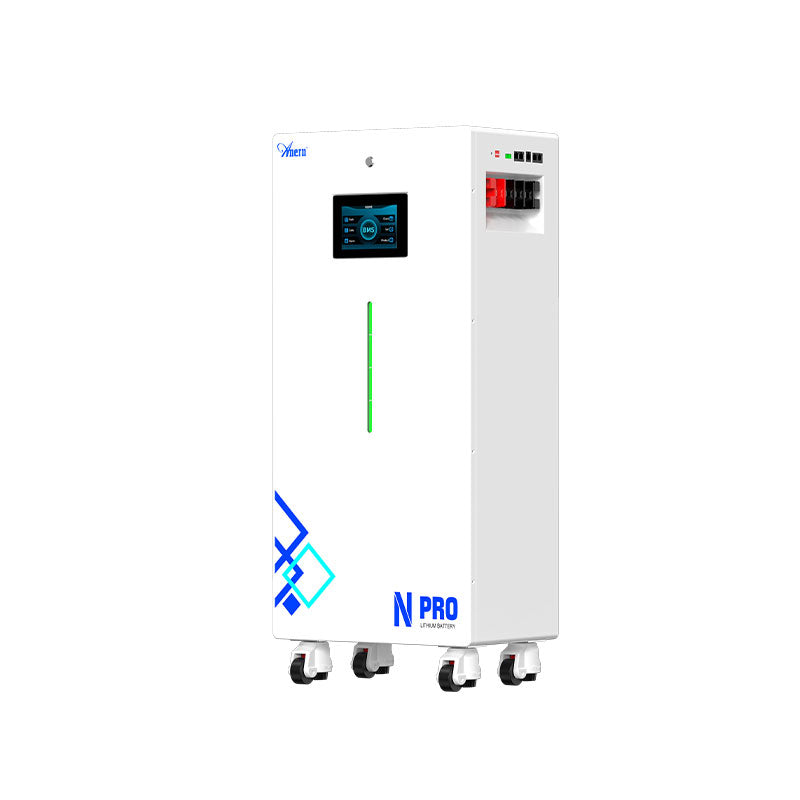

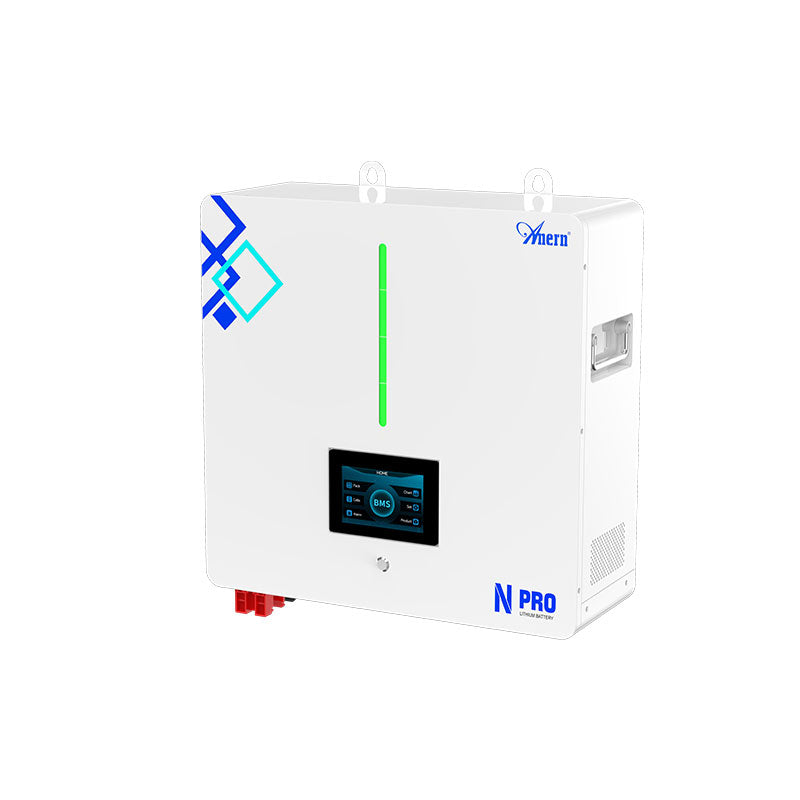

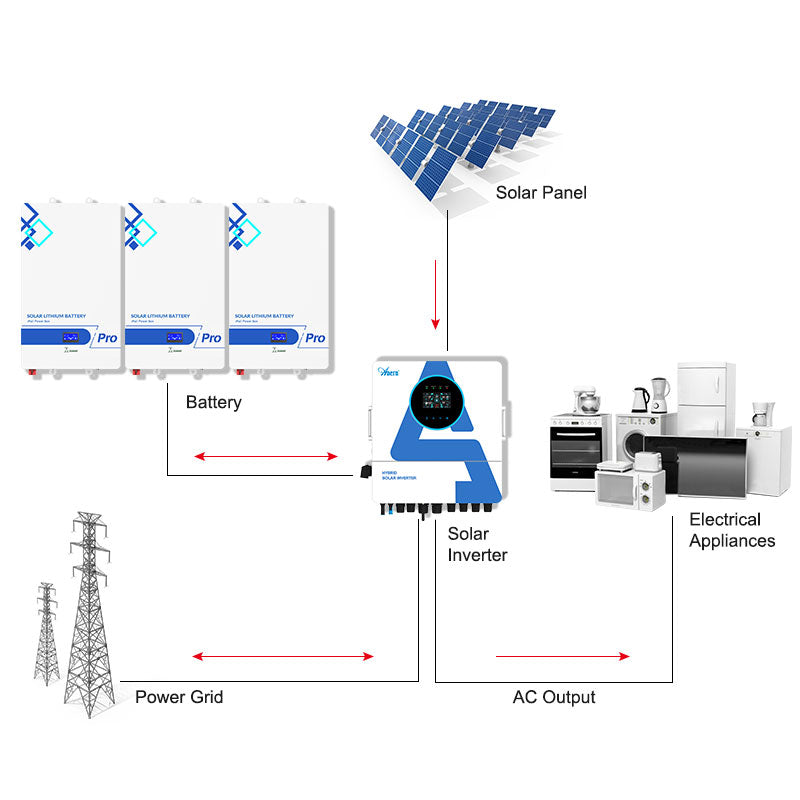
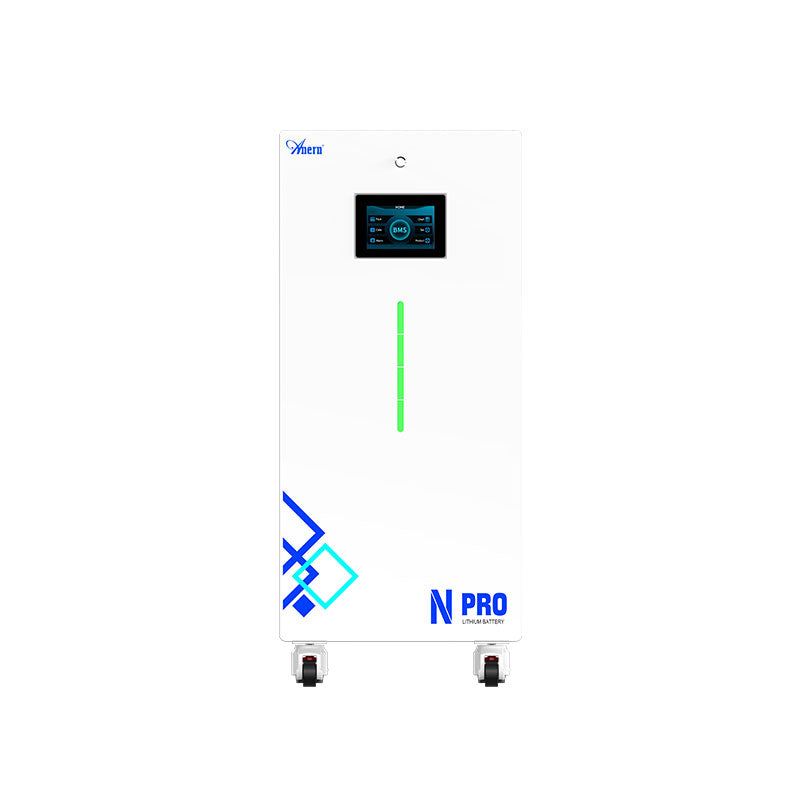

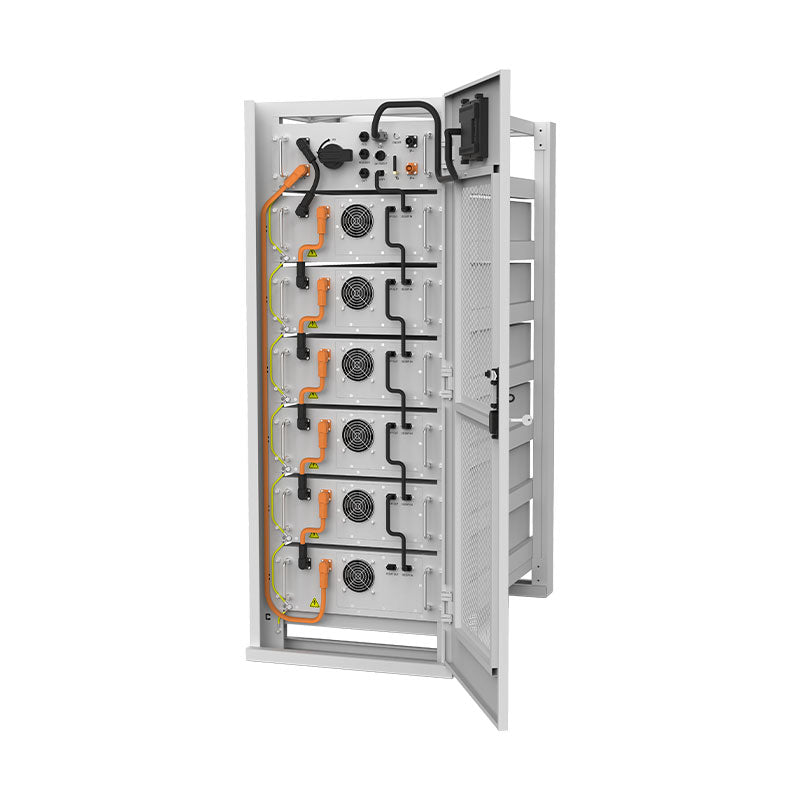
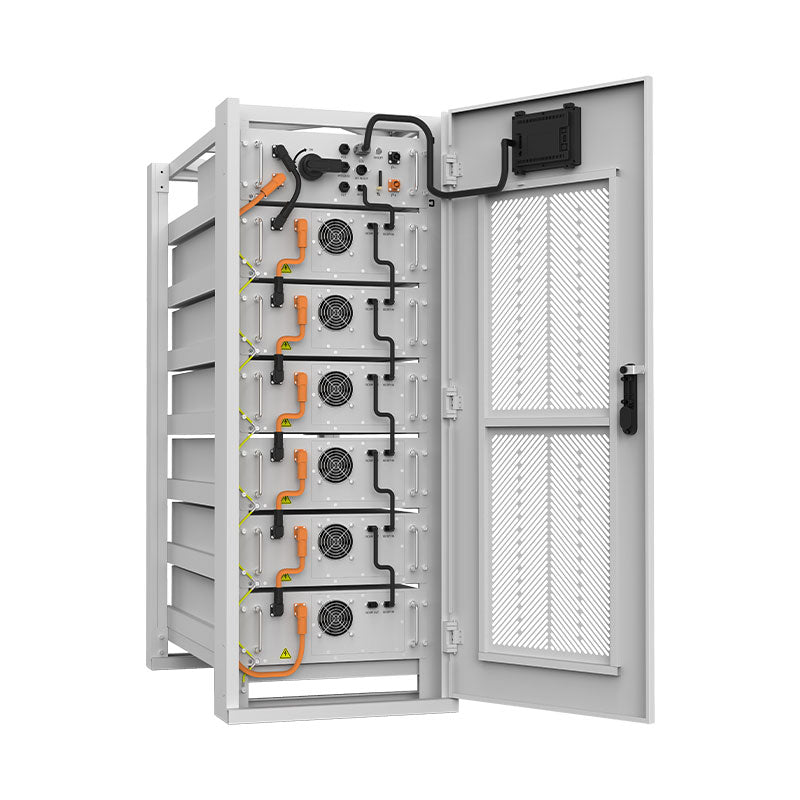
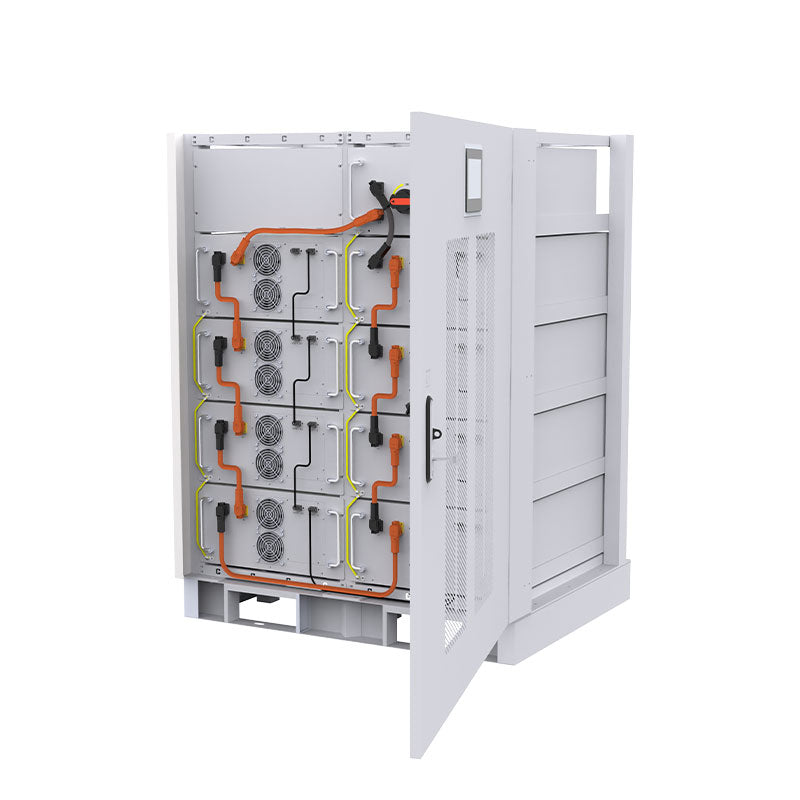



In today’s fast-paced operations, many 24V systems still power off-grid solar setups, telecom backup, and legacy DC equipment. Replacing 24V lead-acid banks with 24V LiFePO4 batteries can improve reliability, reduce maintenance, and lower downtime where stable 24V power is the goal. This article explores how this upgrade can significantly improve performance, reduce costs, and enhance operational efficiency across a wide range of 24V DC power systems.
Where 24V LiFePO4 Fits Best
24V LiFePO4 upgrades are commonly used for off-grid solar storage, telecom towers backup power, and replacing legacy 24V lead-acid banks. For high-power traction equipment that draws very high continuous and peak current, a higher-voltage platform (48V/51.2V or high-voltage rack systems) is often a better fit unless the battery and BMS are specifically designed for traction loads.
What Does “24V Lithium Battery” Actually Mean in 24V Power Systems?
When we talk about a 24V lithium battery, we’re typically referring to a LiFePO4 (Lithium Iron Phosphate) battery configured in an 8-series (8S) LiFePO4 configuration, providing a nominal voltage of 25.6V. This configuration is commonly used in many 24V DC power systems, from telecom backup and off-grid solar storage to legacy 24V equipment. Because LiFePO4 has a different voltage curve than lead-acid, always confirm charger settings and low-voltage cutoffs when replacing a 24V lead-acid bank, especially LiFePO4 absorption and float settings if reusing an old lead-acid charger.
Unlike lead-acid batteries, 24V lithium batteries are designed to offer higher energy density, more consistent performance, and a longer lifecycle. The advanced Battery Management Systems (BMS) integrated into lithium batteries help ensure they remain safe, efficient, and reliable, significantly enhancing their performance in demanding environments.
Why Upgrade 24V Lead-Acid to LiFePO4 in 24V DC Systems?
Upgrading from lead-acid to 24V lithium batteries can bring numerous benefits. Let's break down why this transition is a smart move for many 24V DC systems.
Key Advantages:
Longer Lifecycle: Lead-acid batteries typically last 500-1,000 charge cycles when operated at the recommended 50% depth of discharge. In contrast, 24V lithium batteries provide 3,000-5,000 cycles even at deeper discharge levels, resulting in significantly fewer replacements and lower long-term costs.
Improved Efficiency: Lithium batteries operate at higher round-trip efficiency (typically 95% or higher compared to 80-85% for lead-acid), reducing energy waste during both charging and discharging. This can directly translate into lower electricity costs for many 24V power systems.
Minimal Maintenance: Unlike lead-acid batteries, which require regular maintenance (like watering and equalization), 24V lithium batteries require much less upkeep, reducing labor costs and the risk of system failure.
Switching to 24V lithium batteries not only cuts down on maintenance but also offers better performance consistency, especially in 24V backup and storage applications such as off-grid solar systems, telecom power, and other 24V DC setups where stable voltage and minimal maintenance reduce downtime.
24V Lithium Battery Vs Lead-Acid for 24V Power Systems: What Changes in Daily Operation and Charging?
When upgrading a 24V system from lead-acid to LiFePO4, users typically see several day-to-day improvements.
Performance and Efficiency:
24V lithium batteries provide a stable power output throughout the entire discharge cycle, unlike lead-acid batteries, which experience voltage drops as they discharge. This means equipment powered by 24V lithium batteries operates more efficiently, even as the battery gets closer to depletion.
Charging times also drastically improve with 24V lithium batteries. While lead-acid batteries can take 8-12 hours to fully charge, 24V lithium batteries typically charge in just 1-3 hours. Actual charge time depends on charger power and the battery’s recommended charge current. This faster charging time reduces downtime, ensuring equipment can return to operation quickly. For high-load traction equipment, confirm the battery’s continuous and peak discharge current rating and BMS limits before assuming the same benefits.
Charging and Performance Comparison
| Feature | 24V Lithium Battery | Lead-Acid Battery |
| Charging Time | 1–3 hours | 8–12 hours |
| Cycle Life | 3,000–5,000 cycles | 500–1,000 cycles (at 50% DoD) |
| Efficiency | 95%+ | 80–85% |
| Maintenance | Low (no watering, no equalization) | High (requires regular maintenance) |
| Voltage Stability | Stable throughout discharge | Voltage drops as battery discharges |
How Does A 24V Lithium Battery Improve Reliability and Safety for 24V DC Systems?
The reliability and safety of 24V lithium batteries make them an excellent choice for many 24V DC systems.
Enhanced Safety Features:
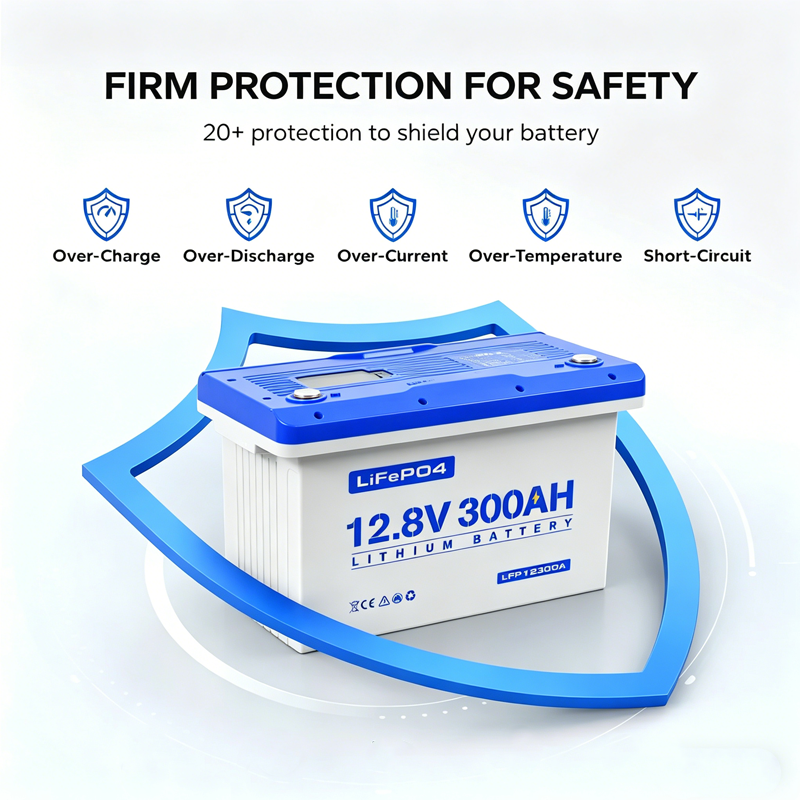
24V lithium batteries are equipped with Battery Management Systems (BMS), which monitor temperature, voltage, and current to ensure safe operation. BMS protection helps prevent overcharge, over-discharge, over-current, short-circuit events, and overheating, improving operational safety compared with many lead-acid setups.
Additionally, 24V lithium batteries have a much lower risk of acid leakage or gas emission, making them a safer choice in environments where safety is a priority. Their robust design ensures they can withstand harsh working conditions, such as high temperatures and vibration, common in demanding environments.
Reliability Under Harsh Conditions:
Unlike lead-acid batteries, which are sensitive to extreme temperatures, 24V lithium batteries perform reliably in both cold and hot environments. This makes them suitable for a wide range of 24V DC applications, including those used in outdoor or extreme temperature conditions.
How Do You Size a 24V Lithium Battery for Solar, Telecom, and Backup Systems?
Correctly sizing a 24V lithium battery for your 24V system is crucial to ensuring optimal performance and avoiding under or over-sizing.
Key Steps to Size a 24V Lithium Battery:
- Determine Energy Demand: Assess the energy requirement (in watt-hours, Wh) of your equipment. For example, a small off-grid system may require 2–10 kWh per day.
- Calculate Capacity (Ah):
Battery Capacity (Ah)=Energy Demand (Wh)/Battery Voltage (V)
For example, if your equipment needs 10,000 Wh (10 kWh) of energy and you're using a 25.6V 24V lithium battery, the calculation would be:
Battery Capacity (Ah)=10,000Wh/25.6V=390.625Ah
- Account for Efficiency Loss: Lithium batteries are about 95% efficient, so add a margin to account for inefficiency in real-world applications.
- Peak Power Requirements: Confirm the continuous and peak current demand of your load and match it to the battery’s BMS discharge limits. This step is critical for any equipment with motor start-up surges.
Correct sizing ensures that the battery will meet the equipment’s needs without overburdening the system, which can lead to quicker wear and potential failure.
What Does Total Cost Look Like After You Upgrade 24V Power Systems to 24V Lithium?
The upfront cost of 24V lithium batteries is typically higher than lead-acid options. However, the total cost of ownership (TCO) is much lower over time, thanks to the following factors:
- Longer Life: With 3,000-5,000 charge cycles, 24V lithium batteries last significantly longer than lead-acid batteries, which typically need replacement after 500-1,000 cycles when operated at the recommended 50% depth of discharge.
- Reduced Maintenance Costs: 24V lithium batteries require minimal maintenance compared to lead-acid batteries, which need regular upkeep and checks, leading to lower labor costs.
- Energy Savings: Higher charging efficiency means less energy is wasted, translating to lower operational costs over the battery’s life.
For typical 24V systems, pricing varies by capacity:
- Small 24V systems (50-100Ah): Lead-acid $300-$800, Lithium $1,200-$2,500
- Medium capacity (200-300Ah): Lead-acid $1,000-$2,500, Lithium $3,500-$6,000
- Large 24V battery banks (400–600Ah): Lead-acid $3,000-$6,000, Lithium $10,000-$18,000
Note: High-capacity traction-class systems may require higher voltage platforms and specialized packs, so pricing varies widely by application.
While lithium batteries typically cost 2-4x more upfront, the extended cycle life and reduced maintenance often result in 30-50% lower total cost of ownership over 5-7 years.
While the initial investment in 24V lithium batteries is higher, the long-term benefits in energy savings, reduced downtime, and maintenance costs provide a strong return on investment (ROI).
Upgrade to 24V Lithium Batteries Improves Efficiency and Reduces Costs
Switching from 24V lead-acid to 24V LiFePO4 is a smart upgrade for off-grid solar, telecom backup, and many legacy 24V DC systems where fast charging, stable voltage, and low maintenance matter. For high-power traction equipment, evaluate current draw and consider 48V/51.2V or high-voltage rack systems when the load profile demands it.
Upgrading to 24V lithium batteries not only enhances your equipment's performance but also positions your business for a more efficient and sustainable future. Whether you're supporting off-grid solar storage, telecom backup, or other 24V DC systems, this upgrade can help optimize operations for years to come.
FAQs
Q1: What are the key factors to consider when upgrading to a 24V lithium battery for 24V DC systems?
When upgrading to a 24V lithium battery, it’s crucial to consider the equipment’s power demand, charging infrastructure, and battery management system (BMS) compatibility. Ensure the new battery can meet peak power requirements and that the charging cycle aligns with your operation's workflow to optimize battery life and performance.
Q2: Can 24V lithium batteries be used in cold-weather applications?
Yes, 24V lithium batteries can be used in cold weather, but their performance may be affected by extreme temperatures. Battery heaters or temperature-controlled environments are recommended for optimal performance. Many 24V lithium batteries are designed to operate in temperatures as low as -20°C (-4°F), but performance may degrade below this range.
Q3: How do 24V lithium batteries contribute to reducing overall energy consumption in 24V power systems?
24V lithium batteries reduce energy consumption by offering higher round-trip efficiency (typically 95% or higher). This means less energy is wasted during charging and discharging. Their ability to handle opportunity charging during short breaks can also reduce downtime and improve system availability.
