


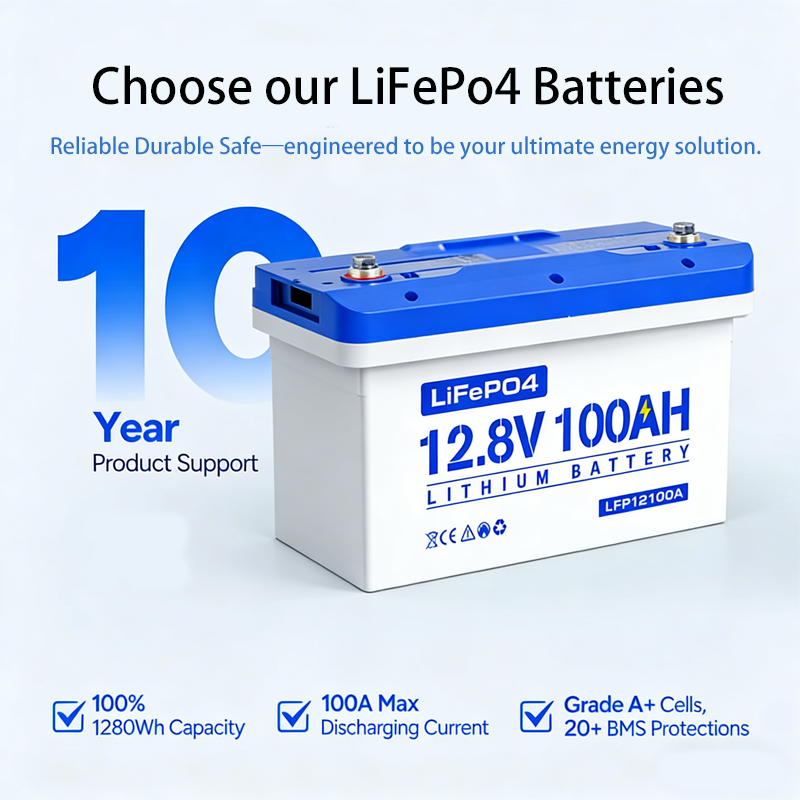


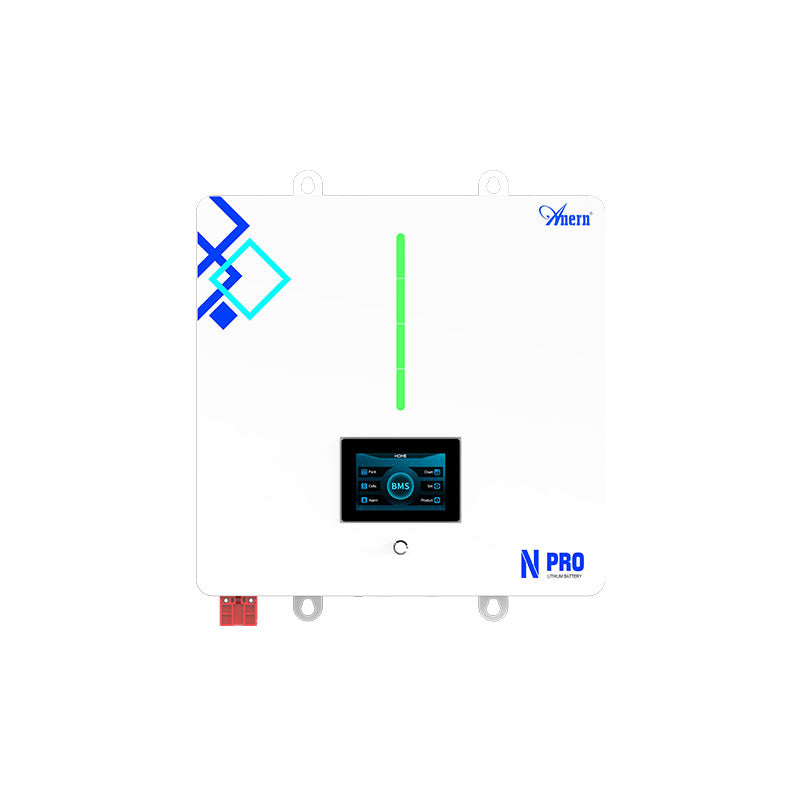
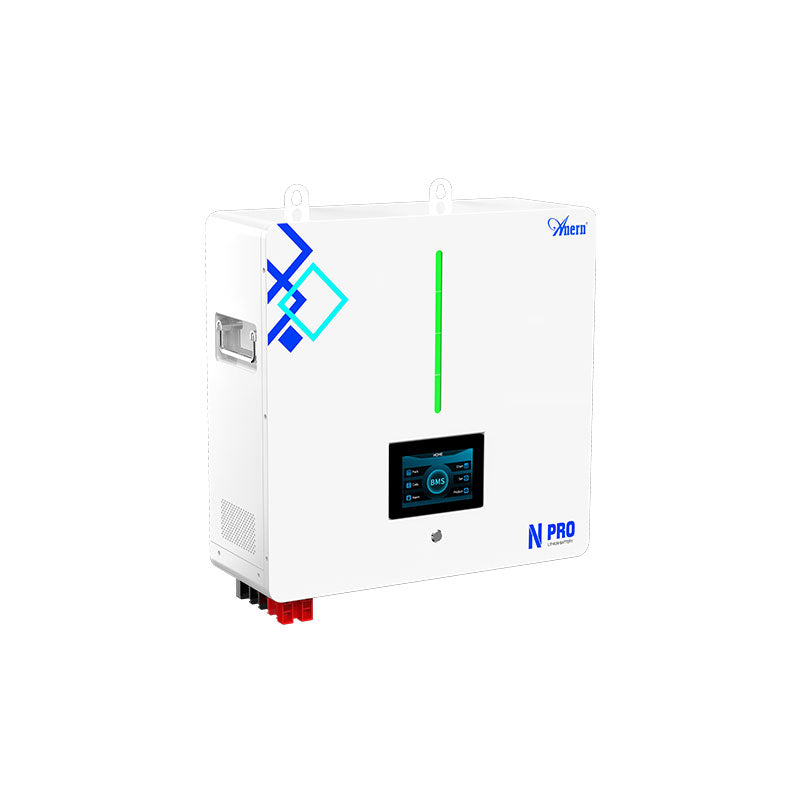


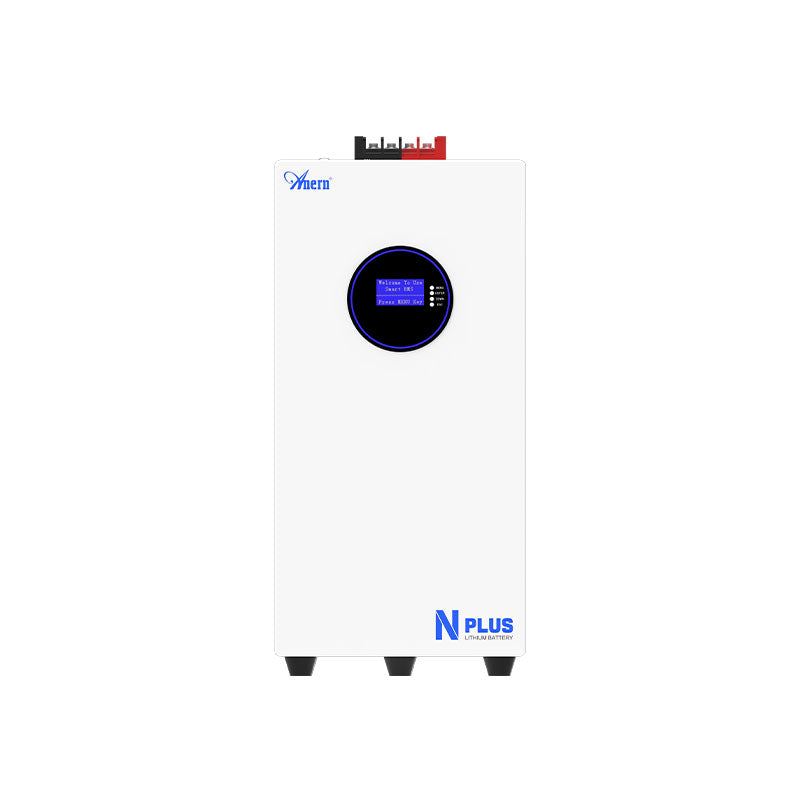
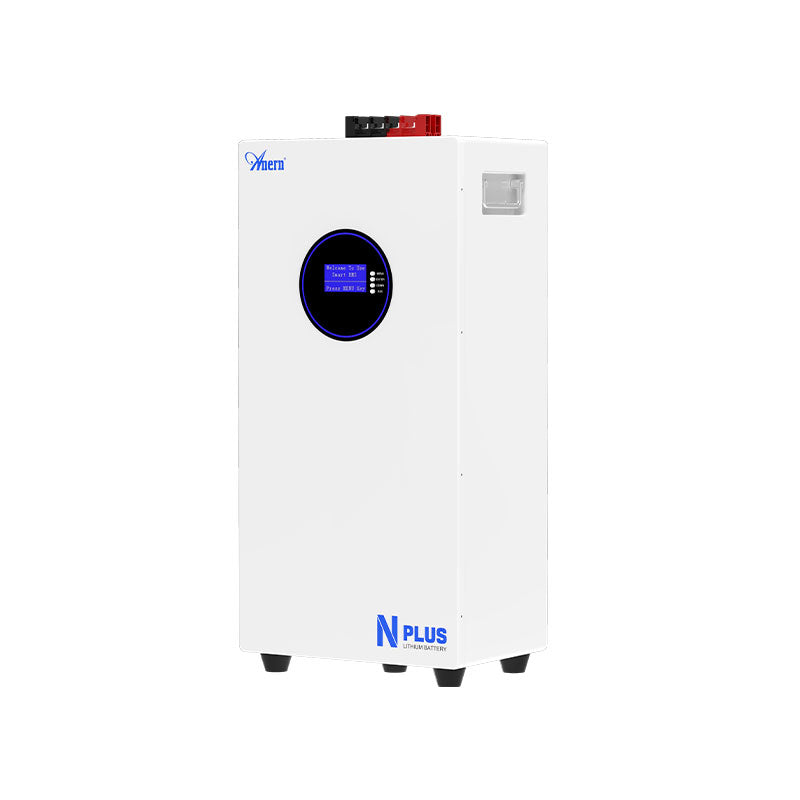





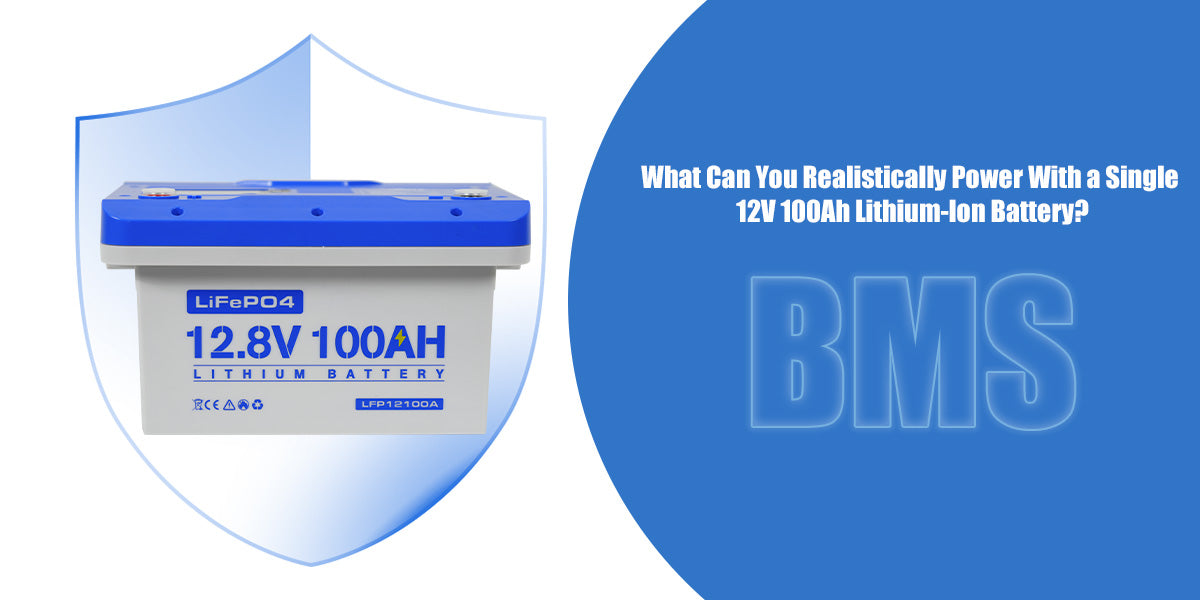
A single 12V 100Ah lithium-ion battery can cover a lot of real-world needs, as long as you plan with usable energy, not the label alone. Most setups run smoothly when loads stay modest and steady. Problems show up when power demand spikes, when AC conversion is inefficient, or when the system hits low-voltage limits under heavy current. The quickest way to get certainty is to convert capacity to watt-hours, pick a conservative usable budget, and then calculate runtime based on device wattage.
12V 100Ah Battery Capacity Explained: From Amp-Hours to Usable Watt-Hours
Battery capacity is usually labeled in amp-hours (Ah), yet appliances draw power in watts. Converting the label into watt-hours keeps planning grounded and prevents unrealistic expectations. Once you calculate the watt-hours, managing every device becomes a simple division problem.
Convert 12V 100Ah Battery Capacity to Watt-Hours
The standard formula is simple:
Watt-hours (Wh) = Volts (V) × Amp-hours (Ah)
For a standard 12V 100Ah battery configuration:
12V × 100Ah = 1,200 Wh
Many 12V-class lithium packs have a nominal voltage closer to 12.8V, which puts the true nameplate energy closer to:
12.8V × 100Ah = 1,280 Wh
Either way, you are working with roughly 1.2 to 1.28 kWh of potential energy on paper.
What “Usable” Watt-Hours Means in Daily Use
Real-world usage rarely matches the full nameplate energy. System owners usually keep a reserve for consistency and long-term battery health. Protection limits also reduce the energy you can safely access at the lower end. Cold temperatures lower available capacity and can cause premature voltage sag, while AC power conversion through an inverter adds inherent efficiency losses.
A practical planning range for most 100Ah lithium batteries is about 75% to 90% of the nameplate Wh as usable energy, for a 12V 100Ah lithium-ion battery, which often lands around 900 to 1,100 Wh of usable power. A conservative baseline planning number is 1,000 Wh, which works well for estimating runtimes without overpromising system capabilities.
How to Calculate Runtime for a 12V 100Ah Lithium-Ion Battery (DC vs. AC)
To estimate runtime accurately, you only need two numbers: the usable watt-hours from the battery and the operating watts from the device label.
- Find the device's power consumption in watts from its specification label, manual, or power brick.
- Choose a usable energy budget for the battery in Wh (planning around 900 to 1,100 Wh is ideal for a 12V 100Ah lithium-ion battery).
- Divide the usable Wh by the device wattage to estimate the total hours of runtime.
- For AC loads, multiply the usable Wh by the inverter efficiency percentage first, then divide by the load.
The DC Runtime Formula
For direct DC loads:
Runtime (hours) = Usable Wh ÷ Load W
Example: 1,000 Wh of usable capacity with a steady 25W DC load.
1,000 Wh ÷ 25W = 40 hours
The AC Runtime Formula
For AC loads, you must account for inverter efficiency losses. A realistic planning range for most pure sine wave inverters is 85% to 95%, depending on the specific model and load level. Low-load efficiency varies wildly, and continuous idle draw can become significant overnight.
- AC-Usable Wh = Usable Wh × Inverter Efficiency
- Runtime (hours) = AC-Usable Wh ÷ Load W
Example: 1,000 Wh usable capacity, 90% inverter efficiency, and a 60W AC load.
AC-Usable Wh = 1,000 Wh × 0.90 = 900 Wh
Runtime = 900 Wh ÷ 60W = 15 hours
How to Handle Inverter Idle Draw
Inverter idle draw is simple to calculate; simply treat it as an additional continuous load. If an inverter idles at 8W for 8 hours, the total overhead energy consumed is:
8W × 8h = 64 Wh
Subtract this overhead from your total usable Wh before calculating the runtime for the rest of your devices.
What Can a 100Ah Battery Run on 12V DC Without an Inverter?
Direct 12V DC power usually stretches your energy reserves much further because zero watts are lost to AC conversion. Fortunately, many essential emergency loads are low-wattage devices that match the energy scale of a single battery perfectly.
DC Loads That Fit Well
Lighting, communications, and device charging usually stay within a low, highly manageable wattage range. A bright LED bulb typically draws around 9W, meaning two lights running for five hours use just 90 Wh—barely denting a 1,000 Wh usable budget. Routers and modems often land between 5W and 20W, meaning that even after adding smartphone charging and a small portable fan, the total draw remains comfortable for extended multi-day runtimes.
Some refrigeration units can also run efficiently on direct DC power. A high-efficiency 12V compressor fridge is completely realistic to run on a single battery under mild conditions with good ventilation. However, it still requires careful planning because the compressor cycles on and off and draws significantly more power as ambient temperatures climb.
Simple Setup Practices That Help DC Loads
At a low 12V nominal system voltage, current can climb quickly as wattage demands increase. Using solid, high-quality wiring minimizes voltage drop and prevents frustrating nuisance cutoffs. Always use the correct fuse size, keep cables properly sized for the current, and keep wire runs as short as possible to protect the system and maintain runtime consistency.
What Can a 12V 100Ah Lithium-Ion Battery Run on AC With an Inverter?
Adding an AC output provides maximum flexibility for household appliances and medical equipment. The primary tradeoffs are conversion losses and the requirement to handle high surge power demands on motor-driven loads. The best results come from keeping your continuous AC loads moderate and predictable.
AC Loads That Usually Make Sense
Laptops typically draw about 30W to 70W during normal use. Televisions often sit around 50W to 200W, depending on the screen size and backlighting brightness. CPAP machines without heated humidification enabled usually consume around 30W to 60W. These electronics can run for long stretches on a 12V 100Ah lithium-ion battery through a properly sized inverter, especially when the inverter's idle draw is minimal.
Inverter Fit and Surge Power
Many inductive loads demand a much higher startup surge than their nominal running wattage indicates. Compressors and pumps are classic examples. Always plan your inverter capacity around both continuous running watts and peak surge behavior. Additionally, pay close attention to cable sizes and connection quality; high current draw at 12V can trigger a sudden voltage sag that trips the inverter, even when the battery still holds plenty of capacity.
This scenario highlights where lithium chemistry performs exceptionally well compared to traditional lead-acid options. Lithium voltage stays remarkably steady under moderate loads, and a far larger fraction of the rated capacity is accessible in practice. This translates directly into consistent, predictable performance for sensitive electronics and cycling loads alike.

Worked Examples: Typical Wattages and Realistic Runtime for a 12V 100Ah Lithium-Ion Battery
For real-world planning, we will use a baseline of 1,000 Wh of usable energy. If you are running AC appliances, we will apply a standard 90% inverter efficiency factor first, leaving roughly 900 Wh available at the wall outlet.
- Usable battery energy baseline: 1,000 Wh
- Inverter efficiency for AC planning: 90%
- Net AC-usable energy: 900 Wh
To get more precise calculations for your specific setup, simply swap the typical watt values below with the numbers from your device's spec label.
| Load Type | Typical Watts | Power Path | Approximate Runtime |
|---|---|---|---|
| Wi-Fi router or modem | 5 to 20 W | DC | 50 to 200 hours |
| One bright LED light | About 9 W | DC | About 110 hours |
| Laptop computer | 30 to 70 W | AC | About 13 to 30 hours |
| Television (LED) | 50 to 200 W | AC | About 4.5 to 18 hours |
| CPAP Machine | 30 to 60 W | AC | About 15 to 30 hours |
| Microwave Oven | 600 to 1,000 W | AC | About 0.9 to 1.5 hours |
Note: Estimates shown are for preliminary planning purposes only. Actual wattage and runtime will vary based on specific device settings, ambient temperatures, wiring thickness, and inverter efficiency—always check your device label or measure with a plug-in wattmeter for absolute accuracy.
Scenario 1: Overnight Essentials on DC
Assume a router running at 10W, two LED lights at 9W each, and a smartphone charging at 5W. The total continuous draw is approximately 33W.
1,000 Wh ÷ 33W = Cloesly 30 hours
This extended runtime is exactly why a single 100Ah lithium battery serves as a powerhouse for off-grid or emergency basics.
Scenario 2: A Small “Workstation” on AC
Assume a laptop drawing 60W for 6 hours and an external monitor drawing 40W for 6 hours. The total AC load is 100W for 6 hours, equating to 600 Wh of total consumption. Add the inverter loss back into the equation by dividing by its efficiency factor:
Battery energy required ≈ 600 Wh ÷ 0.90 ≈ 667 Wh
This requirement easily fits within your 1,000 Wh usable budget, leaving plenty of overhead for basic lighting and phone charging. Just keep in mind that the inverter's idle draw will continue to consume power if left turned on overnight.
Refrigeration as an Average Watt Load
Because refrigerators cycle on and off, their average hourly wattage matters far more than their peak compressor watts. If a DC-powered portable fridge averages a continuous 40W over 24 hours:
1,000 Wh ÷ 40W ≈ 25 hours
Extremely hot weather, poor cabinet airflow, and frequent door openings will shorten this runtime, while proper shading and added ventilation will improve it.
Which High-Draw Devices Drain a 12V 100Ah Battery Fastest?
High-wattage appliances consume stored chemical energy incredibly fast, regardless of battery quality. Electric resistance heating is easily the most demanding appliance category in the real world.
Electric Heat Loads
Space heaters, hair dryers, electric kettles, and toasters routinely draw between 1,000W and 2,000W. With only about 900 Wh of net AC energy delivered after accounting for inverter losses, a standard 1,500W space heater will completely exhaust the battery's usable energy in roughly 36 minutes.
This rapid depletion does not mean the battery is weak; it simply highlights that generating thermal heat is incredibly expensive in terms of electrical wattage.
Motors, Compressors, and Short Spikes
Heavy motor loads can trigger system shutdowns in a completely different manner. The inductive startup surge can pull the instantaneous current high enough to cause a severe voltage dip. This causes the inverter to sound an under-voltage alarm or forces the battery's BMS protection circuit to trip. Upgrading to thicker cables, ensuring tighter terminal connections, and using an inverter with an excellent surge rating will mitigate these issues.
Why Cutoffs Happen with Energy Still Left
At a 12V threshold, high current draws create an instant voltage drop across all internal wiring and connections. Under a heavy load, the system voltage measured at the inverter can plunge below low-voltage cutoff limits, even when the battery cells still hold significant capacity. This issue is incredibly common with high-draw appliances, long cable runs, or loose connections. Improving your wiring infrastructure is the best way to reclaim usable runtime when powering demanding appliances.
Make One 12V 100Ah Lithium-Ion Battery Work for Your Real Loads
A single 12V 100Ah lithium-ion battery serves essential off-grid and backup power needs incredibly well. Lighting, communications, small electronics, and charging setups can run for extended periods when you base your calculations on realistic usable watt-hours. Keeping your loads on direct DC paths ensures maximum efficiency and the longest possible runtime. AC loads work perfectly as well, provided your inverter is sized accurately for the appliances and its background idle draw remains strictly managed. Always add up your total device wattages, convert your plan into total watt-hours, and compare them against a realistic usable capacity budget. This straightforward calculation ensures your 12V 100Ah battery setup handles your real-world loads perfectly and indicates exactly when it is time to expand your battery bank capacity.
FAQs about 12V 100Ah Lithium Batteries
Q1: Can you power devices while charging a 12V 100Ah lithium-ion battery?
Yes. This configuration works flawlessly as long as the charger, battery BMS, and system wiring are rated to handle the combined concurrent current. Ensure that the total incoming charge current plus the outgoing load current stays well within the battery’s continuous rating, and avoid using undersized chargers that run excessively hot over long periods.
Q2: Can a 12V 100Ah lithium-ion battery be charged in freezing weather?
No, it is generally unsafe for most standard lithium chemistries unless the battery explicitly features low-temperature charging technology. Most lithium packs incorporate a BMS that blocks incoming charge currents below 32°F (0°C) to prevent irreversible lithium plating damage. Discharging the battery still functions in freezing weather, though you will notice a slight drop in total capacity. Always warm the battery compartment or purchase a specialized model with built-in heating pads if winter charging is required.
Q3: Is voltage a reliable way to check the state of charge on 100Ah lithium batteries?
No. Lithium iron phosphate voltage curves stay remarkably flat through roughly 80% of their discharge cycle, meaning reading a simple voltmeter can easily mislead you. A high-quality, shunt-based battery monitor that directly measures amp-hours counting in and out of the battery is far more accurate, particularly when managing overnight loads and variable refrigeration cycling.
Q4: Can you wire two 12V 100Ah lithium batteries together for more capacity?
Yes, you can connect them in parallel, provided they share the exact same chemistry, capacity, voltage rating, age, and state of charge. Always use equal-length interconnecting cables, place an appropriate fuse on each battery branch, and strictly follow the manufacturer's guidelines regarding maximum parallel limits. Connecting mismatched battery packs can cause dangerous current imbalances and premature BMS shutdowns.
Q5: What charger size is appropriate for a 12V 100Ah lithium-ion battery?
Most standard 100Ah lithium packs charge efficiently and safely within a 20A to 50A range, but the absolute maximum safe limit depends entirely on your battery's internal BMS specifications. Always utilize a smart charger or solar charge controller equipped with a dedicated lithium charging profile, and verify that the bulk, absorption, and float voltage settings match your battery datasheet requirements exactly.
