














Plenty of homes skip solar because their roofs do not face south or full sun all day. That is a costly mistake. Modern solar panel installation approaches, smarter racking, and storage can turn east–west, flat, or partially shaded roofs into strong producers. This piece focuses on the single myth that blocks many projects: the idea that only sunny, south-facing roofs work. You will see how orientation, tilt, mounting, and time-of-use tariffs reshape output and savings. You will also get practical checks for your site.
Orientation is a dial, not a gate
What orientation and tilt actually do
Orientation and tilt shape the daily and seasonal production curve. They do not flip a switch from “on” to “off.” According to Next Generation Wind and Solar Power from IEA, orientation shifts the daily profile, while tilt shifts the seasonal profile. A steeper, equator-facing tilt can raise winter output but may trim summer totals. This is useful in temperate regions that value winter kWh or during peak pricing seasons.
IEA adds that tracking can further lift energy. A single-axis tracker can add roughly 12–25% annual yield in high-irradiance areas; dual-axis can add another 10–15%, though with more cost and maintenance (IEA full report).

Evidence, not guesswork
Energy systems value production at the right time, not only maximum noon peaks. IEA notes that markets may even reward tilt choices that shift energy into higher-value hours, accepting small annual losses for better grid value (IEA). This is directly relevant to homes on time-of-use tariffs. East–west arrays can spread output into morning and late afternoon, when many families use more electricity.
Roof orientations that work — with expected yields
Here is a practical look at how different orientations compare to a south-facing, fixed-tilt baseline. Values are typical ranges in mid-latitudes and assume similar shading, module type, and solar panel installation quality. Your site can be modeled more precisely with local weather data and roof geometry.
| Orientation / Mount | Relative annual yield vs. south (fixed) | Load-profile effect | Notes |
|---|---|---|---|
| South-facing, fixed tilt near latitude | 100% (baseline) | Strong midday peak | High annual kWh; peak near noon |
| East–West split, low tilt | ~90–95% | Broader morning + late-afternoon output | Flatter midday peak; can match household usage better; orientation shifts daily profile per IEA |
| All-East or All-West | ~80–90% | Skews to AM (east) or PM (west) | Useful for time-of-use alignment; daily-shape trade-off noted by IEA |
| Flat roof, 10–15° ballasted rows | ~92–100% | Similar to south; depends on spacing | Low tilt reduces wind loads; design aims to limit row shading |
| North-tilted (N. Hemisphere), raised racks | ~60–75% | Lower annual totals | Often viable where electricity prices are high; consider carports or ground mounts if space allows |
| Single-axis tracking (ground or carport) | +12–25% vs. fixed | Broad day-long production | IEA indicates significant gains in high insolation regions (IEA full report) |
Why these ranges still work: tariff design and self-consumption. A 5–10% annual kWh drop can be offset if more kWh land in morning and evening, reducing imports during costly hours. IEA highlights the system value of timing and shape (IEA).
Roof type and mounting: more options than you think
Common roof types and attachments
- Asphalt shingle: Flashing and lag bolts at rafters with rail or rail-less racking. Widely used in residential solar.
- Standing-seam metal: Non-penetrating clamps attach to seams. Fast, durable, minimal roof disturbance.
- Tile (concrete/clay): Replace select tiles with flashed mounts or use standoffs with flashing. Pre-planning matters.
- Flat membrane (TPO/PVC/EPDM): Ballasted or mechanically attached racking at low tilt (10–15° typical). Ballast calculations consider wind zones.
Added weight is usually modest. A flush-mounted array commonly adds about 2–6 psf (10–30 kg/m²), including modules and racking. Ballasted flat-roof systems vary with wind exposure. A structural check is important on older roofs or long spans. Fire setbacks and array spacing are set by local codes. These practical details turn “roof type solar” questions into clear answers during site design.
Electrical and code items
- Conductor routing, rapid shutdown, and labeling follow local electrical codes and product listings.
- Wind uplift, snow, and seismic design come from local building codes and manufacturer manuals.
- Module-level power electronics can reduce mismatch and shade losses on complex roofs. A string inverter remains a solid choice on clean, similar-tilt planes.
Energy agencies emphasize that smart design choices unlock more sites. Policy and cost trends have also made rooftop PV increasingly competitive (IEA Solar Energy Perspectives notes rapid PV cost declines that widened viable use cases).
Sun exposure myths: clouds, cold, and latitude
Cloudy days still generate
PV modules produce from diffuse light. Output drops under thick clouds, but it does not fall to zero. Cooler air often helps module efficiency compared to very hot days. Energy agencies share consumer resources confirming that rooftop PV continues to produce under non-ideal weather (Energy.gov: Solar Energy).
Cold or northern regions can pencil out
Colder climates may enjoy higher module efficiency and clearer winter skies. Tilt choices can push more kWh into winter months if that aligns with demand, as noted by IEA. Grid price levels and tariffs also matter. Homes in higher-price markets can justify systems even with a non-south roof. For broad cost and deployment trends, see IRENA and EIA.
Beyond the roof: carports, pergolas, and ground mounts
If a north roof is constrained, consider carport canopies or a ground array. Carports can deliver a near-south tilt, reduce snow/ice on vehicles, and open space for EV charging. Ground mounts simplify cleaning and allow future expansion.
Storage and tariffs: why non-south can save more
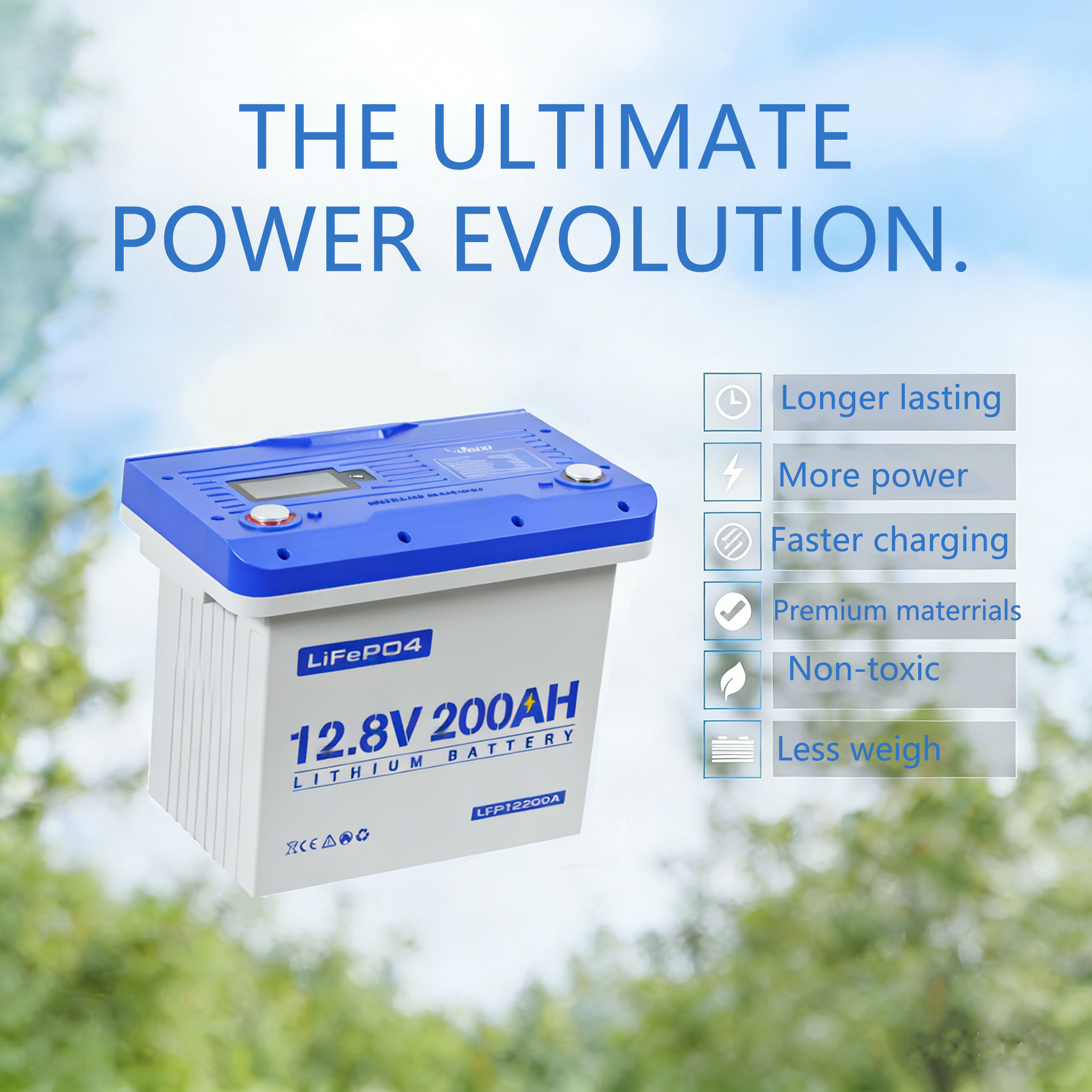
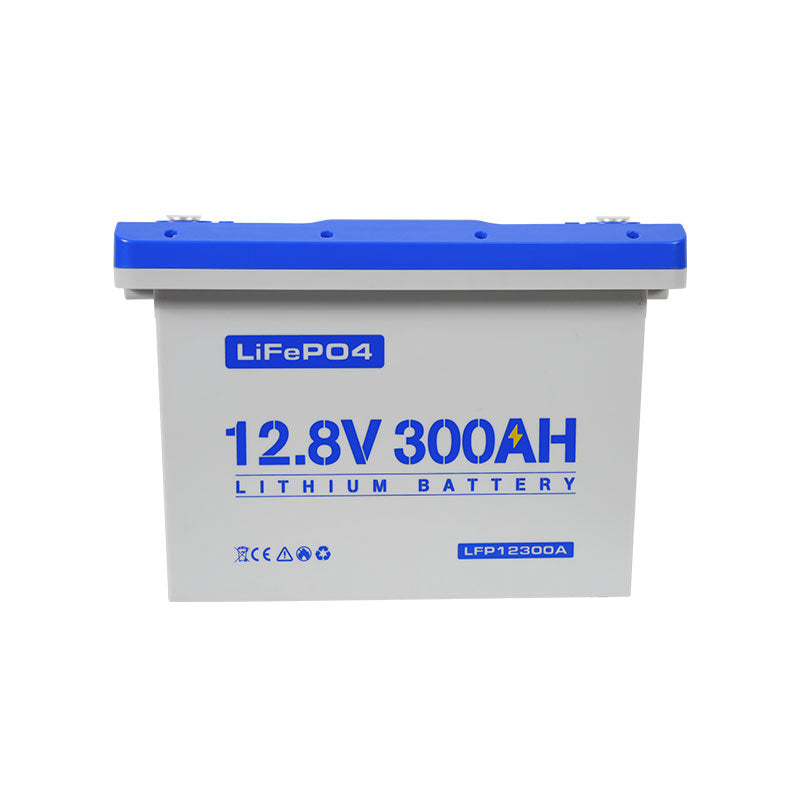
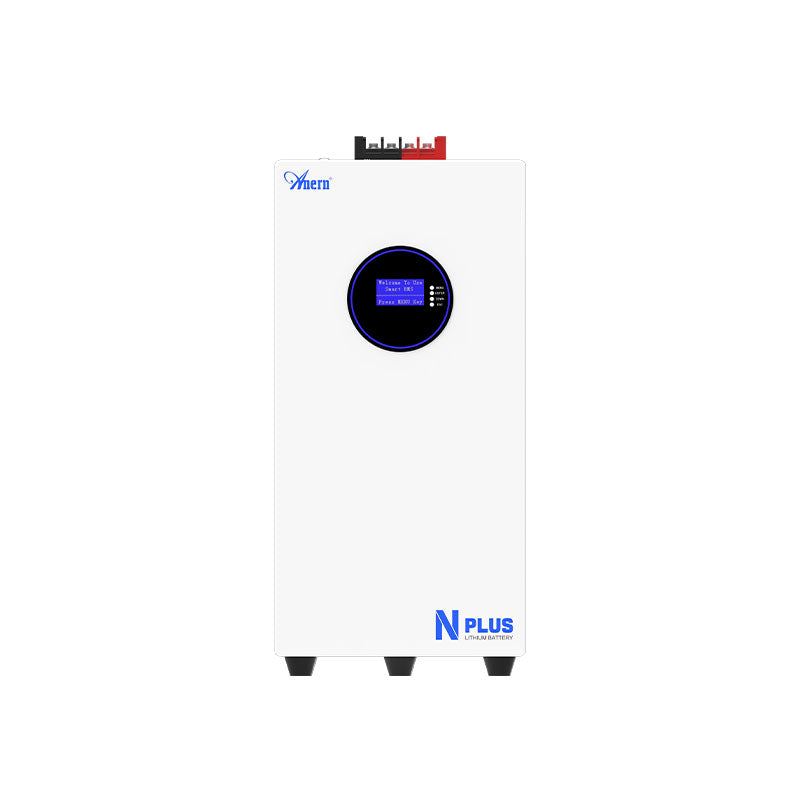
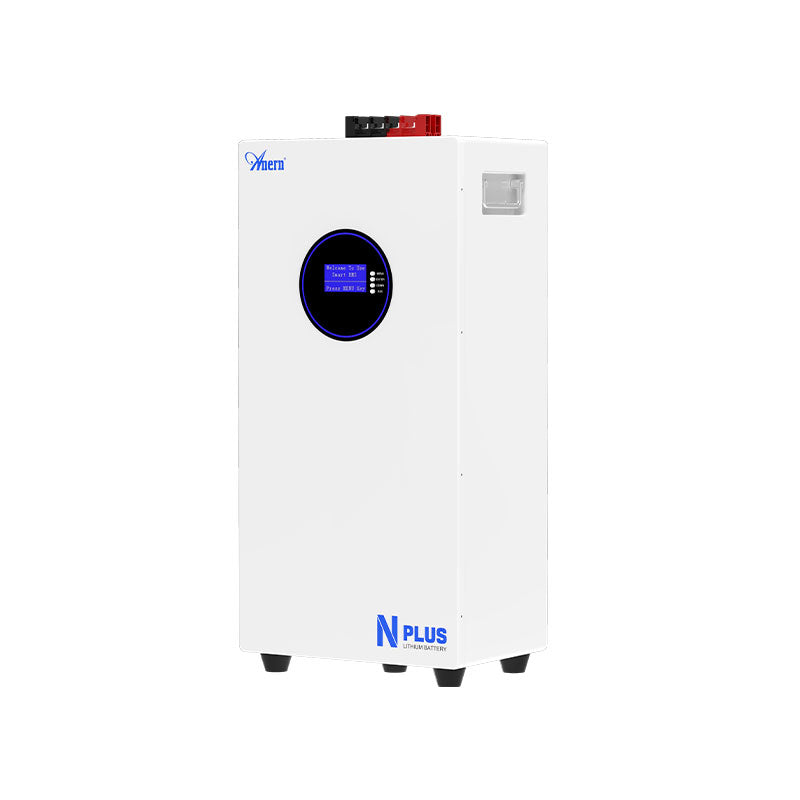
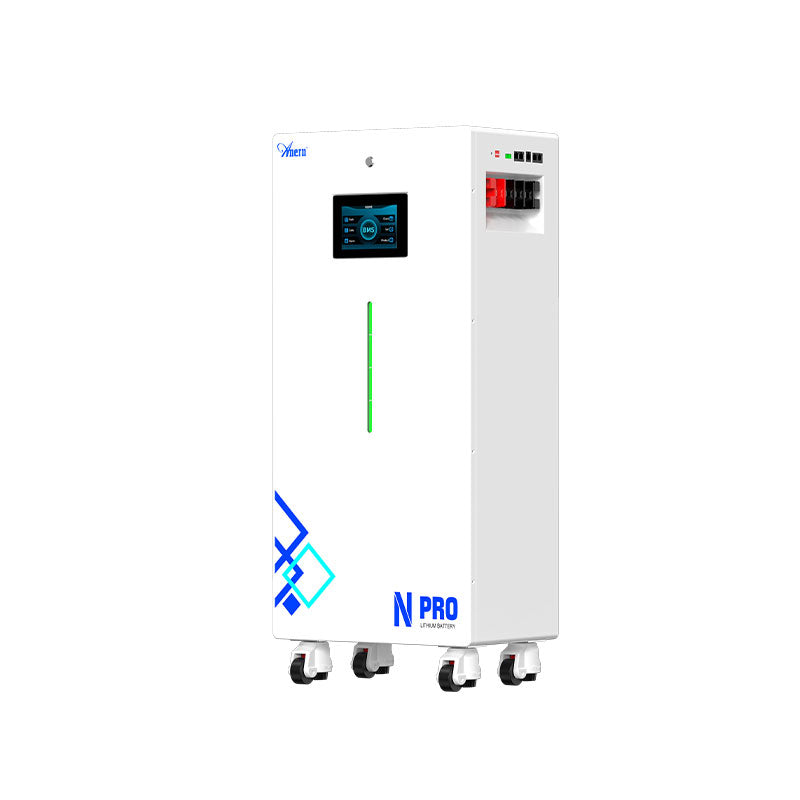
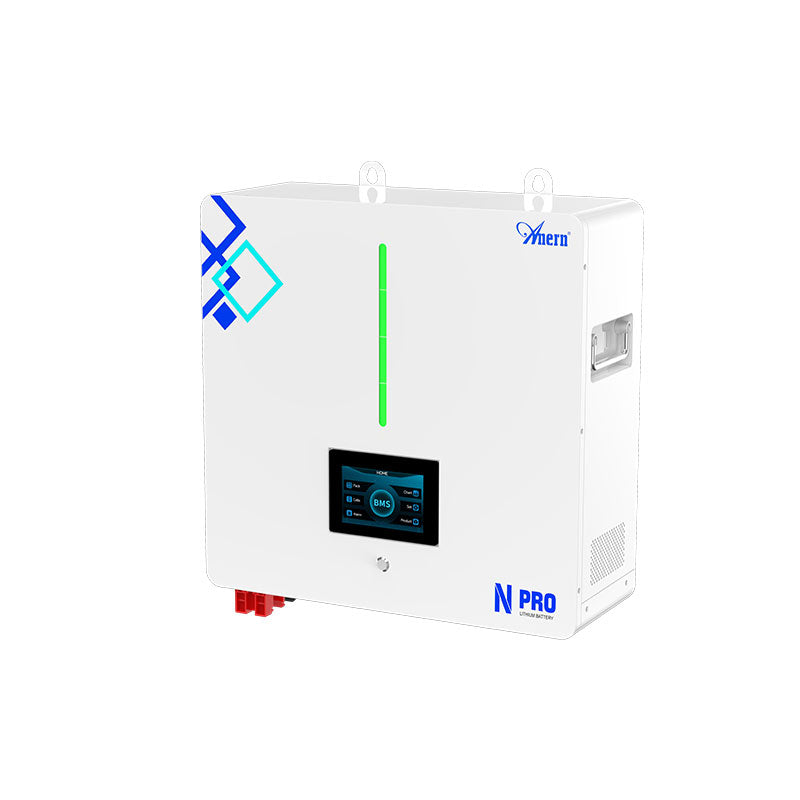
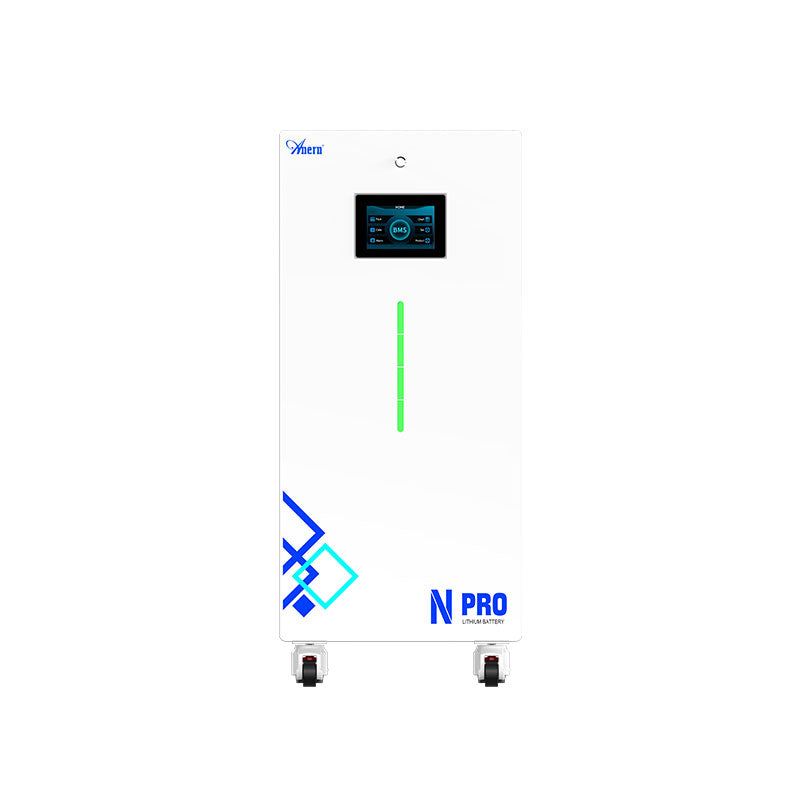
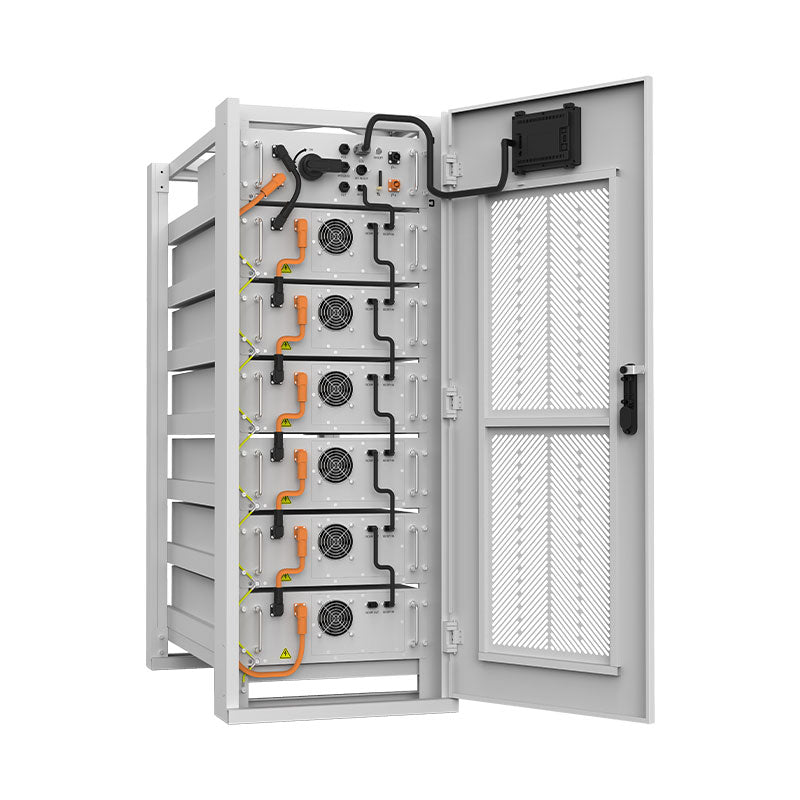
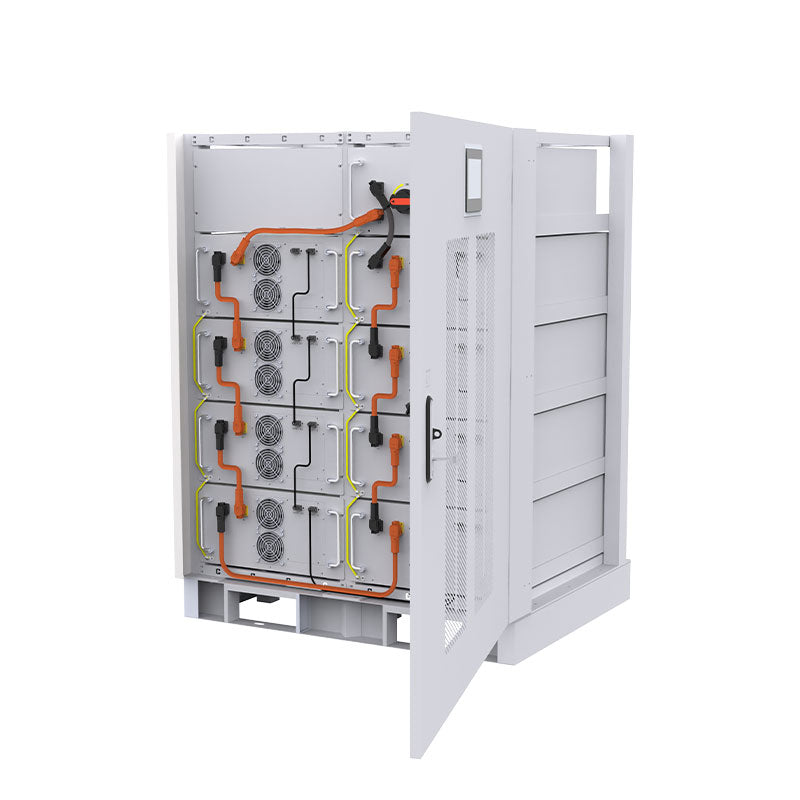
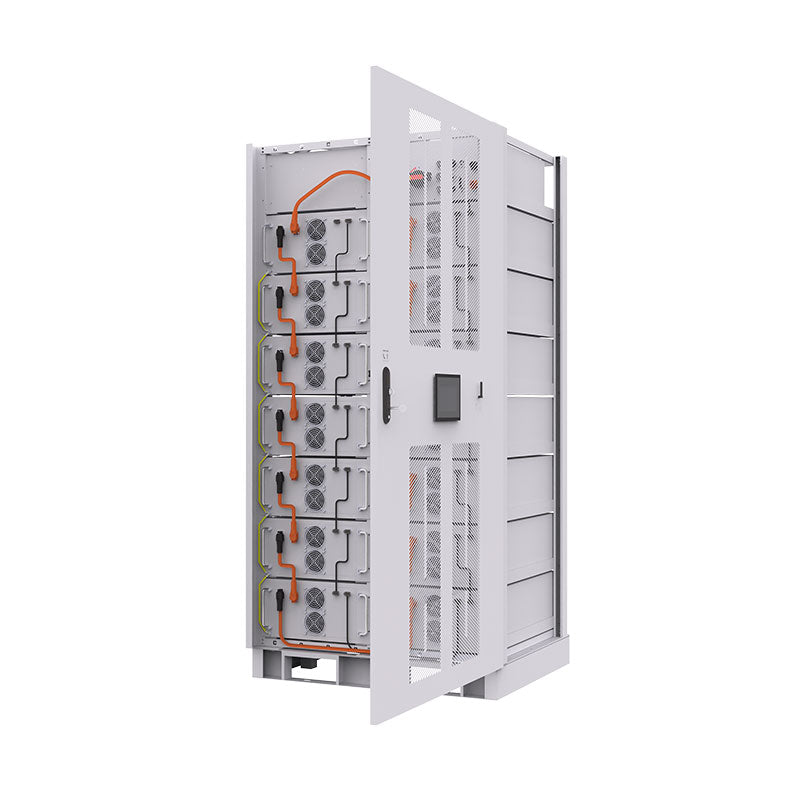
Homes often peak in the morning and evening. That is when east–west arrays shine. If your utility uses time-of-use pricing, shifting generation into those hours can raise the value of each kWh. Add a compact LiFePO4 battery, and you push more onsite solar into expensive periods and nighttime. This improves self-consumption and trims exports during low-value midday windows.
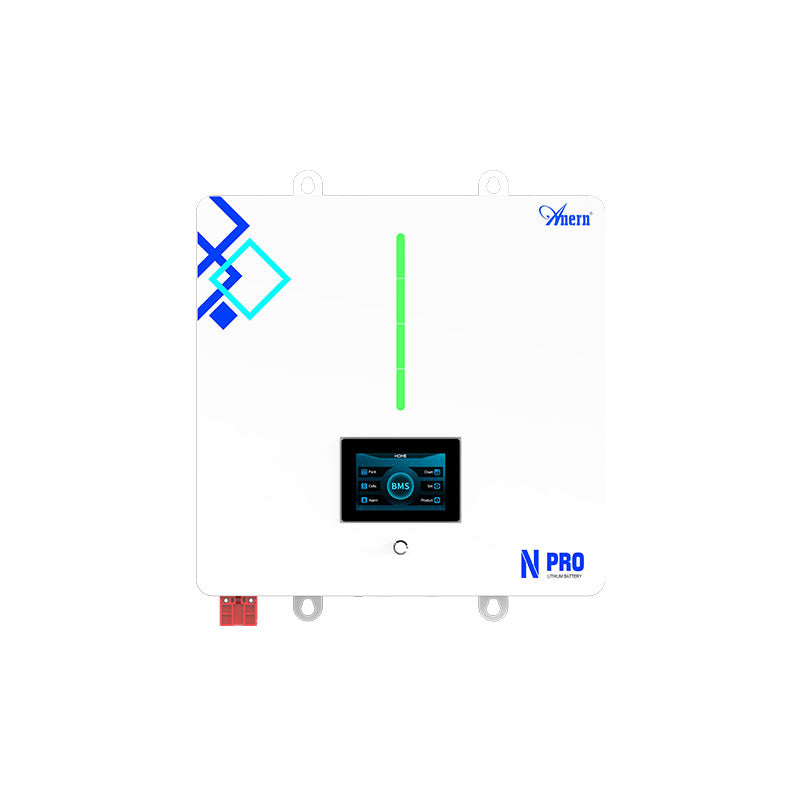
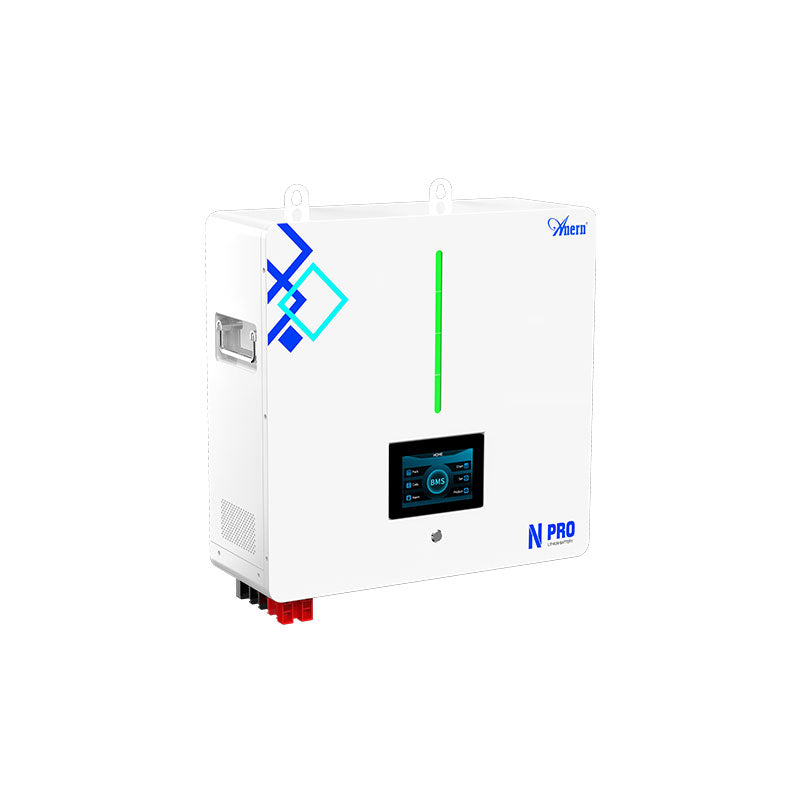
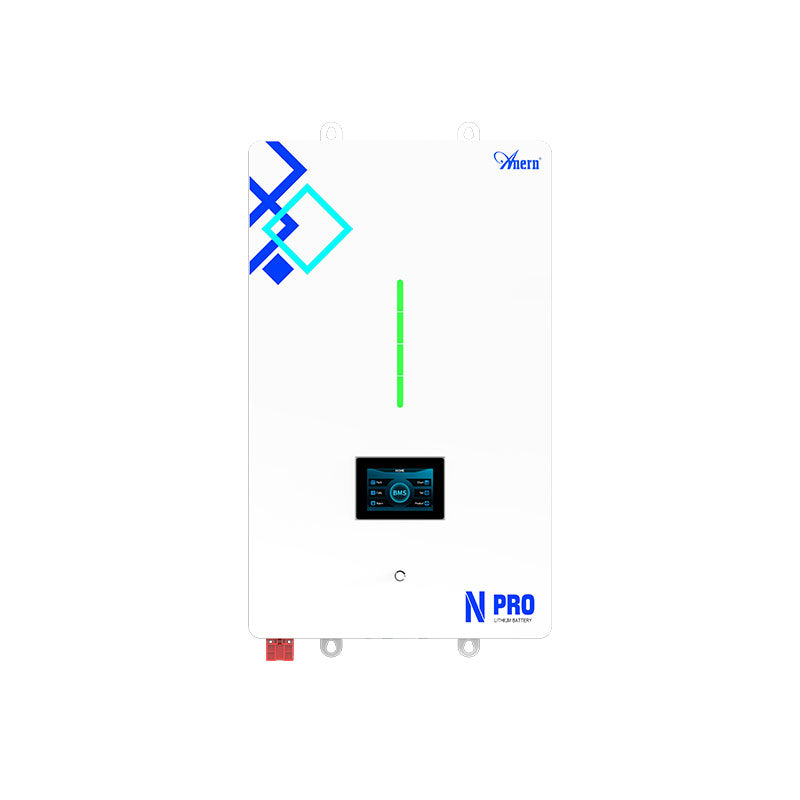
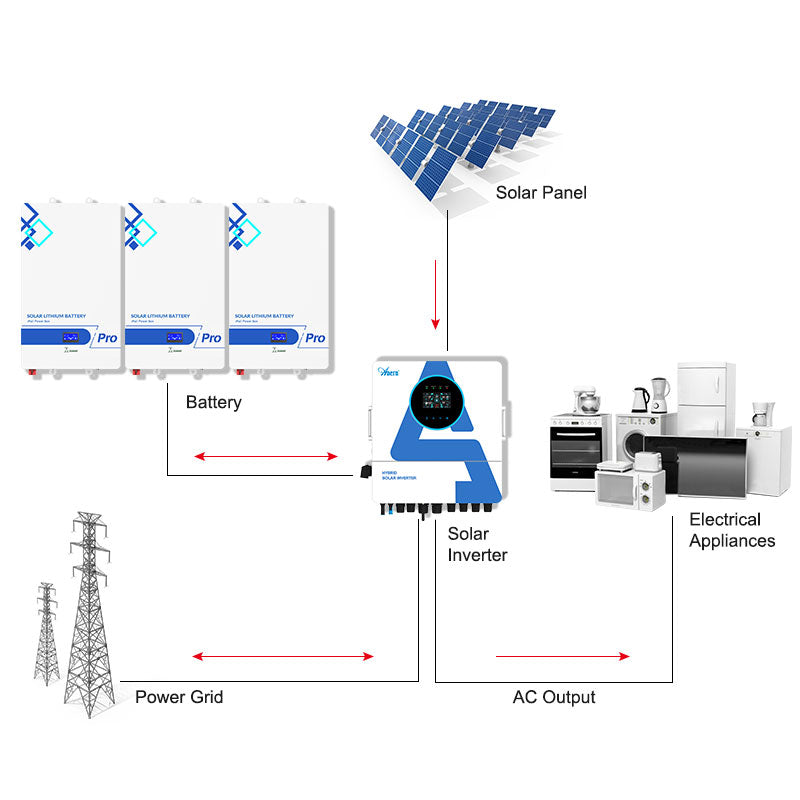
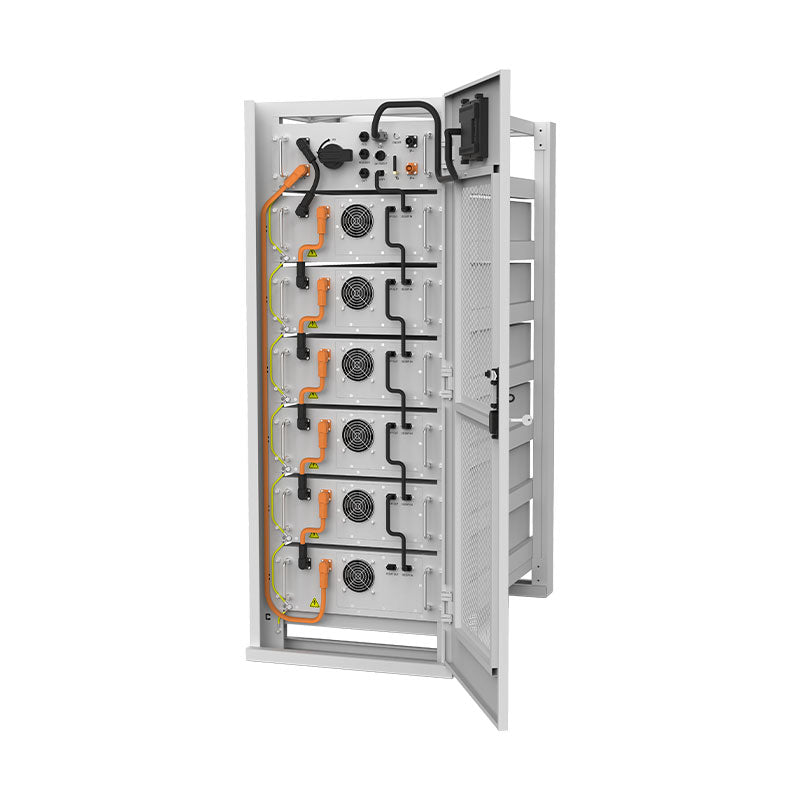
Energy analysts have long noted the system value of aligning production with demand. IEA highlights how orientation and tilt affect timing and how markets can reward that timing (IEA). Pairing PV with a home ESS further improves that fit. Typical residential solutions integrate lithium batteries, a hybrid inverter, and rooftop PV in a single package, supporting both grid-tied and off-grid use.
Simple illustration
Consider a 6 kW array in a temperate city:
- South-facing: 100% annual yield baseline, with a sharp noon peak. Midday exports can be high under net billing.
- East–West split: ~90–95% annual yield, but more energy in morning and late afternoon. Self-consumption often rises because production better overlaps cooking, AC/heating, and EV charging windows.
- East–West + 10 kWh LiFePO4 ESS: Midday surplus shifts into evening. Backup capability adds resilience during outages.
Exact values depend on climate, tariffs, and behavior. The improvement comes from better timing and storage, not just raw annual kWh.
Fast checks for your home
- Orientation and tilt: Use a smartphone compass to note azimuth of each roof plane. A range from southeast to southwest can work very well.
- Shade scan: Walk the roof area at 9 a.m., noon, and 3 p.m. Note any tree or chimney shade. Trim options or module-level electronics can mitigate it.
- Roof age and structure: If the roof needs replacement within 5–10 years, plan re-roof + solar together. Ask for a basic load review (added 2–6 psf is common).
- Tariff and electrification: Check time-of-use windows. Plan for future loads like heat pumps or EVs and size PV+ESS accordingly.
- Local rules: Permit and fire setback rules vary. Your installer will detail pathways and arrays per code.
Why the south-facing solar myth persists
Older rules of thumb favored maximum annual kWh at minimum cost, which often pointed to south-facing planes. Costs have fallen, racking and electronics improved, and tariffs shifted. As IEA’s Solar Energy Perspectives notes, PV costs dropped quickly, expanding viable markets. Policy and market design continue to evolve. In parallel, passive and active solar strategies have broadened architectural options for capturing solar gains on varied surfaces (IEA: Barriers to Technology Diffusion—Solar Thermal), reinforcing that “solar on buildings” was never a single-orientation story.
Key takeaways
- South-facing is great, but not required. East–west and flat roofs often deliver within 5–10% of south-facing annual yield, with better timing for many homes.
- Orientation adjusts shape. Tilt adjusts seasons. Tracking boosts output, though with cost and maintenance trade-offs (per IEA).
- Design details make the site: roof type, attachments, spacing, and shading fixes.
- Storage and time-of-use tariffs can make non-south arrays more valuable than pure south in daily savings.
- Costs and policy have expanded residential solar viability across climates (IEA; IRENA; EIA; Energy.gov).
Bottom line: if you have usable roof area and reasonable sun exposure, solar can fit. The south facing solar myth should not stop you from modeling your site and pricing your options.
Disclaimer: This material is for information only and is not legal, engineering, or financial advice. Site results vary with climate, roof structure, equipment, and tariffs. Consult qualified professionals for your project.
