















Solar energy systems are transforming homes across the globe, offering a path to energy independence and environmental stewardship. Many homeowners install solar panels to reduce electricity bills and lower their carbon footprint. While solar installations generally enhance a property's appeal and value, the specific ownership model and associated documentation can significantly impact resale. Understanding how solar leases, potential liens, and crucial paperwork influence your home's value is vital for a smooth sale.
Understanding Solar Ownership Models
Before considering a home sale, it is helpful to distinguish between the two primary ways homeowners acquire solar energy systems: leasing and purchasing.
Leased Solar Systems
With a leased solar system, a third-party company owns the solar panels installed on your roof. You pay a monthly fee to this company for the electricity generated, often through a power purchase agreement (PPA) or a direct lease. The solar provider typically handles maintenance and monitoring. While this option offers low or no upfront costs and predictable energy expenses, it means you do not own the physical asset. Instead, you enter into a long-term contract, which can span 10 to 20 years or more.
When selling a home with a leased solar system, the lease agreement often needs to be transferred to the new buyer. This can introduce complexities, as the buyer must qualify for the lease and agree to its terms.
Purchased Solar Systems
When you purchase a solar system, you own the equipment outright. This can involve an upfront cash payment or financing through a solar loan. Owning your system allows you to benefit from incentives like the federal solar tax credit and directly reap the long-term energy savings. Purchased systems generally contribute positively to your home's value. Studies indicate that homes with owned solar panels often sell for higher prices and more quickly than those without. According to the U.S. Department of Energy, solar panels are viewed as upgrades, similar to a renovated kitchen, and can add a premium to a home's value.
For example, a study by Zillow found that homes with solar panels sold for 4.1% more on average in 2019, with that percentage rising to 6.9% by 2025, translating to home values around $25,000 greater than non-solar homes. The National Renewable Energy Laboratory (NREL) also estimates that a solar energy system saving $200 per year could add $4,000 to a home's value.

The Nuances of Solar Leases and Resale
Selling a home with a solar lease can introduce specific challenges. Buyers often approach these situations with caution, impacting the resale process.
Buyer Perception and Financing Challenges
Many potential buyers perceive a solar lease as an additional financial obligation rather than an asset. They may be hesitant to take on a long-term contract they did not negotiate themselves. This can complicate the mortgage approval process, as some lenders may have reservations about financing a home with an existing solar lease agreement. Buyers must also qualify for the solar lease independently from their mortgage, which can delay or even prevent a transfer if credit requirements are not met.
The lease terms themselves can be a concern. Some leases include escalating payments, which may deter buyers seeking predictable utility costs. Transparency about these terms is essential to avoid surprises during negotiations.
Lease Transferability and Terms
The ease of transferring a solar lease depends heavily on the specific agreement and the solar provider. Sellers should review their lease agreement well in advance of listing their property to understand the transfer process, any associated fees, and the buyer qualification requirements. Issues like tax credit recapture obligations for the seller, if the system is transferred early in its life, also need careful consideration.
If a buyer cannot or will not assume the lease, the seller may need to pay off the remaining balance of the solar system. This payoff amount can sometimes be substantial.
Deciphering Solar Liens and UCC Filings
In some cases, leased solar systems may involve a Uniform Commercial Code (UCC-1) filing, which acts as a lien on the solar equipment itself. This is distinct from a traditional property lien but can still appear on a title search, potentially raising concerns for buyers and their lenders.
What are Solar Liens?
A UCC-1 filing is a public notice of a security interest in personal property. For leased solar panels, this means the solar company retains ownership of the equipment, and the filing protects their interest by indicating that the panels are not fixtures of the real estate. While it is not a lien on the home itself, it signifies that the solar equipment belongs to a third party.
Resolving Liens for a Sale
During a home sale, buyers and their lenders want a clear title. Even if a UCC-1 filing is only on the equipment, it can create confusion or delays. Sellers often need to demonstrate that the lien will be addressed, either by transferring the lease, paying off the system, or ensuring the solar company removes the filing upon successful lease transfer or system purchase. Preparing all solar documentation 30-60 days before listing your property can help avoid delays during negotiations.
The Power of Proper Solar Paperwork
Organized and complete documentation is crucial for a transparent and efficient home sale, especially when solar is involved. It builds buyer confidence and simplifies the transaction process.
Key Documents for Solar Systems
When selling a home with solar, gather all relevant documents. These include the original purchase or lease agreement, warranty information for panels and inverters, maintenance records, system performance data, interconnection agreements with the utility, and all permits. For purchased systems, documentation of any tax credits received is also important. This detailed paperwork provides transparency and answers many questions a potential buyer or their lender may have.
Streamlining the Sale
Presenting a comprehensive package of solar documents helps potential buyers understand the system's history, performance, and financial implications. This transparency can alleviate concerns and expedite the sale. Without clear documentation, buyers might assume the worst or face difficulties securing financing, leading to prolonged negotiations or even a lost sale. It ensures that both parties are fully informed about the solar system's status and its impact on the property.
Maximizing Property Value with Solar Ownership
Choosing an owned solar system offers a clearer path to enhancing your home's resale value and achieving genuine energy independence.
Strategic System Choices
When you own your solar energy system, you gain full control and benefit directly from the energy savings and increased property value. Research consistently shows that owned solar systems positively impact home values and marketability. The International Renewable Energy Agency (IRENA) highlights that renewable power generation, particularly solar PV, has become the least costly option for new electricity generation in many countries. This cost-effectiveness translates into tangible savings for homeowners, making your property more attractive.
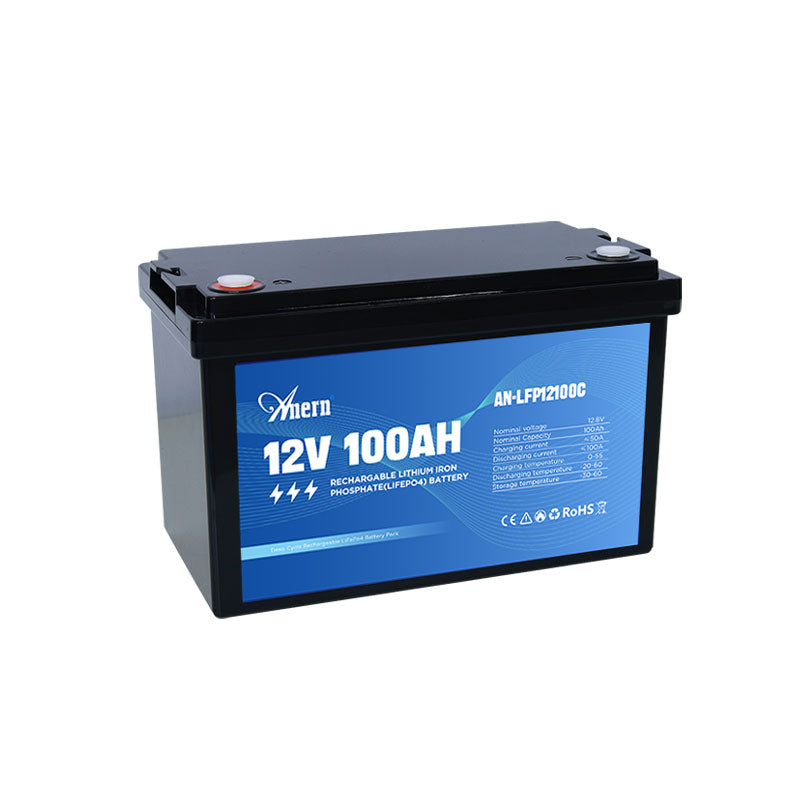
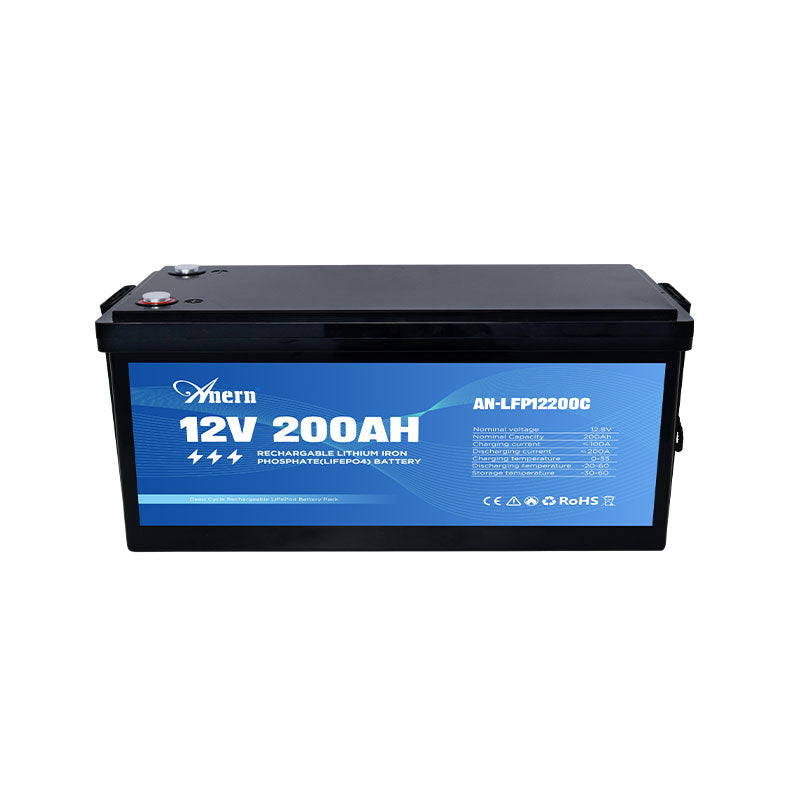
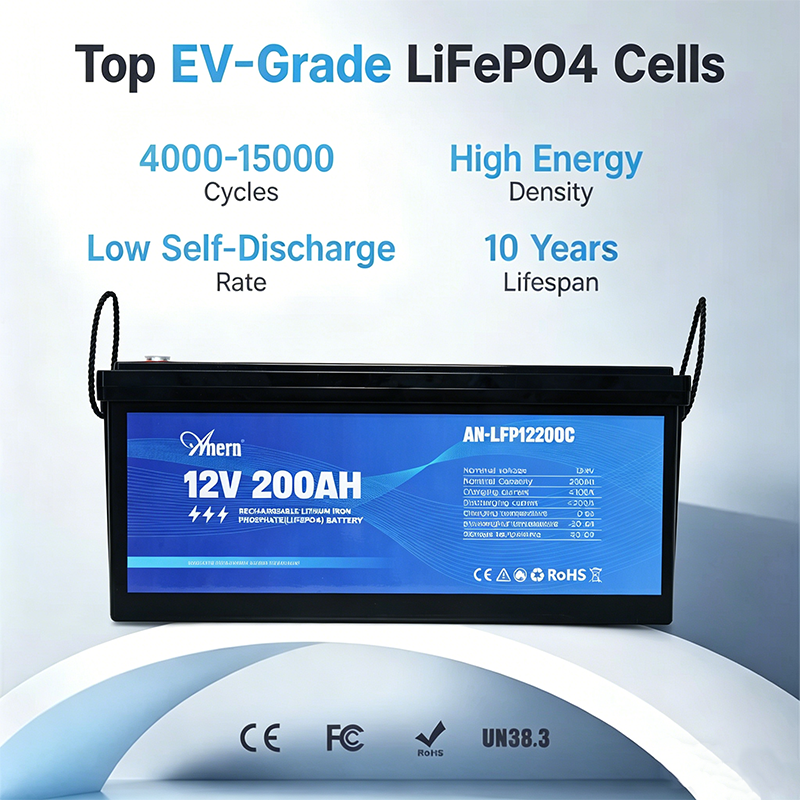
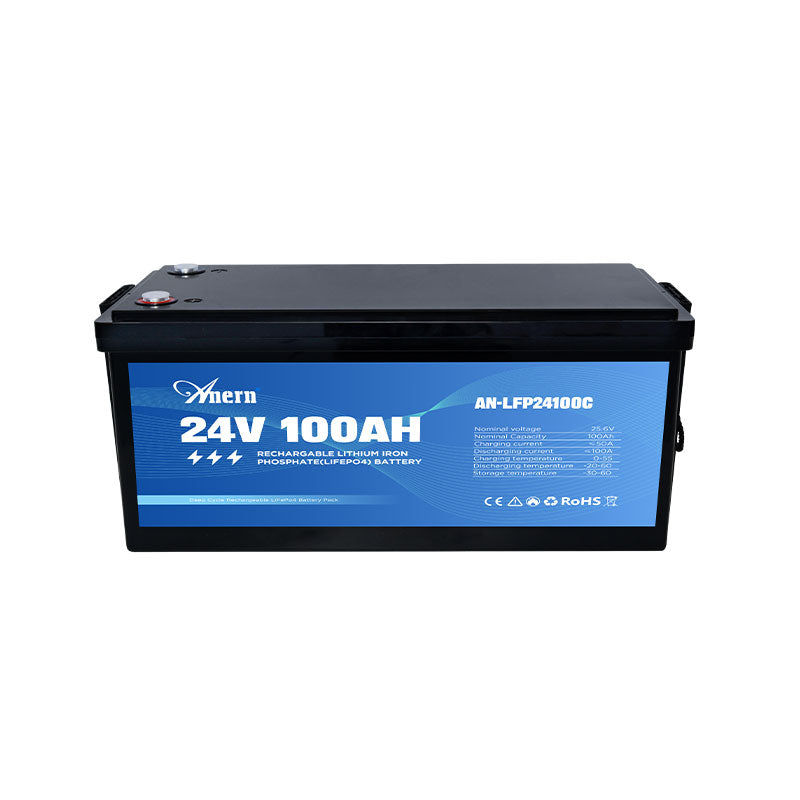
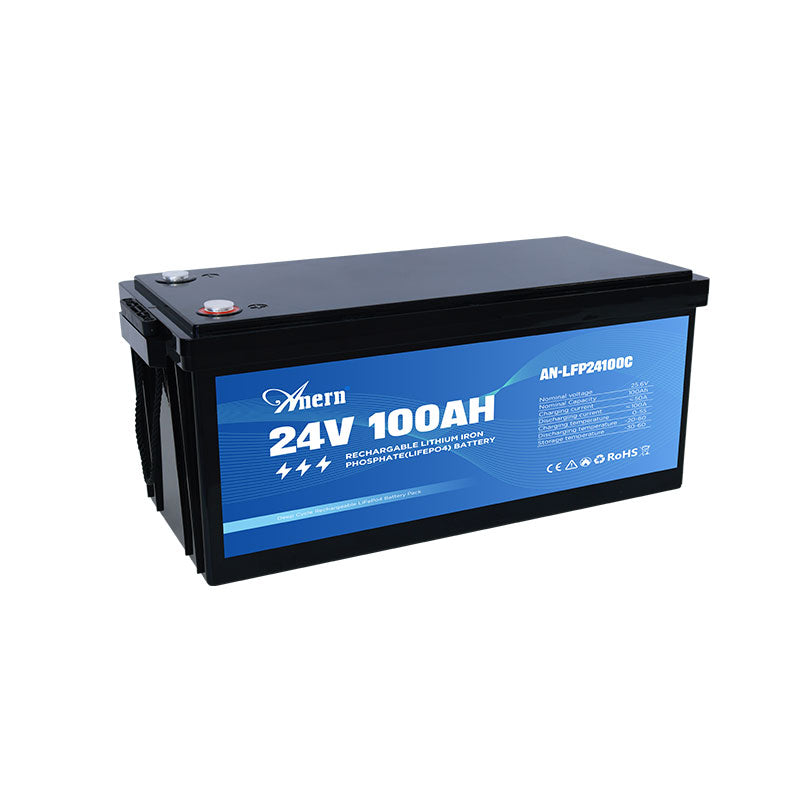
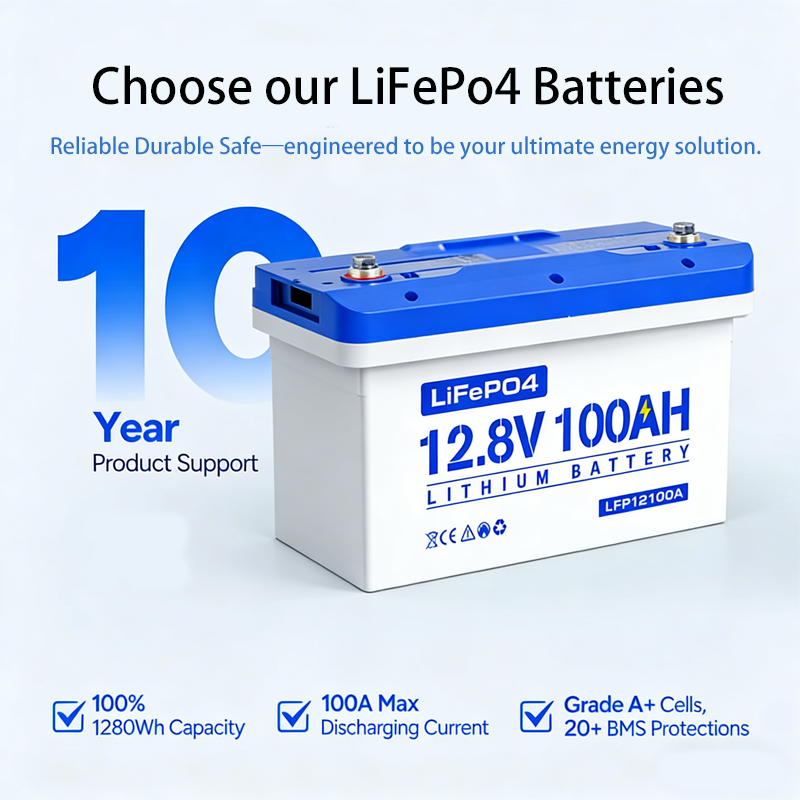
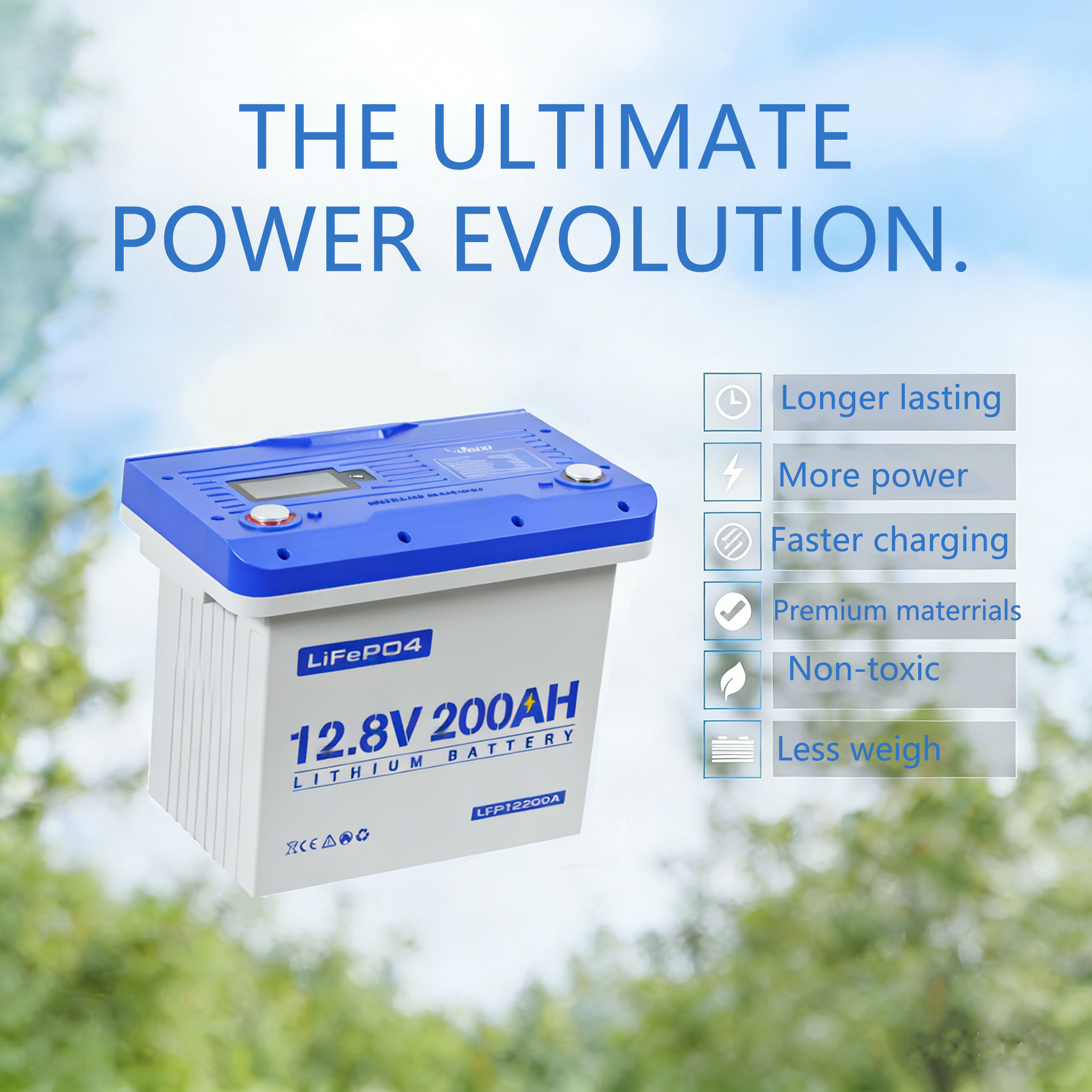
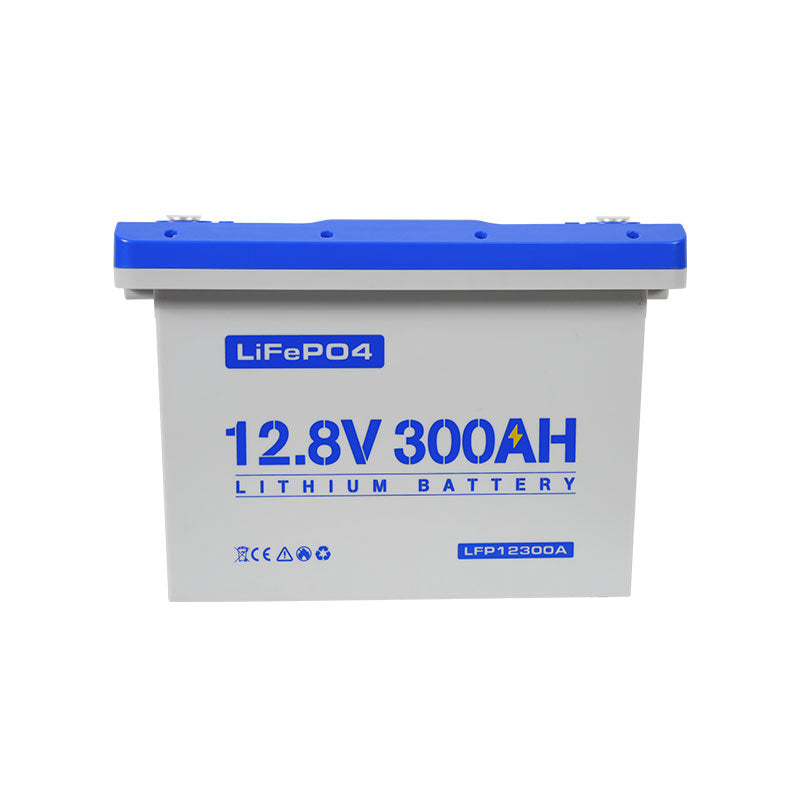
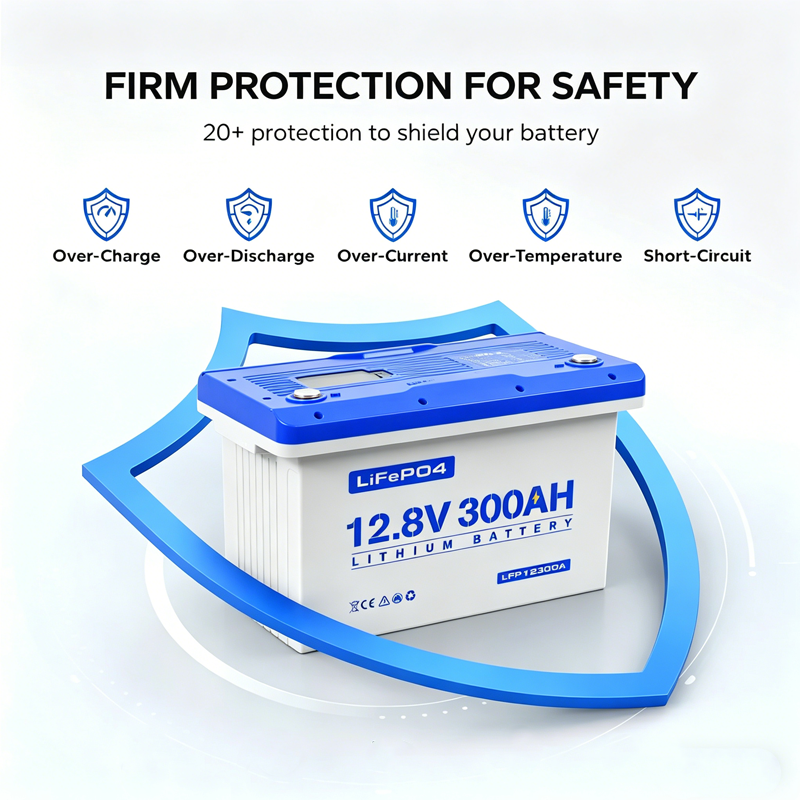
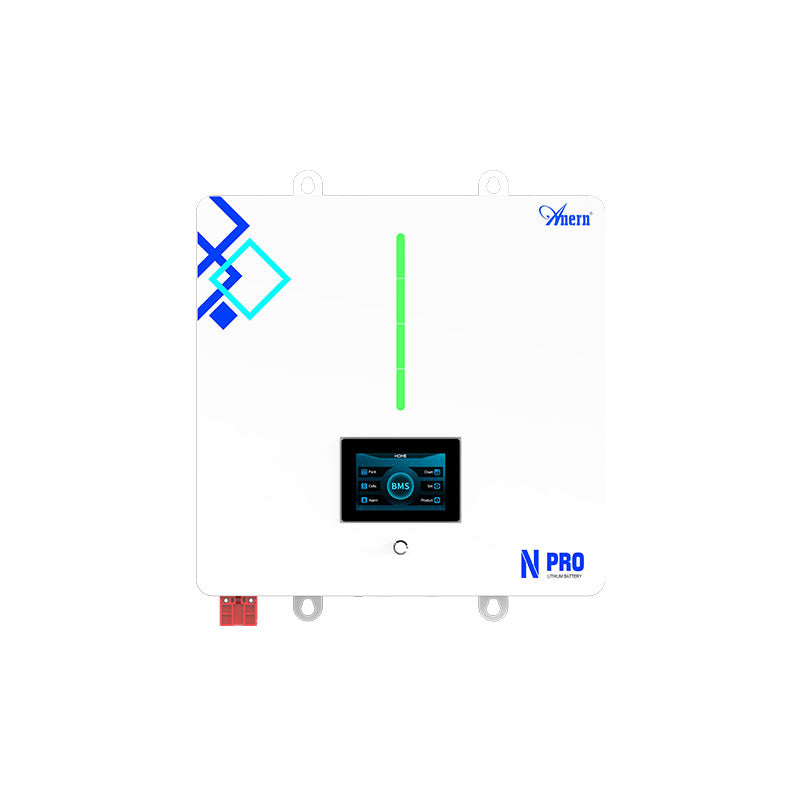
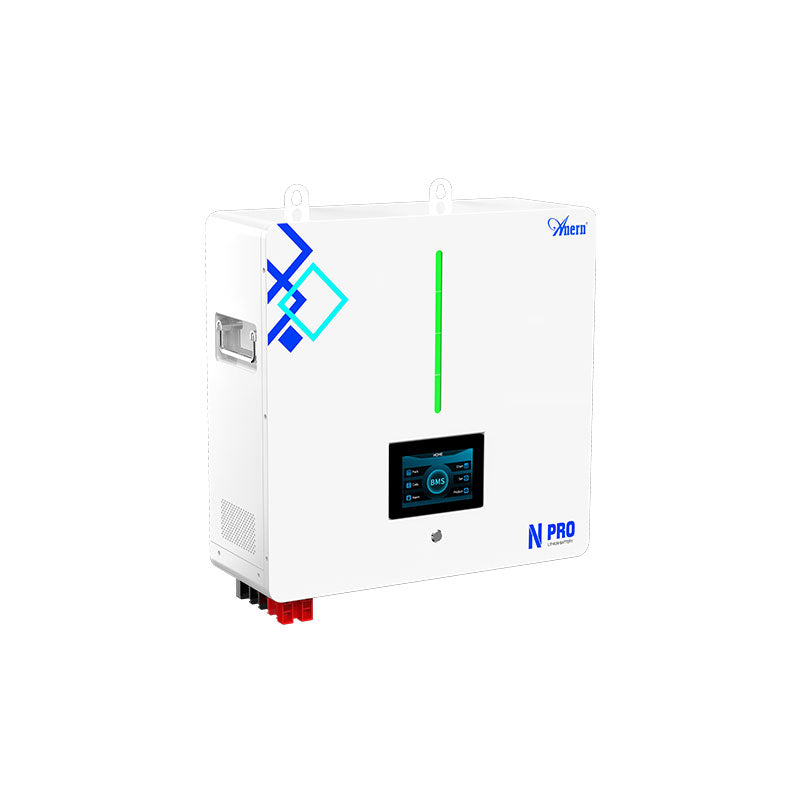
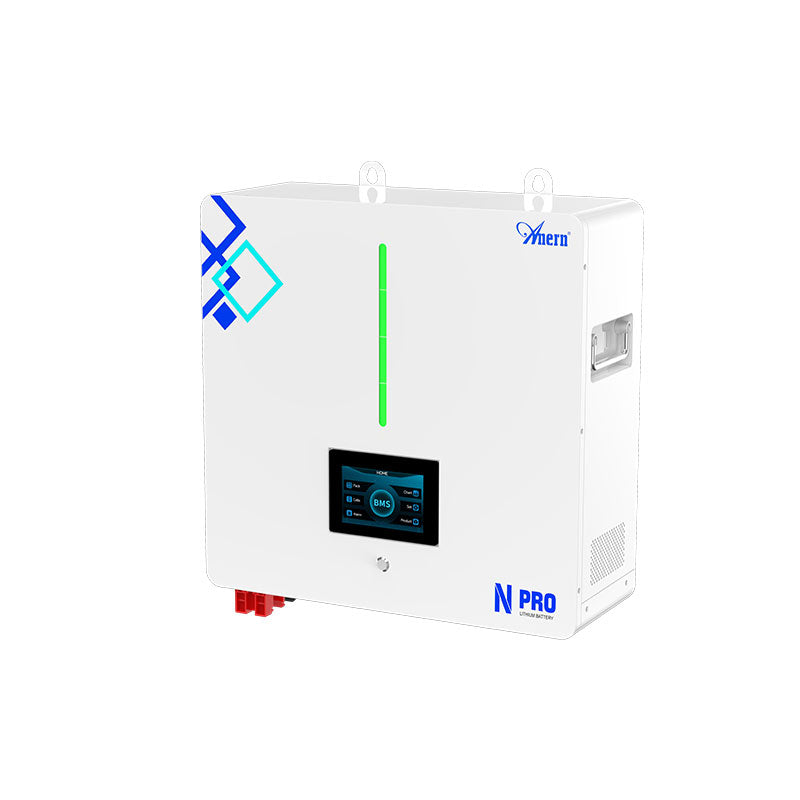
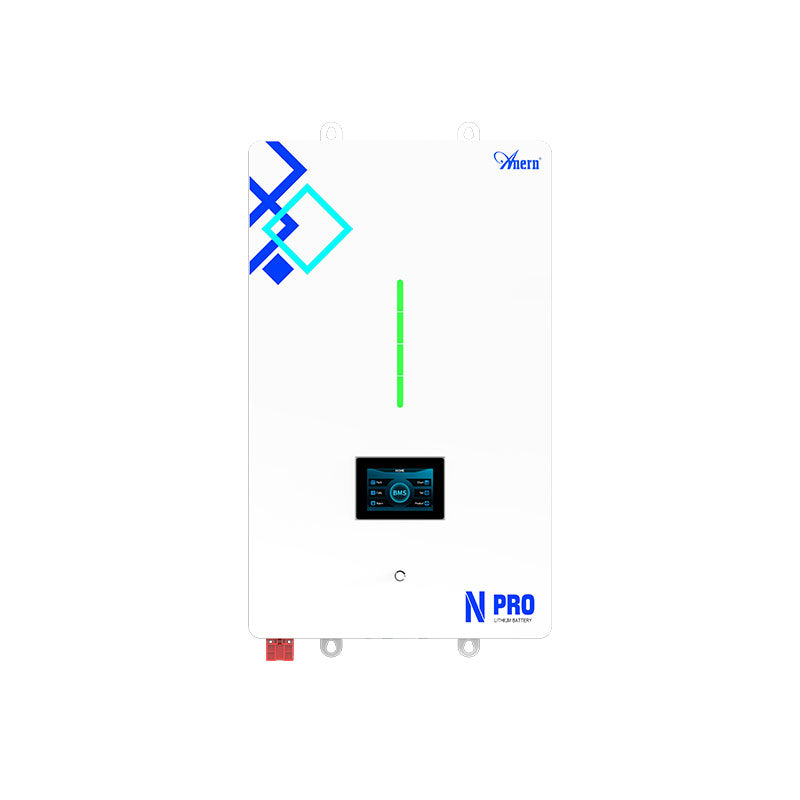
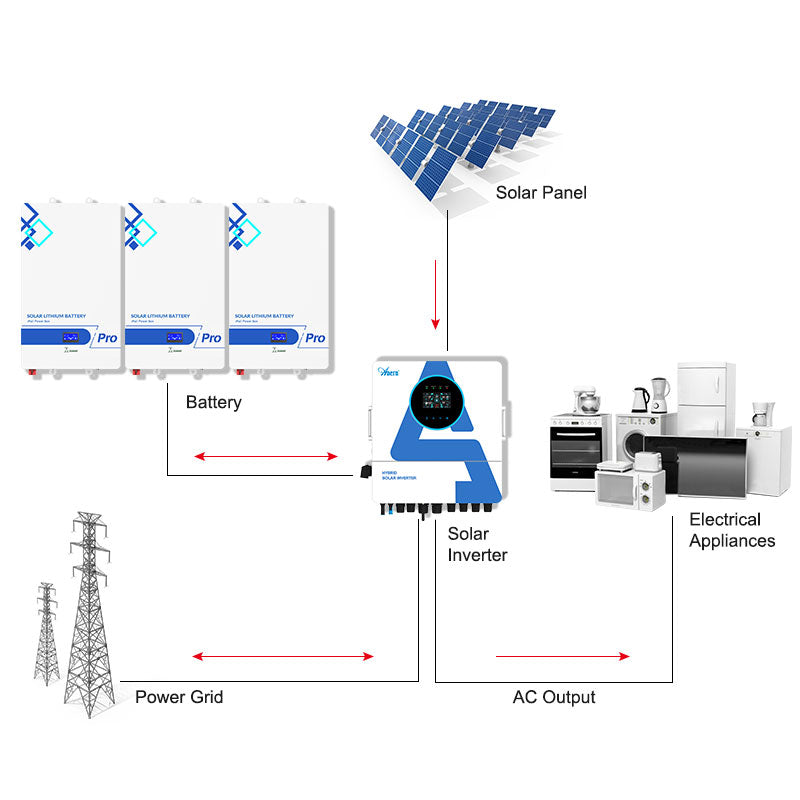
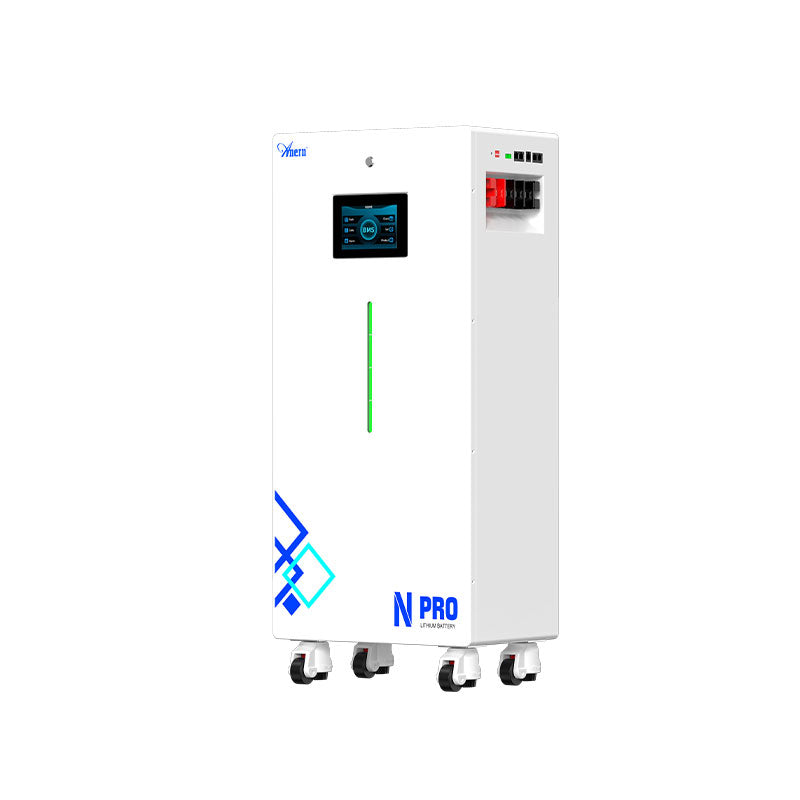
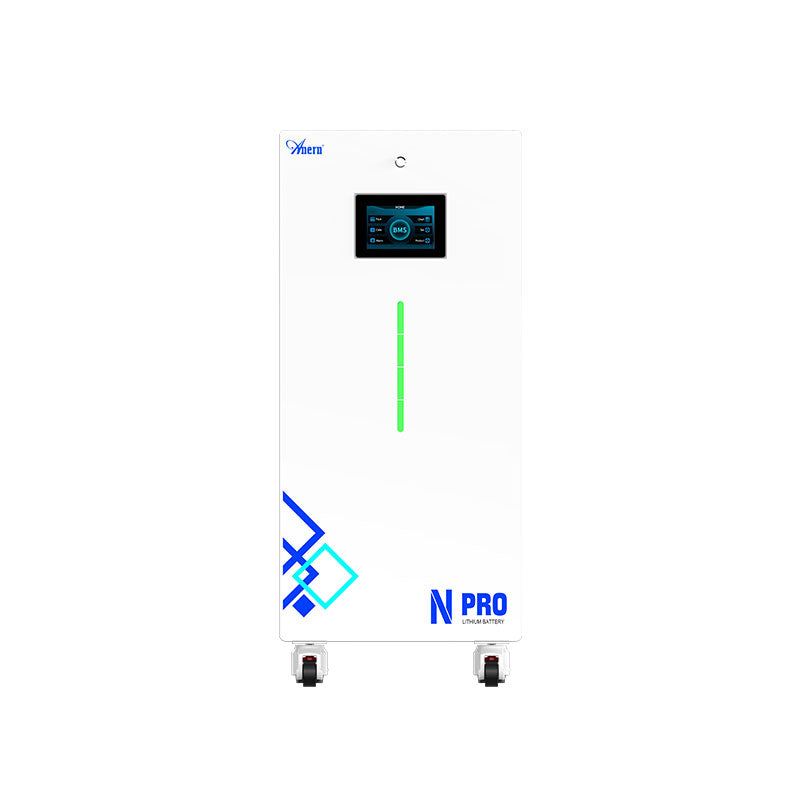
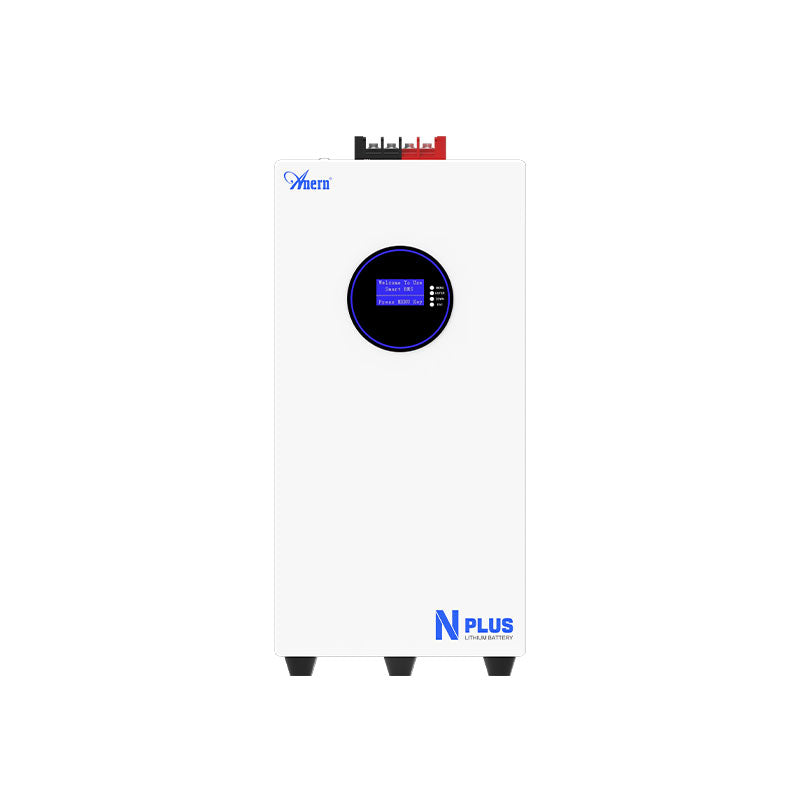
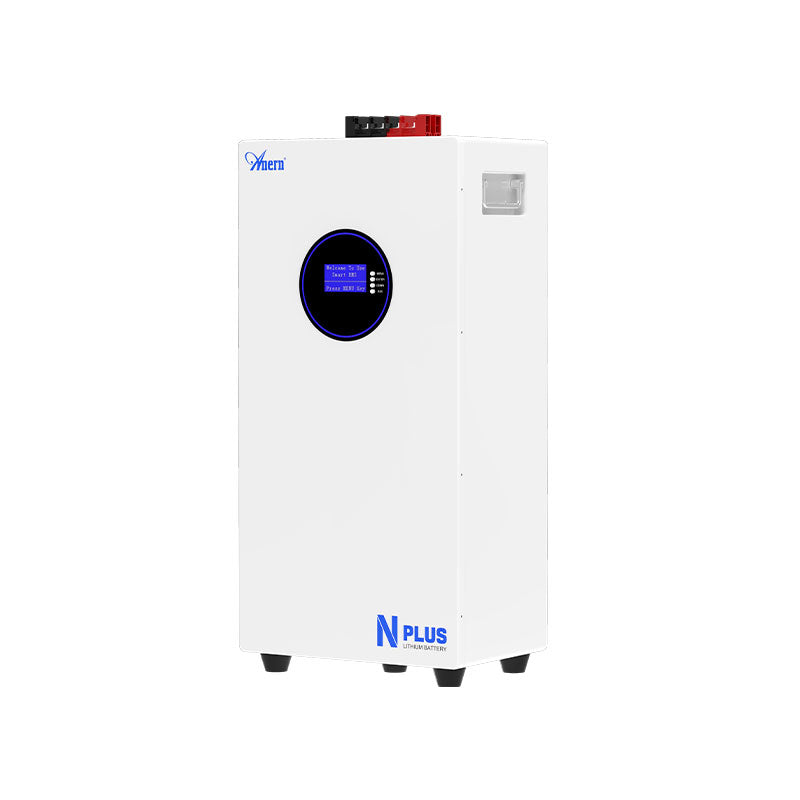
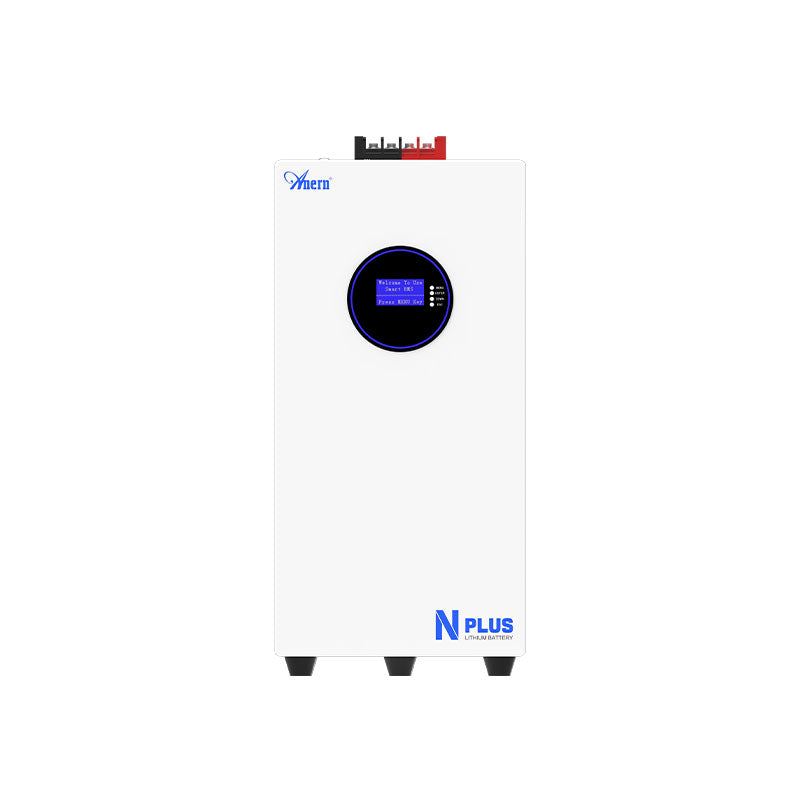
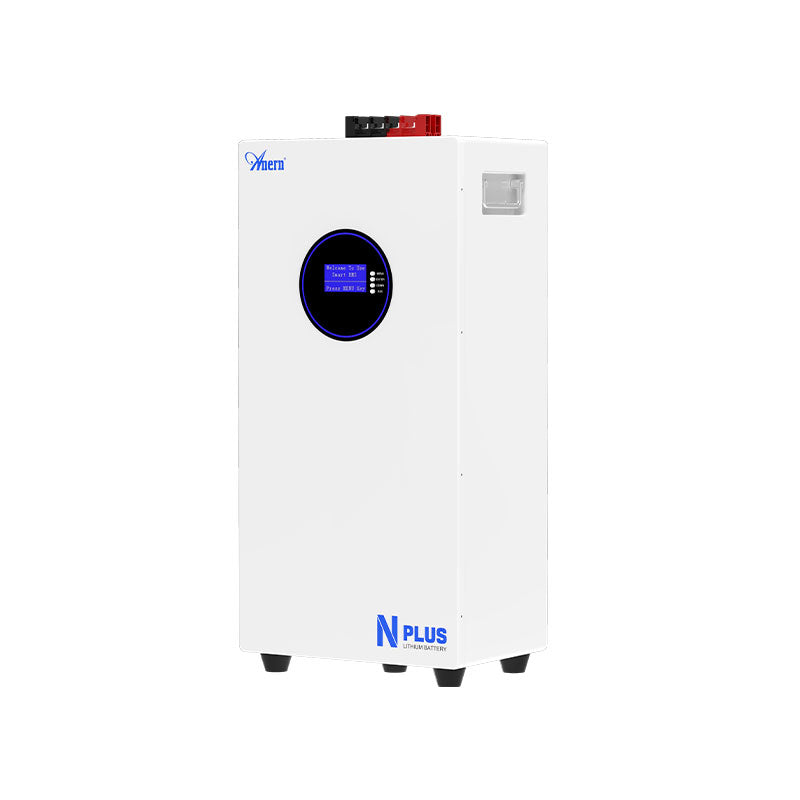
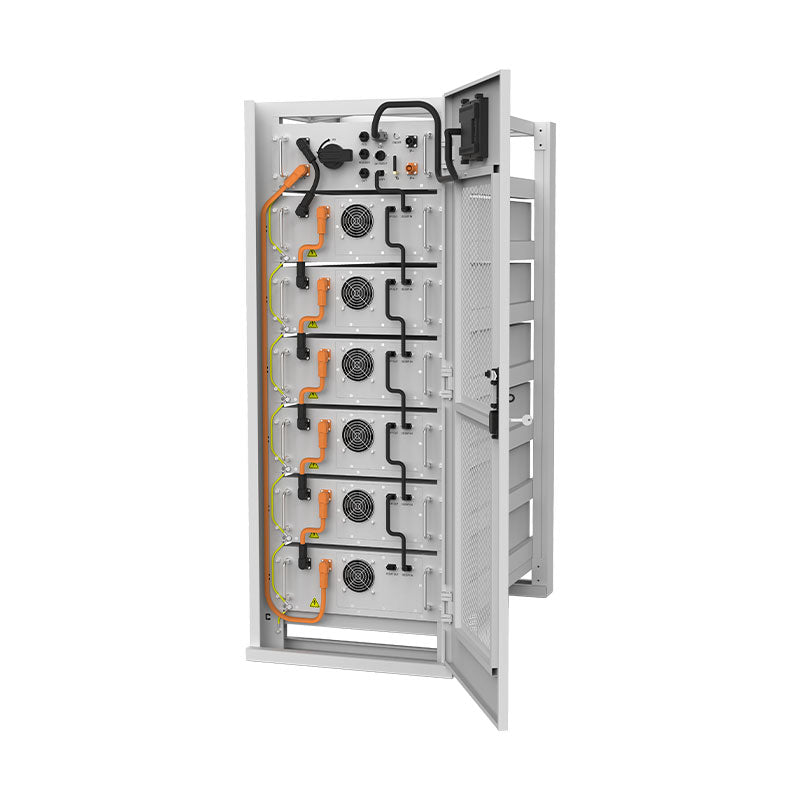
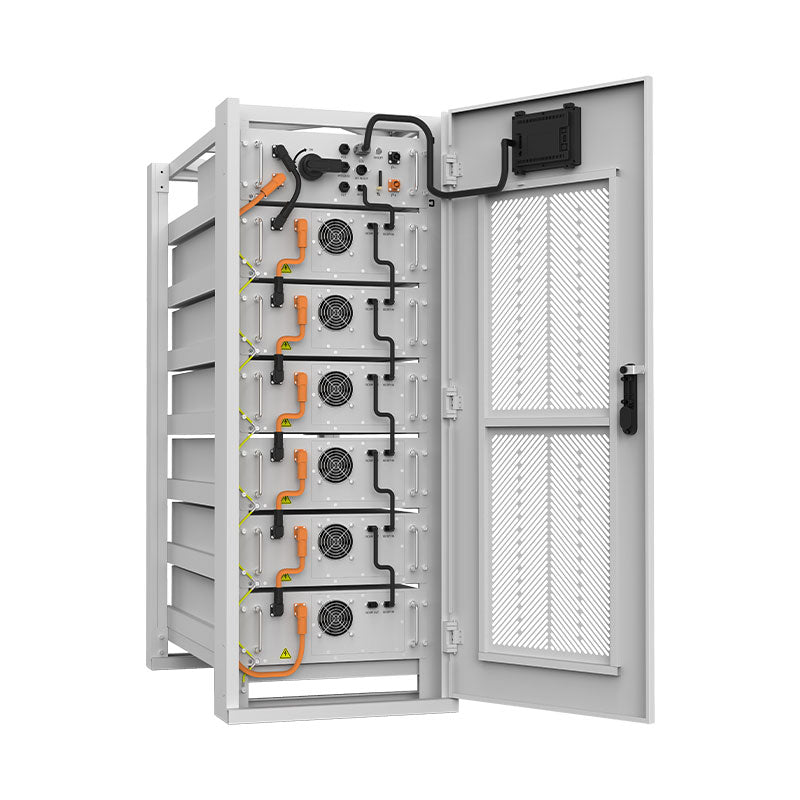
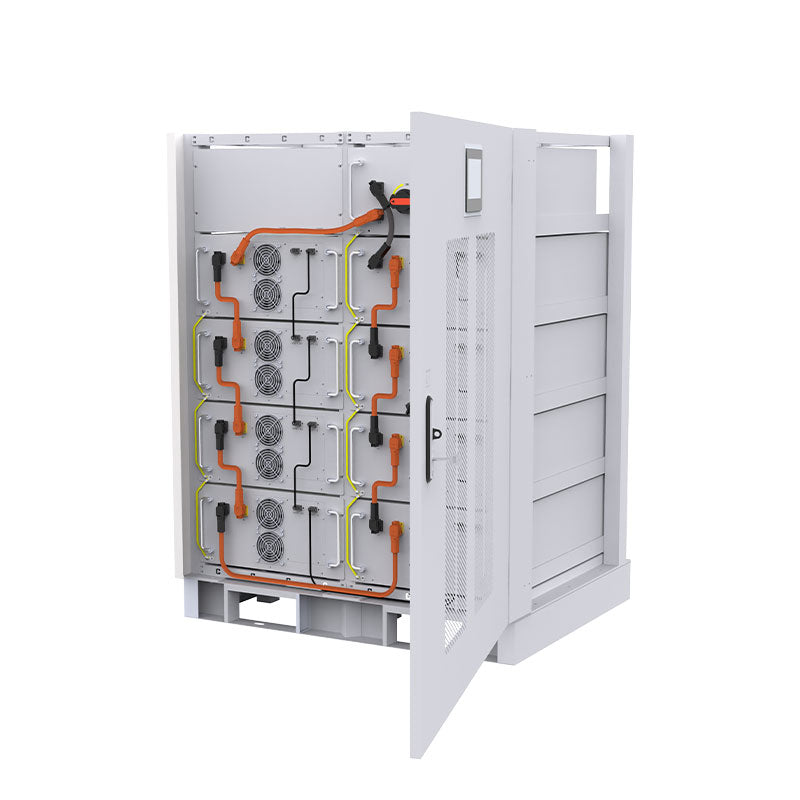
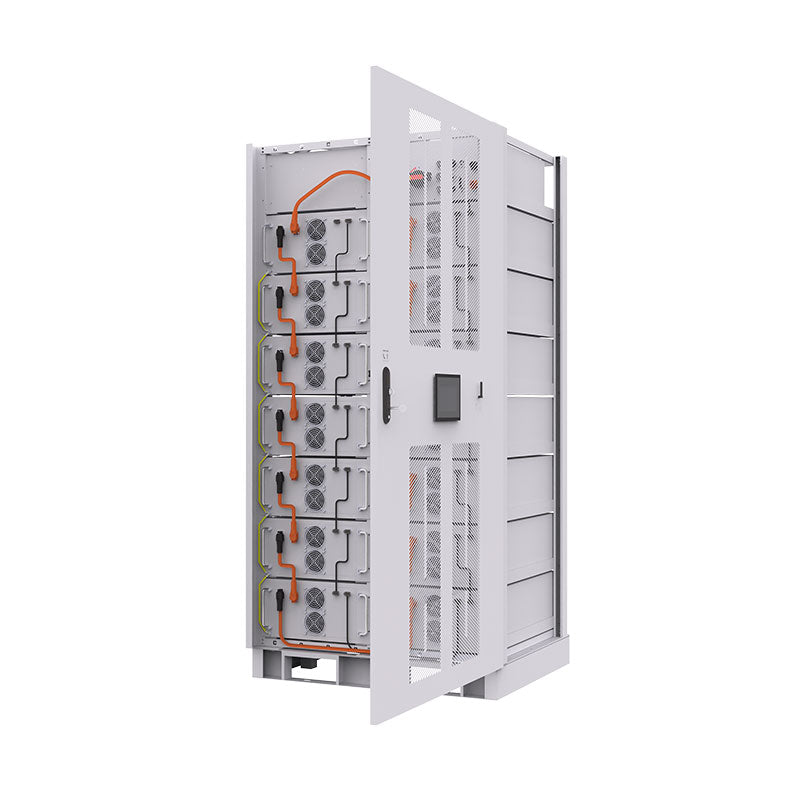
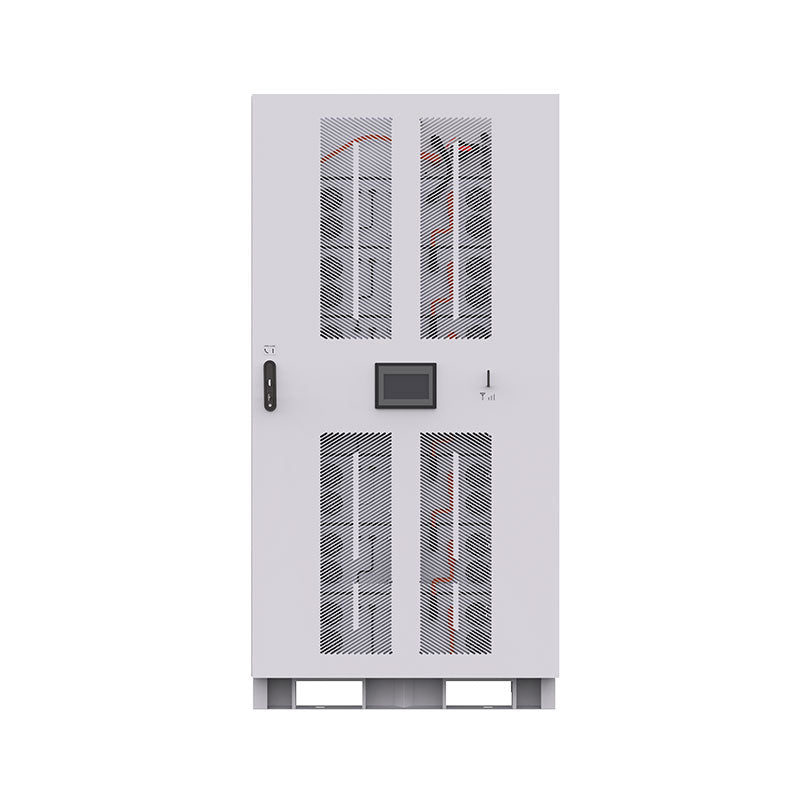
Our experience in the solar and energy storage industry, spanning many years, has shown us the profound benefits of integrated solutions. High-performance LiFePO4 batteries, for example, offer safety and reliability, creating a robust home energy storage system. Combining these with a hybrid inverter and solar panels provides a comprehensive, owned solution. This approach allows you to maximize your energy generation and storage, reducing reliance on the grid and enhancing your home's appeal to future buyers seeking long-term energy security.
Embracing Energy Independence
Beyond financial gains, owning a solar system means greater energy independence. You generate your own clean electricity, reducing exposure to fluctuating utility prices. This self-sufficiency is a significant draw for many buyers. The U.S. Energy Information Administration (EIA) reports a substantial increase in residential solar panel installations, indicating a growing demand for energy-efficient homes. Owning solar panels also contributes to environmental benefits by reducing carbon emissions and water usage compared to traditional power sources. These factors collectively enhance your property's value and appeal in a market increasingly prioritizing sustainability.
A Forward Look at Solar and Your Home
Solar energy continues to evolve as a cornerstone of modern homes. While leased systems offer a low barrier to entry, understanding their implications for resale is crucial. Owned solar systems, especially those integrated with advanced energy storage solutions, provide clear financial benefits, increase property value, and offer true energy independence. By making informed choices about your solar installation and meticulously managing associated paperwork, you position your home for maximum value and a seamless sale, contributing to a more sustainable and empowered future.
