













Introduction
The global energy landscape is transforming rapidly. As solar photovoltaic (PV) systems become more common, integrating energy storage is crucial for maximizing their value. Retrofitting a battery to an existing solar system allows you to capture excess solar energy generated during the day and use it when the sun is not shining or when electricity demand, and prices, are highest. This strategic integration is becoming increasingly vital, particularly as we look towards 2025, where aligning PV generation with peak demand periods will define energy efficiency and independence.
The Evolving Energy Landscape and the Need for Storage
The increasing adoption of solar power brings significant environmental benefits, yet it also introduces new challenges for grid management. Energy storage systems offer a robust solution to these evolving demands.
Bridging the Gap: Solar PV Intermittency and Grid Stability
Solar PV systems generate electricity primarily during daylight hours, with peak production often not coinciding with peak consumption. This intermittency can create imbalances in the grid. Battery storage plays a central role in enabling a renewables-based power system, with storage technologies expected to provide the majority of short-duration flexibility needs. According to IRENA's 2025 report on Renewable Power Generation Costs, battery deployment must expand significantly to support this transition.
Hybrid power plants, which combine different renewable generation technologies and/or integrate storage systems, enhance energy reliability and system performance. These systems help align electricity supply with demand more effectively, mitigating issues such as intermittency and oversupply during peak generation periods. IRENA's 2025 publication also highlights how battery storage integration, guided by system needs and operational flexibility, makes these solutions increasingly vital for grid stability and efficient renewable energy integration.
Meeting Demand: Addressing Rising Peak Consumption
Peak electricity demand typically occurs in the late afternoon and evening when solar generation declines but household and commercial energy use remains high. Without storage, excess solar energy might be sent back to the grid at lower rates, or utilities might need to activate more expensive, less sustainable power plants to meet the surge in demand. Utility-scale battery storage applications have seen energy shifting as their primary use since 2018, accounting for 67% of total capacity additions in 2024. This practice balances the power system by storing renewable energy production during low market prices or low demand for later use during peak electricity demand or prices, improving system efficiency. This trend is detailed in IRENA's 2025 Renewable Power Generation Costs report.
For instance, in Peninsular Malaysia, the penetration limit for grid-connected solar PV is set at 24% of the estimated peak demand by 2025, with an expectation to reach 30% by 2035. To support this, five units of a battery energy storage system with a capacity of 100 MW were planned for installation annually from 2030 to 2034 to address system stability concerns. This information comes from the Malaysia Energy Transition Outlook.
Integrating Storage: Technologies and Solutions
Retrofitting an existing solar system with storage involves selecting the right components and ensuring they work together harmoniously.
Advanced Battery Technologies for Solar Systems
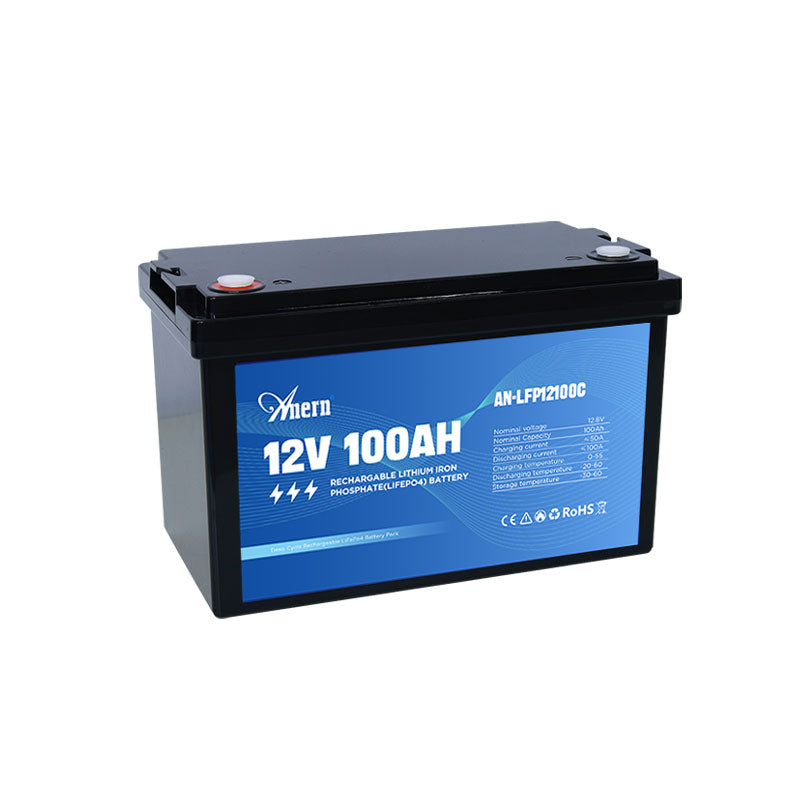
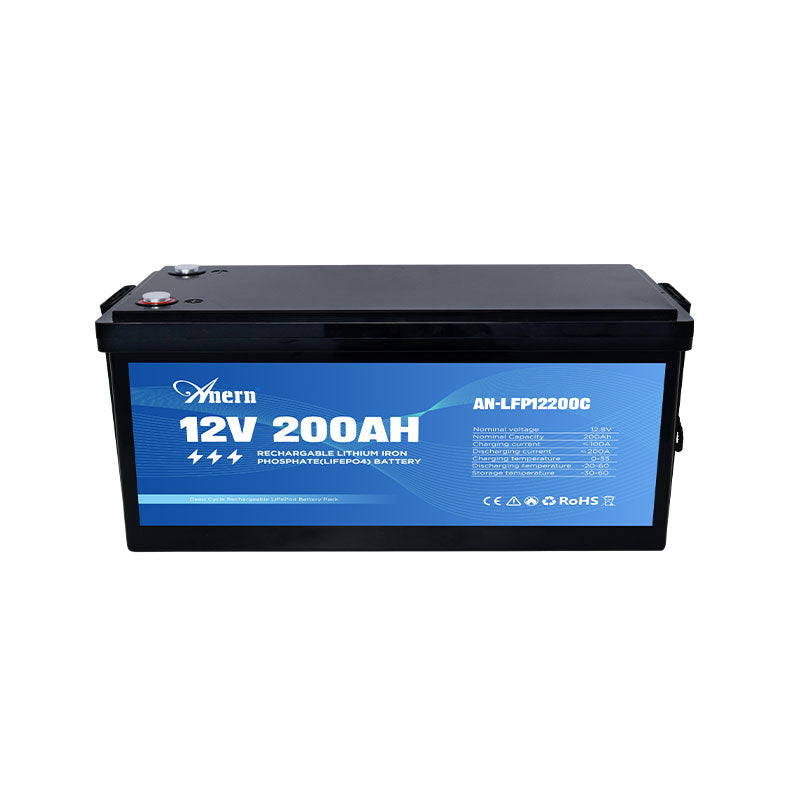
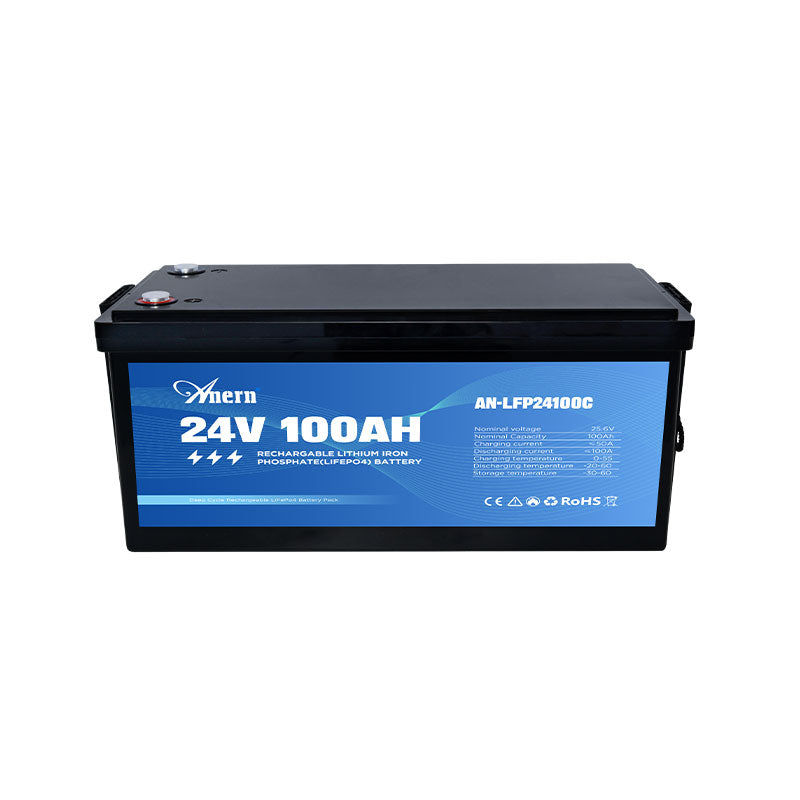
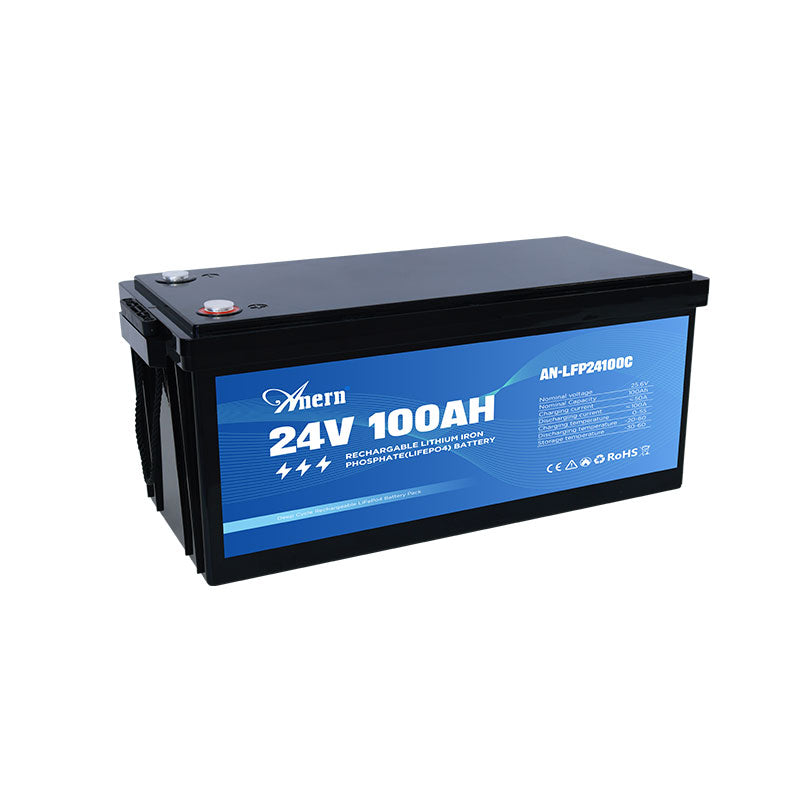
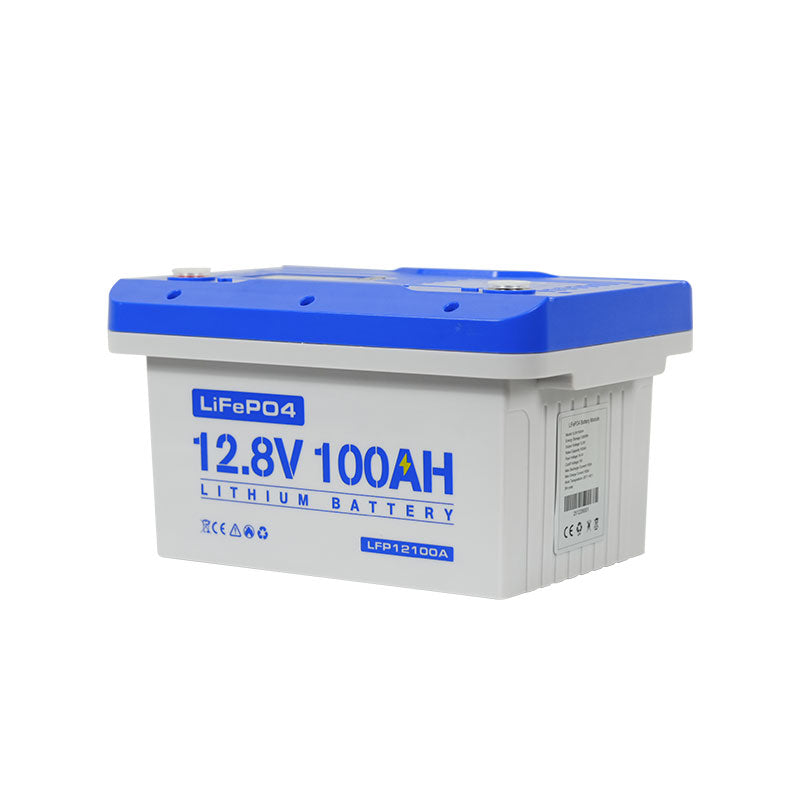
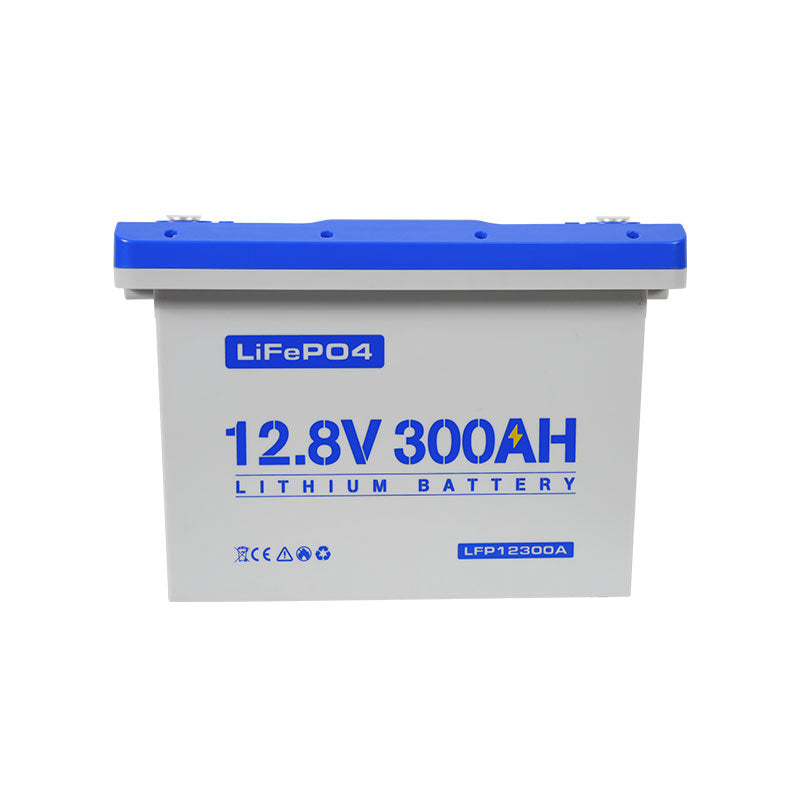
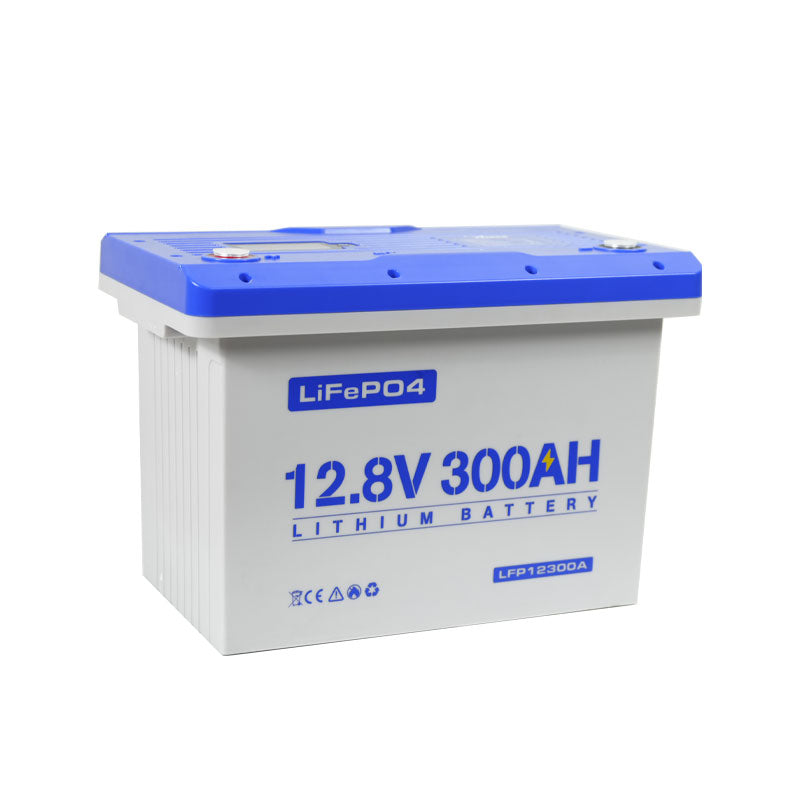
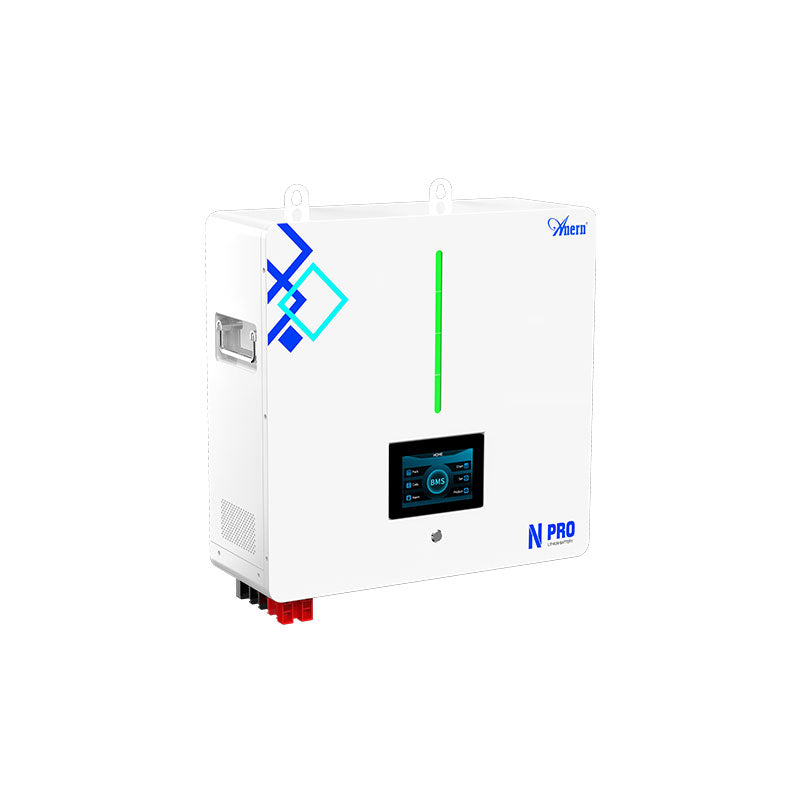
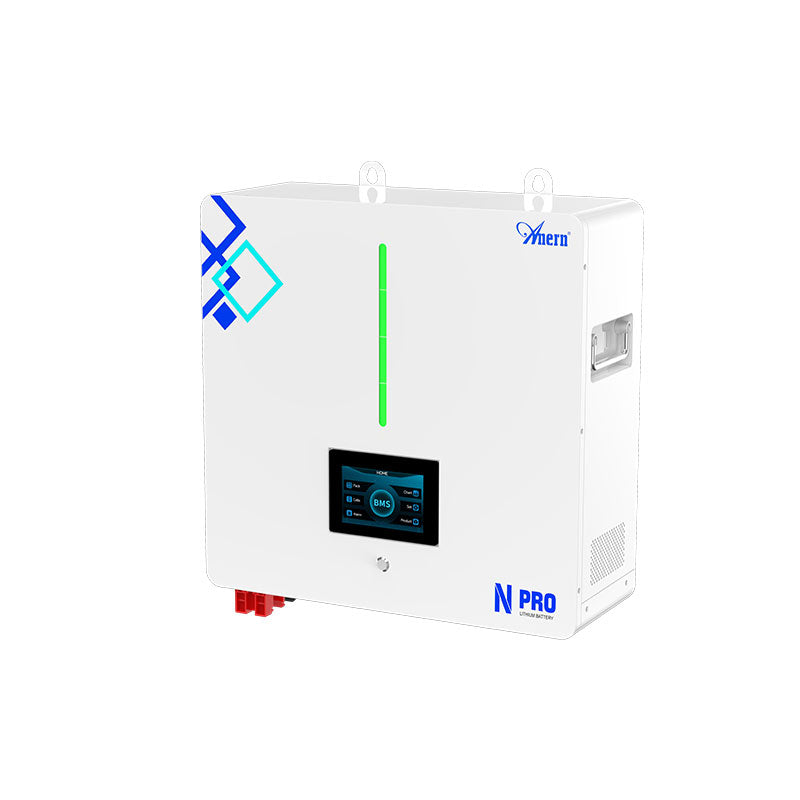
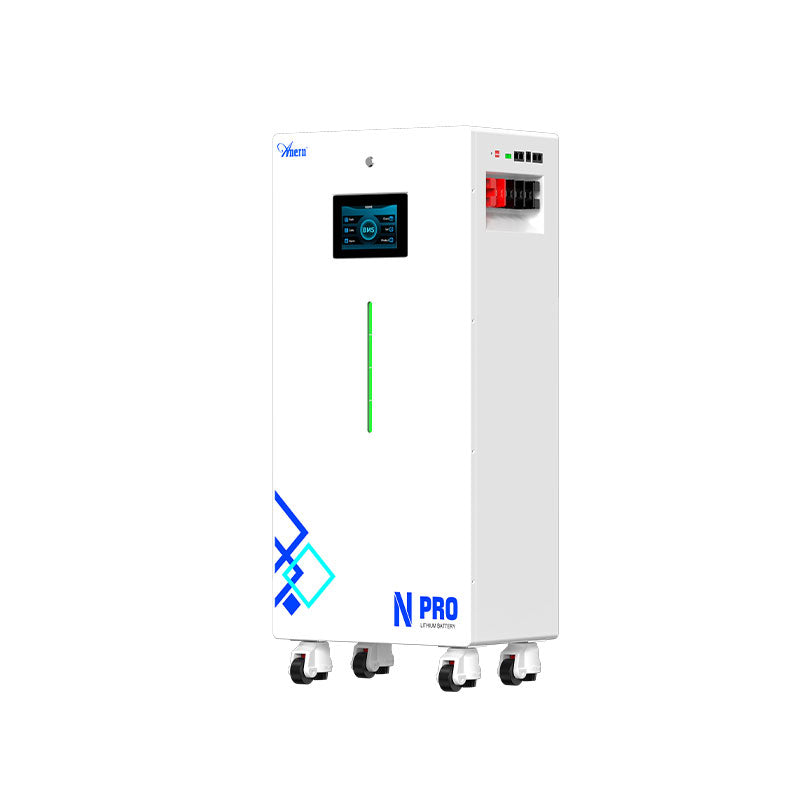
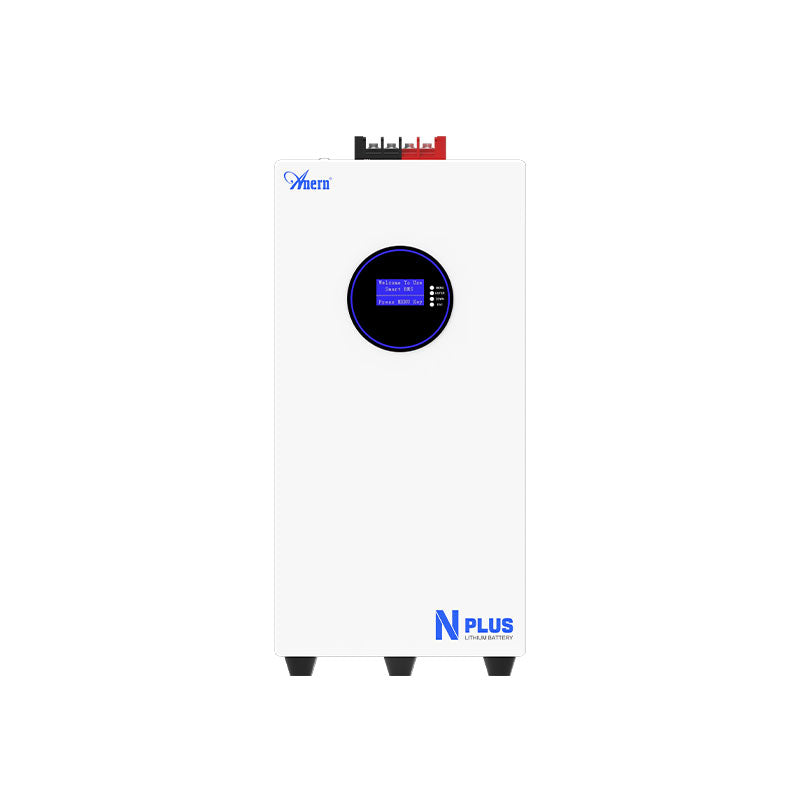
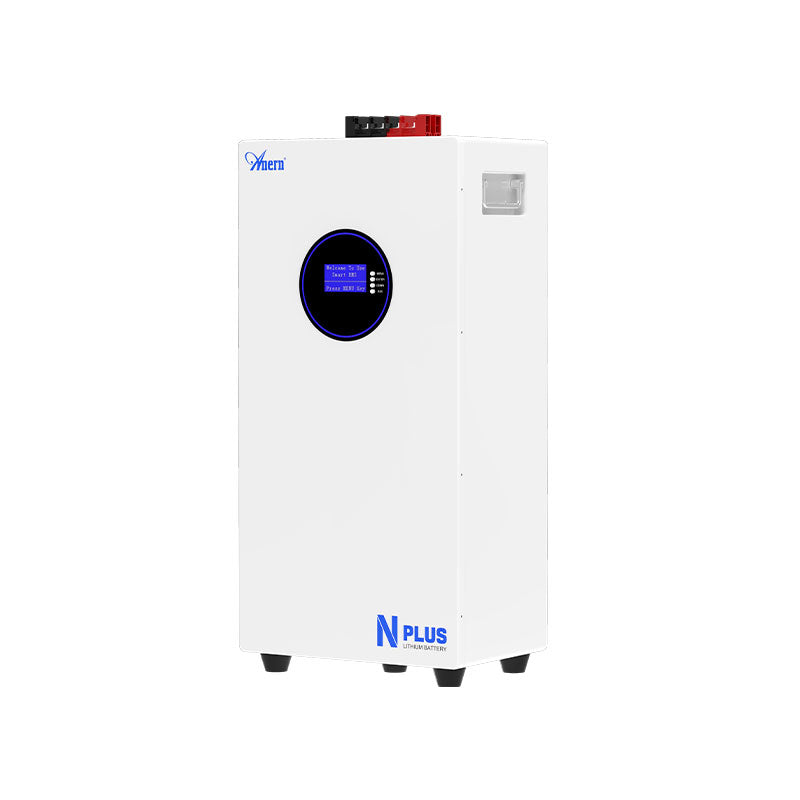
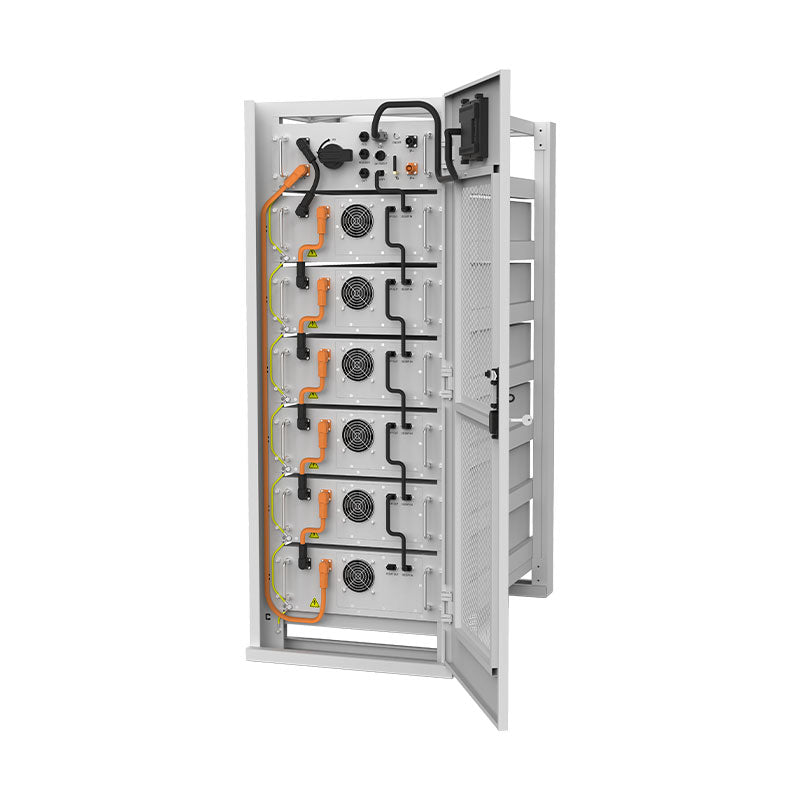
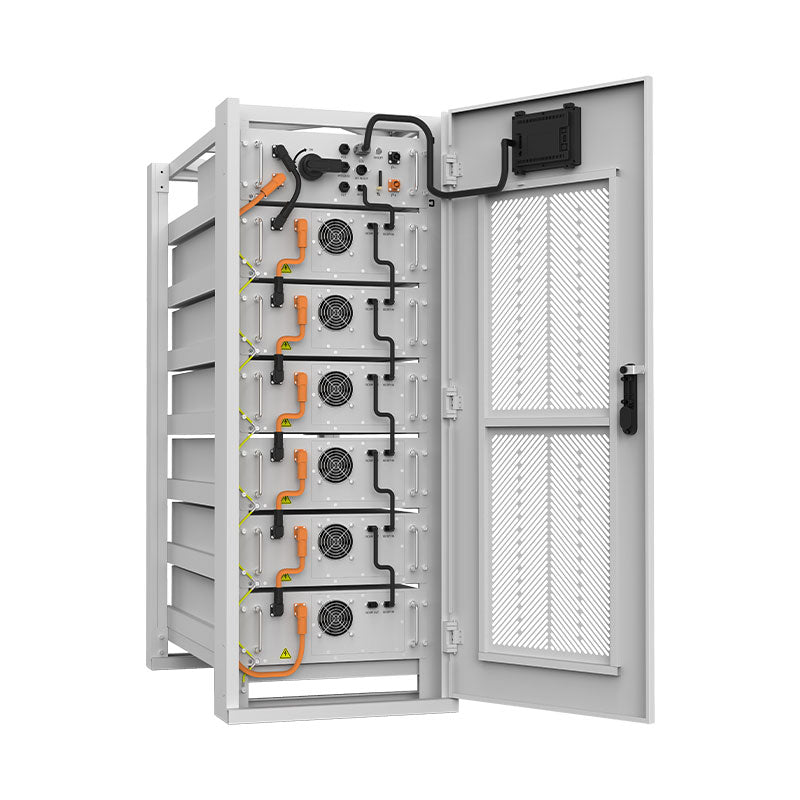
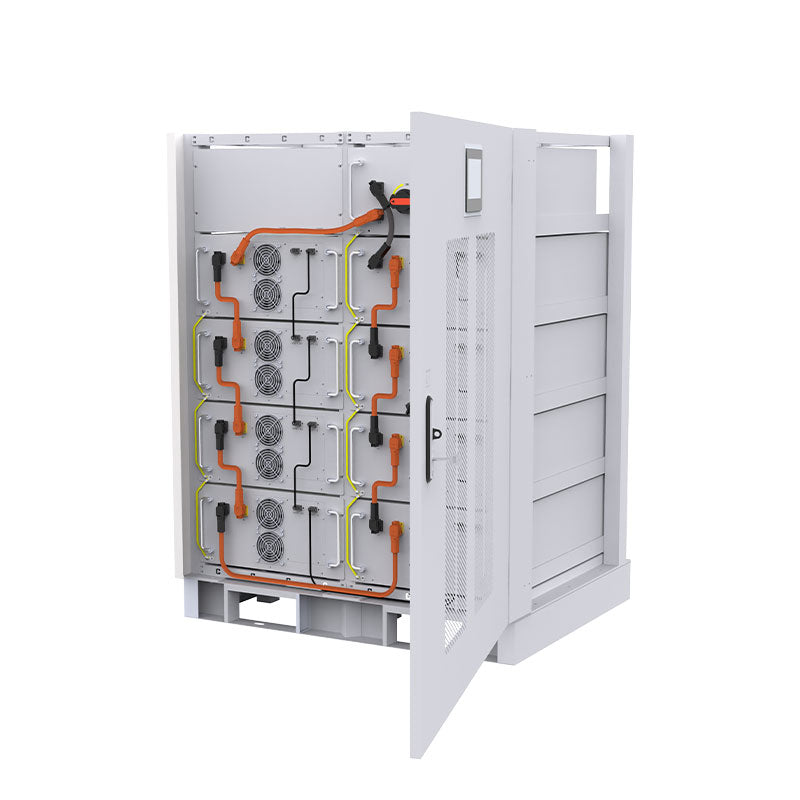
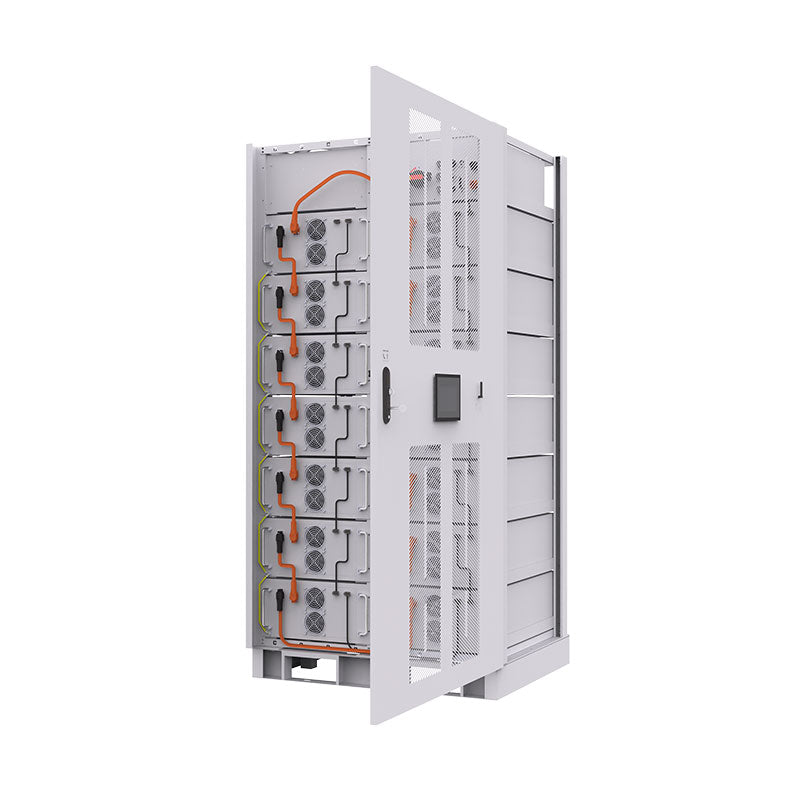
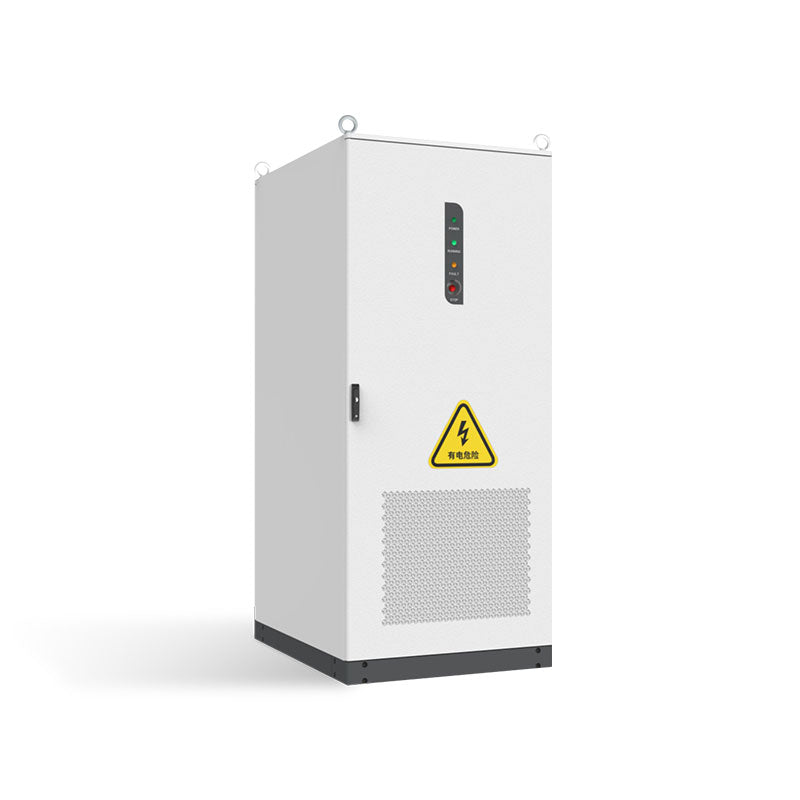
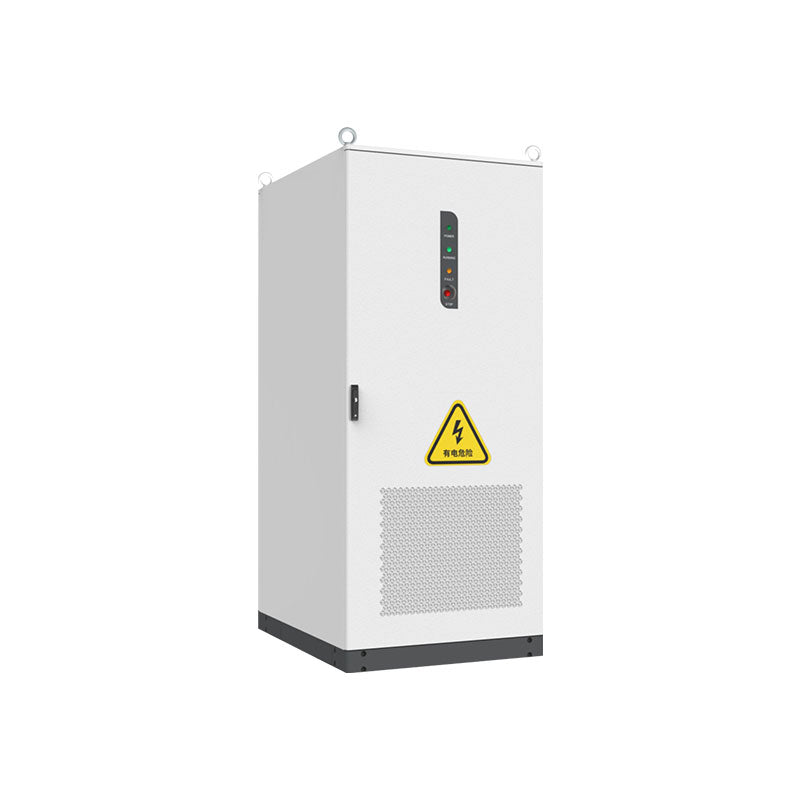
Lithium iron phosphate (LiFePO4) batteries are a leading choice for residential and commercial energy storage due to their high performance, safety, and reliability. These batteries offer a long cycle life and stable operation, making them a sound investment for long-term energy independence. The total installed cost of utility-scale battery energy storage systems (BESS) dropped by 93% from 2010 to 2024, falling from USD 2,571/kWh to USD 192/kWh. This sharp decline, driven by manufacturing scale-up and improved materials efficiency, makes battery retrofits more accessible. IRENA's 2025 report highlights this significant cost reduction.
Advances in alternative battery technologies are also progressing rapidly. China, for example, is leading in the development of sodium-ion and solid-state batteries for large-scale storage, thanks to significant investments in research and development. The IEA's Southeast Asia Energy Outlook 2024 mentions these developments.
Seamless Integration: Hybrid Inverters and Energy Management
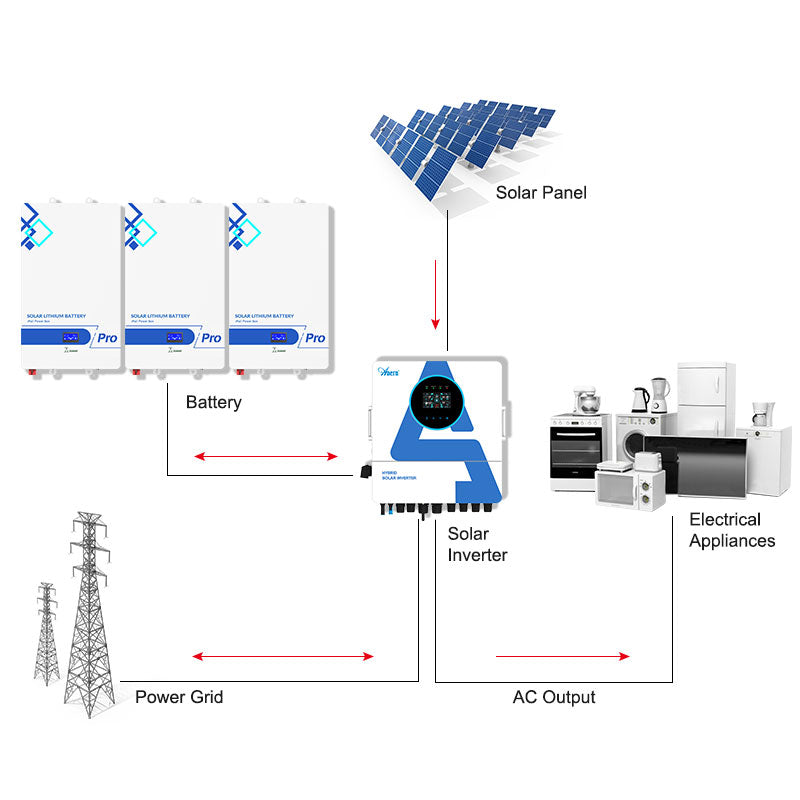
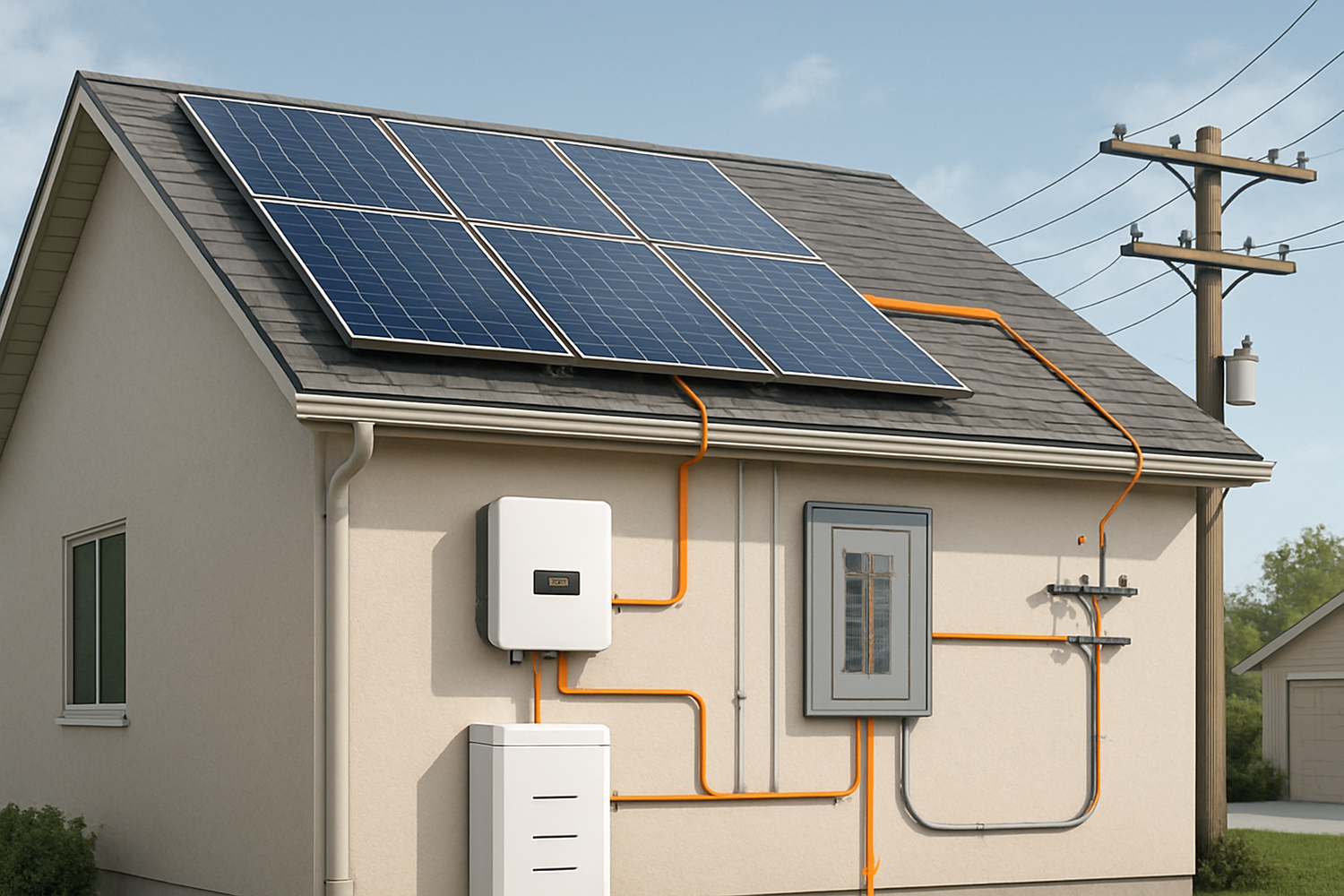
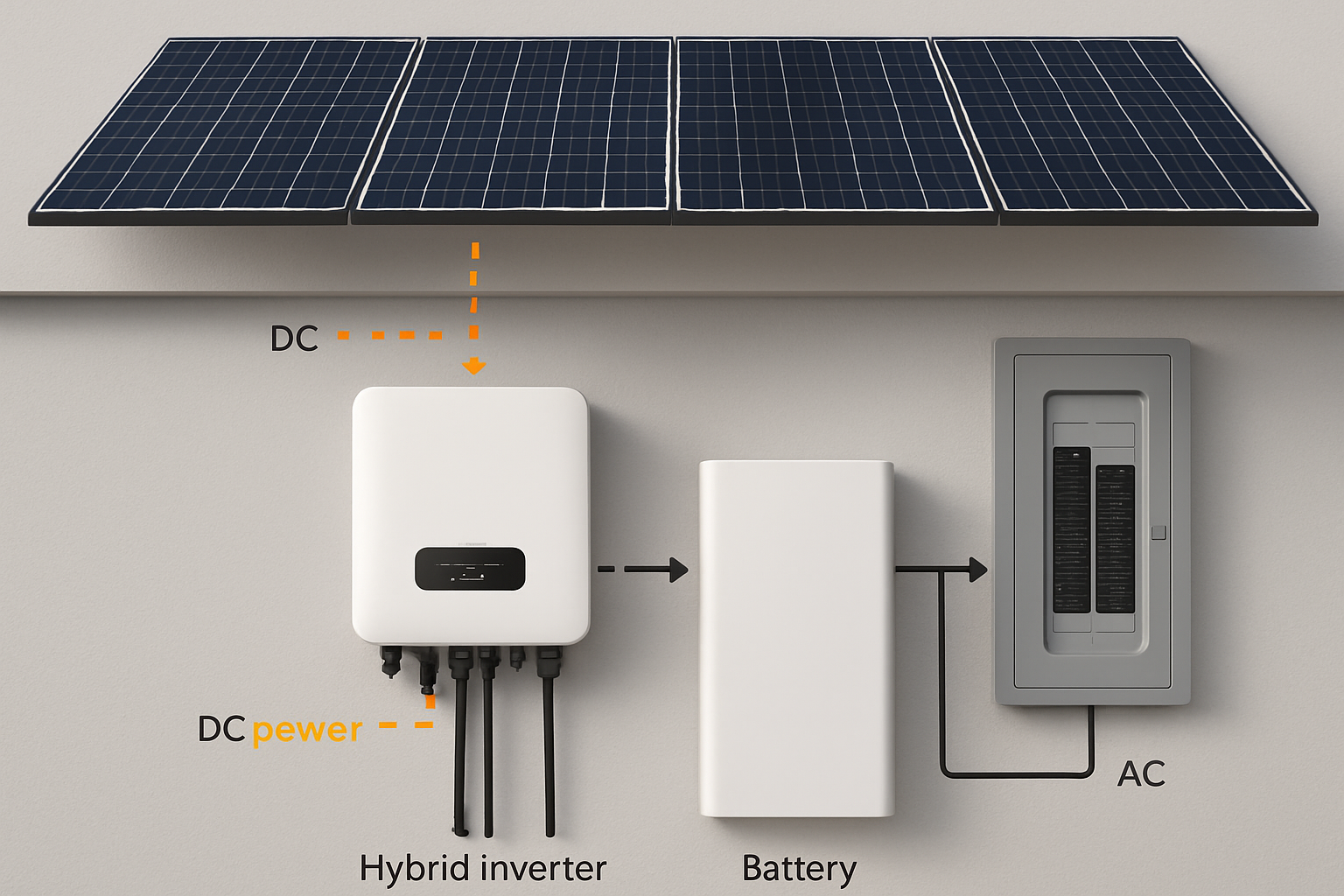
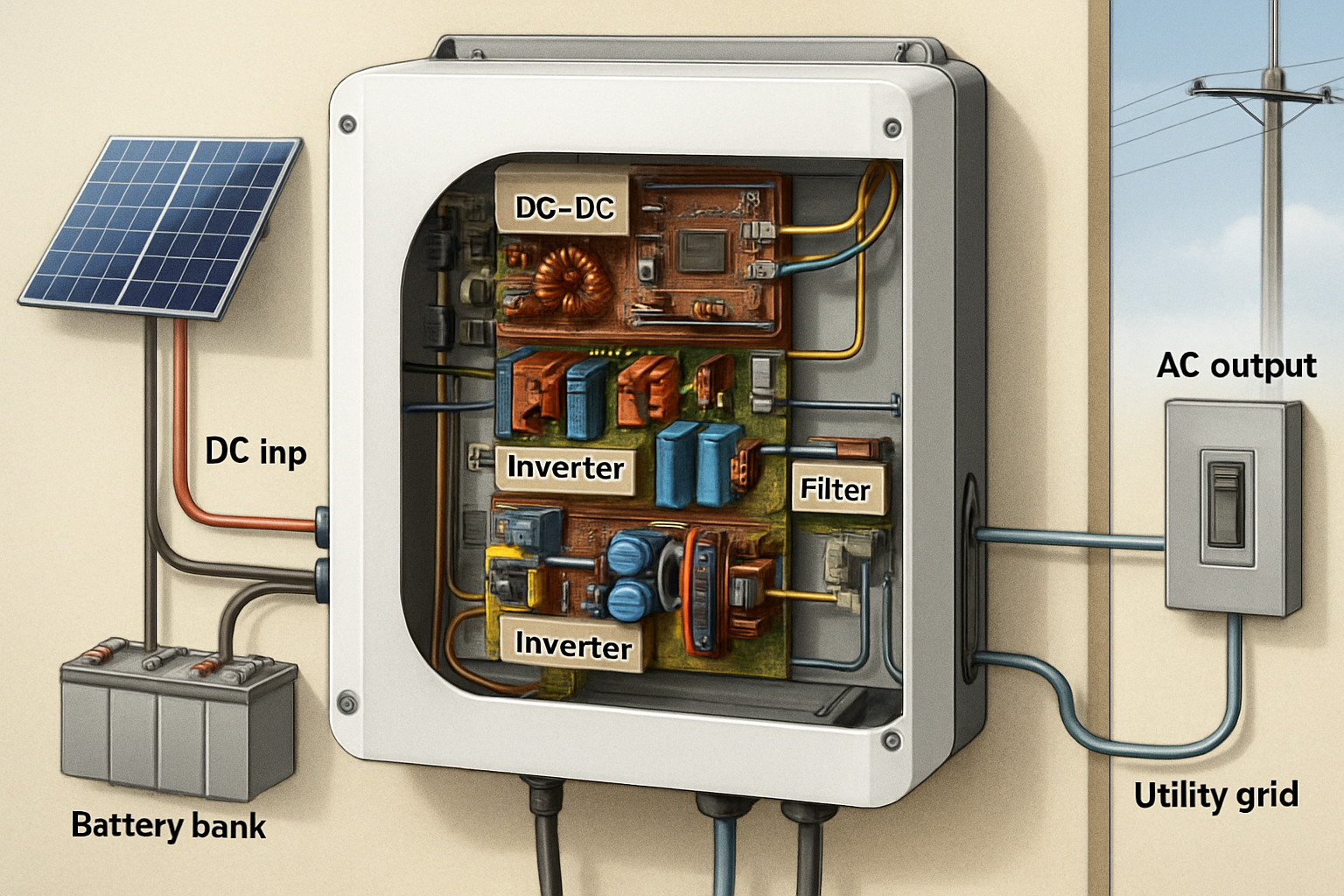
A crucial component of a retrofit is the solar inverter, which converts the direct current (DC) electricity from solar panels into alternating current (AC) for household use. For storage integration, a hybrid inverter is often employed. This type of inverter manages both solar generation and battery charging/discharging, optimizing energy flow. It can prioritize self-consumption, store excess energy, or feed it back to the grid, depending on your settings and local regulations.
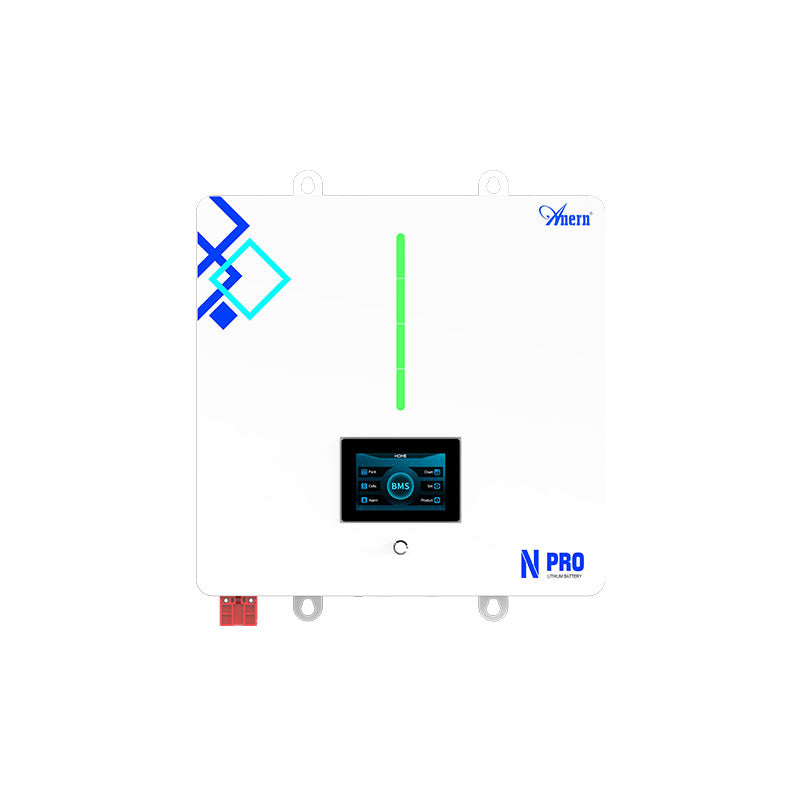
Modern energy management systems, often integrated with hybrid inverters, provide real-time monitoring and control over your energy usage. These systems allow you to track production, consumption, and storage levels, enabling informed decisions to maximize savings and energy independence. The integration of battery storage accelerates after 2025, as it is quick to deploy, easy to scale, and costs are projected to continue to come down. The IEA's Southeast Asia Energy Outlook 2024 projects that battery storage will become the third-largest source of additional capacity after 2035, behind only solar and wind.

Realizing Benefits: Economic and Operational Advantages
Adding battery storage to your existing solar system offers a range of tangible benefits, from financial savings to increased energy security.
Unlocking Value: Financial Incentives and Cost Savings
Retrofitting storage can significantly reduce your electricity bills by allowing you to use your self-generated solar power more effectively, especially during peak-rate periods. This practice, known as energy shifting, leverages the economic opportunities presented by falling electricity storage costs as solar PV penetration rises. In the United States, solar PV with storage dominates the year-on-year growth of renewable hybrid projects. IRENA's 2025 report notes that these hybrid power plants represent 55% of current installed capacity.
Many regions offer incentives, rebates, or tax credits for installing battery storage, further enhancing the financial viability of a retrofit. These programs aim to accelerate the adoption of clean energy technologies and support grid modernization efforts.
Empowering Homes: Enhanced Energy Independence and Resilience
With a battery storage system, your home gains a greater degree of energy independence. You become less reliant on the grid, especially during outages. This resilience is invaluable, providing peace of mind and ensuring essential services remain operational. Off-grid solar solutions, which often integrate lithium batteries, are specifically designed for homes, farms, and remote cabins seeking complete energy autonomy. This commitment to reliable and scalable energy solutions helps customers achieve true energy independence.
Beyond individual homes, the integration of battery storage, hybrid systems, and digitalization are critical enablers for the broader energy transition and the integration of variable renewables like solar PV. IRENA's 2025 analysis emphasizes that battery deployment must expand significantly to support a renewables-based power system.
Strategic Considerations for Your Storage Retrofit
Careful planning and attention to detail are essential for a successful battery retrofit.
Designing for Performance: System Sizing and Compatibility
Properly sizing your battery system is crucial. It involves analyzing your energy consumption patterns, existing solar production, and specific goals (e.g., maximizing self-consumption, backup power duration). An expert can help determine the optimal battery capacity and power output to meet your needs without oversizing or undersizing the system. Compatibility with your existing solar inverter and electrical infrastructure is also a key factor. Many modern hybrid inverters are designed to integrate seamlessly with various battery chemistries, including LiFePO4.
Ensuring Reliability: Installation Standards and Cybersecurity
Professional installation is paramount for safety and performance. Certified installers ensure that all components are correctly wired, meet local electrical codes, and operate efficiently. They also handle necessary permits and inspections. Furthermore, as energy systems become more interconnected, cybersecurity becomes a critical concern. National Distributed Energy Resources (DER) capacity is expected to quadruple by 2025, increasing the need for a coordinated cybersecurity approach. The U.S. Department of Energy highlights that traditional, centralized systems are vulnerable, and DERs require secure communication. Solutions built on zero-trust architecture, which assume the network is potentially compromised, enable secure data sharing and control over DERs.
Looking Forward
The outlook for solar storage retrofits in 2025 and beyond is promising. As battery costs continue to decline and technology advances, integrating storage into existing solar systems will become an increasingly standard practice. This shift empowers homeowners and businesses to take greater control of their energy, contribute to a more stable grid, and accelerate the transition to a sustainable energy future. The ability to align PV generation with peak demand through intelligent storage solutions is not just a technical upgrade; it is a strategic move towards greater energy resilience and economic advantage.
Frequently Asked Questions
What is a solar storage retrofit?
A solar storage retrofit involves adding a battery energy storage system to an existing solar panel installation. This allows you to store excess electricity generated by your solar panels for later use, rather than sending it all back to the grid immediately.
How do battery storage costs impact retrofits?
Battery storage costs have seen significant reductions, with utility-scale BESS costs dropping by 93% from 2010 to 2024. This makes retrofitting more economically viable and accessible for a broader range of consumers, enhancing the return on investment for solar owners. IRENA's 2025 report on Renewable Power Generation Costs provides details on this trend.
Can I add a battery to any existing solar system?
Most existing solar systems can be retrofitted with a battery, though the specific components required may vary. Often, a hybrid inverter is installed to manage both solar production and battery charging/discharging. It is best to consult with a qualified solar and storage professional to assess your system's compatibility and design the optimal solution.
What are the main benefits of retrofitting storage?
The primary benefits include increased energy independence, reduced electricity bills by minimizing reliance on grid power during peak rates, backup power during outages, and a lower carbon footprint. It also helps align your solar generation with your actual energy consumption patterns, maximizing the value of your PV investment.

Leave a comment
All comments are moderated before being published.
This site is protected by hCaptcha and the hCaptcha Privacy Policy and Terms of Service apply.