








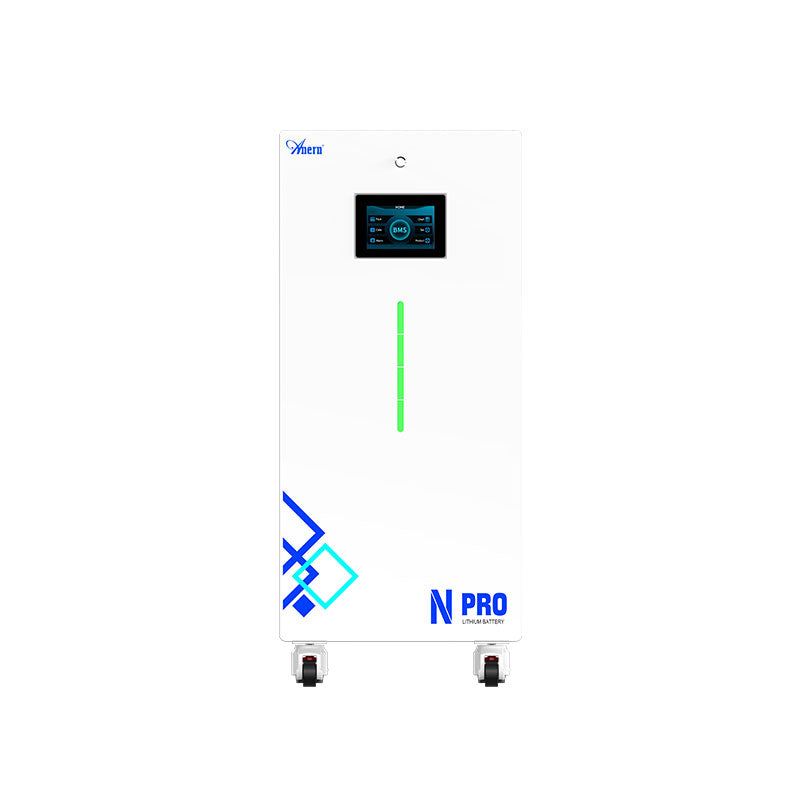


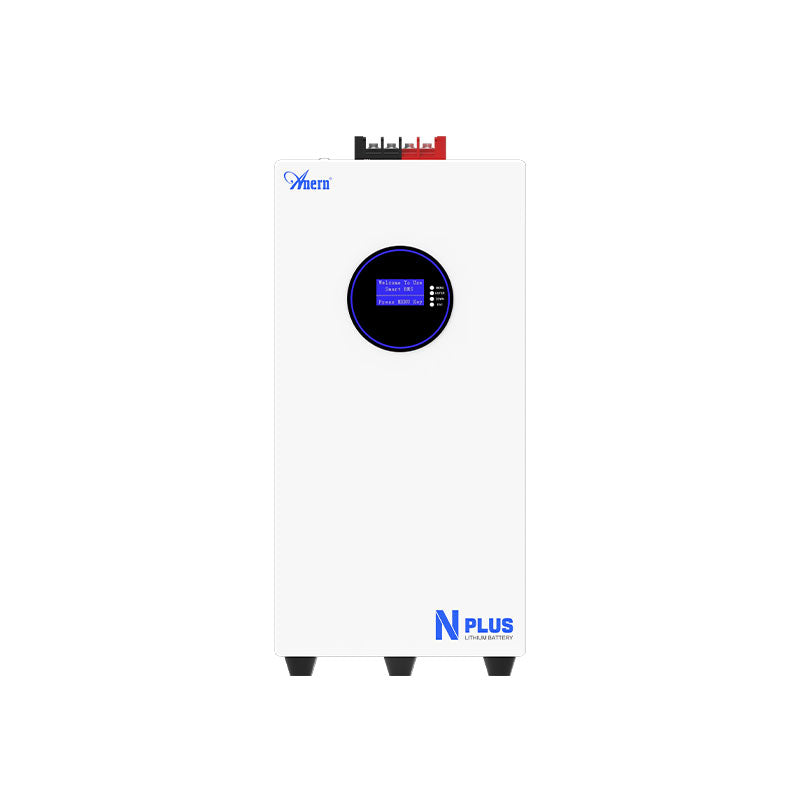
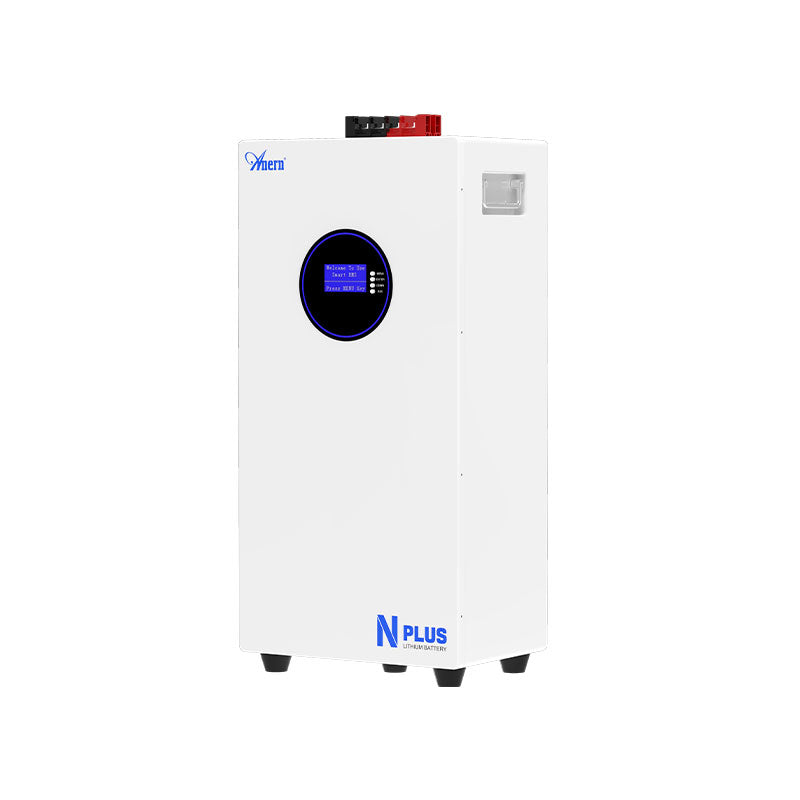




Off-grid power systems demand multiple energy sources working in perfect harmony. When solar panels can't meet demand and batteries run low, backup generators become your lifeline. Yet integrating generators with Energy Storage Systems (ESS) and inverters requires precision engineering to avoid equipment damage and ensure seamless power transitions.
This comprehensive blueprint reveals the exact steps, wiring configurations, and compatibility requirements for building robust generator-ESS-inverter systems that deliver reliable power when you need it most.
System Architecture Fundamentals
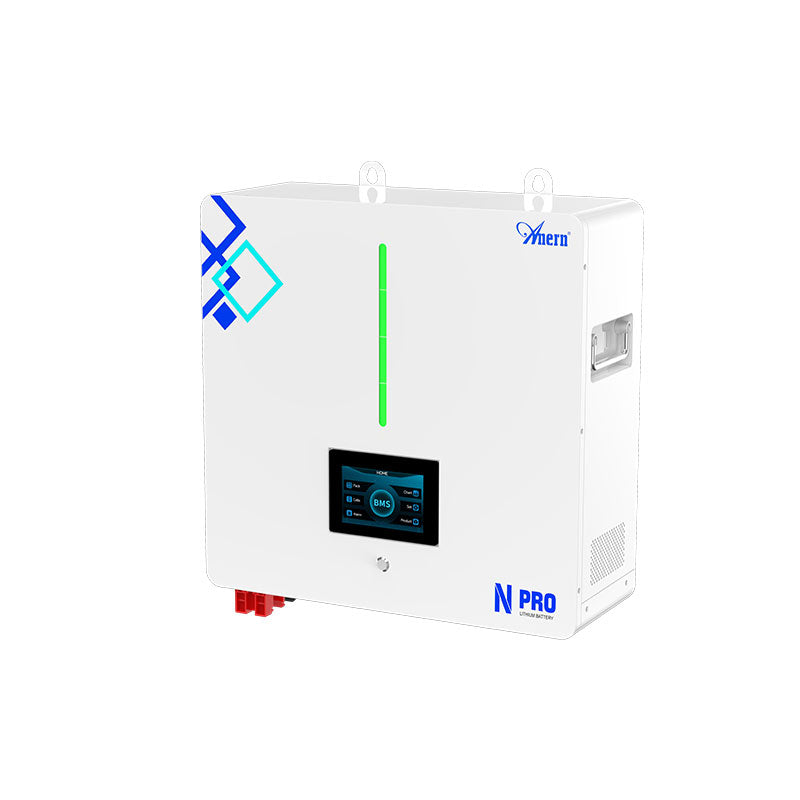
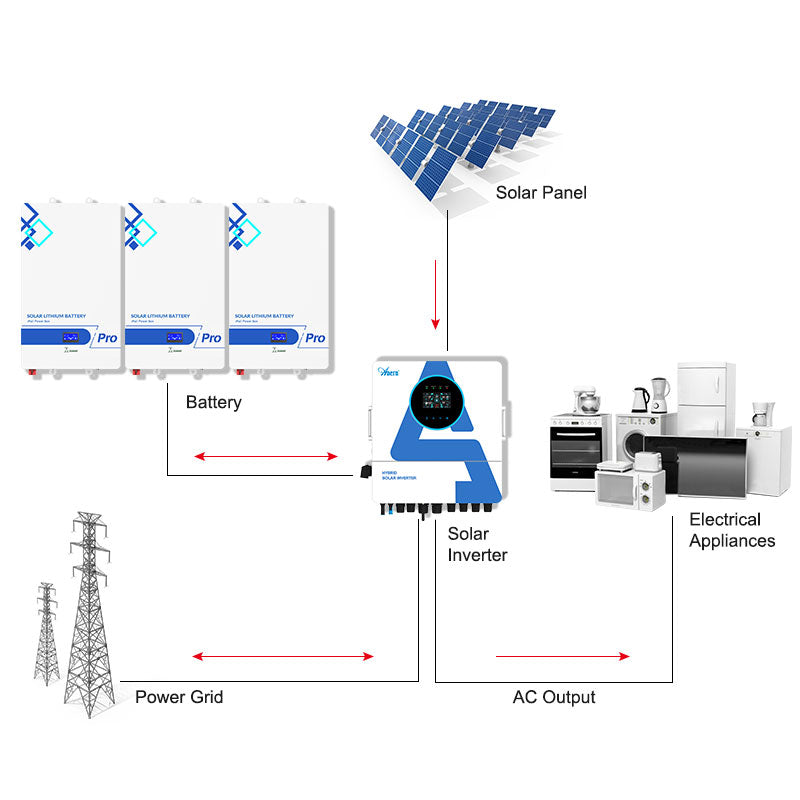
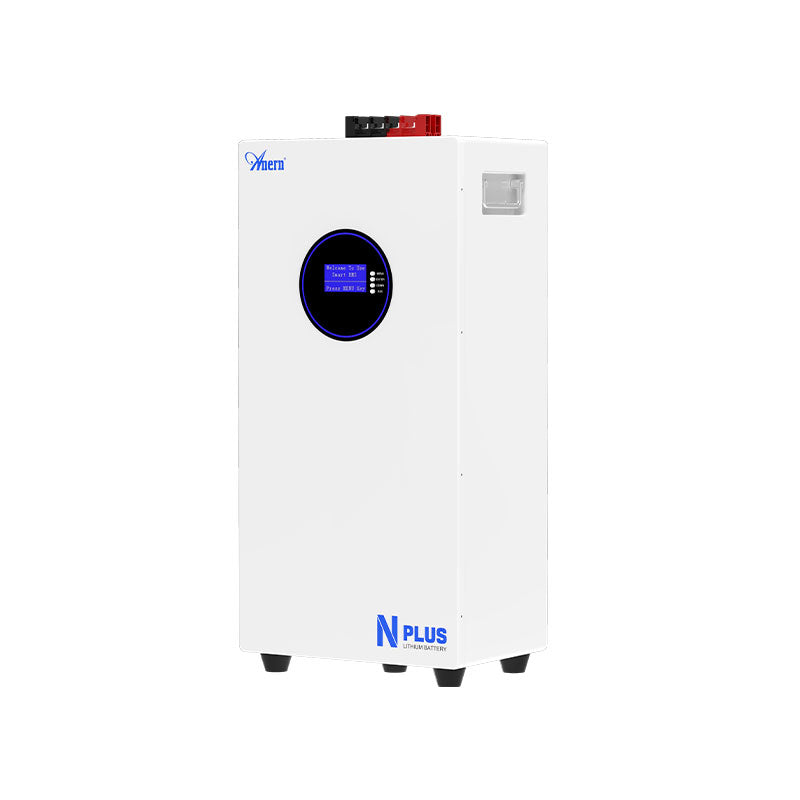
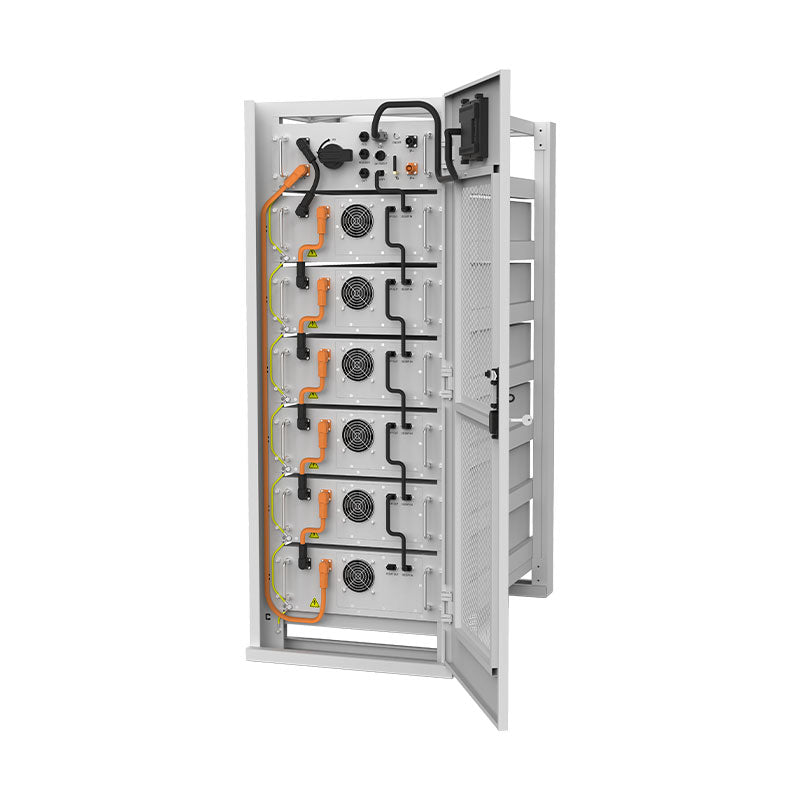
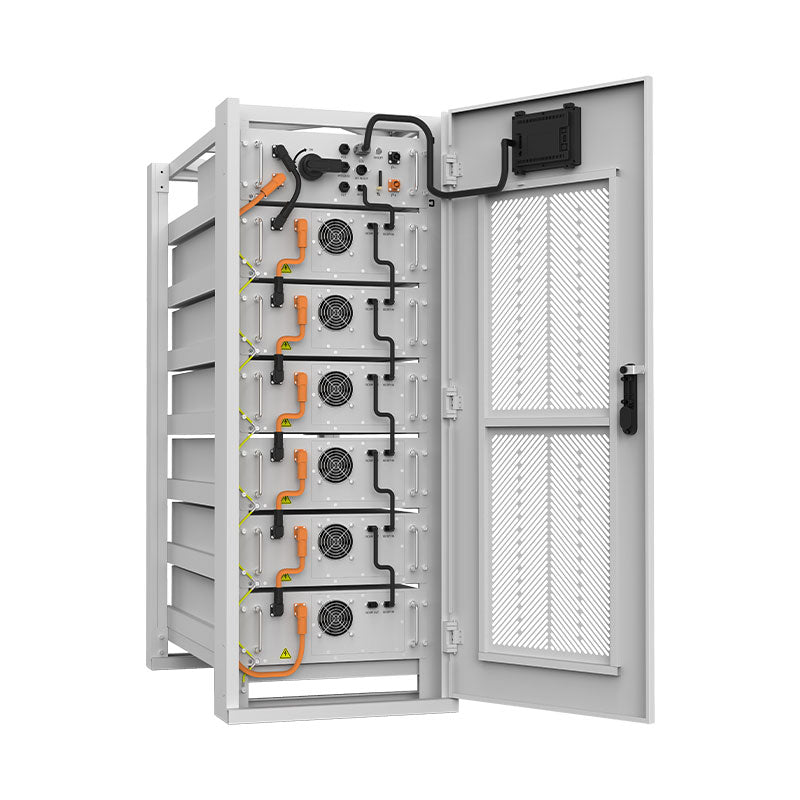
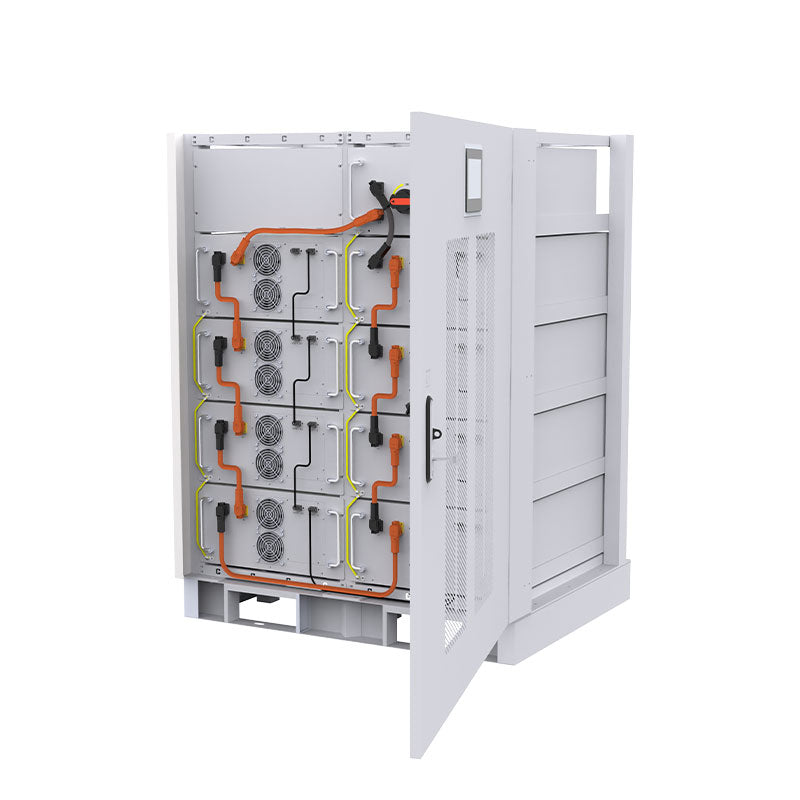
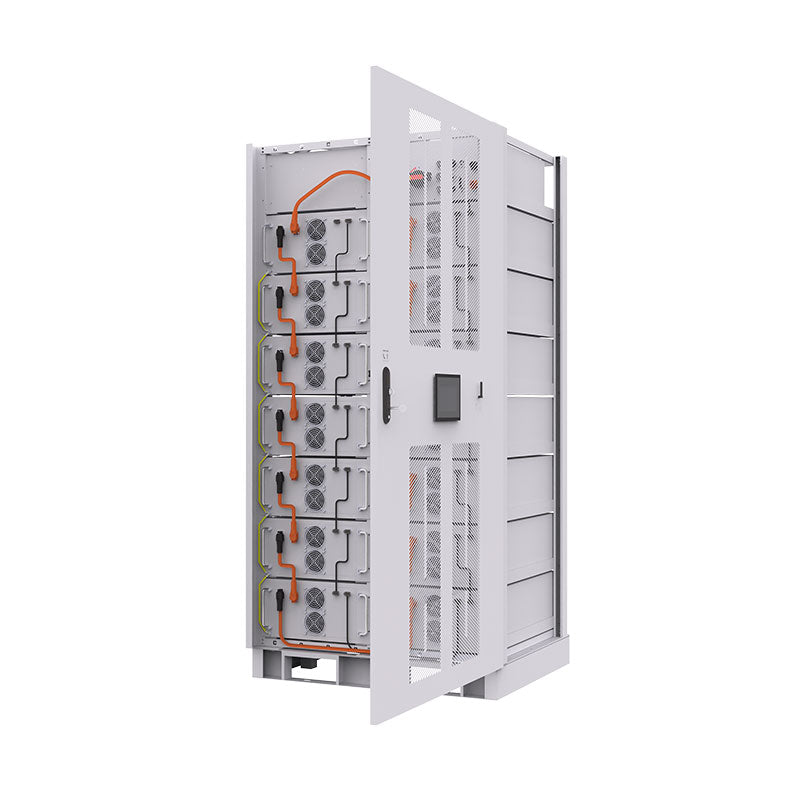
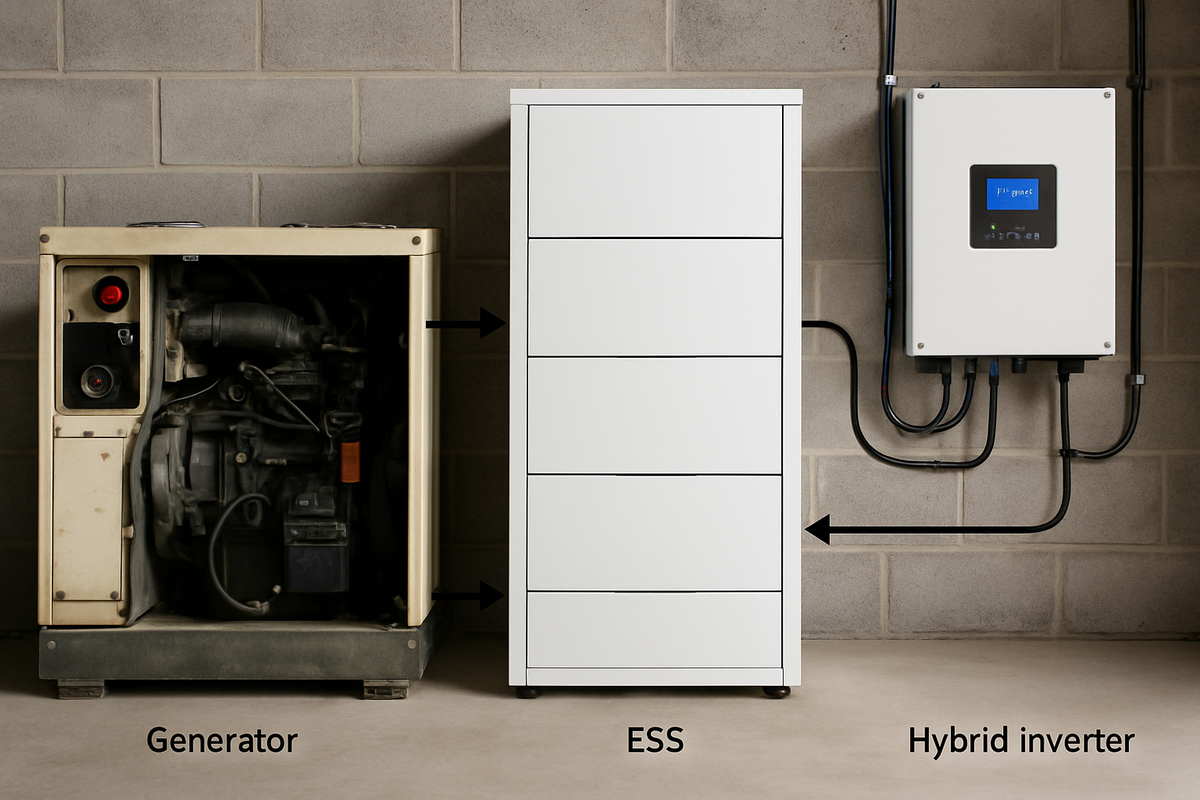
A properly integrated generator-ESS-inverter system operates as a coordinated power ecosystem. The generator serves as the primary backup source, the ESS provides energy buffering and load smoothing, while the inverter manages power conversion and system control.
Core Component Relationships
The generator connects to your system through an Automatic Transfer Switch (ATS) or directly to the inverter's AC input. Your ESS manages energy storage and release, while the hybrid inverter orchestrates the entire operation. This three-way relationship requires careful voltage matching, power rating alignment, and communication protocols.
Modern hybrid inverters can automatically start generators when battery voltage drops below preset thresholds. This automation eliminates manual intervention and ensures continuous power supply during extended cloudy periods or high-demand situations.
Power Flow Management
Effective power flow management prevents conflicts between generator output and battery charging. The inverter must prioritize loads while simultaneously charging batteries at optimal rates. Poor coordination leads to generator cycling, reduced fuel efficiency, and premature equipment wear.
Electrical Integration Strategies
Successful electrical integration demands understanding voltage compatibility, grounding requirements, and protection systems. Generator voltage output must match inverter input specifications, typically 120V/240V for residential systems.
Wiring Configuration Options
Two primary wiring approaches exist: AC coupling and DC coupling. AC coupling connects the generator to the inverter's AC input, allowing the inverter to manage charging and load distribution. DC coupling requires a separate charge controller but offers greater efficiency for battery charging.
AC coupling provides simpler installation and better load management. The generator feeds AC power directly to loads while excess capacity charges batteries through the inverter's built-in charger. This configuration works well with generators rated 20% above peak load requirements.
Protection and Safety Systems
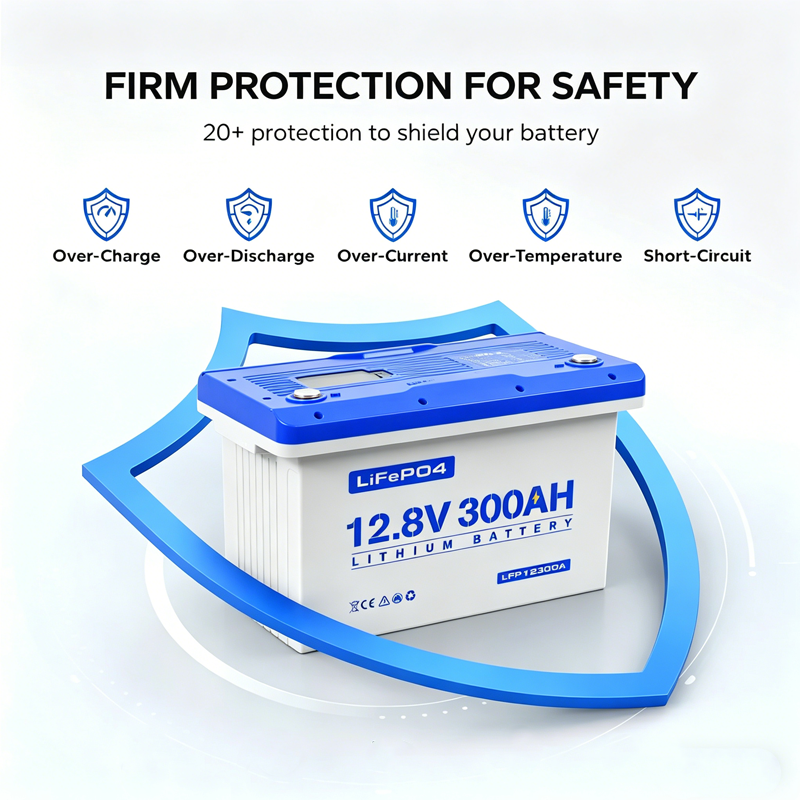
Proper protection prevents equipment damage from voltage spikes, frequency variations, and ground faults. Install surge protectors, circuit breakers, and ground fault interrupters at strategic points. Generator output requires filtering to remove harmonics that can damage sensitive electronics.
| Protection Device | Purpose | Installation Point |
|---|---|---|
| Surge Protector | Voltage spike protection | Generator output |
| Circuit Breaker | Overcurrent protection | All major connections |
| Ground Fault Interrupter | Electrical safety | AC panel connections |
| Frequency Filter | Power quality improvement | Generator-inverter interface |
Control System Programming
Advanced control programming maximizes system efficiency and extends equipment life. Modern hybrid inverters offer sophisticated generator management features including automatic start/stop, load prioritization, and battery charging optimization.
Automatic Start Parameters
Configure generator start parameters based on battery state of charge, load demand, and time of day. Typical settings trigger generator start at 20-30% battery capacity, with stop parameters at 80-90% charge level. These thresholds prevent deep battery discharge while avoiding unnecessary generator runtime.
Smart scheduling prevents generator operation during quiet hours while ensuring adequate battery reserves for overnight loads. Program different start thresholds for weekdays versus weekends to accommodate varying usage patterns.
Load Management Protocols
Implement load shedding protocols that automatically disconnect non-essential loads when generator capacity approaches limits. Priority loads like refrigeration and lighting maintain power while water heaters and HVAC systems temporarily disconnect.
Progressive load connection prevents generator overload during startup. The system gradually connects loads as generator output stabilizes, reducing mechanical stress and improving fuel efficiency.
Performance Optimization Techniques
Optimization focuses on fuel efficiency, battery longevity, and system reliability. Proper generator sizing prevents both overloading and inefficient operation at low loads.
Fuel Efficiency Strategies
Generators operate most efficiently at 70-80% of rated capacity. Size your generator to handle peak loads plus battery charging requirements within this optimal range. Oversized generators waste fuel running at low loads, while undersized units struggle with surge demands.
Implement battery pre-conditioning that warms batteries before generator charging in cold weather. Cold batteries accept charge poorly, forcing generators to run longer and consume more fuel.
Battery Integration Best Practices
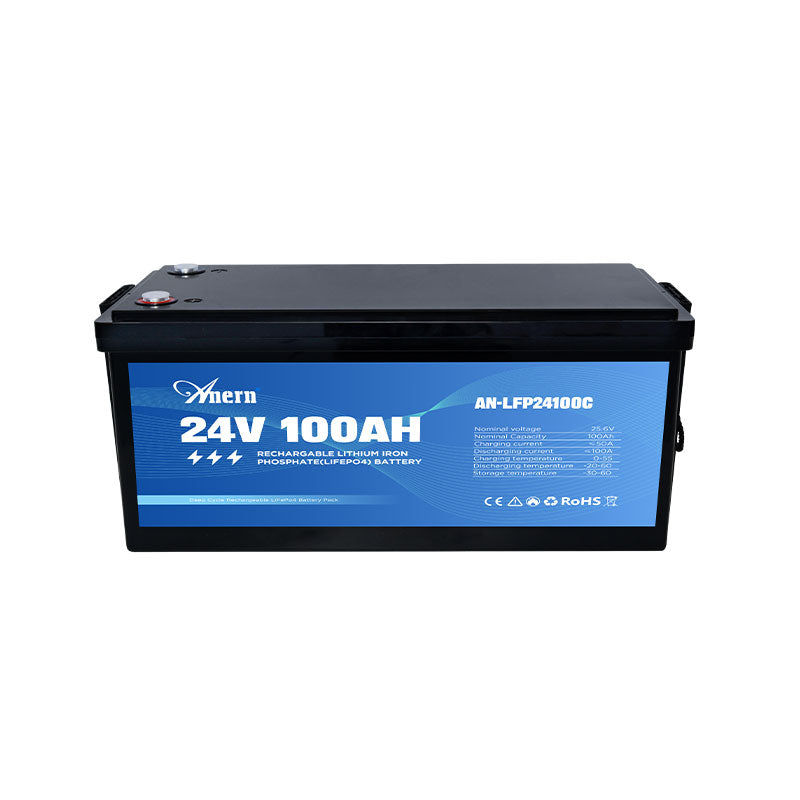
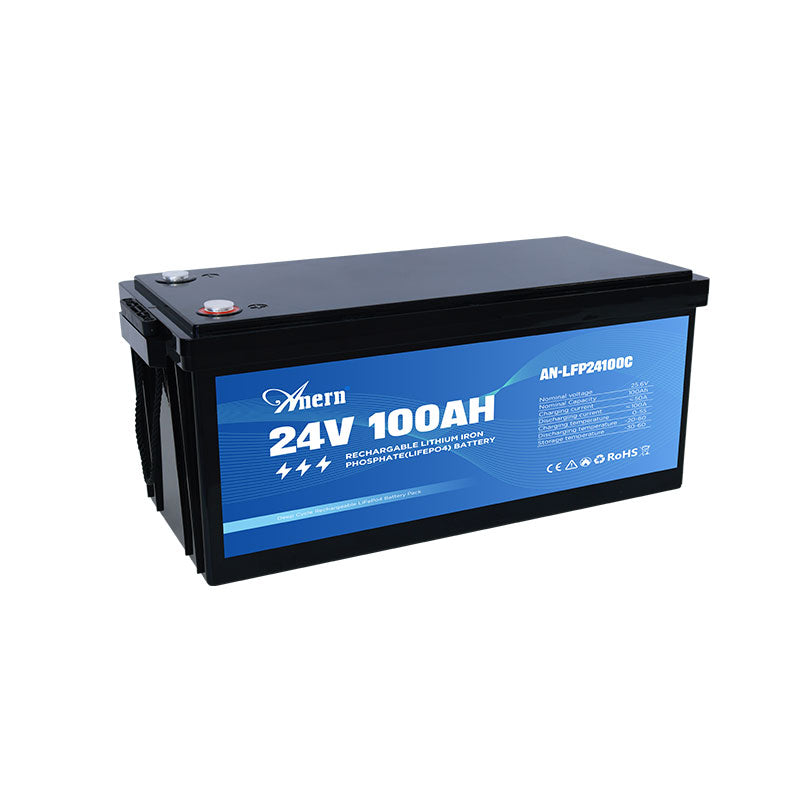
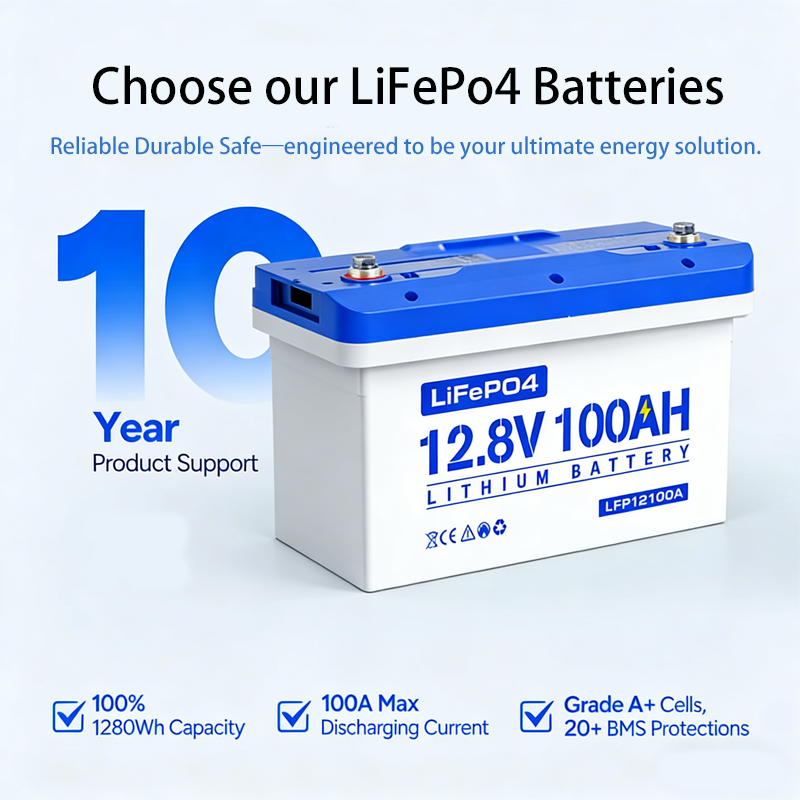
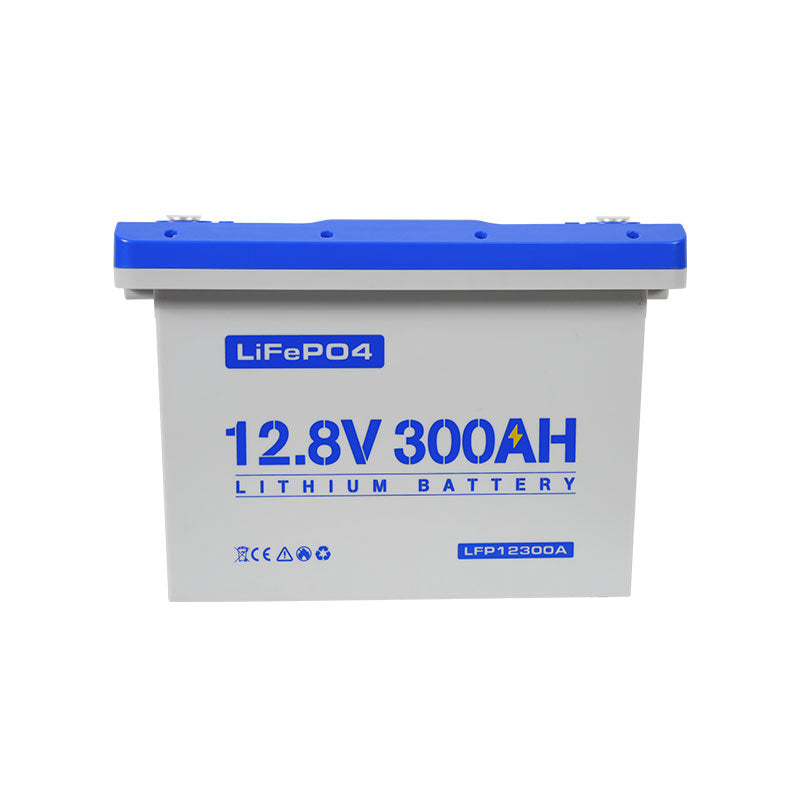
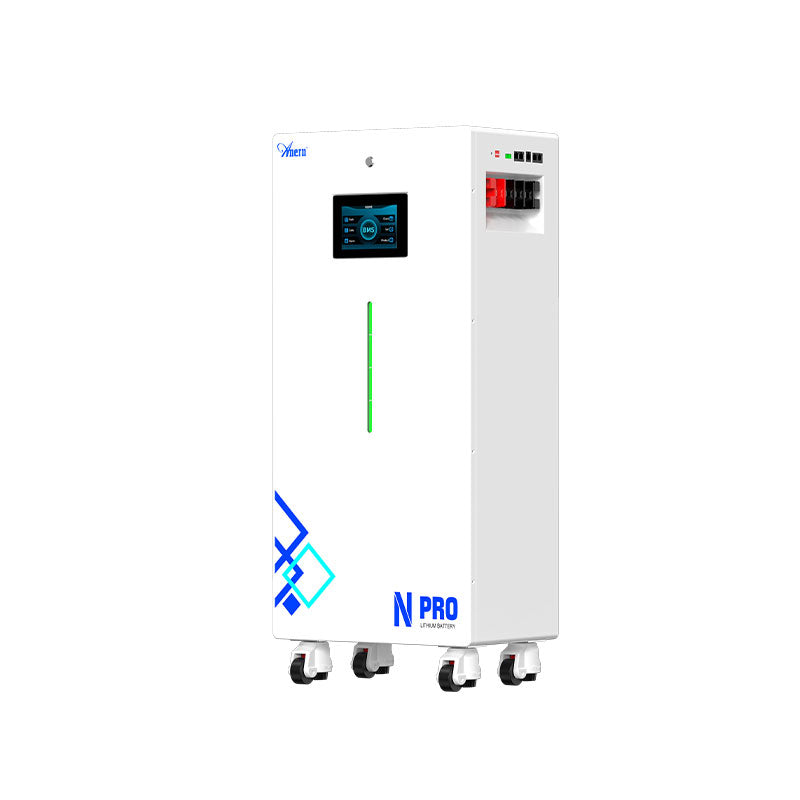
LiFePO4 batteries require specific charging profiles different from traditional lead-acid types. Configure generator charging voltage and current limits to match battery specifications. Excessive charging rates generate heat and reduce battery lifespan.
Temperature compensation adjusts charging parameters based on battery temperature. Hot batteries need lower charging voltages, while cold batteries require higher voltages for proper charging.
Maintenance and Monitoring
Regular maintenance ensures long-term reliability and prevents costly failures. Establish monitoring systems that track generator runtime, fuel consumption, and battery performance metrics.
Preventive Maintenance Schedules
Generator maintenance includes oil changes every 100 hours of operation, air filter replacement every 200 hours, and spark plug replacement annually. Document all maintenance activities and track performance trends.
Battery maintenance involves regular capacity testing, terminal cleaning, and voltage monitoring. Monitor individual cell voltages in battery banks to identify failing cells before they affect system performance.
Performance Monitoring Systems
Install remote monitoring systems that track key performance indicators including fuel consumption rates, battery charging efficiency, and generator start frequency. These metrics identify optimization opportunities and predict maintenance needs.
Set up automated alerts for critical conditions like low fuel levels, battery temperature extremes, and generator fault codes. Early warning prevents system failures and reduces repair costs.
Future-Proofing Your Integration
Design your system with expansion capabilities and technology upgrades in mind. Modular components allow capacity increases without complete system replacement.
Consider smart grid integration capabilities for future utility interconnection. Modern inverters support grid-tie functionality that can reduce generator dependence when utility power becomes available.
Plan for battery technology evolution by selecting inverters compatible with multiple battery chemistries. This flexibility allows upgrading to newer battery technologies without replacing the entire power management system.
Successful generator-ESS-inverter integration requires careful planning, proper component selection, and ongoing optimization. Follow these blueprints to build reliable off-grid power systems that deliver consistent performance for years to come. Regular maintenance and monitoring ensure your investment continues providing energy independence while minimizing operational costs.
