














Embarking on an off-grid energy journey offers unparalleled independence. A critical aspect of this transition involves understanding the true financial commitment. Beyond the initial purchase price, the Total Cost of Ownership (TCO) provides a comprehensive view of your investment over its entire lifespan. This guide offers a step-by-step methodology to calculate TCO for both self-built (DIY) and professionally installed off-grid solar and storage systems, empowering you to make a financially sound decision.

Understanding Total Cost of Ownership (TCO) for Off-Grid Systems
What TCO Means Beyond Initial Price
Many individuals focus solely on the upfront expenditure when considering an off-grid system. However, the initial price tag represents only a fraction of the overall financial picture. TCO encompasses all costs incurred during the system's operational life, from its acquisition to its eventual decommissioning. This includes not just hardware but also installation, maintenance, and potential replacement costs. A thorough TCO analysis helps you compare disparate options on an equal footing, revealing the long-term financial implications.
Key Components of Off-Grid TCO
An off-grid system's TCO comprises several categories. These generally include initial hardware purchases, installation labor, permitting and inspection fees, ongoing maintenance, insurance, and eventual replacement of components like batteries. For instance, the IEA notes that total system costs, which ultimately need to be recovered from electricity consumers, go beyond just generation costs like LCOE (Levelized Cost of Electricity) by including grid infrastructure and storage. Understanding these categories is the first step in a robust TCO calculation.
Deconstructing DIY Off-Grid Costs
Component Sourcing and Acquisition
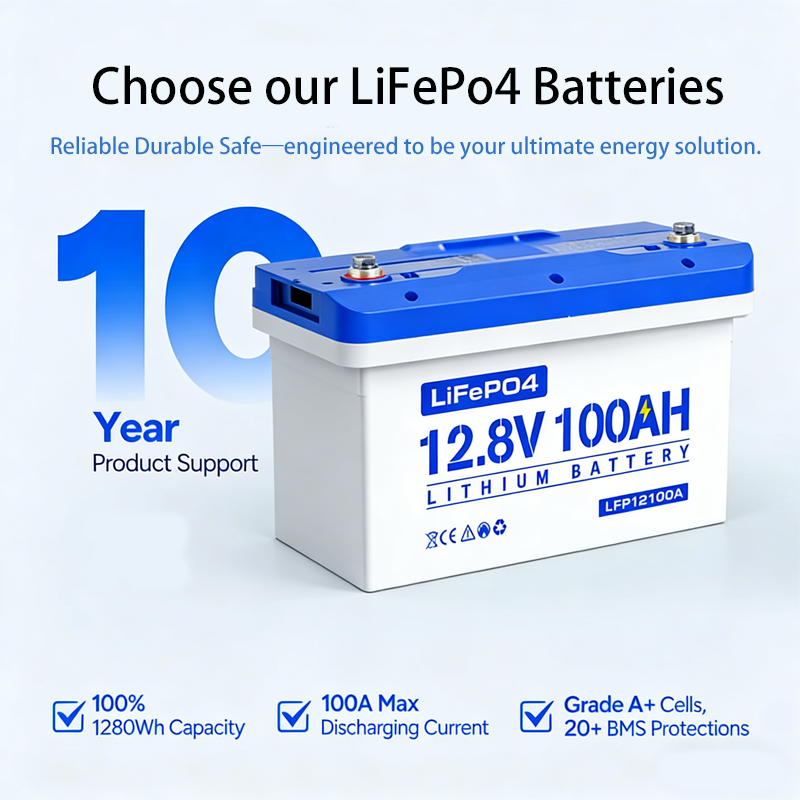
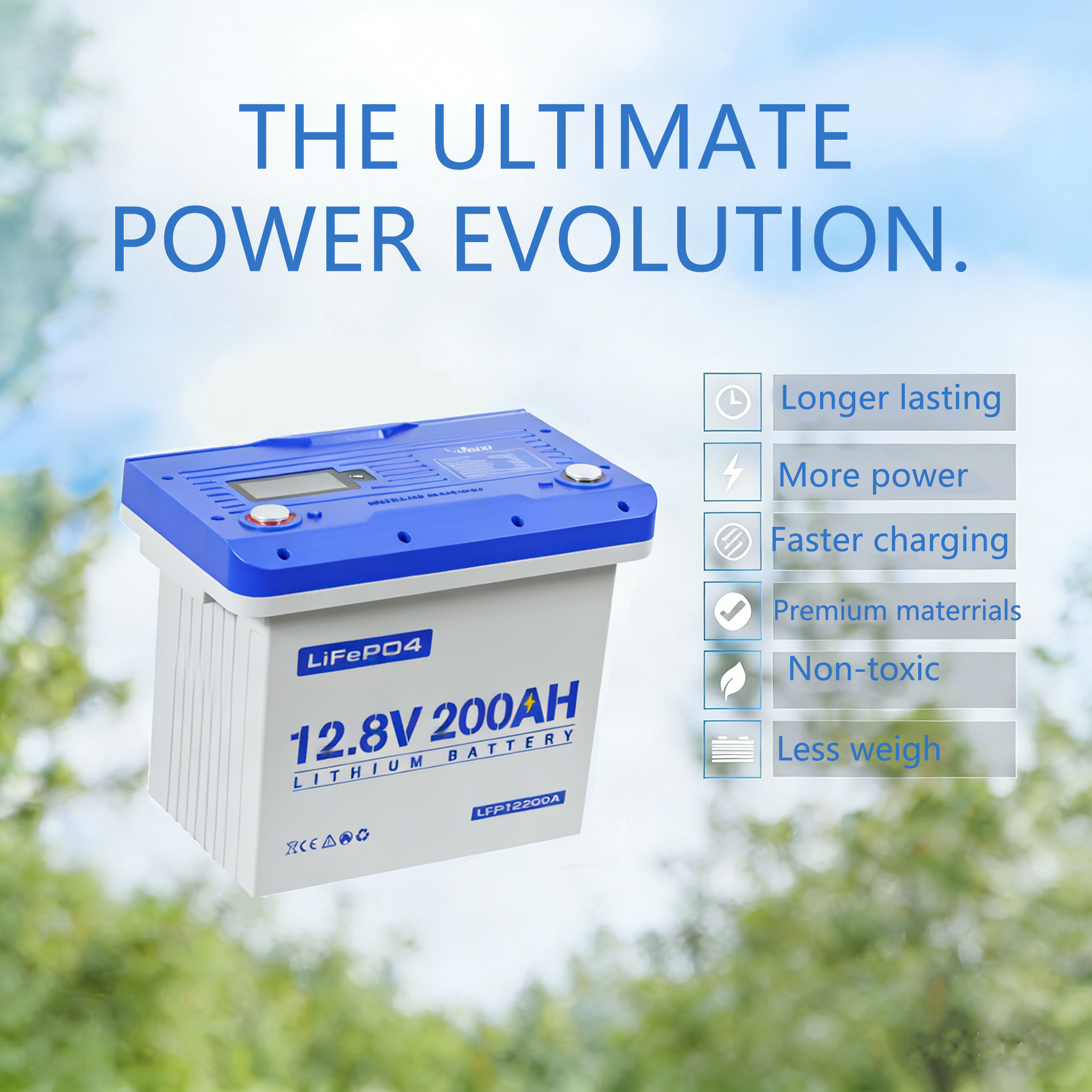
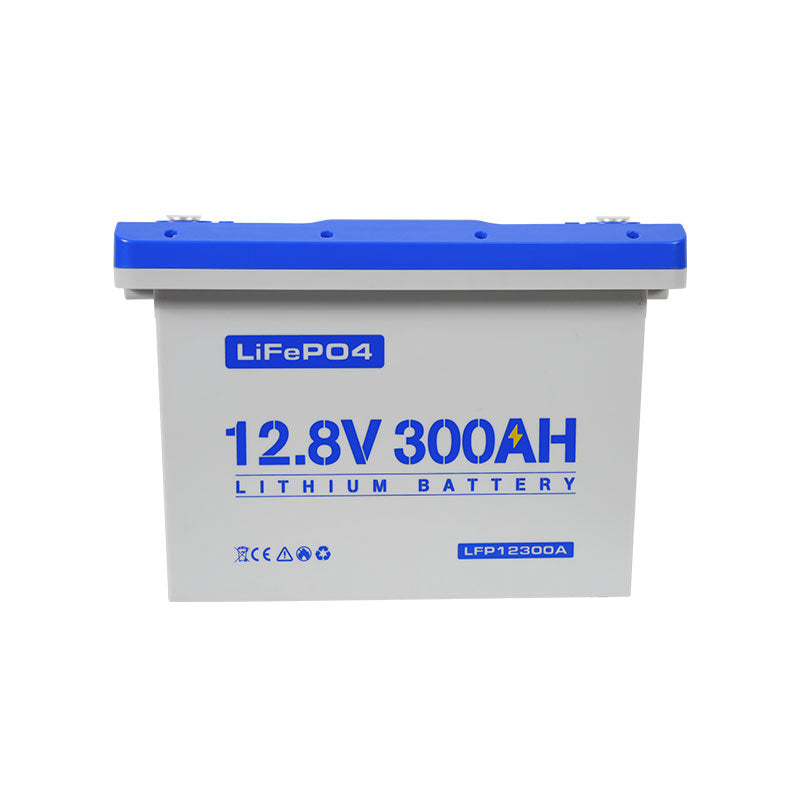
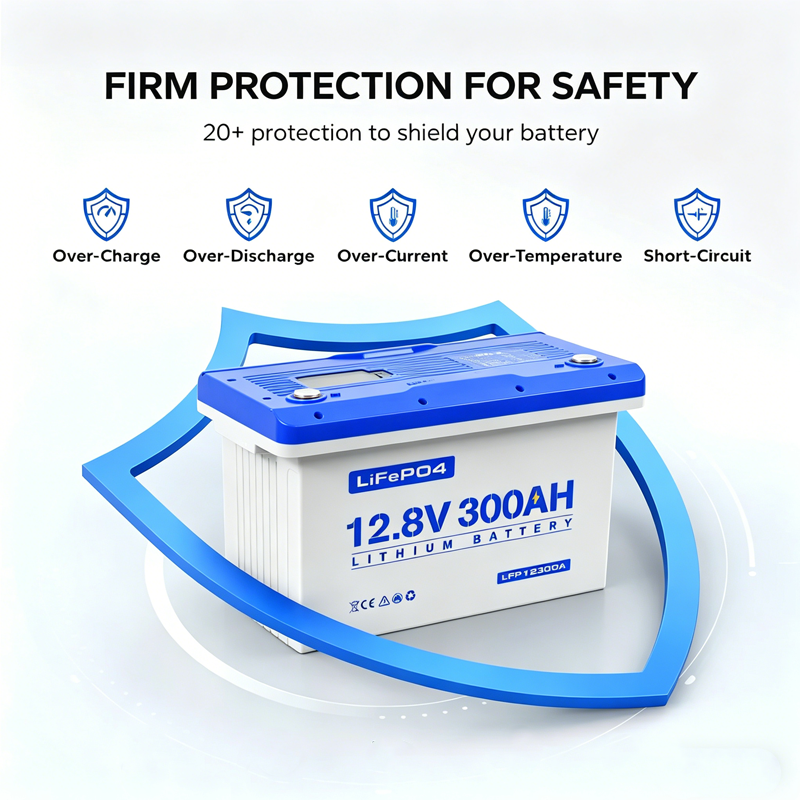
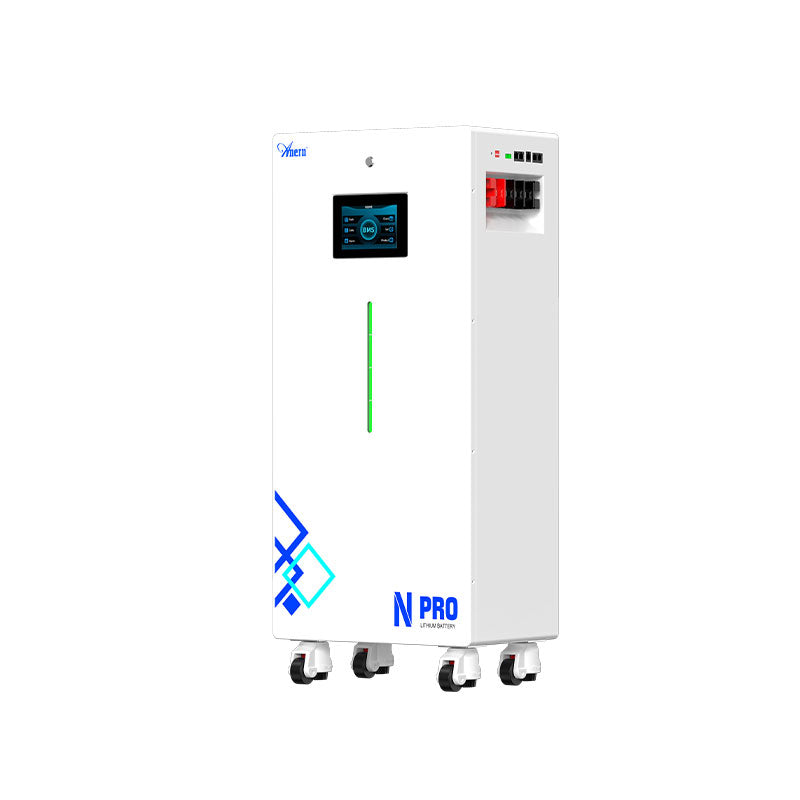
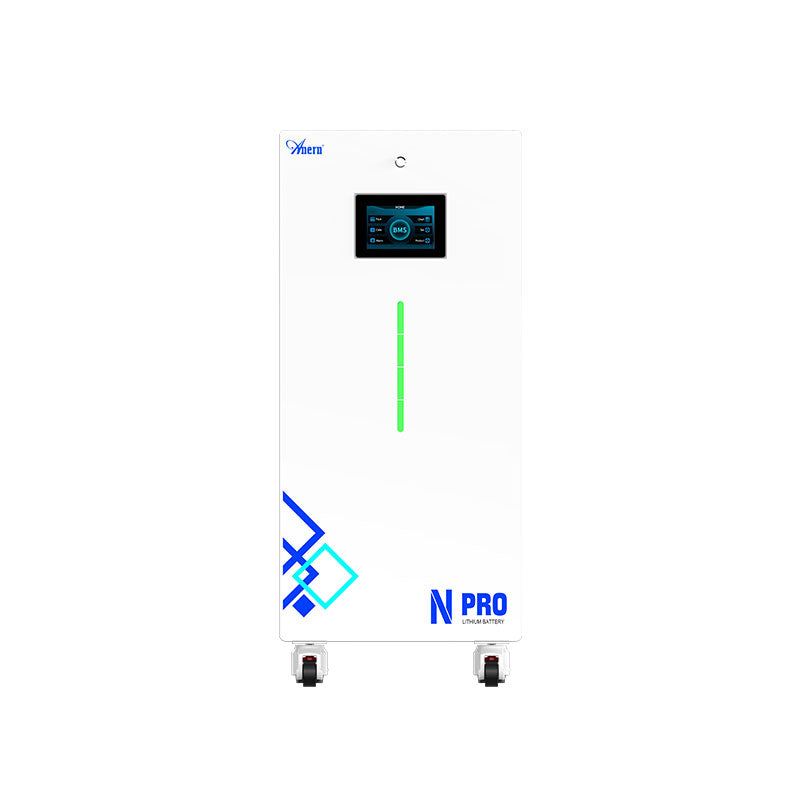
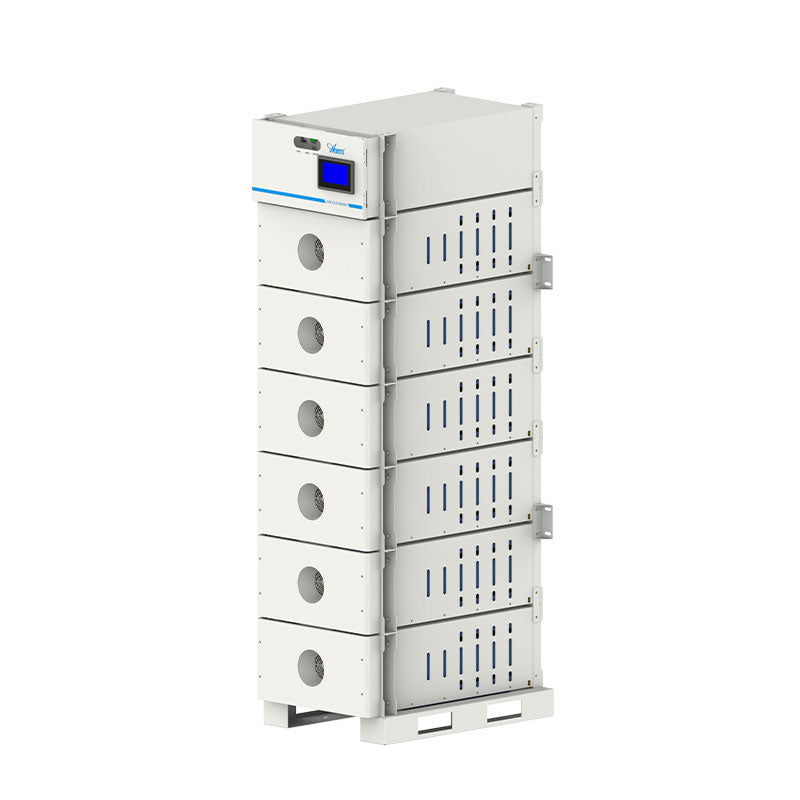
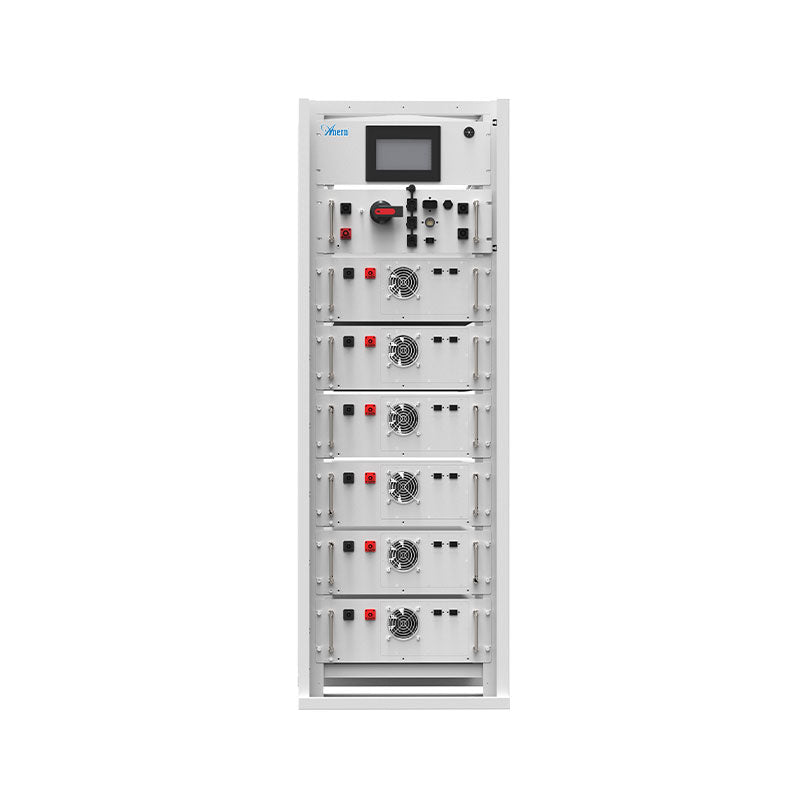
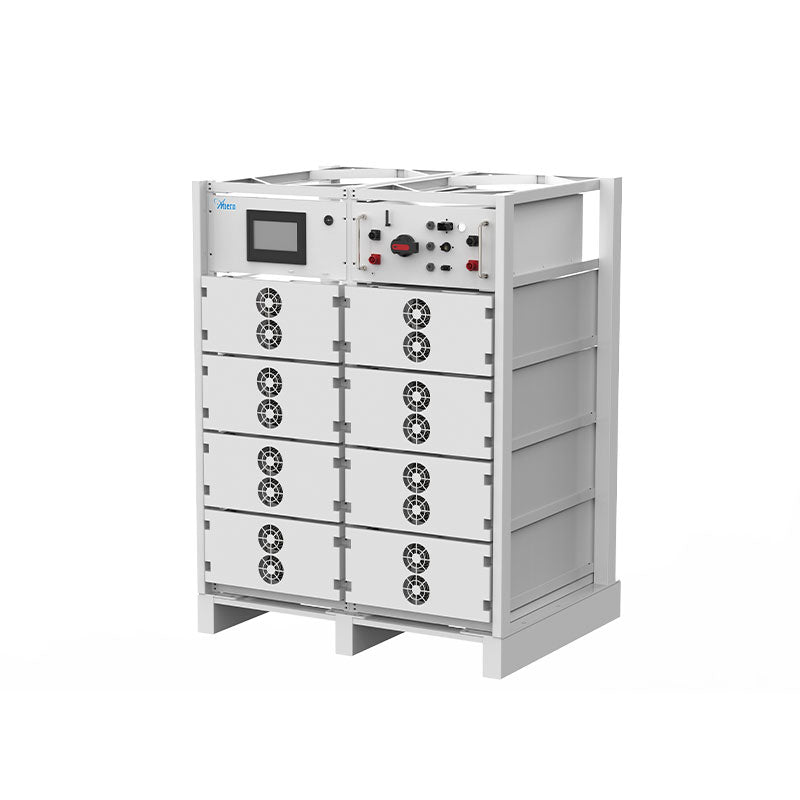
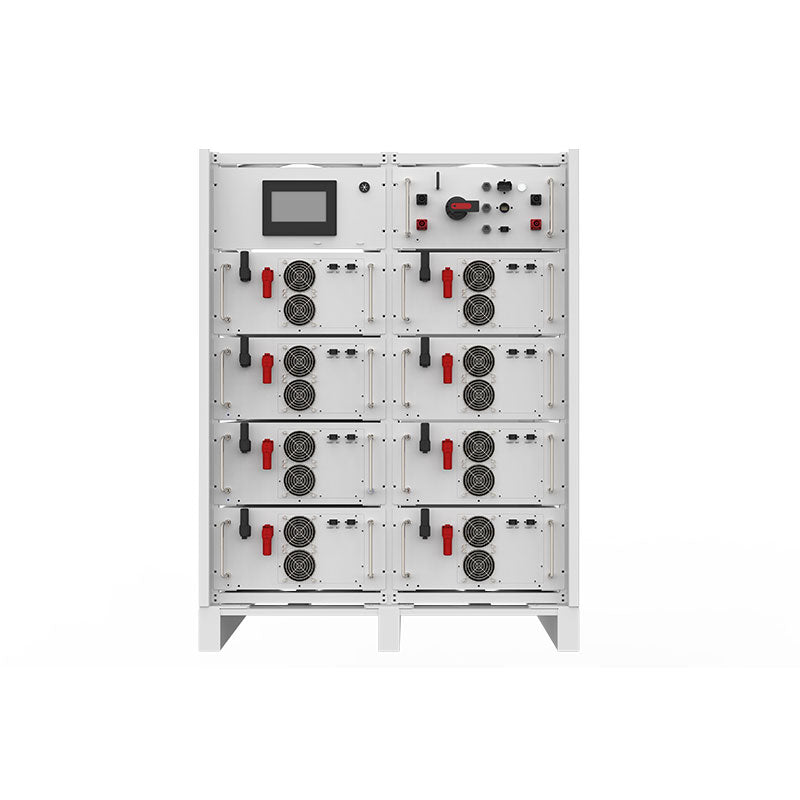
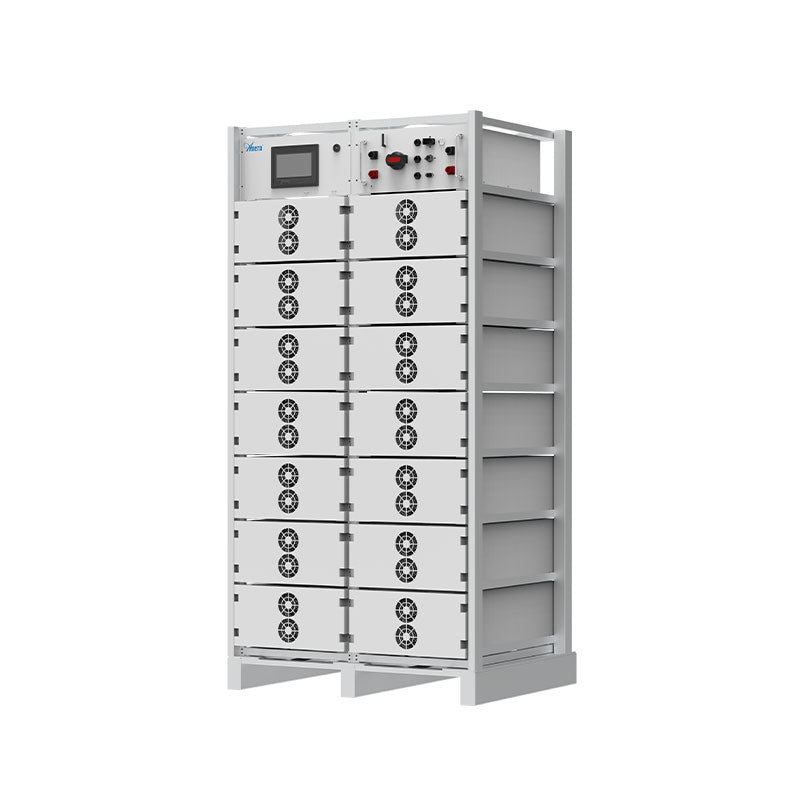
Building your own off-grid system offers the advantage of direct component sourcing. You can select specific LiFePO4 batteries, solar inverters, and solar panels that meet your precise needs and budget. While this often leads to lower material costs compared to a bundled installer package, it requires significant research to ensure compatibility and quality. Our company specializes in high-performance, safe, and reliable LiFePO4 batteries, which are a cornerstone of many off-grid solutions.
Labor, Tools, and Time Investment
The most significant 'hidden' cost in a DIY project is your own time and labor. While you save on professional installation fees, you invest hours in planning, procurement, installation, and troubleshooting. You may also need to purchase specialized tools, which adds to the initial outlay. Consider the value of your time and the opportunity cost of not engaging in other activities. Furthermore, successful installation of renewable energy technology requires skilled human labor, as highlighted by the IEA in their report on System Integration of Renewables, emphasizing the need for expertise to avoid hardware failures and cost overruns.
Hidden Costs and Unexpected Challenges
DIY projects frequently encounter unforeseen expenses. These can include permit fees, inspection costs, unexpected shipping charges, or the need for additional materials not initially budgeted. Navigating local regulations and obtaining necessary permits can be complex and time-consuming. The U.S. Department of Energy's EERE Success Story on Plug and Play PV systems noted that non-hardware "soft costs" like permitting, installation, and interconnection make up more than half the total cost of solar energy systems, even for residential setups. A learning curve also exists; mistakes can lead to costly repairs or inefficient system performance.
Analyzing Professional Installer Costs
Turnkey Solution Inclusions
A professional installer typically provides a turnkey solution, handling every aspect from system design and component procurement to installation, commissioning, and grid interconnection (if applicable for hybrid systems). This package often includes a comprehensive warranty covering both equipment and labor, offering peace of mind. Installers leverage their experience to optimize system performance and ensure compliance with all safety standards.
Value of Expertise and Reliability
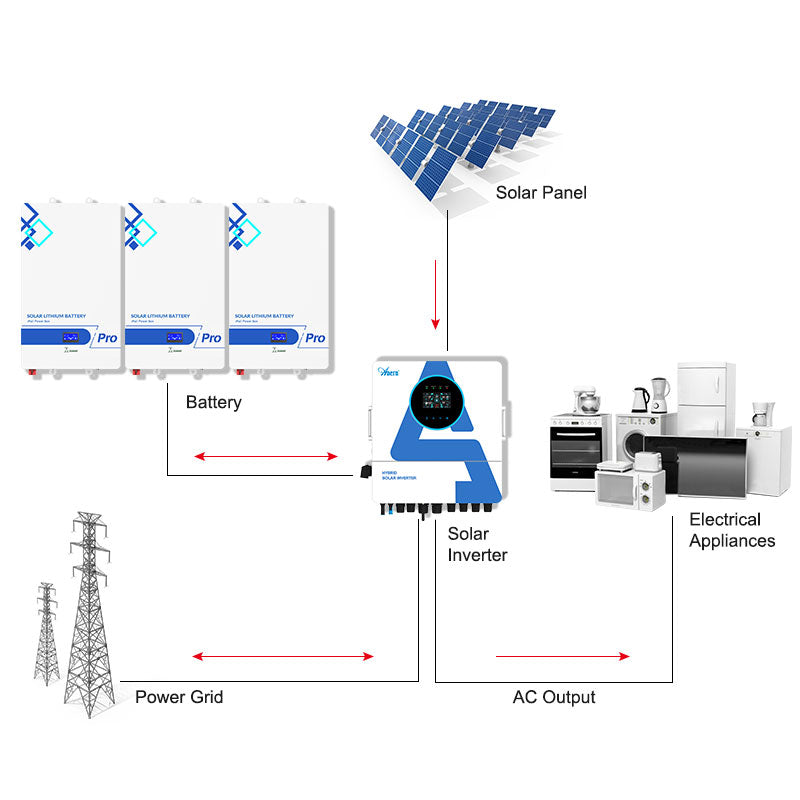
Professional installers bring specialized knowledge and experience to your project. They understand system sizing, component integration, and electrical codes, minimizing the risk of errors and ensuring a reliable, efficient system. Their expertise can prevent costly mistakes and optimize your system for long-term performance. Our integrated ESS solutions, for example, combine lithium batteries, hybrid inverters, and solar panels, designed for optimal performance and reliability.
Long-Term Support and Maintenance Agreements
Many installers offer ongoing support and maintenance contracts. These agreements can cover routine inspections, performance monitoring, and prompt repairs, extending the lifespan of your system and ensuring consistent energy output. While these services add to the overall cost, they can significantly reduce potential downtime and unexpected repair expenses, contributing positively to the system's long-term TCO.
A Step-by-Step Guide to TCO Calculation
Calculating TCO requires a systematic approach. Follow these steps for a clear comparison:
Gathering Initial Investment Data
For DIY, sum the cost of all components (panels, batteries, inverter, charge controller, wiring, mounting hardware), tools purchased, and an estimated monetary value for your time spent on design and installation. For an installer, use the total quote provided, ensuring it includes all aspects of the system. Document all expenses meticulously.
Estimating Operational and Maintenance Costs (O&M)
Both DIY and professionally installed systems require ongoing maintenance. This includes cleaning panels, checking connections, and potentially replacing minor components. Allocate an annual budget for these tasks. Consider inverter efficiency, which can impact energy production and thus the effective cost per unit of energy. The U.S. Energy Information Administration (EIA) provides data on energy costs and consumption patterns, which can inform your O&M estimates.
Factoring in System Lifespan and Replacement Costs
Components have varying lifespans. Solar panels typically last 25-30 years, while LiFePO4 batteries often last 10-15 years or more, depending on usage and quality. Inverters might need replacement every 10-15 years. Project these replacement costs into your TCO calculation. For example, if batteries need replacement after 12 years, factor in the estimated cost of new batteries at that point, adjusted for inflation.
Considering Opportunity Costs and System Performance
Opportunity costs relate to what you forgo by choosing one option over another. For DIY, this could be lost income from time spent on the project. For installers, it might be the premium paid for convenience. Also, consider system performance. A professionally installed and optimized system might generate more electricity or operate more reliably, leading to greater savings over time. Conversely, a poorly executed DIY system could lead to inefficiencies or frequent repairs, increasing its effective TCO.
| Cost Category | DIY Approach | Professional Installation Approach |
|---|---|---|
| Initial Hardware (Panels, Batteries, Inverter) | Direct purchase from suppliers; potentially lower unit cost. | Included in turnkey package; bulk purchasing discounts for installer. |
| Labor | Your time investment (monetized opportunity cost); potential for mistakes. | Professional installation fees; experienced, efficient labor. |
| Soft Costs (Permits, Inspections) | Self-managed, time-consuming; direct fees. | Managed by installer; included in overall project cost. |
| Tools & Equipment | Purchase or rent specialized tools. | Installer provides all necessary equipment. |
| Design & Engineering | Self-researched; potential for suboptimal design. | Expert system design and engineering included. |
| Maintenance & Repairs | Self-performed; sourcing parts; troubleshooting. | Optional service contracts; professional troubleshooting and repairs. |
| Warranties | Individual component warranties; no labor warranty. | Comprehensive system and labor warranties. |
| System Lifespan & Replacement | Dependent on component quality and installation accuracy. | Optimized for longevity; professional advice on replacements. |
Making an Informed Decision
Comparing TCO Figures
Once you have calculated the TCO for both DIY and professional installation scenarios over a consistent period (e.g., 20 years), you can directly compare the financial outlay. Remember to consider the time value of money by using a discount rate if you wish to bring future costs to present value, similar to how IRENA and IEA analyze energy project economics.
Beyond the Numbers: Risk, Time, and Peace of Mind
While TCO provides a robust financial comparison, factors beyond monetary value also play a significant role. Consider your comfort level with electrical work, the time you can dedicate to the project, and your desire for professional support. A DIY approach offers immense satisfaction and learning, but a professional installation provides convenience, expertise, and often, greater peace of mind with guaranteed performance and warranties. For those seeking complete energy independence without the complexities of self-installation, our integrated ESS solutions offer a reliable path.
Your Path to Sustainable Energy Independence
Choosing between a DIY and a professionally installed off-grid system is a pivotal decision. By diligently calculating the Total Cost of Ownership, you move beyond mere sticker price comparisons to understand the true long-term financial commitment. This comprehensive analysis, coupled with an honest assessment of your skills, time, and risk tolerance, empowers you to select the path that best aligns with your goals for sustainable energy independence. Whether you choose to build it yourself or opt for a turnkey solution, a clear financial understanding is your most valuable tool.
FAQ Module
What is the average lifespan of an off-grid solar system?
The lifespan of an off-grid solar system varies by component. Solar panels typically last 25-30 years, while quality LiFePO4 batteries can last 10-15 years or more. Inverters generally have a lifespan of 10-15 years. Regular maintenance can extend the life of all components.
Do I need permits for a DIY off-grid solar installation?
Yes, most off-grid solar installations, even DIY ones, require permits from local authorities. These permits ensure your system meets safety and electrical codes. Always check with your local planning department before beginning any installation.
How do I account for my own labor in a DIY TCO calculation?
To account for your labor, estimate the total hours you will spend on design, procurement, and installation. Then, assign an hourly wage that reflects your skill level or what you would earn doing other work (your opportunity cost). Multiply the hours by this hourly wage to get a monetary value for your labor contribution.
Are there financing options for off-grid solar systems?
Yes, various financing options exist, including personal loans, secured loans, or specialized green energy financing programs. Some regions also offer incentives or tax credits for renewable energy installations, which can reduce the overall TCO. Research local and national programs to see what applies to your situation.
What are the main risks of a DIY off-grid installation?
The main risks of a DIY off-grid installation include potential electrical hazards, system underperformance due to incorrect sizing or installation, voided warranties if components are not installed correctly, and unexpected costs from mistakes or unforeseen challenges. Lack of professional expertise can lead to long-term reliability issues.
References
- IEA (2014), The Power of Transformation.
- IEA (2018), System Integration of Renewables.
- U.S. Department of Energy (2015), EERE Success Story—Plug and Play: Purchase, Install, and Connect Residential Solar Power in Hours.
- U.S. Energy Information Administration (EIA)
- International Renewable Energy Agency (IRENA)
