












Achieving energy independence with an off-grid solar system requires careful planning. A well-structured Bill of Materials (BOM) is crucial for managing costs and ensuring your system performs reliably. This guide shows you how to approach building a cost-smart off-grid BOM efficiently, aiming for a streamlined process that helps you select the right components without unnecessary expense.

Understanding Your Energy Needs
The first step in creating any off-grid BOM involves a clear understanding of your energy consumption. You cannot build an effective system without knowing what it needs to power. This foundational assessment prevents oversizing or undersizing, both of which lead to financial waste or insufficient power.
Calculating Energy Consumption
Begin by listing every appliance and device you plan to power. For each item, note its wattage and how many hours per day it operates. Multiply these figures to get the daily Watt-hours (Wh) for each appliance. Summing these totals gives you your average daily energy consumption. For example, a 100W light bulb running for 5 hours uses 500 Wh per day.
Consider seasonal variations. Your energy use might differ significantly between summer and winter due to heating, cooling, or lighting needs. Account for peak loads, which are moments when many appliances run simultaneously. This peak demand dictates the minimum power output your inverter must deliver.
Sizing for Autonomy and Growth
Autonomy refers to how long your system can supply power without solar input, typically during cloudy days or at night. A common target is 2-3 days of autonomy. This means your battery bank must store enough energy to cover your daily consumption for that duration. Future expansion is also a consideration; designing with some headroom allows you to add devices later without a complete system overhaul.
Core Components for Your Off-Grid System
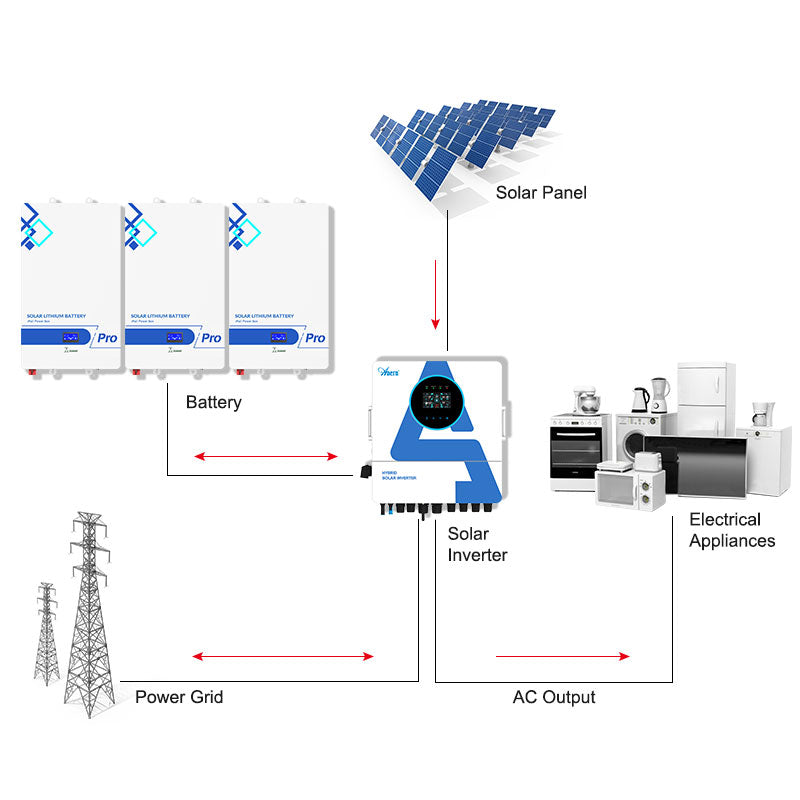
An off-grid solar system comprises several key components working in harmony. Each plays a vital role in converting sunlight into usable electricity and storing it for when the sun is not shining.
Selecting High-Efficiency Solar Panels
Solar panels convert sunlight into direct current (DC) electricity. Efficiency and durability are key considerations. Monocrystalline panels generally offer higher efficiency and a smaller footprint compared to polycrystalline panels. The average cost of solar PV panels has dropped by more than 60% since 2010, making solar more accessible.
When selecting panels, consider their power output (measured in Watts), temperature coefficient (how efficiency changes with temperature), and warranty. The total wattage of your solar array should be sufficient to recharge your battery bank and power your loads, even on less sunny days. Solar technology is uniquely modular, adaptable for both large-scale applications and smaller setups like rooftop solar.
Choosing Reliable Energy Storage
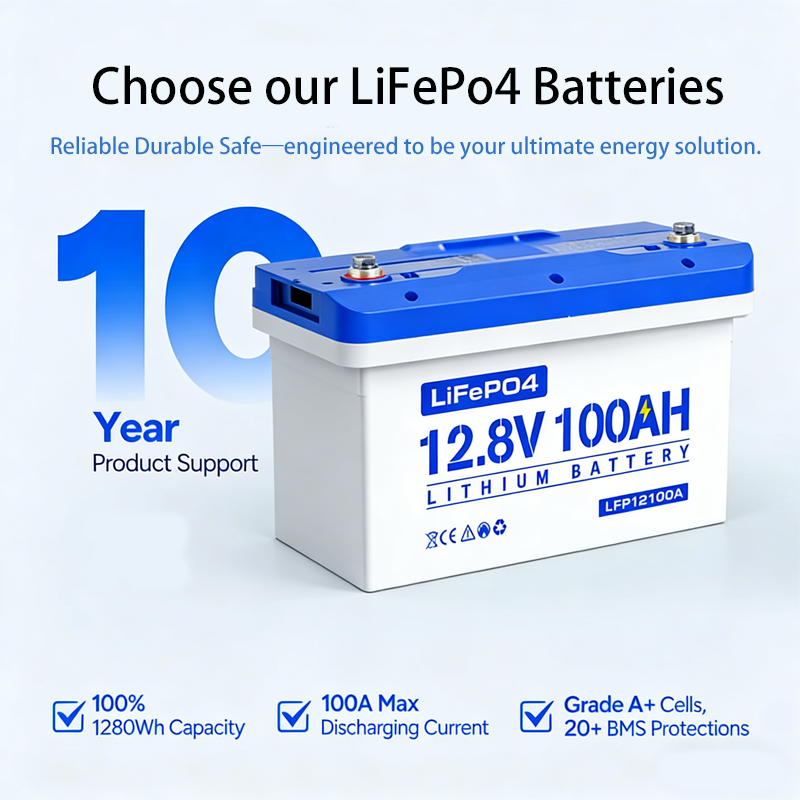
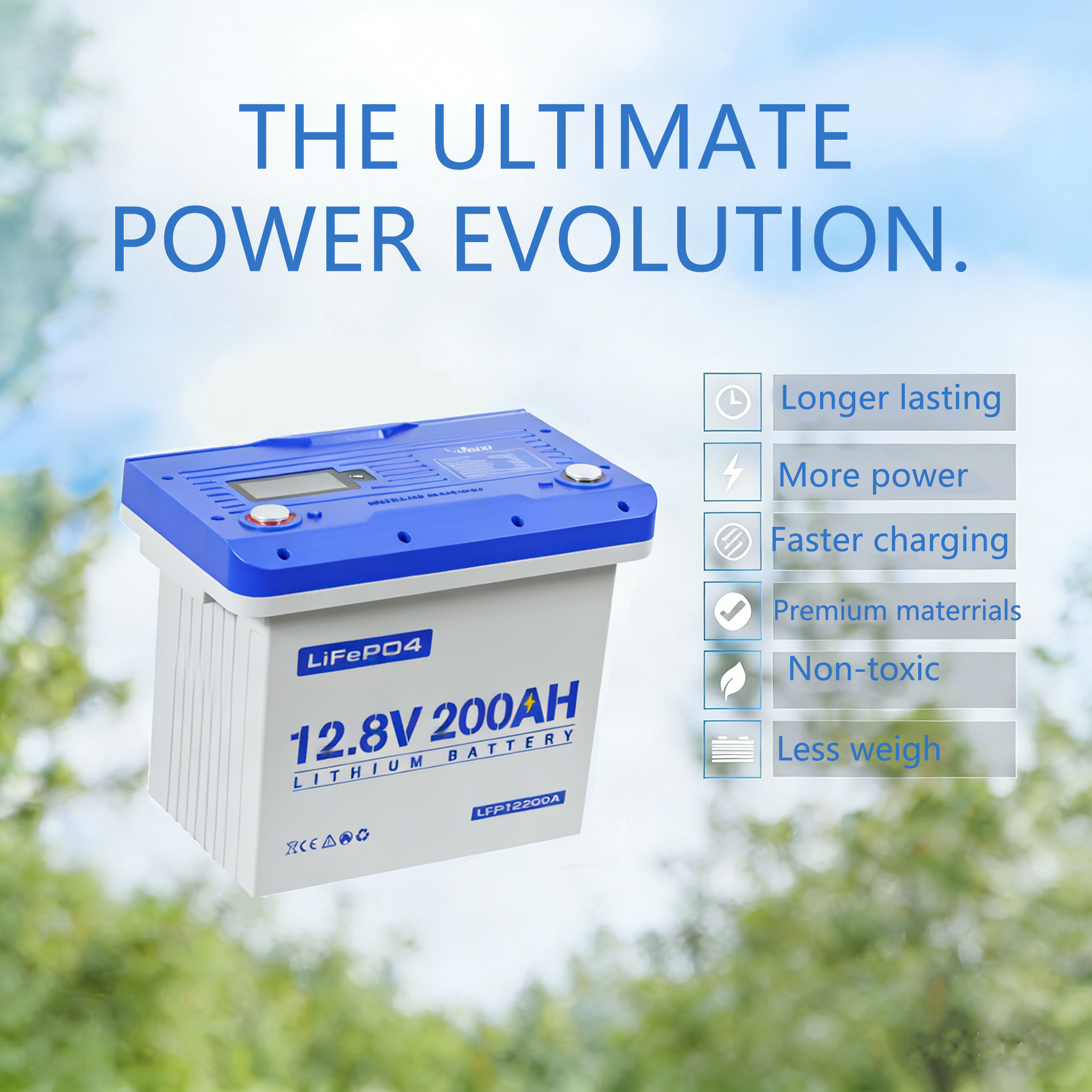
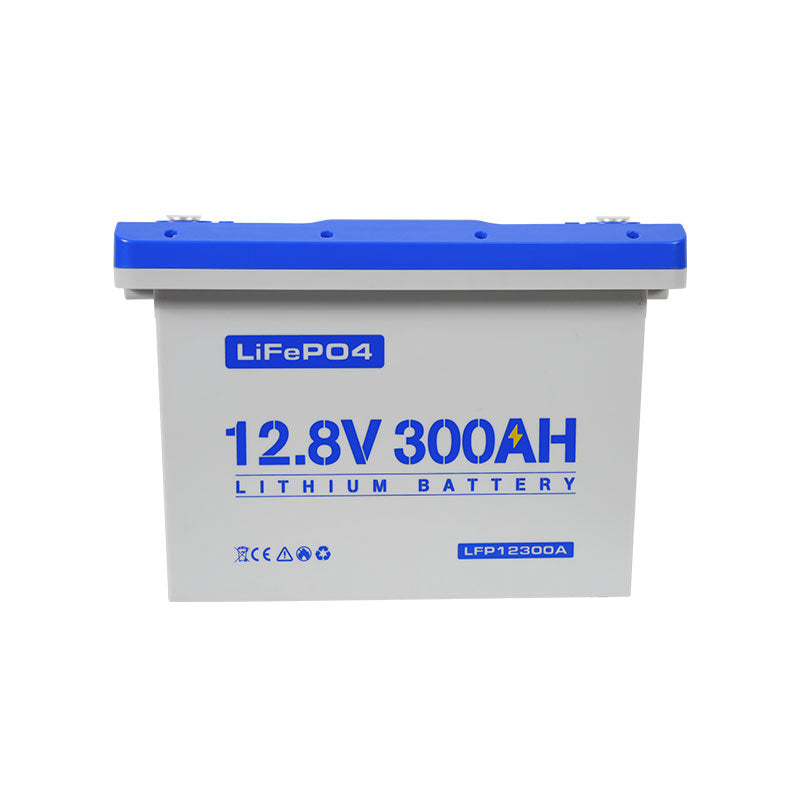
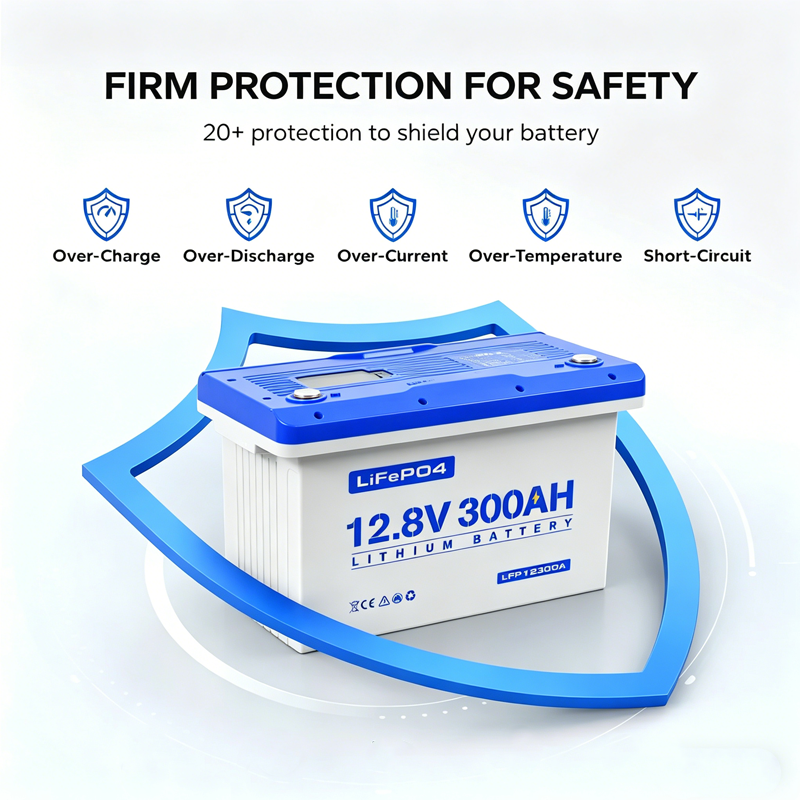
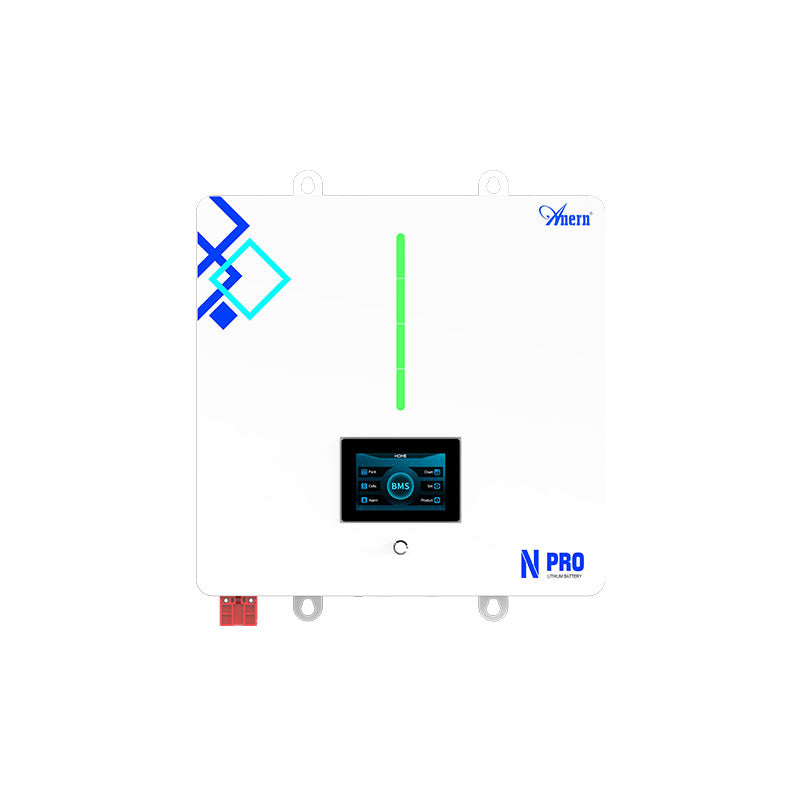
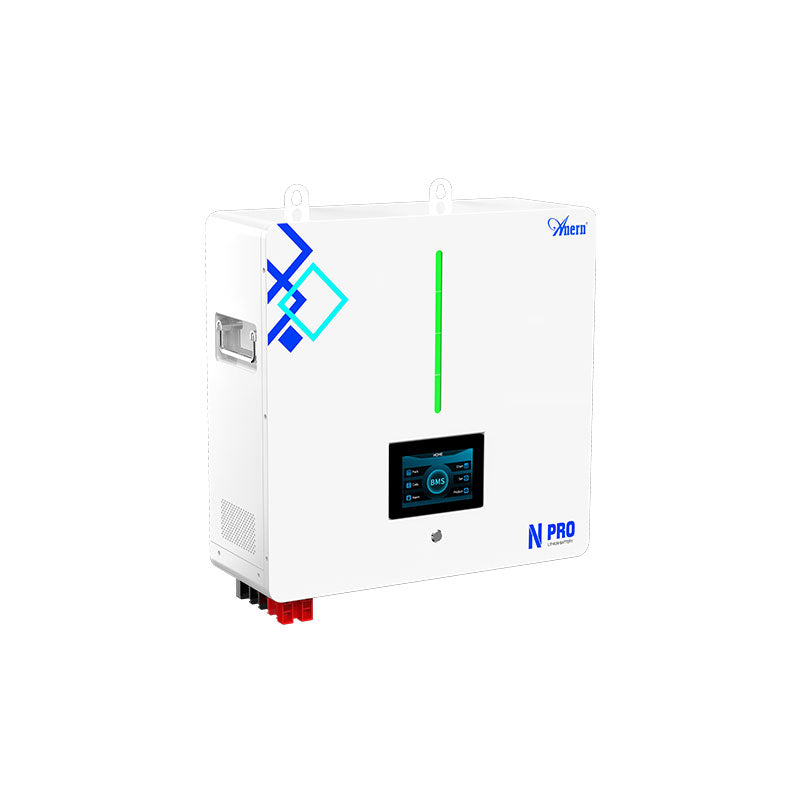
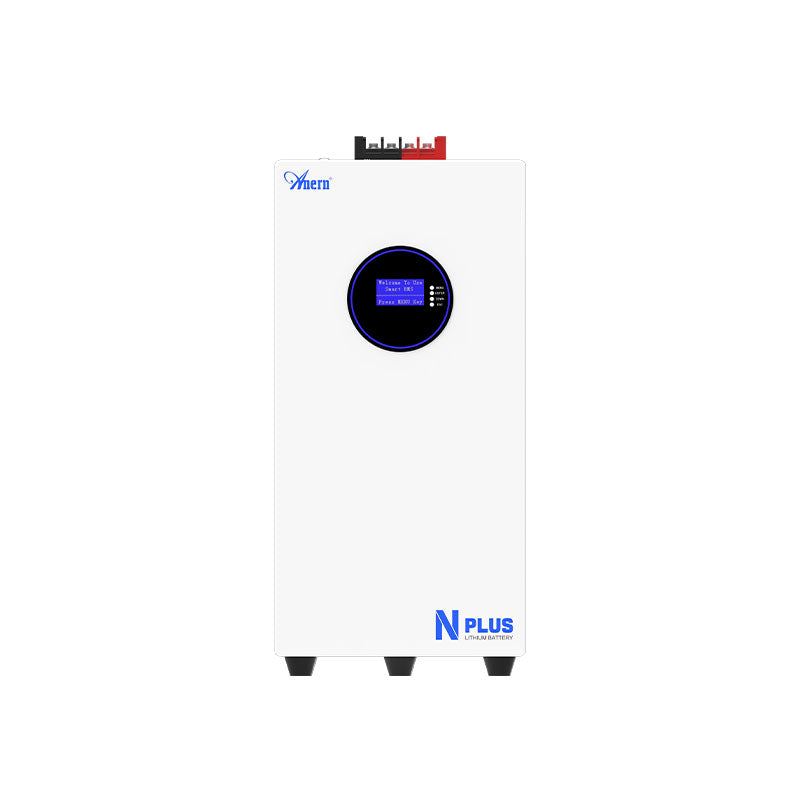
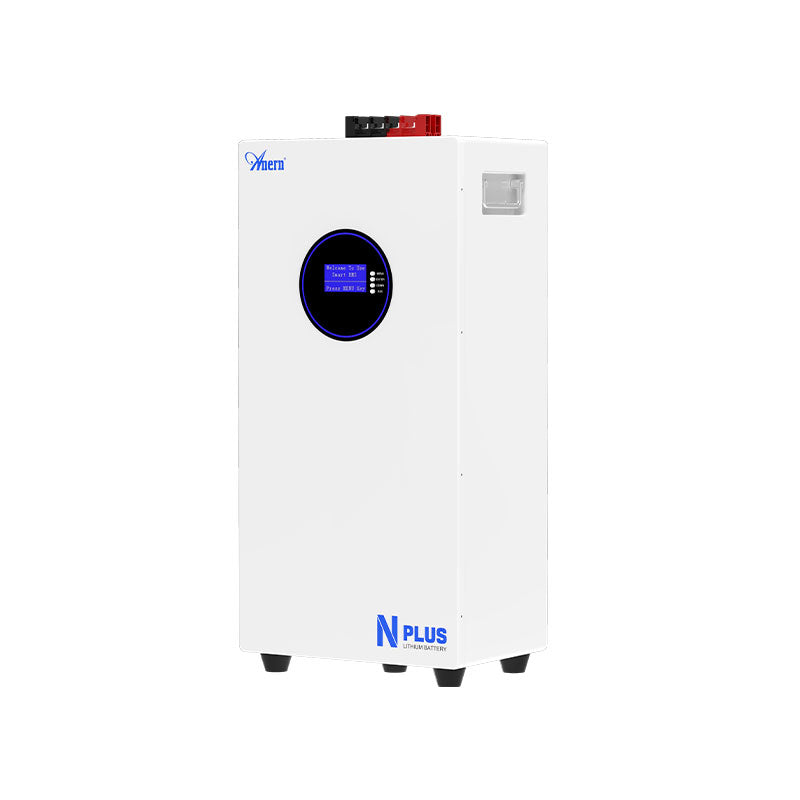
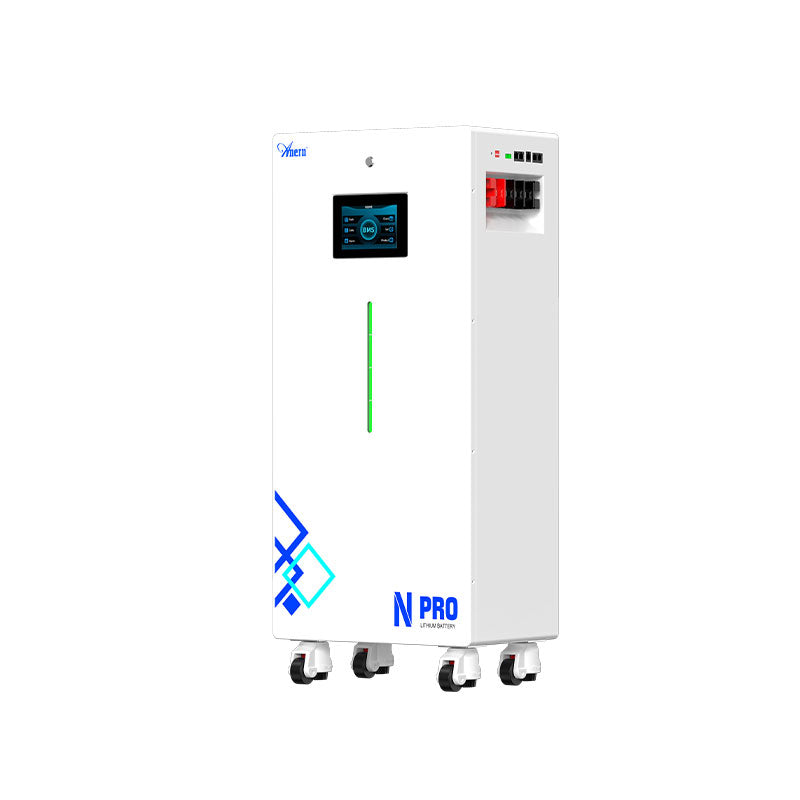
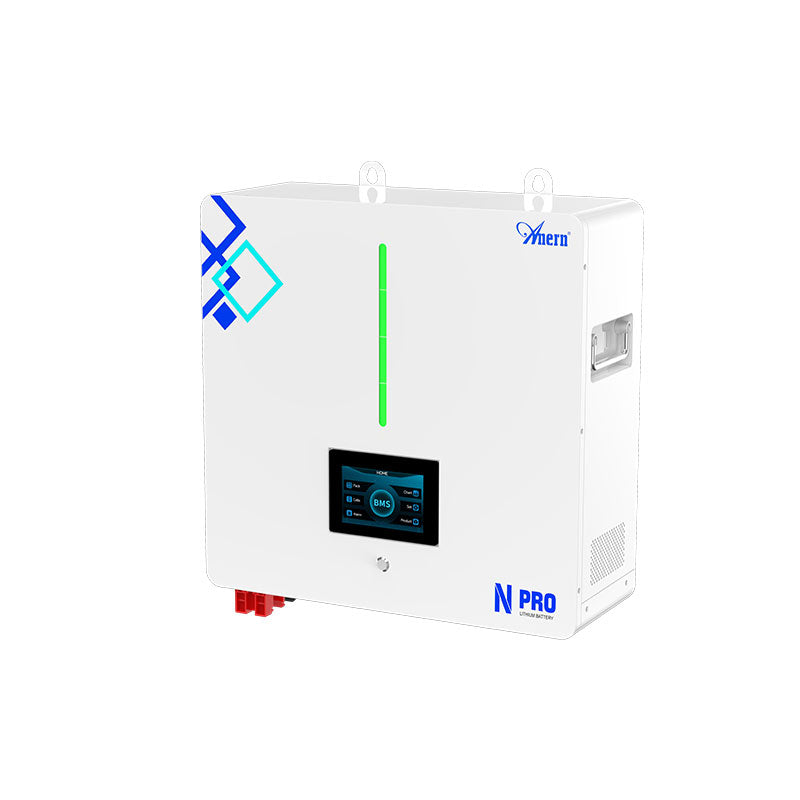
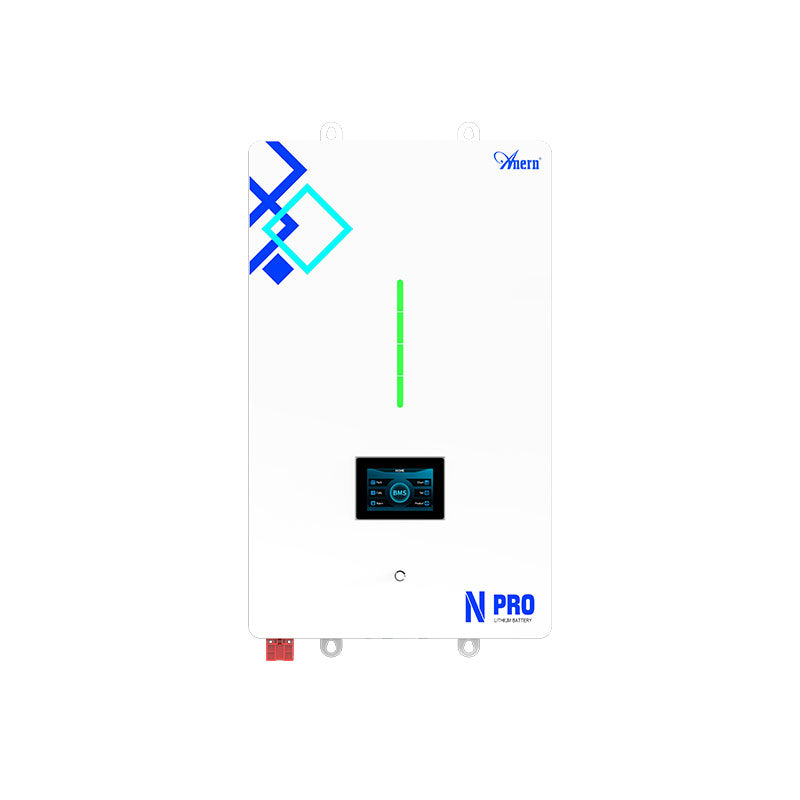
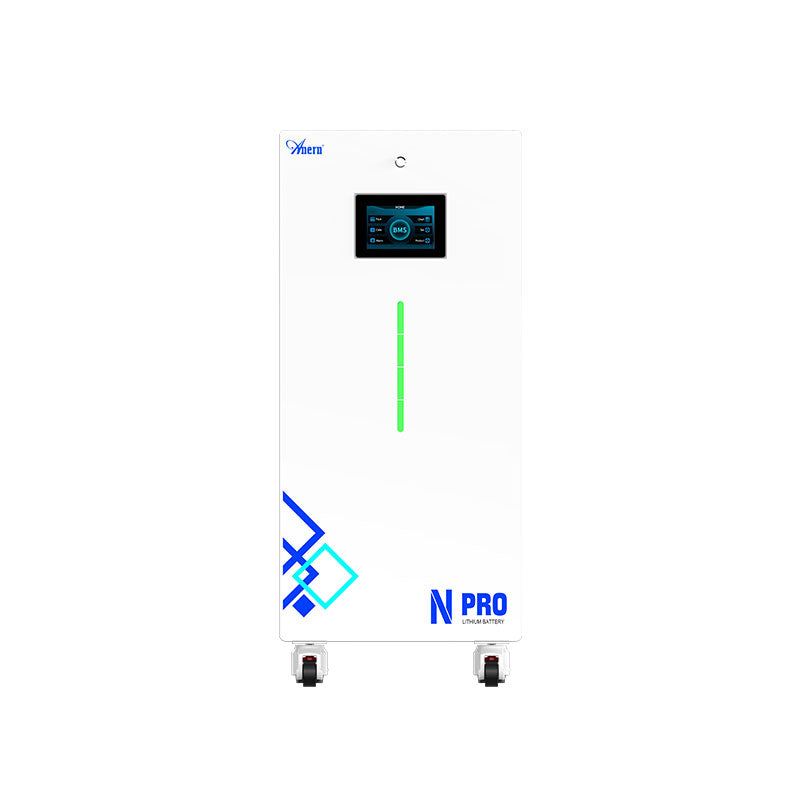
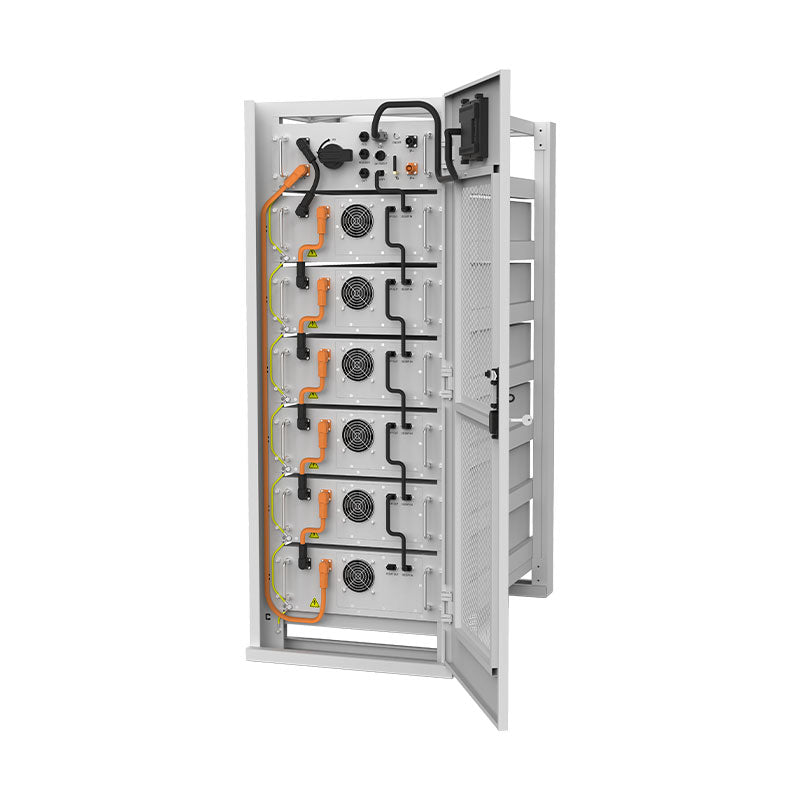
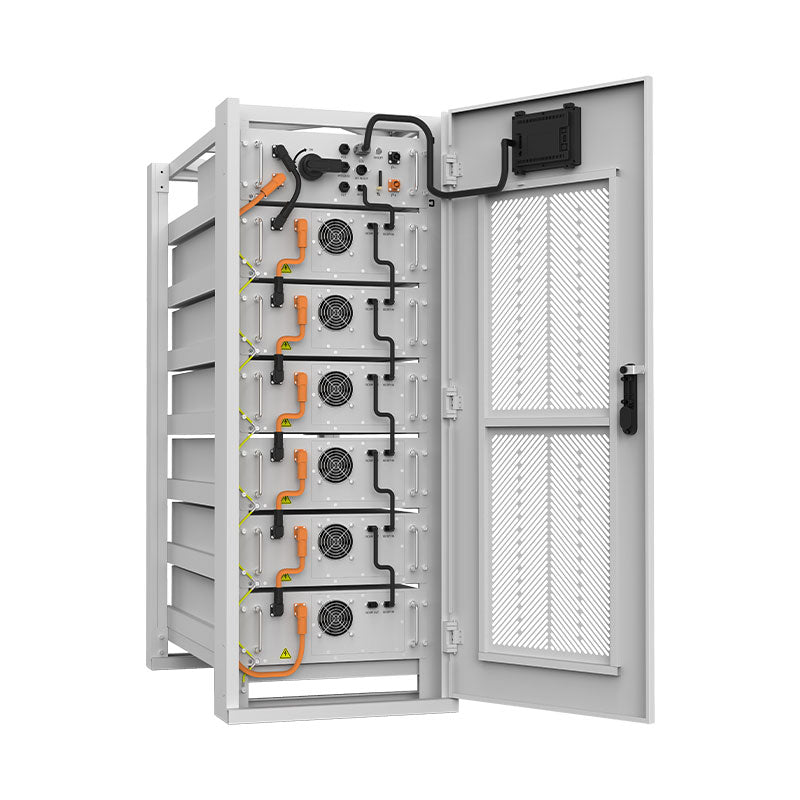
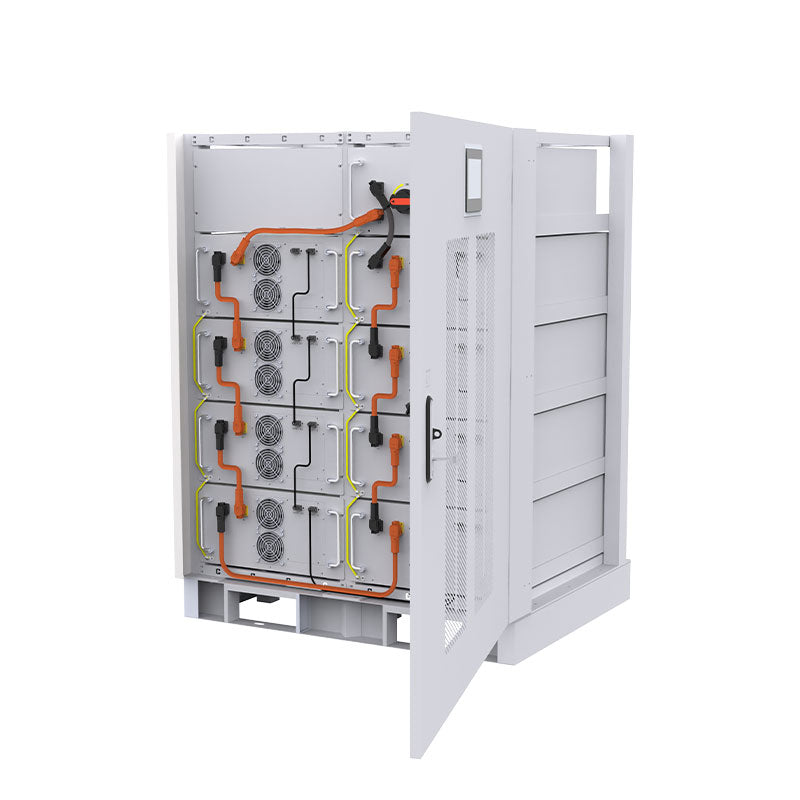
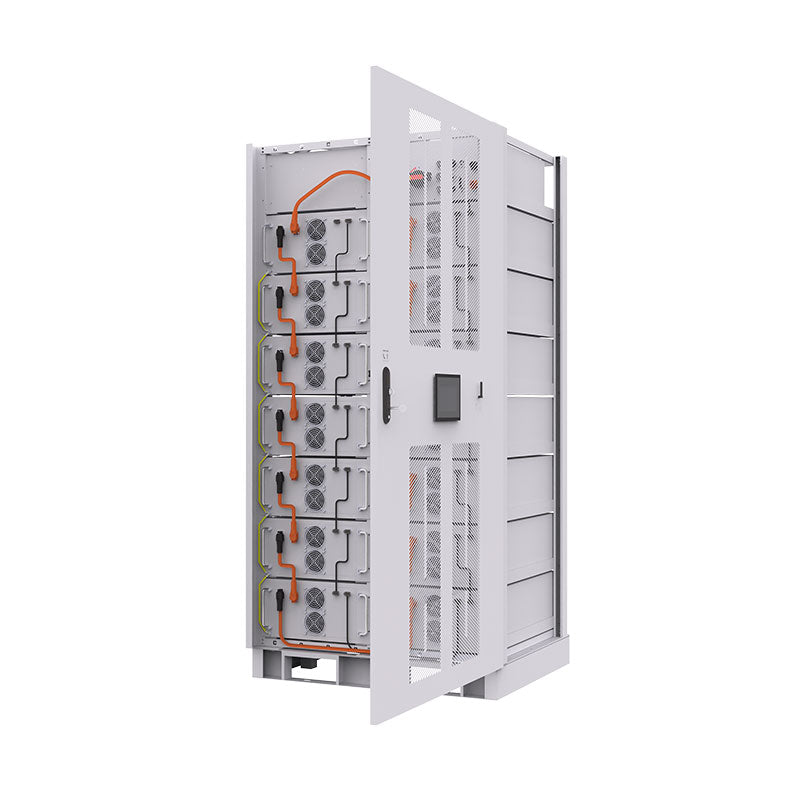
Energy storage is the heart of an off-grid system, providing power when solar generation is low or absent. Lithium iron phosphate (LiFePO4) batteries are a popular choice due to their high performance, safety, and long cycle life. They offer a deeper depth of discharge and more cycles than traditional lead-acid batteries, leading to a lower overall cost of ownership.
Estimating the levelized cost of storage (LCOS) for stand-alone energy storage projects can be complex, as it depends on operational profiles, market signals, and functions like energy arbitrage. However, a revenue requirement framework can help assess lifetime revenue requirements per MWh of installed capacity, accounting for capital and O&M costs.
Integrating Smart Inverters and Charge Controllers
The inverter converts the DC electricity from your solar panels and batteries into usable alternating current (AC) for your appliances. Hybrid inverters are particularly useful for off-grid systems, often combining the functions of an inverter, charge controller, and sometimes an AC charger. Select an inverter with a continuous power rating that exceeds your peak load requirements.
A charge controller manages the power flow from your solar panels to your batteries, preventing overcharging and optimizing charging efficiency. Maximum Power Point Tracking (MPPT) charge controllers are highly recommended as they extract the maximum possible power from your solar array, especially in varying weather conditions.
Optimizing Costs and Ensuring Safety
A cost-smart BOM is not just about finding the cheapest components; it is about finding the right balance between performance, durability, and price. Safety is paramount in any electrical installation.
Leveraging BOM Templates for Efficiency
Using a structured BOM template can significantly streamline the procurement process and help identify potential cost savings. A template ensures you account for every necessary item, from major components to small connectors and wiring. It also provides a clear framework for comparing prices from different suppliers and tracking your budget. Optimized component selection through structured templates can lead to notable reductions in project expenses, enhancing overall efficiency.
Consider a template with columns for:
- Component Name
- Description/Specifications
- Quantity
- Unit Cost
- Total Cost
- Supplier
- Notes (e.g., warranty, lead time)
This organized approach allows you to quickly adjust quantities or select alternative components to meet budget targets without compromising system integrity.
Balancing Performance and Budget
Achieving a cost-smart BOM involves making informed trade-offs. For instance, investing in slightly higher-efficiency solar panels might reduce the number of panels needed, saving on mounting hardware and installation time. Similarly, while LiFePO4 batteries have a higher upfront cost, their longer lifespan and superior performance can result in a lower total cost of ownership over the system's lifetime.
Look for opportunities to purchase components in bundles or from suppliers offering competitive pricing for complete systems. Always verify product specifications against your system requirements to avoid compatibility issues or underperformance.
Critical Safety and Monitoring Systems
Safety components are non-negotiable. Your BOM must include fuses, circuit breakers, and grounding equipment to protect against overcurrents, short circuits, and lightning strikes. DC disconnects for solar arrays and battery banks allow for safe maintenance and emergency shutdowns.
Monitoring systems, while sometimes seen as an extra, offer significant value. They provide real-time data on system performance, battery state of charge, and energy production/consumption. This data helps you optimize system usage, identify potential issues early, and ensure long-term reliability. Many modern inverters include integrated monitoring capabilities.
Concluding Thoughts on Your Off-Grid System
Building a cost-smart off-grid BOM in a focused timeframe is achievable with a systematic approach. By accurately assessing your energy needs, carefully selecting high-quality core components, and leveraging organized templates for cost optimization and safety, you pave the way for a reliable and independent power solution. The goal is to create a system that not only meets your current demands but also offers the flexibility for future adaptation, ensuring true energy autonomy for your property.
Frequently Asked Questions
What is an off-grid BOM?
An off-grid Bill of Materials (BOM) is a comprehensive list of all the components, parts, and materials required to build a complete standalone solar power system. It details everything from solar panels and batteries to wiring, connectors, and safety devices.
Why is a cost-smart BOM important for off-grid systems?
A cost-smart BOM helps you optimize your investment by ensuring you select components that offer the best balance of performance, durability, and price for your specific energy needs. It prevents unnecessary expenses from oversizing or undersizing components and streamlines the procurement process.
How can I quickly estimate my energy consumption?
List all electrical appliances you plan to use, note their wattage, and estimate daily usage hours. Multiply wattage by hours for daily Wh. Sum these for your total daily energy consumption. Online calculators and energy meters can assist with more precise measurements.
What are the key components in an off-grid solar BOM?
The primary components typically include solar panels, a charge controller, a battery bank (such as LiFePO4 batteries), an inverter, and various safety components like fuses, circuit breakers, and disconnects. Wiring, mounting hardware, and monitoring systems are also crucial.
Is it possible to build an off-grid BOM in 60 minutes?
While physically assembling a system takes longer, you can certainly draft a comprehensive and cost-smart BOM in about 60 minutes if you have a clear understanding of your energy needs, access to reliable component specifications, and use a structured template. The time is for planning and listing, not physical construction.
References
- EERE Success Story—Nationwide: Slashing Red Tape To Speed Solar Deployment for Homes and Businesses. Published: 2014-01-24. U.S. Department of Energy.
- Renewable Power Generation Costs in 2024. Published: 2025-07-22. International Renewable Energy Agency (IRENA).
- Solar Futures Study. U.S. Department of Energy. Figure 1-1, page 2.
