












Building an off-grid energy system offers incredible freedom. It means taking control of your power supply and achieving true energy independence. However, the initial investment can seem daunting. The key to a successful and budget-friendly off-grid project lies in a meticulously planned Bill of Materials (BOM). This detailed list outlines every component you need, along with its estimated cost. Crafting an accurate BOM transforms a complex project into manageable steps, allowing you to make informed decisions and optimize your investment.

The Foundation of Off-Grid Economics
Before you purchase any equipment, you need a clear financial roadmap. This begins with understanding your energy consumption and the essential components of an off-grid system.
Defining Your Energy Needs
Your energy consumption dictates the size and cost of your system. You will need to calculate the total watt-hours (Wh) or kilowatt-hours (kWh) your household or property uses daily. List every appliance, its wattage, and how many hours it operates each day. This provides a baseline for sizing your solar array and battery bank. Overestimating can lead to unnecessary expenses, while underestimating results in power shortages. A precise energy audit is your first step towards a cost-effective BOM.
Understanding Component Categories
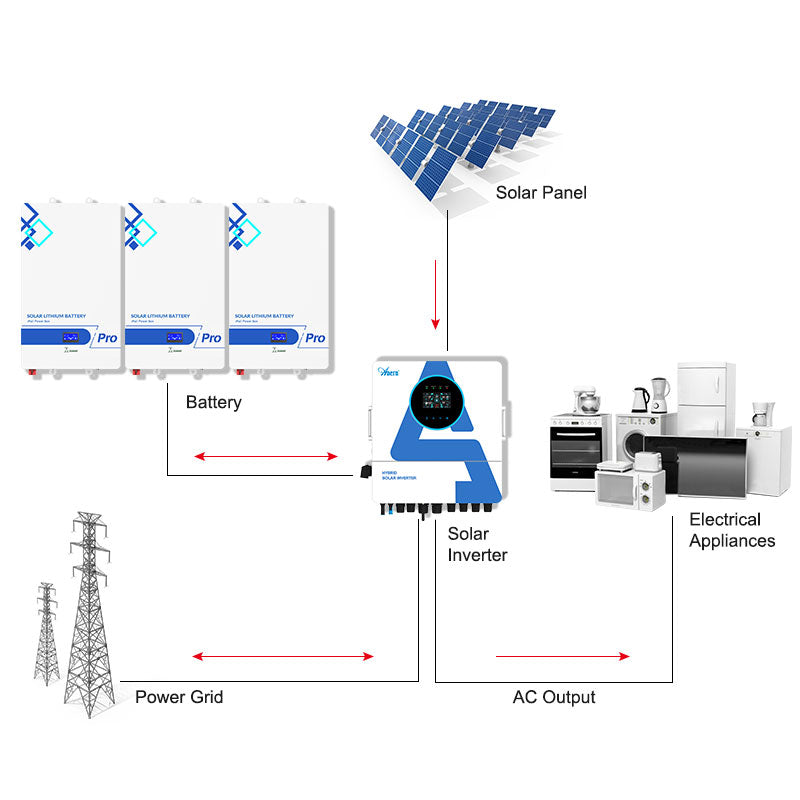
An off-grid system consists of several core categories. These include solar panels for generation, batteries for energy storage, and inverters/charge controllers for power conversion and management. You also have balance of system (BOS) components like wiring, mounting hardware, and safety devices. Each category contributes significantly to the overall cost, and understanding their interplay helps you allocate your budget effectively.
Sourcing and Costing Core Components
The main components represent the largest portion of your off-grid investment. Careful selection here directly impacts performance and cost.
Solar Panels: Efficiency vs. Cost
Solar panels convert sunlight into electricity. Monocrystalline panels typically offer higher efficiency and a smaller footprint, while polycrystalline panels might have a lower upfront cost per watt. The global average selling price of solar modules has seen a significant decline over time, making solar power more accessible than ever. For instance, the U.S. Department of Energy's Solar Futures Study highlights the historical trend of decreasing module costs, with residential PV system costs benchmarked at $2.71/W in 2020.
When pricing panels, calculate the cost per watt ($/W) to compare different options. Consider factors like warranty, temperature coefficient, and physical dimensions. A higher efficiency panel might cost more initially but could reduce the number of panels needed, saving on mounting hardware and installation space.
Energy Storage: LiFePO4 Battery Considerations
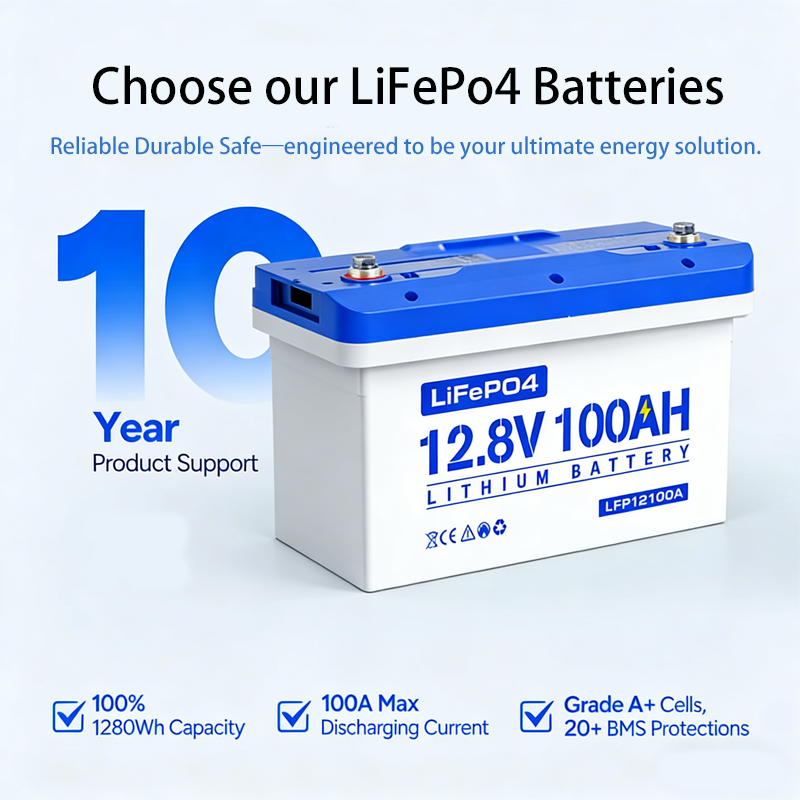
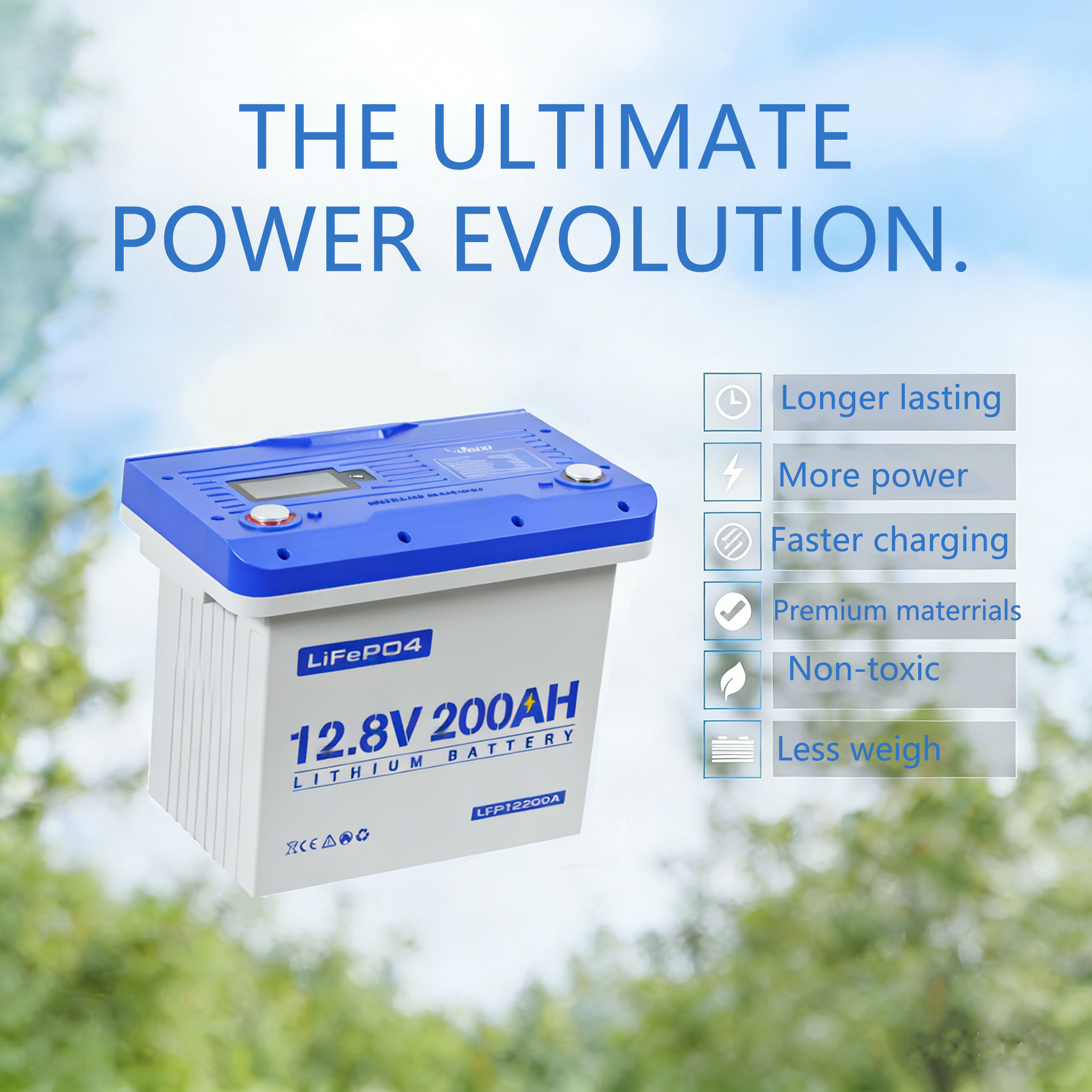
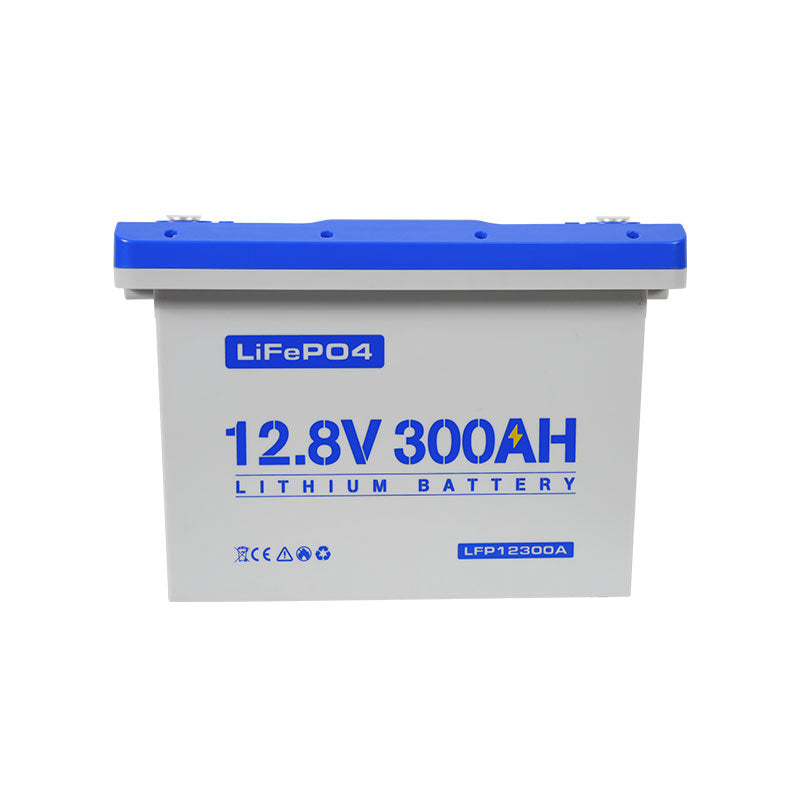
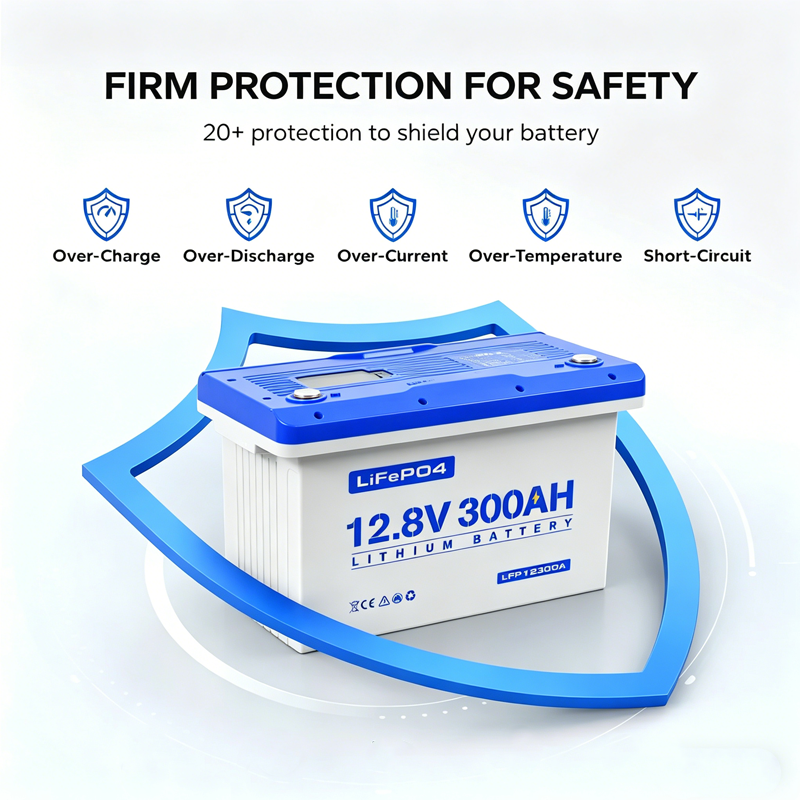
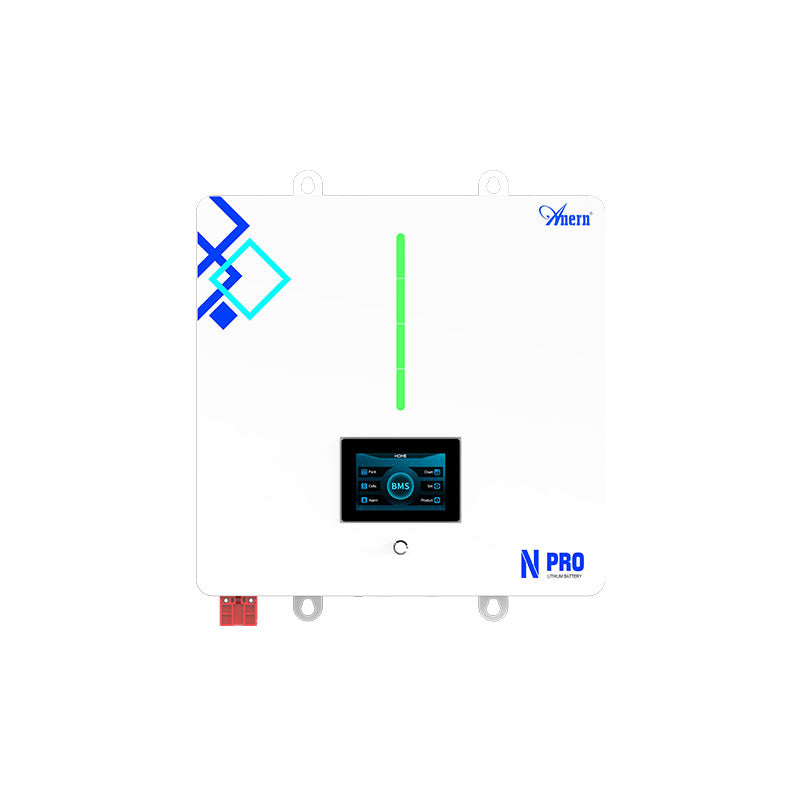
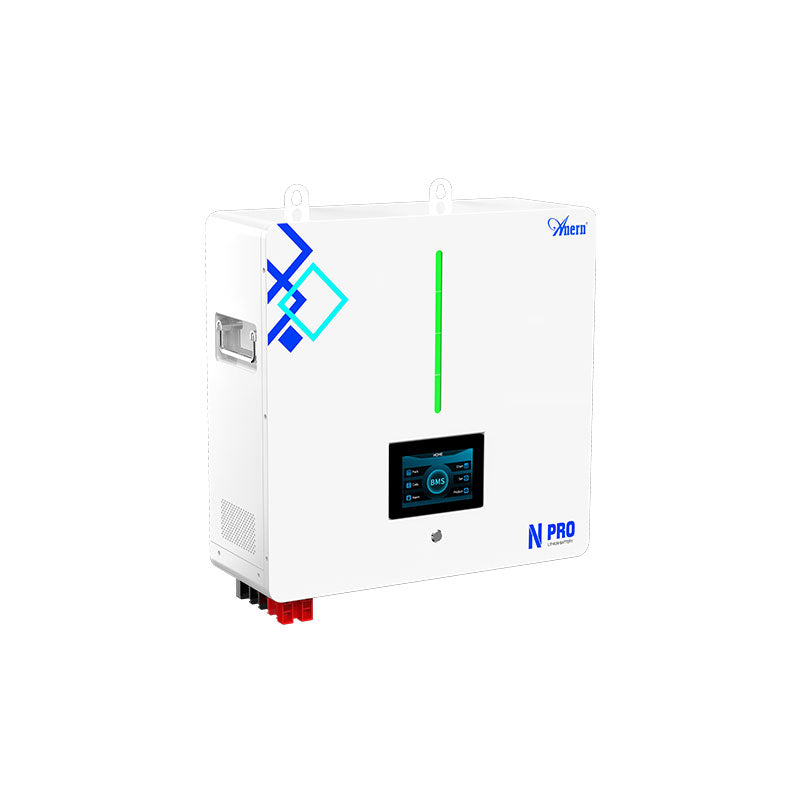
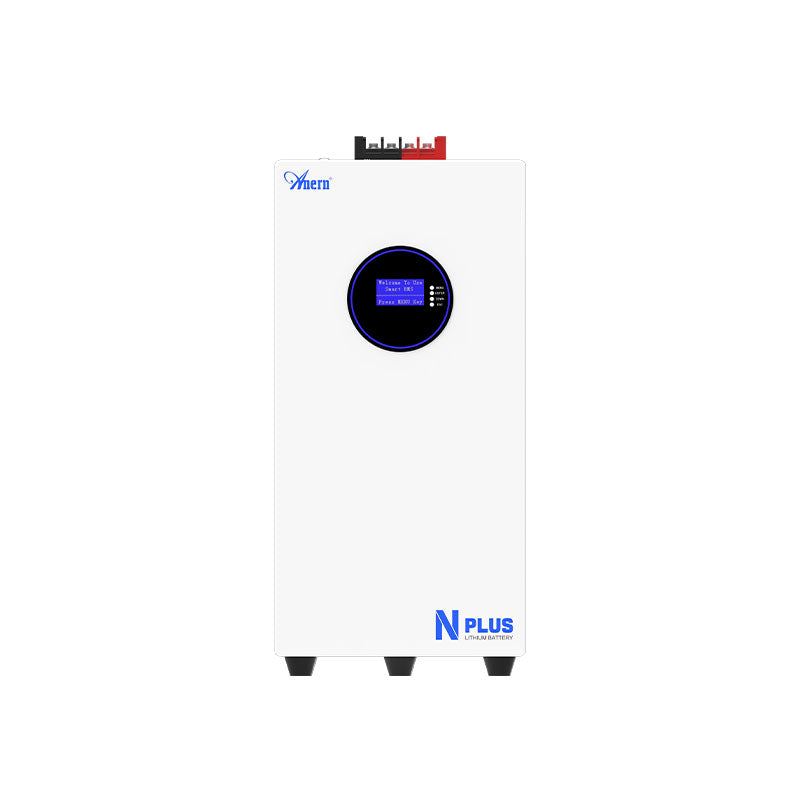
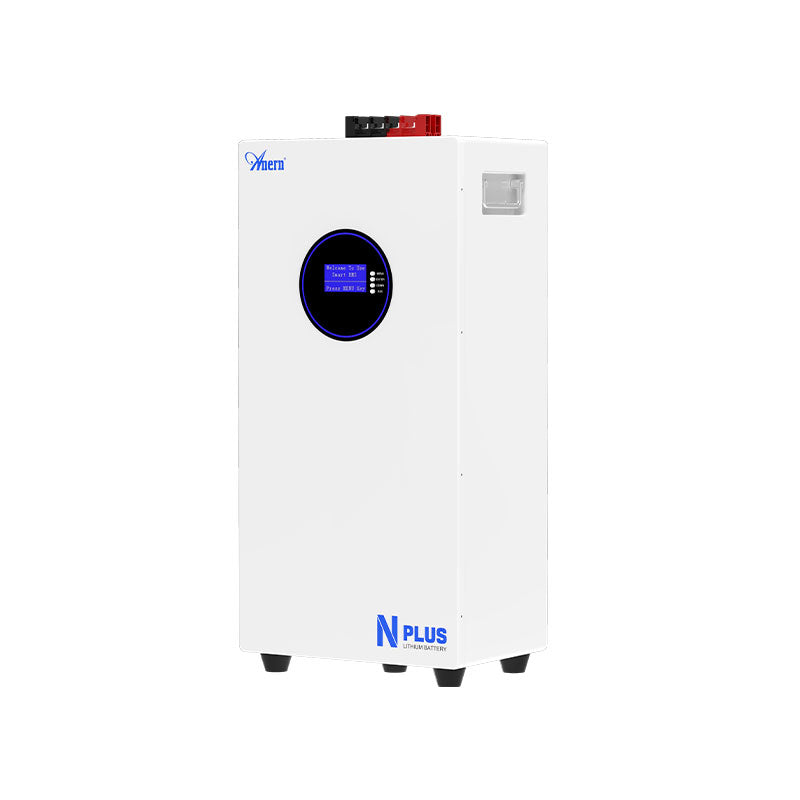
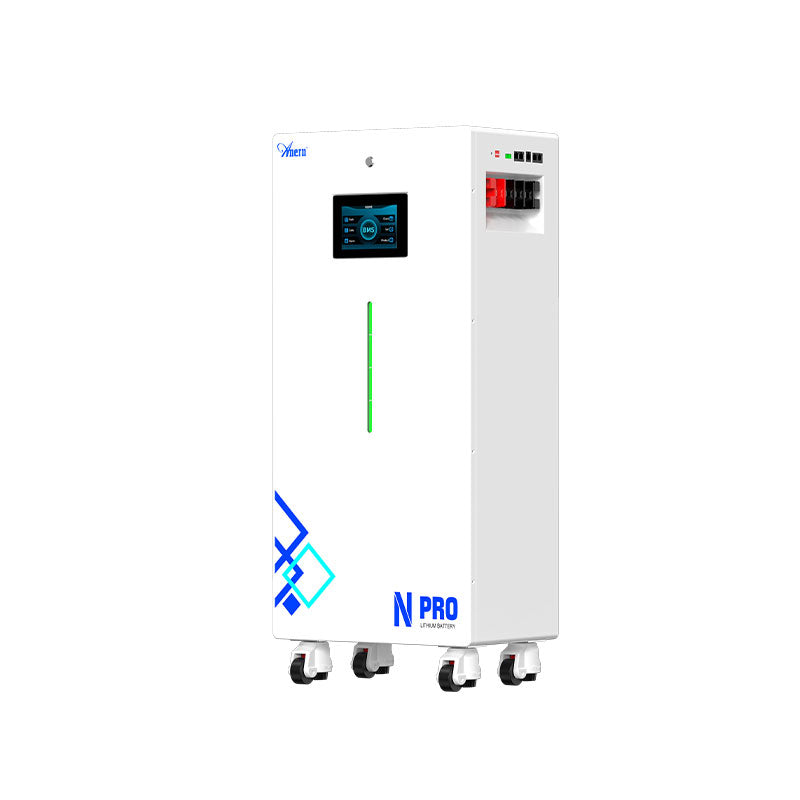
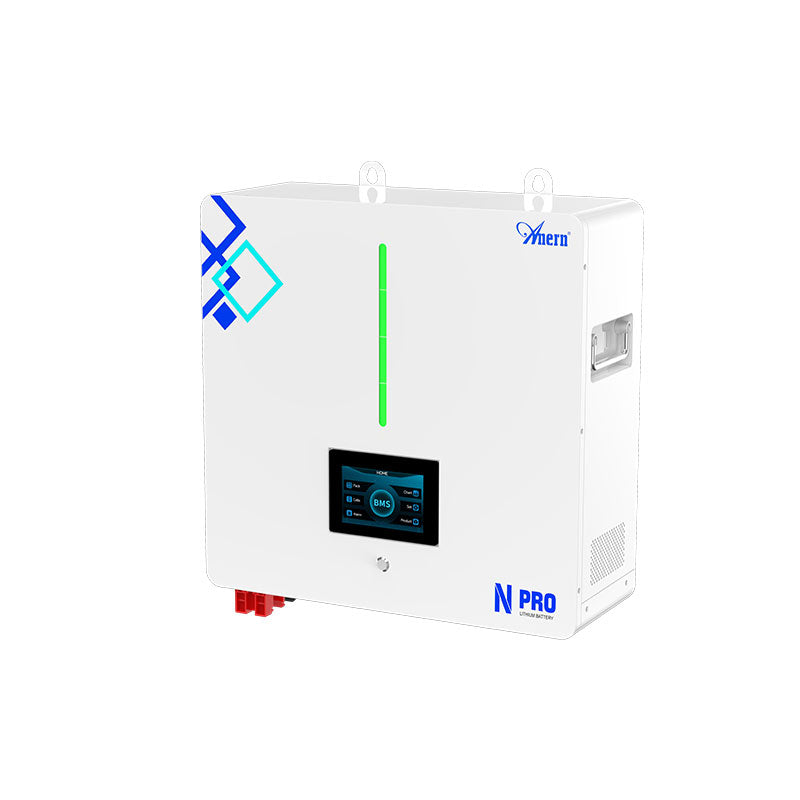
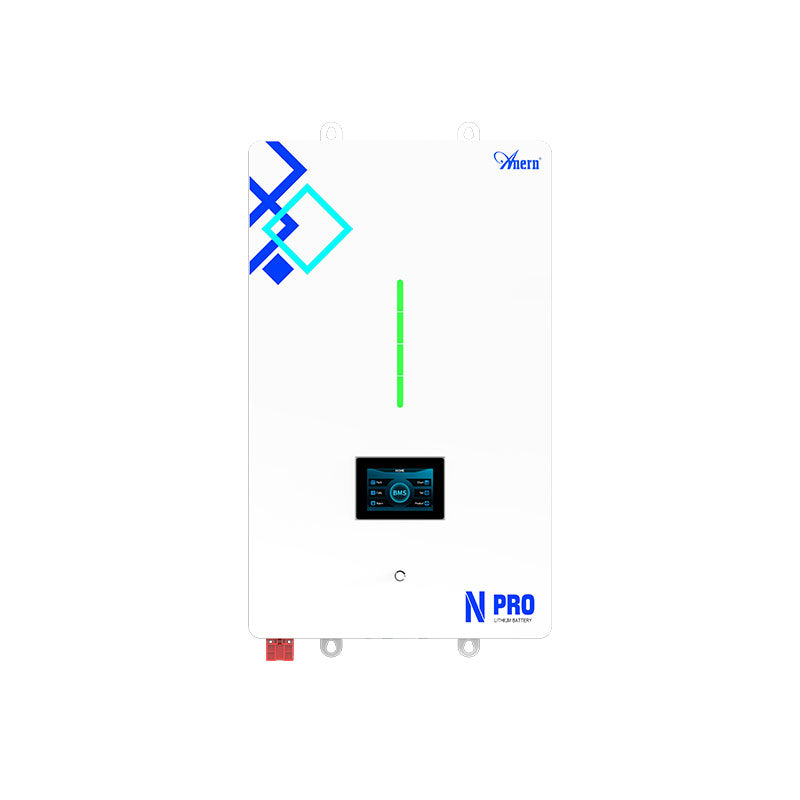
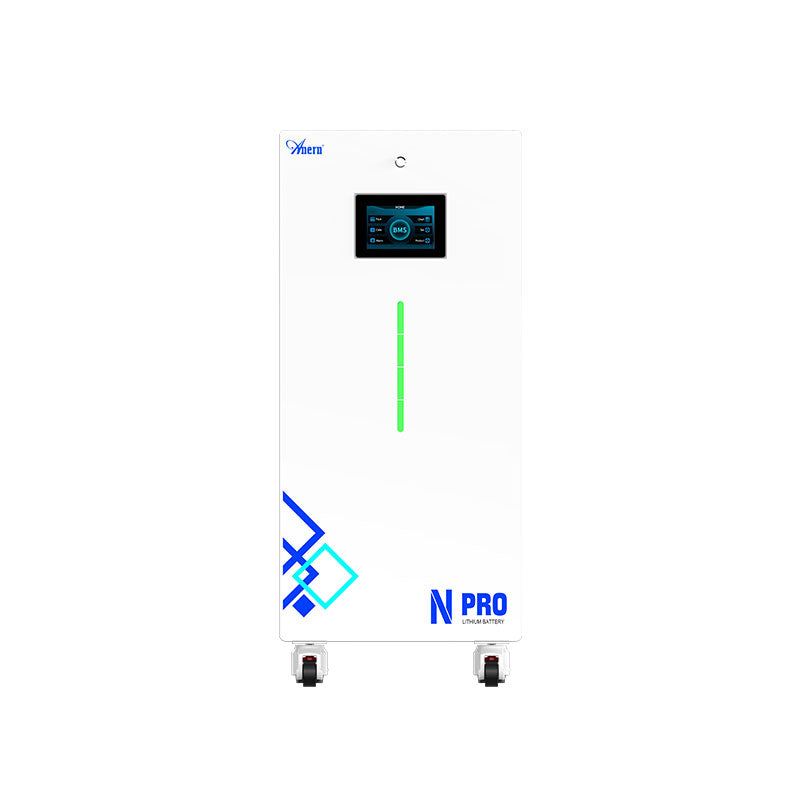
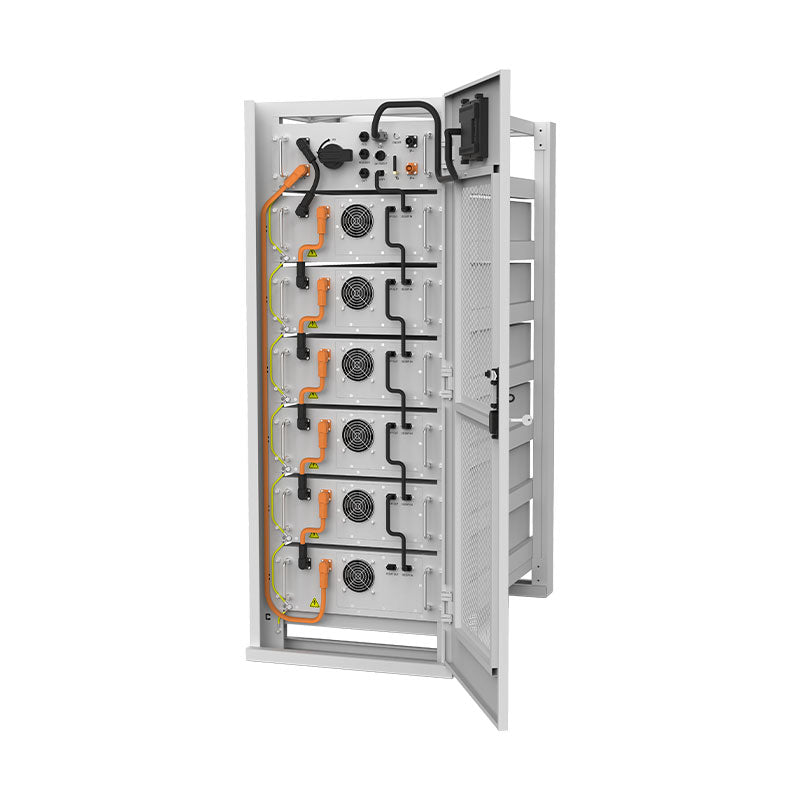
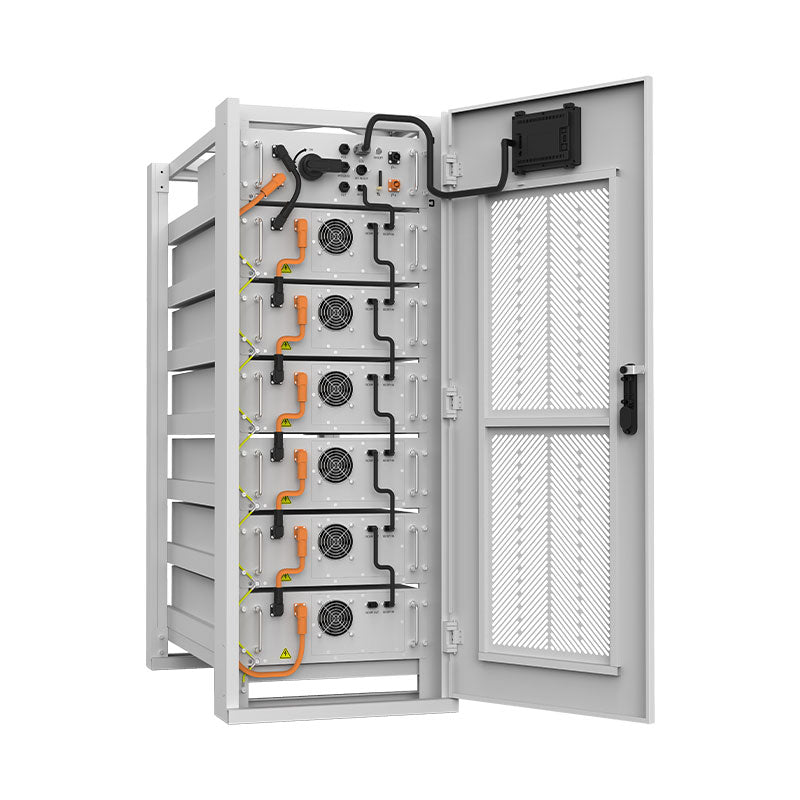
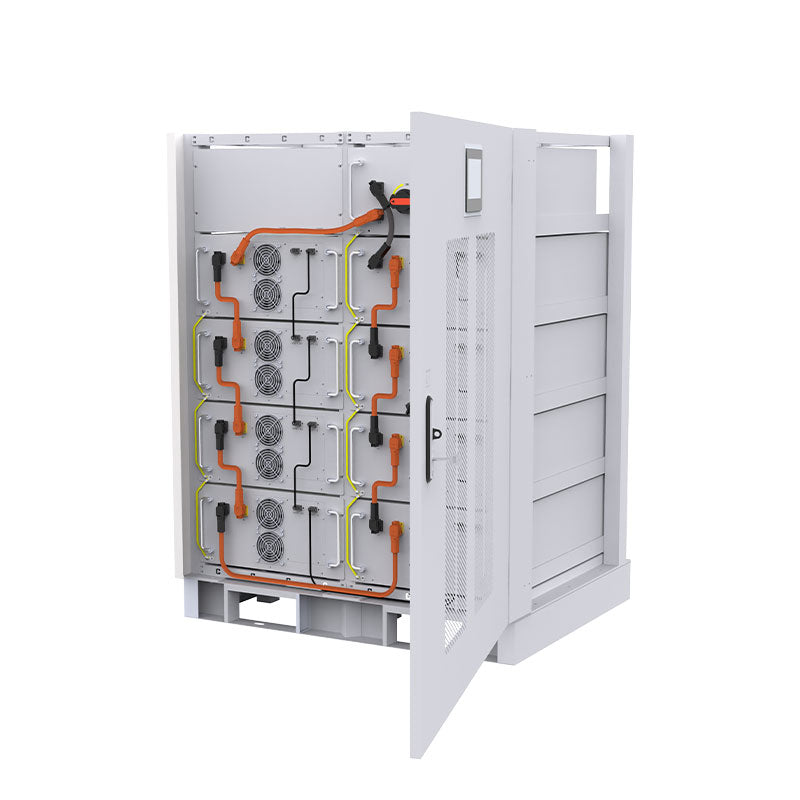
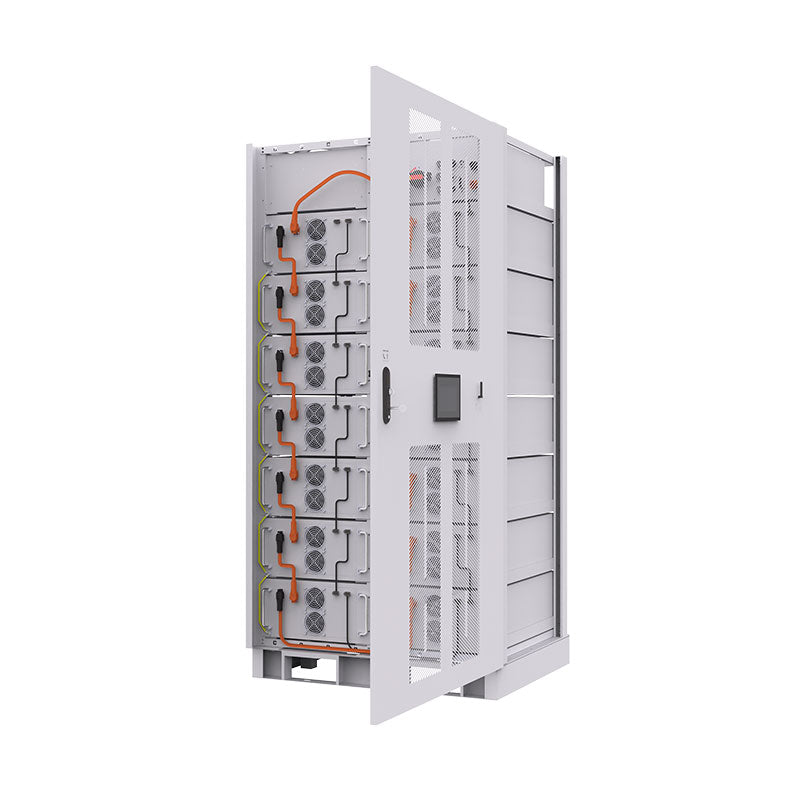
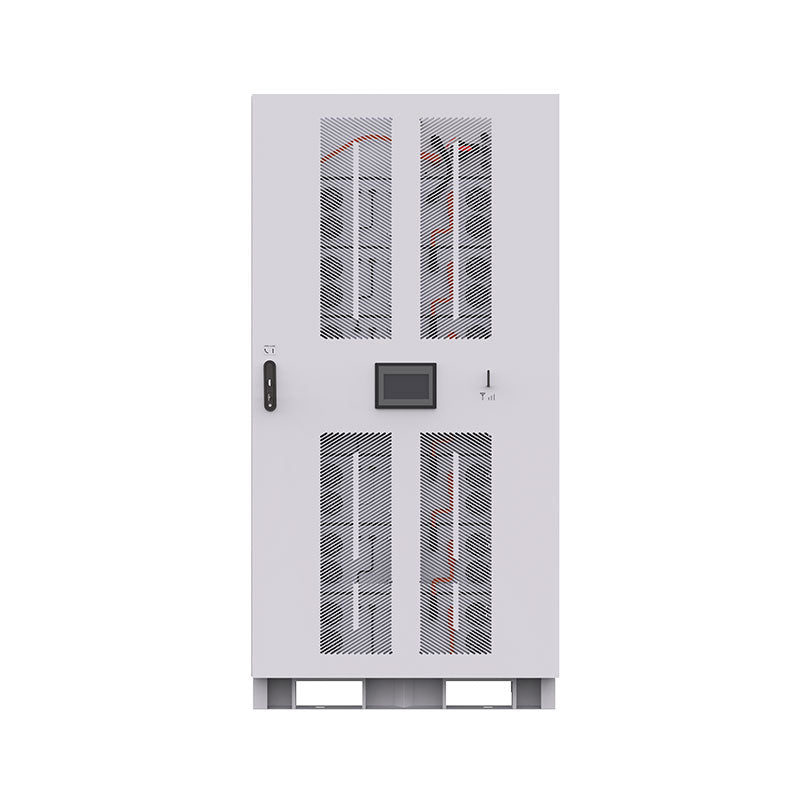
Batteries store the energy generated by your solar panels for use when the sun is not shining. Lithium Iron Phosphate (LiFePO4) batteries are a popular choice for off-grid systems due to their high performance, safety, and long cycle life. They offer a high depth of discharge, meaning you can use more of their stored energy without damaging the battery. The upfront cost for battery storage has also seen reductions. According to the NREL 2020 ATB Advanced projections, 4-hour battery storage upfront costs are continuously being optimized.
When pricing batteries, focus on the cost per kilowatt-hour ($/kWh) of usable capacity. Consider the battery's cycle life, warranty, and round-trip efficiency. A battery with a longer cycle life, though potentially more expensive upfront, offers a lower cost of ownership over its lifespan.
Inverters and Charge Controllers
The inverter converts the DC power from your batteries into usable AC power for your appliances. A charge controller manages the power flow from your solar panels to your batteries, preventing overcharging. Hybrid inverters combine both functions, often integrating a solar charge controller. Selecting the right size and type is crucial for system performance and safety.
Look for pure sine wave inverters for sensitive electronics. Your inverter's capacity (in watts) should match or exceed your peak instantaneous power demand. For charge controllers, MPPT (Maximum Power Point Tracking) technology is generally more efficient than PWM (Pulse Width Modulation), especially for larger systems, maximizing energy harvest from your panels.
Beyond the Big Three: Auxiliary Costs
While panels, batteries, and inverters are the stars, numerous other items complete your off-grid system. Neglecting these can lead to budget overruns.
Wiring, Mounting, and Safety Gear
These components ensure your system operates safely and efficiently. Wiring needs to be appropriately gauged for current and distance to minimize energy loss. Mounting hardware secures your solar panels, resisting wind and weather. Safety equipment, such as circuit breakers, fuses, disconnect switches, and grounding components, protects your system and property from electrical faults. Do not compromise on quality here; safety is paramount.
Consider the specific requirements for your installation site. Roof mounts, ground mounts, or pole mounts each have different material and labor costs. Always adhere to electrical codes and best practices for wiring and overcurrent protection.
Installation Labor and Permitting
Even for DIY projects, you might incur costs for specialized labor, such as an electrician for final connections or structural engineer for roof assessments. Permitting and inspection fees are also common, varying significantly by location. Research your local regulations early in the planning process to avoid unexpected expenses and delays. Obtaining the necessary permits ensures your system is compliant and safe.
Optimizing Your Off-Grid Investment
A smart BOM considers both upfront costs and long-term value, ensuring your system remains efficient and economical.
Leveraging Market Trends and Incentives
The solar and energy storage markets are dynamic, with continuous innovation driving down costs. For example, the International Renewable Energy Agency (IRENA) consistently reports on the declining costs of renewable energy technologies. Staying informed about these trends helps you purchase components at opportune times. Explore government incentives, tax credits, or rebates available for renewable energy systems. These programs can significantly reduce your net investment, making off-grid power even more attractive.
Long-Term Value and Maintenance
Your BOM should reflect components with good warranties and expected lifespans. High-quality LiFePO4 batteries, for instance, offer thousands of charge cycles, providing reliable power for many years. Regular maintenance, such as cleaning solar panels and checking battery connections, extends the life of your system and prevents costly repairs. Factor in potential replacement costs for wear-and-tear items over the system's projected lifespan to get a true picture of your long-term economics.
Final Thoughts
Pricing out your off-grid Bill of Materials is a critical step towards energy independence. By meticulously calculating your energy needs, carefully selecting high-quality components, and accounting for all auxiliary costs, you empower yourself to build a robust, reliable, and cost-effective system. A well-planned BOM is not just a list of parts; it is your blueprint for a sustainable and independent future.
Frequently Asked Questions
What is the most expensive component in an off-grid system?
Typically, the battery bank represents the most significant investment in an off-grid solar system. While solar panel costs have decreased substantially, the capacity needed for reliable energy storage, especially with high-performance LiFePO4 batteries, often makes up the largest portion of the total BOM cost.
How can I reduce the cost of my off-grid BOM?
You can reduce costs by accurately sizing your system to avoid over-purchasing, comparing prices from multiple suppliers, and considering slightly less efficient but more cost-effective solar panels if space allows. Leveraging government incentives and performing some of the installation labor yourself can also lead to significant savings. Focusing on durable, long-lasting components like LiFePO4 batteries can reduce long-term replacement costs.
Should I buy all my components from one supplier?
While buying from a single supplier can offer convenience and sometimes package discounts, it is often beneficial to source components from different vendors. This allows you to compare prices, find better deals on specific items, and ensure you are getting the best value for each part of your system. Always verify compatibility between components from different manufacturers.
