












Achieving energy independence for farms often involves implementing robust off-grid microgrid systems. These systems provide reliable power, but their complexity can lead to unforeseen costs. A well-structured Bill of Materials (BOM) template offers a powerful tool to manage these expenses, streamline development, and ultimately reduce project costs. This article explores how a strategic approach to BOM templates resulted in an 18% cost reduction for a farm microgrid project.

The Role of BOM Templates in Microgrid Development
A Bill of Materials is more than just a list of parts. It is a comprehensive document detailing every component, sub-assembly, and material required to build a product or system. For complex projects like microgrids, a meticulously crafted BOM template becomes an invaluable asset for planning, procurement, and execution.
Standardizing Component Selection
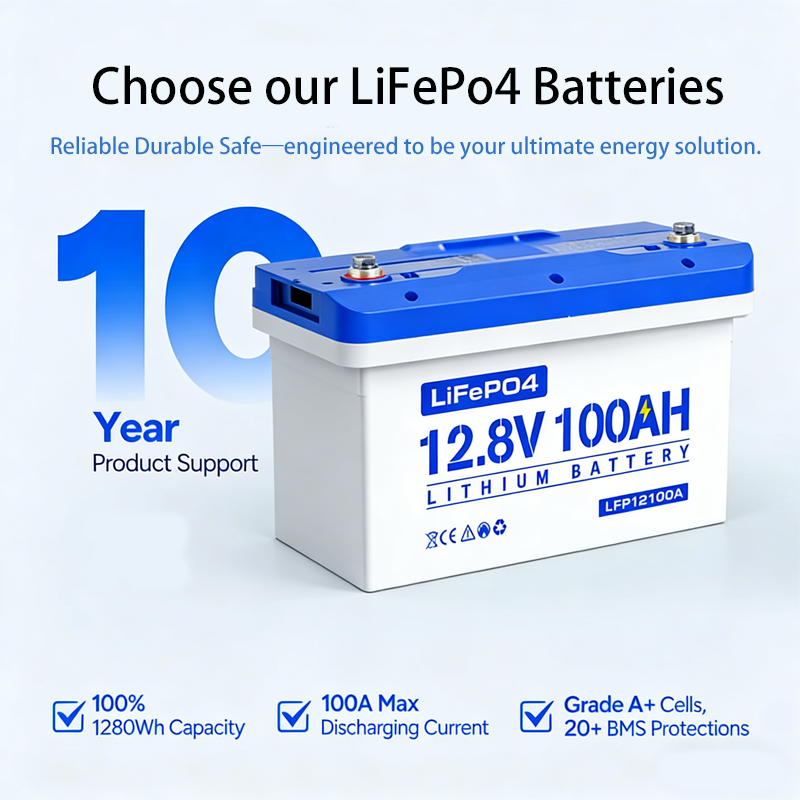
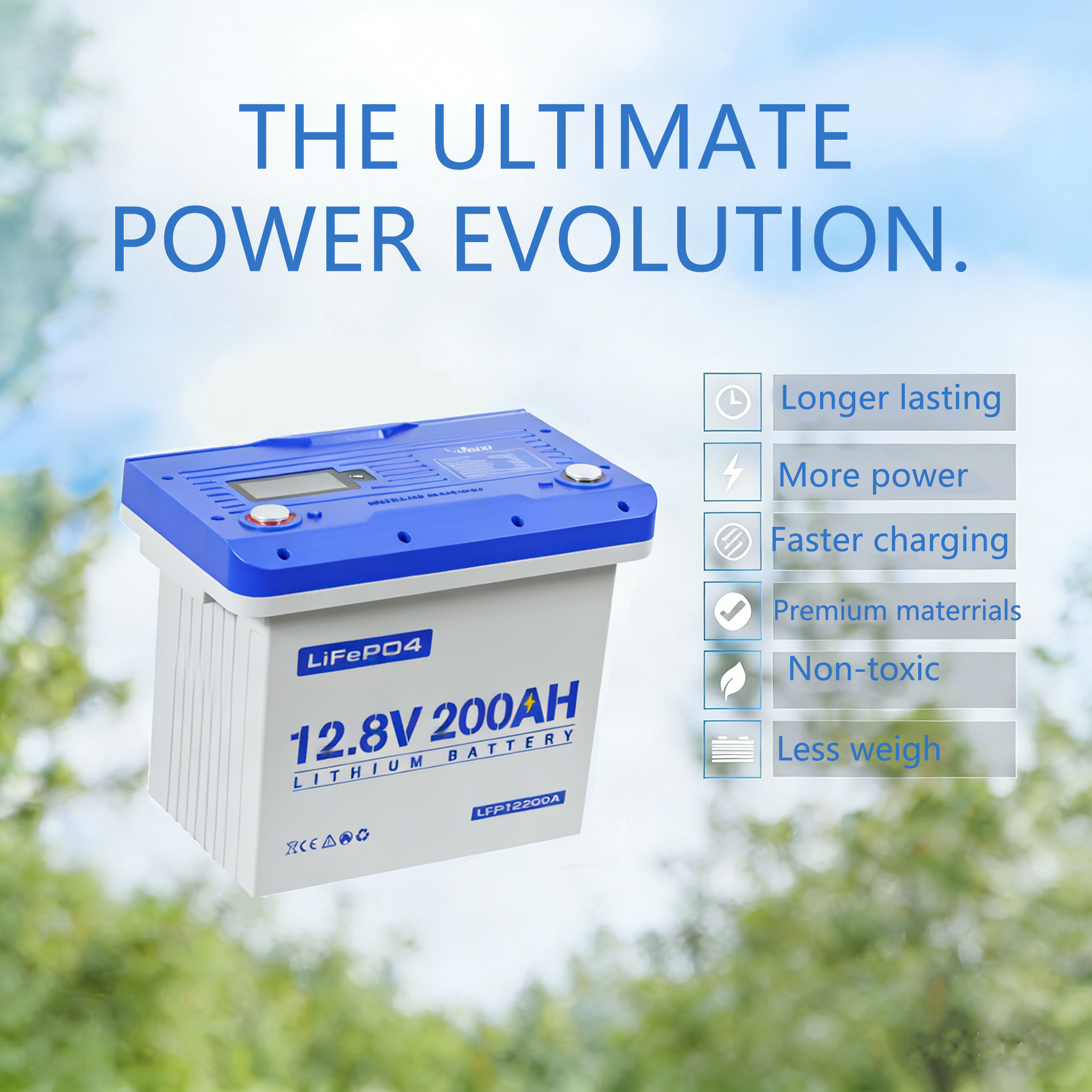
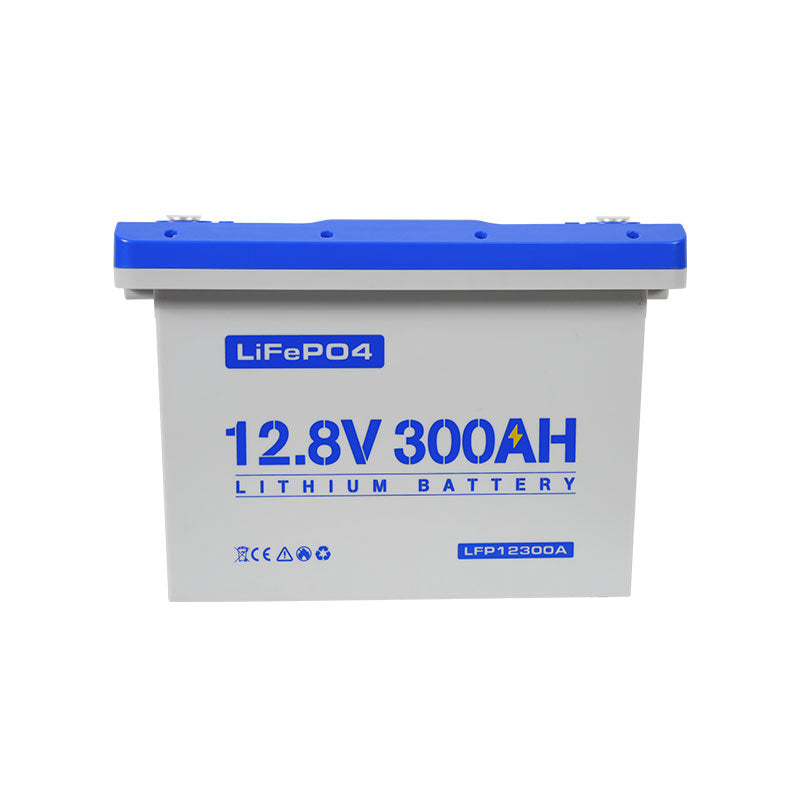
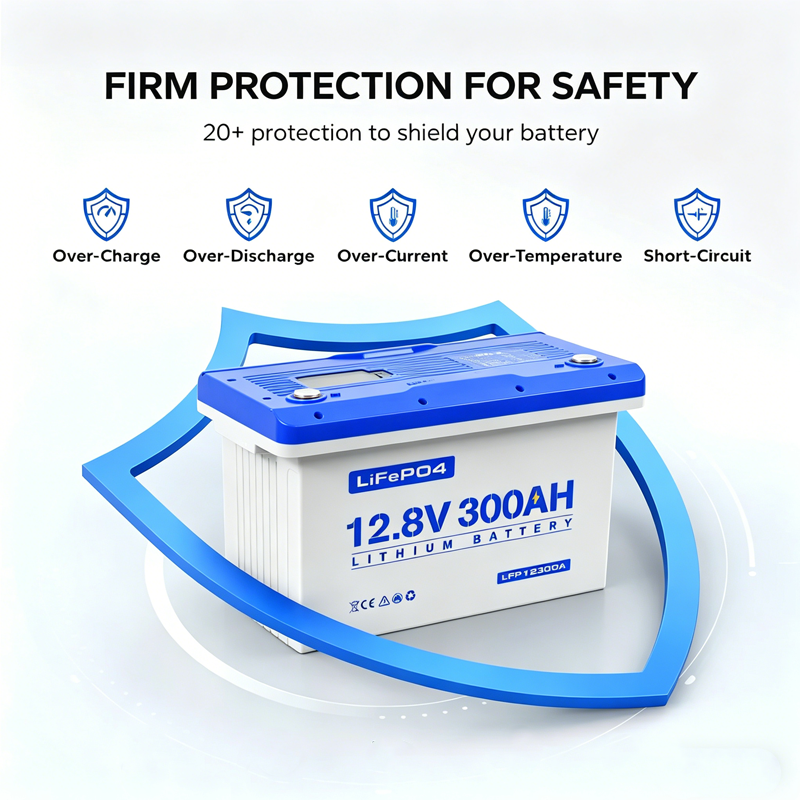
Microgrids, especially for off-grid applications, demand specific components that can withstand varied environmental conditions and deliver consistent performance. A BOM template helps standardize the selection process, ensuring that only high-performance, reliable components are chosen. This standardization prevents the use of incompatible parts and reduces the risk of system failures. By pre-approving components like efficient solar panels and safe lithium iron phosphate (LiFePO4) batteries, a template ensures quality and compatibility across the entire system.
Streamlining Procurement and Logistics
Procuring components for a microgrid can be a time-consuming and costly endeavor. A detailed BOM template simplifies this by providing exact specifications, quantities, and often preferred suppliers. This clarity allows for bulk purchasing discounts and reduces the administrative burden of managing multiple vendors. Efficient logistics, guided by the BOM, minimize shipping costs and ensure timely delivery of all necessary parts, preventing costly project delays.
Case Study: Farm Microgrid Cost Reduction
Consider a typical farm requiring a reliable off-grid power supply for irrigation, lighting, and essential farm machinery. The initial approach to such projects often involves custom designs and ad-hoc procurement, leading to inflated costs and extended timelines.
Initial Challenges and Traditional Approaches
Historically, farm microgrid projects faced several hurdles. Without a standardized approach, engineers would often design systems from scratch for each farm, leading to unique component lists. This bespoke method made it difficult to leverage economies of scale in purchasing. Furthermore, the lack of a consistent component list often resulted in compatibility issues during installation, requiring costly rework and delaying the system's operational readiness. The absence of a clear, pre-vetted BOM also meant more time spent on research and quotation gathering for every single item.
Implementing a Structured BOM Template
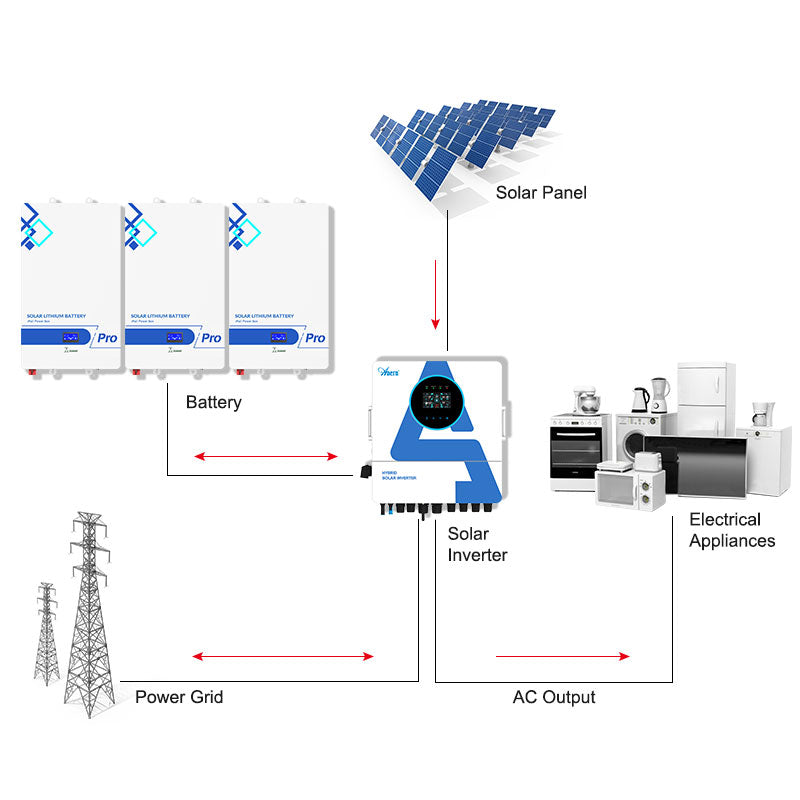
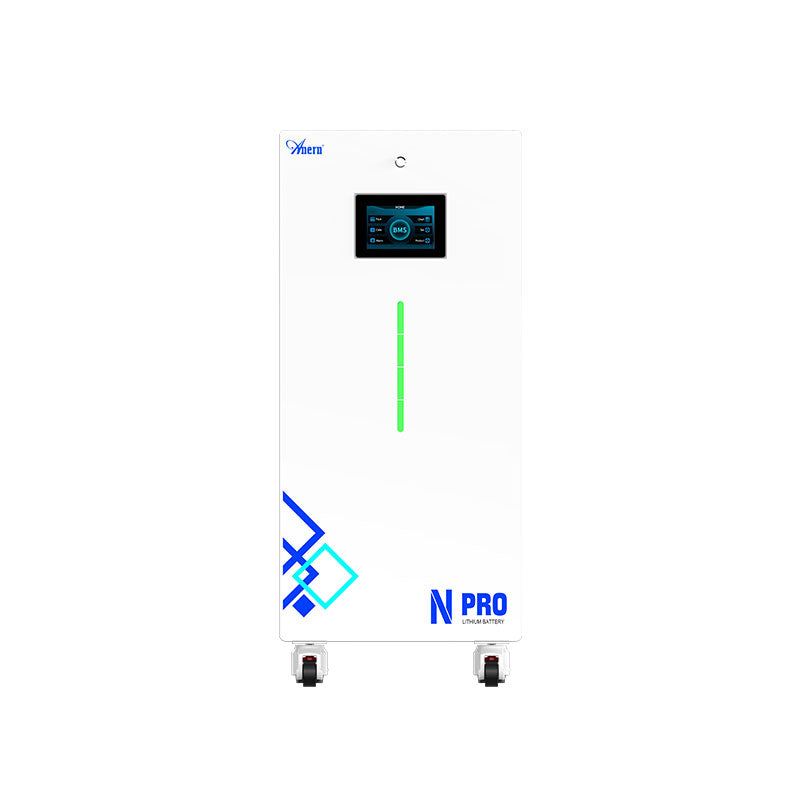
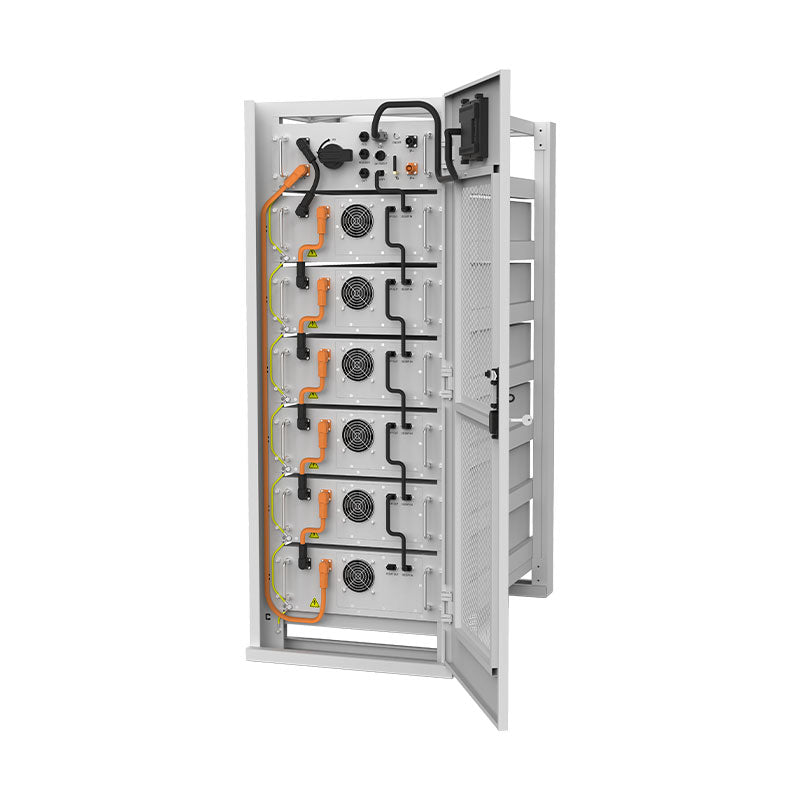
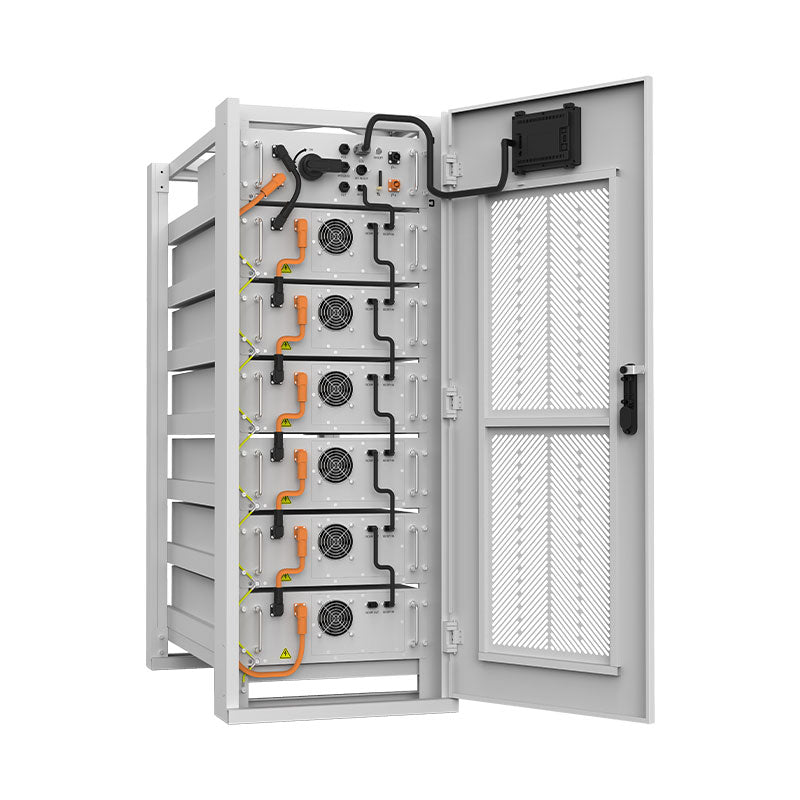
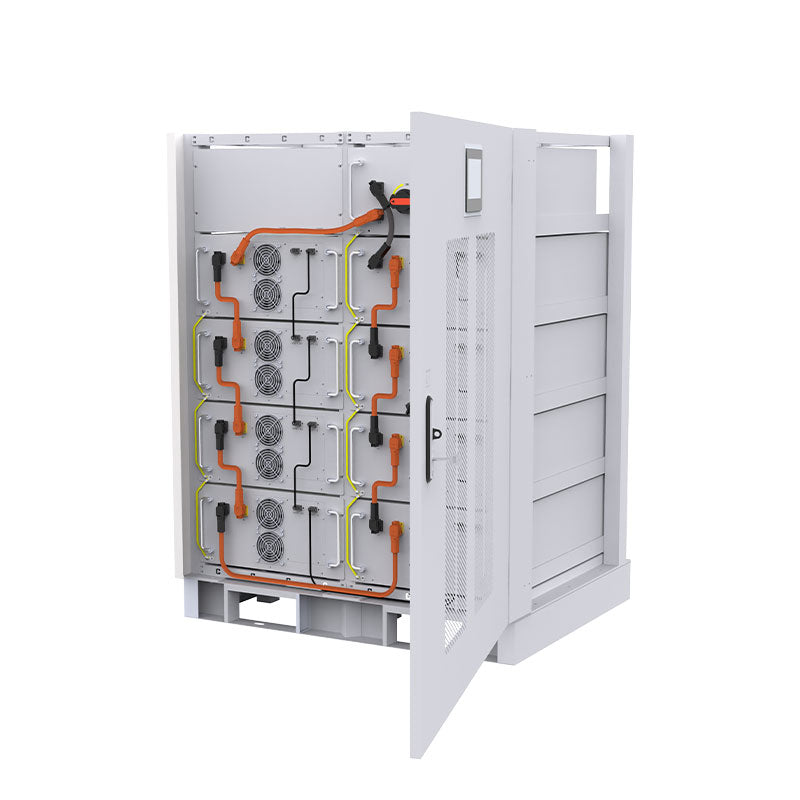
For a recent farm microgrid project, a structured BOM template was introduced. This template was developed based on years of experience in solar and energy storage, incorporating best practices for off-grid solutions. It pre-defined core components, including high-efficiency solar panels, robust LiFePO4 battery banks, and advanced hybrid inverters. The template also specified safety equipment, cabling, mounting structures, and monitoring systems.
The implementation involved:
- Pre-vetted Component List: Standardizing on reliable, high-performance components.
- Optimized Sizing: Using pre-calculated sizing guidelines for solar arrays and battery capacity based on typical farm energy profiles.
- Supplier Consolidation: Identifying a smaller number of trusted suppliers for major components, enabling better pricing and simplified logistics.
- Clear Documentation: Providing detailed specifications for each item, reducing ambiguity and errors in ordering.
Quantifying the Savings: 18% Cost Reduction
The structured BOM template approach yielded significant financial benefits, resulting in an 18% reduction in the overall project cost compared to traditional methods. This saving was realized through a combination of direct and indirect efficiencies.
Direct Cost Savings
- Equipment Procurement: By standardizing components and consolidating suppliers, the project secured better pricing for solar panels, LiFePO4 batteries, and inverters. Bulk purchasing power led to an estimated 10-12% saving on hardware alone.
- Reduced Design Time: The pre-defined template drastically cut down the engineering hours required for system design, saving approximately 3-5% in labor costs.
- Minimized Installation Errors: Clear component specifications and compatibility ensured a smoother installation process, reducing rework and associated labor costs by an estimated 2-3%.
Indirect Benefits
Beyond direct financial savings, the use of a BOM template brought several indirect advantages:
- Faster Deployment: Streamlined procurement and reduced errors accelerated project completion, allowing the farm to benefit from reliable power sooner.
- Improved Reliability: Standardized, high-quality components contributed to a more stable and dependable microgrid system. According to the IRENA Electricity Storage Valuation Framework (2020), grid-forming inverter technologies linked to battery systems are proven technology at mini-grid level, with a decade-long track record of reliable operations. This supports the long-term performance of such systems.
- Easier Maintenance: With standardized parts, future maintenance and replacements become simpler and less expensive.
- Enhanced Scalability: The modular nature of systems designed with BOM templates makes future expansion more straightforward and cost-effective.
Key Components of an Effective Microgrid BOM
An effective BOM template for an off-grid farm microgrid meticulously lists and specifies critical components. Understanding these elements is crucial for building a resilient and cost-effective system.
Power Generation (Solar PV)
Solar photovoltaic (PV) panels form the backbone of renewable energy generation in off-grid microgrids. The BOM specifies panel type (e.g., monocrystalline), power output, voltage, and quantity. Focusing on high-efficiency panels maximizes energy harvest from available space. The IEA's Projected Costs of Generating Electricity 2020 report highlights the importance of understanding the sensitivity of the levelized cost of electricity (LCOE) to various drivers, underscoring the need for careful component selection to optimize long-term costs.
Energy Storage (LiFePO4 Batteries)
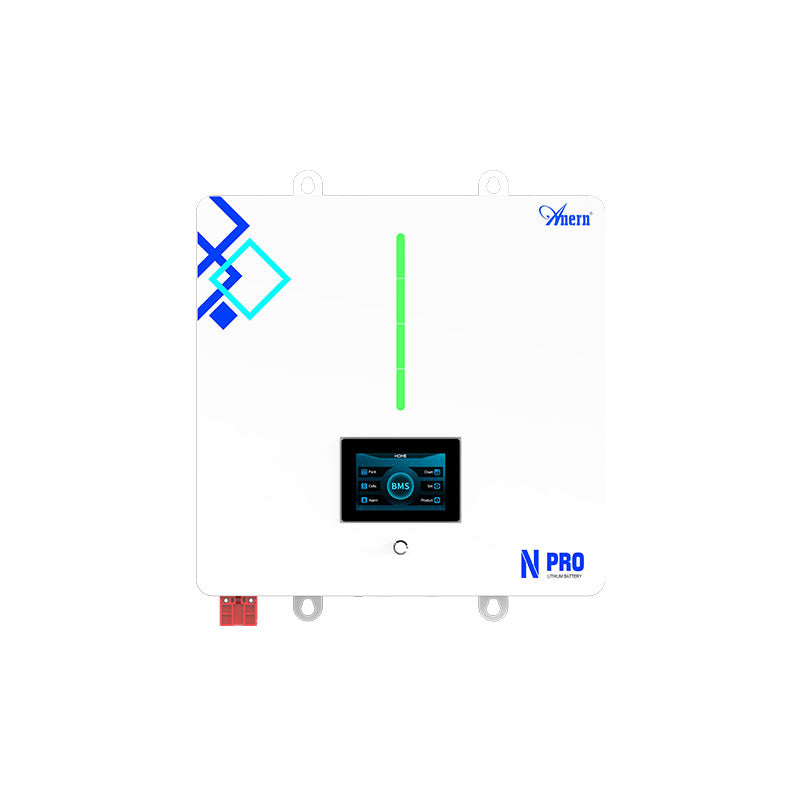
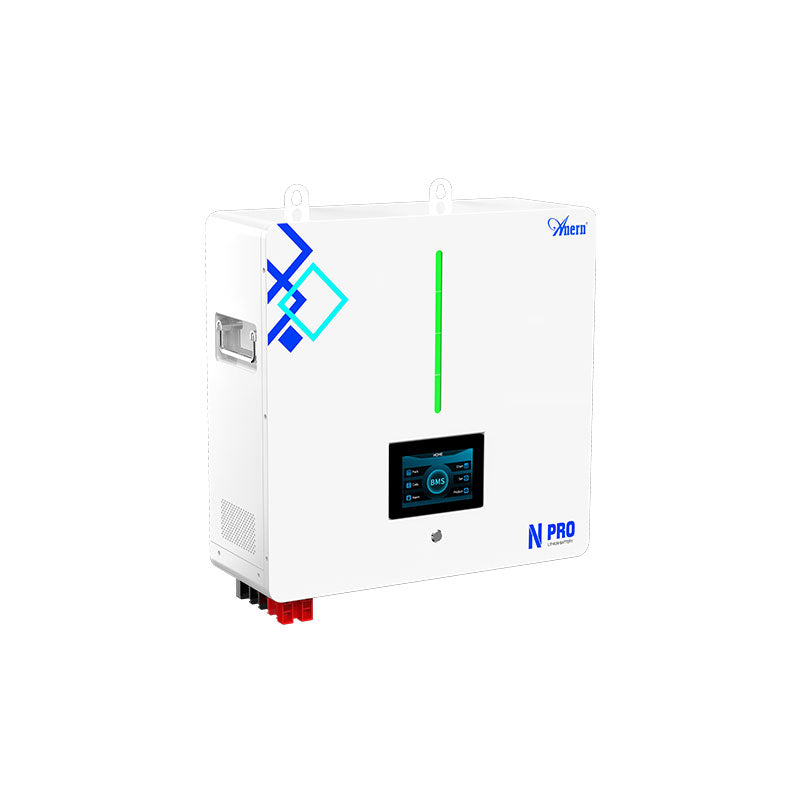
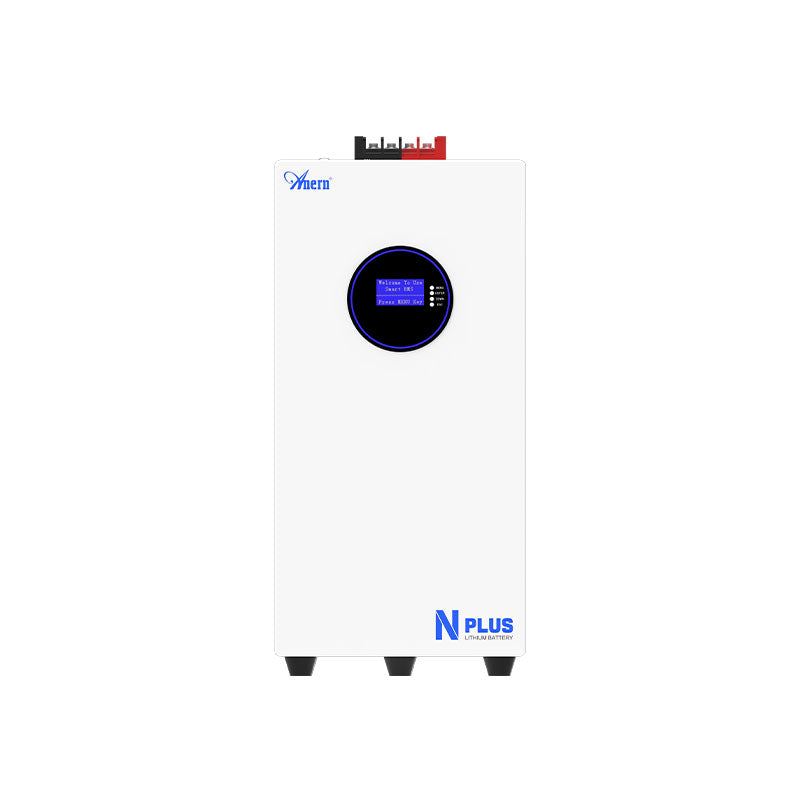
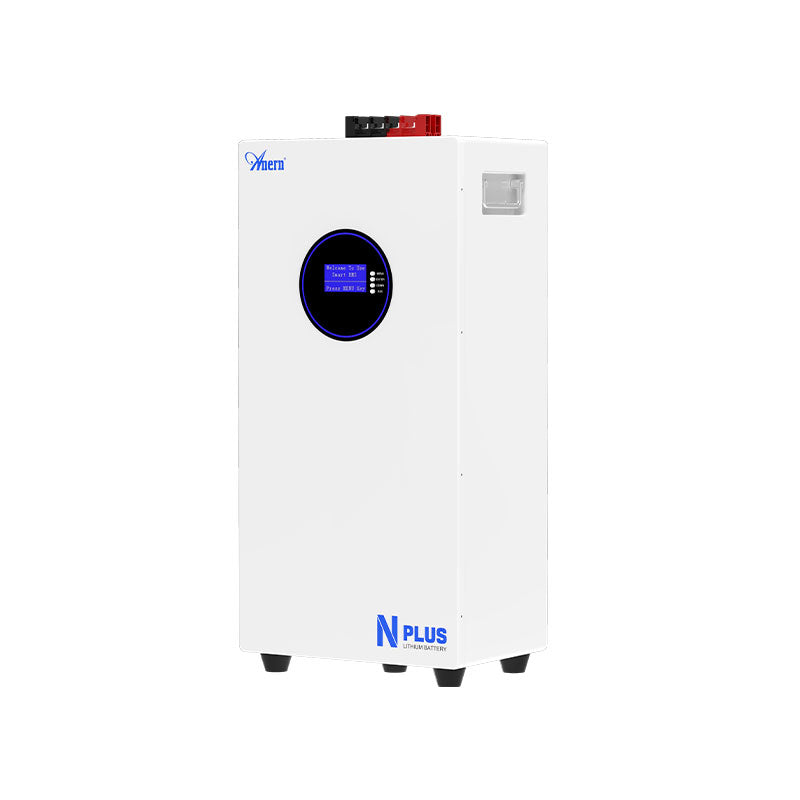
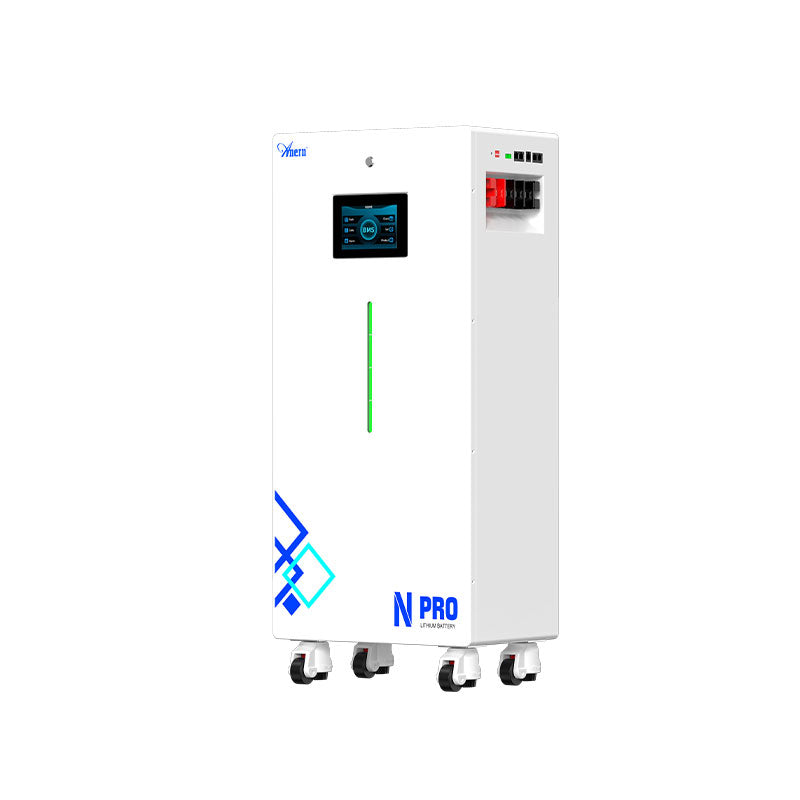
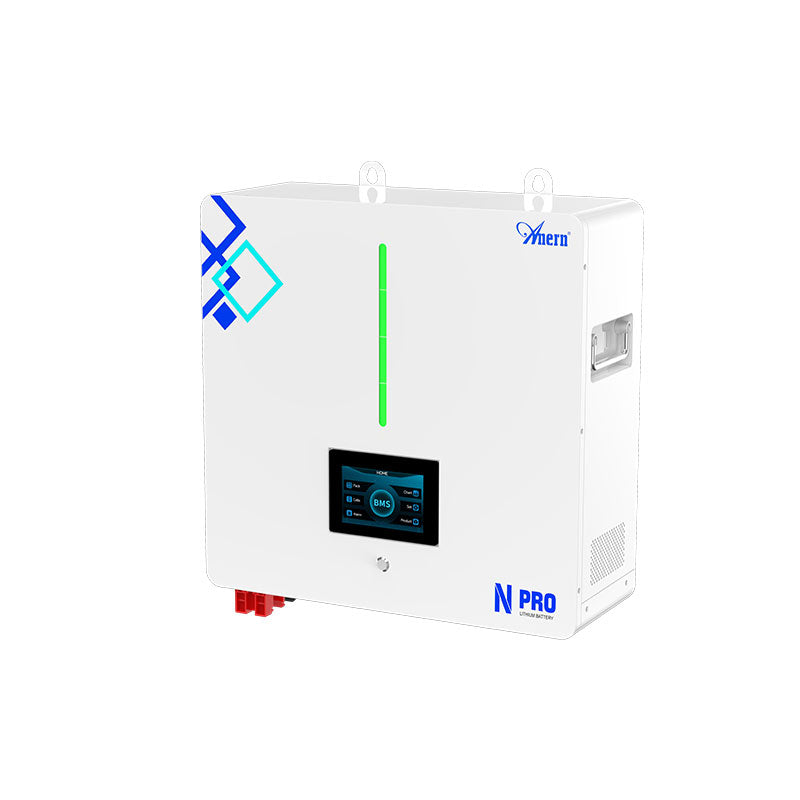
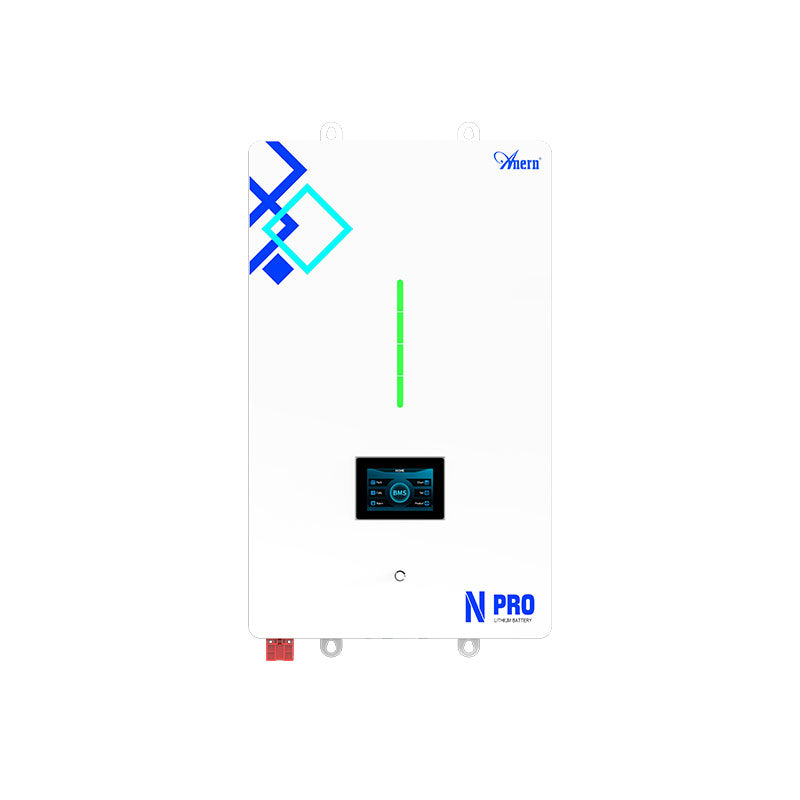
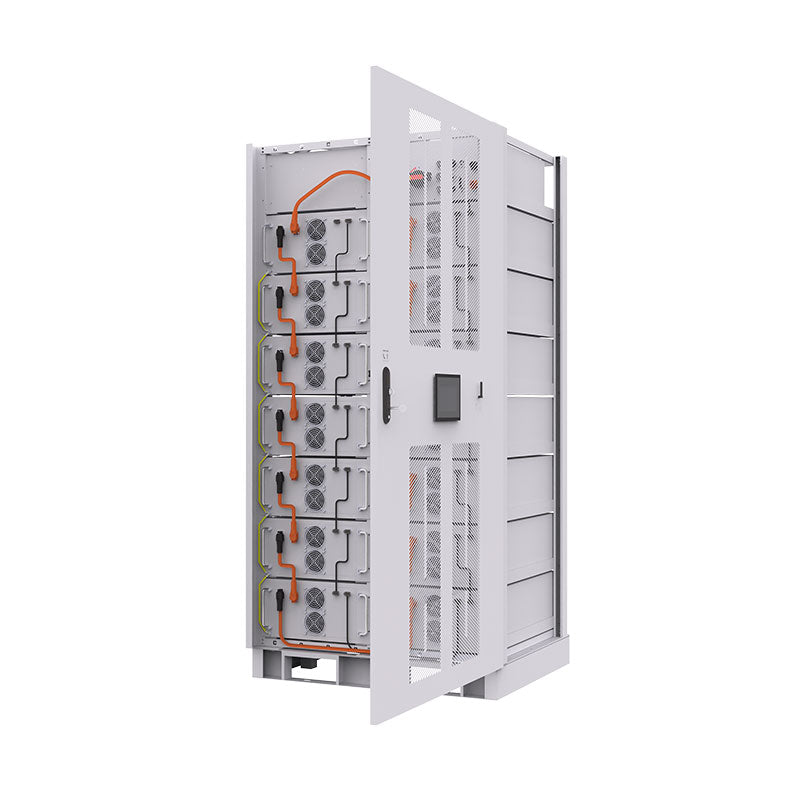
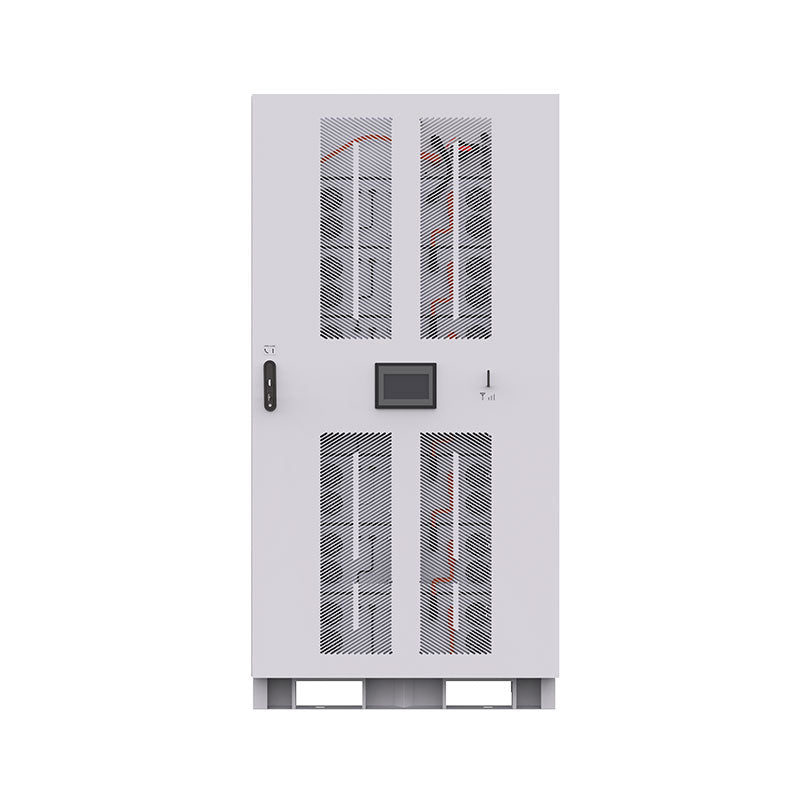
Energy storage is vital for ensuring continuous power supply when solar generation is low or absent. LiFePO4 batteries are an excellent choice due to their high performance, safety, and long cycle life. The BOM details battery capacity (Ah or kWh), voltage, and the number of modules required. These batteries offer superior safety compared to other lithium-ion chemistries, making them ideal for residential and farm applications. Our experience in lithium battery manufacturing focuses on delivering such reliable and scalable solutions.
Power Conversion and Management (Inverters, Controllers)
Hybrid inverters are central to off-grid microgrids, converting direct current (DC) from solar panels and batteries into usable alternating current (AC) for farm loads. They also manage charge and discharge cycles. The BOM specifies inverter type (e.g., hybrid, grid-forming), power rating (kW), and features like surge capacity and multiple tracking points. Charge controllers, often integrated into hybrid inverters, ensure optimal battery charging. The IEA's China Power System Transformation report (2019) notes that integrating various energy sources within a microgrid system helps improve overall energy efficiency and reduces the total cost of energy consumption.
Achieving Energy Independence with Optimized Solutions
The success of the farm microgrid case study demonstrates the tangible benefits of using structured BOM templates. By standardizing components, streamlining procurement, and reducing errors, farms can significantly lower their initial investment in off-grid energy systems. This approach not only makes renewable energy more accessible but also accelerates the transition towards complete energy independence. Our commitment lies in providing reliable and scalable energy solutions, empowering customers to achieve this independence through optimized system design and high-quality components.
Frequently Asked Questions
What is a Bill of Materials (BOM) template for a microgrid?
A BOM template for a microgrid is a pre-defined, comprehensive list of all components, materials, and sub-assemblies required to build a microgrid system. It includes specifications, quantities, and sometimes preferred suppliers for items like solar panels, batteries, inverters, cabling, and mounting hardware.
How does a BOM template reduce microgrid costs?
A BOM template reduces costs by standardizing component selection, which allows for bulk purchasing discounts and reduces compatibility issues. It also streamlines the procurement process, minimizes design errors, and accelerates installation, leading to savings in both material and labor costs.
Are LiFePO4 batteries suitable for farm microgrids?
Yes, LiFePO4 batteries are highly suitable for farm microgrids. They offer excellent safety features, a long cycle life, and high performance, making them a reliable and durable choice for off-grid energy storage in demanding agricultural environments.
What types of farms benefit most from off-grid microgrids?
Farms located in remote areas with unreliable grid access or those seeking complete energy autonomy benefit most. This includes farms with significant irrigation needs, livestock operations, or those running energy-intensive machinery, where consistent and independent power is crucial.
