












As an analyst evaluating residential PV+storage, I find that inverter control philosophy—not brand—determines resilience, cost, and interconnection friction. Two models dominate: grid-following (GFL), which injects current into an existing AC reference, and grid-forming (GFM), which establishes that reference. Below I address the questions homeowners and financiers ask most, adding quantitative checks I use in diligence.
Q1. What do “grid-following” and “grid-forming” actually do?
GFL behaves as a controlled current source: it synchronizes to utility voltage and frequency and modulates real/reactive current within grid codes. By design it ceases export on outages (anti-islanding). GFM behaves as a controlled voltage source: it creates a stable AC waveform, shares load with droop controls, and can black-start a local network. In weak-grid or outage scenarios, only GFM maintains service.
For system context, see high-level overviews from the U.S. DOE and market integration work at NREL. For interconnection baselines, utilities derive requirements from standards such as IEEE 1547-2018.
Q2. Which one backs up my home?
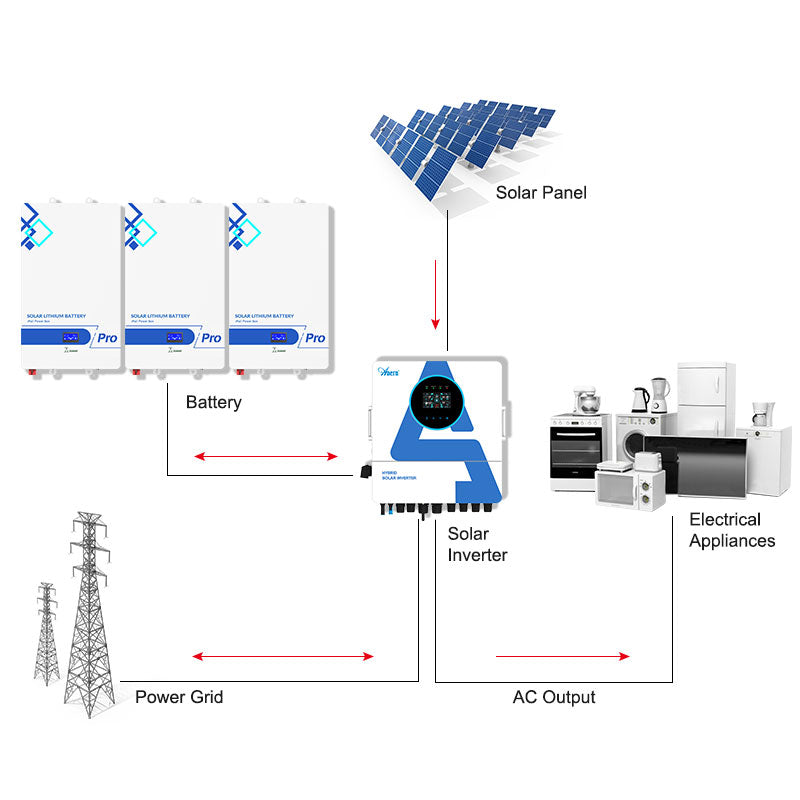
Standard GFL does not energize loads during a grid outage. To run backup circuits, you need a GFM-capable hybrid inverter or a dedicated battery inverter operating in island mode with transfer switching. My commissioning rule: no backup promise without a validated islanding test and a documented critical-loads panel design.
Q3. How do they compare for a home ESS?
| Feature | Grid-Following (GFL) | Grid-Forming (GFM) |
|---|---|---|
| Control primitive | Current source; PLL-based sync | Voltage source; droop/virtual inertia |
| Outage behavior | Shuts down (no backup) | Islands, can black-start |
| Weak-grid performance | Sensitive to low SCR | Stabilizes low SCR feeders |
| Complexity & cost | Lower | Higher (controls + protection) |
| Typical use | Pure bill-savings/net metering | Backup, microgrids, resilience |
| Reactive support | Yes (per code), no inertia | Yes + virtual inertia/damping |
Q4. What are realistic sizing checks?
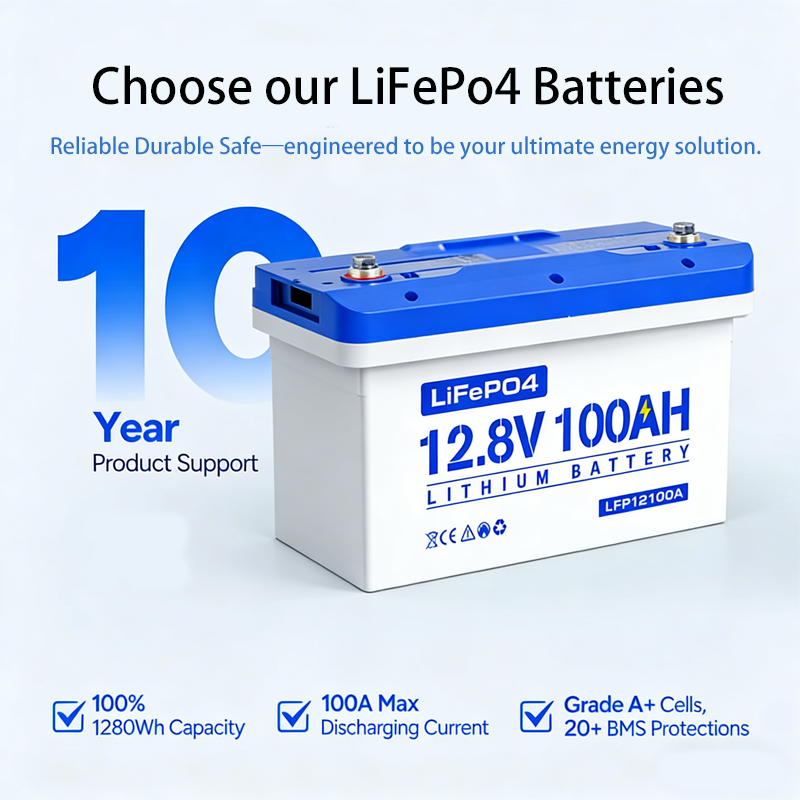
- Battery DC current for load P: I ≈ P / (Vbat × η). For 48 V and η ≈ 0.94, 6 kW requires ≈ 133 A. Ensure BMS continuous ≥ this value with ≥25% headroom.
- Surge envelope: Align inverter surge (2–3× for 2–10 s) with BMS surge and cable ampacity; the smallest envelope governs.
- PV string limits: Coldest-day VOC < inverter max input; hottest-day VMP within MPPT window.
Q5. What are the business implications?
In premium segments and outage-prone regions, GFM raises resilience value more than it raises CAPEX. In interconnection-constrained neighborhoods (low short-circuit ratio), GFM’s voltage control can smooth hosting-capacity limits. Where outages are rare and net metering is strong, GFL remains a cost-effective default.
Q6. What’s new here—any metrics to quantify “bankability” beyond kW/kWh?
- Resilience Value Index (RVI): (% annual outage hours covered × backed-up load kW) ÷ system CAPEX. Compare designs on delivered resilience per dollar.
- Inertia-Equivalence (IE, kVA·s): Apparent power × virtual inertia setting; target IE that maintains frequency nadir > 59.5 Hz for worst credible fault (site-specific).
- Current Headroom Index (CHI): (BMS Idis,max − required DC current at peak) / required DC current; design for CHI ≥ 0.25.
- Grid Services Readiness Score (GSRS): 0–5 scale across ride-through, volt/VAR, frequency-Watt, and islanding test results; a proxy for future tariff opportunities.
Q7. Are grid codes moving toward GFM?
International agencies note a trend toward specifying GFM functions in high-renewables systems; see IRENA’s grid-code analysis. Research programs have demonstrated multi-inverter black-start and microgrid stability; see DOE microgrid case material (DOE article). Policy adoption remains region-specific.
Q8. A minimal home spec I would sign off on?
- GFM-capable hybrid inverter sized to continuous load + motor starts; verified islanding test at site.
- Battery sized: daily kWh × autonomy ÷ usable DoD; LiFePO₄ charge inhibit < 0 °C unless heated.
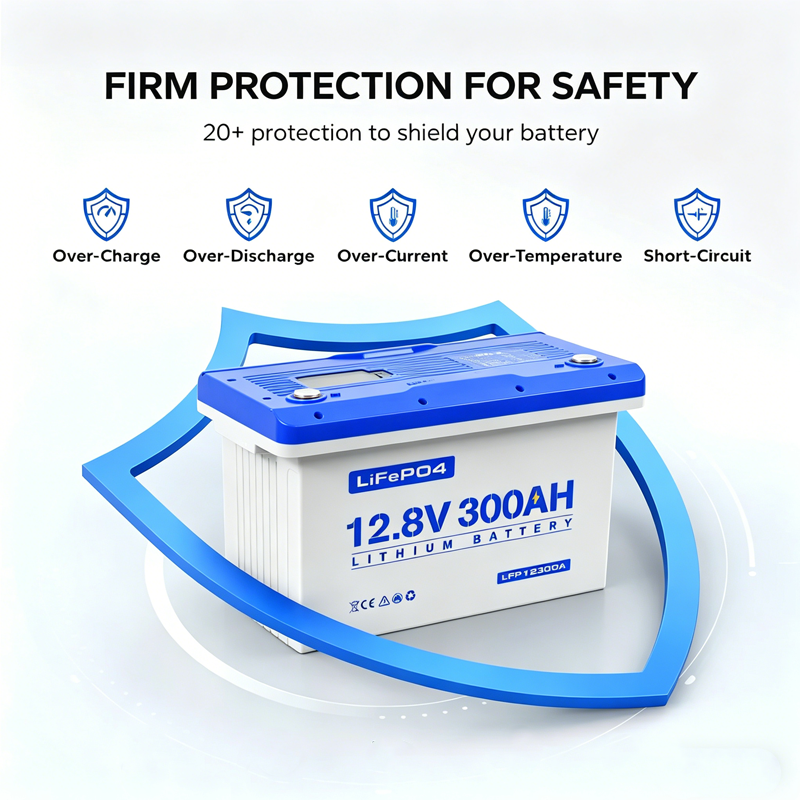
- Protection: DC fuses/breakers near battery and PV inputs; manual disconnects; event logging enabled.
- Telemetry contract: publish SoC/SoH/I-limits at ≥1 Hz during islanded operation; store fault history.
Takeaways
If your priority is bill savings on a robust feeder, GFL is adequate. If you price outage risk, host sensitive loads, or face weak-grid conditions, specify GFM and treat control as the product. Quantify resilience with RVI, ensure CHI ≥ 0.25, and document an islanding test before commissioning.
Further reading: DOE Solar Energy, NREL Grid Integration, IRENA Grid Codes, IEEE 1547-2018. This is technical commentary, not legal or design approval; follow local codes and engage qualified professionals.
