


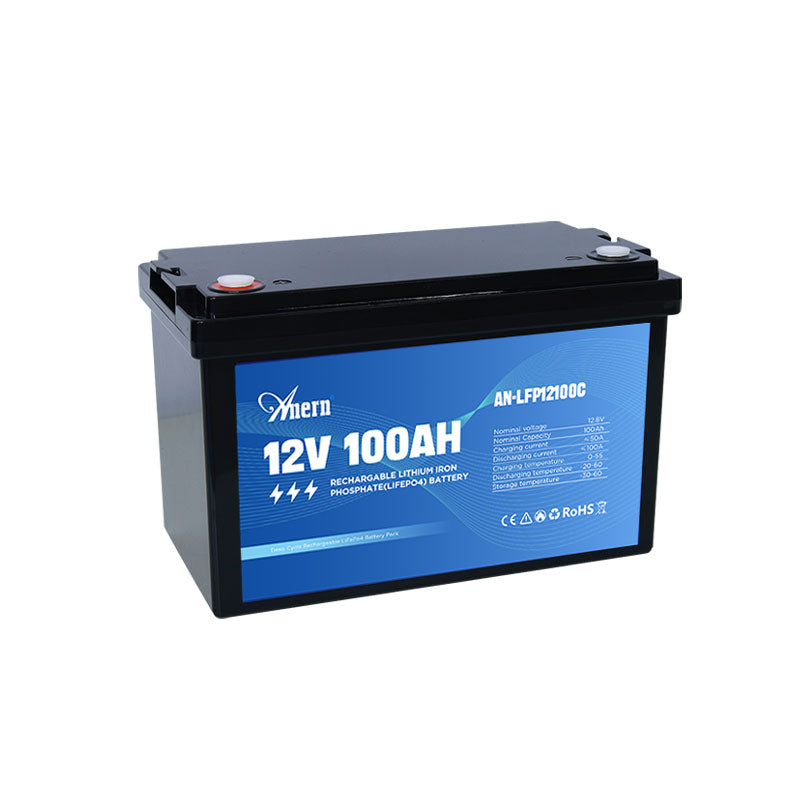
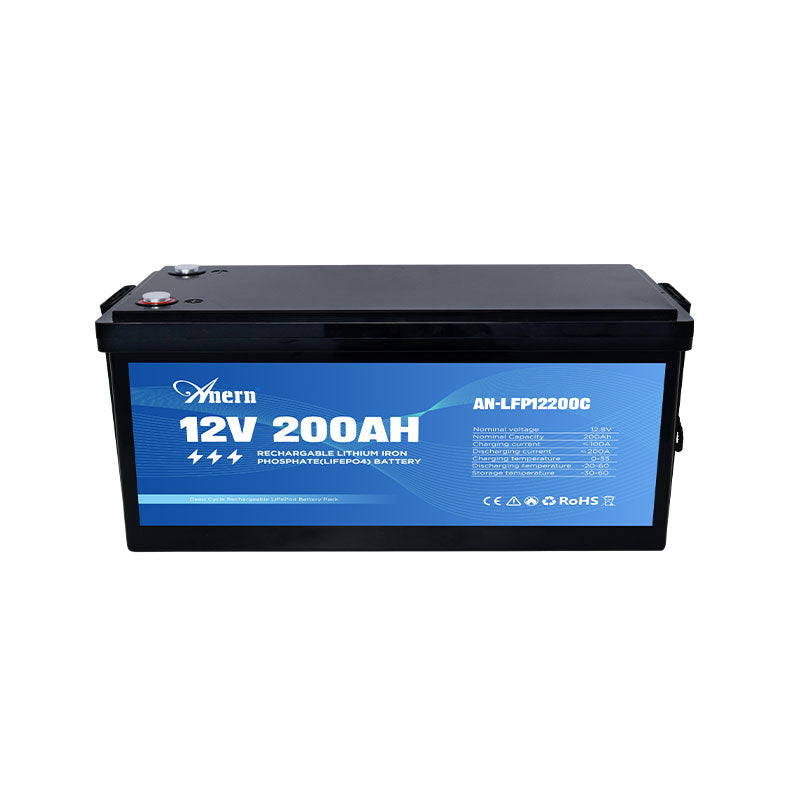
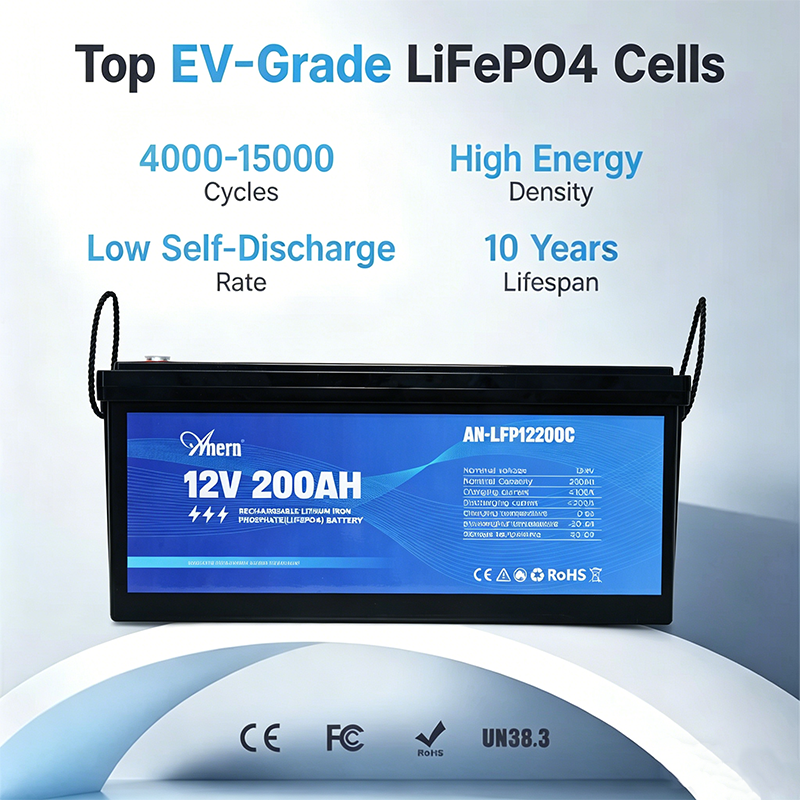

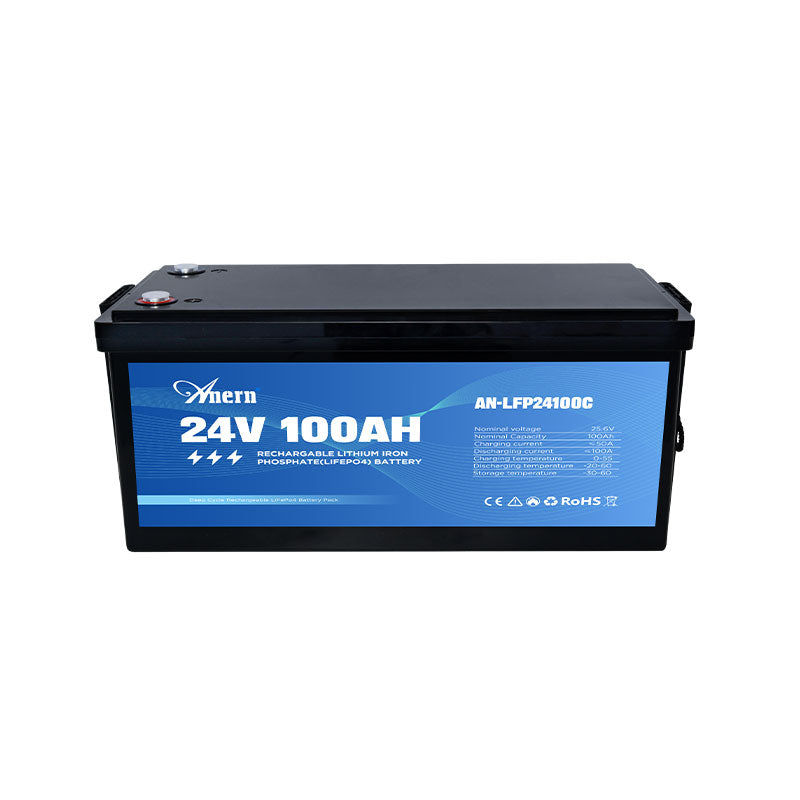
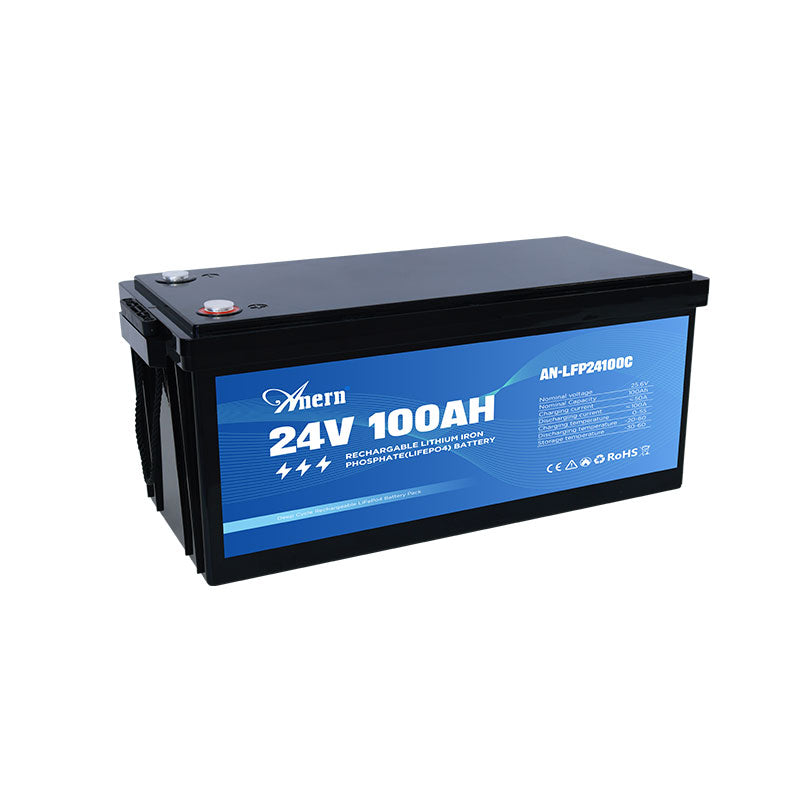

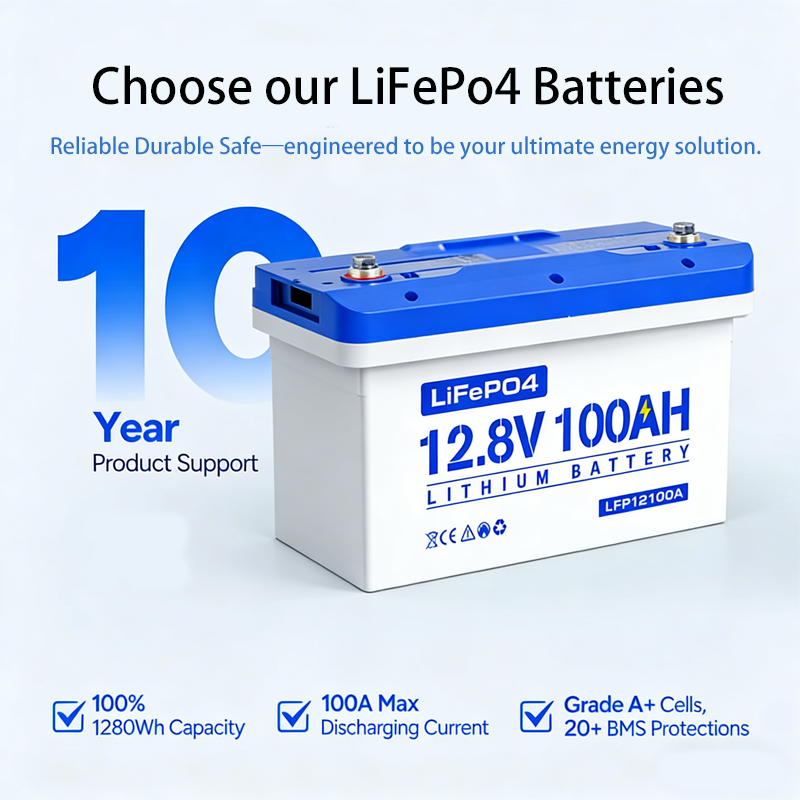

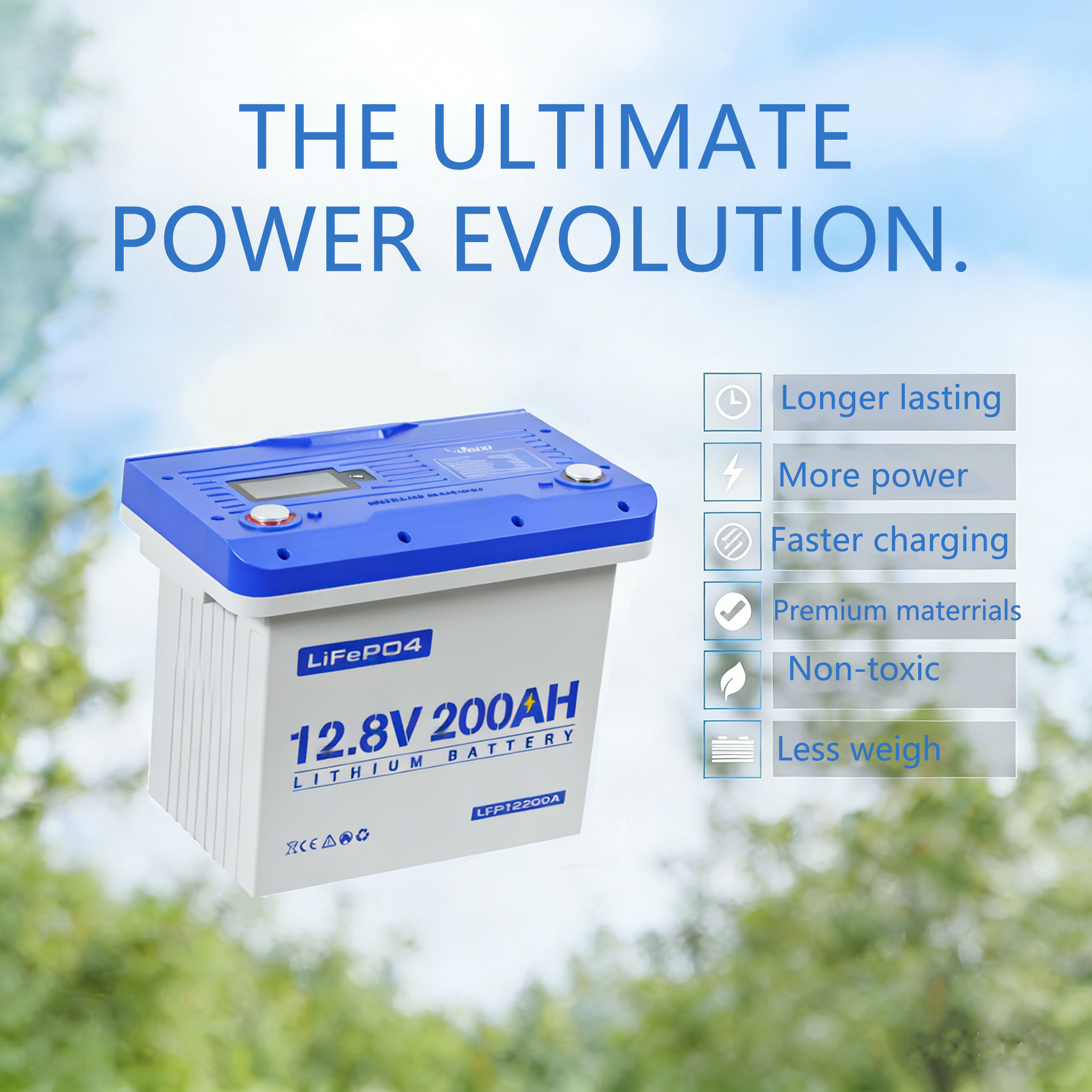







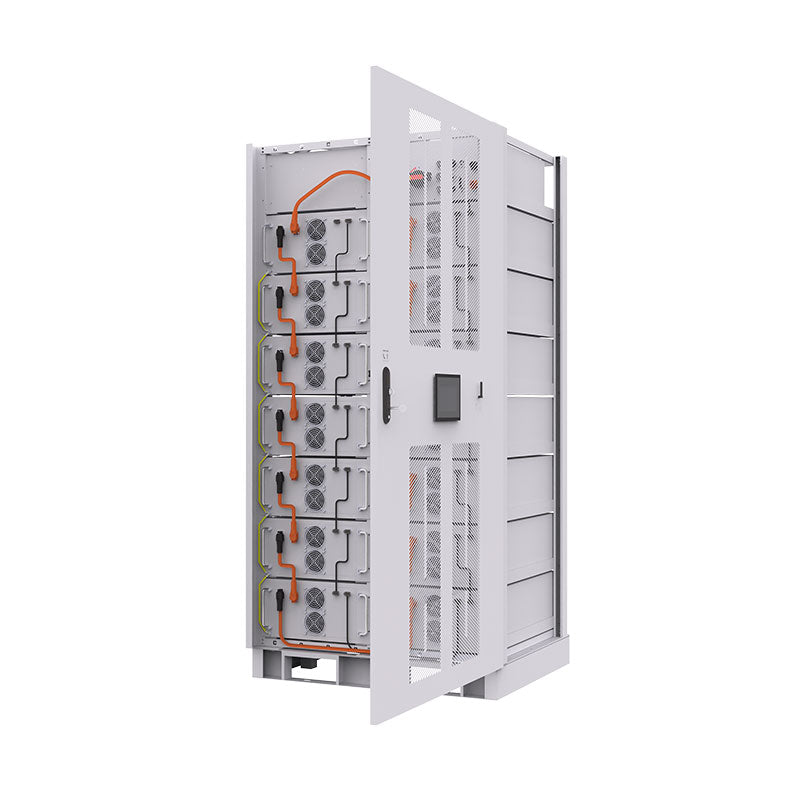
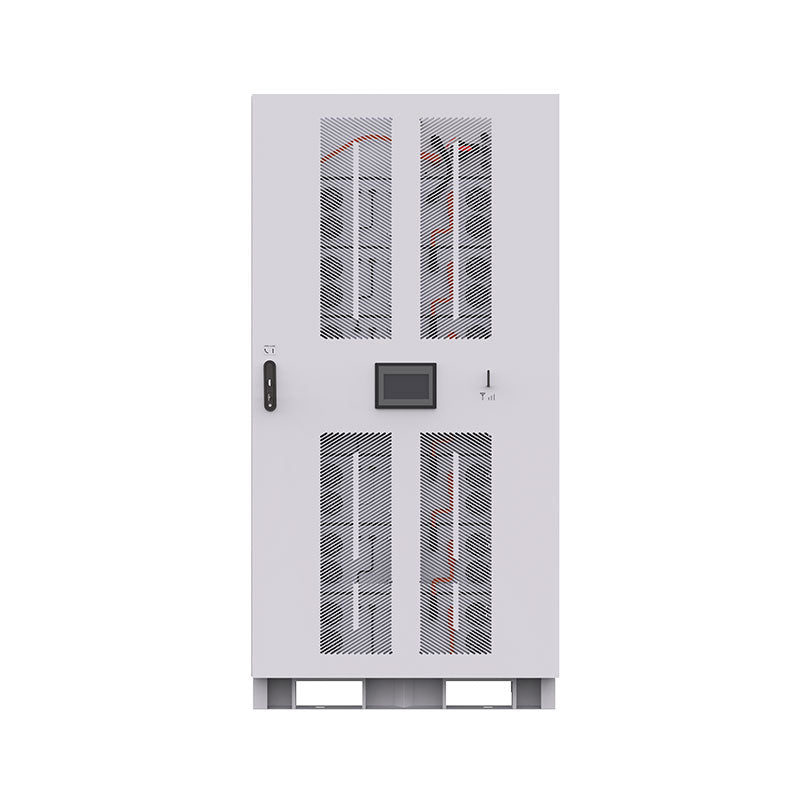


Winter brings unique challenges for off-grid energy systems, and LiFePO4 batteries often face scrutiny about their cold-weather performance. Misconceptions about lithium iron phosphate battery cold performance have led many to question whether these systems can reliably handle deep winter loads. The reality is more nuanced than the myths suggest.

Common Myths About LiFePO4 Winter Performance
Several persistent myths surround LiFePO4 cold weather performance that deserve examination against real-world data and scientific evidence.
Myth 1: LiFePO4 Batteries Stop Working in Cold Weather
This oversimplification ignores the actual performance characteristics. LiFePO4 batteries don't simply "stop working" in cold conditions. Instead, they experience reduced capacity and slower charging rates. At -20°C (4°F), typical LiFePO4 cells retain approximately 70-80% of their rated capacity, while lead-acid batteries may drop to 50% or lower under similar conditions.
Myth 2: Cold Permanently Damages LiFePO4 Cells
Cold temperatures don't cause permanent damage to LiFePO4 batteries when properly managed. The capacity reduction is largely reversible once temperatures return to normal operating ranges. However, charging at extremely low temperatures can cause lithium plating, which does create permanent damage.
Myth 3: Sodium-Ion Batteries Always Outperform LiFePO4 in Cold
According to The State of Energy Innovation, sodium-ion batteries "could become an affordable option for cold climates, where LFP typically performs less well." While sodium-ion technology shows promise for cold applications, current commercial LiFePO4 systems with proper thermal management often deliver superior overall performance in real-world winter conditions.
The Science Behind LiFePO4 Cold Weather Performance
Understanding the electrochemical processes reveals why LiFePO4 batteries behave differently in cold conditions and how to optimize their performance.
Temperature-Dependent Capacity Curves
LiFePO4 battery capacity follows predictable temperature-dependent patterns. Laboratory testing shows capacity retention rates across temperature ranges:
| Temperature | Capacity Retention | Discharge Rate Impact |
|---|---|---|
| 20°C (68°F) | 100% | Baseline |
| 0°C (32°F) | 85-90% | Moderate reduction |
| -10°C (14°F) | 75-85% | Noticeable reduction |
| -20°C (-4°F) | 70-80% | Significant reduction |
| -30°C (-22°F) | 60-70% | Substantial reduction |
Internal Resistance and Power Delivery
Cold temperatures increase internal resistance, affecting power delivery capability. This impacts high-draw appliances more than steady, moderate loads. Understanding this relationship helps in proper system sizing and load management strategies.
Thermal Management Solutions for Deep Winter Reliability
Effective thermal management transforms LiFePO4 winter performance from adequate to excellent. Modern systems employ multiple strategies to maintain optimal operating temperatures.
Active Heating Systems
Battery heaters consume energy but provide significant performance benefits. A well-designed heating system typically uses 2-5% of total system capacity to maintain batteries above 0°C, resulting in 15-20% capacity gains compared to unheated systems in sub-freezing conditions.
Insulation and Thermal Mass
Proper insulation reduces heating energy requirements by 40-60%. Combining insulation with thermal mass (such as water containers or concrete blocks) creates temperature stability that extends well beyond heating cycles.
Smart Temperature Control
Advanced battery management systems monitor cell temperatures and adjust charging/discharging parameters accordingly. These systems prevent damage from low-temperature charging while maximizing available capacity during discharge cycles.
Real-World Winter Load Analysis
Actual winter energy demands often differ significantly from summer patterns, requiring careful analysis for proper system design.
Heating Load Calculations
Winter heating loads can increase total energy consumption by 200-400% compared to summer baselines. Renewable Energy for Industry research shows that heat pumps maintain seasonal performance factors greater than 1 even in cold conditions, making them efficient options for electric heating when properly sized.
Reduced Solar Production Impact
Winter solar production decreases due to shorter days, lower sun angles, and weather conditions. This creates a compound challenge: higher energy demands coinciding with reduced renewable generation. Proper system design must account for this seasonal mismatch.
Load Prioritization Strategies
Successful winter systems implement intelligent load prioritization. Critical loads (lighting, refrigeration, communication) receive priority, while discretionary loads (water heating, electric vehicle charging) operate during optimal generation periods.
Sizing Strategies for Winter Reliability
Proper sizing accounts for both reduced battery performance and increased energy demands during winter months.
Temperature-Compensated Capacity Planning
Effective sizing multiplies base capacity requirements by temperature-dependent factors. For systems regularly experiencing -10°C conditions, planning for 20-25% additional battery capacity ensures adequate reserves during cold periods.
Hybrid System Benefits
Combining LiFePO4 batteries with backup generators or alternative energy sources provides winter resilience. Innovation outlook: Thermal energy storage research indicates that thermal energy storage can "enable winter heating demands to be met through thermal energy stored from sunny summer days," suggesting integrated approaches for seasonal energy management.
Economic Considerations
While larger battery banks increase upfront costs, they often prove economical compared to generator fuel costs and maintenance over system lifetimes. Proper economic analysis should include fuel costs, maintenance schedules, and reliability benefits.
Practical Implementation Guidelines
Successfully deploying LiFePO4 systems for winter reliability requires attention to installation details and ongoing management practices.
Installation Best Practices
Battery placement in conditioned spaces or insulated enclosures dramatically improves winter performance. Even unheated basements typically maintain temperatures 10-15°C warmer than outdoor conditions, significantly improving battery capacity retention.
Monitoring and Maintenance
Winter systems require enhanced monitoring of cell temperatures, state of charge, and heating system performance. Regular maintenance checks ensure thermal management systems operate effectively throughout cold periods.
Emergency Preparedness
Backup plans for extreme weather events should include generator integration, load shedding protocols, and emergency heating alternatives. These preparations ensure system resilience during unprecedented conditions.
Making Informed Decisions for Winter Energy Independence
LiFePO4 batteries can absolutely handle deep winter loads when properly designed, sized, and managed. The key lies in understanding their actual performance characteristics rather than relying on myths or oversimplifications.
Success requires realistic capacity planning, effective thermal management, and intelligent system design. While cold weather does impact performance, modern LiFePO4 systems with proper engineering consistently outperform traditional alternatives in winter conditions.
The evidence shows that well-designed LiFePO4 systems provide reliable winter energy storage, contradicting common misconceptions. By focusing on proven thermal management strategies and realistic sizing approaches, these systems deliver dependable performance throughout the coldest months.
