








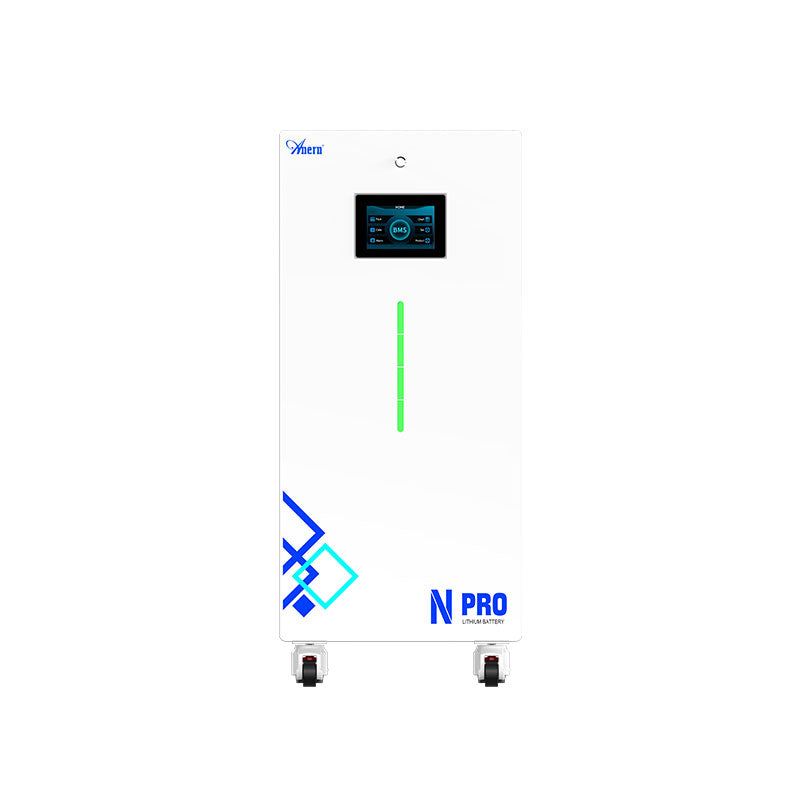


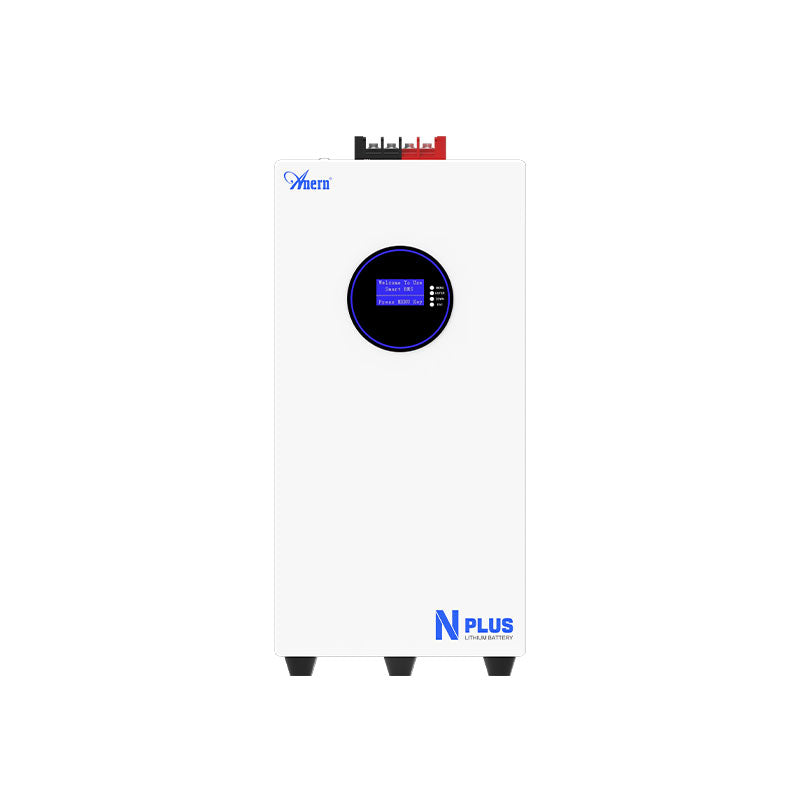
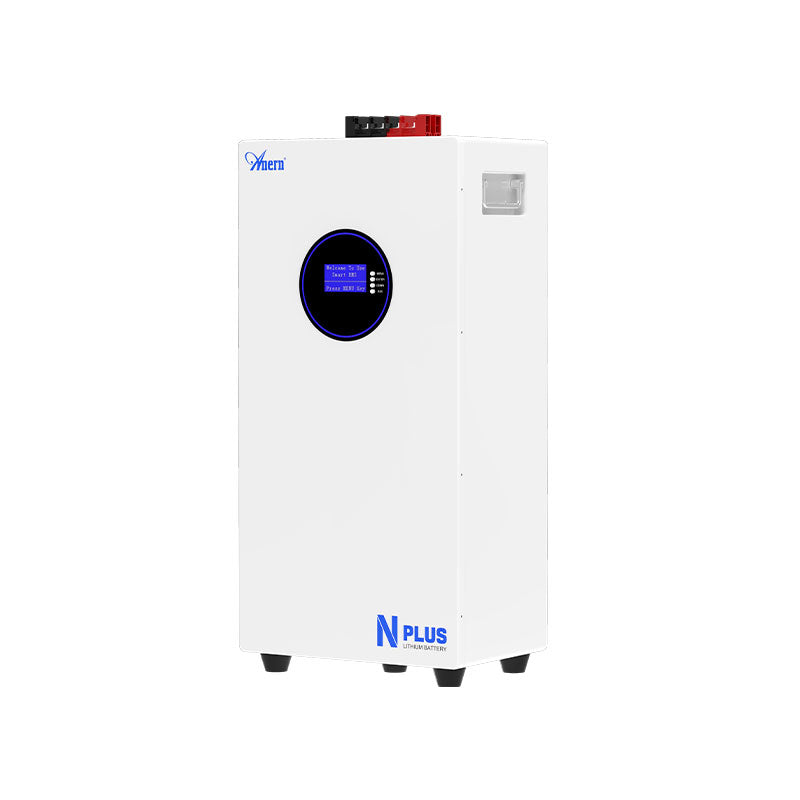




Selecting the right components for your off-grid system can make the difference between energy independence and costly failures. After years of designing remote power systems, I've witnessed too many installations fail because owners focused on individual components rather than system integration. This blueprint provides proven strategies for choosing inverters, controllers, and panels that work together seamlessly.

Foundation principles for 2025 component selection
The off-grid landscape has evolved significantly. Modern systems require a systems-thinking approach where each component complements the others. Your selection process should start with three fundamental considerations: load requirements, environmental conditions, and expansion potential.
Load analysis forms the cornerstone of effective component selection. Calculate both continuous and surge loads, accounting for seasonal variations. A typical cabin might need 3kW continuous power but require 8kW surge capacity for well pumps and appliances. This distinction drives every subsequent component choice.
Environmental factors significantly impact component performance. Temperature coefficients, humidity ratings, and altitude considerations affect efficiency more than many realize. Solar panels lose approximately 0.4% efficiency per degree Celsius above 25°C, while battery capacity can drop 20% at -10°C.
System voltage architecture decisions
Voltage selection impacts every component in your system. The trend toward higher voltages continues in 2025, with 48V systems becoming standard for residential applications and 120V gaining traction for larger installations.
Higher voltages reduce current flow, minimizing wire losses and allowing smaller conductors. A 48V system carries the same power as a 12V system with one-quarter the current, reducing resistive losses by 75%. This translates to better efficiency and lower installation costs.
Consider future expansion when selecting system voltage. Starting with 48V provides more headroom for adding panels and batteries without complete system redesign. Many installers still default to 24V for smaller systems, but 48V components have achieved price parity while offering superior performance.
Inverter selection strategies that work
Inverter topology choice significantly impacts system reliability and efficiency. Pure sine wave inverters remain essential for sensitive electronics, but the quality gap between premium and budget units has narrowed considerably in 2025.
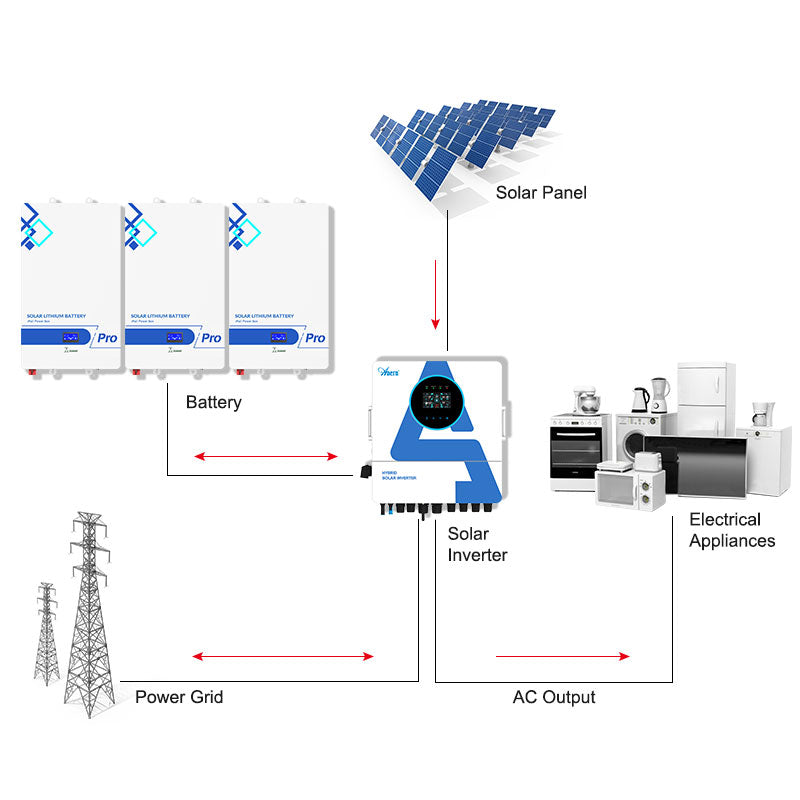
Hybrid inverters continue gaining market share, combining solar charge control, battery management, and AC conversion in single units. These integrated solutions simplify installation and reduce potential failure points, though they can create single points of failure if not properly designed.
Surge capacity considerations
Surge ratings matter more than continuous ratings for many applications. Motor starting loads can exceed nameplate ratings by 300-800%. A 1HP well pump rated at 746W might draw 4000W during startup. Size your inverter for actual surge requirements, not just continuous loads.
Look for inverters with at least 200% surge capacity for 10 seconds. Premium units offer 300% surge capability, providing margin for unexpected loads. This extra capacity prevents nuisance shutdowns and extends inverter lifespan by reducing stress.
Efficiency across load ranges
Modern inverters achieve peak efficiency around 50-70% of rated capacity. However, off-grid systems often operate at lower loads, making light-load efficiency crucial. Quality inverters maintain 90%+ efficiency down to 10% load, while budget units may drop to 70% efficiency at light loads.
Consider inverters with multiple operating modes. Sleep mode reduces standby consumption to under 10W, while search mode periodically checks for loads. These features can save significant energy in systems with intermittent loads.
Charge controller optimization techniques
MPPT charge controllers have become the standard for systems over 400W, delivering 25-30% higher efficiency than PWM controllers. However, proper sizing and configuration remain critical for optimal performance.
Size your MPPT controller based on both current and voltage limits. Solar array current should not exceed 80% of controller rating, providing margin for unexpected irradiance conditions. Voltage limits must accommodate temperature variations - panels can exceed nominal voltage by 25% in cold conditions.
String configuration for maximum efficiency
String voltage should fall within the MPPT controller's optimal operating range. Most controllers track most efficiently between 150-450V input. Configure strings to operate in this range under standard test conditions, accounting for temperature variations.
Multiple MPPT inputs allow optimization for different orientations or panel types. East-west facing arrays benefit from separate tracking, as do mixed panel technologies. This flexibility justifies the premium for multi-input controllers in complex installations.
| Controller Type | Efficiency Range | Voltage Range | Best Application |
|---|---|---|---|
| PWM | 75-80% | 12-48V | Small systems under 400W |
| MPPT | 95-98% | 12-600V | Most off-grid applications |
| Multi-MPPT | 96-98% | 12-600V | Complex arrays, mixed orientations |
Solar panel selection for off-grid reliability
Panel selection involves balancing efficiency, durability, and cost. Monocrystalline panels dominate off-grid applications due to superior efficiency and space constraints. However, polycrystalline panels still offer value in cost-sensitive applications with adequate space.
Temperature coefficients significantly impact off-grid performance. Panels with coefficients better than -0.35%/°C maintain higher output in hot climates. This characteristic becomes crucial in desert installations where panel temperatures can exceed 70°C.
Sizing for seasonal variations
Size your array for worst-case solar conditions, typically December for northern hemisphere installations. Use local irradiance data rather than generic values. A location might receive 6 kWh/m²/day in summer but only 2 kWh/m²/day in winter.
Consider panel degradation in long-term planning. Quality panels degrade less than 0.5% annually, but budget panels may degrade faster. Factor 20-year degradation into initial sizing calculations to maintain adequate generation throughout system life.
Integration with energy storage
Panel-to-battery ratios significantly impact system performance. A 2:1 ratio (panel watts to battery amp-hours) provides good balance for most applications. Higher ratios improve winter performance but may cause overcharging in summer without proper load management.
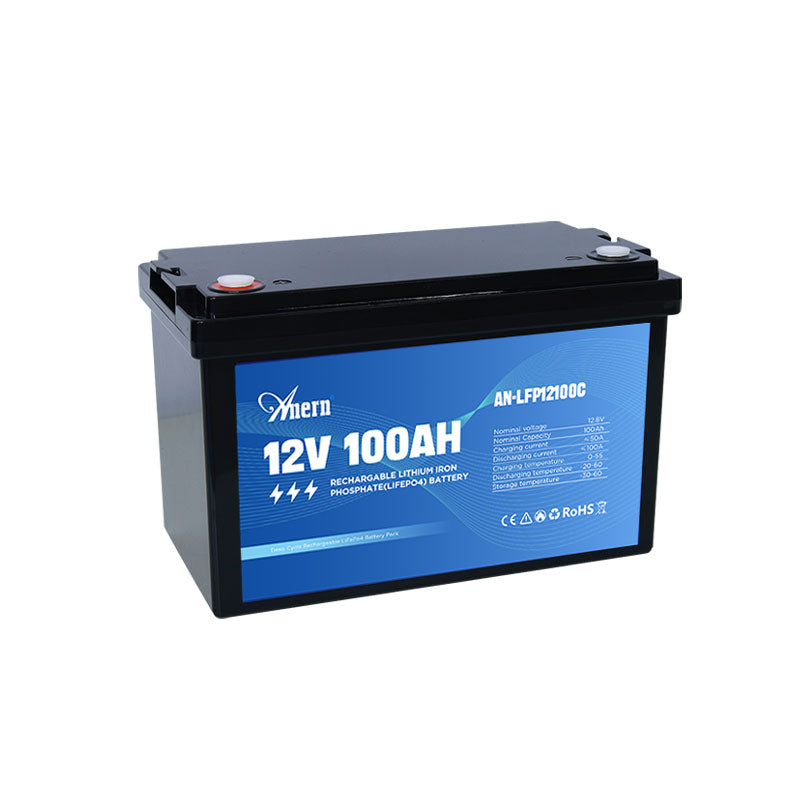
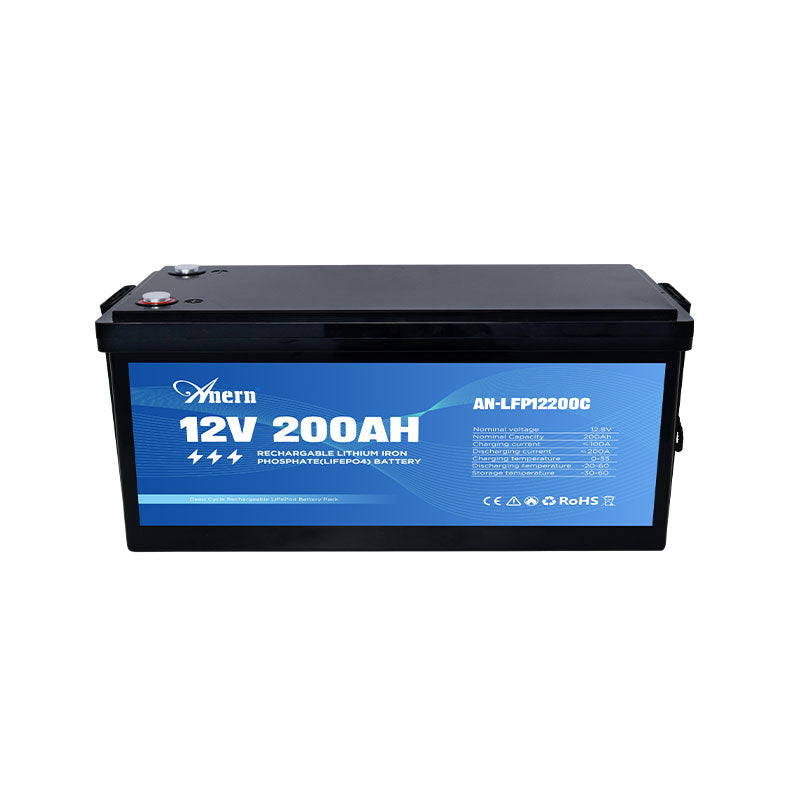
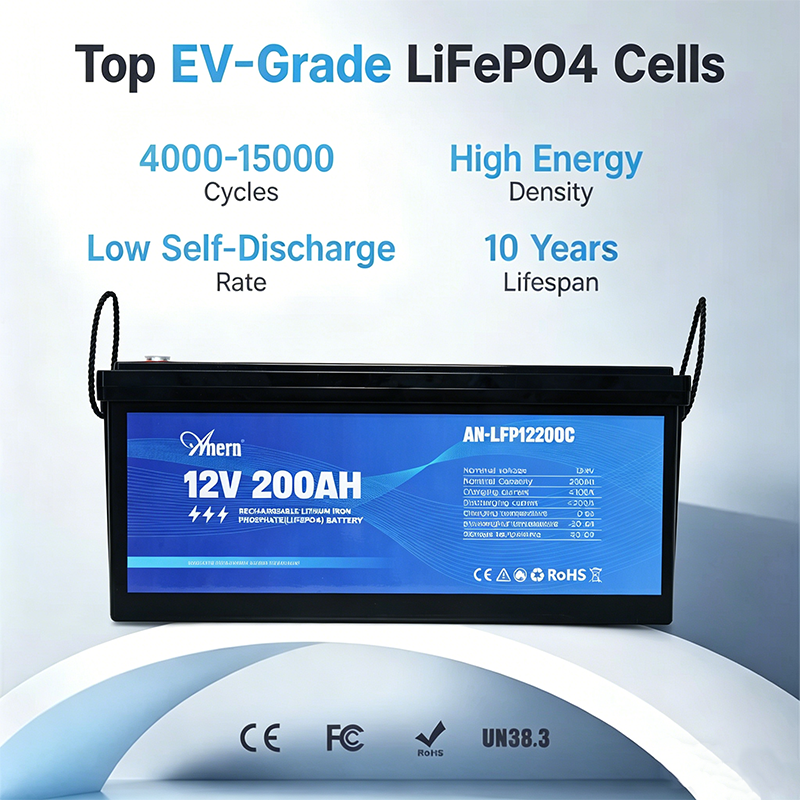
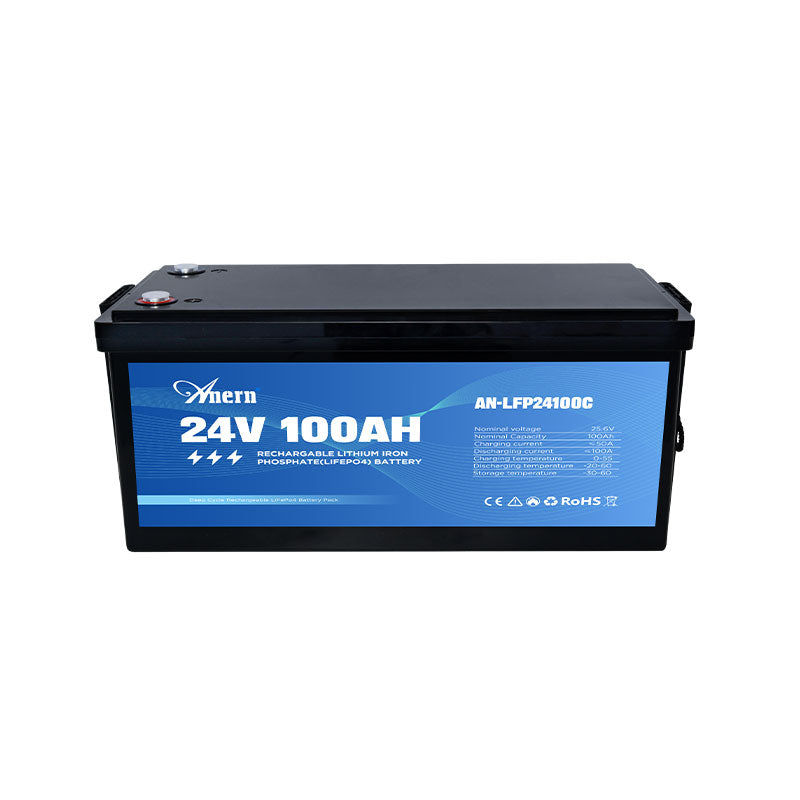
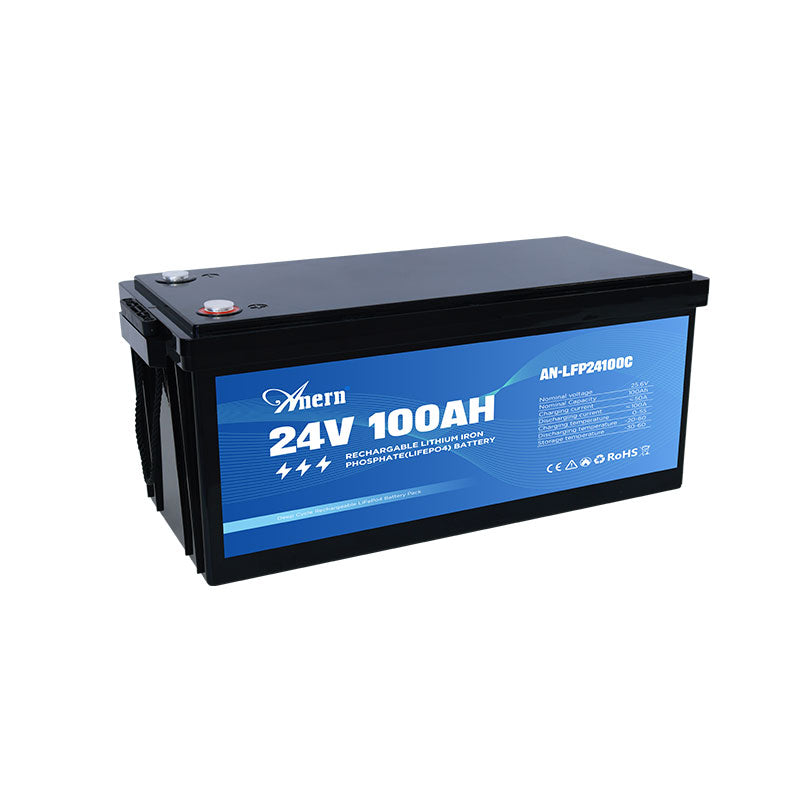
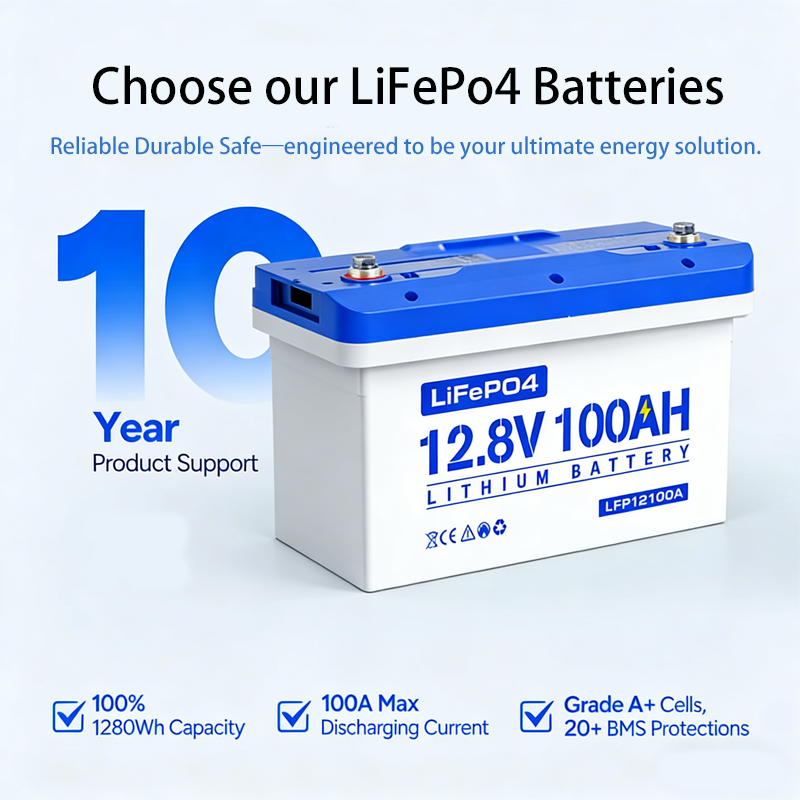
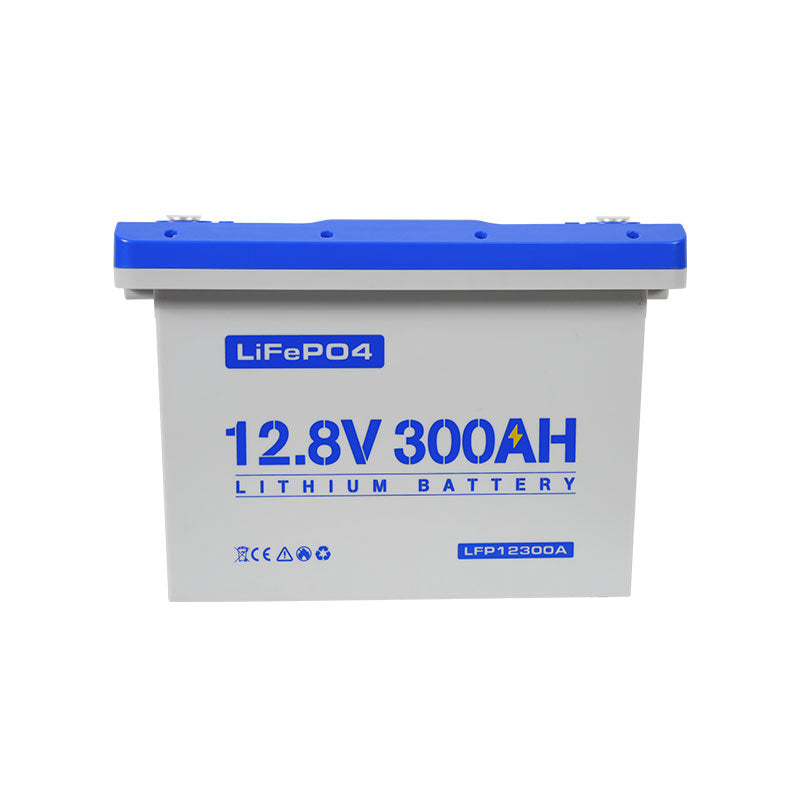
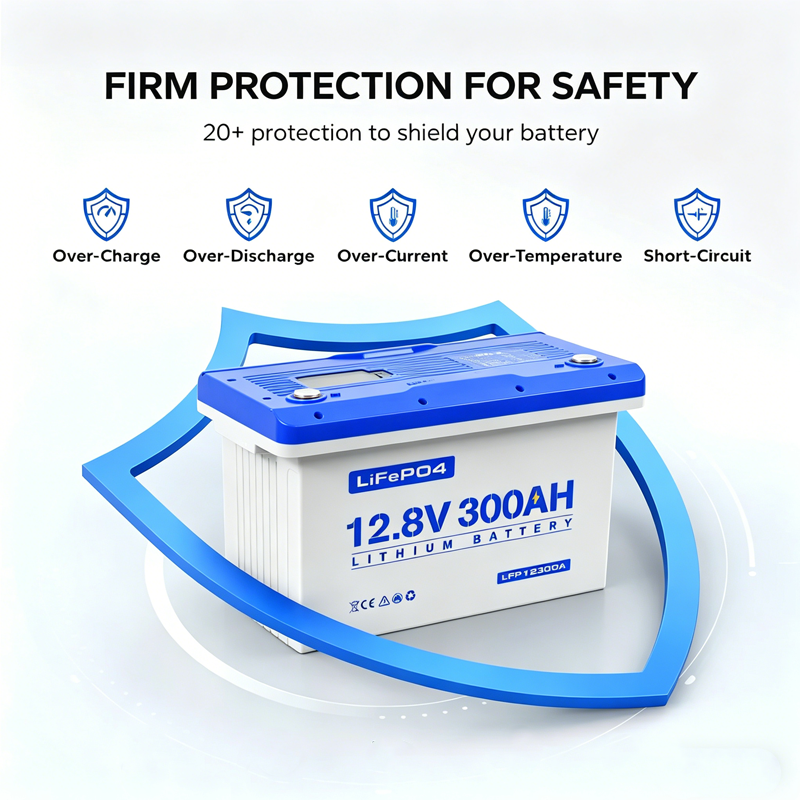
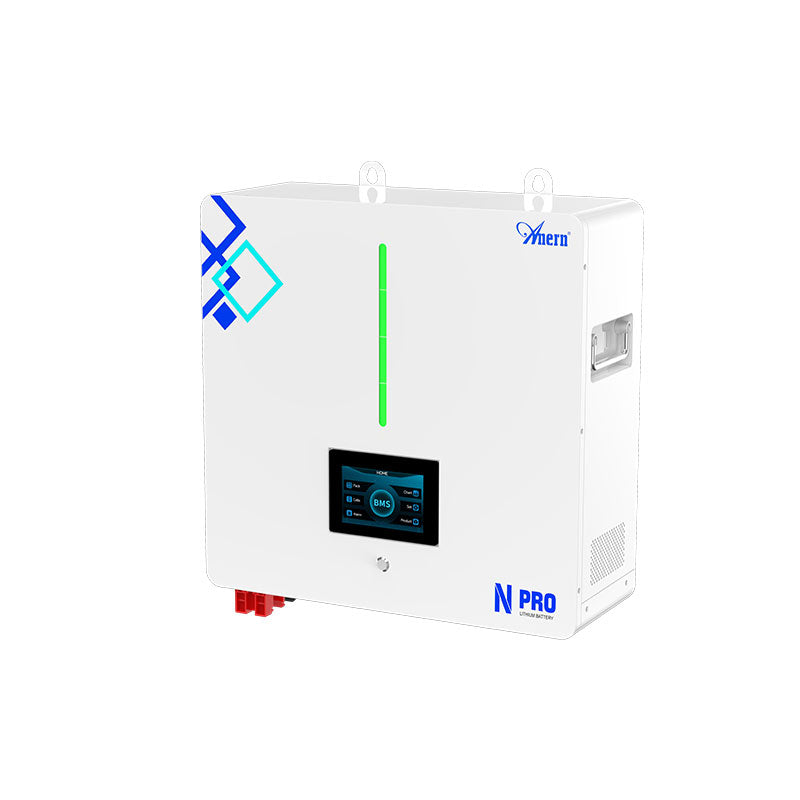
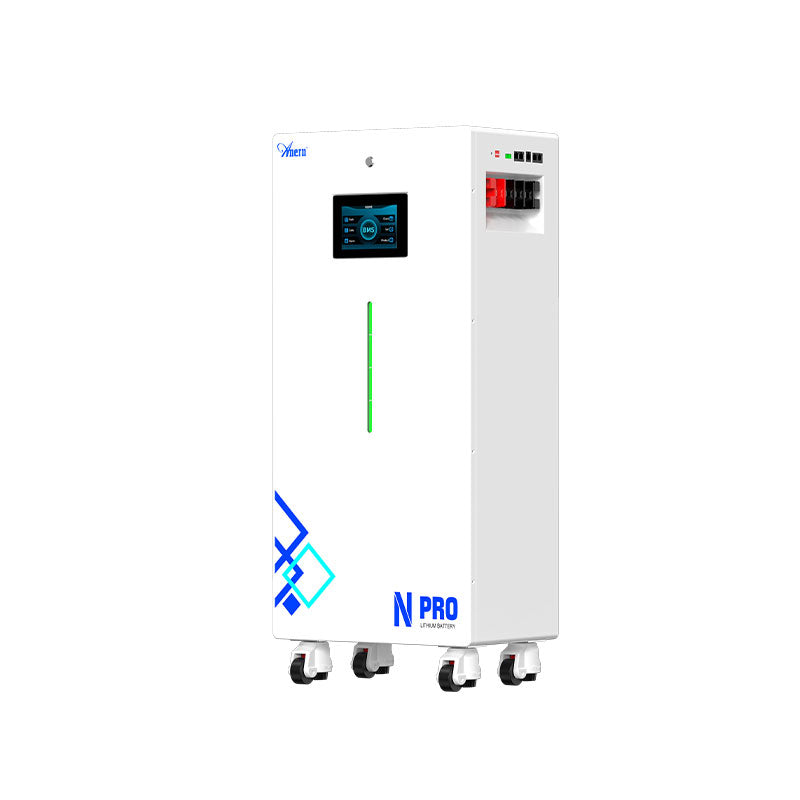
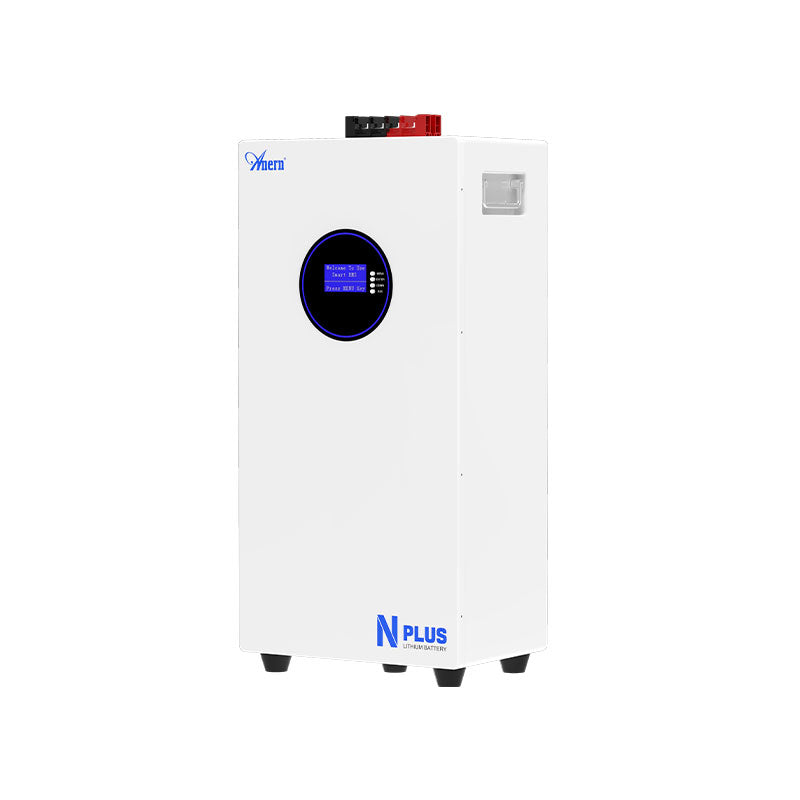
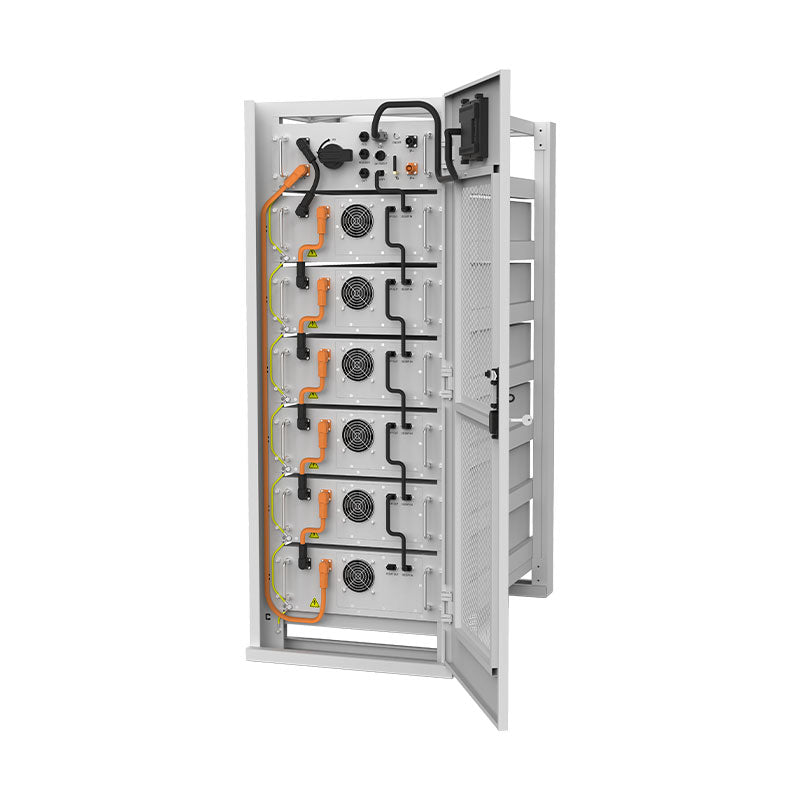
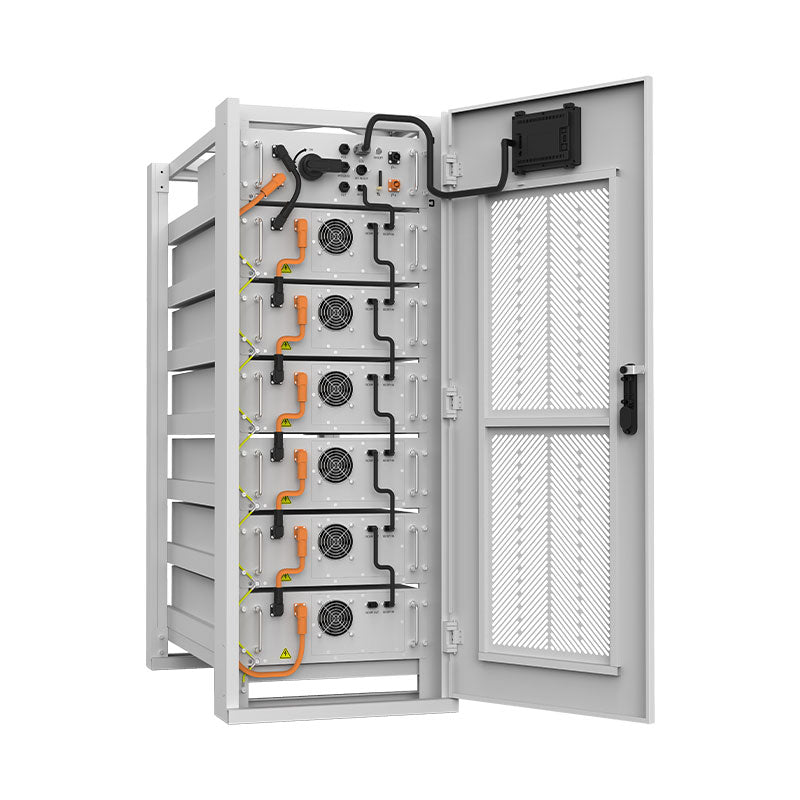
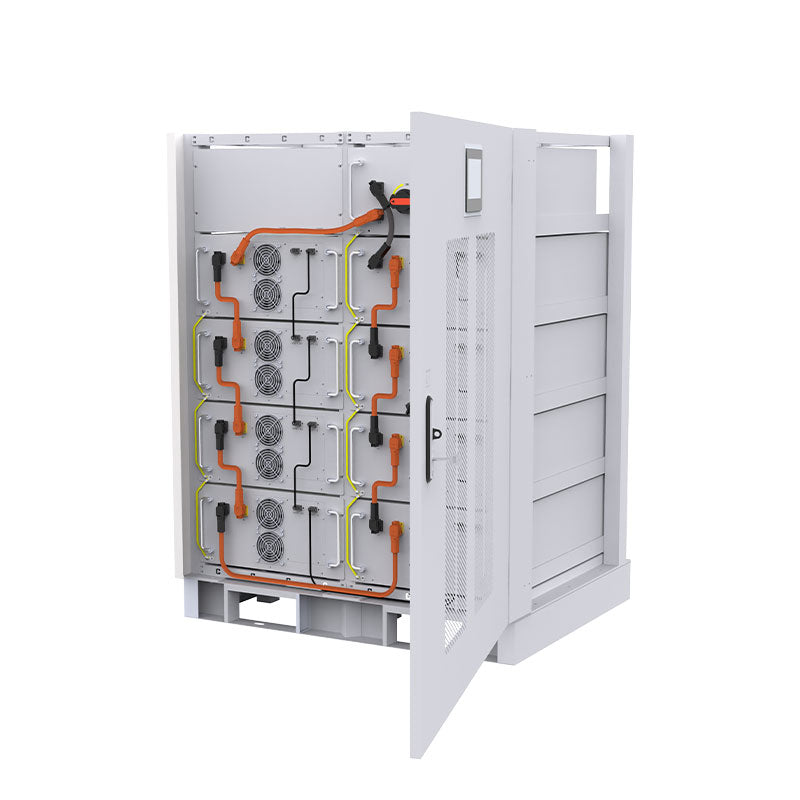
LiFePO4 batteries have transformed off-grid design, offering higher efficiency and deeper discharge capability than lead-acid alternatives. These batteries accept charge more efficiently, allowing higher panel-to-battery ratios without overcharging concerns.
System integration and compatibility verification
Component compatibility extends beyond basic electrical specifications. Communication protocols, mounting systems, and environmental ratings must align for reliable operation. Many system failures result from incompatible components that meet individual specifications but fail as integrated systems.
Verify voltage and current compatibility across all components. Battery voltage must match inverter input voltage, while charge controller output must match battery chemistry requirements. Mismatched voltages cause inefficiency, reduced lifespan, or complete failure.
According to IRENA's Renewable Power Generation Costs in 2024 report, integration costs are increasingly significant as renewable deployment scales. These costs include storage, curtailment, and transmission infrastructure investments that benefit entire power systems.
Communication and monitoring systems
Modern off-grid systems benefit from integrated monitoring and control. Smart inverters, battery management systems, and charge controllers can communicate system status and optimize performance automatically. However, ensure all components use compatible protocols.
The DOE's cybersecurity initiatives highlight the importance of secure communication in distributed energy systems. Off-grid systems connecting to internet-based monitoring require proper cybersecurity measures to prevent unauthorized access.
Future-proofing your component selection
Design for expansion from the beginning. Oversized inverters and charge controllers cost little extra initially but enable future growth without complete system replacement. Size electrical panels, conduits, and mounting structures for potential expansion.
Consider emerging technologies in your selection process. Battery technology continues evolving rapidly, while solar panel efficiency improvements slow. Focus expansion budget on storage capacity rather than additional panels for most applications.
Putting it all together: your 2025 selection checklist
Successful off-grid component selection requires systematic evaluation of each element's role in the complete system. Start with accurate load analysis, then select components that complement each other rather than optimizing individual specifications.
Prioritize quality over lowest cost for critical components. A failed inverter or charge controller can damage expensive batteries, while quality components often include better warranties and support. Calculate total cost of ownership rather than initial purchase price.
Test system integration before final installation. Verify all components communicate properly and operate within specifications under various load conditions. This testing phase identifies compatibility issues while changes remain feasible.
The off-grid market continues maturing, with better components and lower costs each year. However, fundamental selection principles remain constant: understand your loads, match components properly, and design for reliability over maximum efficiency. Following this blueprint ensures your off-grid system delivers dependable power for years to come.
