














Embarking on a do-it-yourself solar installation is a significant step toward energy independence. While performance and cost are important, nothing surpasses the need for safety. A properly installed system not only generates clean energy but also operates securely for decades. This guide provides a clear blueprint for three pillars of DIY solar rooftop wiring safety: Rapid Shutdown, Arc-Fault Circuit Interrupters (AFCI), and Ground-Fault Circuit Interrupters (GFCI).
Understanding Rapid Shutdown (RSD)
Rapid Shutdown is a critical safety feature designed to protect first responders. In an emergency, such as a fire, it allows for the quick de-energizing of the high-voltage DC conductors on your roof.
What is Rapid Shutdown and Why is it Crucial?
Solar panels produce DC electricity as long as there is light. This means that even if the main AC breaker is off, the conductors running from your panels to the inverter can remain live with potentially lethal voltage. The primary purpose of RSD is to eliminate this shock hazard for firefighters who may need to access your roof. The National Electrical Code (NEC) in section 690.12 mandates this functionality for most rooftop installations. The goal is to reduce conductor voltage to safe levels within seconds of initiation, creating a safer environment for emergency personnel.
How Rapid Shutdown Systems Work
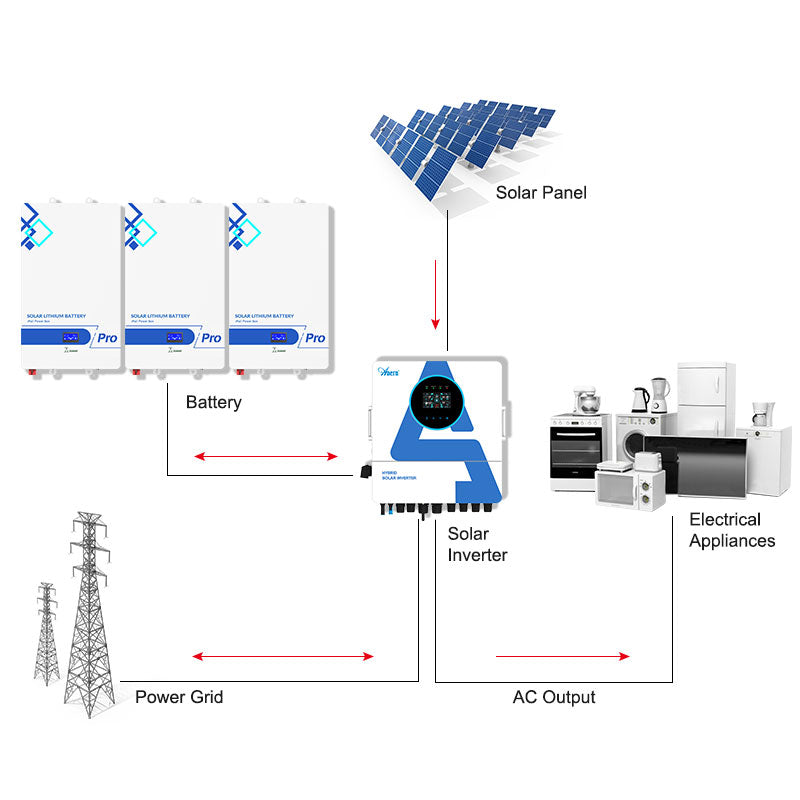
An RSD system consists of two main parts: an initiator and module-level power electronics (MLPE). The initiator is typically a dedicated switch or is integrated with the main AC disconnect. When activated, it signals the MLPEs—devices like microinverters or power optimizers attached to each panel—to shut down. This action must reduce the voltage within a defined boundary around the array to under 80 volts and outside that boundary to under 30 volts, all within 30 seconds. This module-level control is the most effective way to ensure the entire array is de-energized right at the source.
AFCI: Preventing Electrical Fires
While RSD addresses external emergencies, Arc-Fault Circuit Interrupters (AFCI) work silently to prevent fires from starting within the system itself.
The Role of Arc-Fault Circuit Interrupters (AFCI)
An arc fault is a dangerous electrical discharge that occurs when a current jumps across a gap, such as from a damaged wire or a loose connection. These arcs can generate intense heat, reaching temperatures high enough to ignite surrounding materials and cause a fire. AFCI technology is designed to detect the unique electrical signature of these hazardous arcs. Once detected, the AFCI device immediately interrupts the circuit, stopping the arc before it can escalate.
AFCI Implementation in Solar Inverters
Modern solar inverters are typically equipped with integrated AFCI protection, as required by NEC 690.11 for systems operating at 80 volts DC or higher. These sophisticated systems constantly monitor the DC wiring for the characteristic noise of an arc. Proper installation is key; ensuring all connections are tight and wires are not damaged during installation helps prevent the conditions that lead to arc faults and avoids nuisance trips, where the AFCI interrupts the circuit due to non-hazardous electrical noise.
GFCI: Protection Against Shock Hazards
The third layer of protection, Ground-Fault Circuit Interruption (GFCI), is focused on preventing electrical shock to individuals who might come into contact with the system.
What is Ground-Fault Circuit Interruption (GFCI)?
A ground fault happens when electricity finds an unintended path to the ground. In a solar array, this could occur if a live conductor touches a metal panel frame or the racking system. This energizes components that are normally safe to touch, creating a serious shock hazard. A GFCI device works by monitoring the flow of current in the hot and neutral conductors. If it detects an imbalance—meaning some current is leaking to the ground—it instantly shuts off the power.
GFCI in Solar Systems: The Ground-Fault Detector/Interrupter (GFDI)
In solar PV systems, this protection is often referred to as a Ground-Fault Detector/Interrupter (GFDI) and is integrated into the inverter. It performs the same function as a standard GFCI but is designed for DC circuits. The GFDI is a fire-prevention device, not a personnel shock protection system like an AC GFCI. Its effectiveness relies on a properly installed equipment grounding conductor (EGC), which provides a safe path for fault current to flow, allowing the GFDI to detect the fault and de-energize the system.
Integrating Safety Systems for a Robust DIY Installation
These three technologies are not redundant; they work in concert to provide comprehensive, layered protection for your solar energy system.
A Unified Approach to Safety
Think of these systems as a team. RSD protects emergency responders from shock. AFCI prevents fires by detecting dangerous arcs in the wiring. GFCI protects against shock by detecting current leakage to ground. Together, they address the primary electrical hazards associated with a rooftop solar array, ensuring a safe installation for your home and everyone in it. The International Energy Agency's research on grid codes highlights the increasing importance of system control and safety mechanisms as renewable energy becomes more widespread, as detailed in the Grid Codes for Renewable Powered Systems report.
Performance and Safety Interplay
A safe system is an efficient system. Secure connections and undamaged wiring, crucial for preventing arc faults and ground faults, also minimize energy loss. Proper safety measures are fundamental to achieving optimal output. As detailed in the ultimate reference for solar storage performance, factors like efficient connections and system integrity directly impact energy production and storage efficiency. Investing in safety is an investment in performance and longevity. According to a study by the International Energy Agency, Balance of System (BOS) costs, which include safety hardware, are a major part of the total system expense, underscoring their value. You can find more details in the Medium-Term Renewable Energy Market Report 2016.
Comparing Rooftop Safety Systems
| Feature | Rapid Shutdown (RSD) | Arc-Fault (AFCI) | Ground-Fault (GFCI/GFDI) |
|---|---|---|---|
| Primary Function | De-energize rooftop conductors | Detect and interrupt electrical arcs | Detect and interrupt current leakage to ground |
| Hazard Prevented | Shock to first responders | Electrical fires | Shock to persons; Fire |
| Typical Location | Module-level electronics & AC disconnect | Integrated into the inverter (DC side) | Integrated into the inverter (DC side) |
| Key Standard | NEC 690.12 | NEC 690.11 | NEC 690.41 |
Wrapping Up: Building a Secure Energy Future
For any DIY solar project, safety must be the top priority. Integrating Rapid Shutdown, AFCI, and GFCI protections is not about meeting minimum code requirements; it is about building a robust, reliable, and secure power source for your home. These systems provide peace of mind, knowing your investment is protected and your family is safe. Research from the International Energy Agency, such as in Unlocking the Economic Potential of Rooftop Solar PV in India, shows that robust and reliable systems are key to realizing long-term savings and benefits from solar energy.
Frequently Asked Questions
Are these safety features required for all solar installations?
Requirements can vary based on your local jurisdiction's adoption of the National Electrical Code (NEC). However, NEC 690.12 (Rapid Shutdown), 690.11 (AFCI), and 690.41 (GFDI) are standard in most modern codes for rooftop systems. They are considered best practice for any installation, regardless of local mandates.
Can I add these features to an older solar system?
Retrofitting can be complex. Adding module-level rapid shutdown to an older string inverter system often requires installing new electronics on every panel. AFCI and GFDI are typically integrated into the inverter, so adding them would likely mean replacing the inverter with a modern, compliant model.
Do off-grid systems need rapid shutdown?
The primary driver for RSD is firefighter safety on grid-tied homes that are part of a building's structure. While the principles of DC safety are universal, specific code requirements for RSD on detached, off-grid structures may differ. Always consult your local authority having jurisdiction (AHJ) to confirm requirements for your specific project.


Leave a comment
All comments are moderated before being published.
This site is protected by hCaptcha and the hCaptcha Privacy Policy and Terms of Service apply.