












Planning an off-grid energy system requires meticulous attention to detail. A common pitfall in this process involves appliance wattage ratings. While manufacturer labels offer a starting point, they frequently do not reflect the true power an appliance consumes in real-world scenarios. Accurate energy assessment is vital for designing a robust and reliable off-grid power solution, ensuring you have ample energy for your needs.
The Discrepancy: Labeled vs. Actual Consumption
You might notice a difference between the wattage printed on an appliance and what it actually draws when operating. Manufacturer labels often state the maximum or peak wattage an appliance might consume, or an average under ideal conditions. However, many appliances exhibit fluctuating power demands based on their operational cycle, startup surges, or varying loads.
Understanding Power Fluctuations
- Startup Surges: Appliances with motors, like refrigerators, pumps, or air conditioners, often draw significantly more power for a brief moment when they first turn on. This "inrush current" can be several times higher than their running wattage.
- Varying Loads: Devices such as washing machines, dishwashers, or power tools have different power requirements depending on the intensity of their task. A washing machine, for example, will draw more power during its spin cycle than during its fill cycle.
- Standby Power: Many modern electronics consume a small amount of power even when turned "off" but still plugged in. This "phantom load" can accumulate over time, adding to your overall energy consumption.
Relying solely on manufacturer labels can lead to an undersized off-grid system, resulting in power shortages or system overloads. An accurate energy audit provides the clarity you need.
Accurate Load Auditing for Off-Grid Systems
Determining your actual daily energy needs (measured in kilowatt-hours, kWh) is a foundational step for any off-grid power system. This process involves more than just listing appliances; it requires measuring their true power consumption over time.
Measuring Real-World Appliance Power
To gain an accurate picture, you can use a watt meter. This device plugs into an outlet, and your appliance plugs into the meter. It provides real-time readings of wattage, voltage, amperage, and accumulated kWh over a period. By monitoring each appliance over a typical usage cycle, you can capture its peak draw, average consumption, and total energy usage per day.
For example, while a coffee maker might be rated at 1000 watts, it only operates for a few minutes. A refrigerator, rated at 200 watts, runs intermittently throughout the day and night. Capturing these cycles is crucial.
Consider the following steps for an effective load audit:
- List every electrical device you intend to use.
- For each device, measure its actual running wattage and its surge wattage.
- Estimate or measure how many hours per day or week each appliance operates.
- Calculate the daily kWh for each appliance (Wattage × Hours Used / 1000).
- Sum these daily kWh values to determine your total daily energy requirement.
For systems in North America, the standard voltage for most appliances is 120/240V split. You will want an inverter that syncs with your system's current, ensuring compatibility and efficiency.
Designing Your Off-Grid Power System
With an accurate load audit, you possess the essential information to size your off-grid system correctly. This includes selecting appropriate battery storage capacity and an inverter that can handle your peak and continuous power demands.
Optimizing with Energy Storage and Inverters
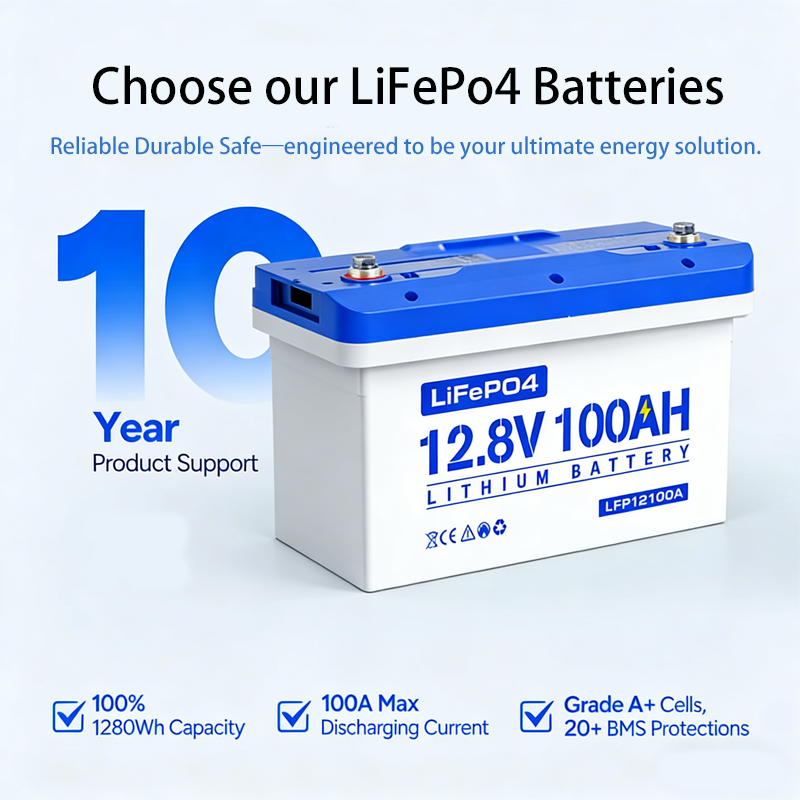
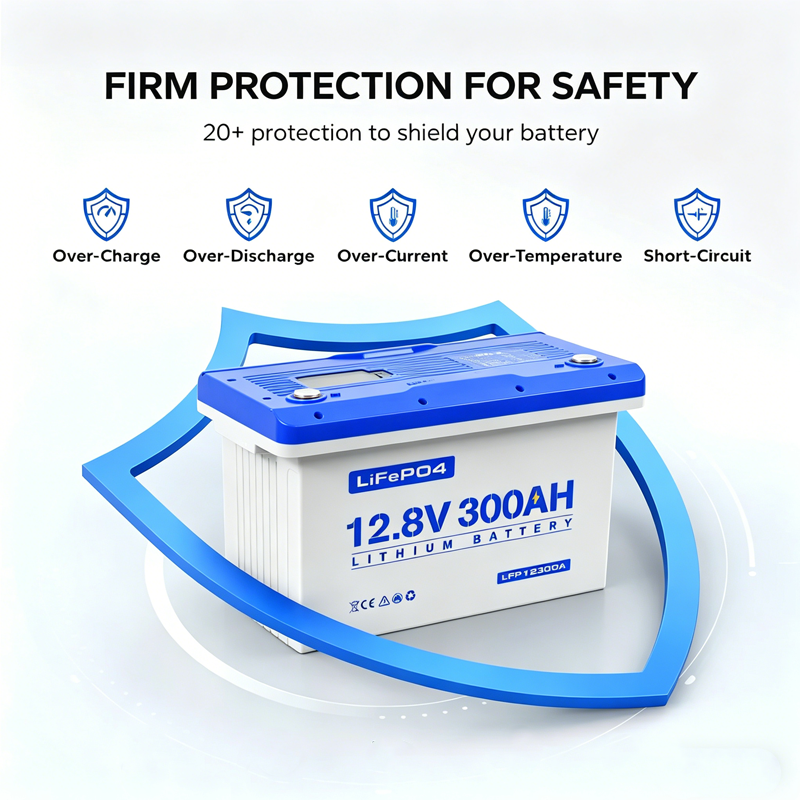
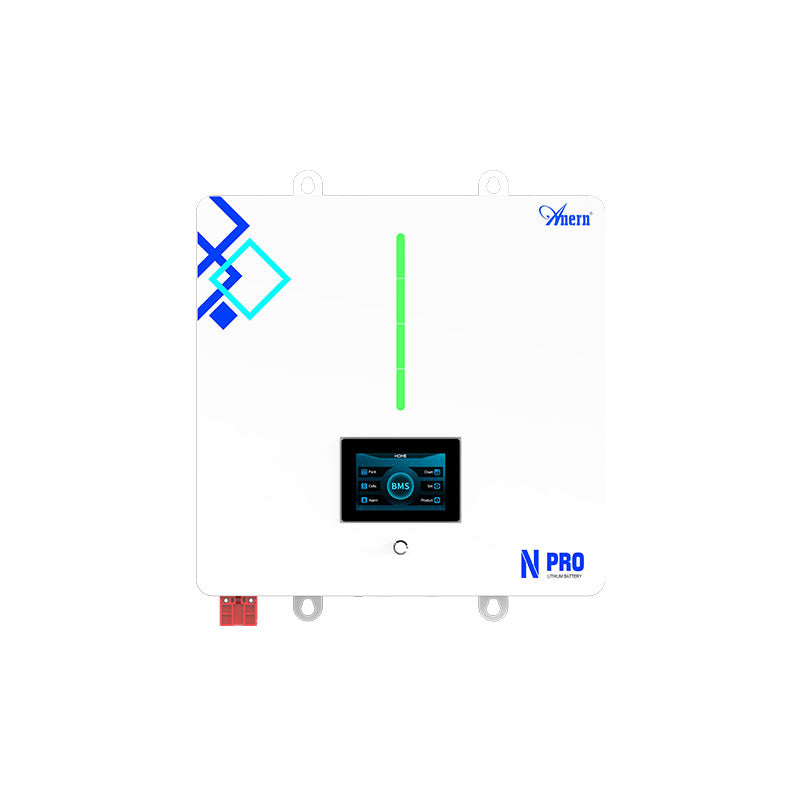
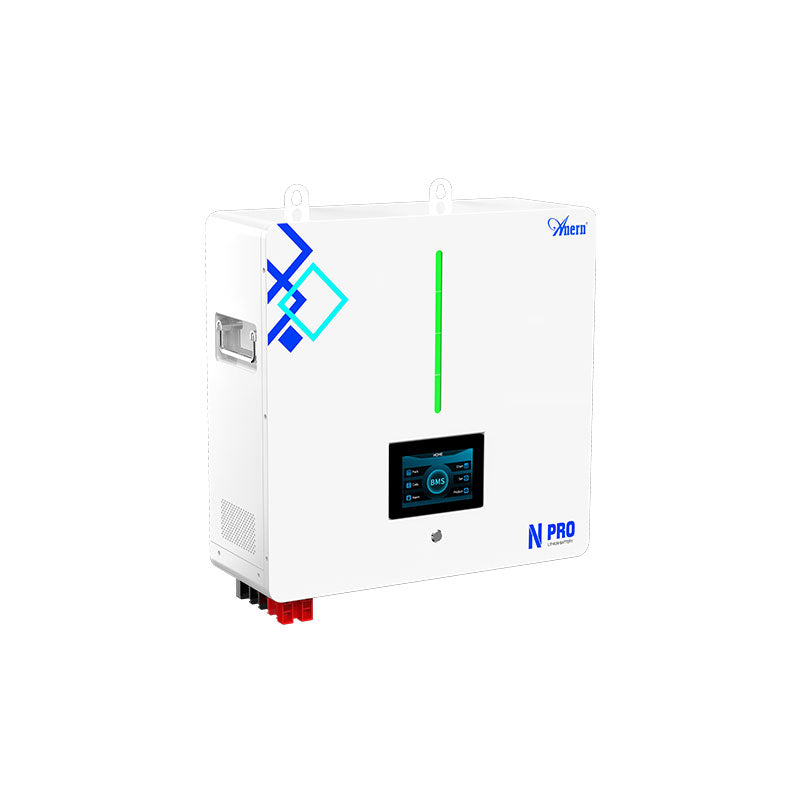
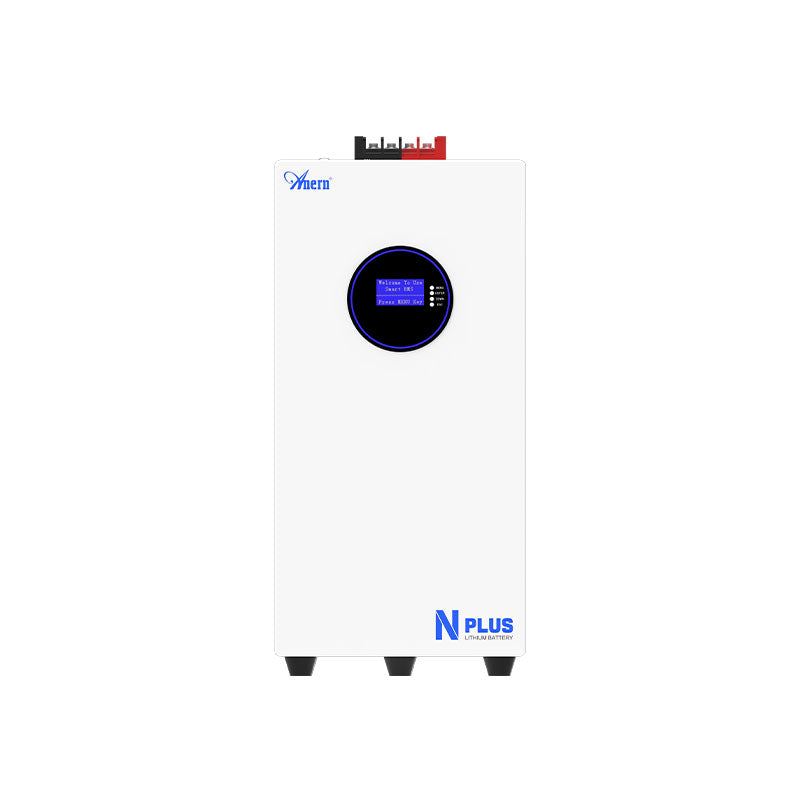
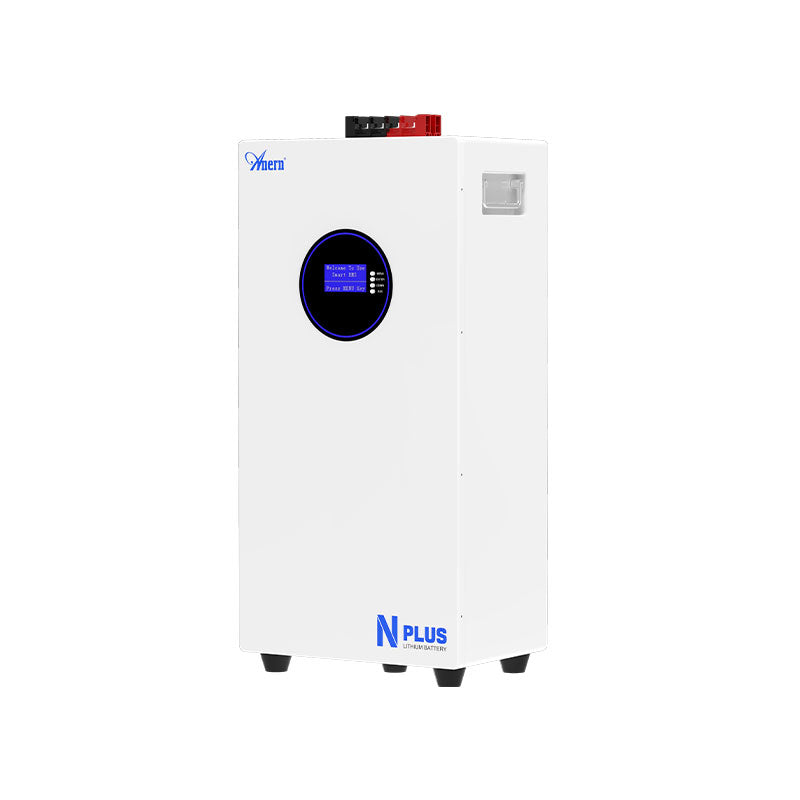
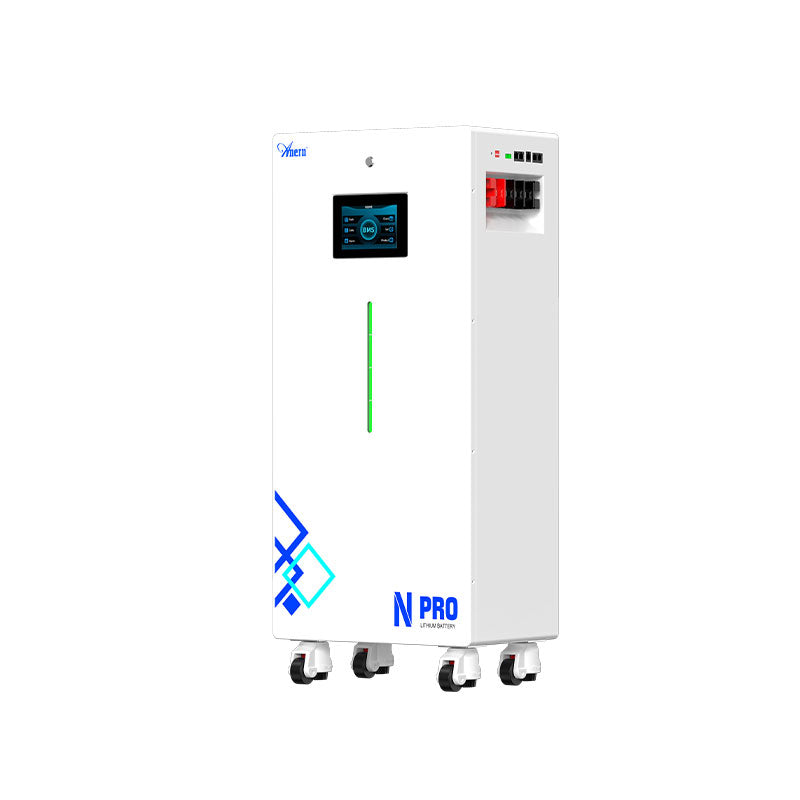
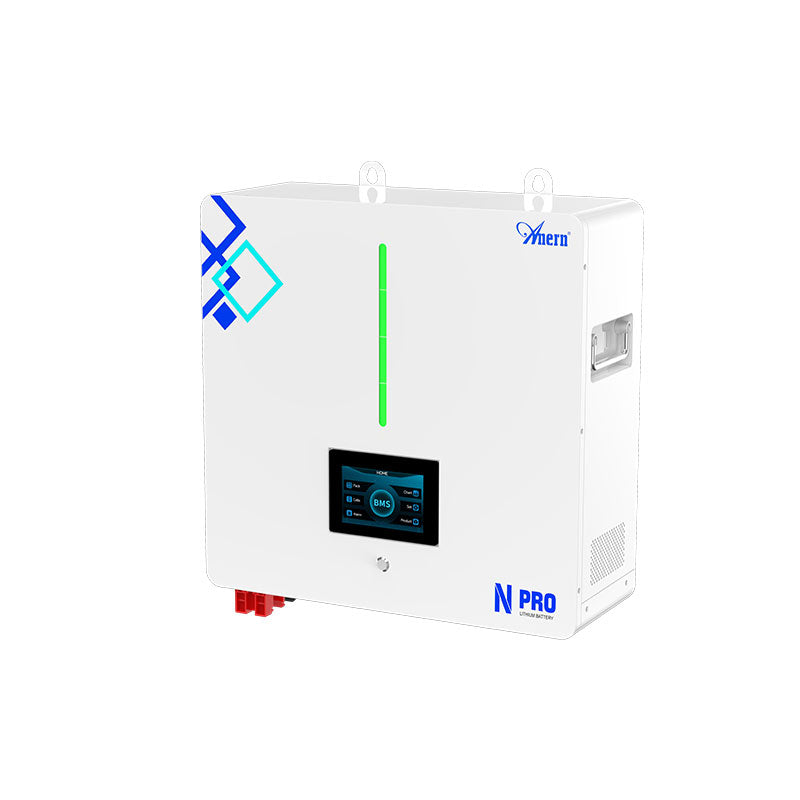
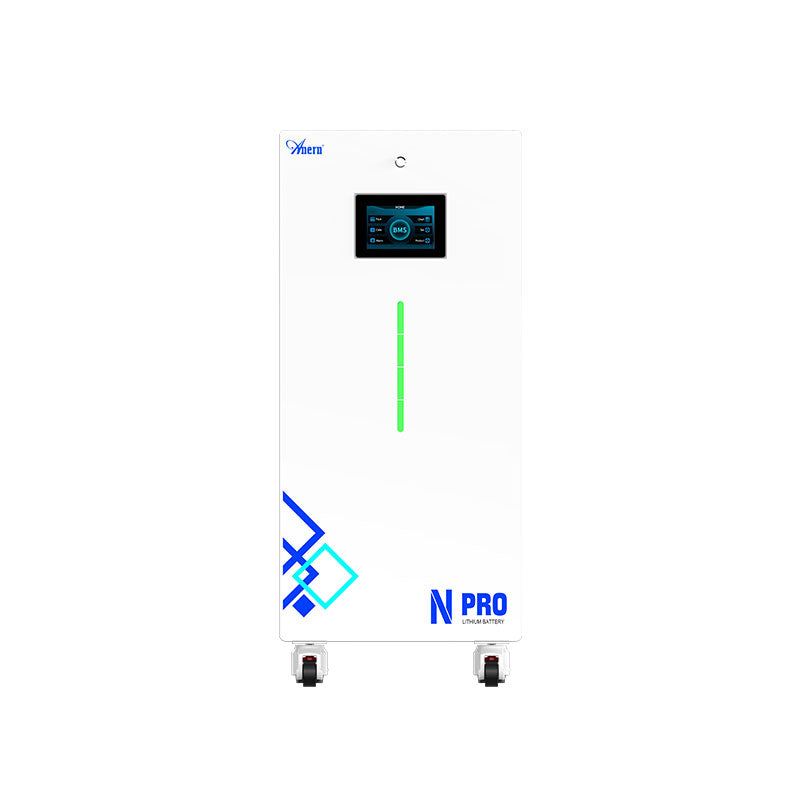
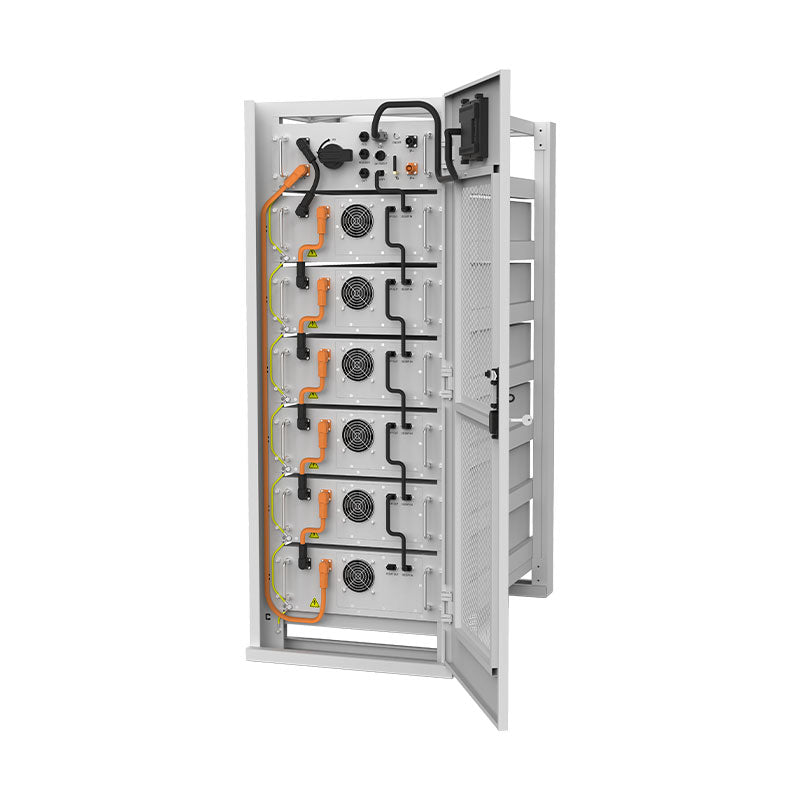
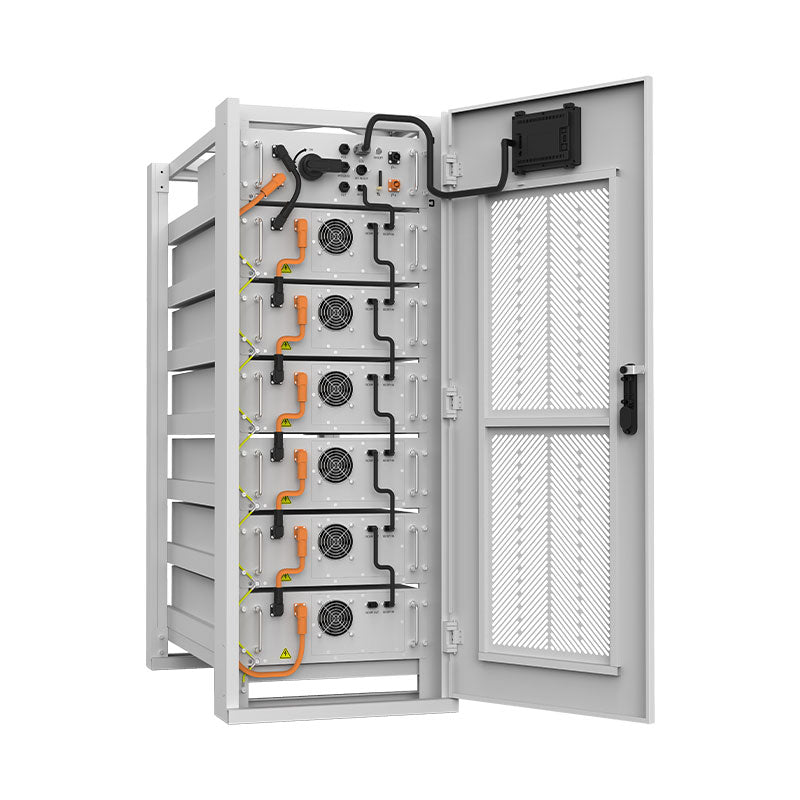
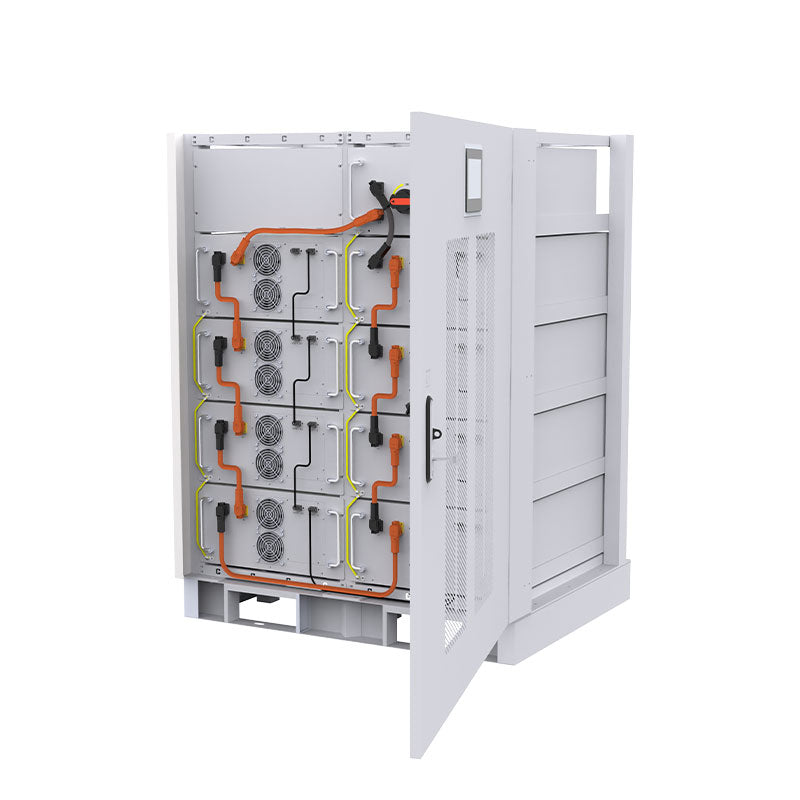
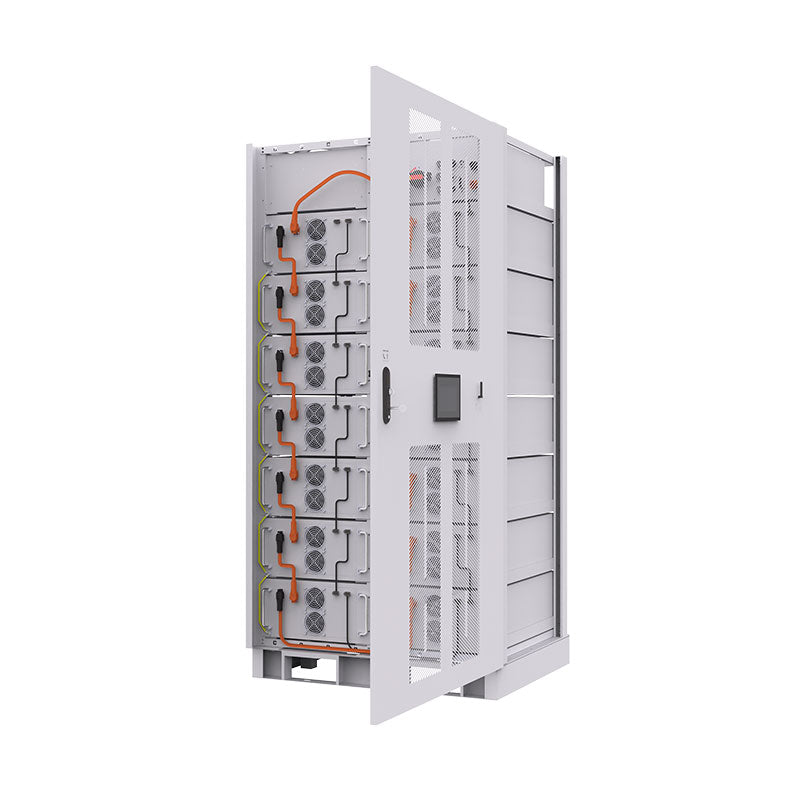
Our company has years of experience in the solar industry, focusing on advanced energy solutions. We manufacture high-performance, safe, and reliable lithium iron phosphate (LiFePO4) batteries. These batteries form the core of robust energy storage systems designed for longevity and efficiency.
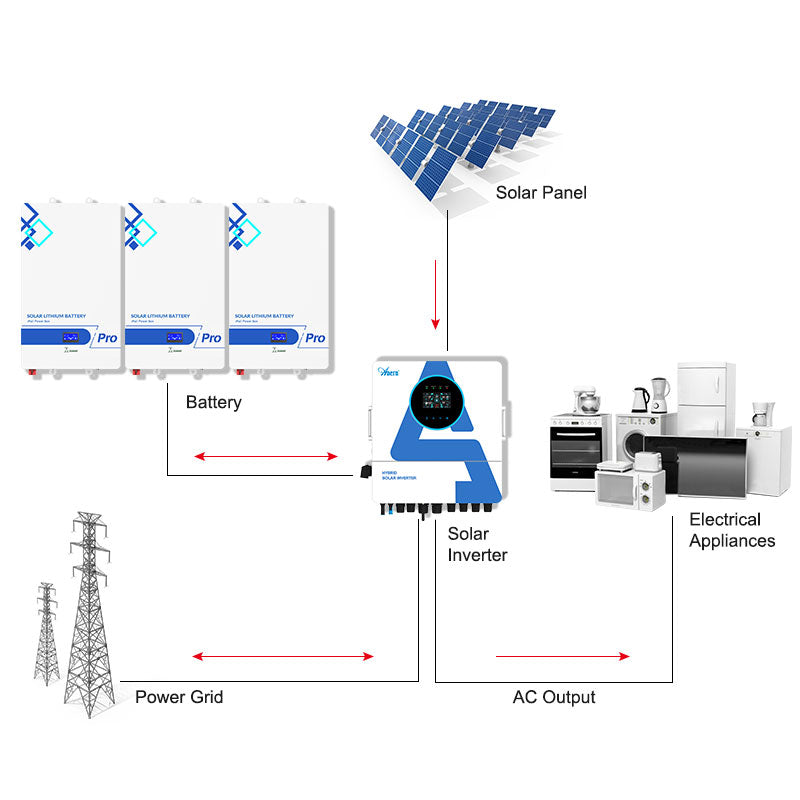
When selecting an inverter, you must match its voltage to your battery bank's voltage. If your battery banks are 12V, 24V, or 48V, your inverter must correspond to that specific voltage. Mismatched voltages can cause damage to your off-grid system. Our solar inverters efficiently convert the direct current (DC) from your batteries and solar panels into the alternating current (AC) needed for your household appliances.
Integrating battery storage systems with distributed solar PV can significantly increase self-consumption and reduce reverse power flows into the local grid by shifting produced energy. This means you can store excess solar energy generated during the day and use it during the night or cloudy periods. According to the IEA's "Next Generation Wind and Solar Power" report (2016), this capability is a key factor in improving the system-friendliness of distributed solar assets.
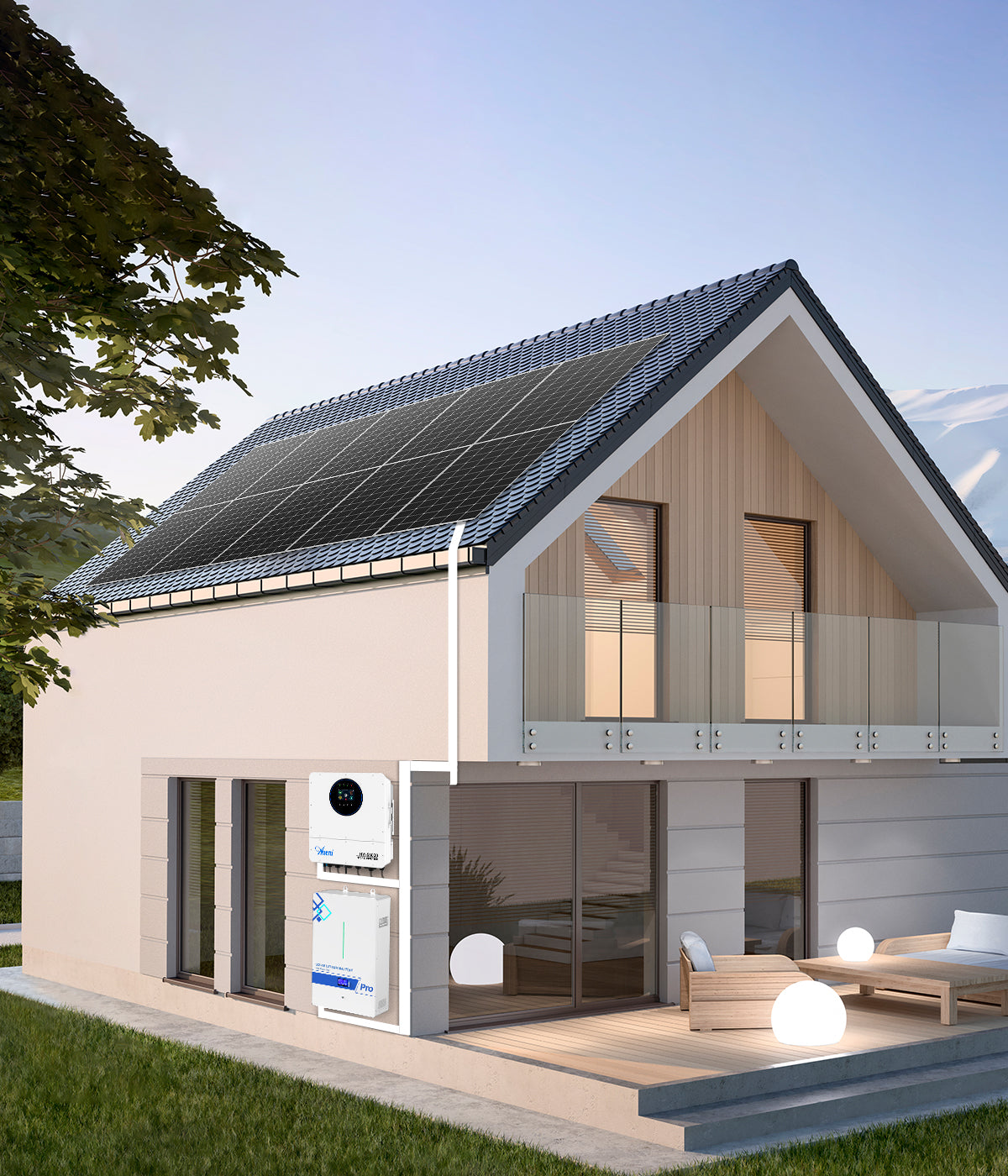
Our household energy storage systems (ESS) seamlessly integrate lithium batteries with hybrid inverters and solar panels, offering a complete solution for energy independence. For homes, farms, or remote cabins, our off-grid solar solutions provide reliable and scalable energy.
Investing in Energy Independence
Establishing and maintaining an off-grid solar-powered system demands hard work, careful calculations, and financial investment. The initial capital costs can seem substantial, but the long-term benefits of energy independence often outweigh them.
Costs and Benefits of Smart Energy Solutions
The integration of smart technologies further enhances the value of off-grid systems. For instance, smart meters, which facilitate better energy management, typically incur capital costs ranging from USD 100 to USD 350 per installation, with annual operation and maintenance costs between USD 3 and USD 11. Research from the IEA's "The Power of Transformation" (2014) indicates that incorporating grid-ready functionality into new appliances can add an estimated USD 10 to USD 50 per unit initially, with these costs declining to zero as the design becomes standard. Retrofitting existing appliances, however, is generally not economical due to high transaction costs.
The global landscape for renewable energy investment shows continued growth and policy support. The IEA's "World Energy Investment 2023" report highlights how new policies, such as the Inflation Reduction Act in the United States and the REPowerEU Plan in Europe, are providing significant boosts to low-emission power prospects. These policies often include tax credits for solar PV, wind, and battery storage, alongside financial support for grids and manufacturing clean power equipment.
Consider the evolving landscape of power investment:
| Metric | 2021 | 2022 | 2023 (Estimated) |
|---|---|---|---|
| Utility-Scale Solar PV LCOE (USD/MWh) - US | ~30-40 | ~40-50 | ~30-40 (with IRA effects) |
| Utility-Scale Onshore Wind LCOE (USD/MWh) - US | ~30-40 | ~40-50 | ~30-40 (with IRA effects) |
| Manufacturers' Average Selling Price for PV (Million USD/MW) | ~0.4-0.6 | ~0.6-0.8 | ~0.4-0.6 |
| Data adapted from IEA, World Energy Investment 2023. LCOE values are approximate ranges. | |||
Intelligent software can interact with smart appliances to tailor electricity consumption at the household level, further optimizing energy use. These advancements underscore the increasing viability and appeal of self-sufficient energy systems.
Achieving Energy Independence
Accurately understanding your appliance wattage and daily energy needs is the cornerstone of a successful off-grid power system. By moving beyond manufacturer labels and conducting a thorough load audit, you empower yourself to make informed decisions about your energy infrastructure. Our commitment is to provide reliable and scalable energy solutions, helping you achieve true energy independence with high-quality lithium batteries, comprehensive energy storage systems, and tailored off-grid solar solutions.
The comfort of operating your coffee maker or electric range, even when disconnected from the main grid, makes the effort and investment a rewarding endeavor. With the right planning and robust energy solutions, a self-sufficient lifestyle is within your reach.
