




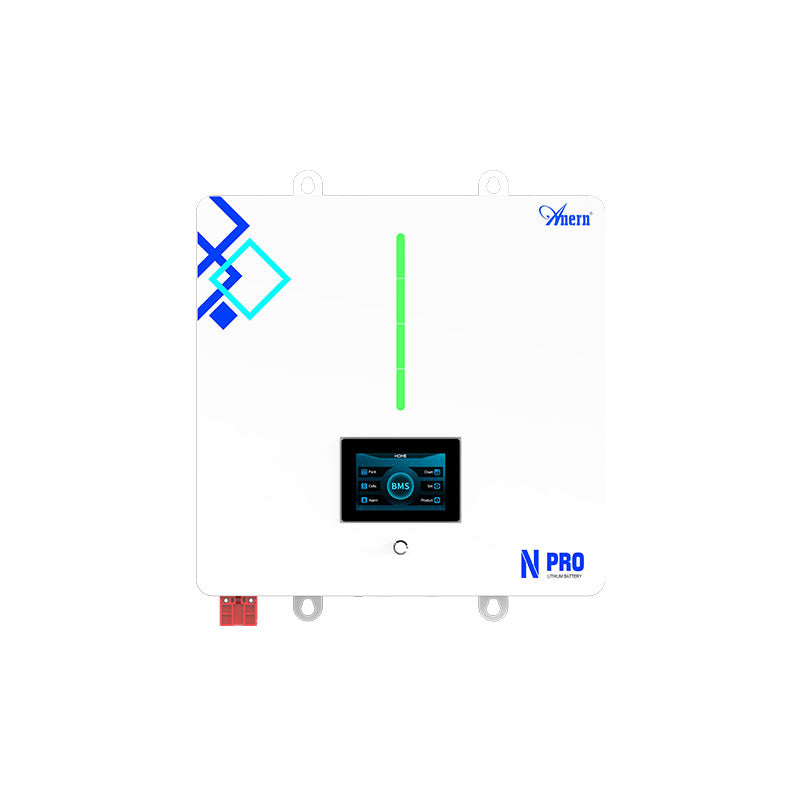
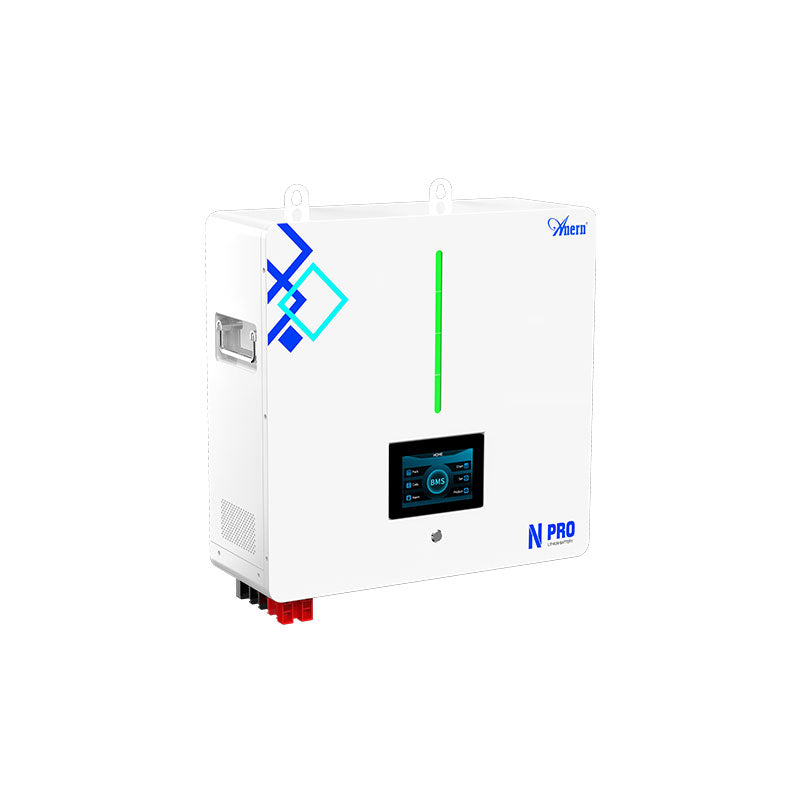


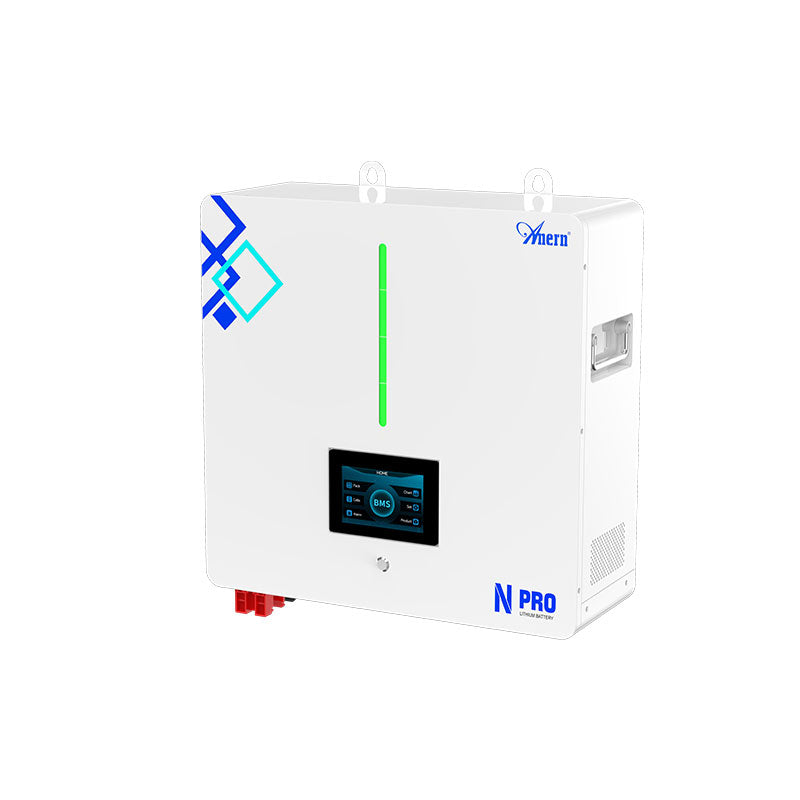

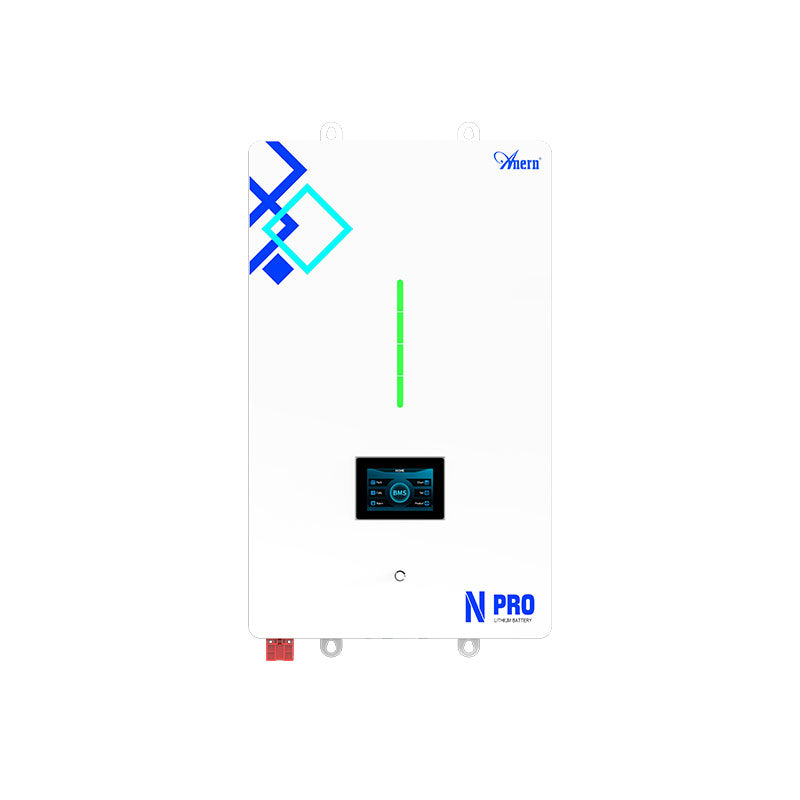
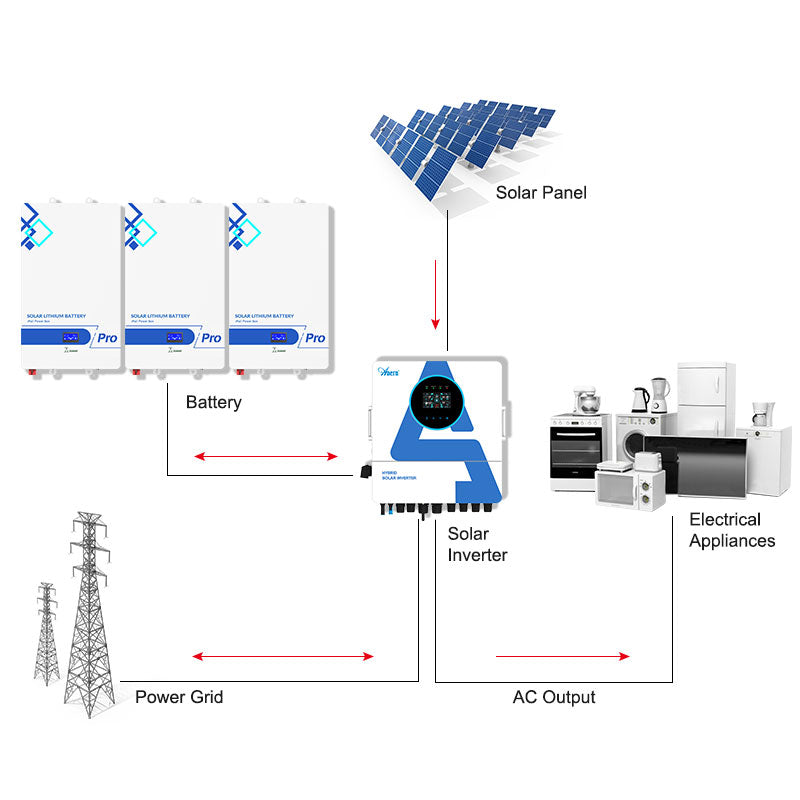


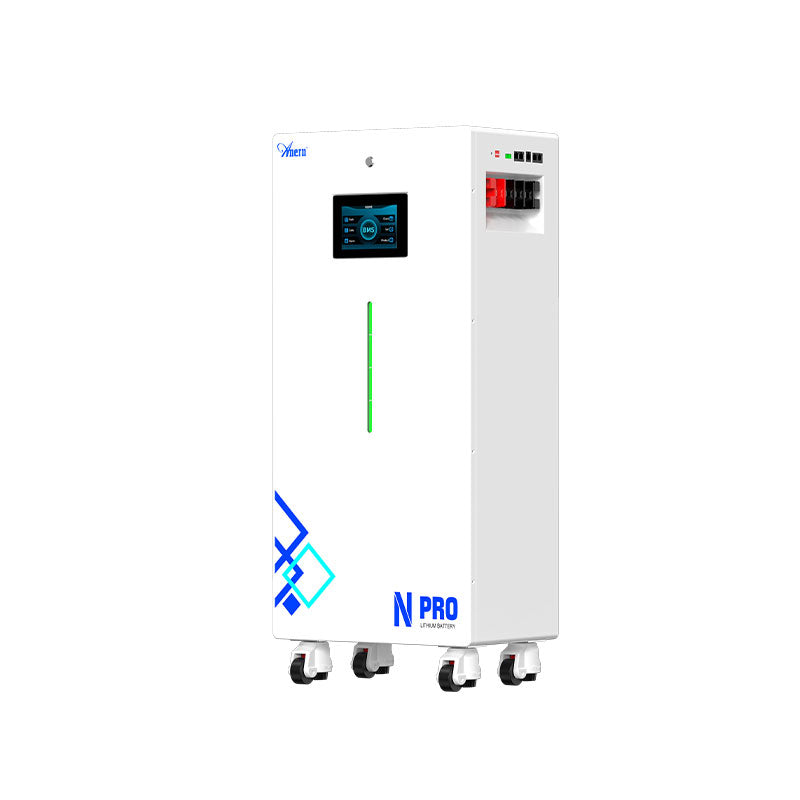


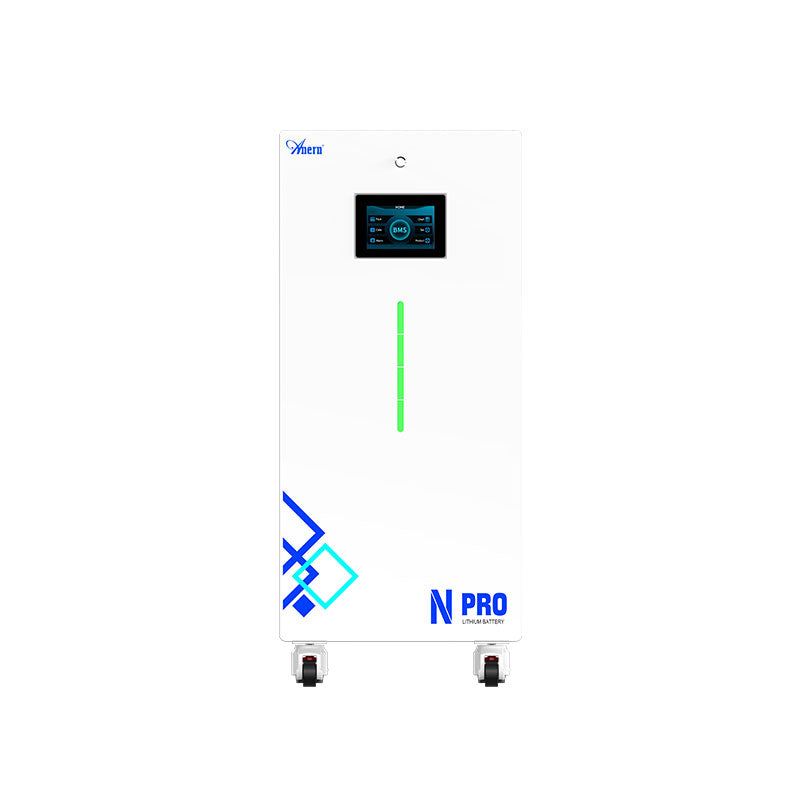

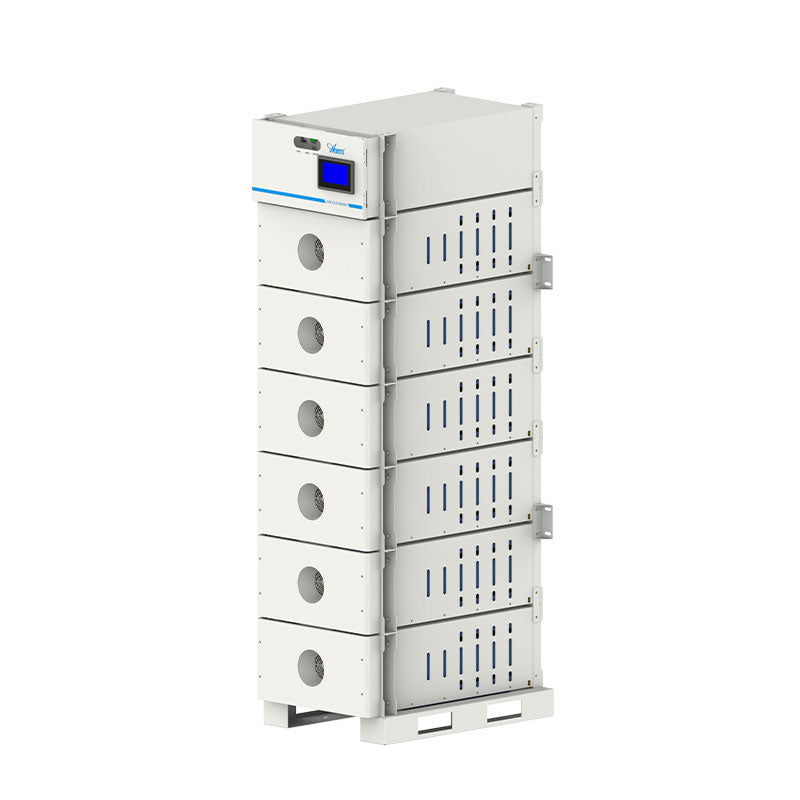
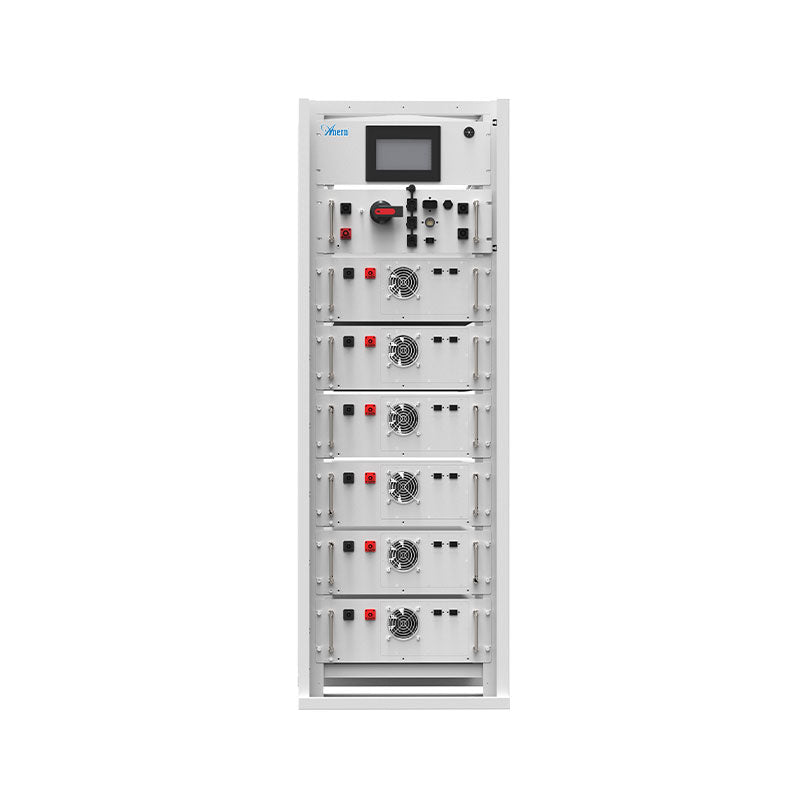
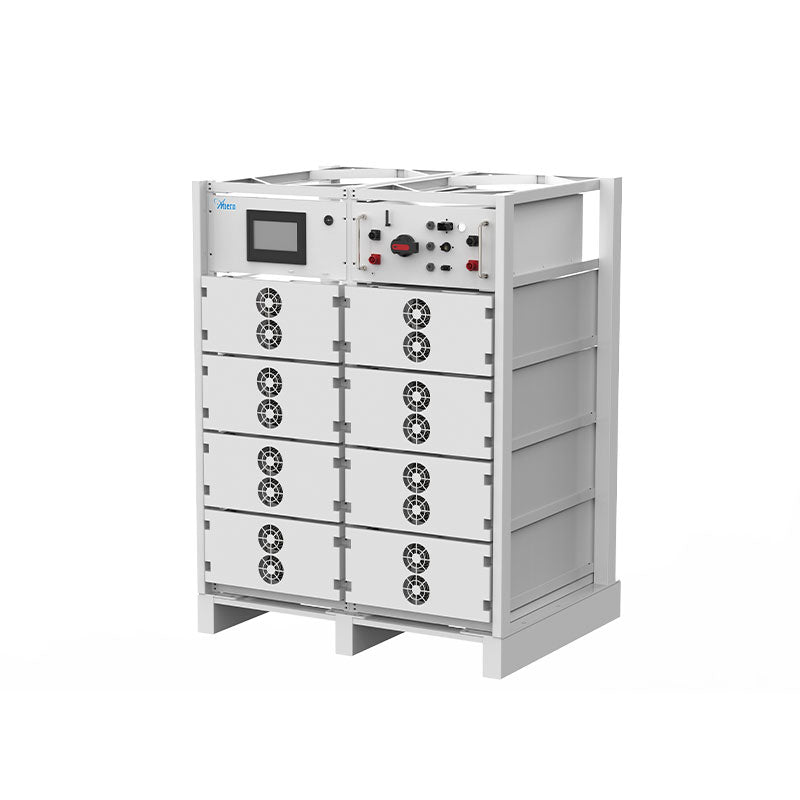
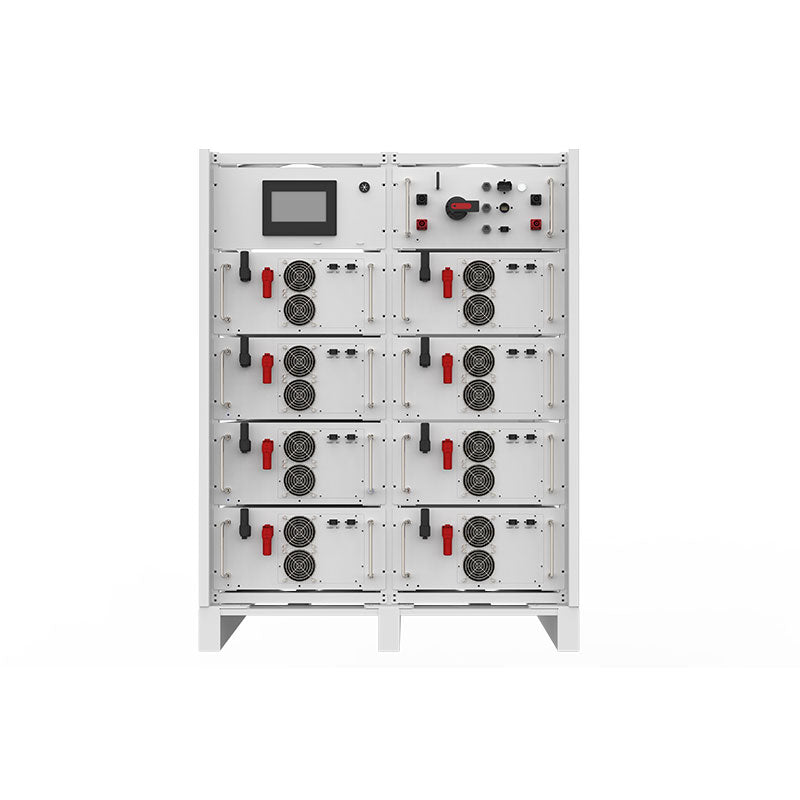
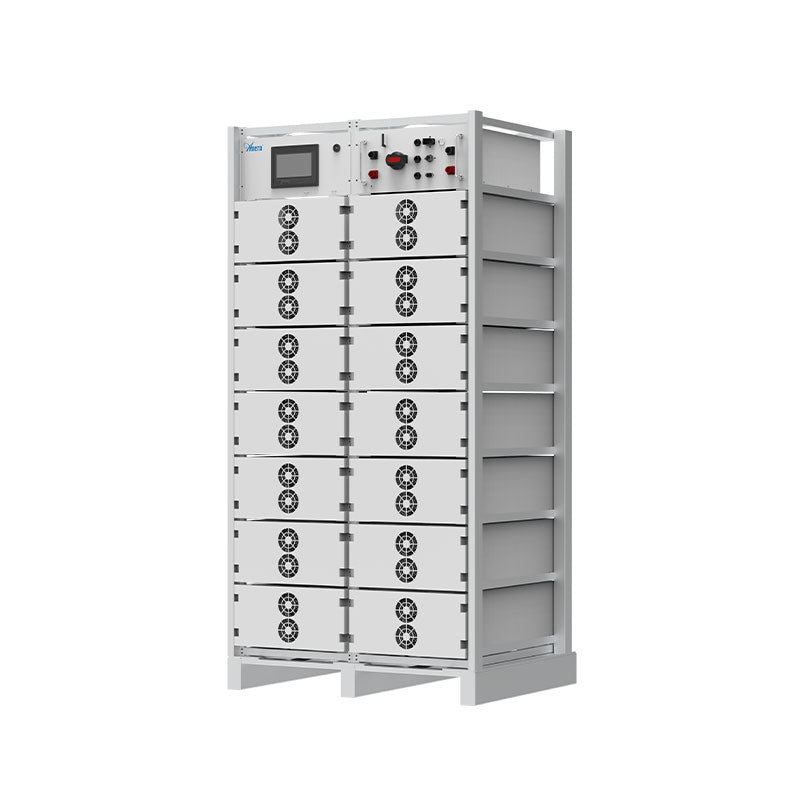
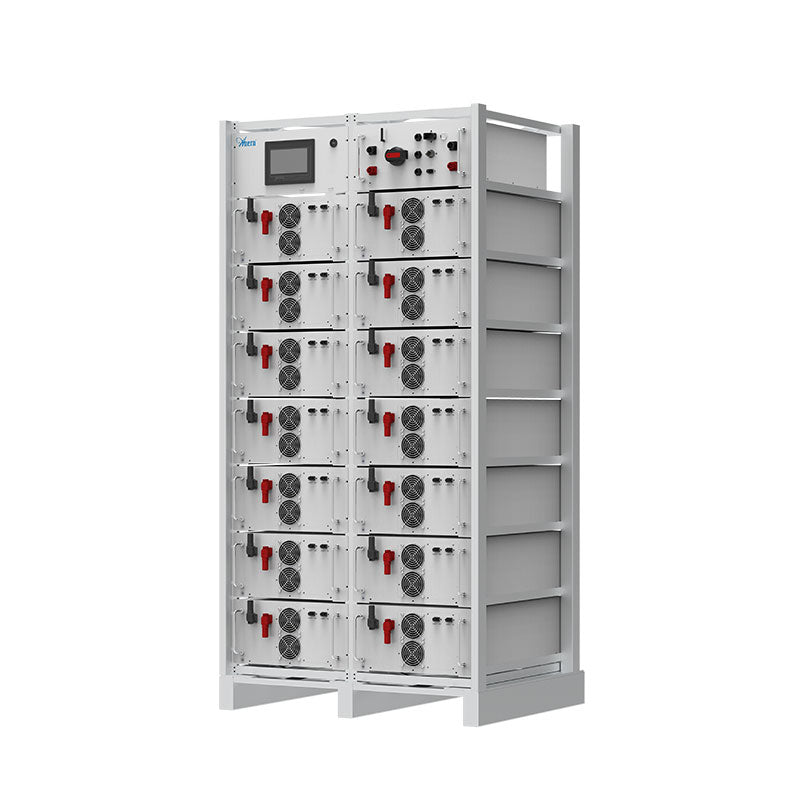


Achieving energy independence often involves designing robust off-grid power solutions. A critical step in this process is creating a comprehensive Bill of Materials (BOM) for your Energy Storage System (ESS). When planning for future growth or changing energy needs, a scalable Off-Grid BOM for Modular ESS becomes invaluable. This roadmap guides you through building a system that grows with you, ensuring long-term reliability and efficiency.
Understanding Modular ESS and Scalability
Modular Energy Storage Systems offer flexibility, allowing you to expand your power capacity as demands increase. This approach contrasts with fixed systems, which can limit future upgrades. A scalable BOM supports this modularity by identifying components that can be easily added or upgraded without overhauling the entire system.
Defining Scalability in Off-Grid Systems
Scalability in an off-grid context means your system can handle increased energy production, storage capacity, and load demands over time. It involves selecting components that work well together in various configurations. For example, choosing an inverter that supports parallel operation or a battery management system (BMS) compatible with additional battery modules are key considerations.
Benefits of a Modular Approach
A modular ESS provides several advantages. You can start with a smaller investment and expand as your budget allows or as energy needs evolve. This flexibility also simplifies maintenance and upgrades, as you can replace or add individual components without disrupting the entire setup. This strategy helps you adapt to changing energy consumption patterns and technological advancements.
Key Components of an Off-Grid ESS Bill of Materials
A well-structured Off-Grid BOM includes more than just solar panels and batteries. It encompasses every part needed for a functional, safe, and expandable system. Here, we focus on the core elements that enable scalability.
Solar Photovoltaic (PV) Panels
Solar panels form the backbone of your off-grid energy generation. For scalability, consider panels with high efficiency and a consistent power output. The U.S. Department of Energy (DOE) highlights solar's unique modularity, deployable at both large and small scales, like rooftop installations. When planning, factor in space availability and potential future additions. For instance, if you anticipate increasing your energy needs, allocate extra roof or ground space for more panels.
Energy Storage: Lithium Iron Phosphate (LiFePO4) Batteries
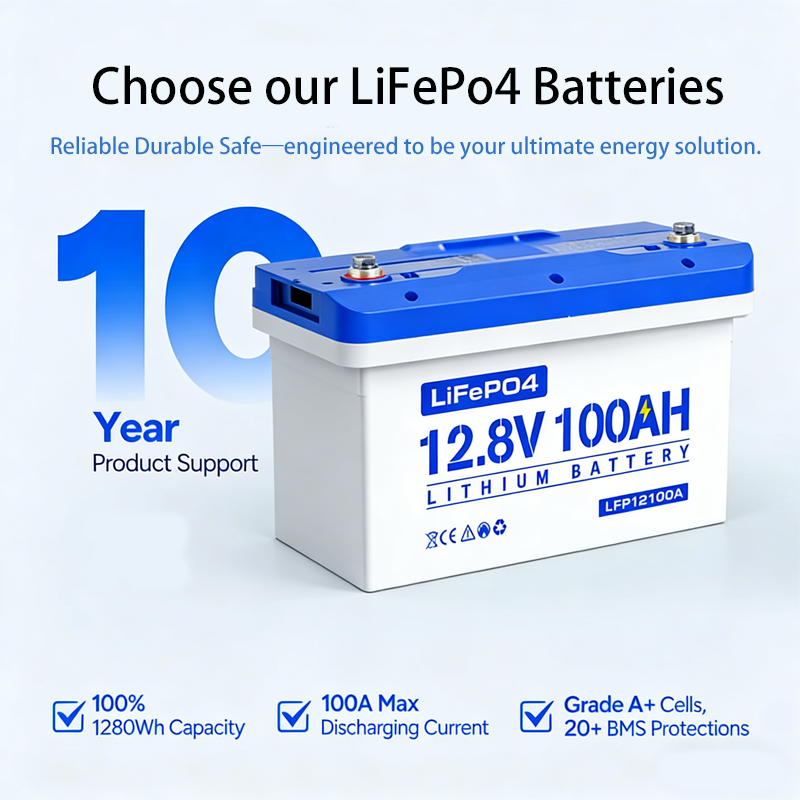
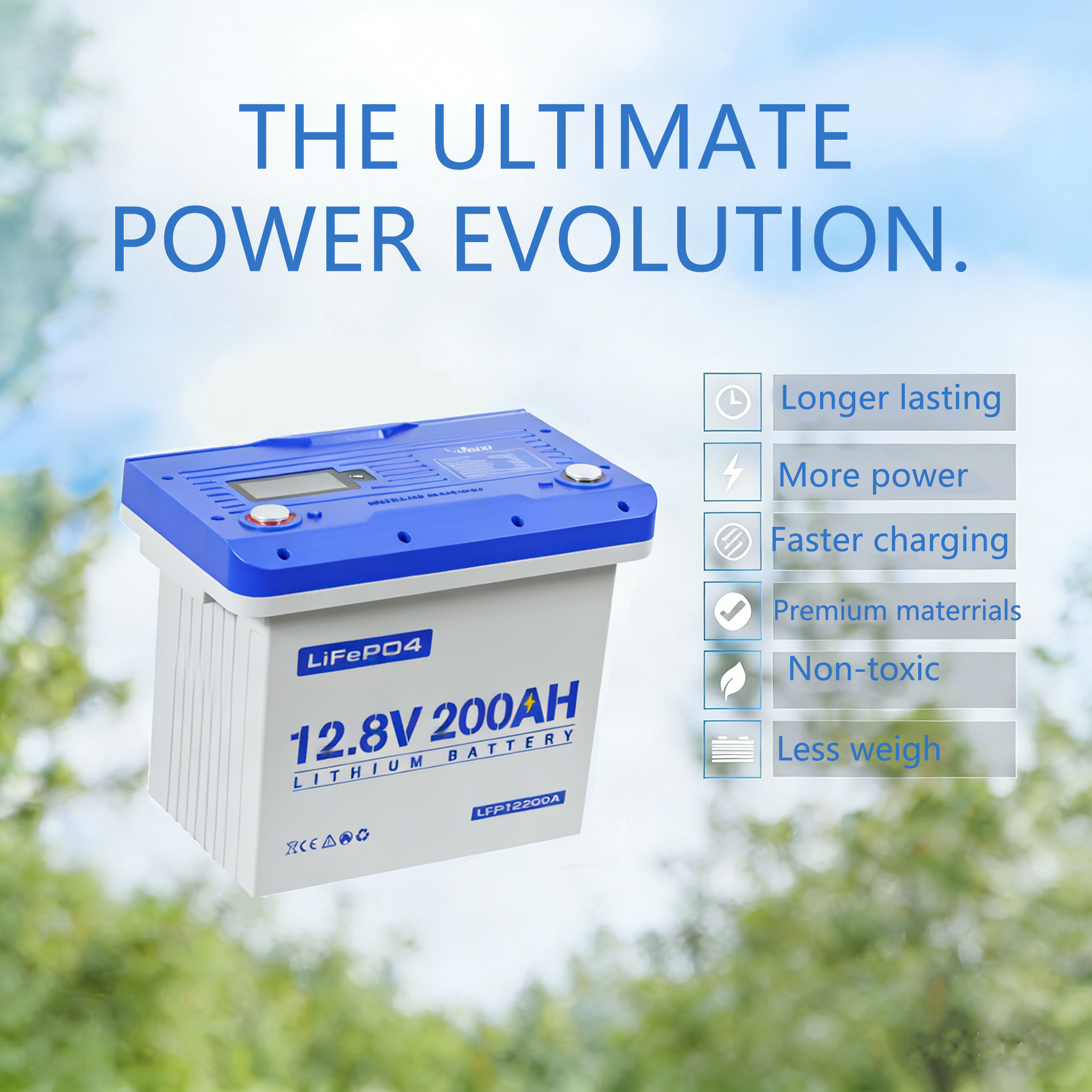
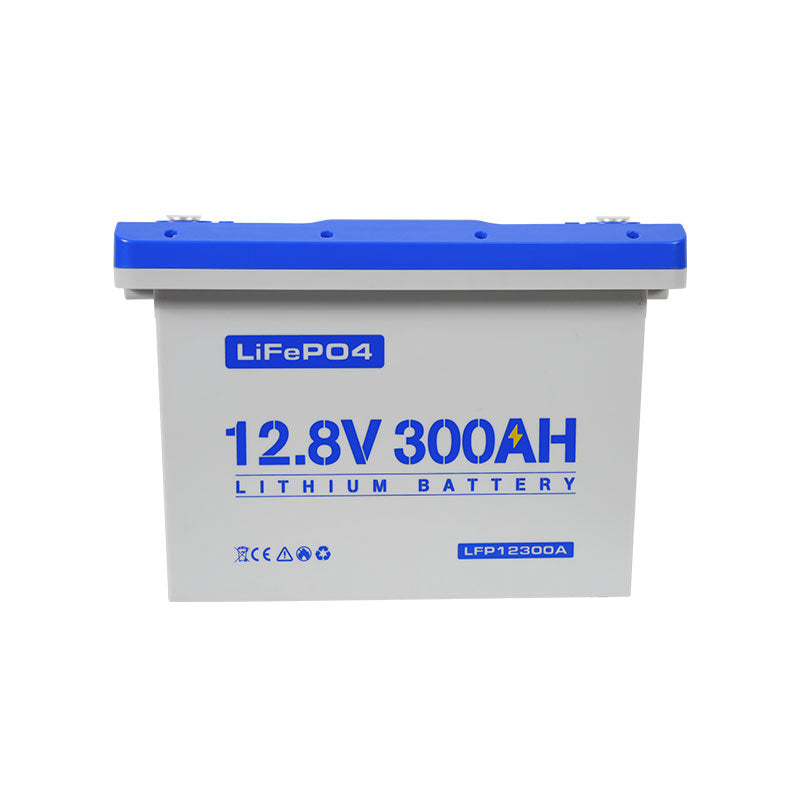
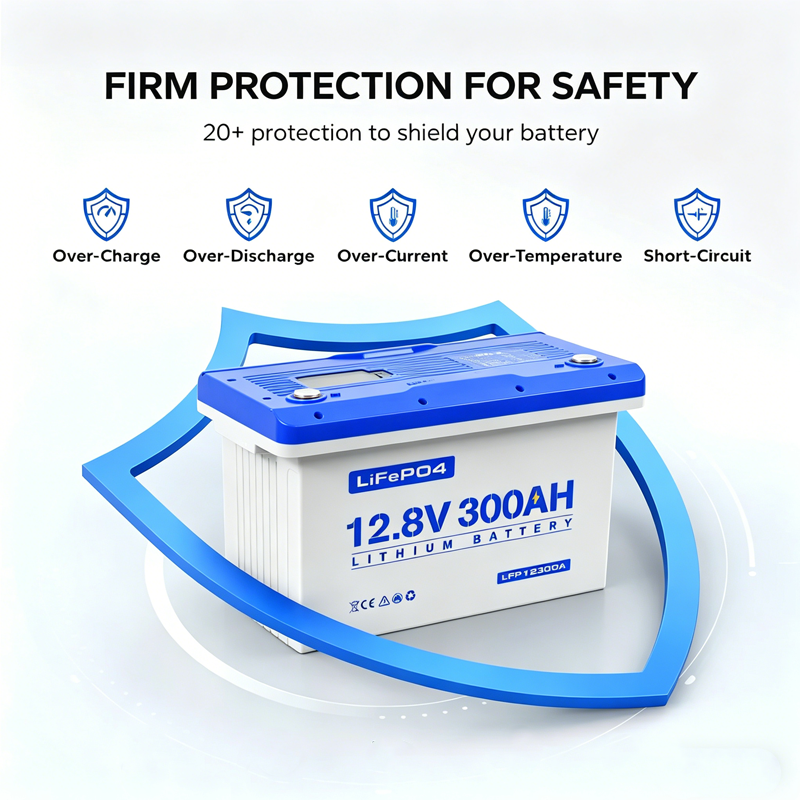
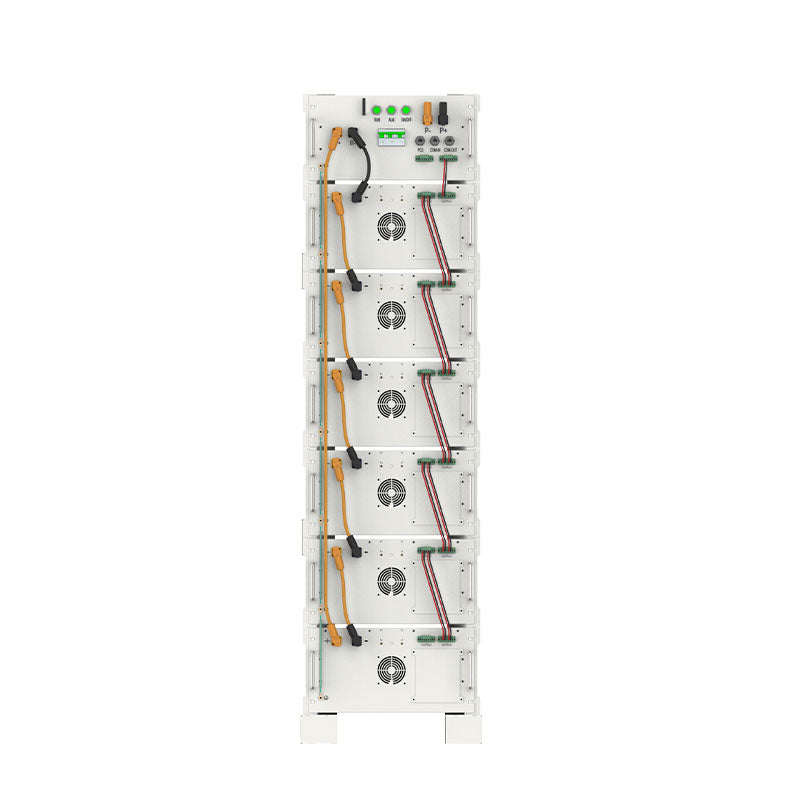
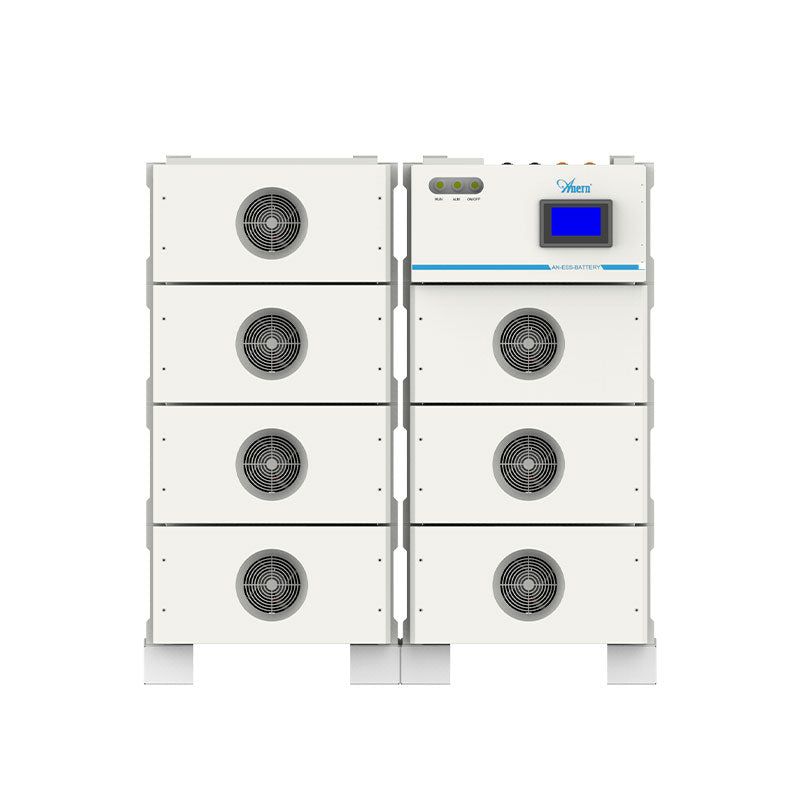
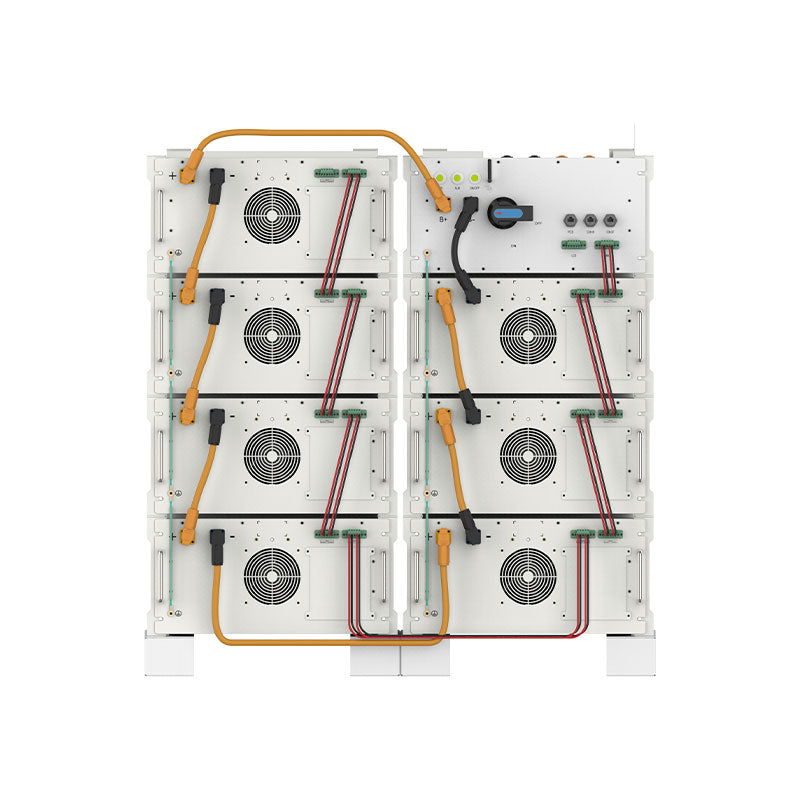
LiFePO4 batteries are a cornerstone of modern off-grid ESS due to their high performance, safety, and reliability. They offer a long cycle life and stable discharge characteristics, which are crucial for consistent off-grid power. When building a scalable system, select LiFePO4 battery modules that allow for easy parallel connection. This lets you increase your storage capacity by simply adding more battery units as needed. The cumulative electricity storage deployment has seen significant growth, with projections showing continued expansion under various scenarios.
Hybrid Inverters and Charge Controllers
The inverter is the brain of your ESS, converting DC power from your solar panels and batteries into AC power for your home or farm. A hybrid inverter integrates both inverter and charge controller functions, simplifying your system. For scalability, choose hybrid inverters designed for parallel stacking. This feature allows you to increase your AC output capacity by adding more inverters to the system, accommodating higher loads. Modern grid codes are also driving inverters to provide voltage control and frequency regulation, enhancing system stability.
Balance of System (BOS) Components
The Balance of System includes all other necessary components: cabling, mounting structures, disconnect switches, circuit breakers, and monitoring systems. These elements ensure safety, efficiency, and proper operation. For a scalable BOM, select BOS components that can handle increased current and voltage as your system expands. For example, oversized conduit and wiring can prevent costly upgrades later. Investing in a smart monitoring system that provides detailed data on energy production and consumption helps you make informed decisions about future expansions.

Designing for Scalability and Future Expansion
A forward-thinking design is crucial for a truly scalable off-grid ESS. This involves planning not just for your current needs but also for potential future requirements. Consider how your energy consumption might change over the next 5-10 years.
Assessing Current and Future Energy Needs
Begin by meticulously calculating your current energy consumption. List all appliances, their wattage, and how many hours they operate daily. Then, project your future needs. Do you plan to add electric vehicles, new appliances, or expand your living space? Overestimating slightly is often better than underestimating, as it provides a buffer for growth. The average storage duration has evolved over time, indicating a trend towards longer-duration storage solutions.
Modular Design Principles
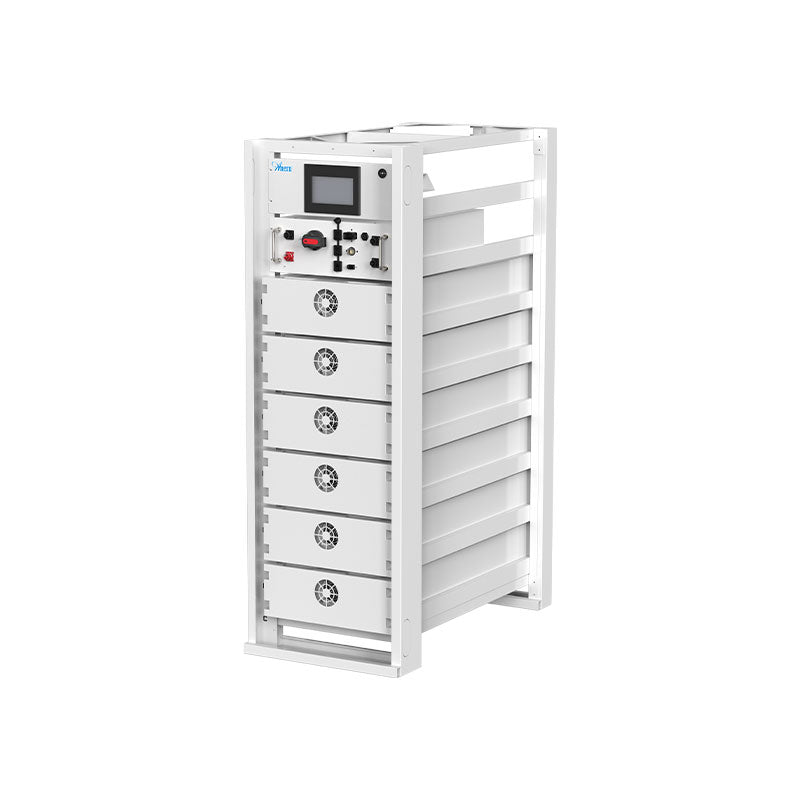
Embrace modularity from the ground up. This means selecting components that are designed to work in parallel or series to increase capacity. For instance, battery racks that can house additional modules, or inverter systems that allow for easy expansion of AC output. This approach ensures that adding capacity is a straightforward process, minimizing downtime and installation complexity.
Infrastructure Planning for Growth
Consider the physical infrastructure. Will your mounting system accommodate more solar panels? Is there adequate space for additional battery modules and inverters? Plan for extra conduit runs and larger electrical panels than initially required. This foresight reduces future labor costs and makes expansion smoother. Grid expansion plans, such as those in Germany, emphasize optimizing existing grids and accelerating expansion by simplifying procedures.
Optimizing Costs and Performance
Building a scalable off-grid ESS involves balancing initial investment with long-term performance and cost-effectiveness. Strategic component selection and system design can lead to significant savings over the system's lifetime.
Lifecycle Cost Analysis
Focus on the total cost of ownership rather than just the upfront price. High-quality components, like LiFePO4 batteries, may have a higher initial cost but offer superior longevity and performance, reducing replacement frequency and maintenance expenses. The levelized cost of energy (LCOE) for PV systems has seen a global average decline, making solar an increasingly attractive investment.
Component Selection for Efficiency and Durability
Prioritize components with high efficiency ratings to maximize energy harvest and minimize losses. Durable components withstand harsh environmental conditions, reducing the need for frequent repairs. For example, selecting solar panels with robust frames and certified resistance to wind and snow loads ensures long-term reliability. The average monocrystalline Si module efficiency has steadily increased over time.
Here is a comparison of typical battery characteristics:
| Feature | LiFePO4 Batteries | Lead-Acid Batteries |
|---|---|---|
| Cycle Life | 3,000 - 10,000+ cycles | 300 - 1,500 cycles |
| Depth of Discharge (DoD) | 80% - 100% | 50% |
| Efficiency | 90% - 99% | 70% - 85% |
| Weight | Lighter | Heavier |
| Maintenance | Low/None | High (watering, equalization) |
| Safety | High (thermal stability) | Good (if maintained) |
Implementation and Maintenance Considerations
Proper installation and ongoing maintenance are vital for the longevity and optimal performance of your scalable off-grid ESS. Even the best BOM requires careful execution.
Professional Installation and System Commissioning
While DIY can be appealing, professional installation ensures your system meets safety standards and operates efficiently. Certified installers understand complex wiring, grounding requirements, and system integration. Proper commissioning involves testing all components and verifying that the system performs as designed, which is especially important for modular systems where components need to communicate seamlessly.
Regular Monitoring and Maintenance
Implement a routine maintenance schedule. This includes checking connections, cleaning solar panels, and reviewing performance data from your monitoring system. Early detection of issues can prevent minor problems from becoming major failures. For LiFePO4 batteries, the integrated BMS often handles most maintenance tasks, but periodic checks ensure optimal health. Proactive monitoring helps you understand when and how to expand your system most effectively.
Safety Protocols and Standards
Adhere to all relevant electrical codes and safety standards. This includes proper fusing, circuit breakers, and grounding. For off-grid systems, robust overcurrent protection and surge suppression are non-negotiable. Always consult local regulations and ensure your system design and installation comply with them. Safety is paramount, particularly when dealing with high-voltage DC and AC power.
Moving Forward with Your Energy System
Building a scalable Off-Grid BOM for a Modular ESS is a strategic investment in your energy future. By carefully selecting components, planning for growth, and prioritizing long-term performance, you create a reliable and adaptable power solution. This roadmap empowers you to achieve true energy independence, ensuring your system evolves with your needs.
Frequently Asked Questions
What is a Bill of Materials (BOM) for an ESS?
A Bill of Materials (BOM) for an Energy Storage System lists all the components, sub-assemblies, and parts required to build, install, and operate the system. This includes everything from solar panels and batteries to wiring, connectors, and mounting hardware.
Why is a scalable BOM important for off-grid systems?
A scalable BOM allows you to expand your off-grid system's capacity in the future without replacing the entire setup. This is crucial for adapting to increased energy demands, adding new appliances, or simply growing your energy independence over time, making your initial investment more future-proof.
What are the main advantages of LiFePO4 batteries in a modular ESS?
LiFePO4 batteries offer a long cycle life, high depth of discharge, excellent safety characteristics, and stable performance. Their modular design often allows for easy expansion by adding more battery units in parallel, making them ideal for scalable off-grid energy storage systems.
Can I expand my off-grid system indefinitely?
While modular systems offer significant expansion capabilities, there are practical limits related to available space, budget, and the maximum capacity supported by your inverter and other core components. Careful planning in the initial stages helps maximize your system's expandability.
What role do hybrid inverters play in a scalable off-grid BOM?
Hybrid inverters combine the functions of an inverter and a charge controller. For scalability, many hybrid inverters support parallel operation, allowing you to increase your AC output capacity by connecting multiple inverters. This provides flexibility to handle larger loads as your energy needs grow.
