














Solar-powered drip irrigation offers a sustainable and efficient approach to water management. It combines the water-saving benefits of drip irrigation with the energy independence of solar power. For anyone looking to reduce operational costs, conserve water, and gain autonomy from traditional power grids, understanding the proper sizing of these systems is crucial.
This comprehensive resource will help you navigate the technical aspects of designing a solar-powered drip irrigation system. You will gain insights into assessing your specific needs, selecting appropriate components, and ensuring your system operates effectively for years.

Assessing Your Water and Crop Needs
Before selecting any equipment, you must accurately determine your irrigation requirements. This foundational step ensures your system delivers adequate water to your crops without waste or deficiency.
Water Source and Flow Rate
Identify your water source, whether it is a well, borehole, pond, river, or storage tank. Knowing the depth of the water source and its potential yield is vital. Measure the available flow rate from your source. This can often be done by filling a known volume container over a timed period. For example, if you fill a 5-gallon bucket in 30 seconds, your flow rate is 10 gallons per minute (GPM).
The flow rate dictates how much water your pump can draw and how quickly your irrigation system can operate. An insufficient flow rate from the source will limit the effectiveness of even a perfectly sized pump.
Crop Water Requirements and Soil Type
Different crops have varying water needs, and soil types influence how water is absorbed and retained. Sandy soils drain quickly, requiring more frequent, shorter irrigation cycles, while clay soils hold water longer, benefiting from less frequent, longer applications.
Research the daily water requirements for your specific crops based on their growth stage and local climate conditions. This information, often expressed in inches or millimeters per day, allows you to calculate the total volume of water needed for your irrigated area. For instance, a potato crop, critical for yield and quality, can significantly benefit from precise water delivery, especially in water-scarce areas.
System Pressure Considerations
Drip irrigation systems operate at relatively low pressures compared to sprinklers, typically ranging from 10 to 30 PSI (pounds per square inch). However, maintaining consistent pressure throughout the system is crucial for uniform water distribution.
Account for pressure losses due to friction in pipes, elevation changes, and the emitters themselves. A pressure regulator is often necessary to ensure the entire drip line receives the correct pressure, preventing uneven watering and potential damage to components.
Selecting Drip Irrigation Components
The efficiency of your solar-powered system heavily relies on the appropriate selection of drip irrigation components.
Emitters and Tubing
Drip emitters release water at a controlled rate, directly to the plant root zone. Choose emitters with a flow rate suitable for your crop and soil type (e.g., 0.5 GPH, 1 GPH). Pressure-compensating (PC) emitters are recommended for uneven terrain or long drip lines, as they deliver a consistent flow despite pressure fluctuations.
Select drip tubing (mainlines, sub-mainlines, and laterals) with diameters appropriate for the required flow rates and lengths to minimize pressure loss. Larger diameters reduce friction loss but come at a higher cost.
Filtration and Pressure Regulation
Water quality is paramount for drip systems. Sediment and debris can clog emitters, leading to system failure. Install a robust filtration system, which may include screen filters, disc filters, or media filters, depending on your water source's purity. Regular cleaning of filters is a simple yet vital maintenance task.
As mentioned, pressure regulators are indispensable for drip systems. They ensure the operating pressure stays within the optimal range for your emitters, maximizing their lifespan and water application uniformity. Placing the pressure regulator after the filter is a common practice.
Sizing Your Solar Water Pump
The pump is the heart of your solar irrigation system, moving water from the source to your crops. Correct pump sizing is critical for performance and energy efficiency.
Calculating Total Dynamic Head (TDH)
Total Dynamic Head (TDH) is the total equivalent height your pump must lift water. It accounts for both vertical lift (static head) and friction losses in pipes and fittings (friction head), as well as the desired pressure at the discharge point (pressure head).
Formula for TDH: TDH = Static Head + Friction Head + Pressure Head
- Static Head: The vertical distance from the water level in your source to the highest point in your irrigation system.
- Friction Head: Energy lost due to water rubbing against the inside of pipes and fittings. This depends on pipe diameter, length, material, and flow rate. Use friction loss charts or calculators.
- Pressure Head: The pressure required at the discharge point, converted to feet or meters of head (e.g., 1 PSI ≈ 2.31 feet of head).
A precise TDH calculation ensures you select a pump capable of delivering the required flow rate at the necessary pressure.
Pump Selection and Matching
Choose a pump type suitable for your application. Submersible pumps are ideal for wells and boreholes, while surface pumps work well for ponds or tanks. Consider DC pumps for direct solar connection or AC pumps with an inverter for higher power needs or existing AC infrastructure.
Match the pump's flow rate and head curve to your calculated irrigation needs and TDH. The pump's operating point should align with the most efficient part of its performance curve. For instance, a 5 hp solar-powered drip irrigation pump might require a 4.8 kWp solar system for operation, along with a customized balance of systems, depending on the hours of operation.
Designing the Solar Power System
The solar power system generates the electricity to run your pump. Proper sizing ensures reliable operation, even during less sunny periods.
Solar Panel Capacity
Calculate the total energy required by your pump over its daily operation time. This involves multiplying the pump's power consumption (watts) by the number of hours it will run each day. Then, factor in the peak sun hours for your location (average daily hours of sunlight at an intensity of 1000 watts per square meter).
The total wattage of your solar panels should be sufficient to meet this daily energy demand, accounting for system losses (e.g., temperature, shading, wiring). Aim for a slight over-sizing to compensate for cloudy days or seasonal variations. Solar panels are modular, allowing systems to range from a few watts to hundreds of megawatts.
Battery Storage for Continuous Operation
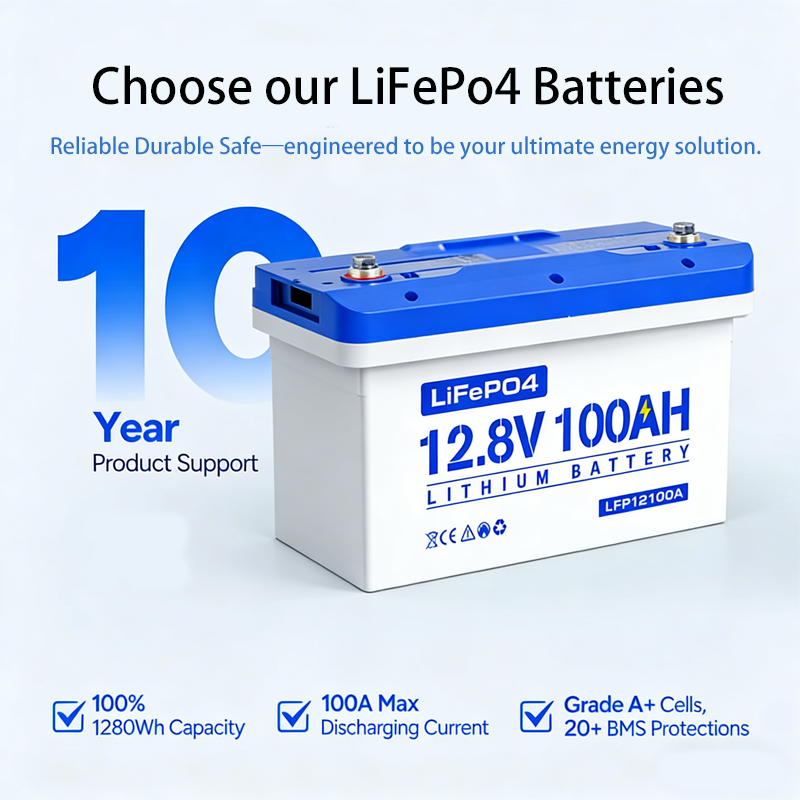
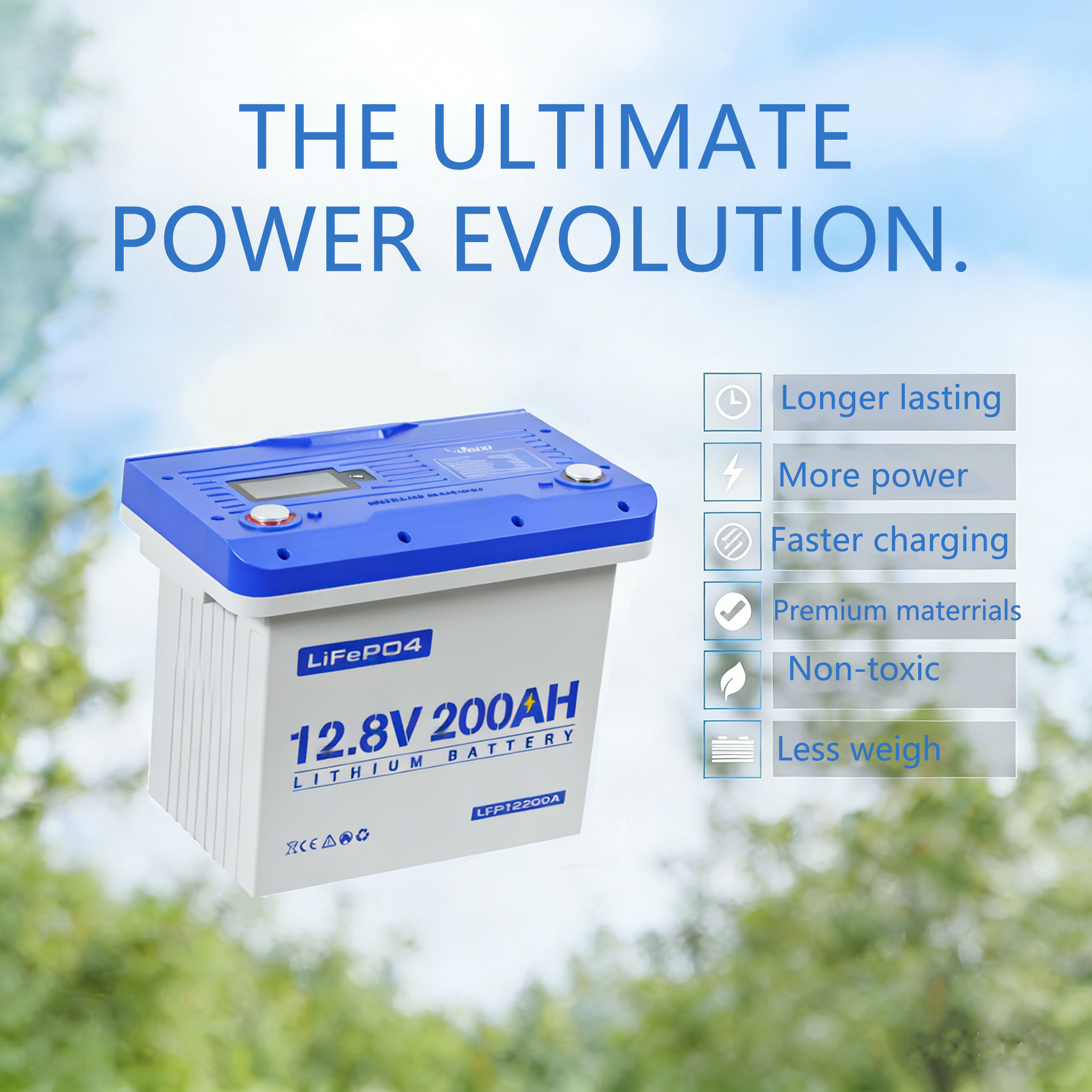
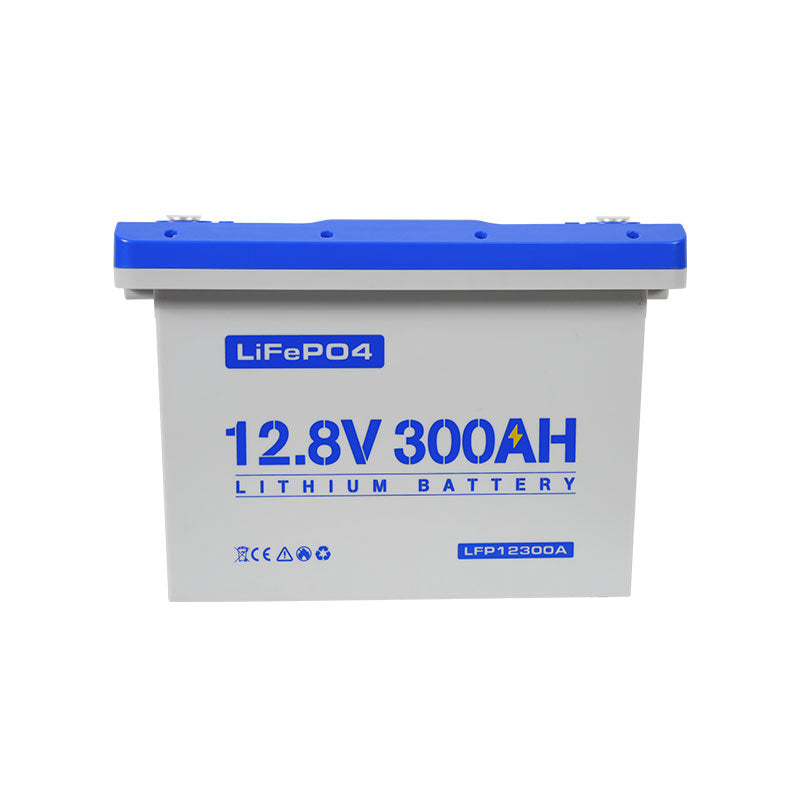
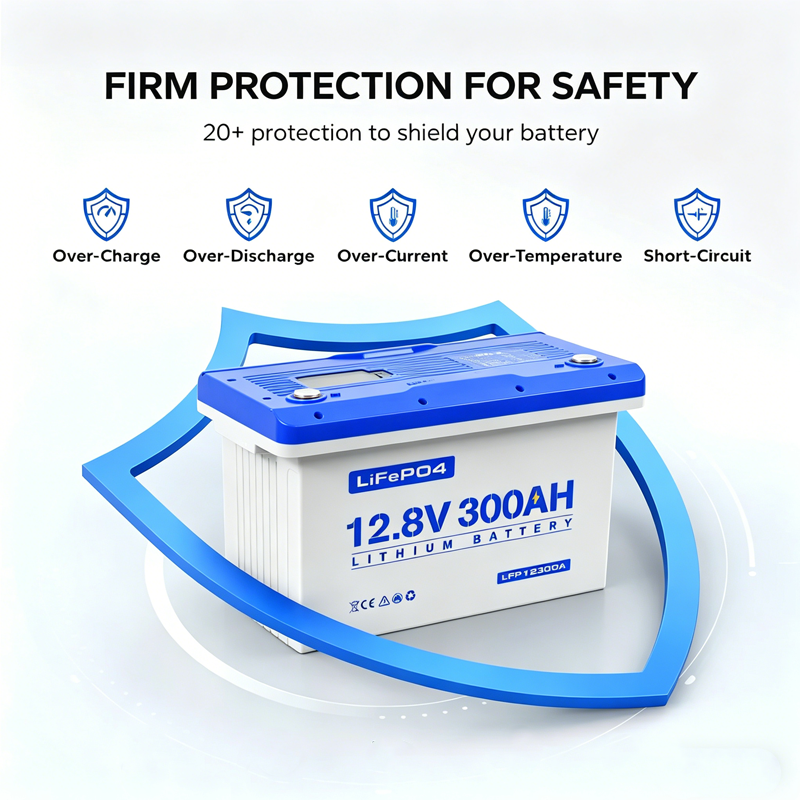
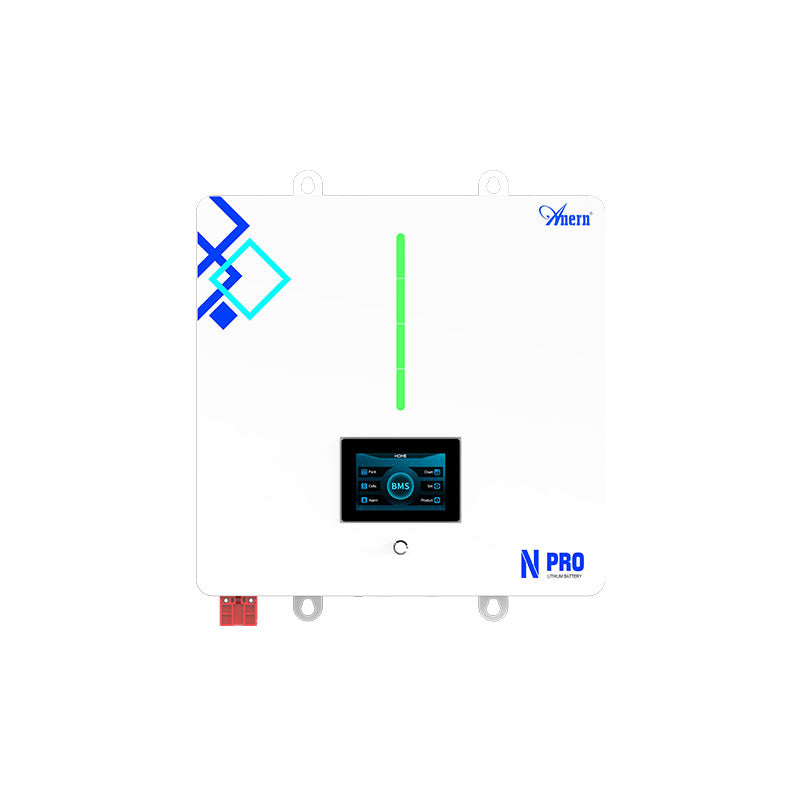
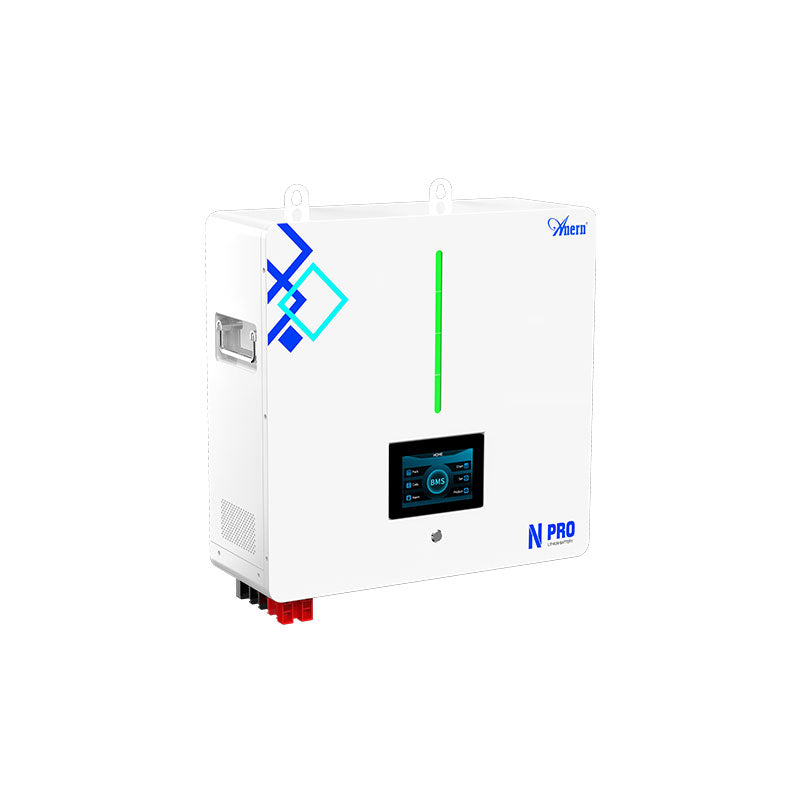
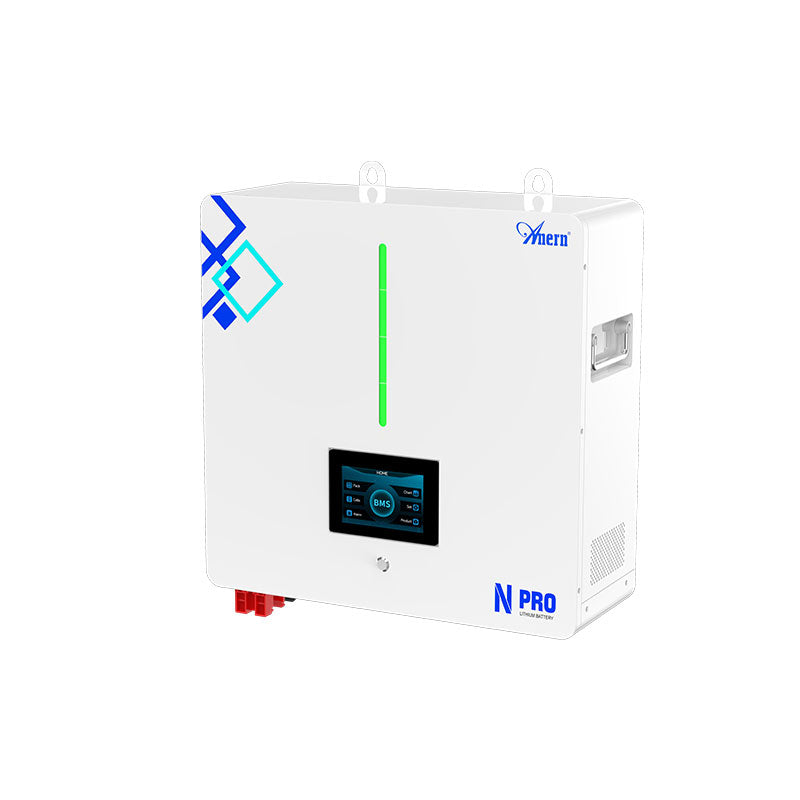
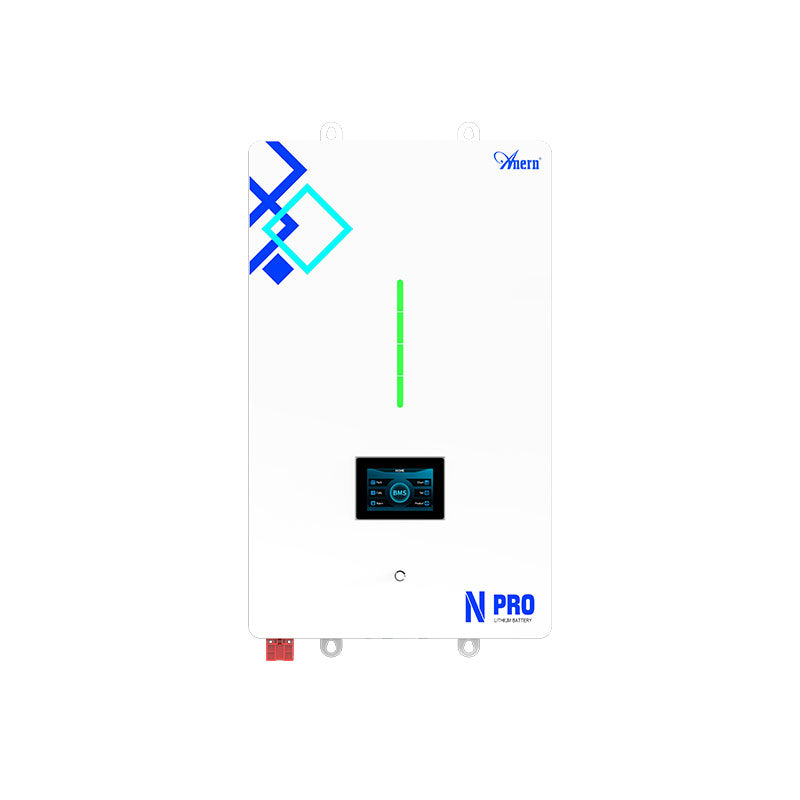
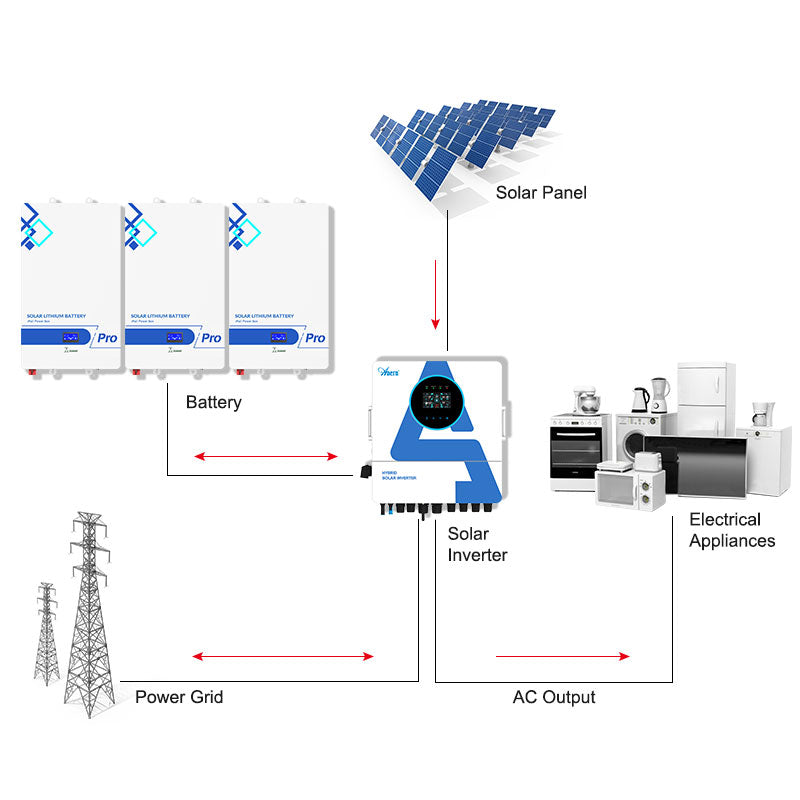
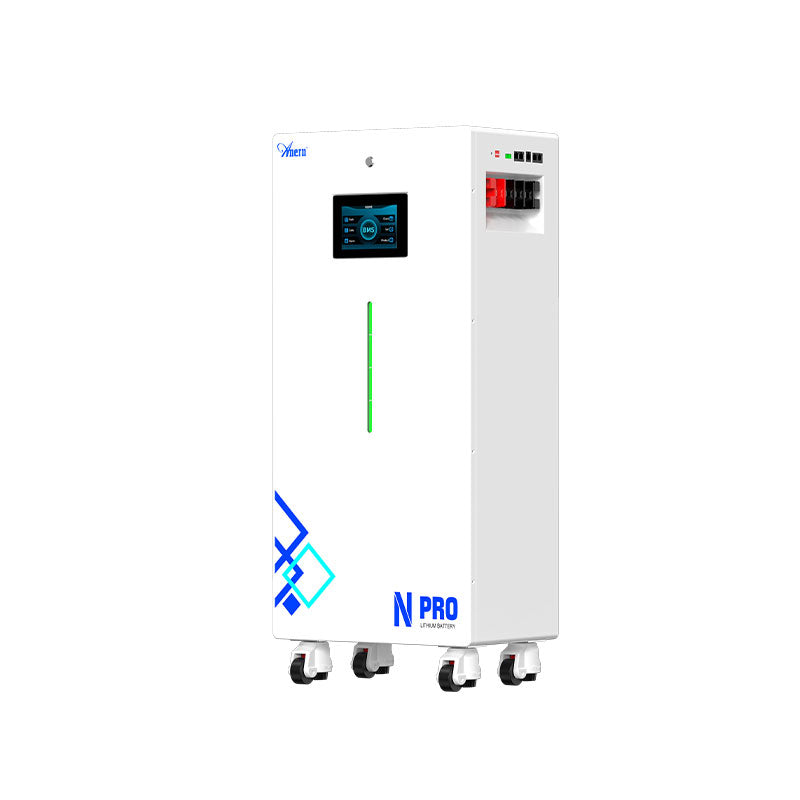
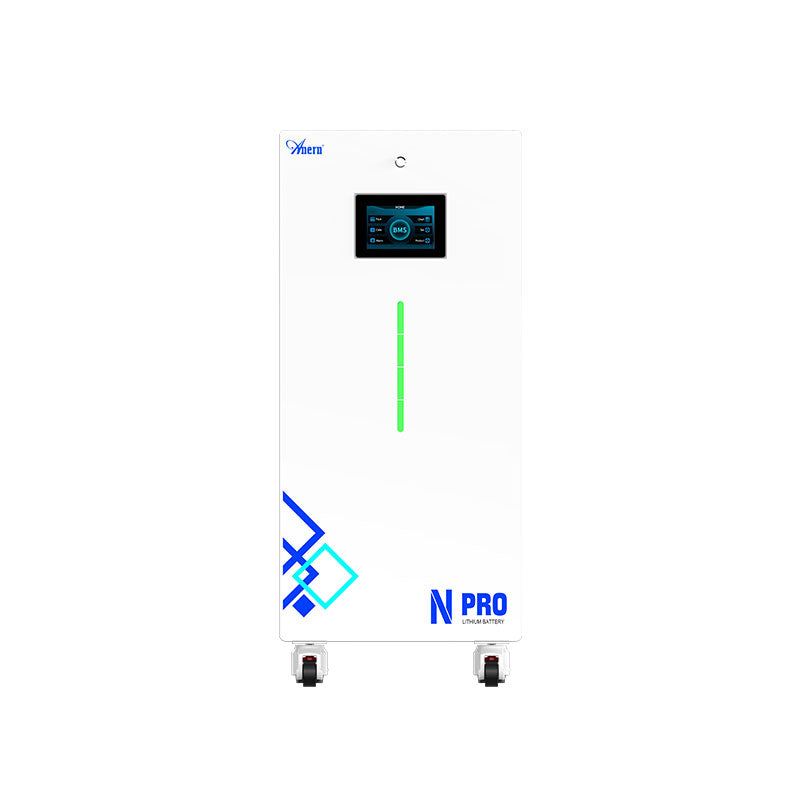
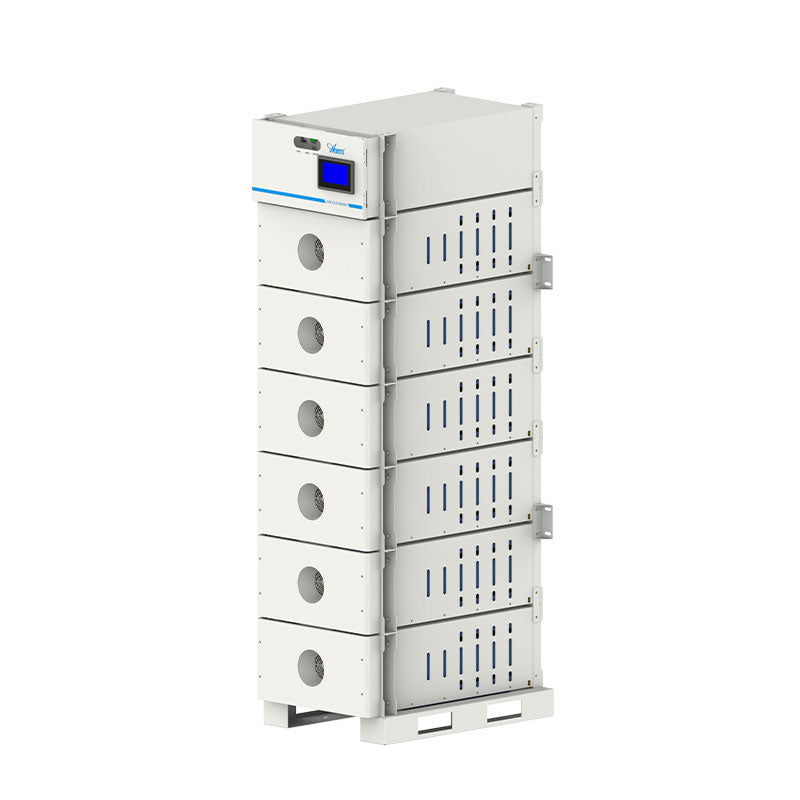
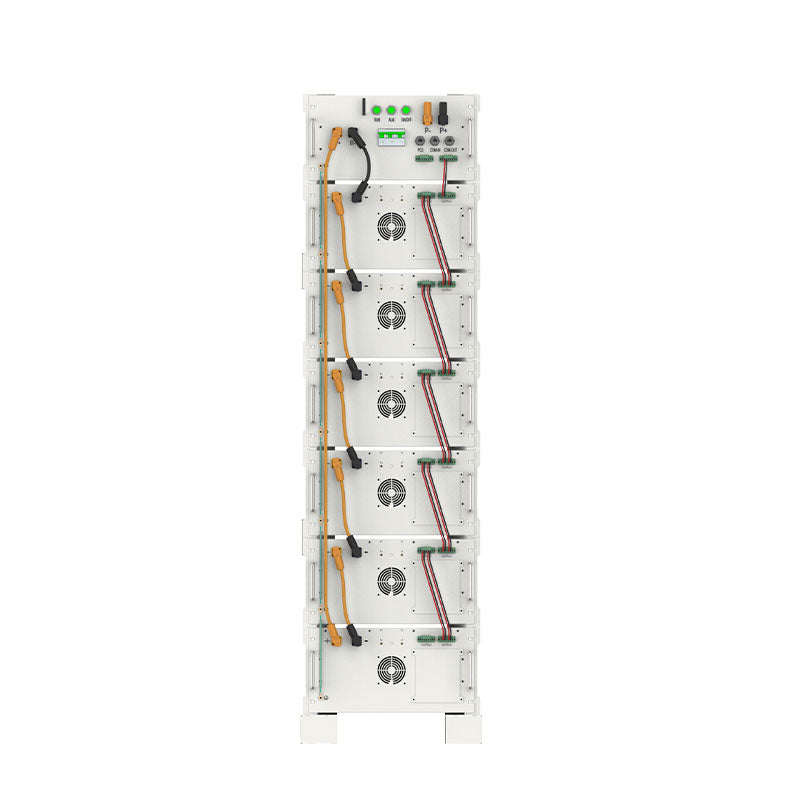
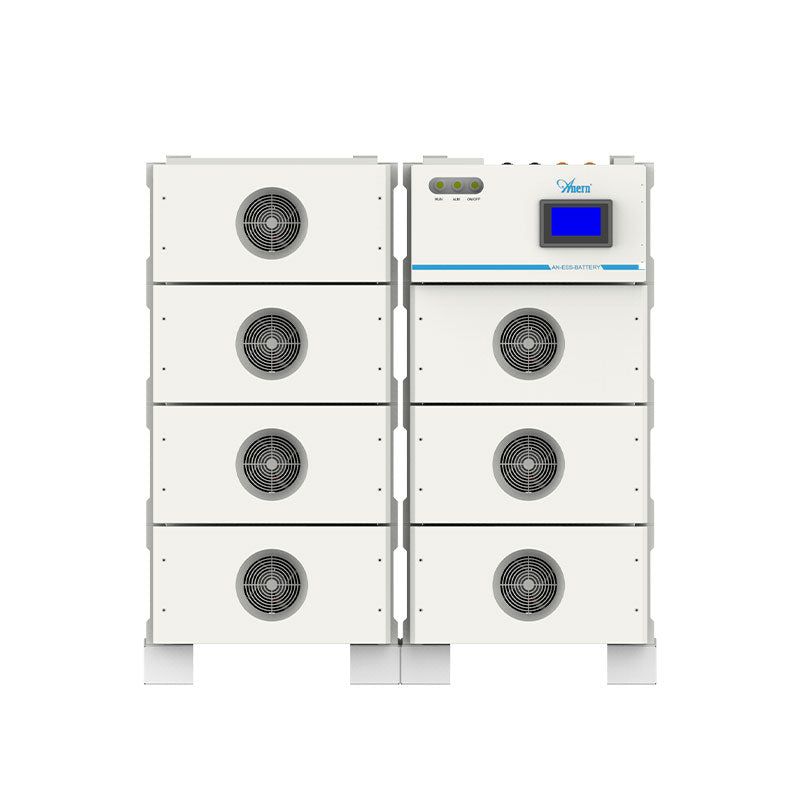
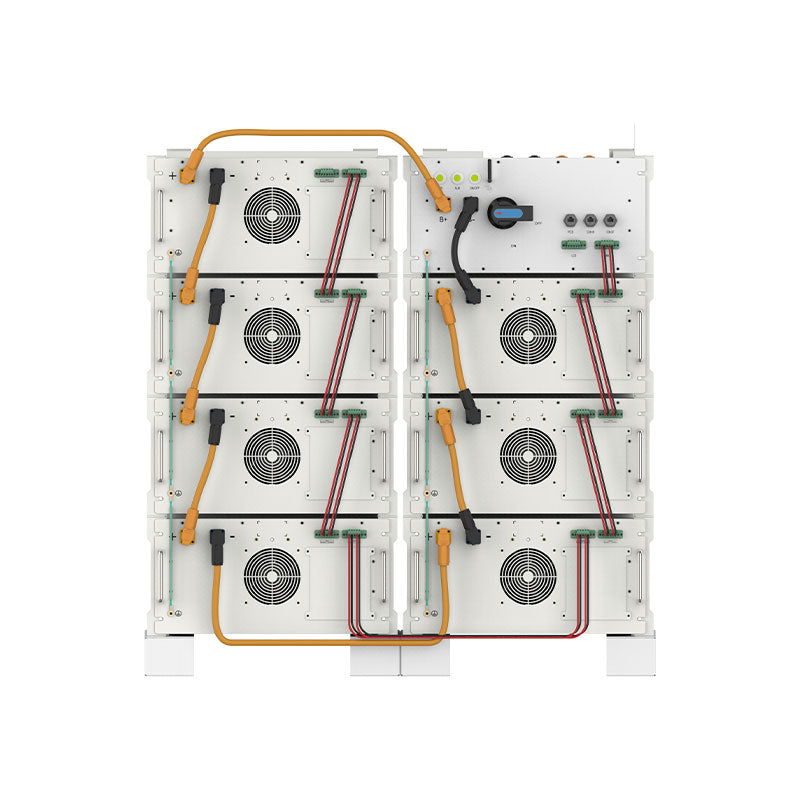
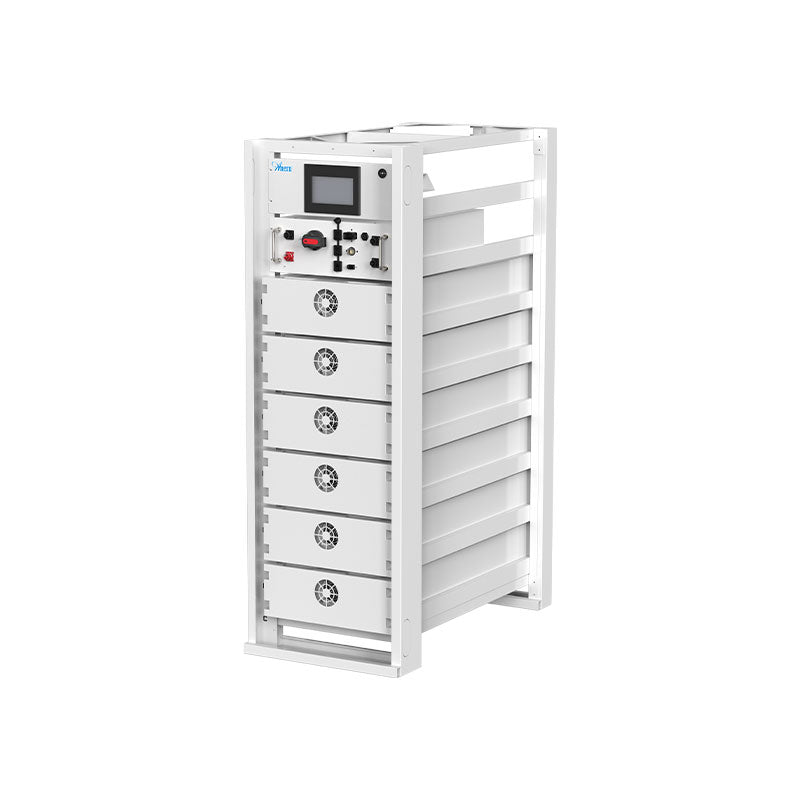
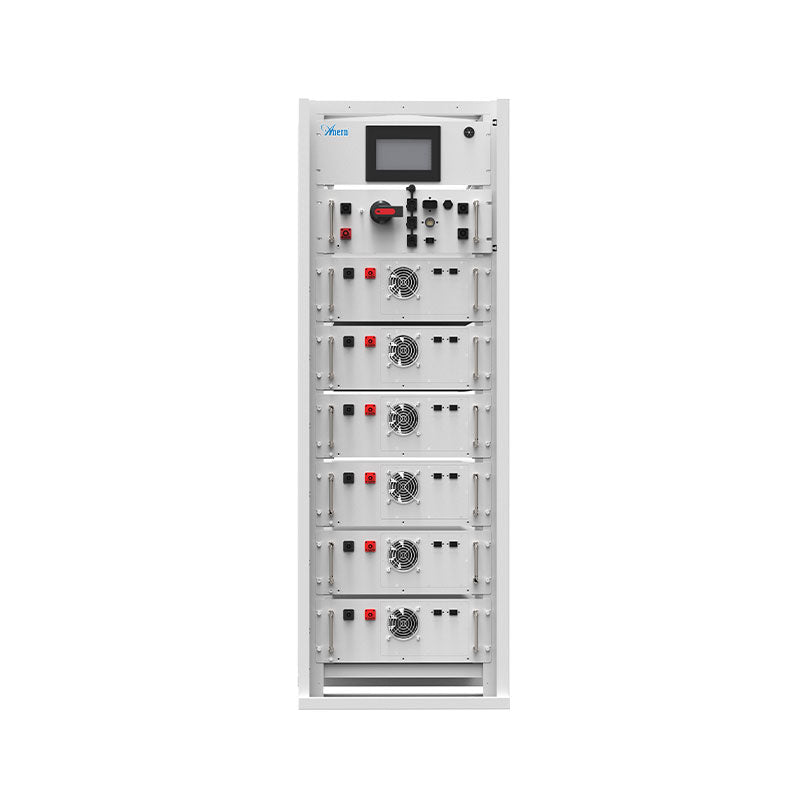
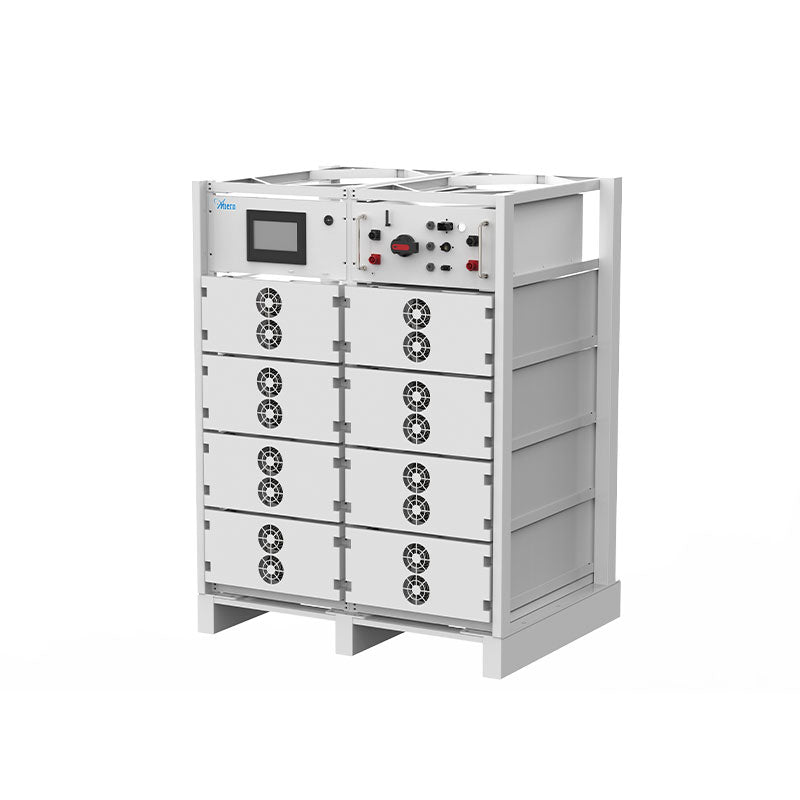
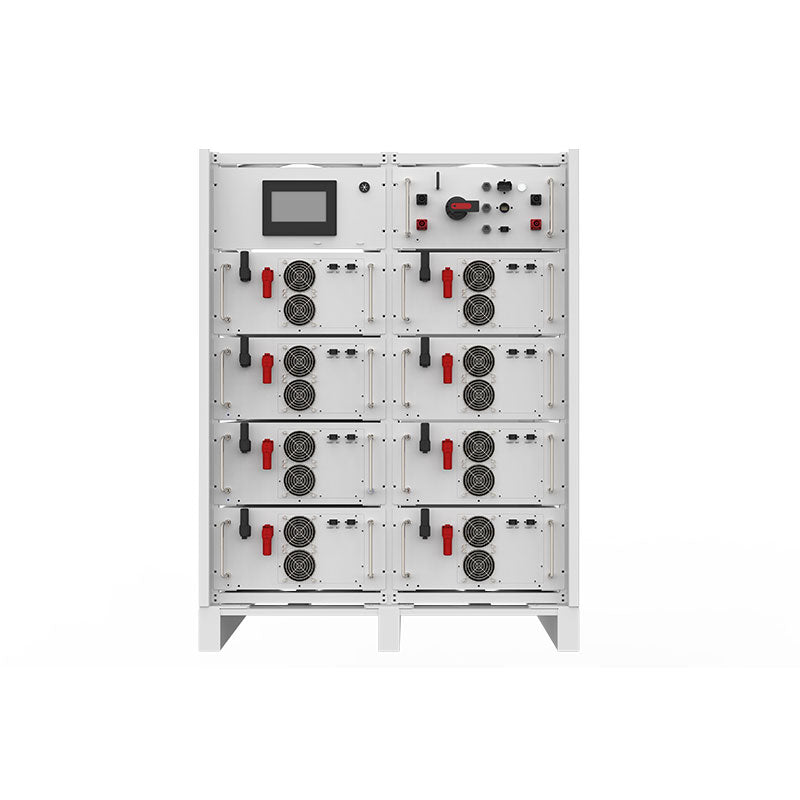
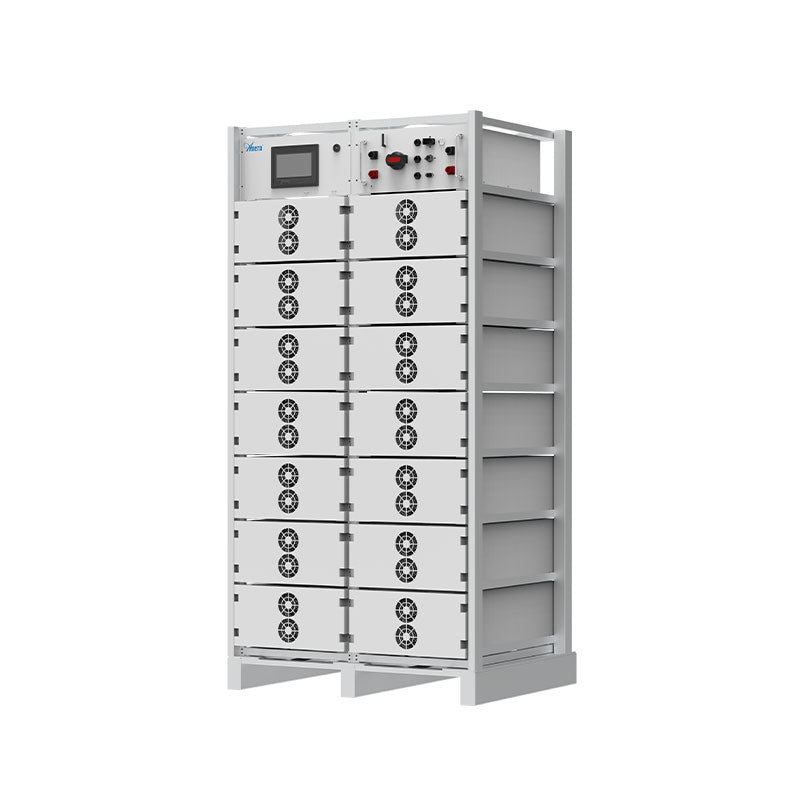
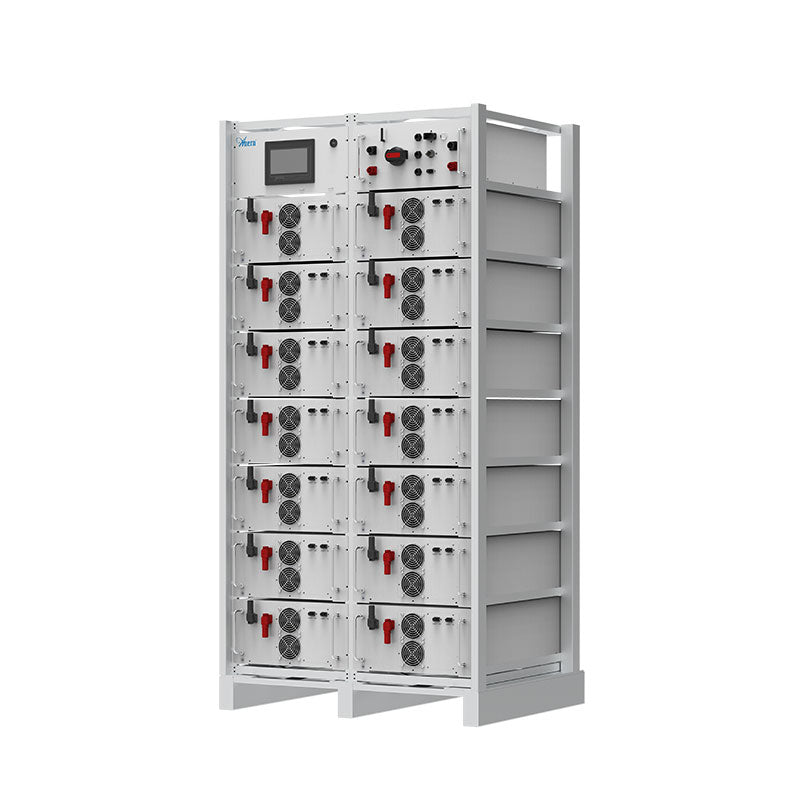
For systems that need to operate after sunset, on cloudy days, or during peak demand when solar output is low, battery storage is essential. Our company specializes in high-performance, safe, and reliable Lithium Iron Phosphate (LiFePO4) batteries, which offer excellent cycle life and depth of discharge, making them a robust choice for solar irrigation systems.
To size batteries, determine the number of "autonomy days" (how many days the system needs to run without sun) and the total daily energy consumption of your pump. Multiply these to get the total energy storage needed. Convert this energy (Wh or kWh) into amp-hours (Ah) based on the battery bank voltage. Consider the battery's depth of discharge (DoD) to prolong its lifespan.
For off-grid solar solutions, integrating our LiFePO4 batteries with a hybrid inverter and solar panels creates a cohesive home energy storage system (ESS), ensuring consistent power for your irrigation needs, even for remote farms or cabins.
Inverter Sizing for AC Pumps
If you are using an AC pump, an inverter is necessary to convert the direct current (DC) produced by your solar panels (and stored in batteries) into alternating current (AC) that your pump uses. The inverter's continuous power rating (watts) must exceed the maximum power draw of your pump, including any surge current during startup.
Additionally, consider the inverter's efficiency. A higher efficiency inverter means less energy is lost during the DC-to-AC conversion, making your overall system more effective. Our solar inverters are designed to efficiently convert DC power, ensuring optimal performance for your irrigation pump.
Practical Implementation and Maintenance
Proper installation and ongoing maintenance are crucial for the long-term success and efficiency of your solar-powered drip irrigation system.
System Layout and Installation Tips
Plan your system layout carefully, considering the placement of solar panels (optimizing for sun exposure), pump location (close to the water source and protected), and the routing of pipes. Minimize pipe lengths and bends to reduce friction losses.
Ensure all electrical connections are secure and weatherproof. Use appropriate wiring gauges to prevent voltage drop. Consider securing solar panels to withstand local wind conditions. For systems requiring backup, ensure the battery bank is housed in a cool, dry, and secure location.
Optimizing Performance and Longevity
Regular maintenance extends the life of your system and maintains its efficiency. This includes:
- Cleaning solar panels regularly to remove dust and debris, maximizing energy capture.
- Checking and cleaning water filters to prevent emitter clogging.
- Inspecting drip lines and emitters for leaks or blockages.
- Monitoring pump performance and checking for unusual noises or vibrations.
- For battery-backed systems, periodically checking battery terminals for corrosion and monitoring their state of charge.
Integrated planning processes, incorporating irrigation requirements into generation planning, can further enhance the flexibility of water management systems.
| Component | Sizing Factor | Key Metric |
|---|---|---|
| Water Source | Availability & Yield | GPM / LPH |
| Drip Emitters | Crop Water Needs & Soil Type | GPH / LPH |
| Water Pump | Flow Rate & Total Dynamic Head | GPM / LPH @ PSI / Head |
| Solar Panels | Pump Energy Demand & Sun Hours | Watts / kWp |
| Batteries (Optional) | Autonomy Days & Daily Consumption | Ah / kWh |
| Inverter (for AC Pump) | Pump Power Draw | Watts / kVA |
Moving Forward with Solar Irrigation
Designing a solar-powered drip irrigation system involves careful planning and calculation, but the rewards are substantial. You gain a reliable, sustainable, and cost-effective solution for your watering needs, contributing to water conservation and energy independence.
By accurately assessing your water and crop requirements, selecting the right drip components, and precisely sizing your solar pump and power system, you build a foundation for long-term success. Our years of experience in the solar and energy storage industry, with a focus on high-quality lithium batteries, comprehensive energy storage systems, and off-grid solutions, position us to help you achieve your energy independence goals.
Embrace the power of the sun to cultivate your land efficiently and sustainably.
References:
