















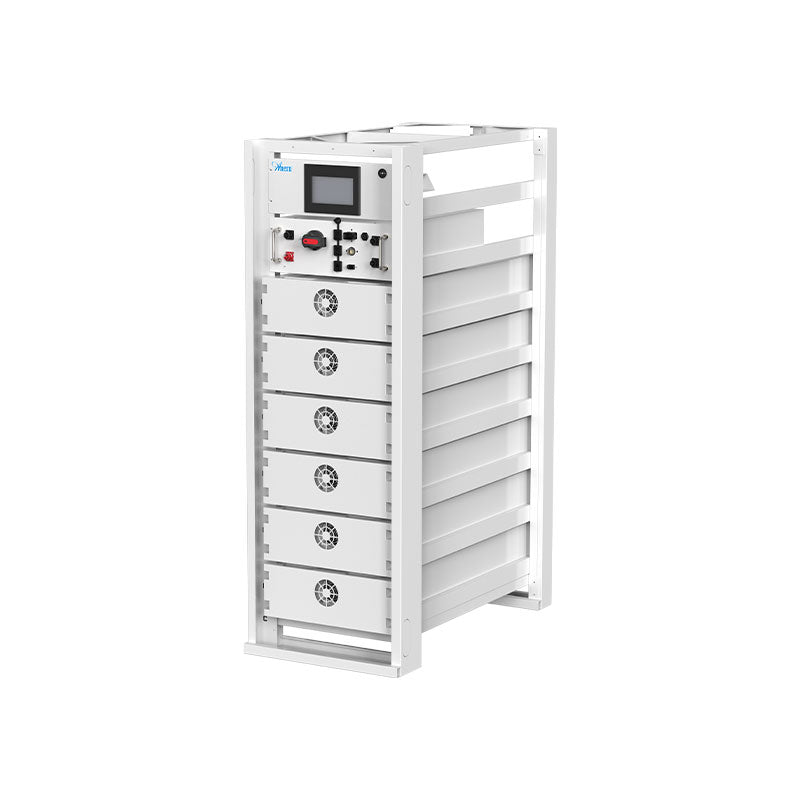
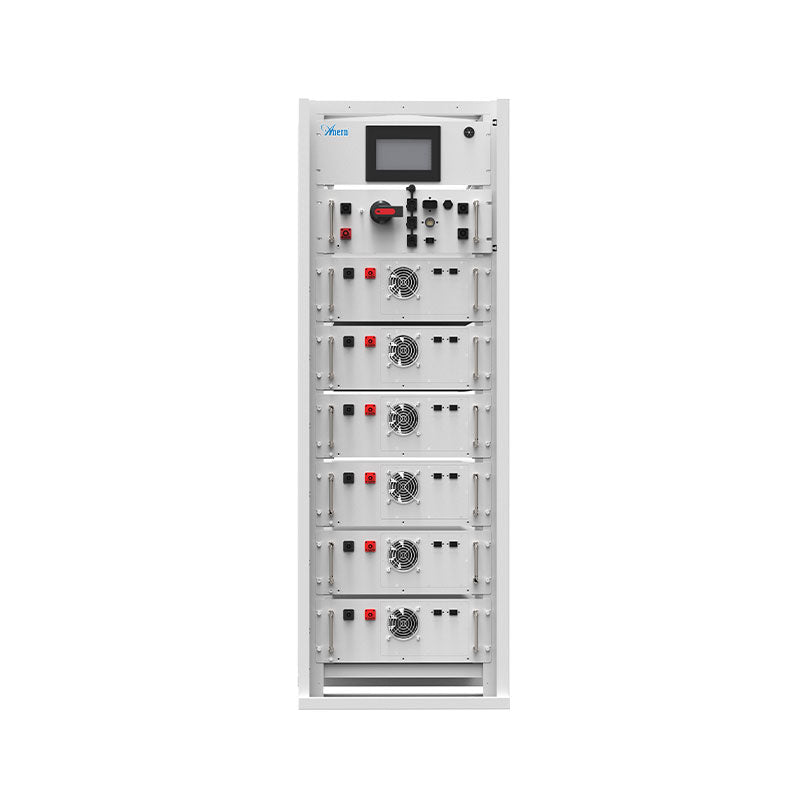
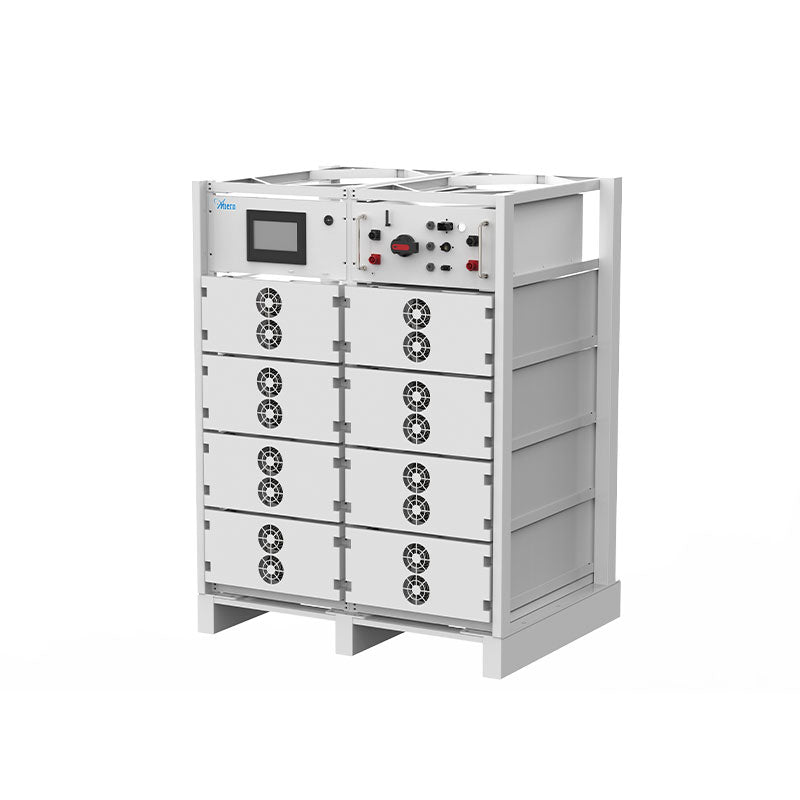
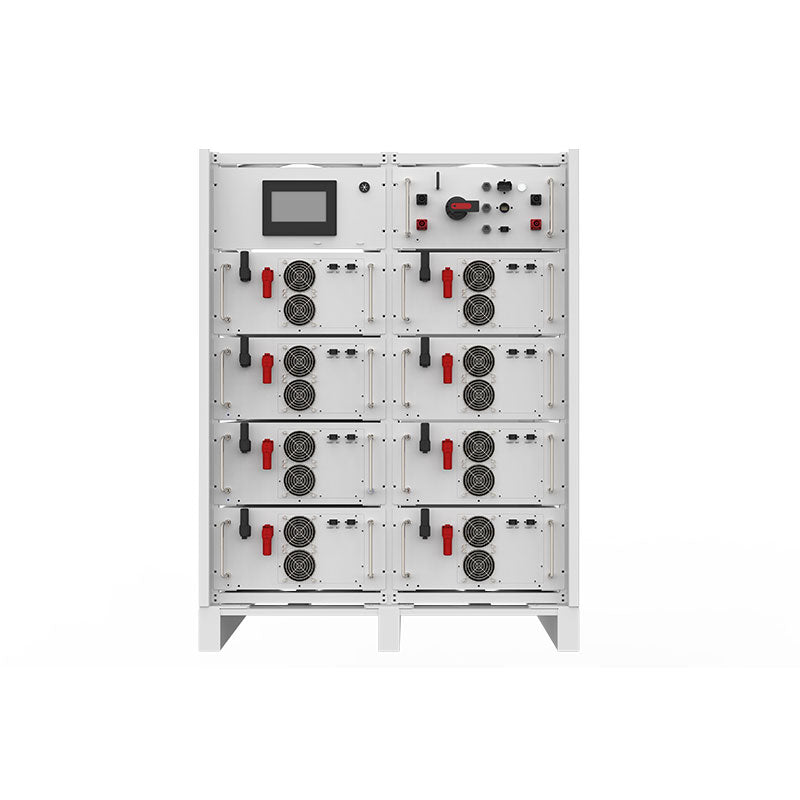
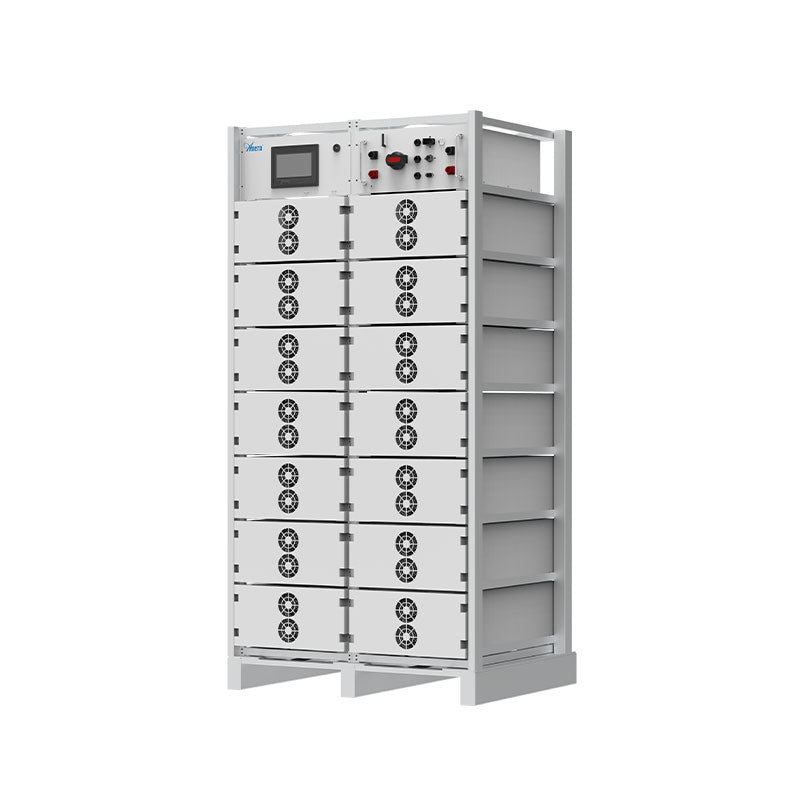
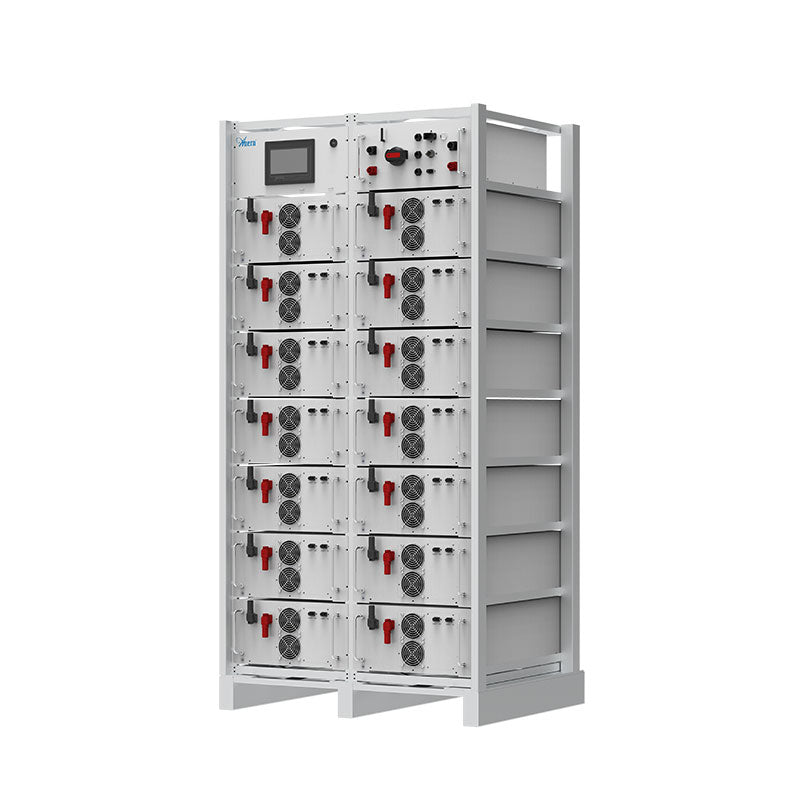



In commercial storage projects, battery capacity only creates value when it is properly managed. A large battery may still underperform if it charges at the wrong time, discharges too early, or maintains too little reserve for critical loads. In a battery energy storage system (BESS), the energy management system (EMS) coordinates charging, discharging, monitoring, and operating priorities. It works seamlessly with the Battery Management System (BMS), Power Conversion System (PCS), meters, solar equipment, cooling equipment, and site loads. For facility owners, EPCs, distributors, and energy managers, EMS quality directly impacts daily savings, backup readiness, service visibility, and long-term operational success.
How an Energy Management System Controls Battery Charging and Discharging
While charging and discharging may seem simple from the outside, inside a commercial storage site, every action depends on power limits, tariff periods, load demand, battery condition, and backup requirements.
The EMS reads operating signals and sends dispatch commands to the PCS. The PCS then executes the requested charge or discharge level within its rated power and safety limits. Simultaneously, the BMS monitors the battery's condition and may reduce available power if the voltage, current, state of charge (SOC), or temperature approaches a critical limit.
A battery energy storage system must follow control rules established during design and commissioning. These rules typically reflect the site’s tariff structure, critical load profile, solar generation patterns, grid interconnection limits, and maintenance plans.
Key Control Settings
- Minimum and maximum state of charge
- Backup reserve percentage for critical loads
- Maximum charge and discharge power
- Grid import and export limits
- Time-of-use (TOU) charging windows
- Peak demand thresholds
- Allowed operating modes by time period
- Safe fallback behaviors during communication loss
For charging, the EMS may leverage solar surplus, low-cost grid power, or reserve recovery following an outage. For discharging, it can support facility loads, reduce peak demand, increase solar self-consumption, or sustain critical circuits during a grid failure.
Robust EMS logic should be highly traceable through state-of-charge records, dispatch commands, meter data, and alarm histories. This visibility empowers operators to accurately explain system behavior during commissioning, monthly reviews, and troubleshooting sessions.
What Data Does an EMS Monitor in a Commercial Storage System?
Commercial operators require comprehensive data that supports safety, performance reviews, maintenance, and financial verification. The EMS provides this data through a unified operating interface.
The Energy Market Authority describes a typical BESS as a holistic system featuring battery racks, a BMS, battery thermal management, a PCS, and an EMS. It further defines the EMS as the critical sub-system that monitors, controls, and optimizes power flow and distribution based on the specific application.
| Data Type | Typical EMS View | Operational Value |
|---|---|---|
| Battery status | SOC, SOH, rack status, voltage differences | Displays usable energy and overall battery health |
| Power flow | PV output, grid import, grid export, site load, PCS output | Tracks and confirms how energy moves across the site |
| Thermal status | Cell temperature, cabinet temperature, and cooling status | Supports crucial safety checks and proactive maintenance planning |
| Alarms and events | Fault codes, warnings, and emergency stop events | Accelerates diagnostics and service response times |
| Tariff inputs | Time-of-use periods, demand charge windows, energy prices | Aligns dispatch rules with financial and cost-saving targets |
| Historical records | Charge cycles, discharge records, power curves, event logs | Facilitates accurate reporting, audits, and performance verification |
The U.S. Department of Energy notes that the BMS integrates with the EMS and PCS to manage system charging and discharging while simultaneously supporting the environmental monitoring of battery cells. This connection is vital because EMS decisions rely heavily on the safe operating limits provided by the BMS.
While a storage system with poor data visibility might still operate, problems will inevitably arise later. Facility teams often struggle to prove financial savings, identify the root causes of derating, or distinguish a true battery issue from a meter, PCS, tariff, or site-load anomaly without proper EMS monitoring.
How EMS Supports Peak Shaving and Load Shifting
Commercial electricity costs typically stem from two primary sources: total energy consumption and the peak demand level recorded during a billing interval. EMS dispatch rules must strategically address both cost patterns.
Peak shaving specifically targets demand spikes. The EMS monitors facility loads and discharges the battery before the site crosses a pre-established demand limit. This functionality is invaluable for facilities with heavy loads like large motors, chillers, production lines, cold storage, pumps, compressors, or EV charging stations. The battery energy storage system must have sufficient power to mitigate the spike and enough energy capacity to outlast the peak window.
Load shifting, on the other hand, focuses on energy timing. The National Renewable Energy Laboratory (NREL) refers to this as energy arbitrage—charging when electricity prices are low and discharging during expensive peak hours. In a facility with time-of-use (TOU) pricing, the EMS capitalizes on lower-cost periods and shifts usage away from higher-cost periods. In solar-plus-storage applications, the EMS can store midday solar surplus and release it when demand peaks later in the day.
Peak Shaving and Load Shifting Require Different Logic
| Goal | EMS Action | Common Risk |
|---|---|---|
| Peak shaving | Discharges before demand exceeds a set threshold | The battery depletes before the peak period concludes |
| Load shifting | Shifts stored energy usage to high-cost periods | Savings decrease if the programmed schedule ignores real-time load |
| Solar self-consumption | Stores unused PV energy for later site use | The battery fills too early and cannot absorb subsequent PV output |
| Backup reserve | Maintains a strictly defined SOC reserve | Savings-focused modes drain the capacity needed for unexpected outages |
Effective peak shaving depends on precise timing and rapid response. Load shifting relies on accurate tariff scheduling and cycle planning. Solar self-consumption hinges on seamlessly matching PV output, battery capacity, and the facility's load shape. Finally, backup reserves are dictated by the site’s tolerance for outage risks.
A sophisticated EMS allows operators to prioritize these goals. One site might choose to reserve capacity first, shave demand second, and shift energy third. Conversely, a different site might prioritize demand control above all else because demand charges dominate its utility bill.
Why EMS Integration Matters for Solar, Grid, and Backup Power
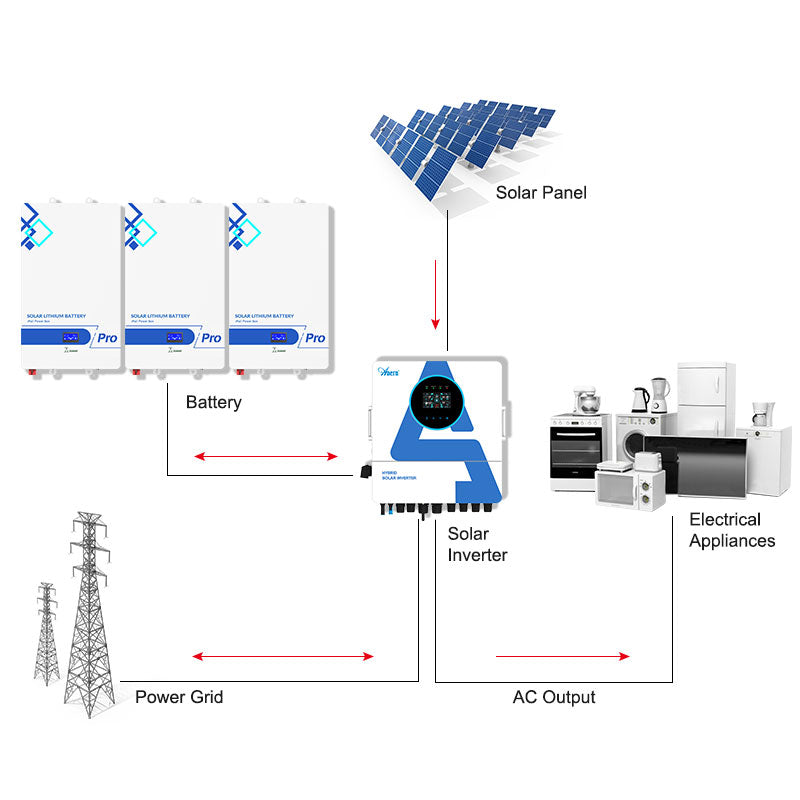
Energy storage projects become significantly harder to manage when individual devices follow disjointed control rules. Solar inverters, utility meters, PCS controls, backup circuits, and building loads all directly impact the same electrical ecosystem.
For solar integration, the EMS intelligently decides when to charge from PV arrays, when to reserve capacity for future PV production, and when to dispatch stored solar energy. It also manages export limits if a grid interconnection agreement restricts outward power flow. This is especially crucial for commercial energy storage solutions where both solar generation and facility demand fluctuate constantly.
For grid connections, the EMS requires strict boundaries. These parameters include maximum import power, maximum export power, approved operating modes, and emergency response rules during abnormal grid events. A commercial project must clearly define its approved use cases—such as arbitrage, firm capacity, frequency regulation, or voltage support—during the initial design phase.
For backup power, reserve control is paramount. A battery optimized solely for financial savings might sit at a dangerously low SOC when an unexpected outage occurs. Facilities with critical loads require a rigid minimum reserve setting. Sensitive operations like server rooms, security systems, process controllers, or telecom infrastructure demand much stricter reserve policies than standard building loads.
A highly integrated battery energy storage system provides operators with a singular, comprehensive view of solar production, grid exchange, battery health, alarms, and backup readiness. This unified approach drastically reduces confusion during both commissioning and daily operations.

Key EMS Features to Compare Before Choosing a Storage System
Procurement teams must evaluate EMS capabilities with the same rigor applied to battery chemistry, PCS ratings, cabinet design, and thermal management. A visually appealing dashboard offers little value if the underlying control logic cannot accommodate the site’s specific tariffs, load profiles, and resilience targets.
Operating Mode Flexibility
A premium EMS should support a diverse range of operating modes. Common applications include peak shaving, time-of-use optimization, PV self-consumption, backup reserve maintenance, demand response, and microgrid operation.
Mode priority is equally important. While some sites rank backup readiness above energy savings, others prioritize demand control over solar self-consumption. The EMS must allow for explicit priority layering rather than relying on vague automated algorithms.
Metering and Control Accuracy
The entire EMS relies on accurate meter data. Poor meter placement or sluggish data refresh rates will heavily degrade dispatch accuracy. It is vital to confirm exactly how the system measures site loads, where the physical meters are installed, and how demand intervals are mathematically calculated.
Successful demand charge reduction requires split-second timing. Any delay between load measurement and battery response can nullify peak shaving efforts. Furthermore, the EMS must maintain a detailed dispatch history so operators can retroactively analyze system behavior during critical peak periods.
Communication With the BMS and PCS
The EMS must reliably receive safety limits from the BMS and transmit precise dispatch commands to the PCS. It should meticulously log derating events, rejected commands, communication faults, and mode transitions.
A BESS loses tremendous value if the EMS requests power that the PCS or battery cannot safely supply. Detailed logs help service technicians determine whether a performance drop originated from a BMS restriction, a PCS fault, a faulty meter signal, a grid anomaly, or an incorrect control setting.
Data Export and Reporting
Commercial owners require pristine records for financing, O&M scheduling, warranty validation, and internal audits. Essential data exports include SOC history, cumulative charge/discharge energy, alarm logs, cycle records, power curves, mode histories, and overall system availability metrics.
Accessible data greatly assists EPCs and service partners as well. It streamlines site acceptance testing (SAT), monthly performance reviews, fault diagnostics, and continuous system optimization.
Cybersecurity, Commissioning, and Expansion
Remote monitoring demands a highly secure infrastructure. Role-based access controls, verifiable audit logs, encrypted remote access, secure firmware update procedures, and strict network segmentation must all be addressed during the specification phase.
Commissioning capabilities are also critical. The EMS should natively facilitate factory acceptance testing (FAT), site acceptance testing (SAT), communication verifications, fault simulations, and safe fallback demonstrations.
Finally, scalability must be part of the EMS conversation. Adding new battery cabinets, upgrading PCS capacity, integrating new PV arrays, or adding EV chargers will drastically alter control requirements. An energy storage system intended for growth requires a flexible EMS architecture that scales effortlessly.
A Smarter EMS Makes Battery Energy Storage Easier to Operate at Scale
As energy storage assets expand across multiple cabinets or distributed sites, the quality of system control becomes highly visible. An elite EMS requires repeatable parameter settings, transparent event logging, defined operator permissions, and unwavering system visibility. These elements empower teams to manage dispatches, alarms, and maintenance with absolute precision and zero guesswork.
A robust EMS can immediately isolate whether a performance dip stems from high battery temperatures, SOC restrictions, PCS derating, erratic meter data, misconfigured tariffs, or sudden site load changes. It ultimately guarantees safer commissioning and smoother future expansions.
A commercial battery energy storage system is a multi-decade operational asset. Intelligent EMS design ensures that commercial teams can sustainably control energy costs, maximize solar utilization, guarantee backup readiness, and minimize operational risks throughout the system's entire lifecycle.
FAQs About EMS Configuration and Operations
Q1. Can an EMS be adjusted after commissioning?
Yes. A commercial EMS can seamlessly be adjusted post-commissioning as site loads, utility tariffs, operational priorities, or expansion plans evolve. However, all parameter modifications should be documented, thoroughly tested, and explicitly approved by qualified personnel to prevent unexpected dispatch behaviors or degraded performance.
Q2. Can EMS configuration affect battery warranty compliance?
Absolutely. Improper EMS settings can directly void warranty compliance if they force excessive cycling, excessively deep discharges, high currents, or operations outside of the manufacturer's approved temperature and SOC thresholds. Buyers must ensure that all EMS parameters perfectly align with the battery supplier’s official operating manual.
Q3. Does an EMS require operator training?
Yes. Facility operators require foundational training on interpreting dashboards, acknowledging alarms, switching operating modes, executing manual overrides, exporting data, and following emergency protocols. Proper training eliminates misinterpretations and ensures teams react appropriately when the BESS limits output or reports a fault.
Q4. Should EMS settings be reviewed after tariff changes?
Yes. Tariff changes can instantly erode the financial value of older dispatch rules. A newly implemented demand charge structure, revised time-of-use (TOU) period, or updated utility export policy will almost always require recalculated charge windows, new discharge priorities, and adjusted reserve levels.
Q5. Can an EMS assist with project asset handover?
Yes. Comprehensive EMS records are invaluable for streamlining the handover process between EPCs, system owners, and dedicated O&M teams. Crucial handover materials exported from the EMS include established control logic, meter configurations, complete alarm histories, testing validations, user permission matrices, and specific maintenance recommendations.
