













Table of Contents
- Scope and Methodology
- Planned vs. Unplanned O&M
- Standard Maintenance Cost Ranges
- Hidden and Long-Horizon Expenses
- Build a Reliable Forecast
- Risk Controls and Warranty/Insurance Checks
- FAQs (with Compliance Notes)
- References and Tools
1) Scope and Methodology
This article covers residential rooftop PV (with or without battery storage). Where numbers are used, they serve as planning ranges, not quotes. Always adjust to system size, climate, soiling, access height, labor rates, and utility rules.
Methodological anchors: use measured production, formal inspections, and reputable models like NREL PVWatts (https://pvwatts.nrel.gov/) to set baseline performance. Layer costs with conservative, neutral, and optimistic scenarios to stress-test cash flow.
2) Planned vs. Unplanned O&M
Planned (preventive) maintenance includes periodic cleaning, visual/electrical inspections, torque checks on racking, conduit and junction inspections, and firmware updates for inverters/BMS.
Unplanned (corrective) maintenance includes component failures, storm or pest damage, nuisance tripping, and communications faults. Budgeting without an allowance for unplanned items is the fastest way to miss real-world costs.
3) Standard Maintenance Cost Ranges
The ranges below are typical for a residential system; expect variance by region and access complexity.
| O&M Task | Typical Annual Cost (USD) | Frequency | Typical Source/Region (as of 2024) | Notes |
|---|---|---|---|---|
| Professional Panel Cleaning | $150–$300 | Annual / Biannual | Based on quotes from certified installers (U.S. Sunbelt regions: CA, AZ, FL). Varies with roof pitch/height. | Heavier soiling (dust, pollen, sea salt) → higher frequency; rain does not remove oily deposits. |
| System Inspection (electrical + mechanical) | $100–$250 | Annual | Based on national average electrician service call rates. | Includes wiring terminations, racking torque, junction boxes, conduit, labeling, and IR spot checks where applicable. |
| Monitoring Service / Data Plan | $0–$50 | Annual | Based on OEM/third-party analytics platform pricing. | Many OEM portals are free; premium analytics may incur fees. |
| Contingency Allowance | ≥ 1% of initial system cost | Annual allocation | Guideline derived from NREL & LBNL O&M best practices. | Set aside for corrective actions and minor part replacements. |
Planning note: If roof access requires special safety equipment or lift rental, include a separate mobilization line item.
4) Hidden and Long-Horizon Expenses
Inverter Replacement Cycle
String/hybrid inverters often have shorter service lives (commonly 10–15 years) than modules. Budget for at least one replacement over a 25–30 year horizon. Include parts, labor, permitting (if applicable), and downtime. Microinverters/optimizers shift failure modes but still require a reserve for electronics replacements.
Battery Degradation and Replacement
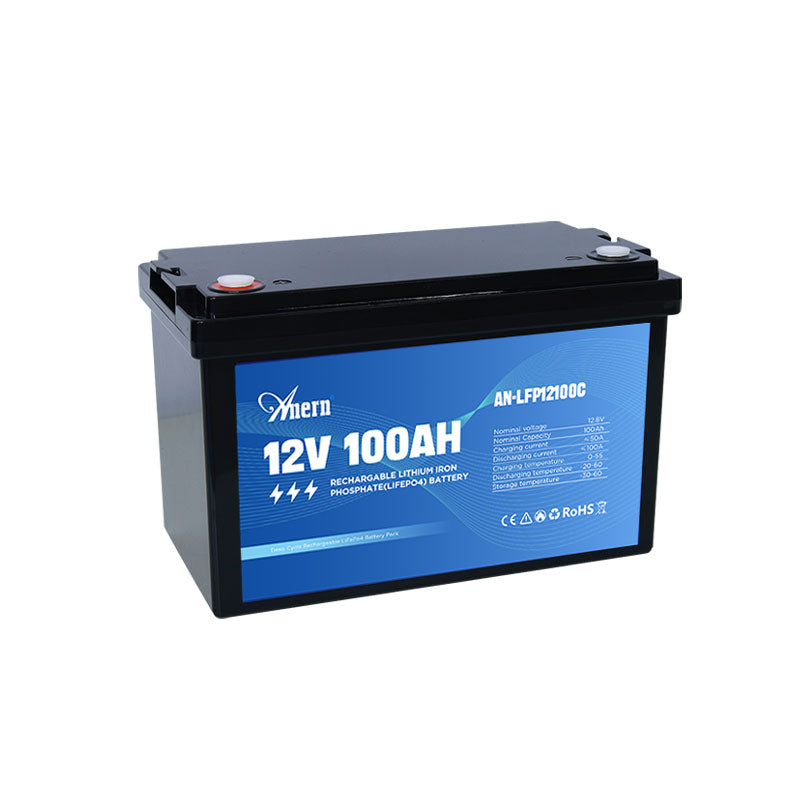
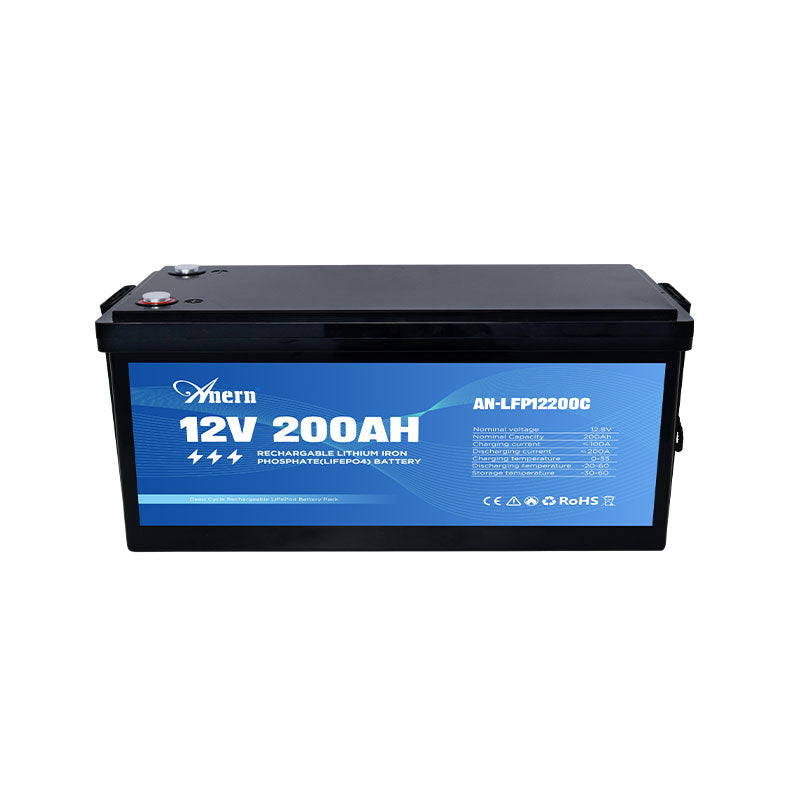
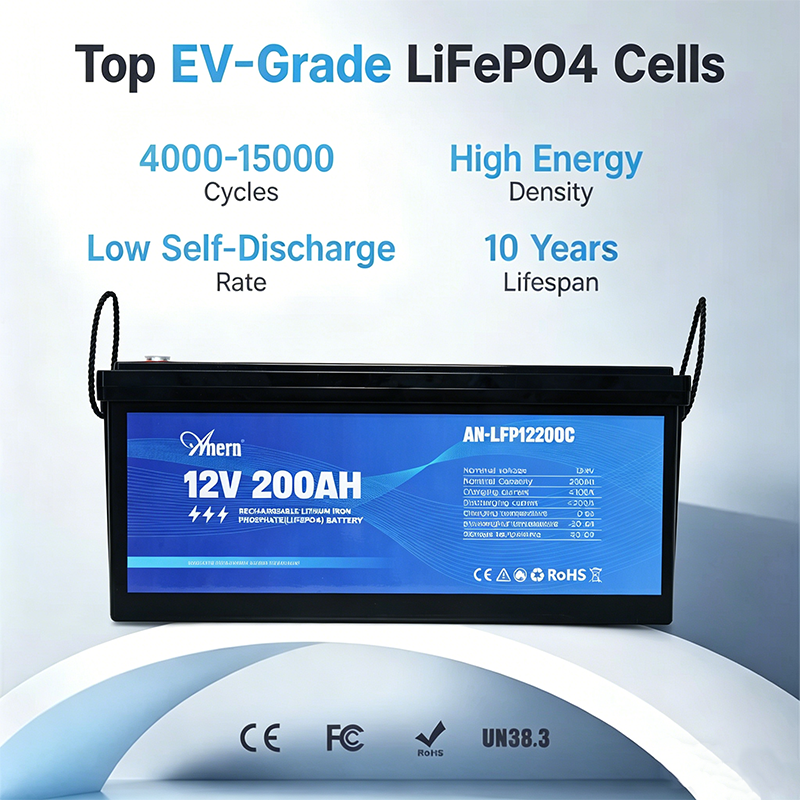
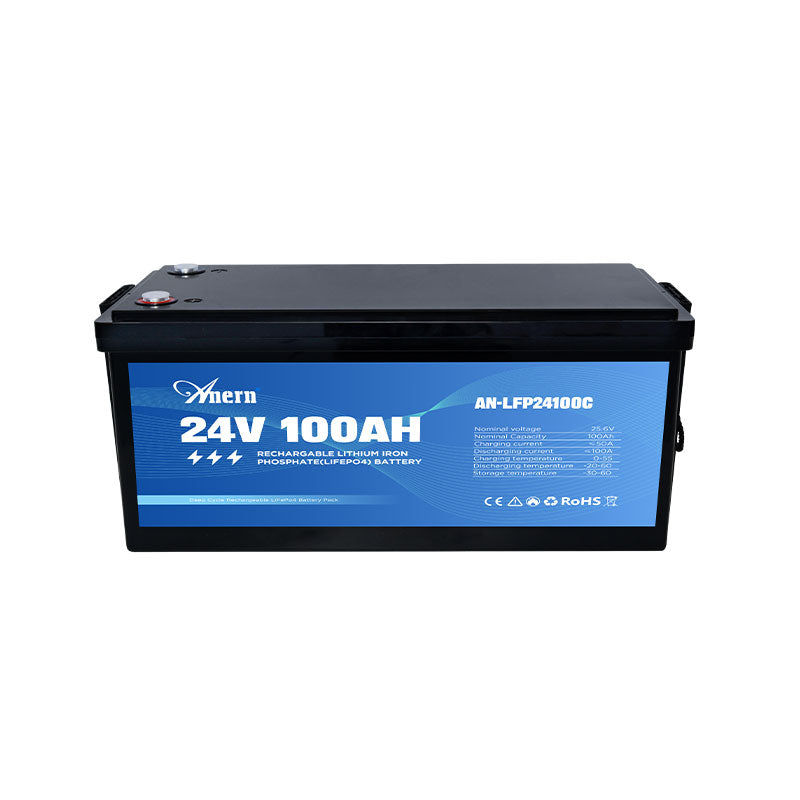
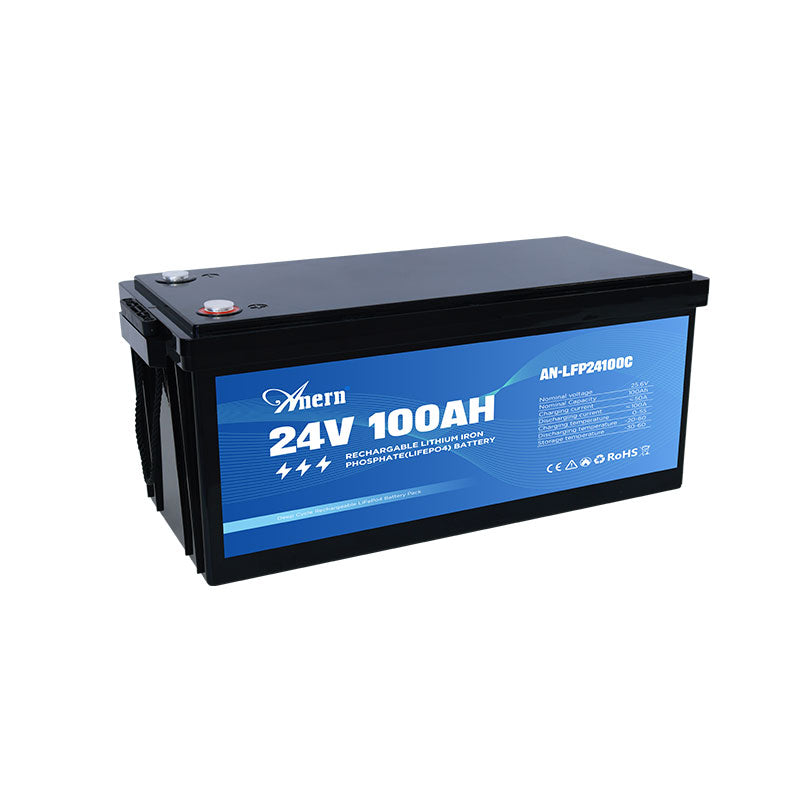
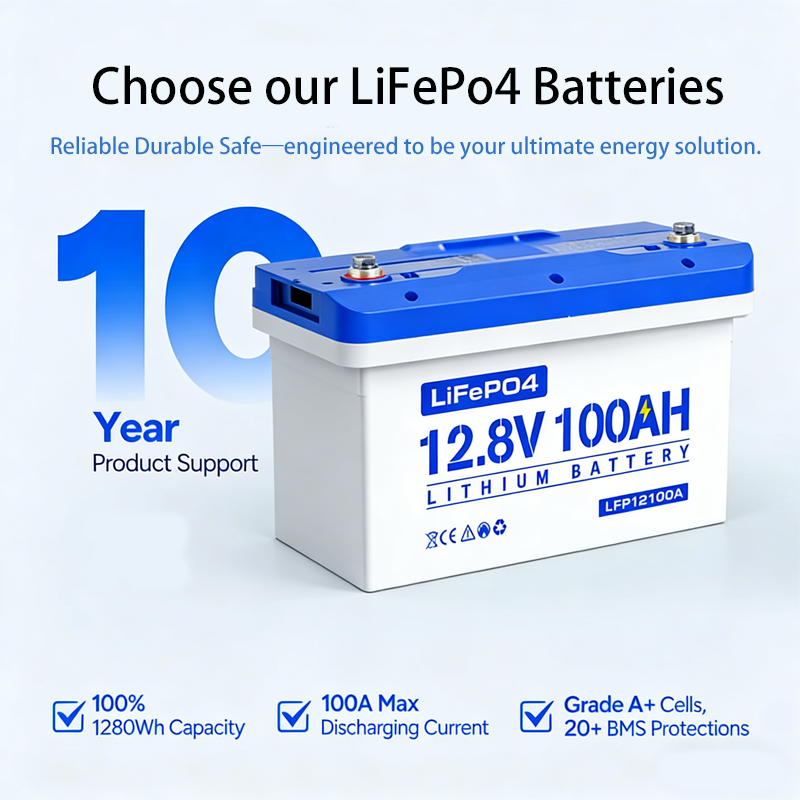
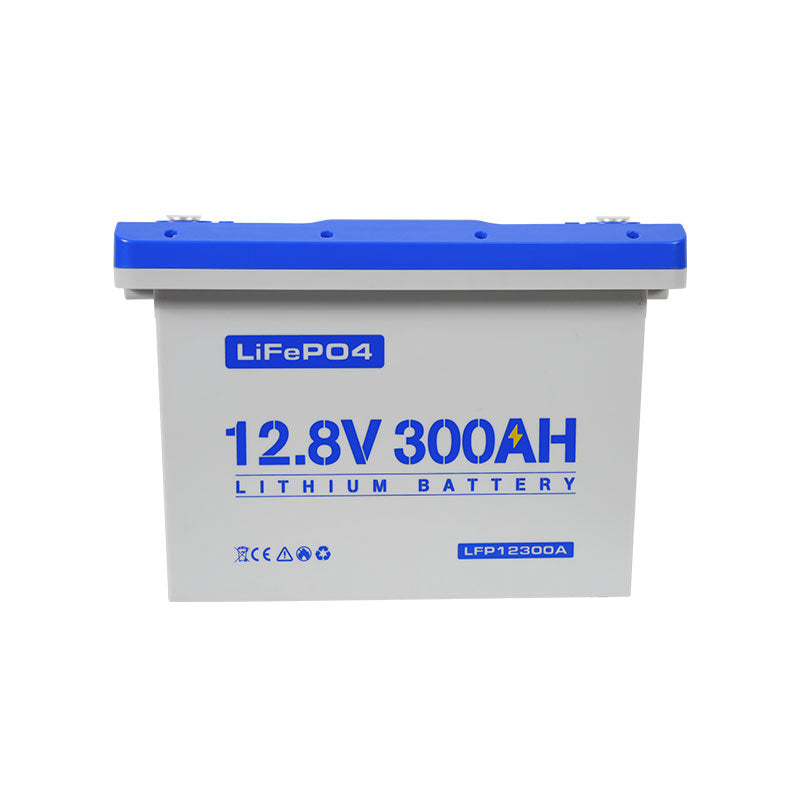
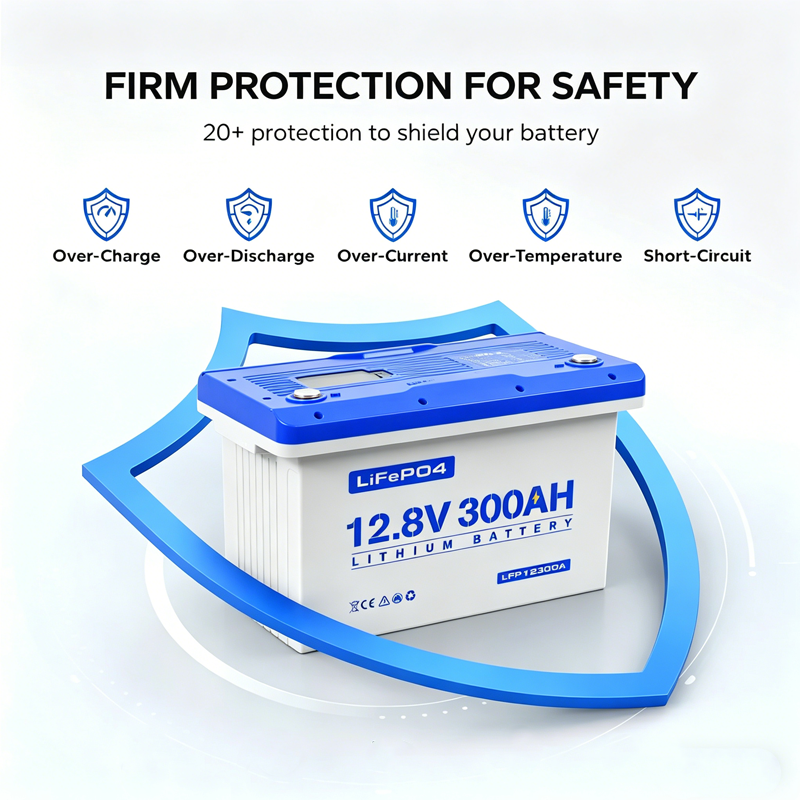
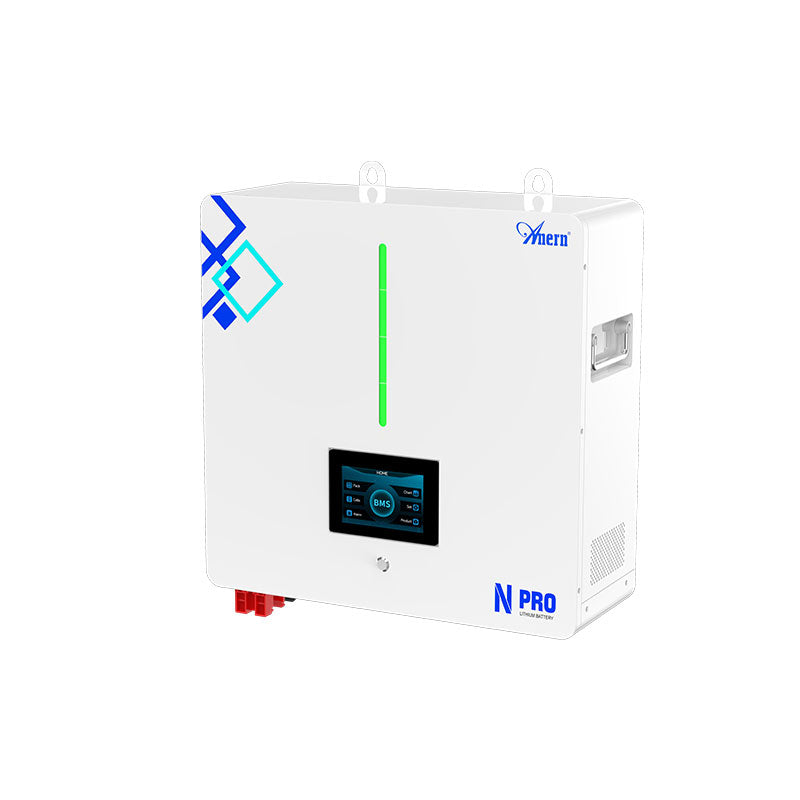
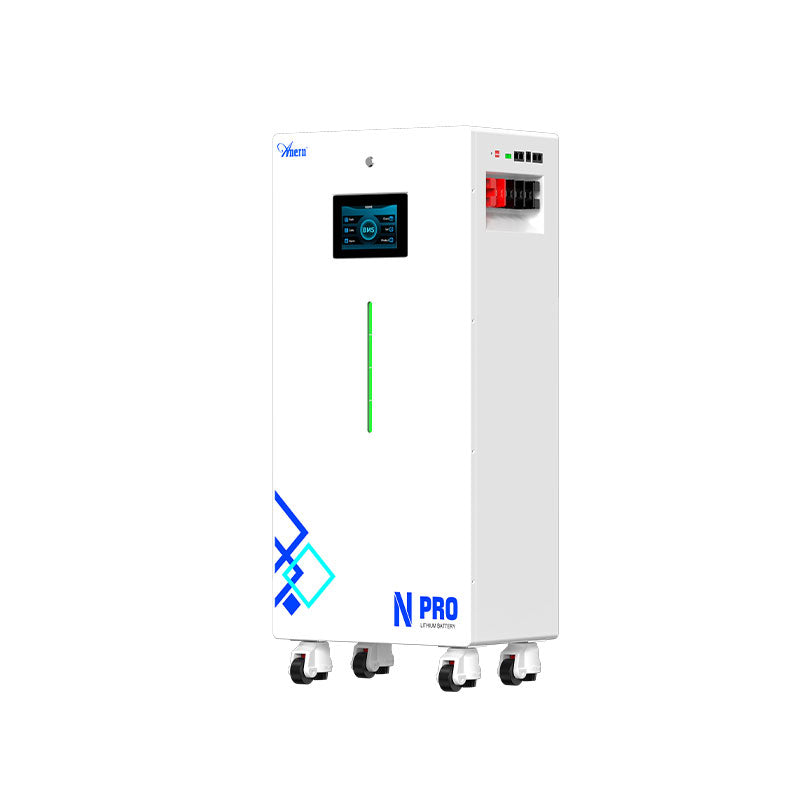
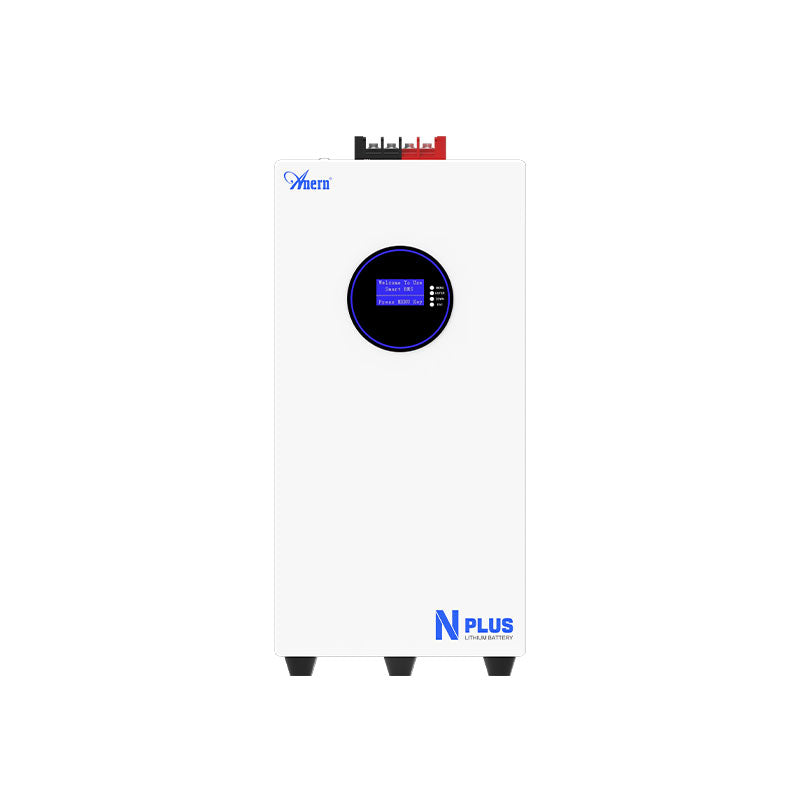
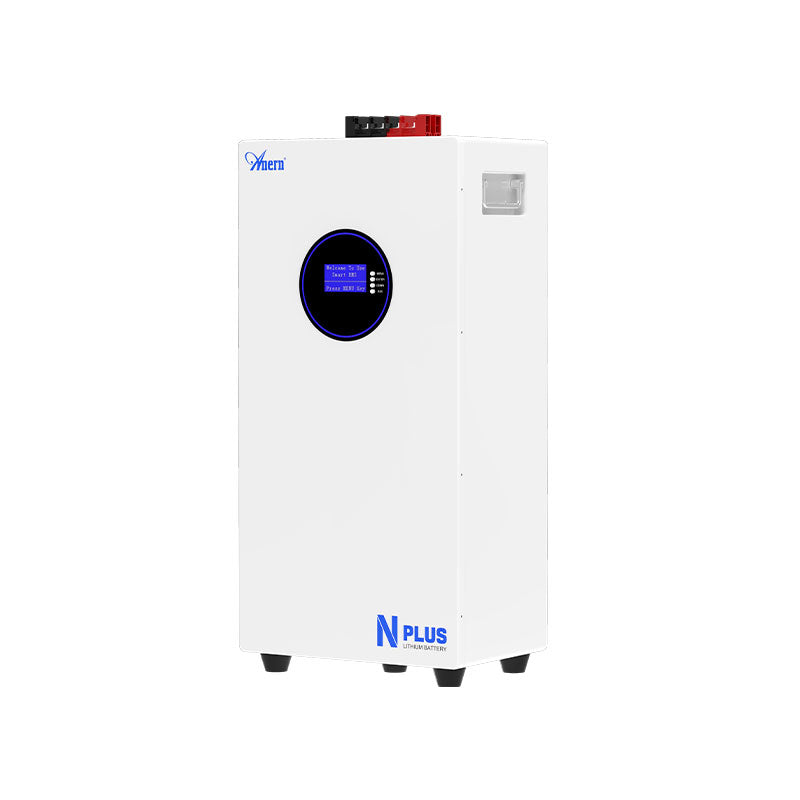
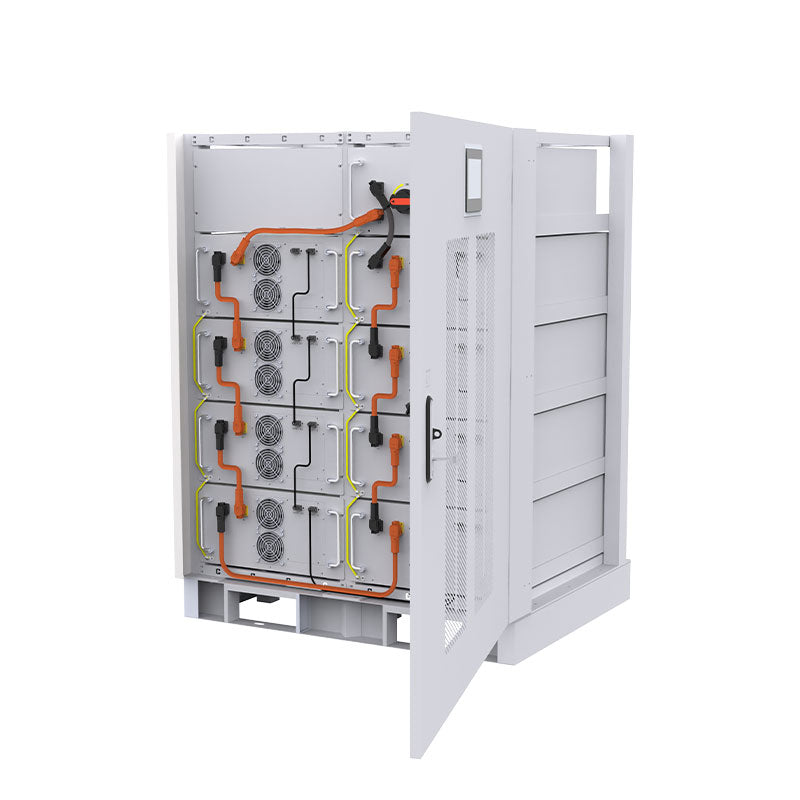
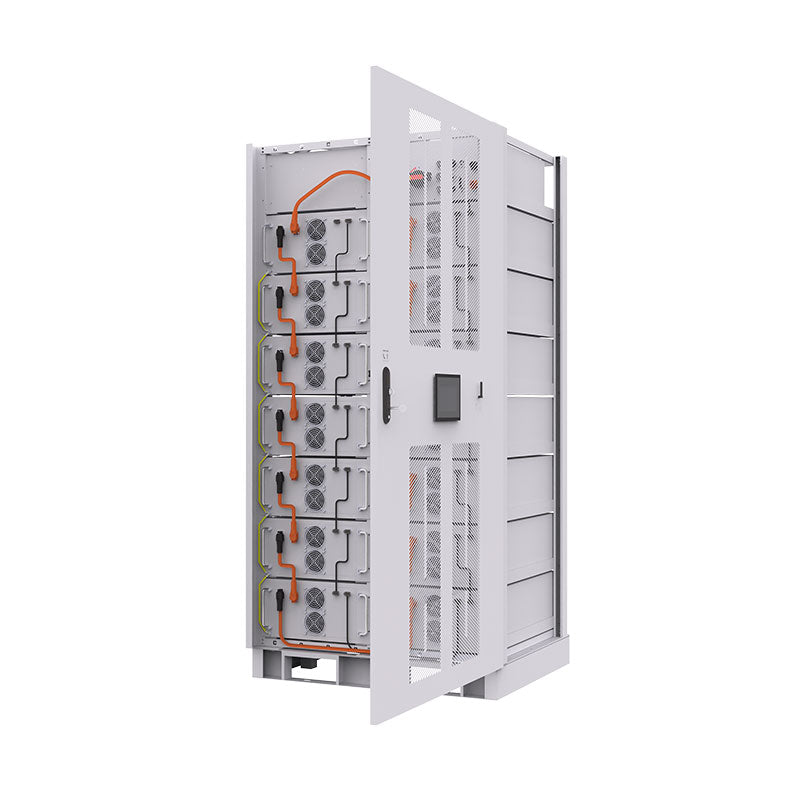
All chemistries lose capacity over time. LiFePO4 (LFP) typically degrades slowly and carries strong cycle warranties, yet a long-tenure homeowner should plan for future augmentation or replacement. Use the battery’s warranted energy throughput or cycle count to translate into an annual reserve.
Roof Interface and Ancillary Costs
Flashing and penetrations age with the roof. If reroofing occurs before PV end-of-life, budget for temporary array removal/reinstall (R&R), including electrical re-commissioning. Add line items for pest abatement (nesting under arrays), storm debris cleanup, and replacement of module-level electronics out of warranty.
Insurance, Permits, and Taxes
Notify your insurer post-install; premiums may change modestly. Certain jurisdictions may require permit renewals, inspections after major storms, or have specific taxes/fees; validate locally.

5) Build a Reliable Forecast
Step A — Baseline Production and Soiling Assumptions
Establish a production baseline using PVWatts or your OEM monitor’s 12–24 month history. Derate for soiling and temperature realistically (avoid assuming lab STC output). Track performance ratio and degradation year over year.
Step B — Annual O&M Budget
Budget predictable items (cleaning + inspection). As a quick-start rule-of-thumb, allocate ≥1% of initial system cost annually for O&M. Adjust upward for harsh climates, trees/birds, coastal exposure, or difficult access.
Step C — Long-Term Replacement Reserve
For each major component, divide replacement cost by expected life to compute an annual reserve. Example: $2,500 inverter / 12 years ≈ $208/year. Repeat for batteries or module-level electronics.
Step D — Monitoring and Early-Warning
Enable alerts for underperformance. A sudden drop in kWh, rising inverter temperature, or repeated grid fault codes is an early warning. Move from reactive fixes to predictive maintenance using trend analytics.
Example Case Study: Inverter Failure in a 10 kW System
To illustrate how these costs materialize, consider this real-world scenario for a 10 kW residential system in Phoenix, Arizona (a high-sun, high-dust environment).
- System: 10 kW DC, installed in 2013.
- Baseline Production: ~18,500 kWh/year (established via PVWatts and first-year monitoring).
- Incident: In July 2024 (Year 11), the central string inverter fails outside its 10-year warranty period. The monitoring portal shows zero production.
Cost Breakdown for Corrective Maintenance:
| Item | Cost (USD) | Notes |
|---|---|---|
| New Hybrid Inverter (7.6 kW) | $2,200 | Upgrade to a modern, more efficient unit. |
| Labor (2 electricians, 4 hrs) | $800 | Includes removal, installation, and re-commissioning. |
| Electrical Permit Fee | $150 | Required by the local AHJ for inverter replacement. |
| Lost Production (10 days downtime) | $125 | ~50 kWh/day average loss @ $0.25/kWh utility rate. |
| Total Unplanned Cost | $3,275 |
Outcome: The owner had an annual replacement reserve of $208/year (based on a $2,500 estimate over 12 years), accumulating to $2,288 after 11 years. This reserve covered a significant portion of the replacement cost, turning a financial shock into a manageable, planned expense. The production returned to its expected seasonal curve immediately after the fix.
Actionable Templates for Your O&M Plan
To help you execute this strategy, use the following templates. These can be downloaded for your records.
[Download the Annual O&M Checklist as a Printable PDF]
Annual O&M Checklist Template
| Category | Check Item | Status (OK / Needs Action) | Notes |
|---|---|---|---|
| Visual | Panels are free of debris, cracks, or discoloration. | ||
| Racking is secure, no loose bolts. | |||
| Wiring/conduit is undamaged and secured. | |||
| Electrical | Review inverter logs for recurring faults. | ||
| Compare monthly production to baseline (PVWatts/history). | e.g., -15% vs. expected | ||
| Cleaning | Panels cleaned on [Date]. | Soiling level before cleaning: [Low/Med/High] | |
| Documentation | Logged inspection date and findings. |
[Download the Replacement Reserve Calculator as an Excel Sheet]
Replacement Reserve Calculation Template
This table helps you implement Step C by calculating your annual reserve fund.
| Component | Est. Replacement Cost (A) | Expected Lifespan (Years) (B) | Annual Reserve (A / B) |
|---|---|---|---|
| String Inverter | $2,500 | 12 | $208 |
| Battery Pack (10 kWh) | $8,000 | 15 | $533 |
| EV Charger | $700 | 10 | $70 |
| Total Annual Reserve | $811 |
6) Risk Controls and Warranty/Insurance Checks
- Warranties: Record start dates and coverage (product vs. performance). Confirm RMA logistics and labor coverage.
- Documentation: Keep as-builts, single-line diagrams, serial lists, commissioning and interconnection approvals, and O&M logs.
- Safety and Code: Follow manufacturer torque specs; use listed flashings; maintain working clearances; respect lockout/tagout during service.
- Storm prep: Before severe weather, secure loose items, check array edges, and verify drains/gutters to avoid pooling and wind uplift.
7) FAQs (with Compliance Notes)
Q: How often should I clean panels?
A: Inspect quarterly and clean as needed. In dusty/coastal zones, annual or biannual professional cleaning is common. Monitor production; a persistent drop beyond seasonal norms often flags soiling.
Q: Do I need a paid monitoring service?
A: Not necessarily. OEM portals are often sufficient. Paid analytics can help detect subtle issues (e.g., string mismatch, partial shading) in larger systems.
Q: What inverter life should I budget for?
A: Many string/hybrid inverters are warranted 10–12 years with options to extend. Budget an electronics reserve regardless of warranty.
Important Disclaimer: This guide is educational, not legal/financial/insurance advice. Always consult licensed professionals and your local AHJ (authority having jurisdiction). Policies and warranty terms may change; verify on official pages.
8) References and Tools
- U.S. DOE: Solar Plus Storage 101 — https://www.energy.gov/eere/solar/articles/solar-plus-storage-101
- NREL: PVWatts Calculator — https://pvwatts.nrel.gov/
- IEA: Solar PV (technology & operations) — /solar-pv
- Utility/Insurance guidance: Check your local utility O&M advisories and your insurer’s rooftop PV endorsements for specific terms.
