












Making the switch to solar energy is a significant step towards energy independence and sustainability. As you review proposals, the total price is important, but the real story is in the details. A solar contract is a complex document, and understanding each line item is crucial for a successful long-term investment. This breakdown will clarify the key components of a solar installation quote, empowering you to sign with confidence.

Core Equipment Costs: The Foundation of Your System
The hardware is the most tangible part of your solar investment. These components work together to capture sunlight and convert it into usable electricity for your home or business. According to the U.S. Department of Energy, equipment like panels and inverters are major drivers of the total price.
Solar Panels (Modules)
This is the most visible part of your system. Your contract should specify the manufacturer, model number, and wattage of the panels. Look beyond the peak power output; consider the panel's efficiency rating, temperature coefficient, and degradation rate. Higher-efficiency panels can generate more power from a smaller area. While panel prices have fallen dramatically over the long term, the World Energy Investment 2023 report from the IEA noted that module prices saw increases in 2022 before declining in 2023 due to input costs and manufacturing capacity expansion.
Inverters
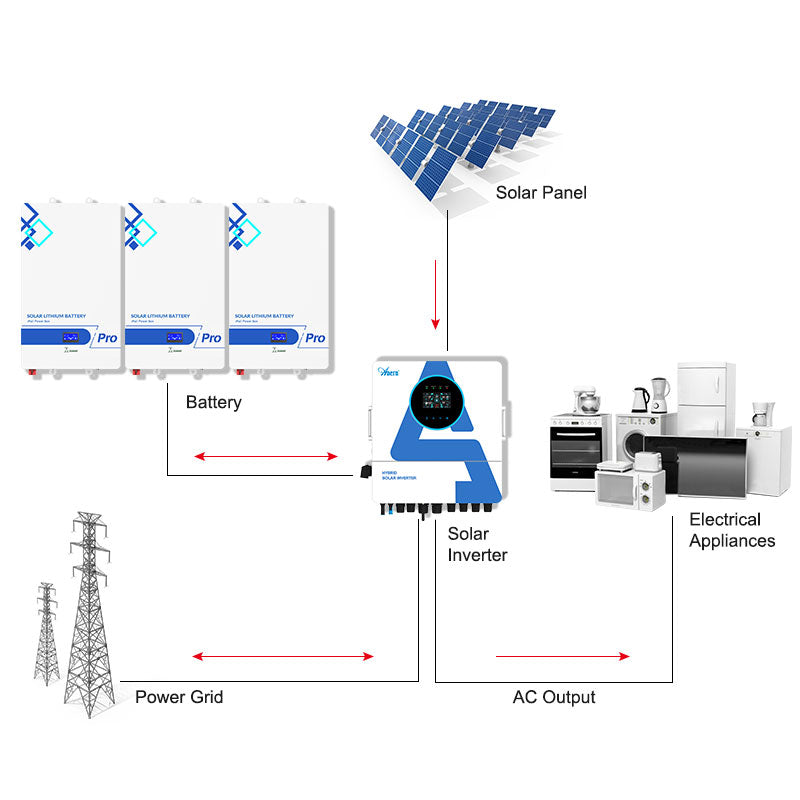
The inverter is the brain of your solar energy system, converting the Direct Current (DC) electricity produced by the panels into Alternating Current (AC) that your appliances can use. Your contract should detail the type of inverter: string inverters, microinverters, or hybrid inverters. Hybrid inverters are essential for systems that include battery storage, allowing seamless integration for backup power or off-grid use.
Racking and Mounting Hardware
This is the framework that secures your panels to your roof or the ground. The quality of the racking is critical for the long-term safety and durability of your system, protecting it against wind, rain, and snow. Ensure the contract specifies materials (e.g., aluminum, stainless steel) and confirms that the design is appropriate for your local climate and roof type.
Energy Storage: Unlocking True Energy Independence
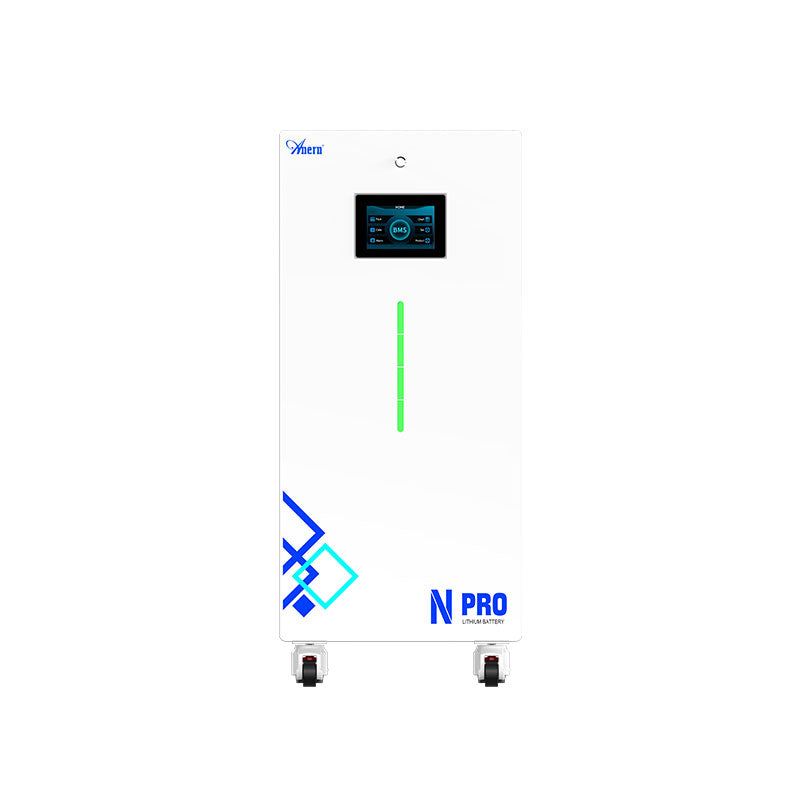
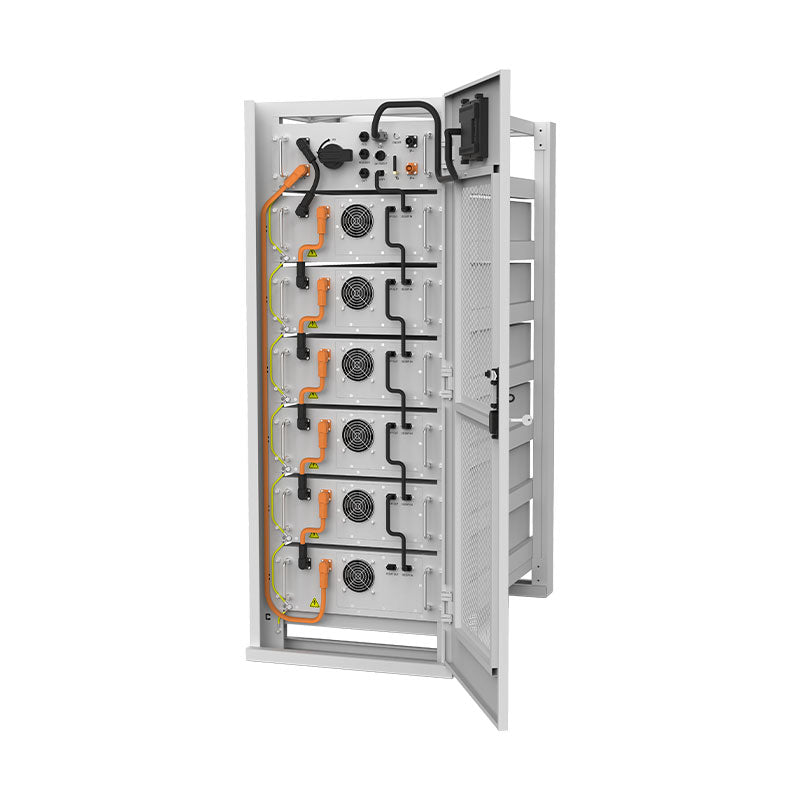
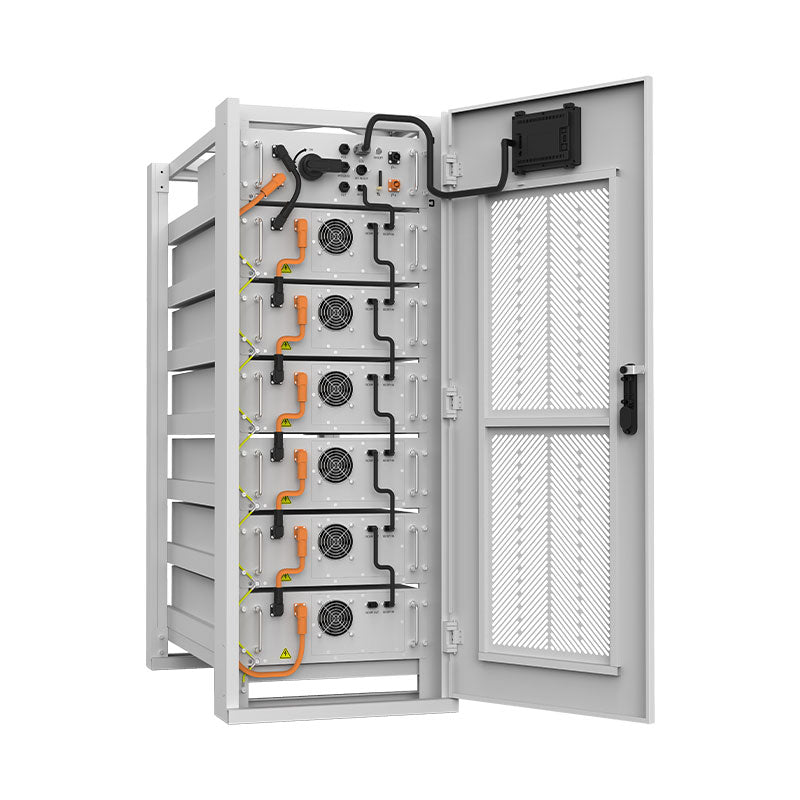
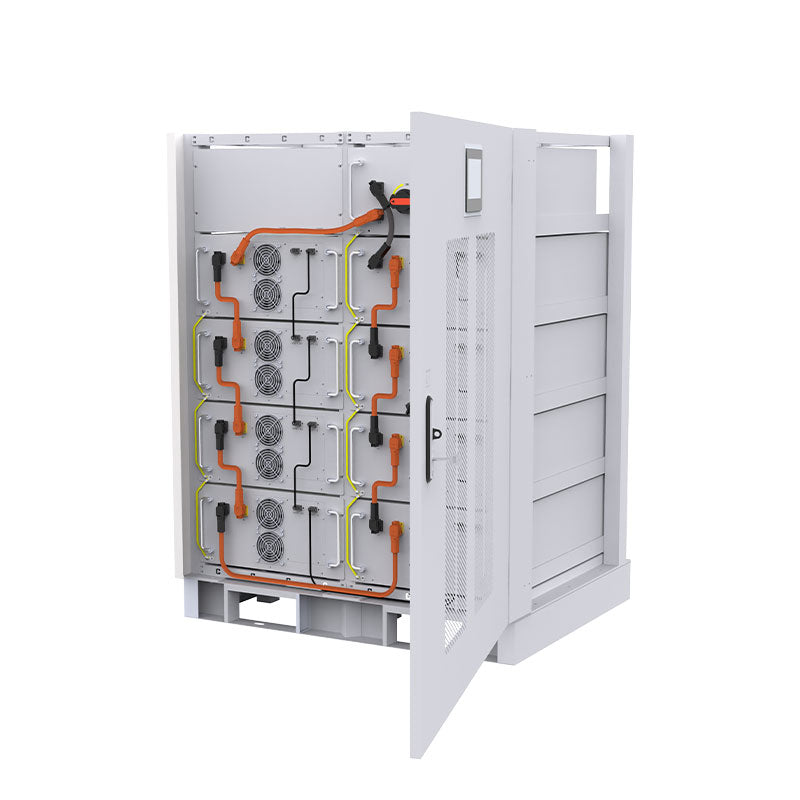
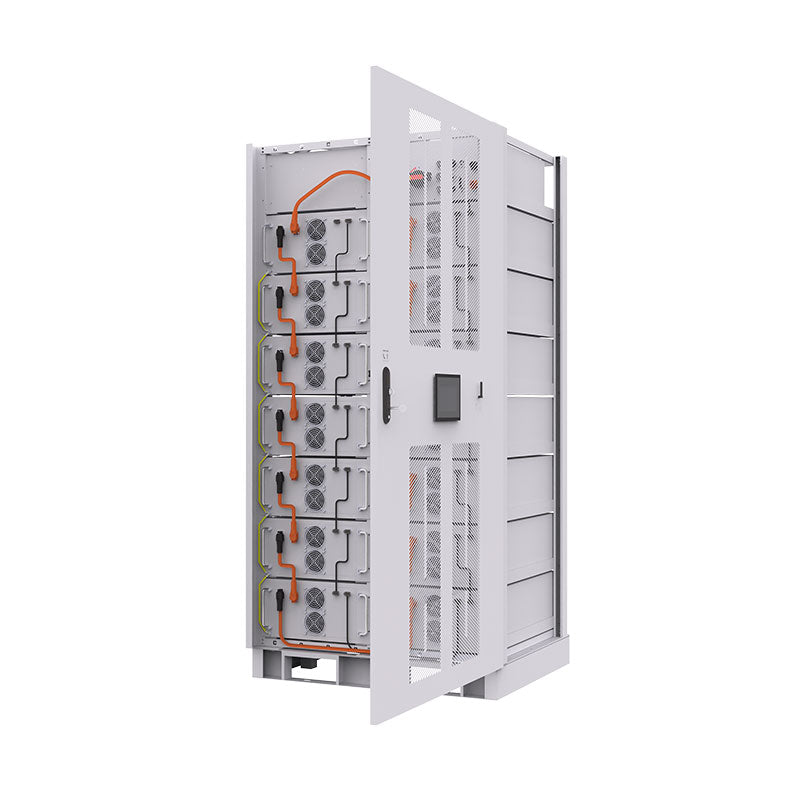
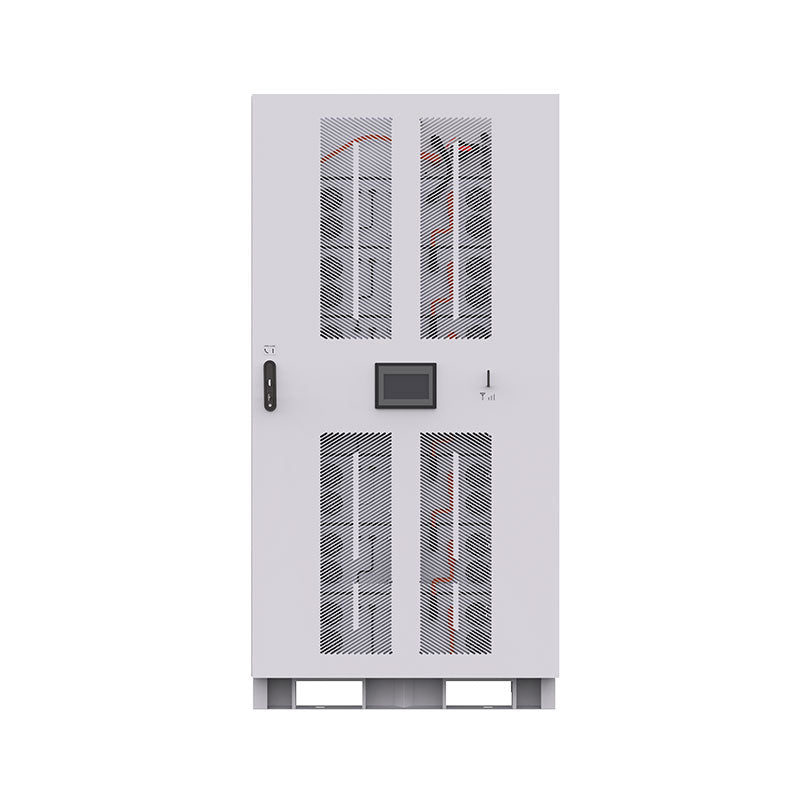
Pairing solar panels with a battery storage system provides resilience and control over your energy. It allows you to store excess solar energy generated during the day for use at night or during a power outage, reducing reliance on the grid.
Battery Chemistry and Capacity
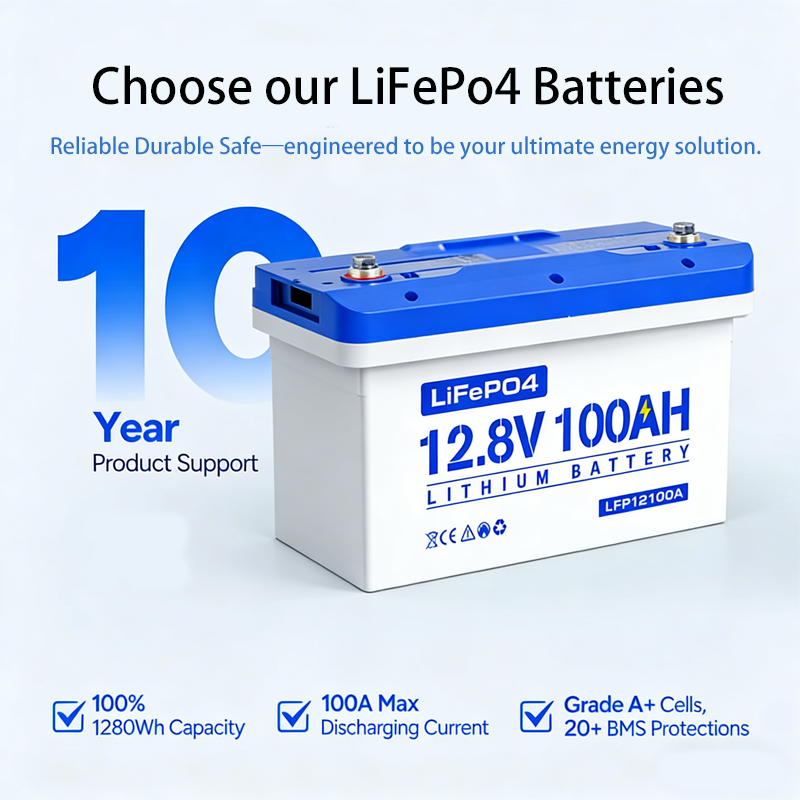
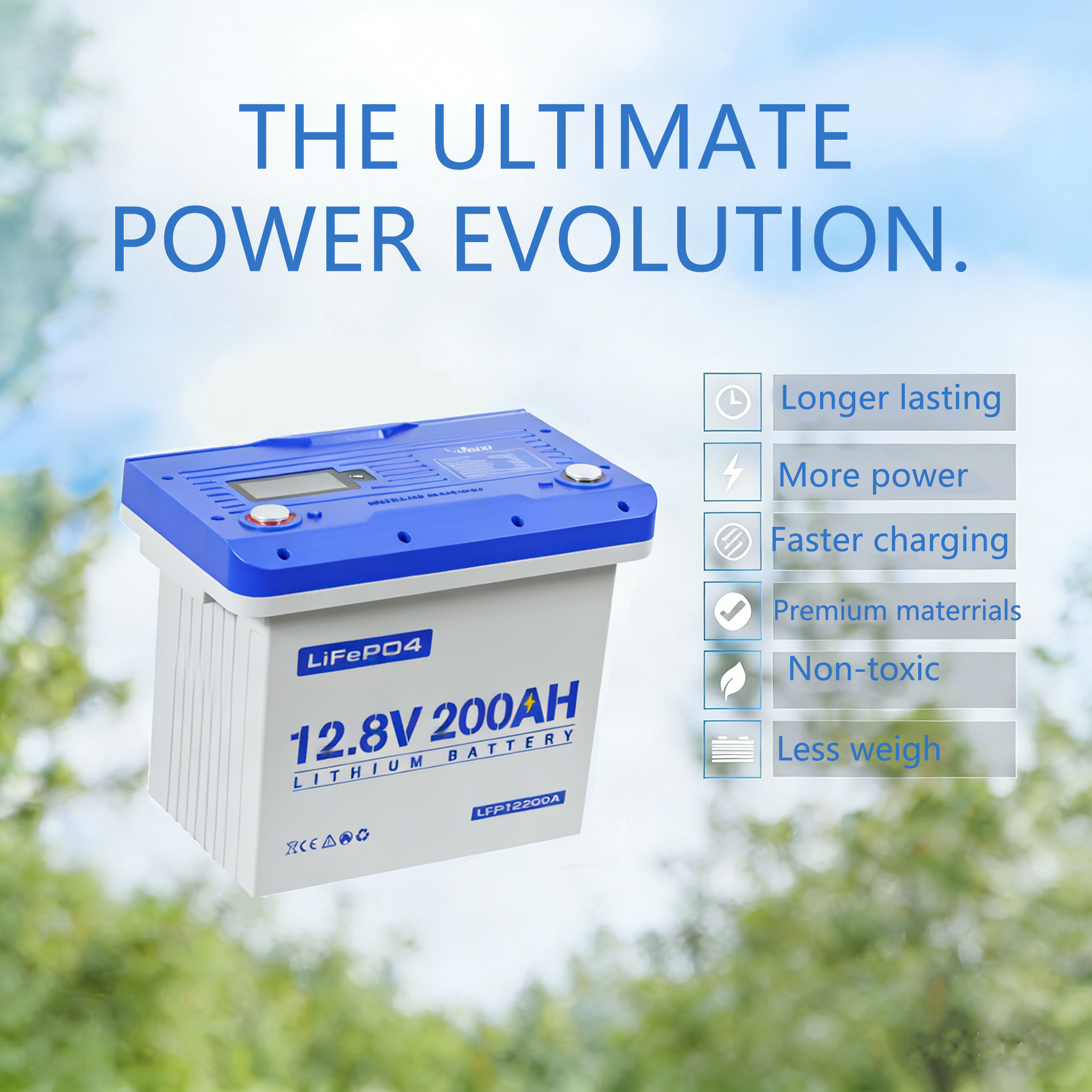
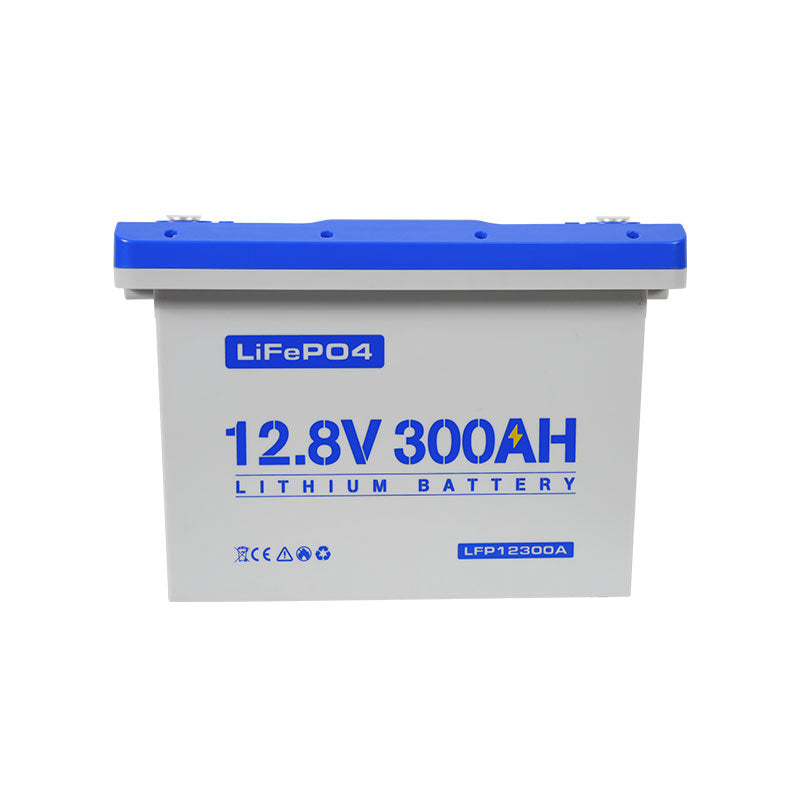
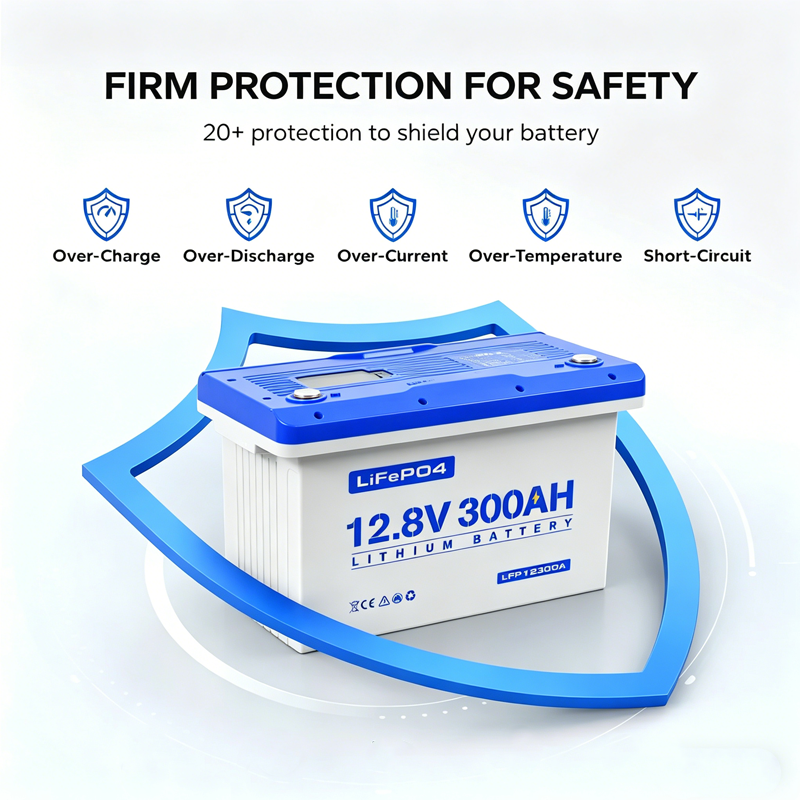
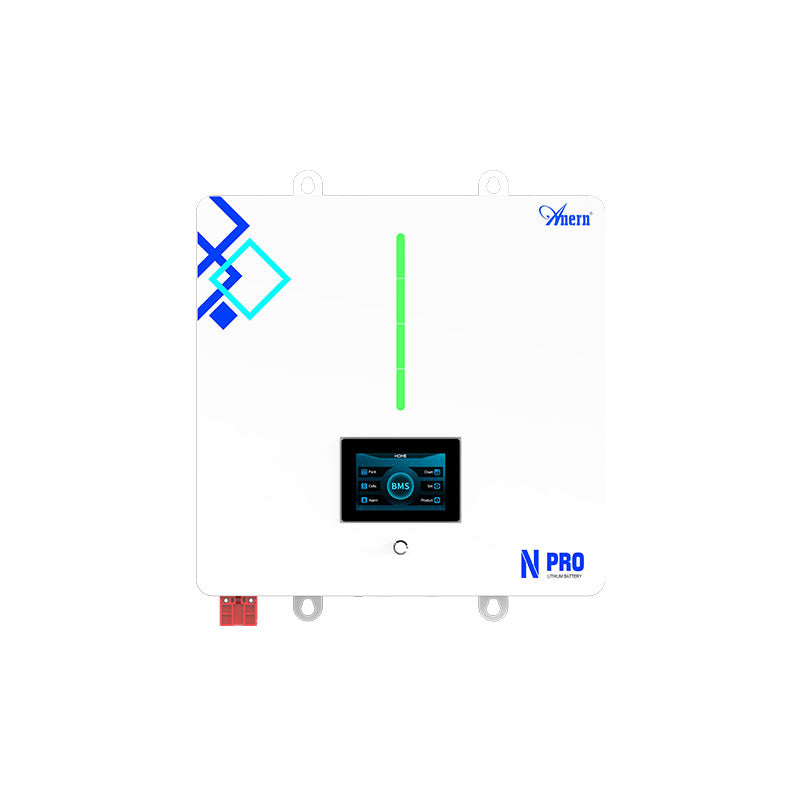
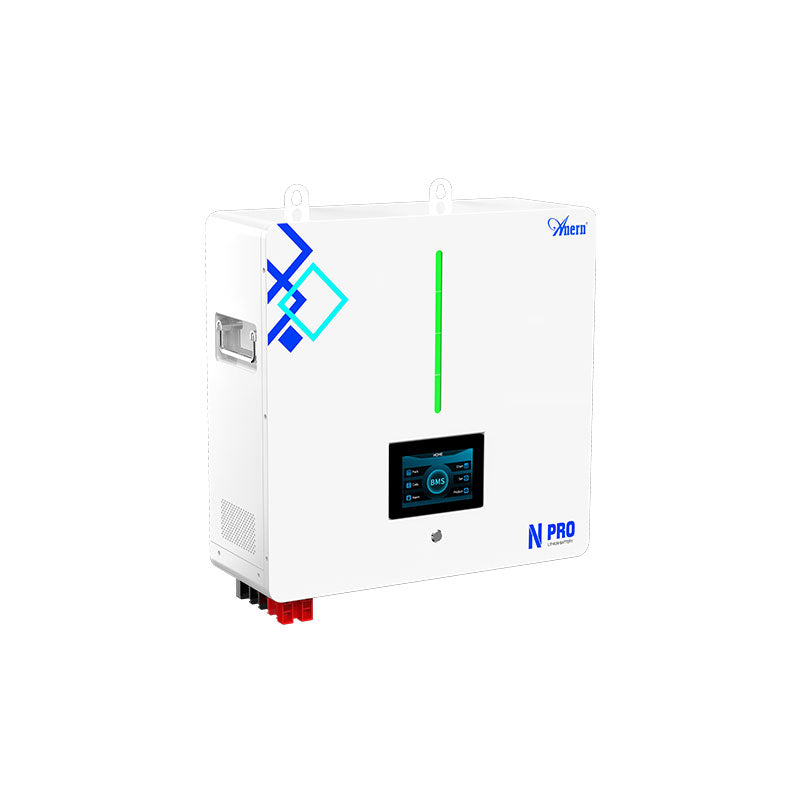
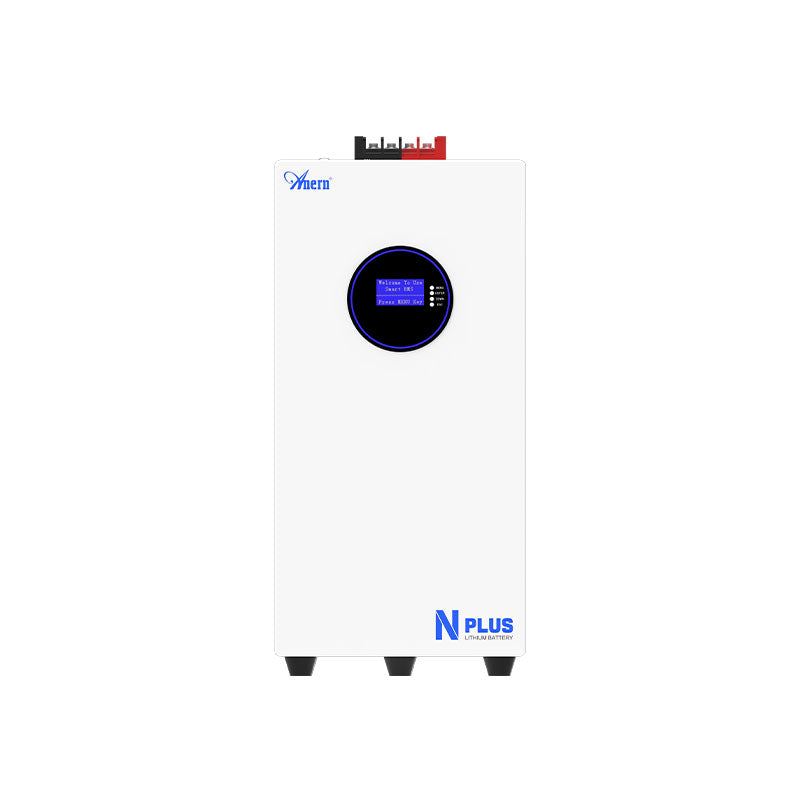
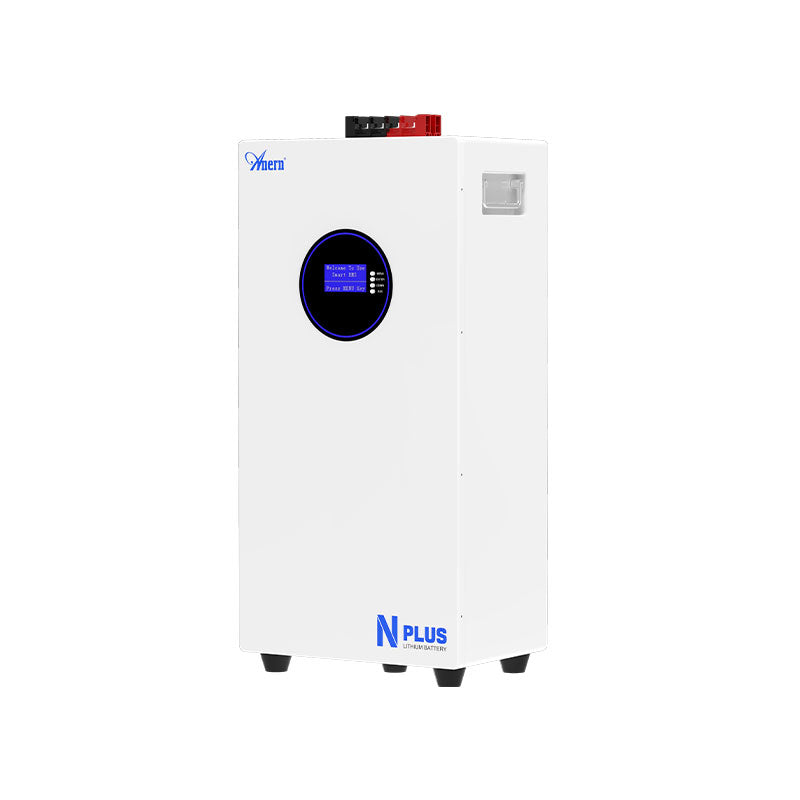
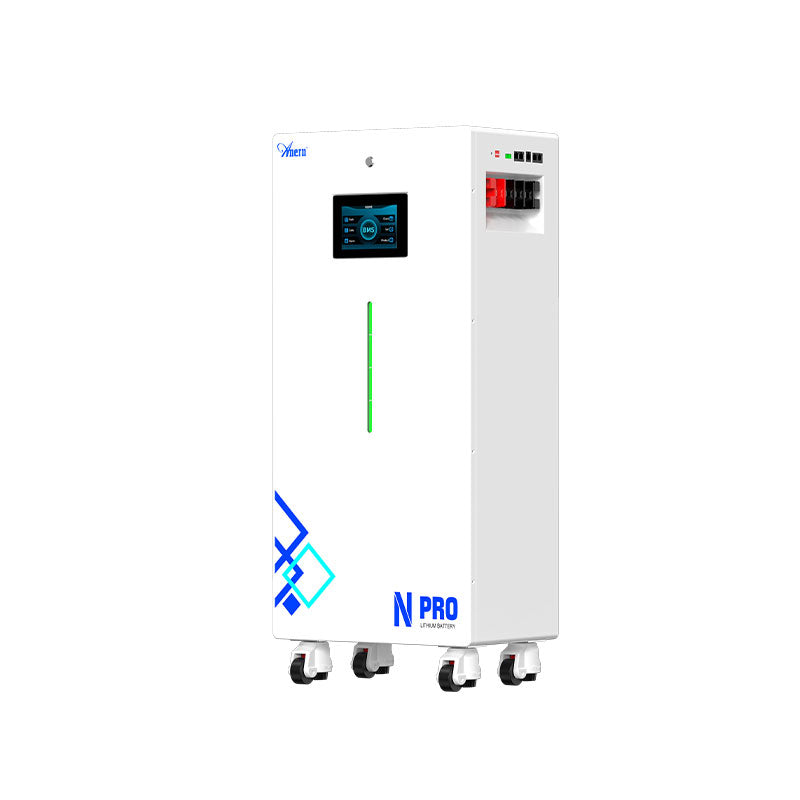
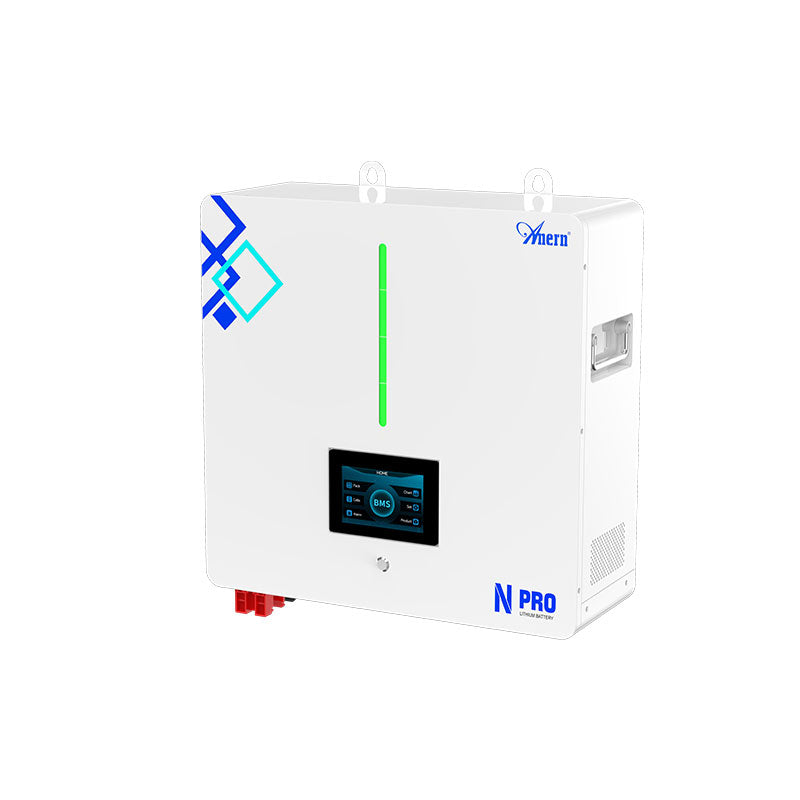
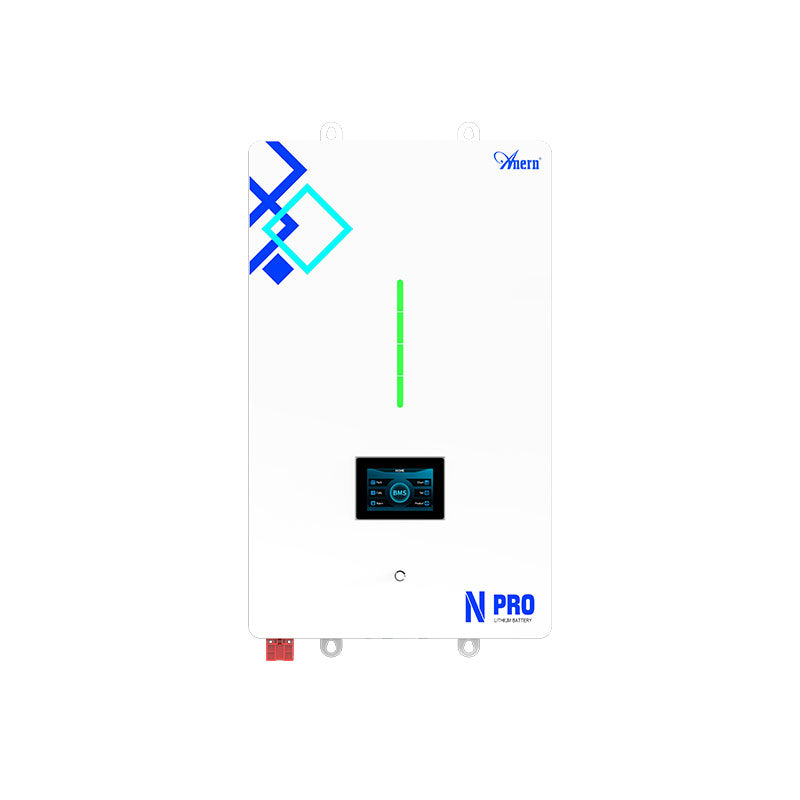
If you're including energy storage, the contract must list the battery's manufacturer, model, and its total capacity in kilowatt-hours (kWh). Pay close attention to the battery chemistry. Lithium Iron Phosphate (LiFePO4) batteries are a leading choice for residential and commercial energy storage due to their long cycle life, thermal stability, and enhanced safety profile compared to other lithium-ion chemistries.
System Integration and Management
A complete energy storage solution includes more than just the battery cells. It involves a sophisticated Battery Management System (BMS) that optimizes performance, ensures safety, and integrates with your solar inverter. Verify that the contract includes all necessary components for a fully functional and integrated system.
"Soft Costs": The People and Processes Behind the Panels
Soft costs, which include labor, permitting, and other overhead, can account for a substantial portion of the total solar installation cost. These are the services that ensure your system is installed correctly, safely, and legally.
Labor and Installation
Labor for a professional installation typically accounts for about 10-25% of the total system price. This fee covers the expertise of the technicians who design the system, mount the hardware, and handle all the electrical wiring. A quality installation is critical to prevent issues like roof leaks or electrical faults. Ensure the contract clearly states that all work will be performed by licensed and insured professionals.
Permitting and Inspection Fees
Before installation can begin, your installer must secure permits from your local government, often called the Authority Having Jurisdiction (AHJ). This process ensures the project complies with local building, electrical, and safety codes. The contract should specify who is responsible for filing for and paying these fees, which can range from a few hundred to several hundred dollars. As noted by the IEA, permitting can be a significant bottleneck, highlighting the importance of having an experienced installer manage this process.
Contractual Details: Warranties and Guarantees
Warranties protect your investment for decades to come. A solar contract should clearly outline several distinct types of coverage for different parts of your system and the installation itself.
Equipment Warranties
Your solar panels, inverter, and battery each come with a manufacturer's warranty. Solar panels typically have two: a product warranty (usually 10-25 years) covering defects in materials and workmanship, and a performance warranty (25-30 years) guaranteeing the panels will maintain a certain output level over time. Inverters and batteries usually have warranties ranging from 5 to 15 years.
Workmanship and Performance Guarantees
Separate from the manufacturer's warranty, your installer should provide a workmanship warranty. This covers issues related to the installation itself, such as leaks or faulty wiring, and should last for a minimum of five years. Some companies also offer a performance guarantee, which promises your system will generate a certain amount of electricity each year. If it underproduces, they will compensate you for the shortfall.
Your Final Review Checklist
Before you provide your signature, conduct a final review of the entire proposal. A clear and transparent contract is the hallmark of a reputable installer. The total cost should be broken down into these distinct categories, leaving no room for ambiguity.
| Line-Item to Vet | What to Look For |
|---|---|
| 1. Solar Panels | Manufacturer, model, wattage, efficiency, and warranty terms. |
| 2. Inverter(s) | Type (string, micro, hybrid), manufacturer, and warranty length. |
| 3. Racking & Mounting | Materials used and confirmation of design suitability for your home. |
| 4. Battery Storage (if applicable) | Manufacturer, capacity (kWh), chemistry (e.g., LiFePO4), and warranty. |
| 5. Labor Costs | Confirmation of all-inclusive installation by licensed professionals. |
| 6. Permitting Fees | Statement of responsibility for filing and payment of all local permits. |
| 7. Equipment Warranties | Separate documentation for panels (product & performance), inverter, and battery. |
| 8. Workmanship Warranty | Installer's guarantee on the quality of the installation work, separate from equipment. |
| 9. Total System Price & Payment Schedule | A fully itemized total cost with a clear schedule of payments. |
Your Path to a Confident Solar Investment
Thoroughly reviewing these nine line items transforms you from a buyer into an informed partner in your energy future. A detailed contract protects both you and the installer, setting clear expectations and ensuring a smooth process from start to finish. By understanding the specifics of your equipment, the scope of the work, and the extent of your warranties, you are making a sound financial decision that will provide clean, reliable energy for decades.
Disclaimer: This article is for informational purposes only and does not constitute financial or legal advice. Consult with qualified professionals before making any investment decisions.
