





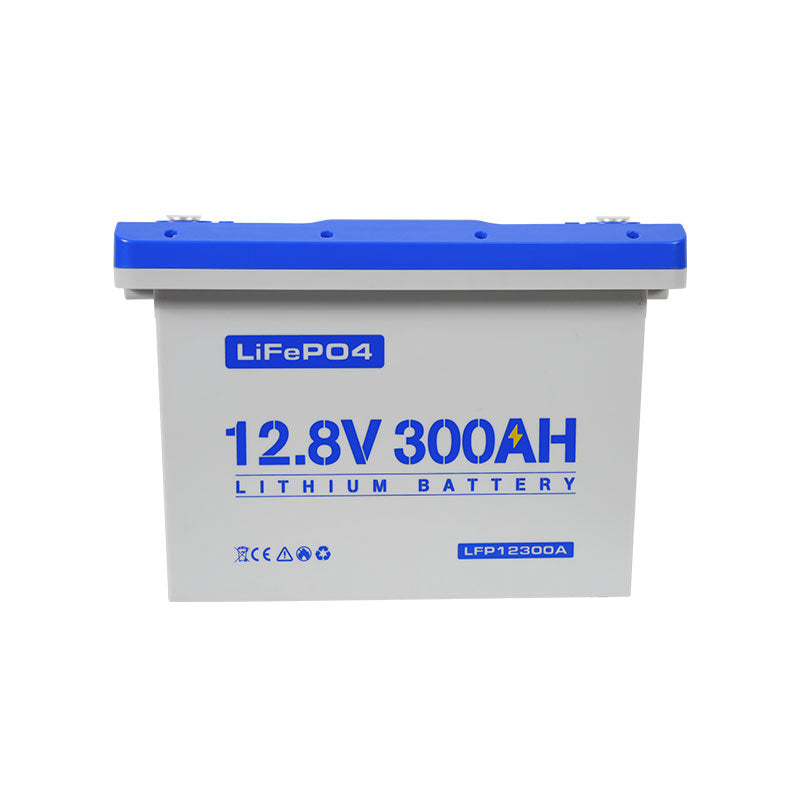

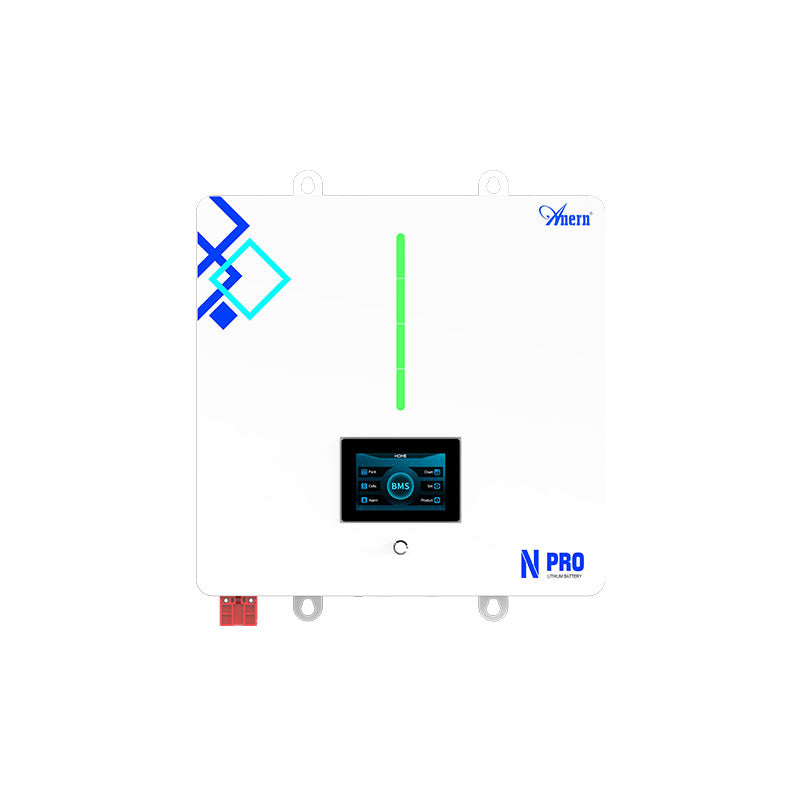
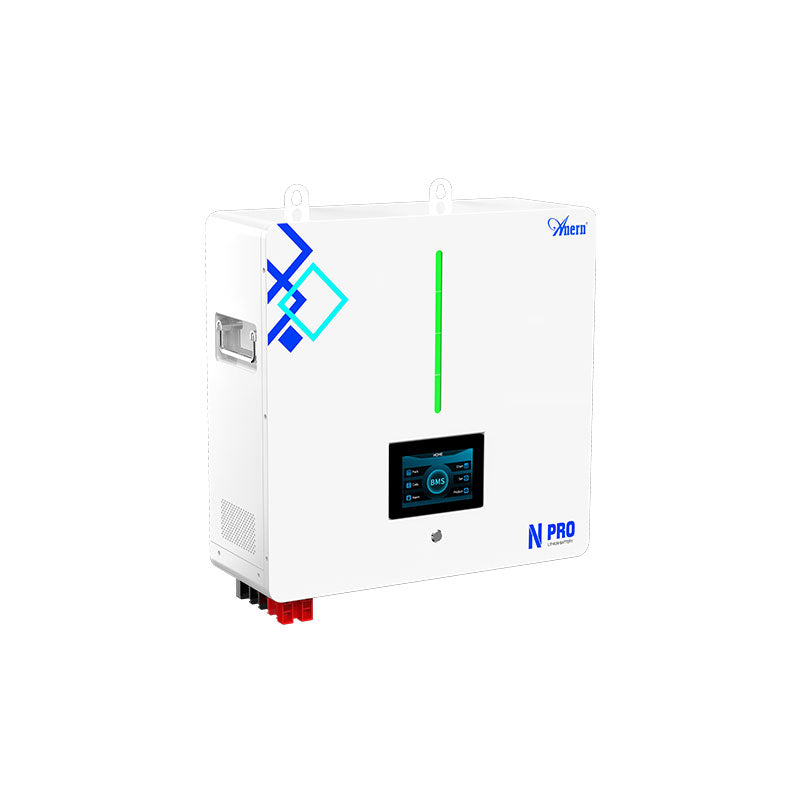
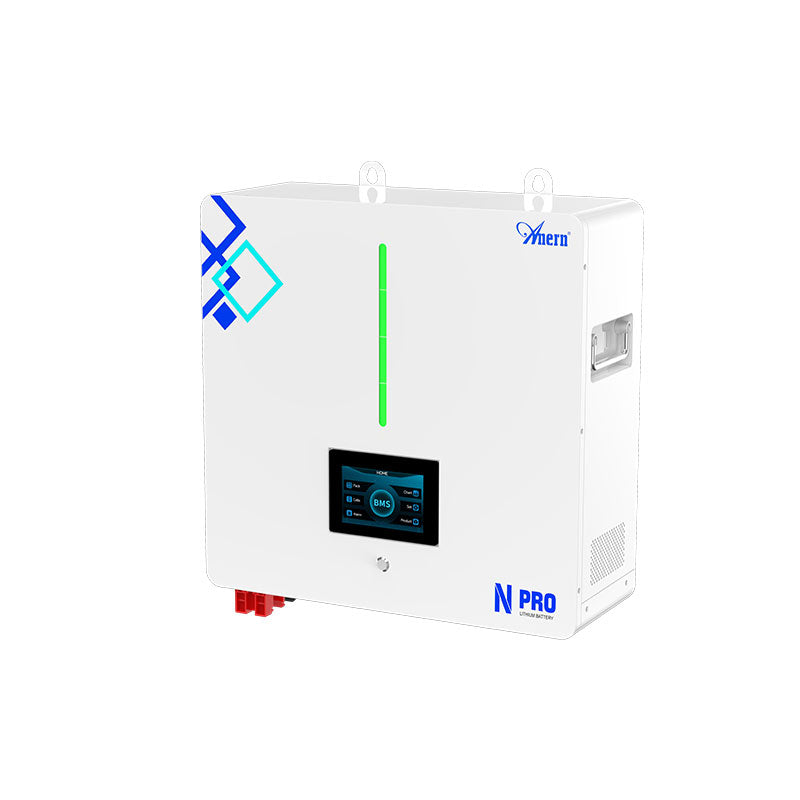

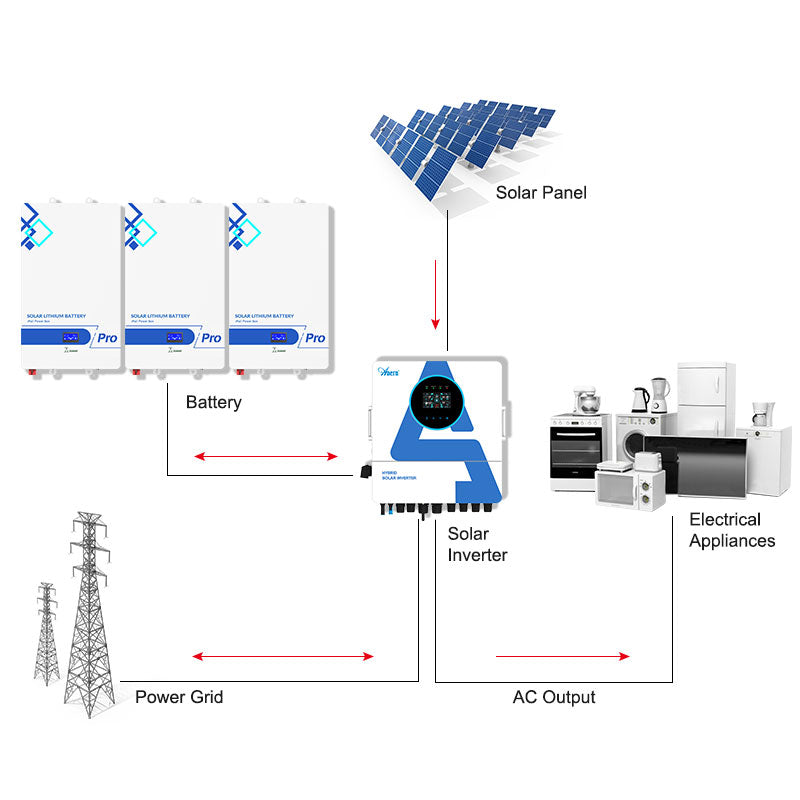
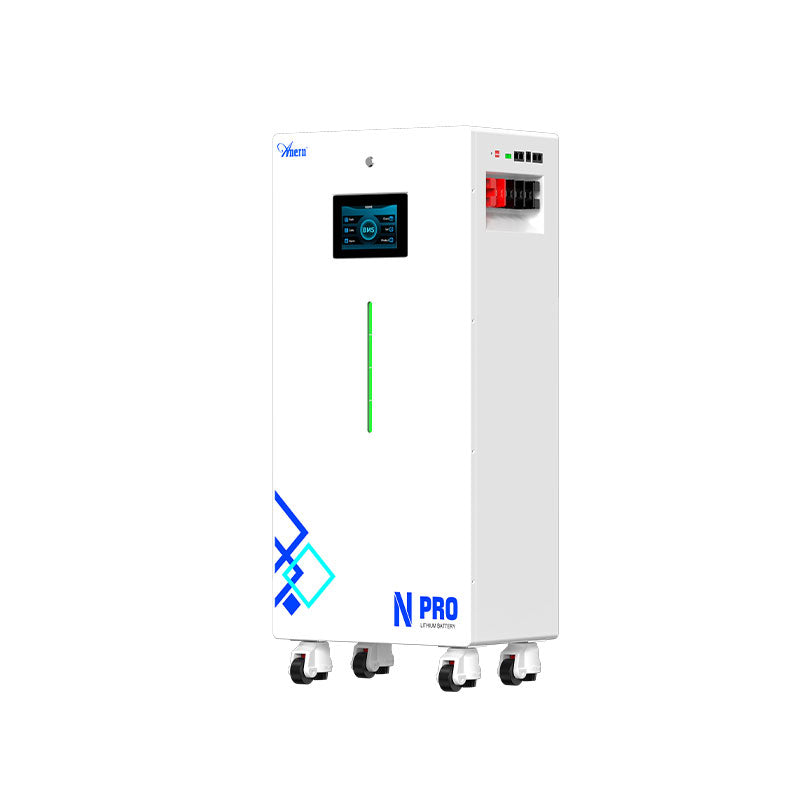


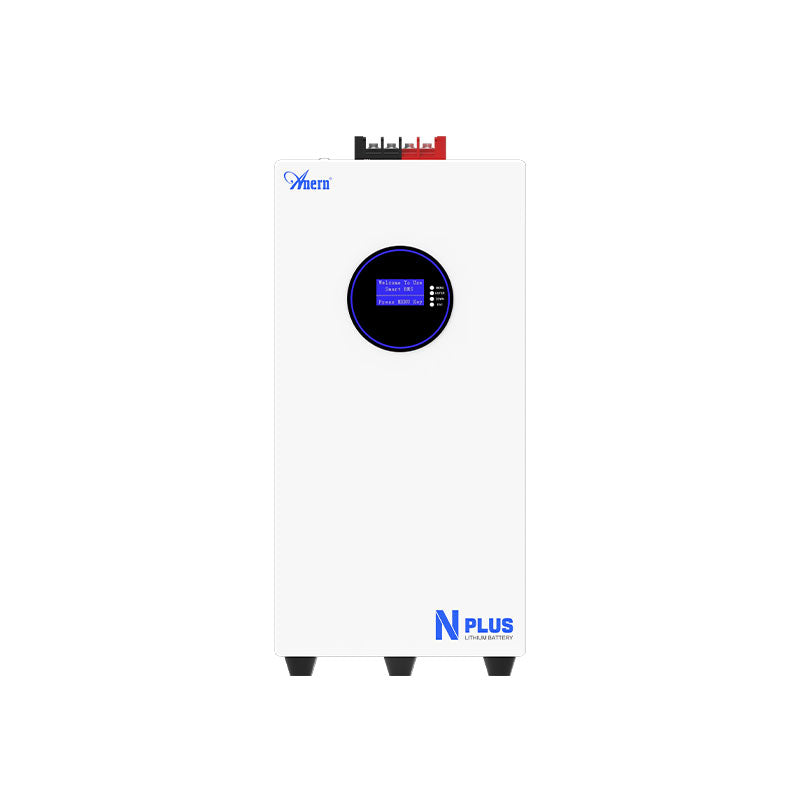
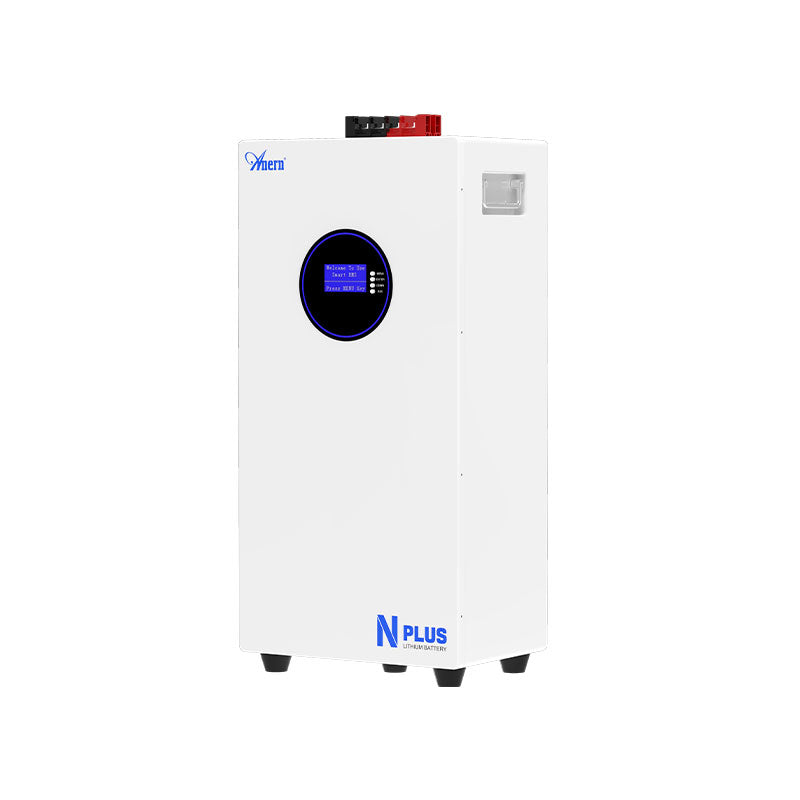

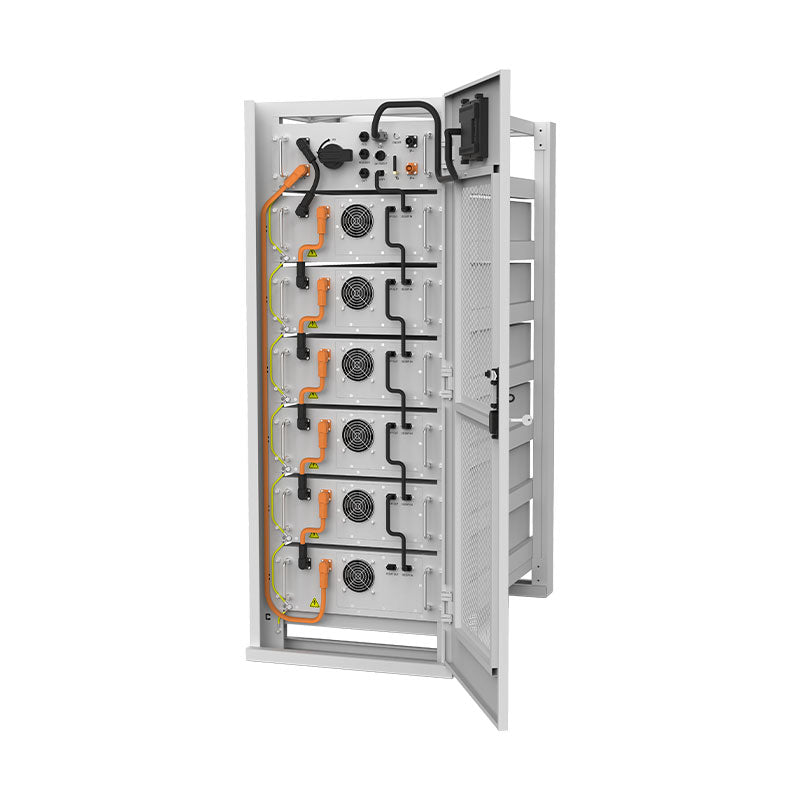
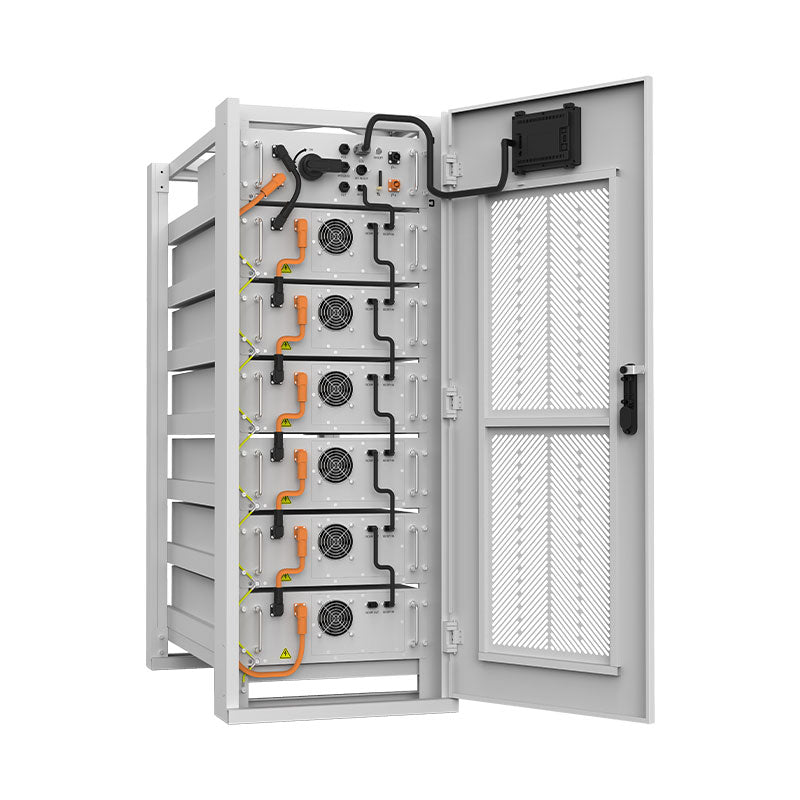
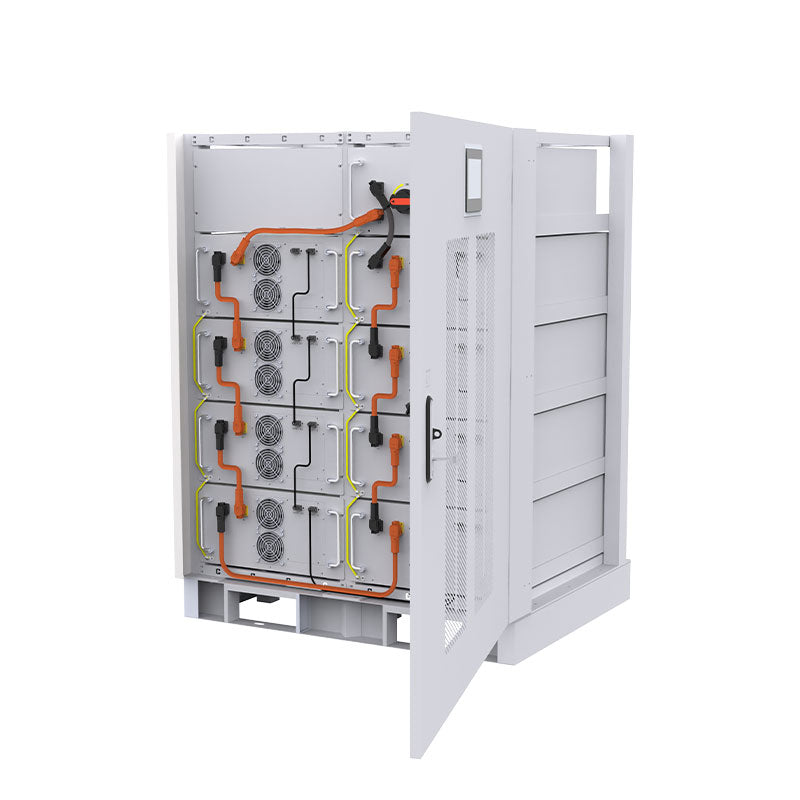

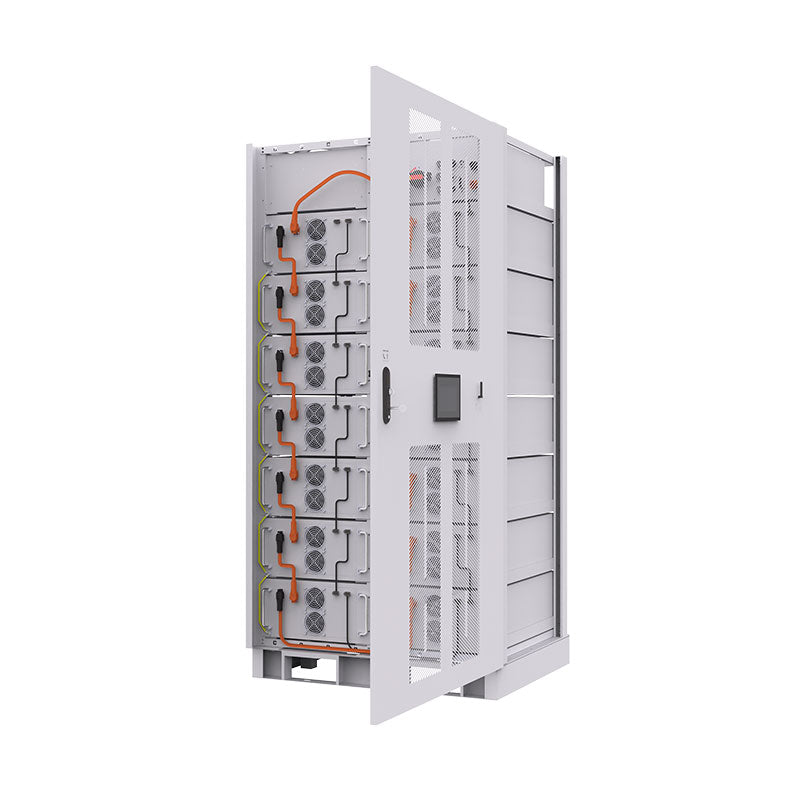
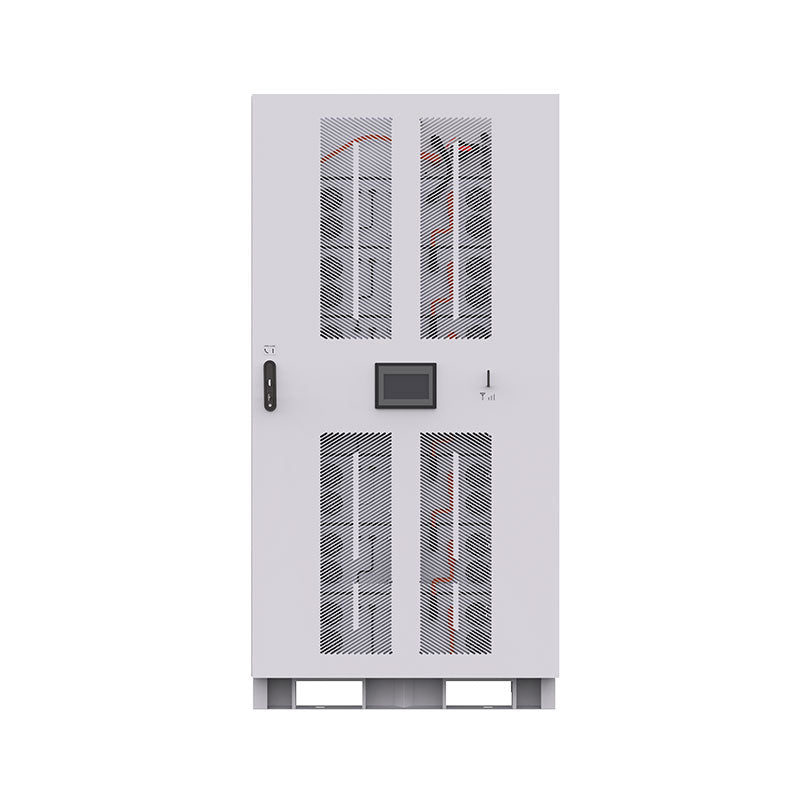


The 20-80% State of Charge rule is a useful battery-care guideline, but it is not a universal law for every home energy storage system. For modern LiFePO4 batteries, the best SOC window depends on your goals: daily savings, backup reserve, cycle life, or maximum usable capacity.
Understanding SOC and Its Impact on Battery Health
What Is State of Charge (SOC)?
State of Charge is the battery's fuel gauge. A battery at 100% is full, while a battery at 20% has about one-fifth of its usable energy remaining according to the BMS estimate.
The Link Between SOC, DoD, and Cycle Life
Depth of Discharge (DoD) is how much capacity you use. Cycling from 80% down to 20% uses 60% of the battery. In general, shallower cycles reduce stress and can extend cycle life. This LiFePO4 battery life guide explains how DoD and temperature work together.
Why Extreme SOC Levels Can Stress a Battery
Very high and very low SOC levels can create more stress than moderate operation. Holding a battery full for long periods in high heat is usually worse than briefly reaching full during normal cycling. Very low SOC also increases the risk of low-voltage protection if standby loads continue to drain the system.
The 20-80% Rule: A Guideline, Not a Law
Origins in Older Lithium-Ion Chemistries
The 20-80% habit became common with consumer electronics and some lithium-ion chemistries that age faster when held near full charge. It is a conservative rule that reduces stress by avoiding the top and bottom of the battery's operating range.
Is It Necessary for Modern LiFePO4 Batteries?
LiFePO4 batteries are generally more tolerant than many older lithium-ion chemistries. Many home ESS batteries are designed for wider daily use, and the BMS already defines protected limits. Charging to 100% can also help some packs complete top balancing, depending on the BMS design.
Data vs. Dogma: The Trade-Off
| SOC Window | Daily Usable Capacity | Best Fit |
|---|---|---|
| 20% to 80% | 60% | Users prioritizing lifespan and reserve over daily capacity. |
| 10% to 90% | 80% | A balanced daily-use approach for many homes. |
| 5% to 100% | 95% | Users who need maximum usable energy or frequent balancing. |
Finding Your Optimal SOC Window
Analyze Your Energy Usage and System Goals
- Self-consumption: A wider SOC window may help use more solar power at night.
- Time-of-use savings: More usable capacity can offset expensive evening rates.
- Backup power: Keep a higher reserve SOC if outages are a priority.
- Maximum lifespan: Use a narrower daily window and avoid heat.
The Critical Role of the Battery Management System (BMS)
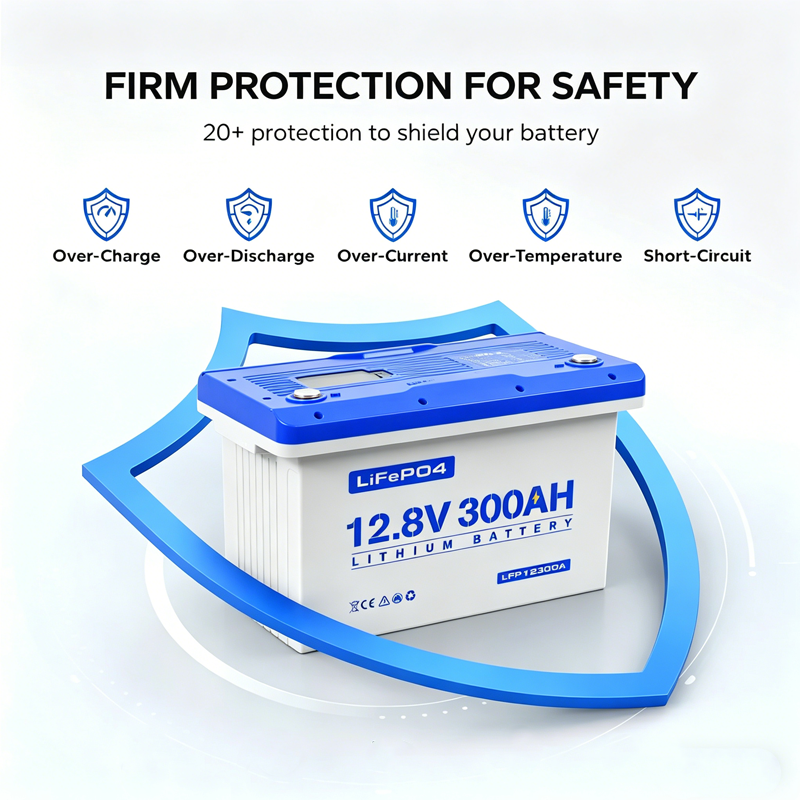
The BMS protects the battery from over-voltage, under-voltage, over-current, and unsafe temperature. User SOC limits are an optimization layer, not the primary safety boundary. If your system frequently hits BMS cutoffs, review the settings and load profile.
A Practical Framework for Setting SOC Limits
For many LiFePO4 home ESS users, a 10-90% or 10-95% daily window is a practical starting point. Use 20-80% when long life and reserve matter more than usable capacity. Use a wider window when self-consumption, backup duration, or time-of-use savings require it. Battery storage guidance from the U.S. Department of Energy Solar Futures Study gives broader context for why storage operation matters as solar adoption grows.
Moving Beyond the Rule
The 20-80% SOC rule is useful as a conservative starting point, but it should not override the battery manufacturer's guidance or your actual energy goals. A modern LiFePO4 ESS is designed to be used. The right SOC window is the one that balances usable capacity, backup reserve, battery health, and financial value.
For practical system sizing, pair SOC planning with real daily load calculations and a realistic battery capacity target.
Frequently Asked Questions
Is it harmful to charge my LiFePO4 battery to 100% every day?
Not necessarily. Many LiFePO4 systems can charge to 100% safely when the charger and BMS are configured correctly. Holding the battery full for long periods in high heat is more concerning than briefly reaching full.
What is more damaging: a wide SOC window or a high C-rate?
Both can matter. High charge or discharge current creates heat and stress, while a wide SOC window increases cycle depth. Avoid routinely pushing both at the same time.
How should I set SOC if I need emergency reserve?
Set a minimum reserve SOC based on your essential outage loads. For example, if you need 30% capacity for backup, daily cycling can occur above that reserve.
Will using the 20-80% rule save money?
Not always. It may extend battery life, but it also reduces daily usable capacity. If the unused capacity forces you to buy expensive grid electricity, a wider SOC window may provide better value.
