



















Installing solar panels on your property can significantly reduce electricity bills and increase home value, but navigating homeowners association (HOA) rules and neighborhood covenants often creates confusion for homeowners. Understanding your solar rights and the approval process helps ensure a smooth installation while maintaining good relationships with your community.

Understanding Solar Rights Laws
Solar rights laws protect homeowners' ability to install solar energy systems, even in communities with restrictive covenants. These laws vary by state but generally prevent HOAs from completely prohibiting solar installations.
Federal Solar Rights Protection
While no federal law directly mandates solar access rights, the Federal Trade Commission supports state-level solar rights legislation. The U.S. Department of Energy recognizes that removing barriers to solar deployment is crucial for achieving national clean energy goals.
Most states have enacted some form of solar rights legislation that limits HOAs' ability to restrict solar installations. These laws typically allow reasonable restrictions on placement, size, and appearance while preventing outright bans.
State-Level Solar Access Laws
Currently, over 20 states have solar access laws that provide varying levels of protection. California's Solar Rights Act, for example, prohibits any covenant, restriction, or condition that effectively prohibits or restricts solar energy system installation.
Key provisions in state solar rights laws include:
- Protection against total prohibition of solar systems
- Limits on aesthetic restrictions that make installation impractical
- Requirements for reasonable approval timelines
- Provisions for system efficiency considerations
HOA Solar Restrictions and Approval Process
Even with solar rights laws, HOAs retain some authority to regulate solar installations through architectural review processes. Understanding these procedures helps streamline your approval.
Common HOA Requirements
Most HOAs require architectural review committee approval before solar installation. Typical requirements include:
- Detailed installation plans and specifications
- Equipment specifications and manufacturer information
- Roof layout diagrams showing panel placement
- Color and mounting system details
- Electrical system integration plans
The approval process usually takes 30-60 days, though some states mandate shorter review periods. California requires HOAs to approve or deny applications within 45 days.
Reasonable Restrictions HOAs Can Impose
Solar rights laws allow HOAs to impose "reasonable" restrictions that don't significantly impact system efficiency or cost. These may include:
- Panel color requirements (typically black or dark blue)
- Specific mounting system types
- Screening requirements for ground-mounted systems
- Setback requirements from roof edges
- Limitations on visible conduits and equipment
However, restrictions cannot reduce system efficiency by more than 10% or increase installation costs by more than $1,000 in most states with solar rights protections.
Navigating Neighborhood Covenants
Neighborhood covenants and deed restrictions can complicate solar installations, but solar rights laws typically override these private agreements when they conflict with renewable energy access.
Types of Restrictive Covenants
Common covenant restrictions that may affect solar installations include:
- Architectural style requirements
- Color scheme mandates
- Roof modification prohibitions
- Equipment visibility restrictions
- Property use limitations
These restrictions often predate solar technology and may not specifically address renewable energy systems, creating ambiguity that solar rights laws help resolve.
Covenant Override Provisions
Most state solar rights laws include provisions that override restrictive covenants when they conflict with solar access rights. This legal framework ensures that private agreements cannot completely prevent renewable energy adoption.
According to research from the International Energy Agency, removing regulatory barriers is essential for accelerating solar deployment and achieving clean energy targets.
Practical Steps for Solar Installation Approval
Successfully navigating HOA approval requires preparation, documentation, and sometimes negotiation. Following these steps increases your chances of quick approval.
Pre-Application Research
Before submitting your application, thoroughly review your HOA's governing documents, including:
- Covenants, Conditions, and Restrictions (CC&Rs)
- Architectural review guidelines
- Solar-specific policies (if any)
- Previous solar installation approvals
Contact your HOA management company to understand their specific process and timeline requirements.
Application Documentation
Prepare comprehensive documentation that addresses potential concerns proactively:
- Professional system design with detailed specifications
- Equipment cut sheets showing panel and inverter details
- Visual renderings or photos showing expected appearance
- Efficiency calculations demonstrating system performance
- Installer credentials and warranty information
High-quality documentation demonstrates professionalism and addresses common HOA concerns about aesthetics and installation quality.
Addressing Common Objections
Be prepared to address typical HOA concerns:
- Aesthetics: Choose low-profile mounting systems and panels that complement your roof
- Property values: Provide studies showing solar installations increase home values
- Maintenance: Explain that modern systems require minimal maintenance
- Removal: Clarify that systems can be removed if necessary
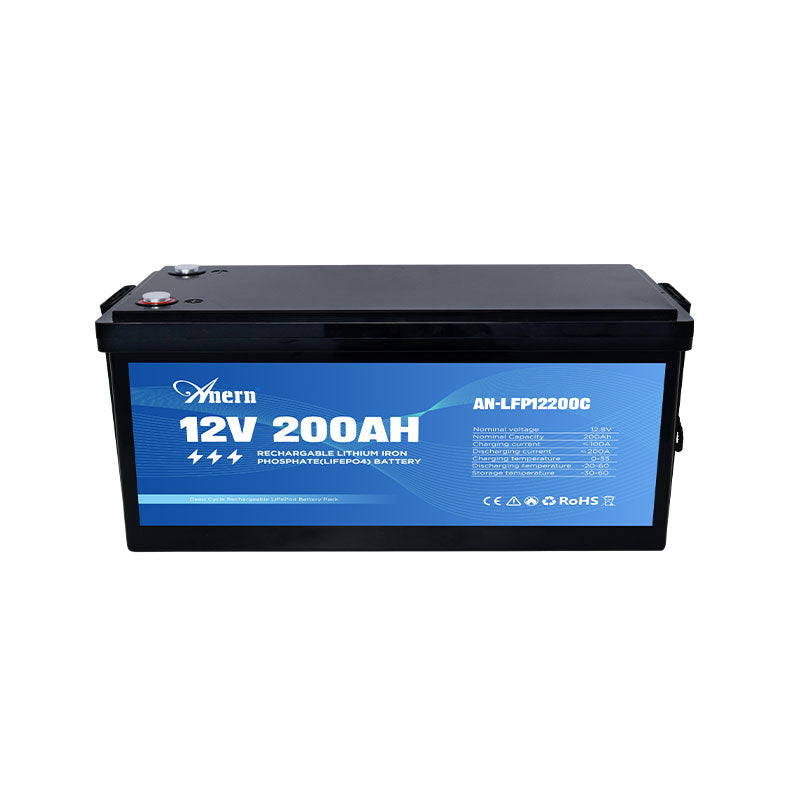
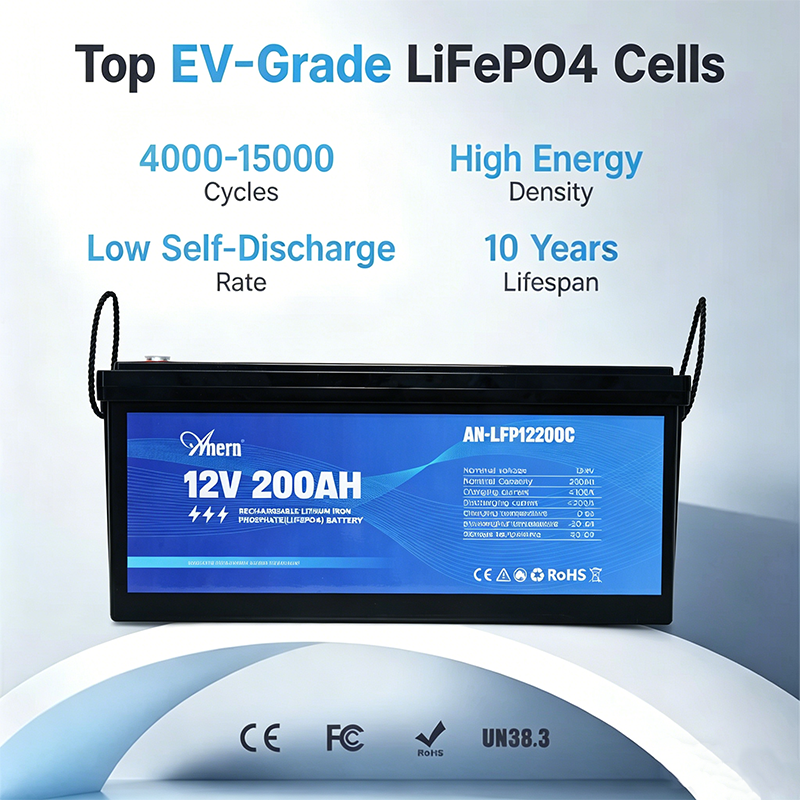
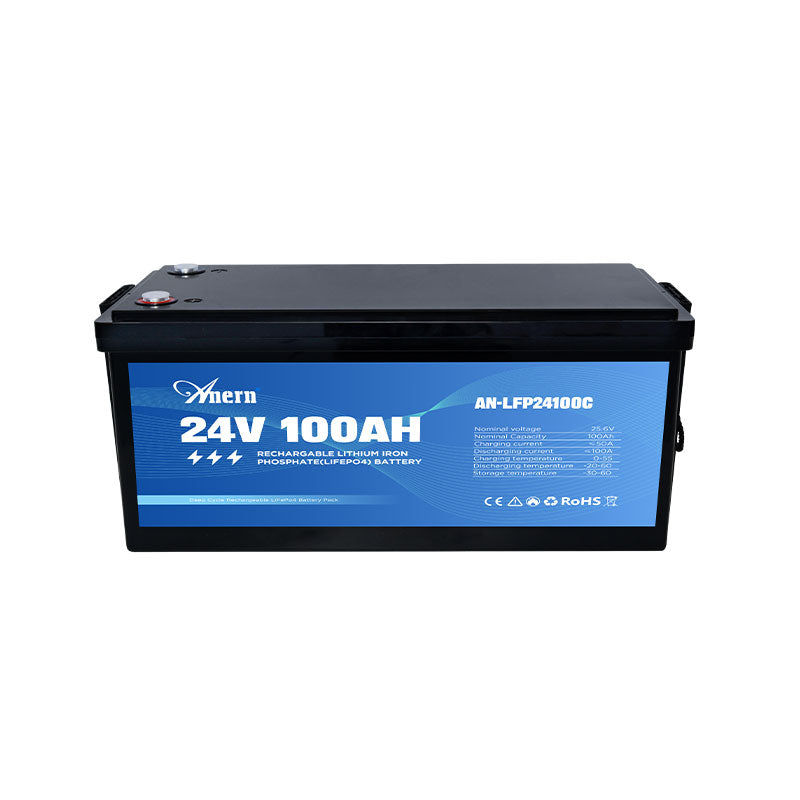
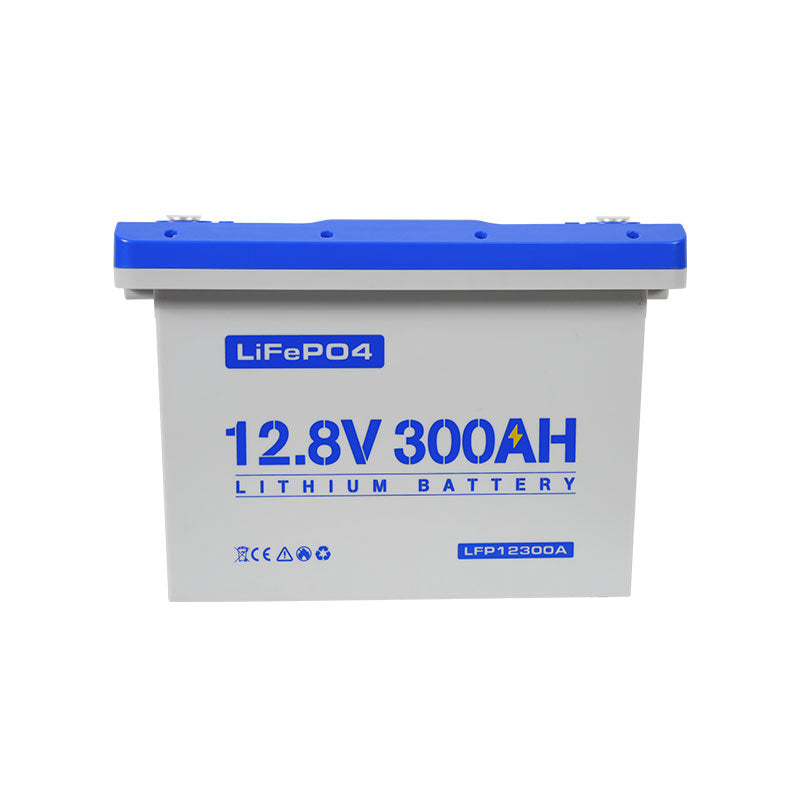
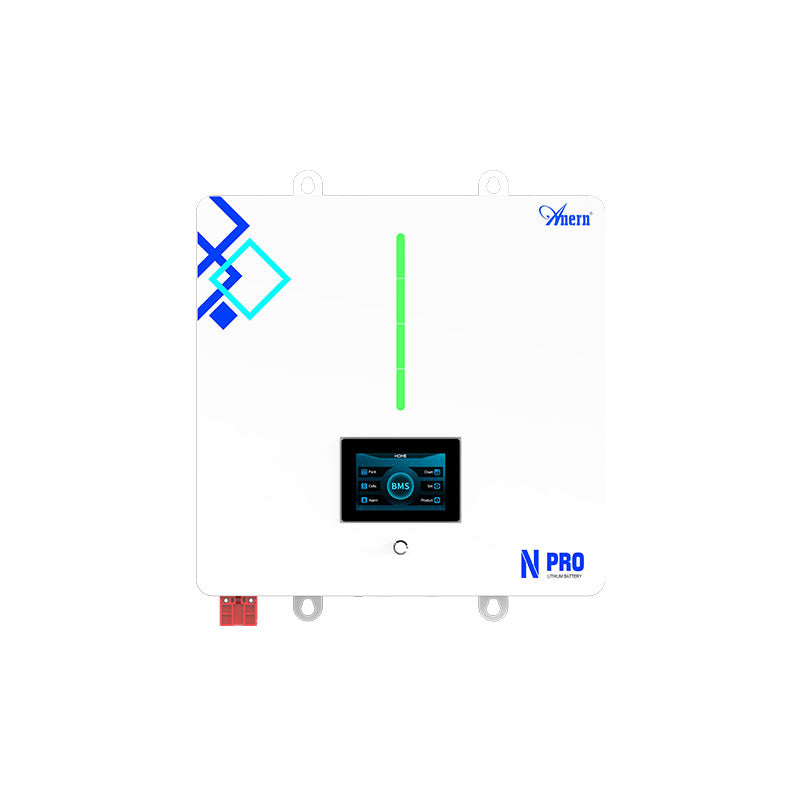
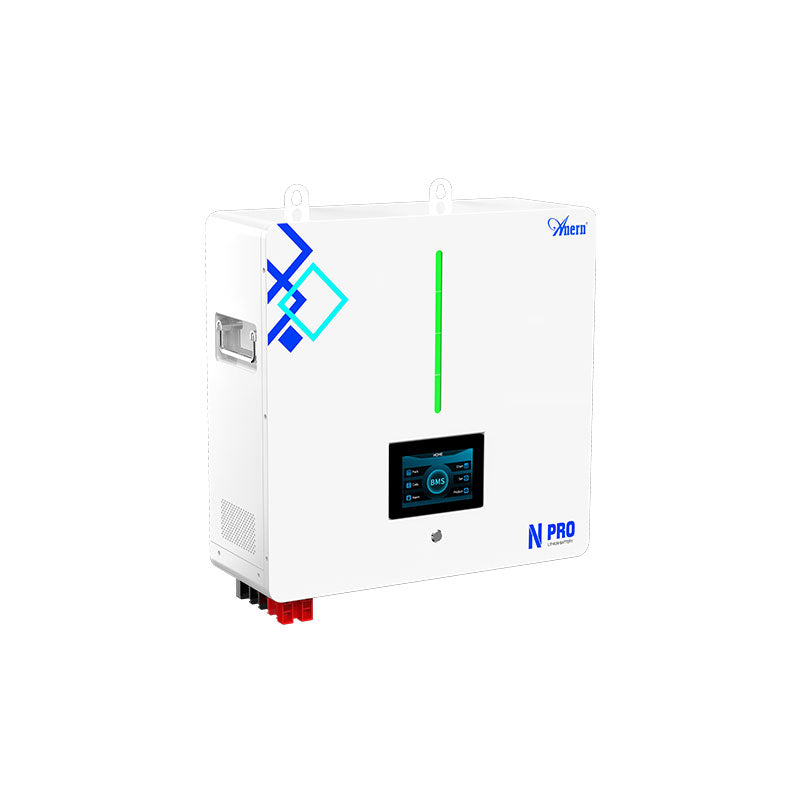
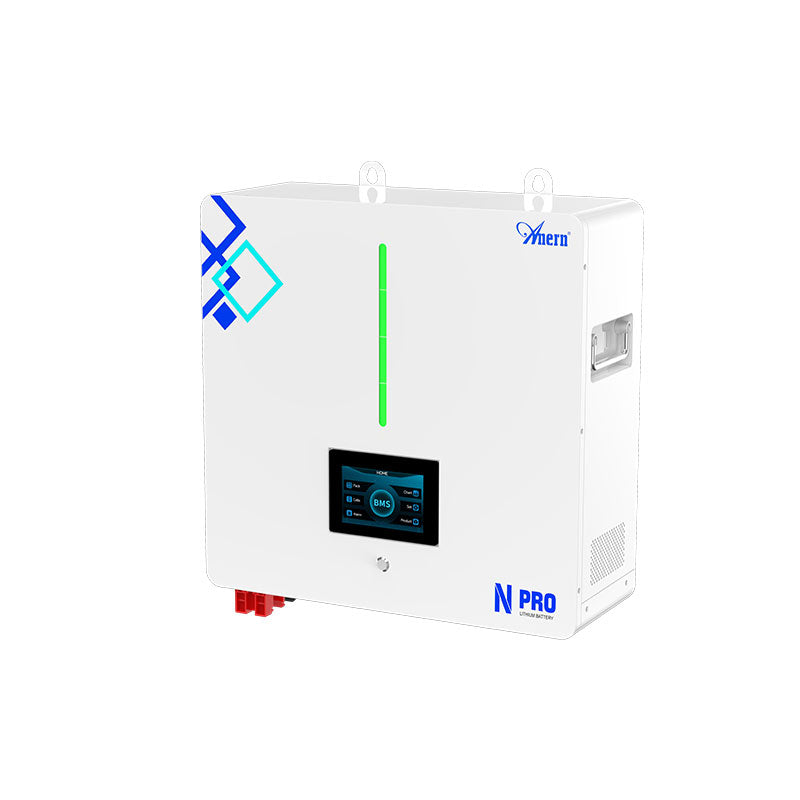
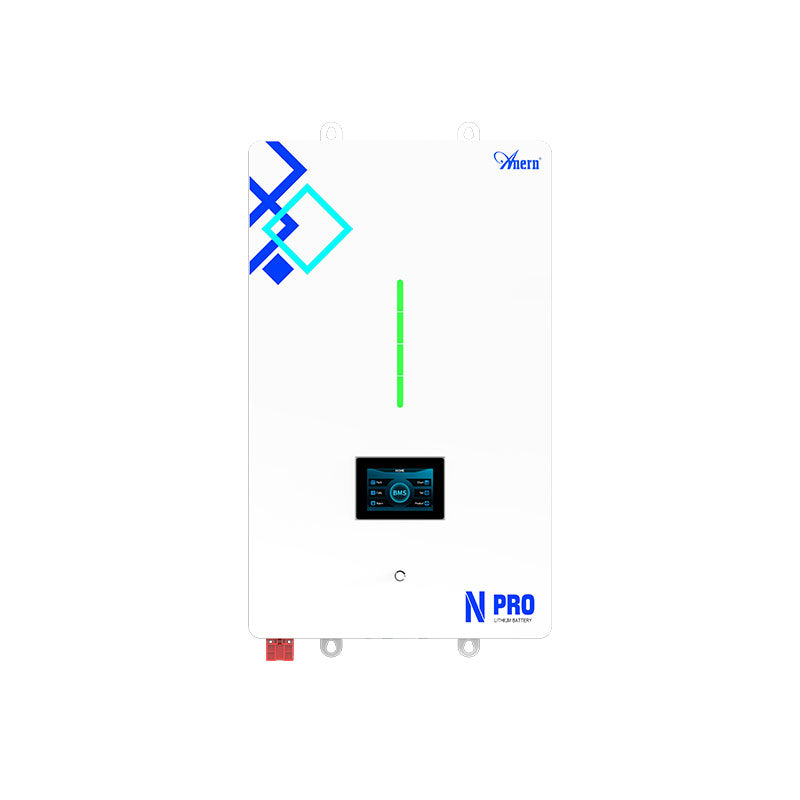
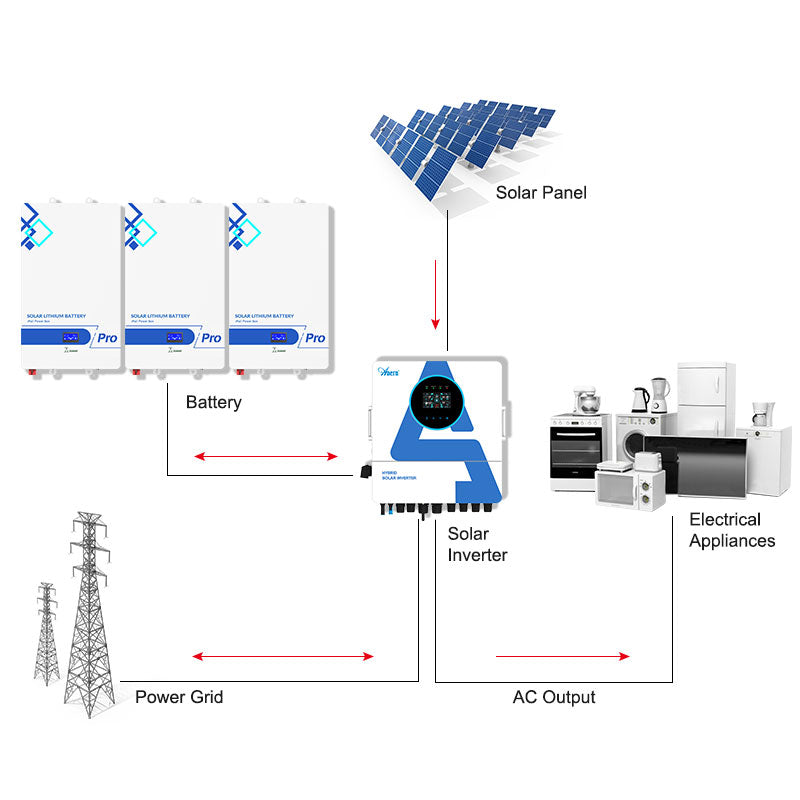
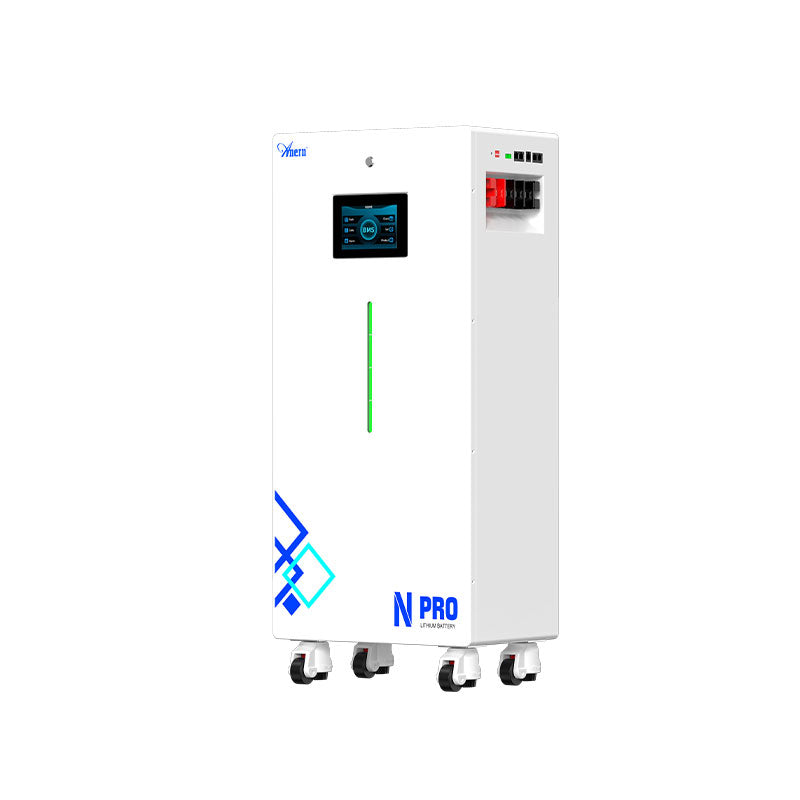
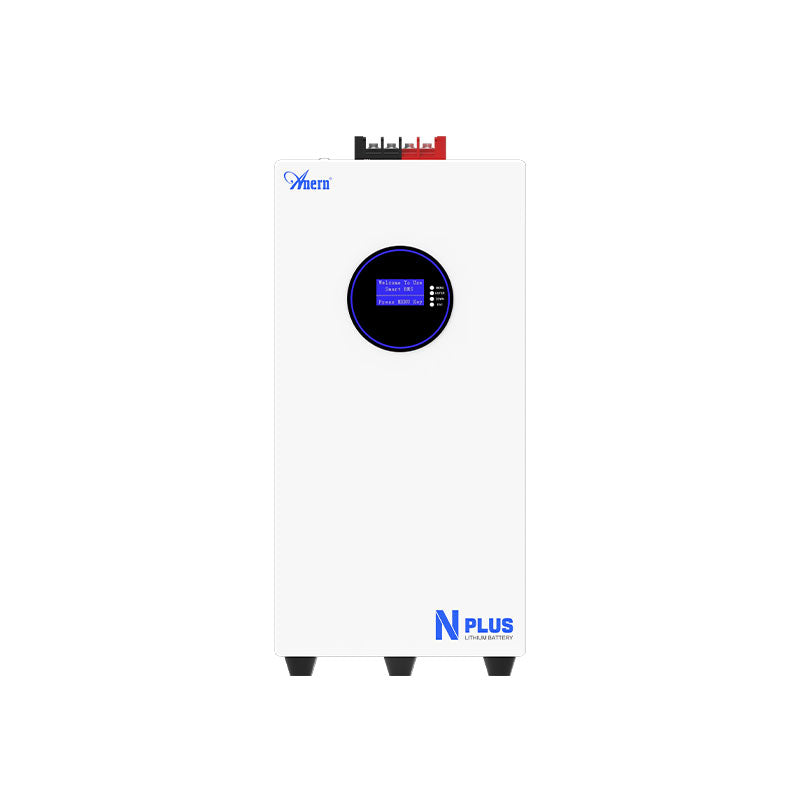
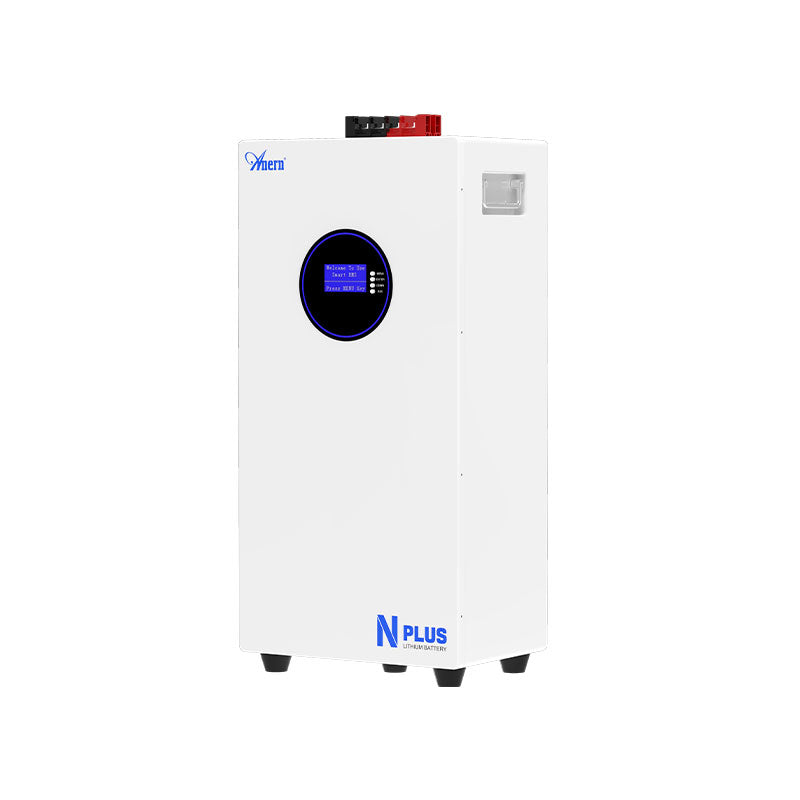
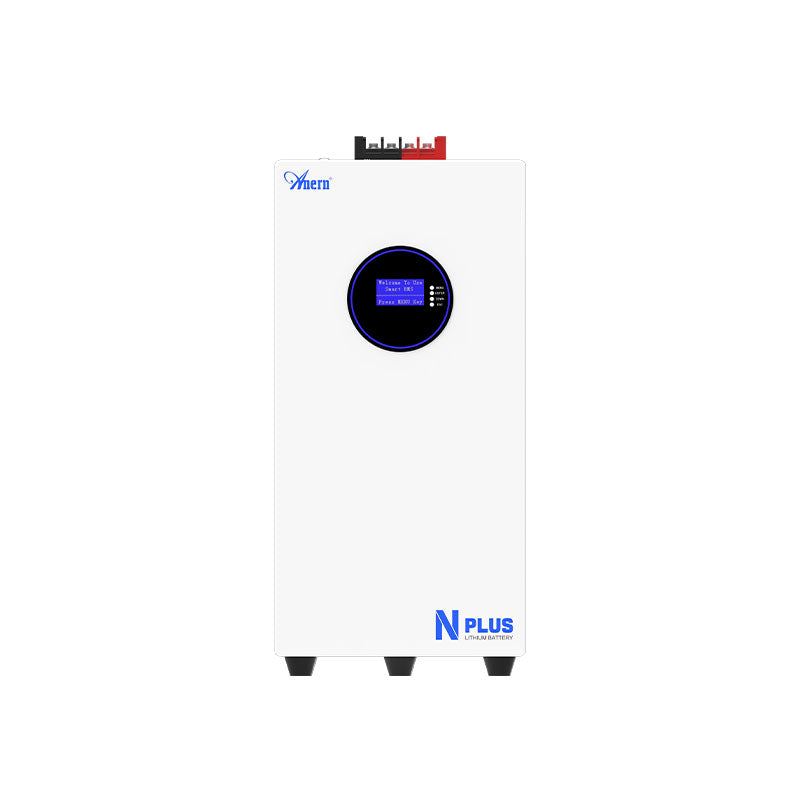
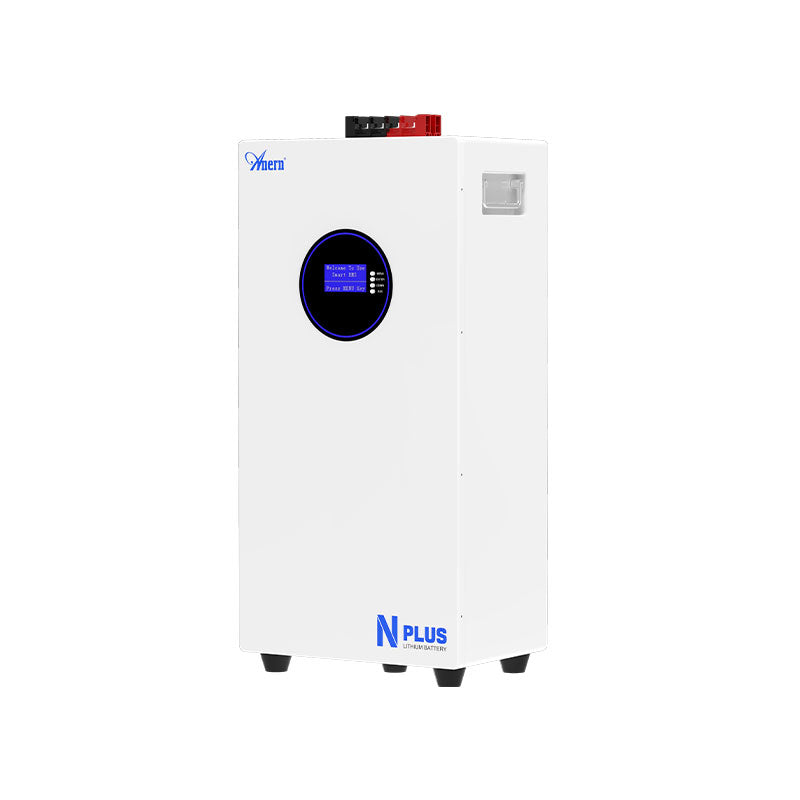
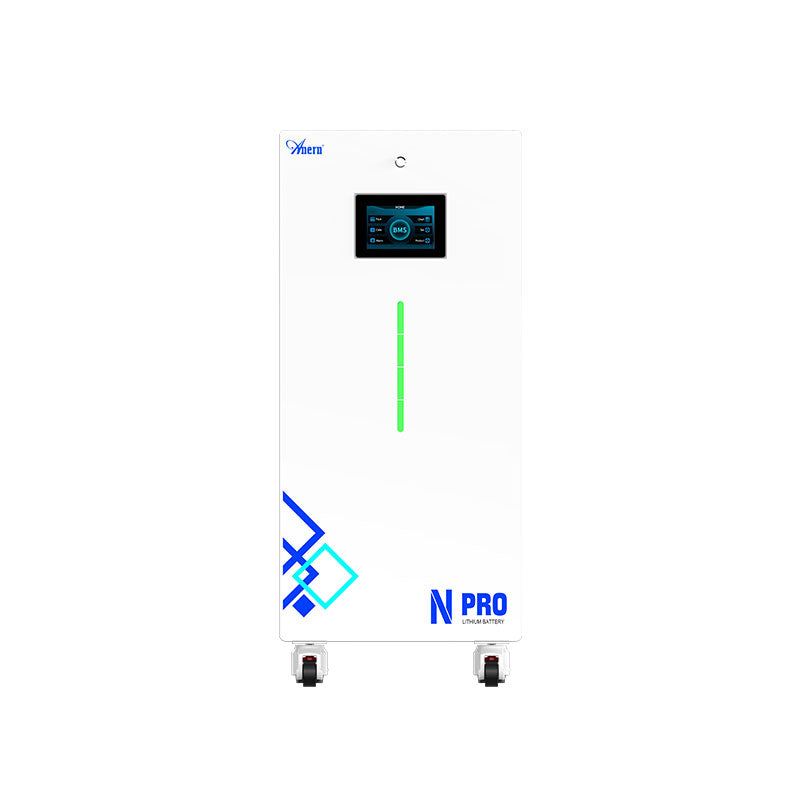
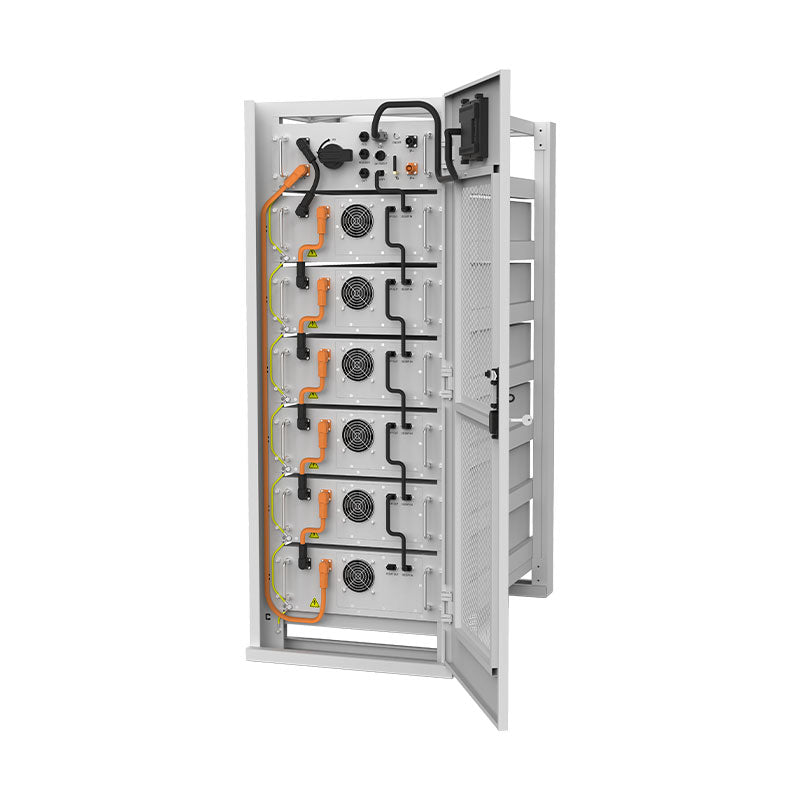
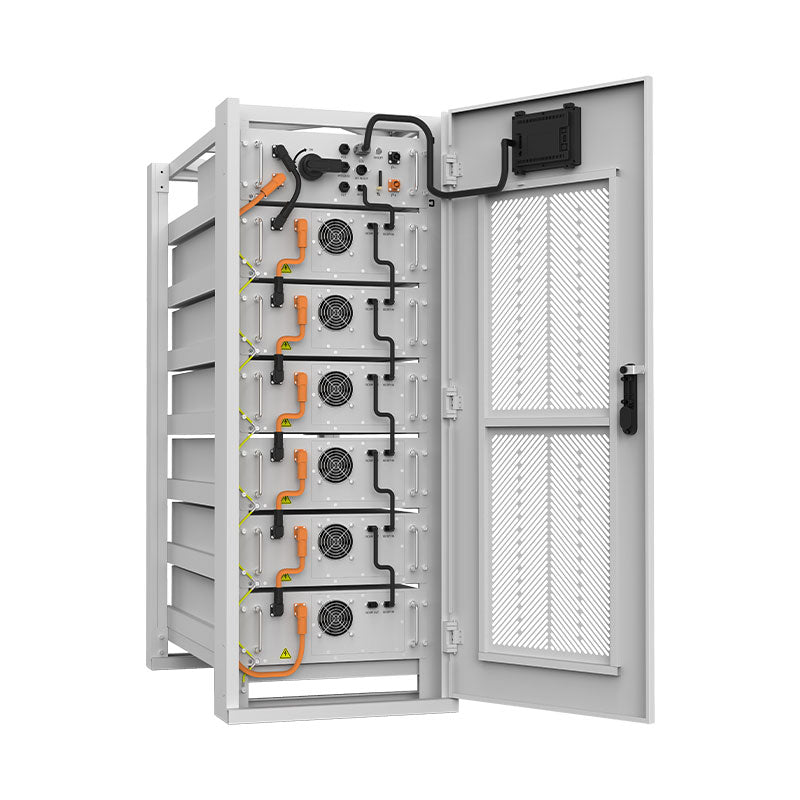
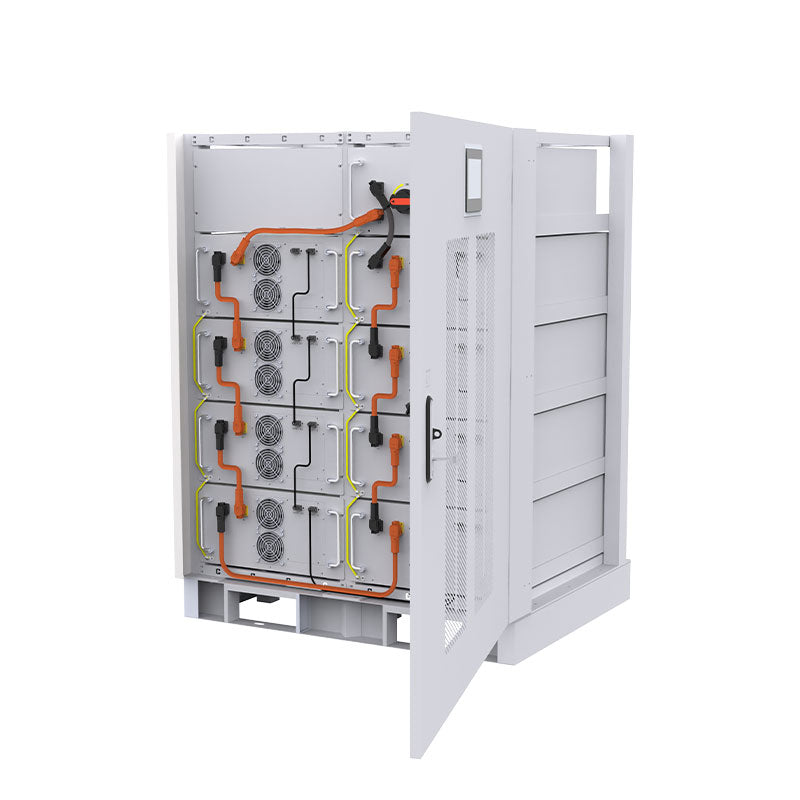
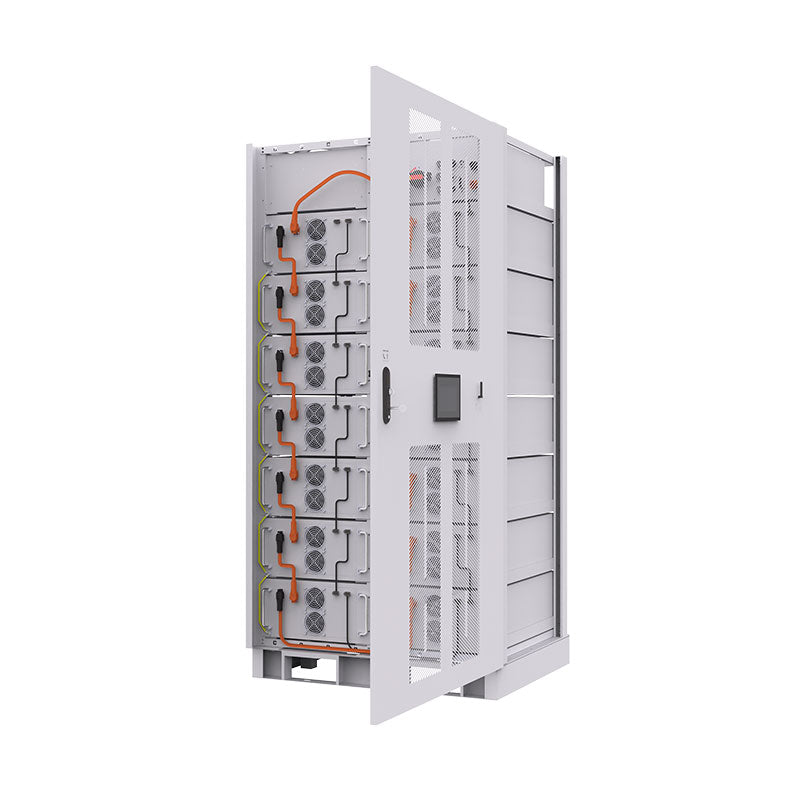
Modern lithium battery storage systems and integrated inverters offer cleaner installations that address many aesthetic concerns while providing energy independence benefits.
Legal Remedies and Dispute Resolution
When HOAs deny reasonable solar applications or impose unreasonable restrictions, homeowners have several legal options available.
Administrative Appeals
Most HOAs have internal appeal processes that allow homeowners to challenge architectural review committee decisions. This typically involves presenting your case to the full board of directors.
Prepare for appeals by:
- Documenting how your application meets all reasonable requirements
- Citing relevant state solar rights laws
- Providing examples of similar approved installations
- Demonstrating compliance with efficiency and cost thresholds
Legal Action Options
When internal appeals fail, legal remedies may include:
- Mediation through state or local programs
- Small claims court for damages and legal fees
- Civil litigation for injunctive relief
- State attorney general complaints
Many states provide attorney fee recovery for successful solar rights cases, making legal action more accessible for homeowners.
Working with Solar Professionals
Experienced solar installers understand local HOA requirements and can help design systems that meet both performance and aesthetic standards. They often maintain relationships with HOA management companies and can facilitate the approval process.
When selecting equipment, consider integrated solutions that minimize visual impact while maximizing performance. Modern off-grid solar systems with battery storage provide energy independence while maintaining clean aesthetics that satisfy most HOA requirements.
Disclaimer: This information is for educational purposes only and does not constitute legal advice. Consult with a qualified attorney for specific legal questions about your solar rights.
Moving Forward with Confidence
Understanding your solar rights empowers you to pursue renewable energy solutions despite HOA restrictions and neighborhood covenants. Most communities recognize the environmental and economic benefits of solar energy and work cooperatively with homeowners to find acceptable solutions.
The key to success lies in thorough preparation, professional documentation, and open communication with your HOA. By following proper procedures and understanding your legal protections, you can achieve your energy independence goals while maintaining positive community relationships.
As solar technology continues advancing and costs decline, more communities embrace renewable energy adoption. The International Renewable Energy Agency emphasizes that removing deployment barriers is crucial for achieving global clean energy transitions.
Start your solar journey by researching your state's solar rights laws and reviewing your HOA's governing documents. With proper planning and professional support, you can successfully navigate the approval process and enjoy the benefits of clean, renewable energy for decades to come.
