











Harnessing solar energy involves more than simply installing panels. The local climate, particularly temperature, significantly influences how efficiently your solar energy system performs. Understanding the dynamics of solar panel efficiency in varying temperatures is crucial for maximizing electricity production and ensuring long-term energy independence. This exploration will compare solar panel performance in hot and cold environments, providing insights into optimizing your system for diverse weather conditions.
The Core Impact of Temperature on Solar Panels
Solar panels generate electricity through the photovoltaic effect, converting sunlight into direct current (DC) electricity. While sunlight is the primary input, temperature plays a critical, often counterintuitive, role. As a semiconductor device, a solar cell's efficiency is sensitive to temperature changes. When a solar panel's temperature increases, its ability to convert sunlight into electricity typically decreases.
Understanding the Temperature Coefficient
A key metric to assess how temperature affects a solar panel is its "temperature coefficient." This value quantifies the percentage change in a panel's power output for each degree Celsius change in temperature, usually measured above or below a standard test condition (STC) of 25°C (77°F).
For most crystalline silicon solar panels, the temperature coefficient for power output ranges from -0.3% to -0.5% per °C. This means for every degree Celsius above 25°C, the panel's power output can decrease by this percentage. For instance, a panel with a -0.4% per °C coefficient would lose 4% of its efficiency if its temperature rises by 10°C above 25°C.
The underlying physics involves several factors: higher temperatures increase the energy of electrons within the solar cell, which reduces the semiconductor's bandgap. This primarily leads to a decrease in the panel's open-circuit voltage, which is the most significant factor in power reduction. While the short-circuit current might slightly increase with temperature due to increased carrier concentrations, this minor gain is outweighed by the voltage drop.
Different solar panel technologies exhibit varying temperature coefficients. Thin-film solar panels, for example, often have lower temperature coefficients, typically ranging from -0.2% to -0.3% per °C, indicating better performance retention in hotter conditions compared to traditional crystalline silicon panels.
| Panel Technology | Typical Temperature Coefficient (Power) |
|---|---|
| Crystalline Silicon (Mono/Poly) | -0.3% to -0.5% per °C |
| Thin-Film (CdTe, CIGS) | -0.2% to -0.3% per °C |
| Heterojunction (HJT) | -0.2% to -0.3% per °C |
Solar Performance in Hot Climates
In regions with consistently high ambient temperatures, solar panels can reach surface temperatures significantly above the optimal 25°C. Under direct sunlight, panel temperatures can easily climb to 50-65°C (122-149°F) or even higher, depending on factors like air temperature, solar irradiance, wind speed, and the roof material.
Challenges and Mitigation Strategies
The primary challenge in hot climates is the efficiency decrease caused by elevated temperatures. On a hot summer day, this could translate to a 10-15% decrease in power output compared to the panel's rated efficiency. This reduction can impact the overall energy yield of a system.
However, you can implement several strategies to mitigate heat's impact:
- Proper Ventilation: Ensuring sufficient airflow beneath and around solar panels helps dissipate heat. Mounting panels a few inches above the roof surface allows for convective cooling.

- Panel Selection: Opt for panels with a lower temperature coefficient, as these are less susceptible to efficiency losses at higher temperatures.
- Reflective Surfaces: Using lighter-colored roofing materials or applying heat-reflective coatings can help reduce heat absorption by the roof and, consequently, the panels.
- Active Cooling: While less common for residential systems due to cost and complexity, some advanced installations use water-based cooling systems or forced air to actively reduce panel temperatures.
- Optimized Orientation: In extremely hot regions, slightly orienting panels to the east or west rather than directly south can minimize exposure to peak noon sunlight, reducing heat buildup.
- Regular Cleaning: Dust, dirt, and debris accumulate on panel surfaces, absorbing heat and further reducing efficiency. Regular cleaning helps maintain optimal light absorption and heat dissipation.
Solar Performance in Cold Climates
Counterintuitively, solar panels often perform more efficiently in cold, sunny conditions than in hot ones. This is because cooler temperatures reduce electrical resistance within the cells, allowing electrons to flow more freely and increasing the panel's voltage output.
Advantages and Considerations
On bright, cold days, a solar panel can actually produce more electricity than its rated capacity, sometimes exceeding it by 10-15%. Countries with colder climates, such as Germany, are leading solar energy producers, demonstrating the viability and efficiency of solar power in these environments.
Despite the efficiency benefits, cold climates introduce unique considerations:
- Snow Accumulation: Heavy snowfall can block sunlight from reaching the panels, significantly reducing or even halting energy production. However, solar panels are often installed at an angle (typically 30-60 degrees) which helps snow slide off naturally. The dark surface of panels also absorbs some heat, aiding in snow melt.
- Albedo Effect: Once snow clears or if it's light, the reflective surface of snow on the ground can bounce additional sunlight onto the panels, increasing the amount of light they receive and boosting energy production—a phenomenon known as the albedo effect.
- Shorter Daylight Hours: Winter days have fewer hours of sunlight, which naturally reduces the total energy generated daily. However, the increased efficiency per hour of sunlight helps offset some of this reduction.
While clearing snow from panels can maximize energy production, many experts advise against it due to safety risks and the potential to void warranties. In most cases, snow melts off panels relatively quickly.
Optimizing Solar Systems for Diverse Climates
Designing a solar energy system that performs optimally across varying climates requires careful consideration of components and system integration. Our extensive experience in the solar and energy storage industry allows us to provide reliable and scalable energy solutions tailored to specific environmental demands.
Component Selection and System Integration
Choosing the right components is paramount:
- Solar Panels: Select panels with a suitable temperature coefficient for your local climate. For hot regions, a lower coefficient is advantageous. For cold regions, focus on robust panels capable of handling snow loads and maintaining performance in low light.
- Solar Inverters: These devices convert the DC electricity from panels into usable AC electricity. Modern hybrid inverters are designed to manage power flow efficiently, adapting to fluctuations caused by temperature changes and ensuring stable output.
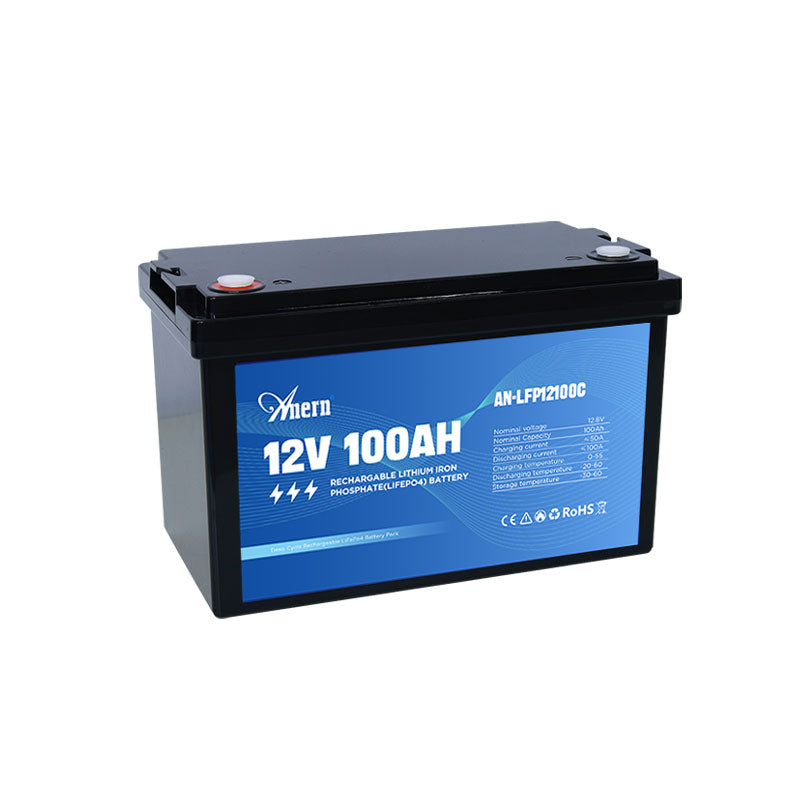
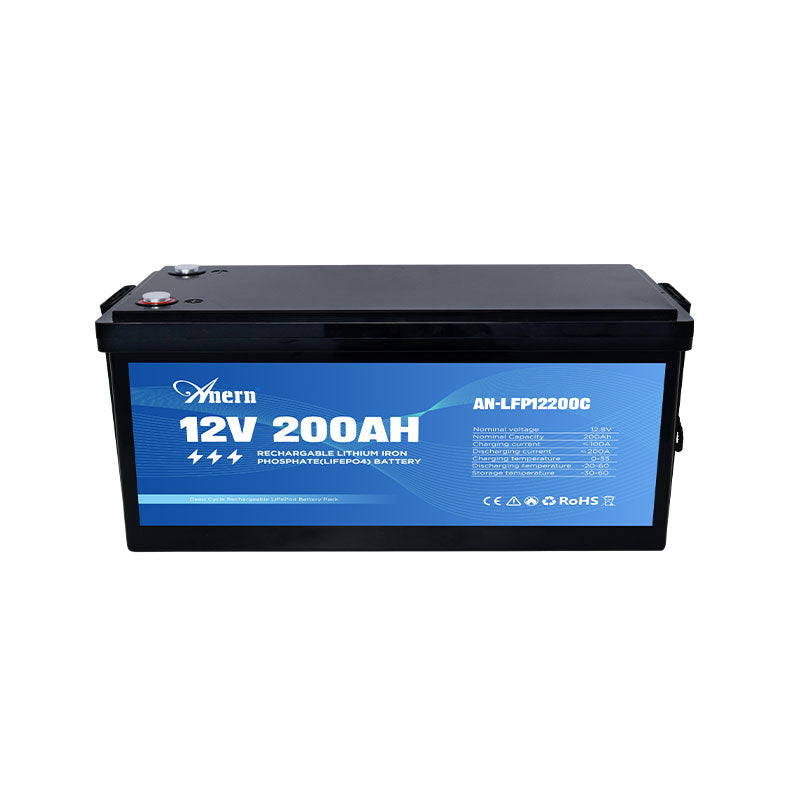
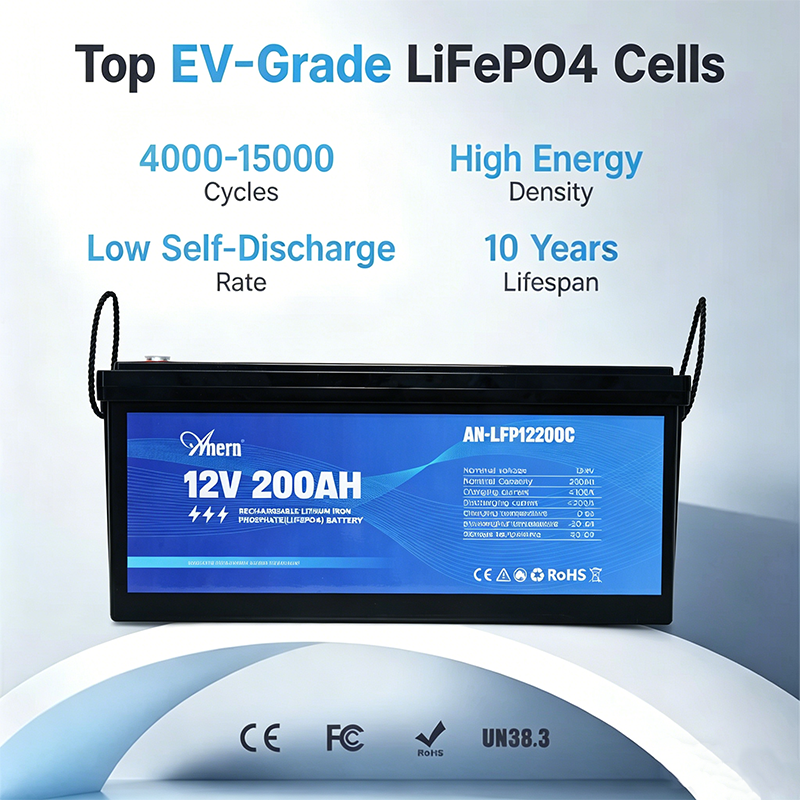
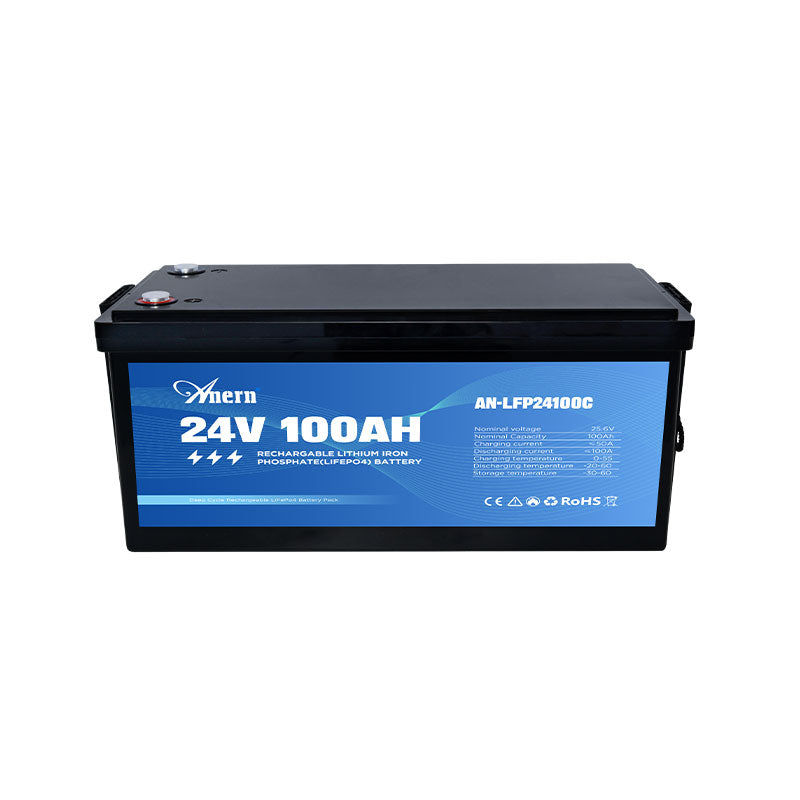
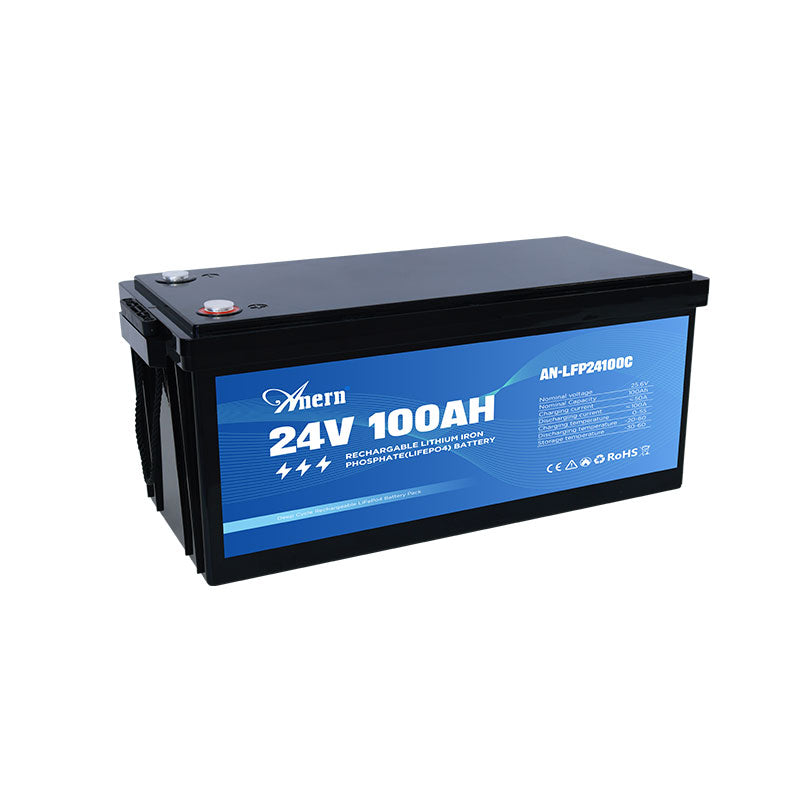
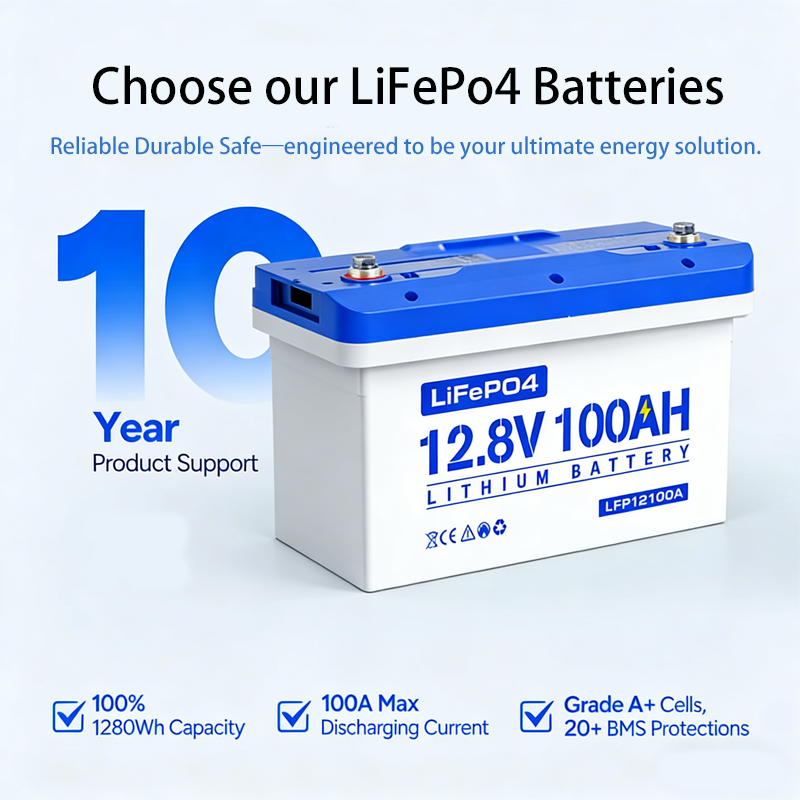
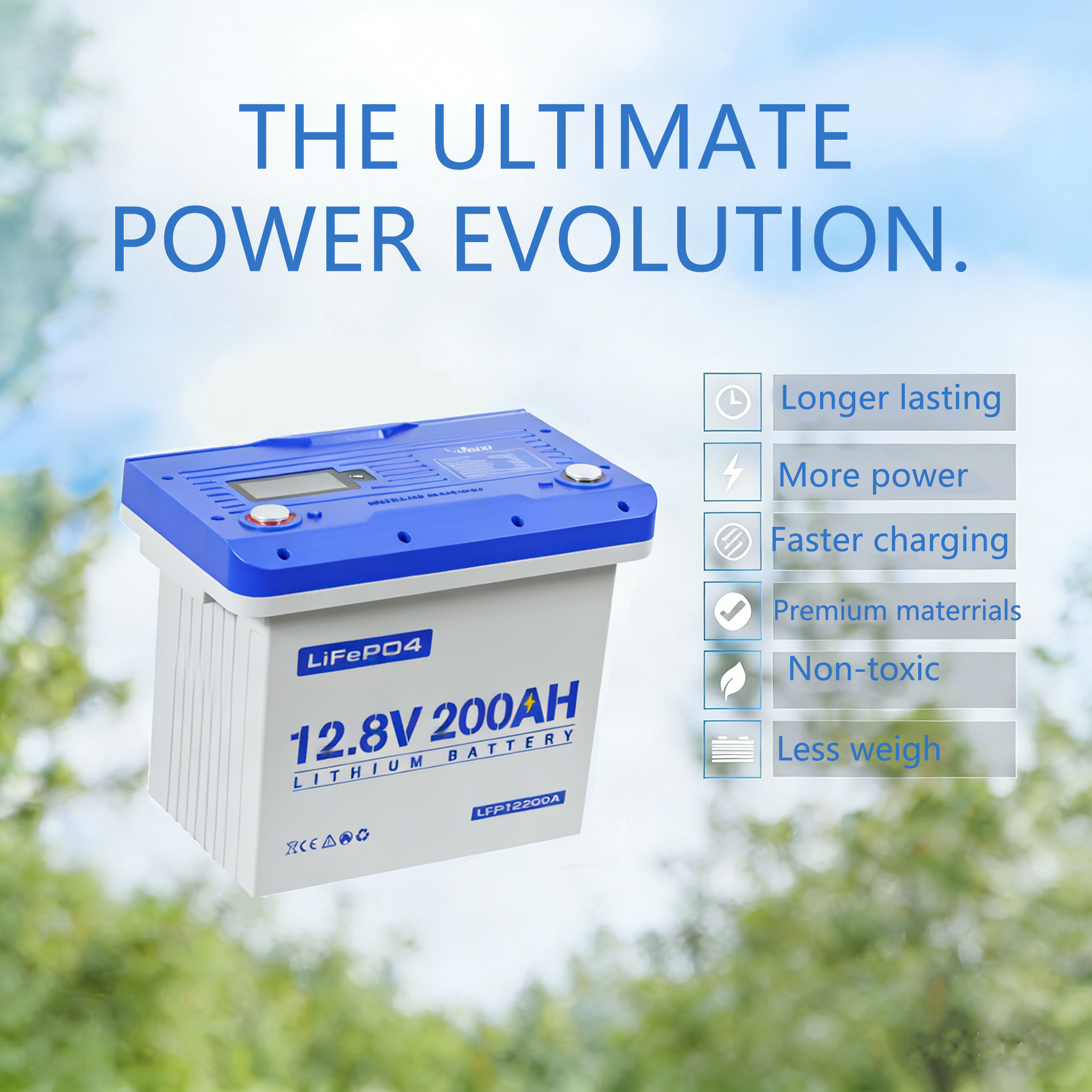
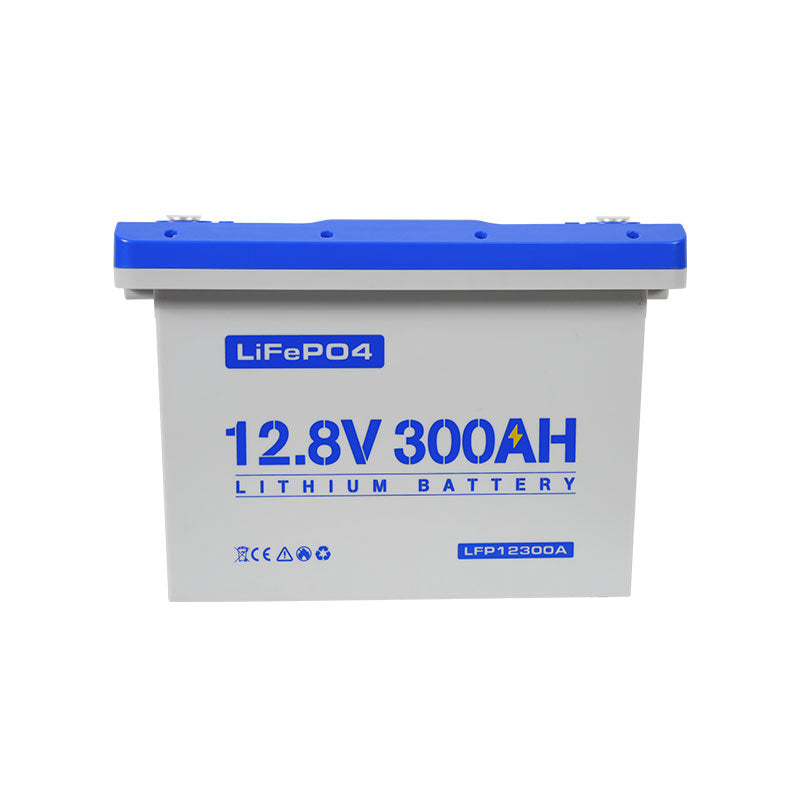
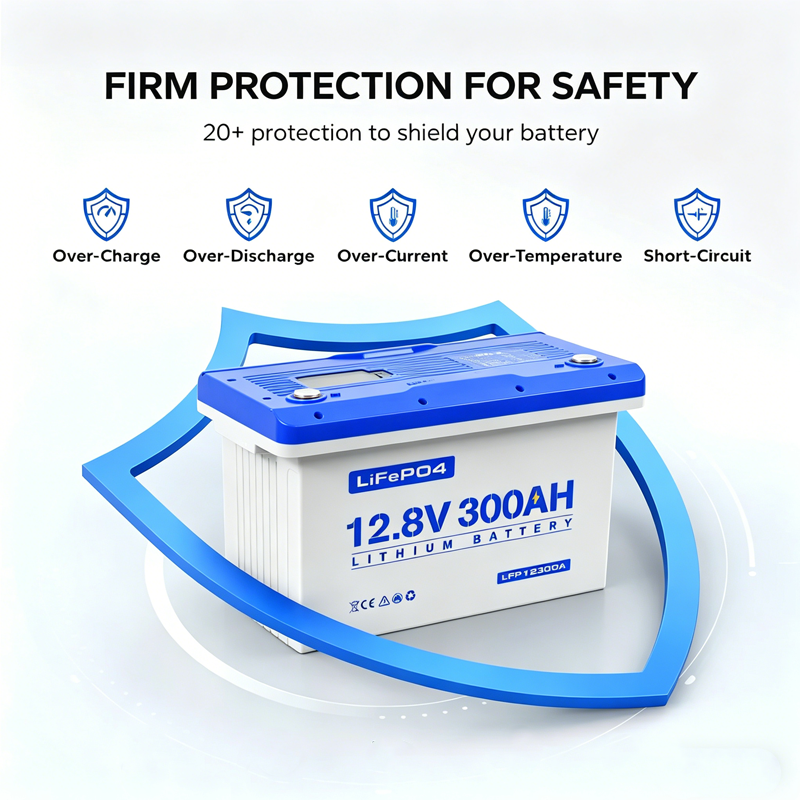
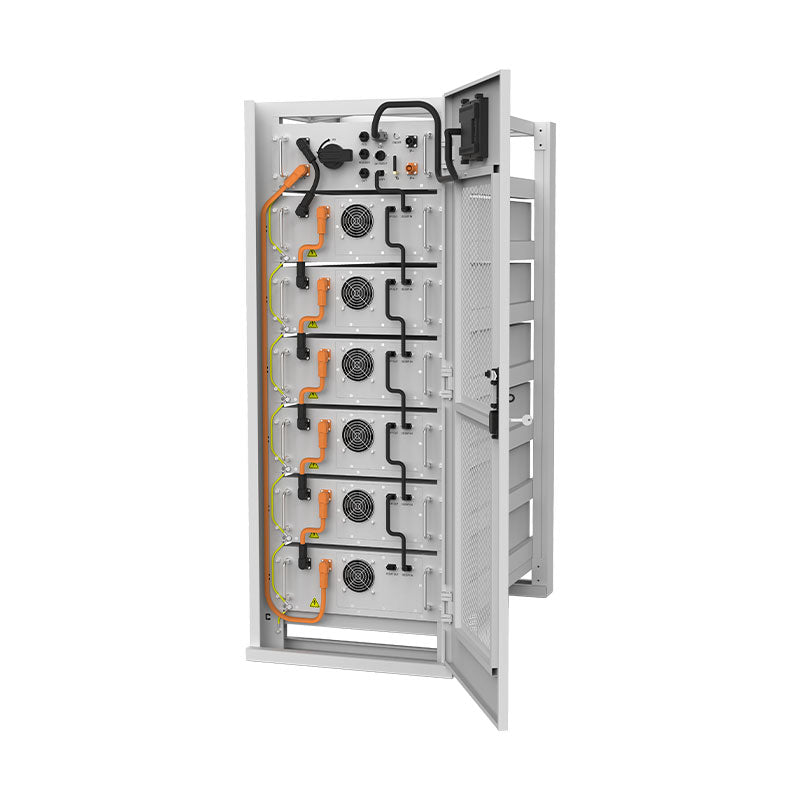
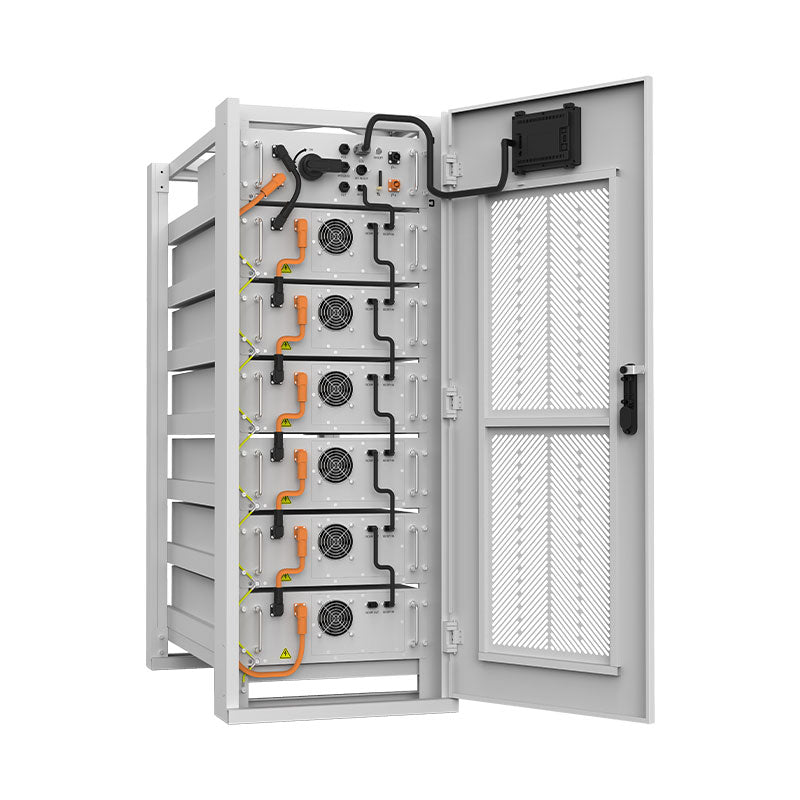
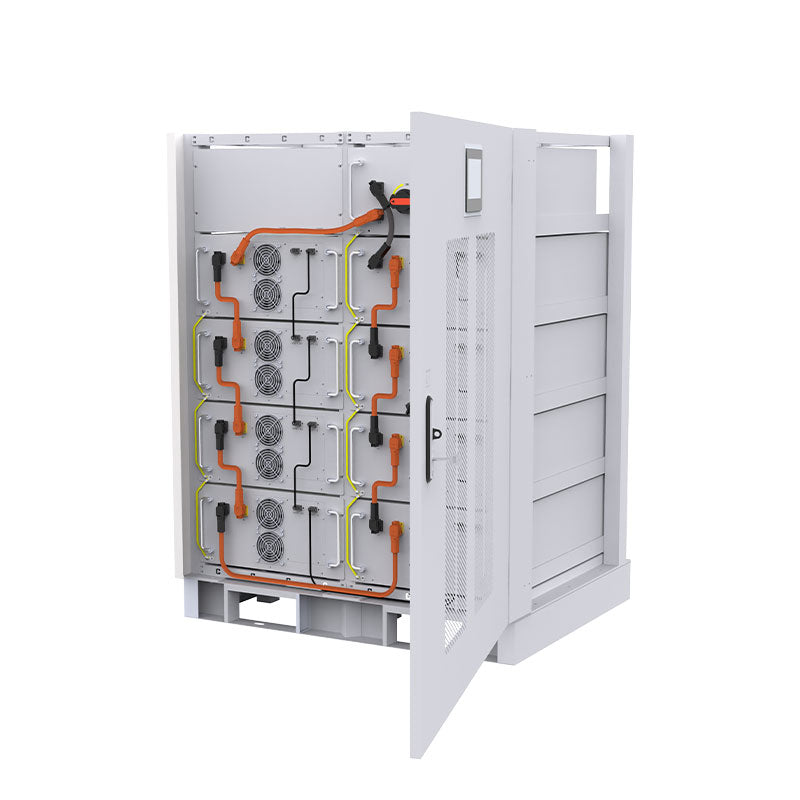
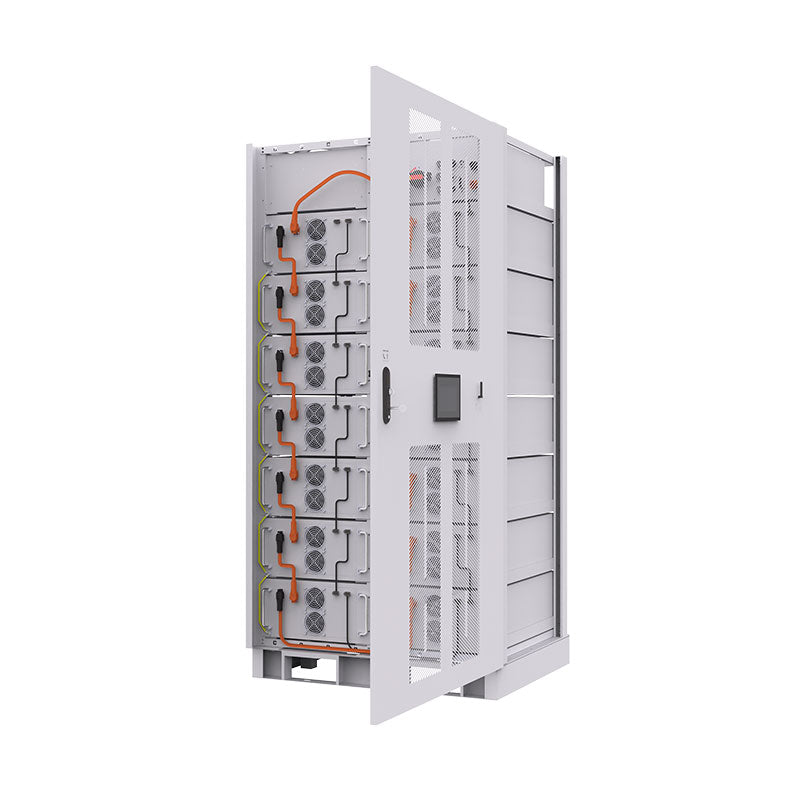
- Energy Storage Systems: Integrating a robust energy storage system, like those featuring high-performance, safe, and reliable lithium iron phosphate (LiFePO4) batteries, ensures consistent power availability regardless of daily solar output variations due to temperature or weather. This is particularly valuable for off-grid solar solutions, providing energy independence for homes, farms, and remote cabins.
Our integrated ESS solutions combine lithium batteries, hybrid inverters, and solar panels, creating a cohesive system that maximizes energy capture and utilization in any climate. This comprehensive approach helps you achieve greater energy independence and resilience.
Beyond Temperature: Other Climate Factors
While temperature is a significant factor, other environmental elements also influence solar panel efficiency:
- Irradiance: The intensity of sunlight directly impacts power production. Clear, sunny days with high irradiance are ideal.
- Shading: Even partial shading from trees, buildings, or debris can drastically reduce a panel's output, impacting the entire string in some system configurations.
- Soiling: Accumulation of dust, dirt, pollen, or other debris on the panel surface blocks sunlight, leading to efficiency losses. Regular cleaning is essential to mitigate this.
- Humidity: High humidity can slightly reduce efficiency by scattering sunlight, though its impact is generally less pronounced than temperature or shading.
Cultivating Optimal Solar Performance
The efficiency of solar panels is not static; it responds dynamically to environmental conditions, particularly temperature. While hot climates present challenges with efficiency degradation, and cold climates introduce snow-related considerations, careful system design, component selection, and proactive maintenance allow for robust performance in any setting.
By understanding the temperature coefficient and implementing climate-specific strategies—from ensuring proper ventilation to integrating advanced energy storage solutions—you can optimize your solar investment. This approach ensures your solar energy system delivers reliable power, helping you achieve lasting energy independence, no matter the weather outside.
