



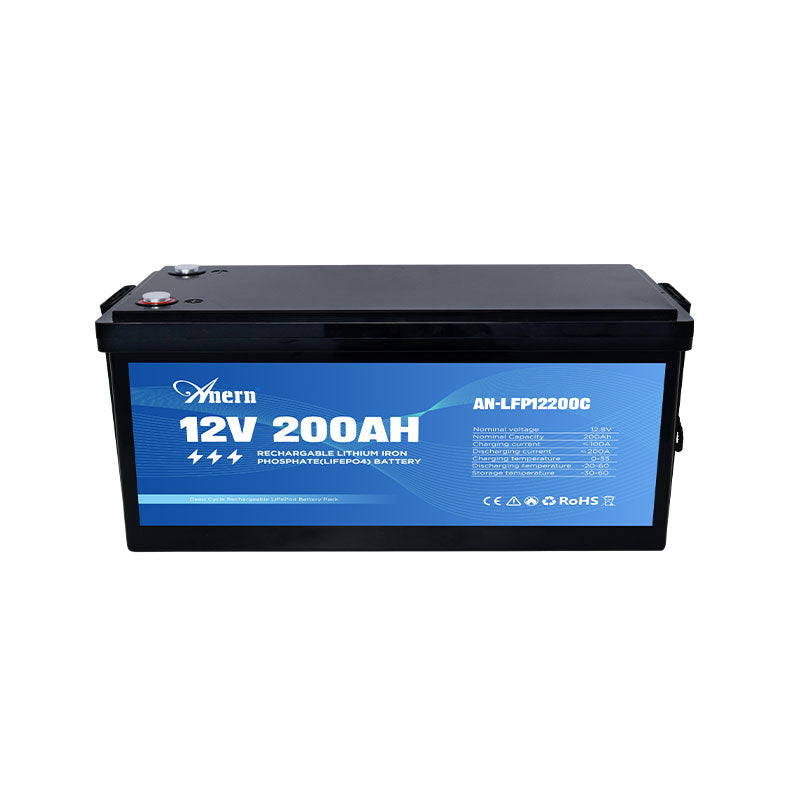
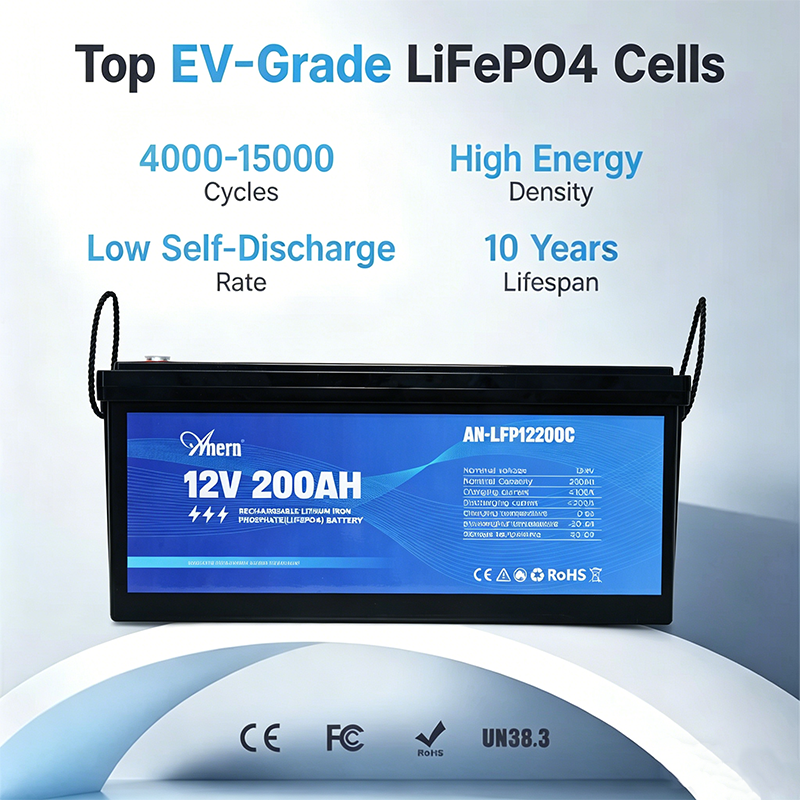

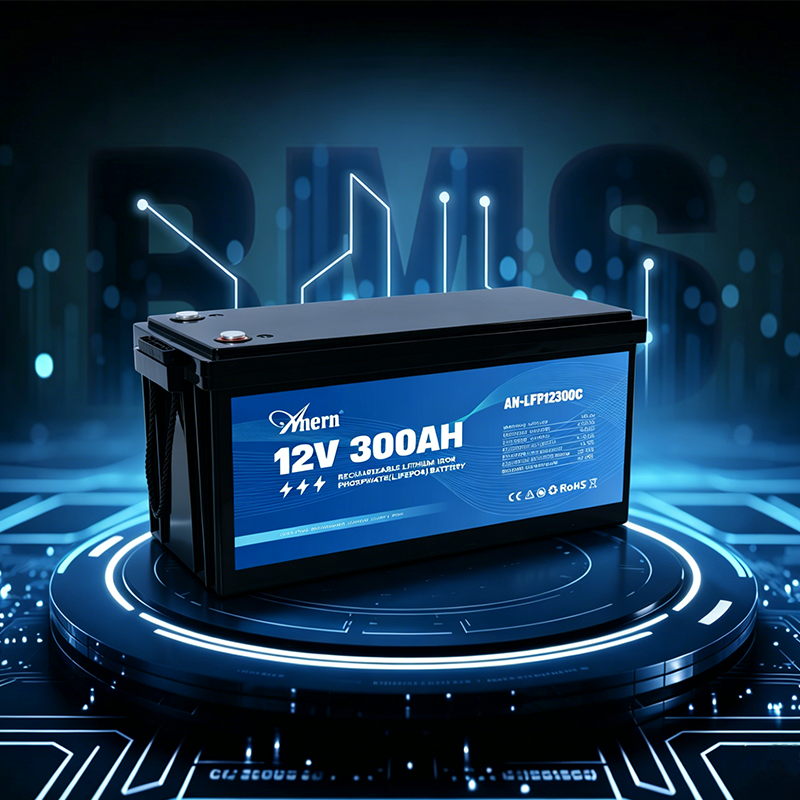
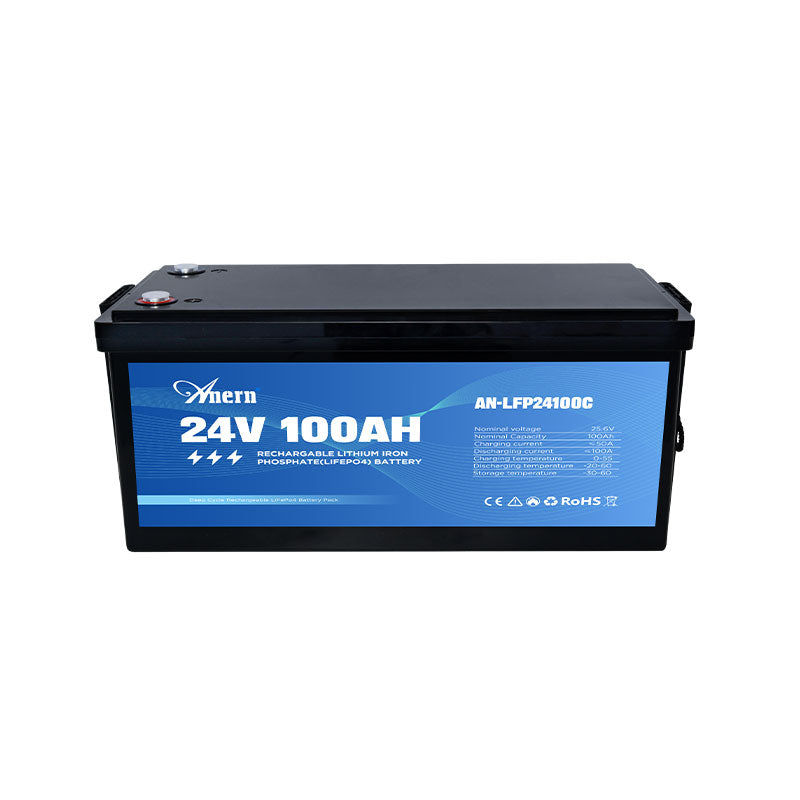














Lithium Iron Phosphate (LiFePO4) batteries are a cornerstone of modern solar energy storage systems, prized for their safety, efficiency, and long cycle life. To truly maximize this significant investment, however, requires moving beyond basic charging methods. Smart charging technology offers a sophisticated approach to battery maintenance, ensuring you get the most performance and longevity from your system. By optimizing the charging process, you can significantly enhance the durability and reliability of your energy storage solution.
What is Smart Charging and Why Does It Matter for LiFePO4?
Smart charging is a dynamic and intelligent approach to replenishing your battery. Unlike conventional chargers that deliver a constant current and voltage, a smart system actively monitors the battery's condition and adjusts the charging parameters in real-time. This protects the battery from the primary factors that cause degradation.
Beyond Basic Charging: The Core Principles
Traditional charging often follows a simple two-stage Constant Current/Constant Voltage (CC/CV) profile. Smart charging elevates this process by incorporating data from the battery itself. It continuously analyzes key metrics like individual cell voltage, current flow, internal temperature, and the overall State of Charge (SoC). This allows the charger to tailor the energy delivery, preventing the stressors that shorten a battery’s life.
The Impact on Battery Longevity
Battery degradation is largely influenced by factors like high discharge currents, extreme temperatures, and the depth of discharge. According to research highlighted in an Innovation Outlook: Smart charging for electric vehicles report by IRENA, cycling a battery under smoother conditions—meaning controlled charging speeds and temperatures—will make it last longer. Smart charging directly addresses these issues. By preventing overcharging and managing heat, it minimizes stress on the battery's internal chemistry, leading to a substantial increase in the total number of charge cycles it can endure.
Key Technologies Behind Smart Charging Optimization
A truly smart charging ecosystem relies on several interconnected technologies working in concert. From the battery's internal guardian to the sophisticated algorithms that guide the process, each component plays a critical role in LiFePO4 battery charging optimization.
The Role of the Battery Management System (BMS)
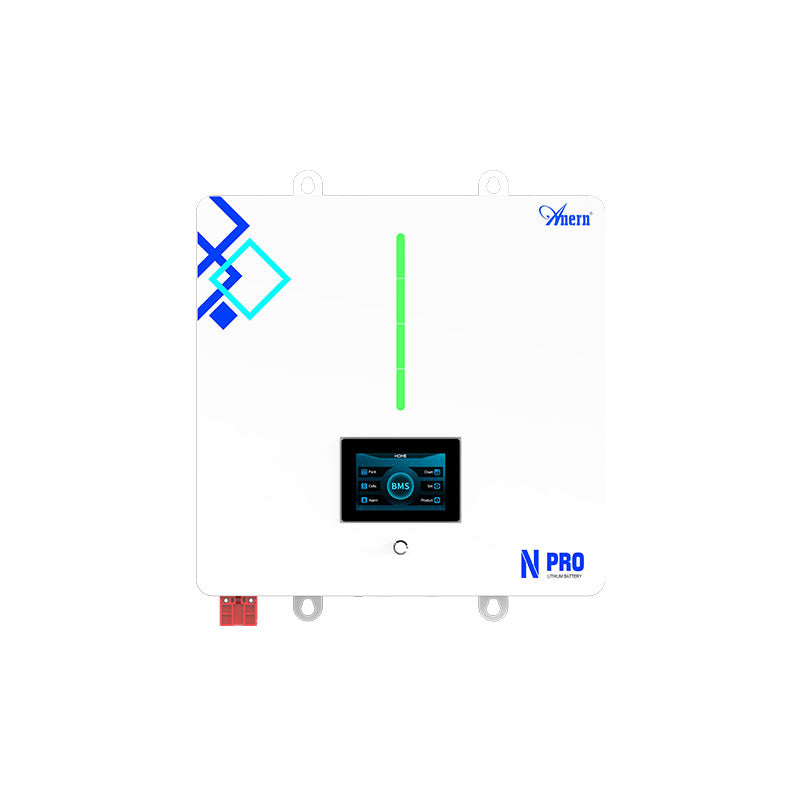
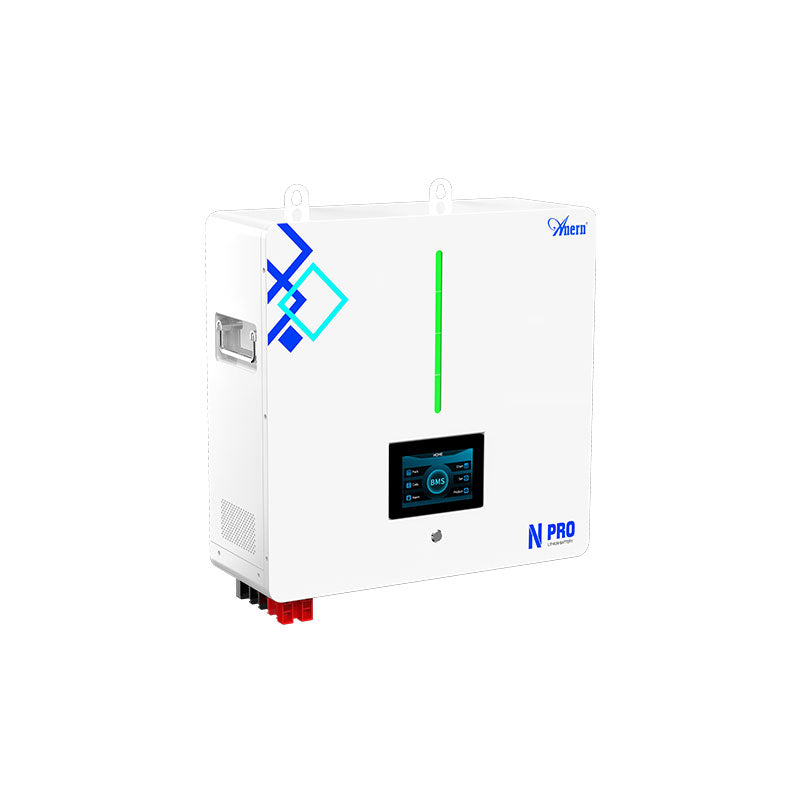
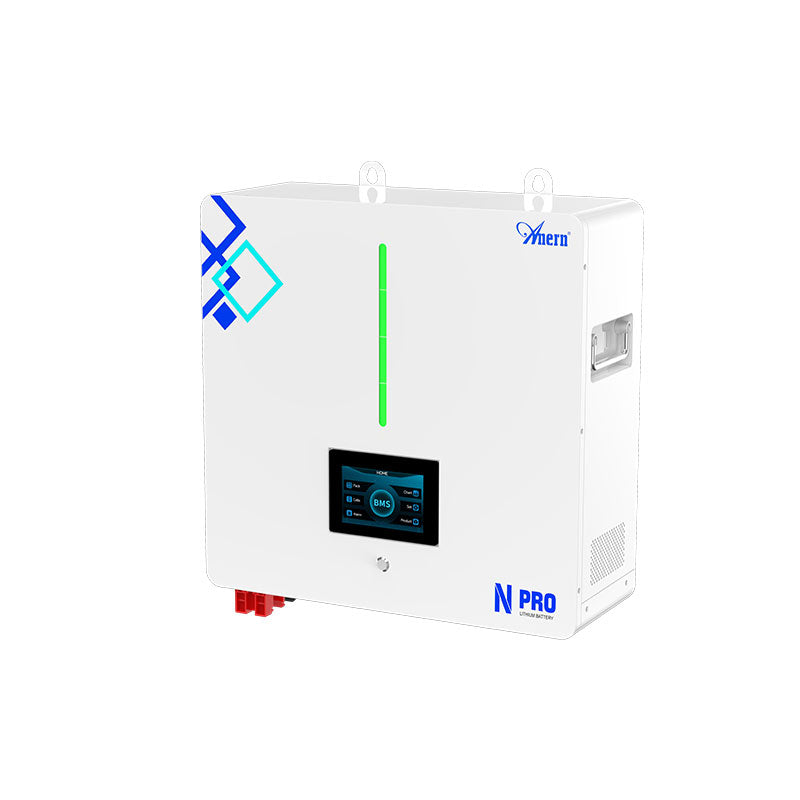
The Battery Management System (BMS) is the brain of your LiFePO4 battery. This intricate electronic circuit is responsible for protecting the battery from operating outside its safe limits. Key functions of a high-quality BMS include:
- Overcharge and Over-discharge Protection: It prevents cell voltage from going too high during charging or too low during discharging.
- Cell Balancing: It ensures all individual cells within the battery pack maintain an equal state of charge, which is vital for overall pack health and longevity.
- Temperature Monitoring: The BMS constantly tracks the battery's temperature and can reduce or halt charging if it detects unsafe levels.
- State of Charge (SoC) Calculation: It provides an accurate reading of the battery's remaining capacity.
Advanced Charging Algorithms
Smart chargers employ advanced algorithms that go far beyond the basic CC/CV method. These algorithms can create multi-stage charging profiles that adapt to the battery's real-time condition. For example, if the BMS reports a high temperature, the algorithm will automatically reduce the charging current to prevent overheating. Some advanced systems even allow for adjusting the final charge voltage. Charging to just 90-95% of total capacity instead of 100% can dramatically increase the battery's cycle life.
System-Level Integration and Communication
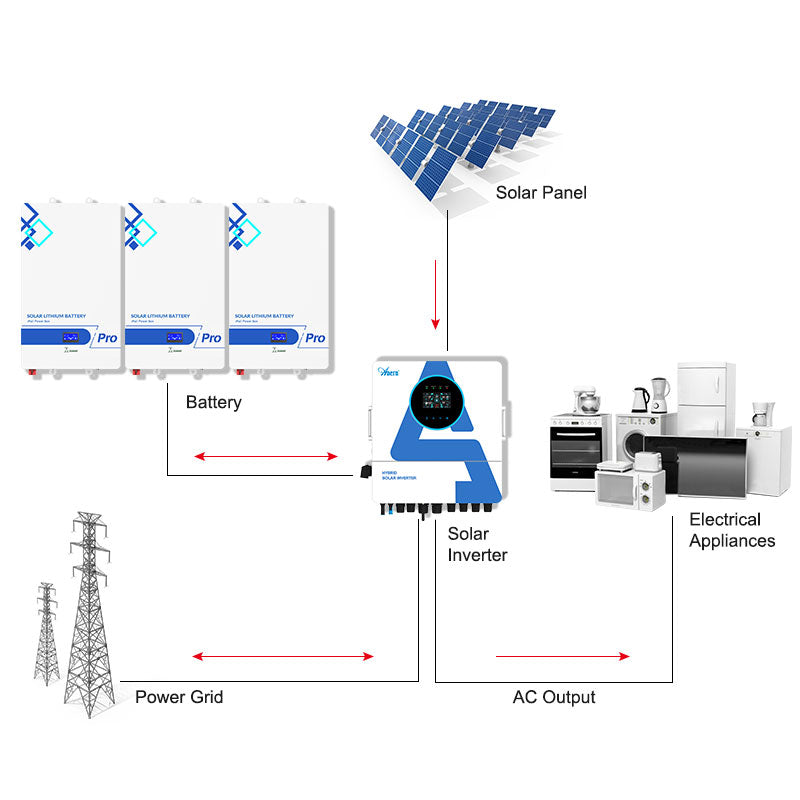
For peak performance, the battery's BMS, the solar charge controller, and the inverter must communicate seamlessly. This integration allows the entire system to make intelligent decisions. For instance, the BMS can signal the charger to slow down as the battery nears full capacity. As detailed in the ultimate reference for solar storage performance, a well-integrated system not only improves charging safety but also maximizes round-trip efficiency, ensuring less energy is wasted during the charge and discharge cycles.
Practical Strategies for Smart LiFePO4 Battery Charging
Applying smart charging principles involves more than just having the right equipment. It also includes adopting practices that align with the chemistry of LiFePO4 batteries to ensure their long-term health.
Optimizing Your State of Charge (SoC)
LiFePO4 batteries are happiest when they are not pushed to their absolute limits. Routinely charging to 100% and discharging to 0% puts significant stress on the battery. Studies have shown that keeping a battery within a 'sweet spot,' such as 20% to 80% SoC, can substantially extend its service life. If your energy storage system allows it, setting custom upper and lower SoC limits is an excellent way to automate this practice and promote battery longevity.
Temperature Management is Crucial
Temperature has a profound impact on battery health. The ideal charging temperature range for LiFePO4 batteries is generally between 0°C and 45°C (32°F to 113°F). Charging below freezing can cause a phenomenon known as lithium plating, which leads to permanent capacity loss. A smart charging system with a temperature sensor will automatically prevent charging in these conditions. Ensure your battery bank is installed in a location with adequate ventilation to dissipate heat during operation.
Selecting the Right Charging Equipment
Always use a charger specifically designed for LiFePO4 chemistry. Chargers intended for lead-acid batteries have different voltage profiles that can damage a LiFePO4 battery and its BMS. When selecting a charger, look for one that is compatible with your BMS and offers features like temperature compensation and adjustable charging parameters. This ensures the charger can respond to the data-driven commands that are central to smart charging.
A Smarter Path to Energy Independence
Adopting smart charging technology is a strategic move to protect and enhance your investment in a solar energy storage system. By actively managing charging parameters based on real-time battery health, this approach delivers a longer lifespan, superior safety, and more reliable performance. It transforms your battery from a simple storage tank into an intelligent asset that works efficiently to provide dependable power. Ultimately, smart charging is a key component in building a resilient and long-lasting solution for energy independence.
Frequently Asked Questions
Can I use a regular lead-acid charger for my LiFePO4 battery?
It is strongly advised not to. Lead-acid chargers use different charging voltages and algorithms that are not suitable for LiFePO4 batteries. Using one can lead to overcharging, which can permanently damage the battery cells and the internal Battery Management System (BMS).
How much longer can my LiFePO4 battery last with smart charging?
While the exact extension varies based on usage and environmental conditions, smart charging practices can be transformative. By mitigating heat, preventing overcharging, and optimizing the state of charge, smart charging can potentially double the effective cycle life of a LiFePO4 battery compared to basic, uncontrolled charging methods.
What is cell balancing and why is it important?
Cell balancing is a critical function performed by the BMS where it ensures that all the individual cells inside a battery pack are at the same voltage level. Over time, slight differences can cause some cells to be overcharged or over-discharged while others are not. Balancing corrects this, improving the overall health, performance, and lifespan of the entire battery pack.
