













Achieving energy independence is a goal for many homes and businesses. The combination of solar power generation and energy storage offers a clear path to reducing reliance on the traditional grid. This article examines the transition from a standard grid-tied solar setup to a self-sufficient energy system, highlighting the practical benefits and technical considerations involved.
Understanding Energy Independence with Solar + Storage
Energy independence means producing and using your own electricity, lessening your reliance on external power sources. While grid-tied solar systems reduce electricity bills, they still depend on the utility grid for continuous power, especially at night or during cloudy weather. Integrating battery storage with solar panels allows you to capture excess energy generated during peak sunlight hours and use it later, effectively creating your own microgrid. This approach offers enhanced energy security and protection against fluctuating utility prices and power outages.
The Role of Self-Consumption
Self-consumption refers to the practice of generating and using your own electricity on-site. Without a battery storage system, a typical household might only achieve a PV self-consumption rate of 20% to 40%. This occurs because solar panels often generate the most electricity when household demand is low. However, by adding a battery, you can significantly increase self-consumption, often reaching 60% to 80% or even higher. This maximizes the value of your solar investment by reducing the amount of electricity you need to purchase from the grid.
Hybrid Systems: Bridging the Gap
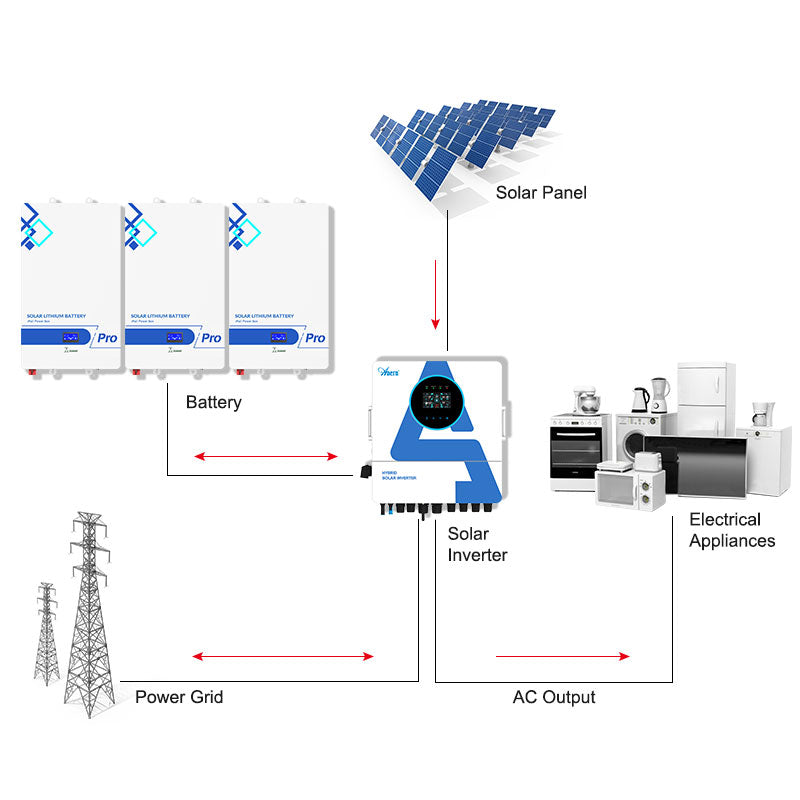
Hybrid solar systems combine solar power generation with battery storage while maintaining a connection to the utility grid. This setup provides the advantages of both grid-tied and off-grid systems. You can draw power from the grid when your solar panels are not producing enough energy, such as during cloudy days or at night, and also feed excess stored energy back to the grid if desired. This flexibility ensures a reliable energy supply and can lead to long-term cost savings.
Key Components of a Self-Sufficient System
Building a robust self-sufficient energy system requires careful selection of components. Each part plays a critical role in ensuring reliable and efficient power delivery.
High-Performance Lithium Batteries
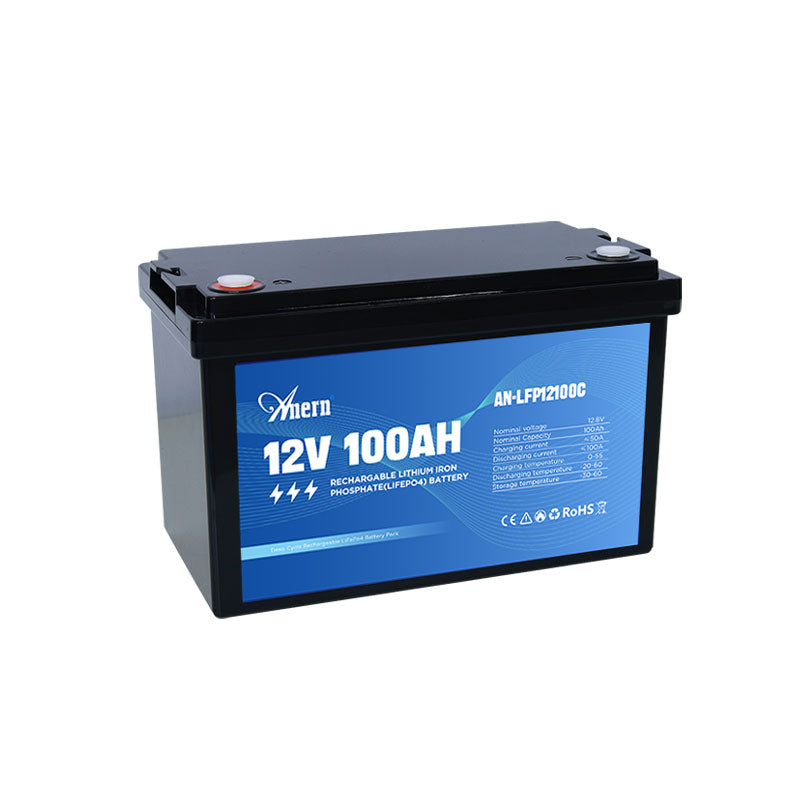
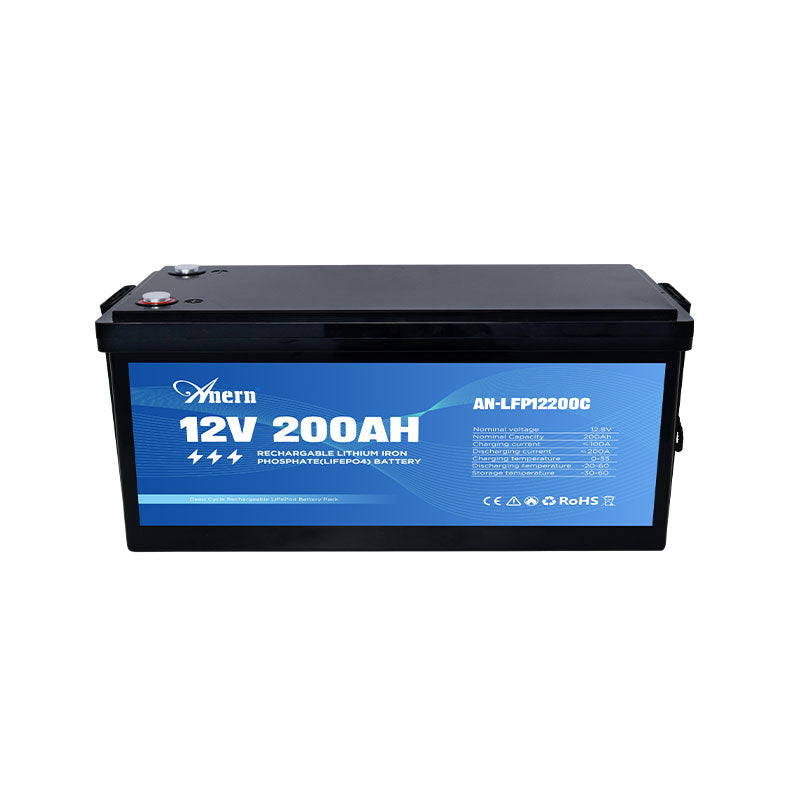
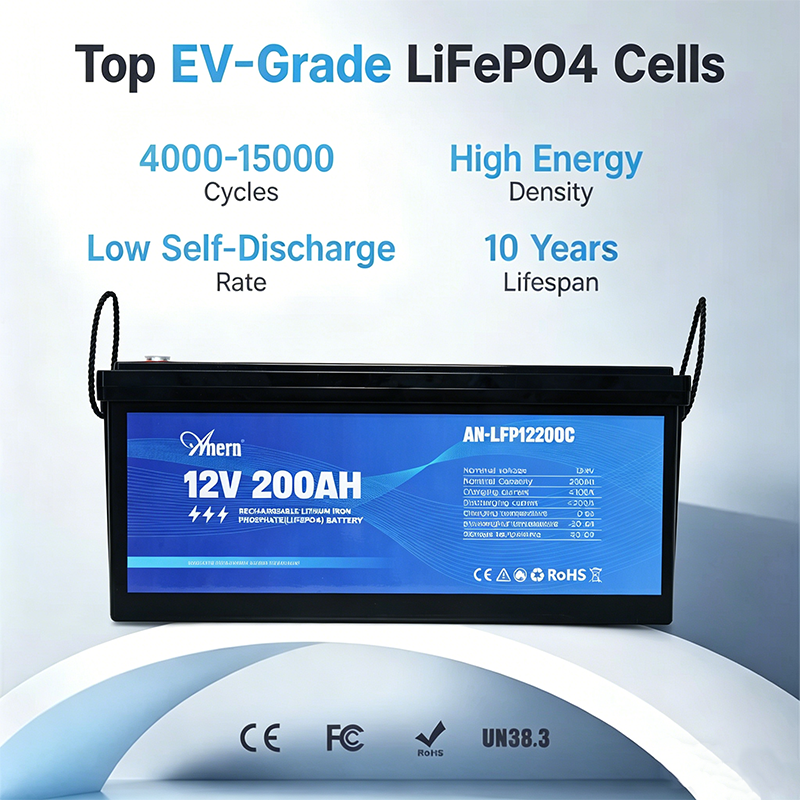
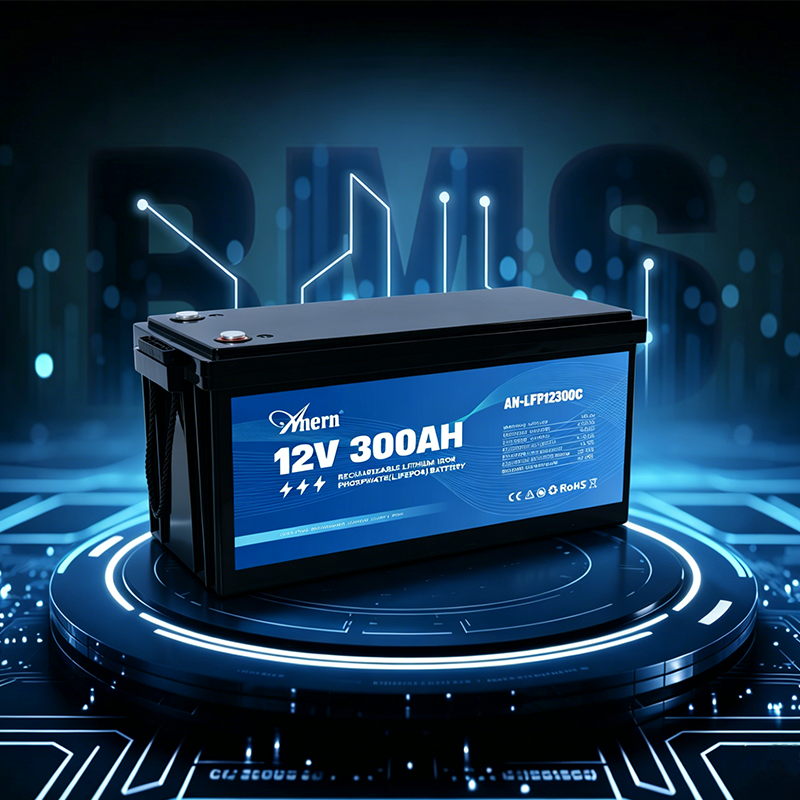
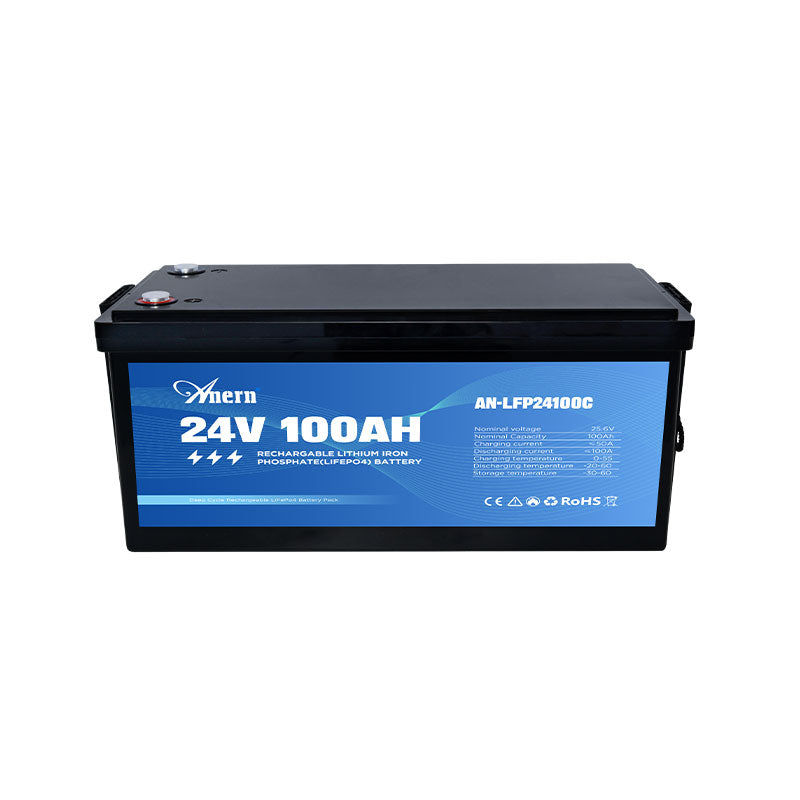
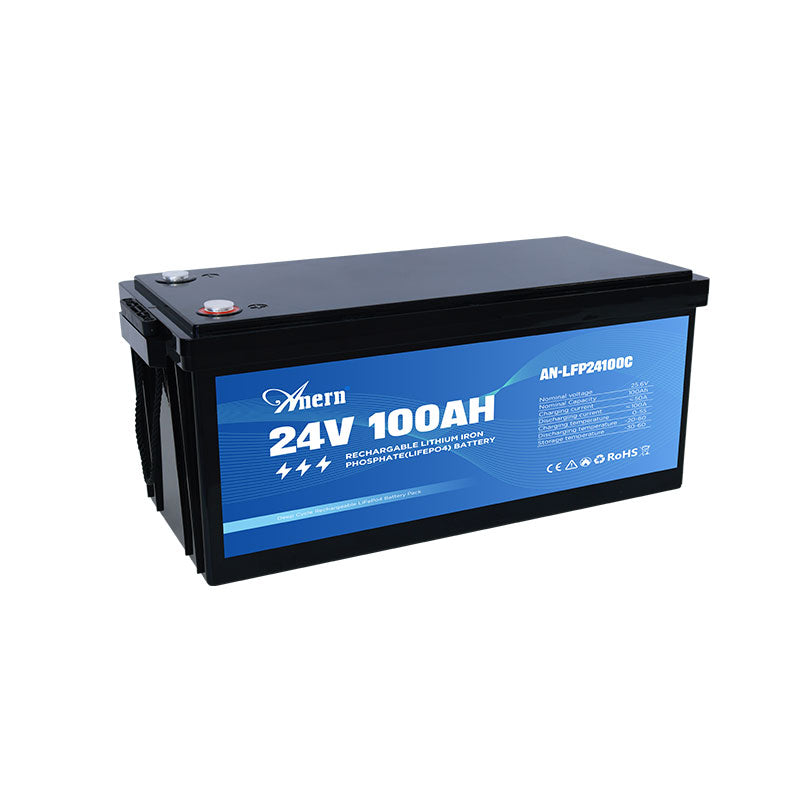
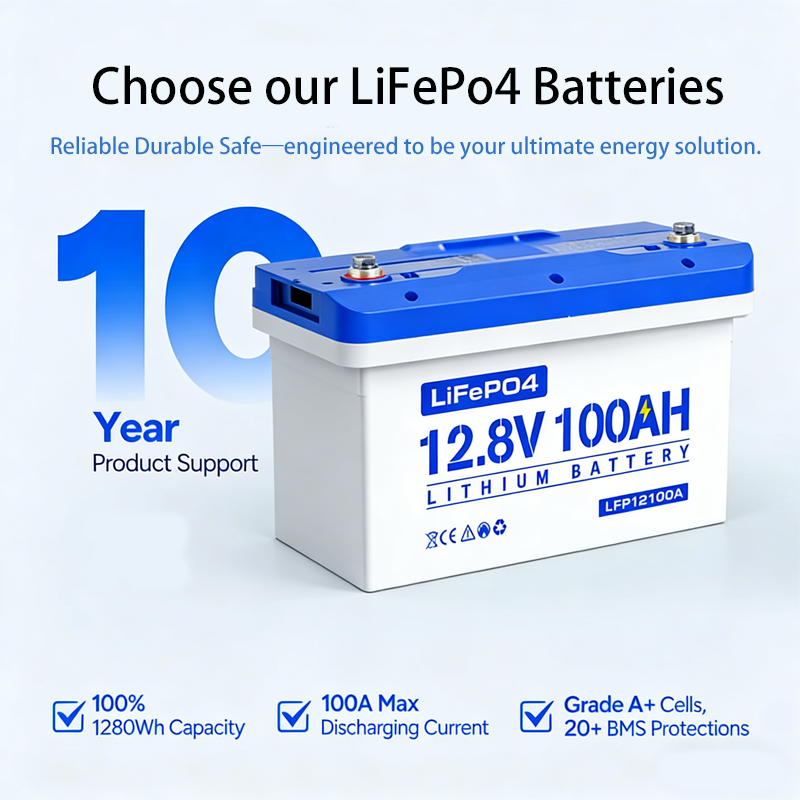
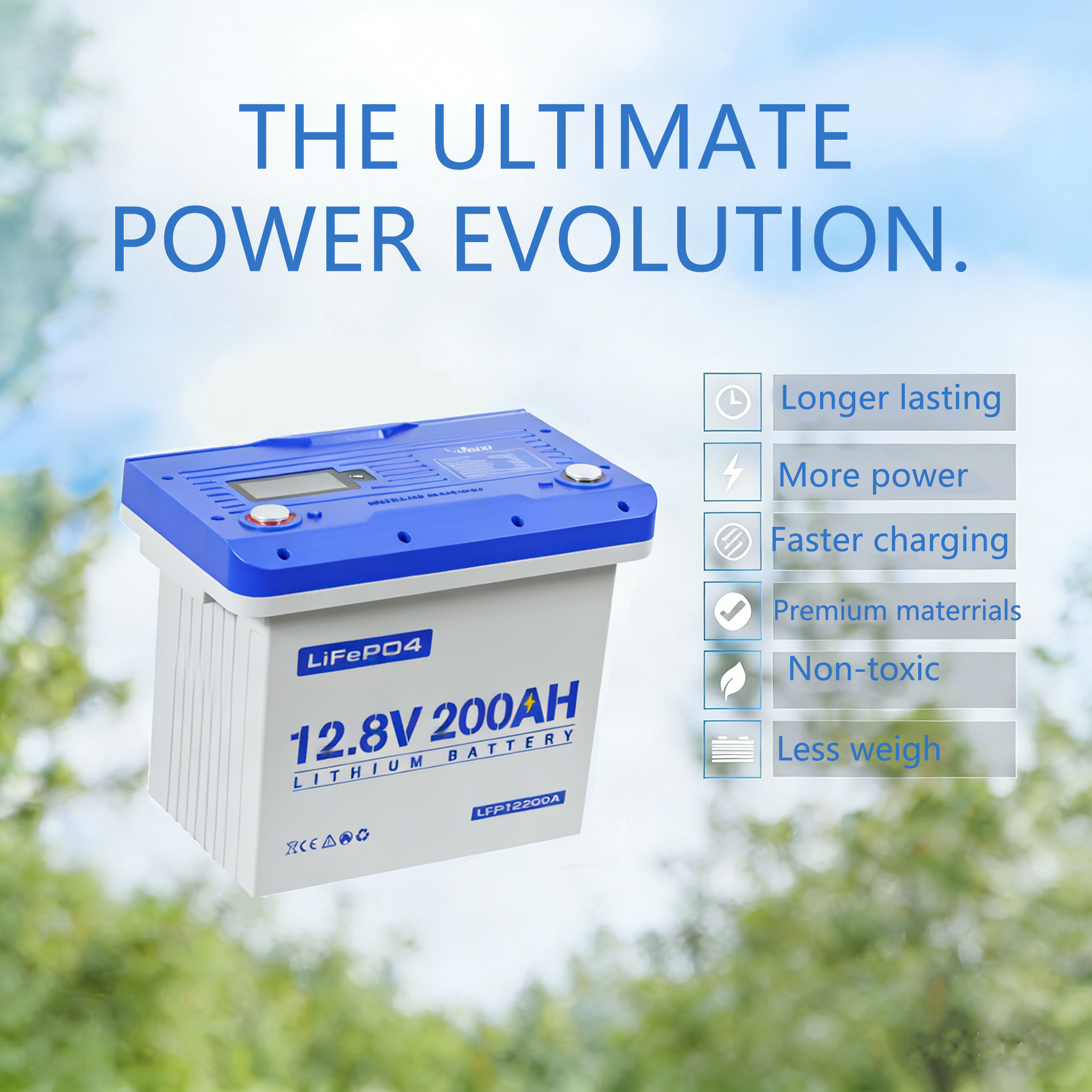
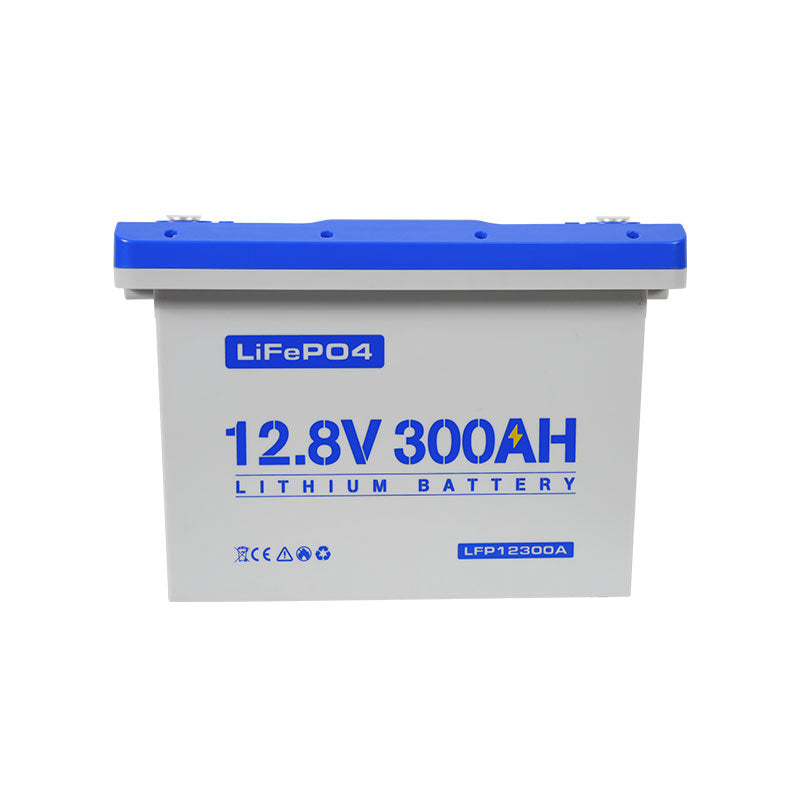
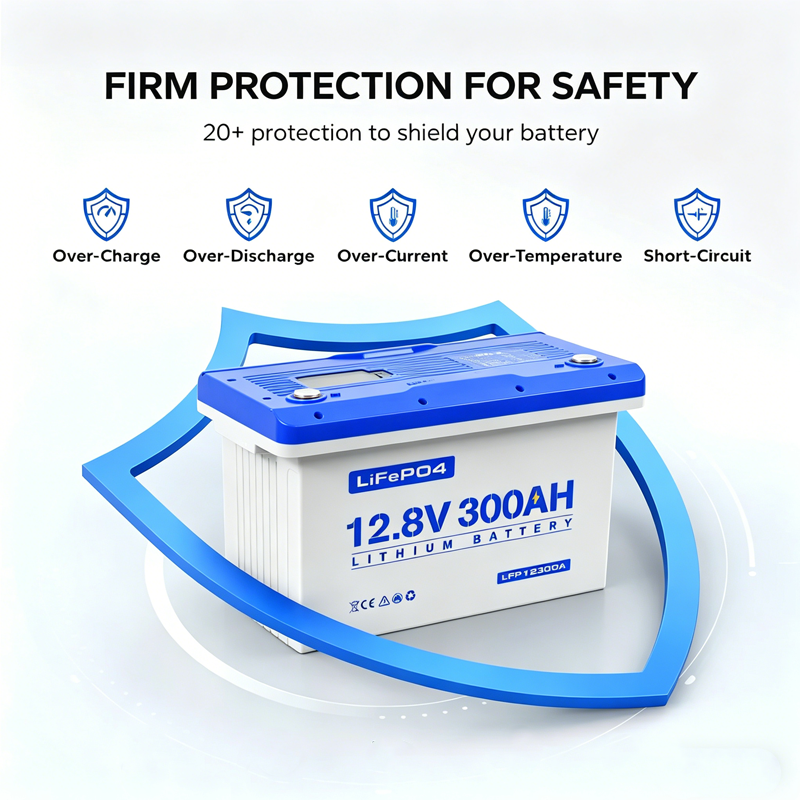
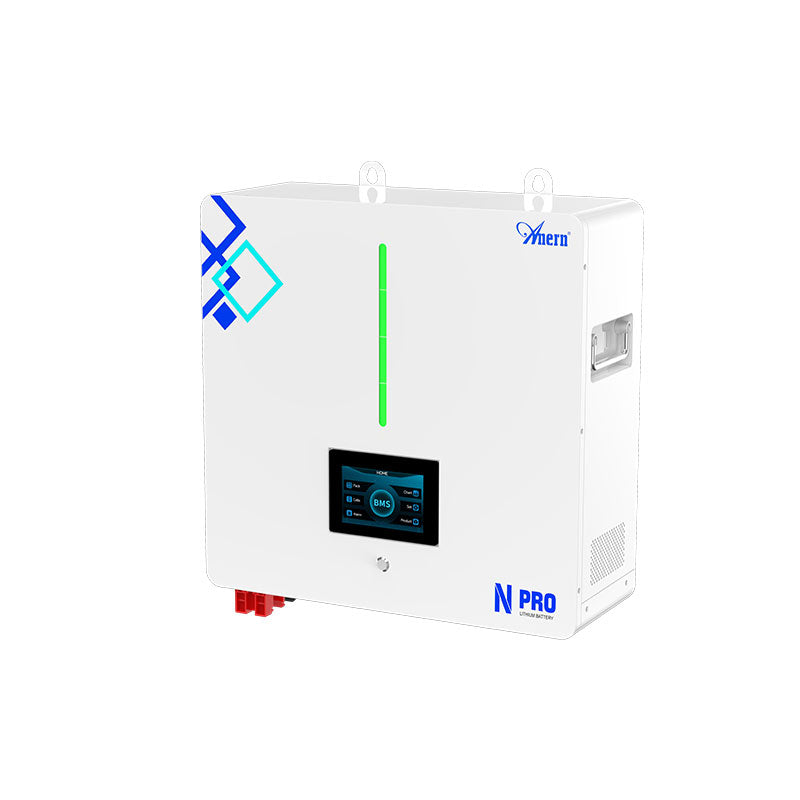
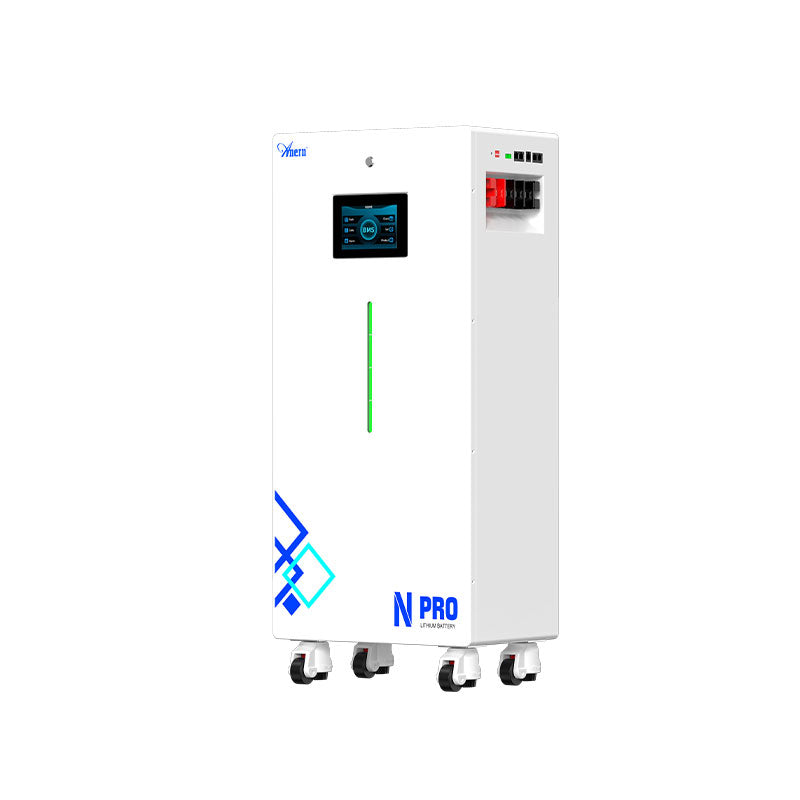
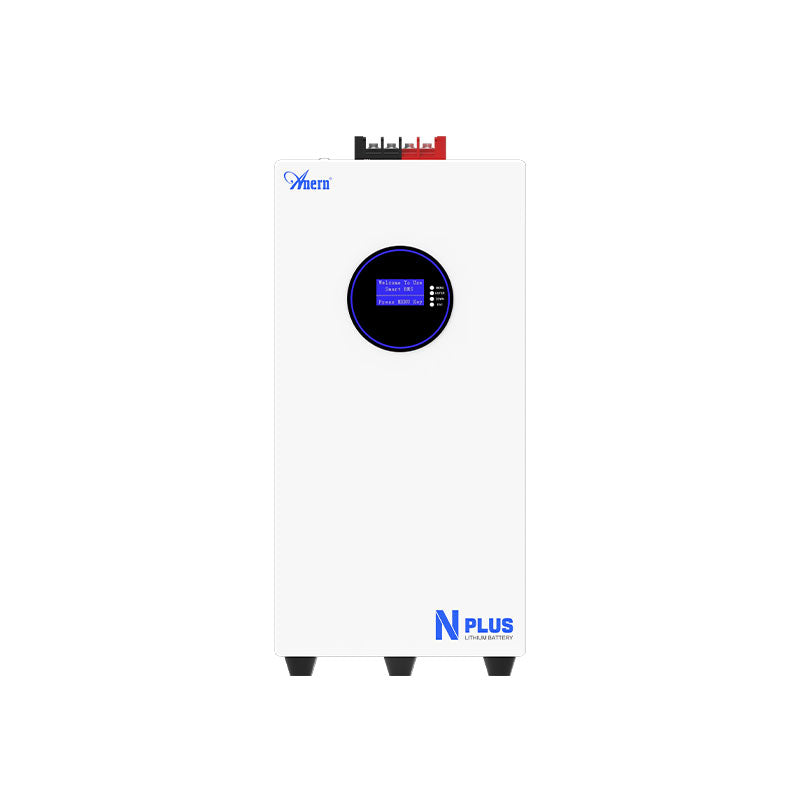
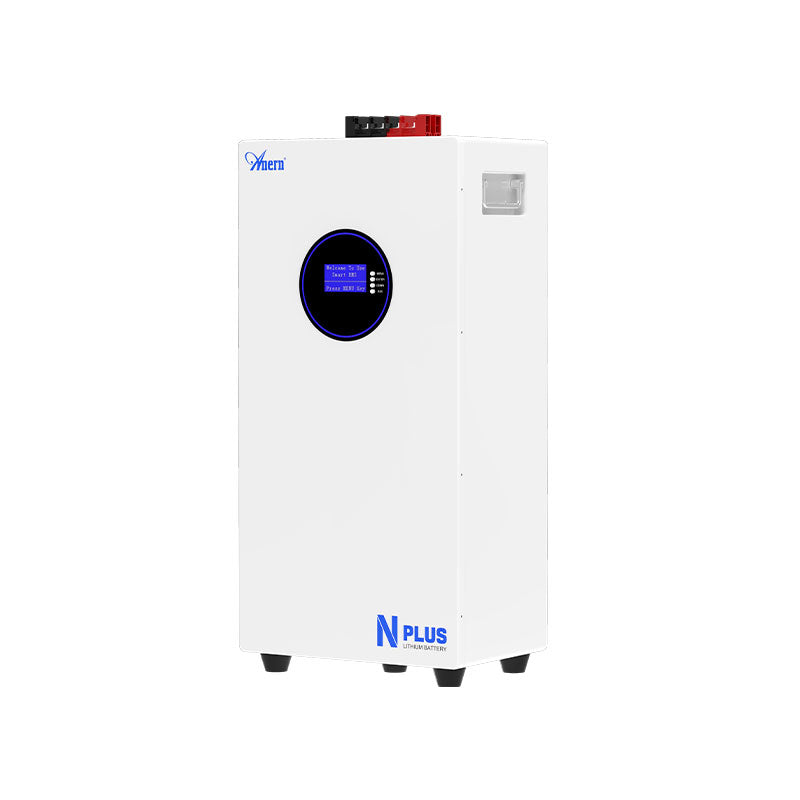
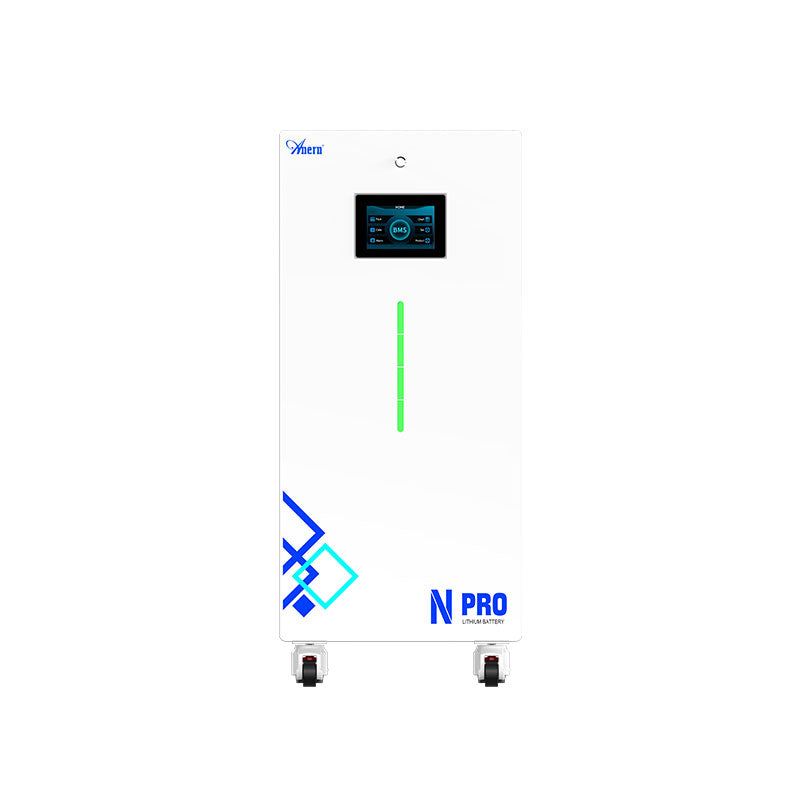
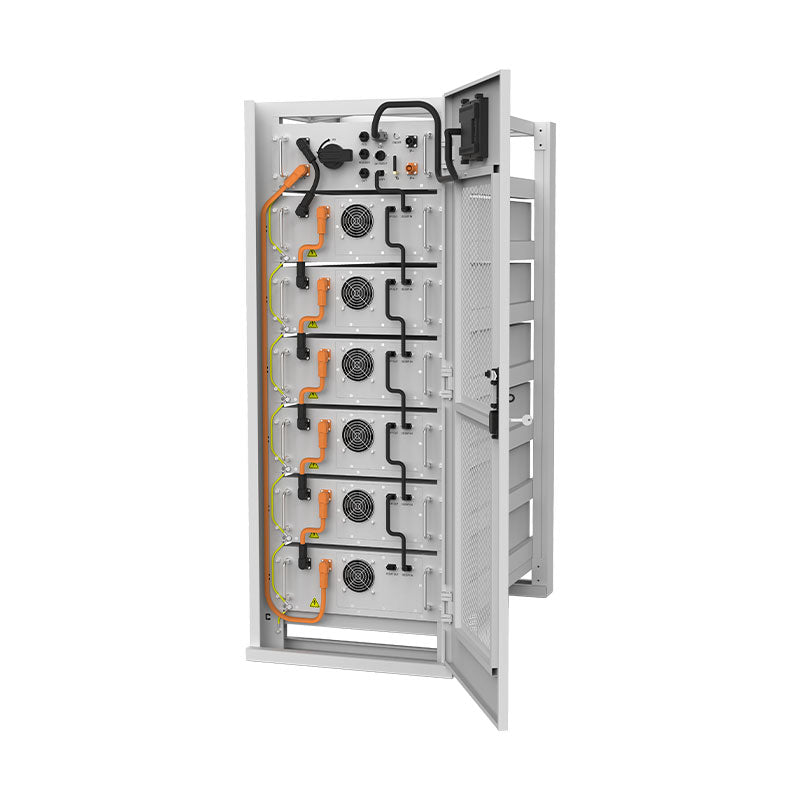
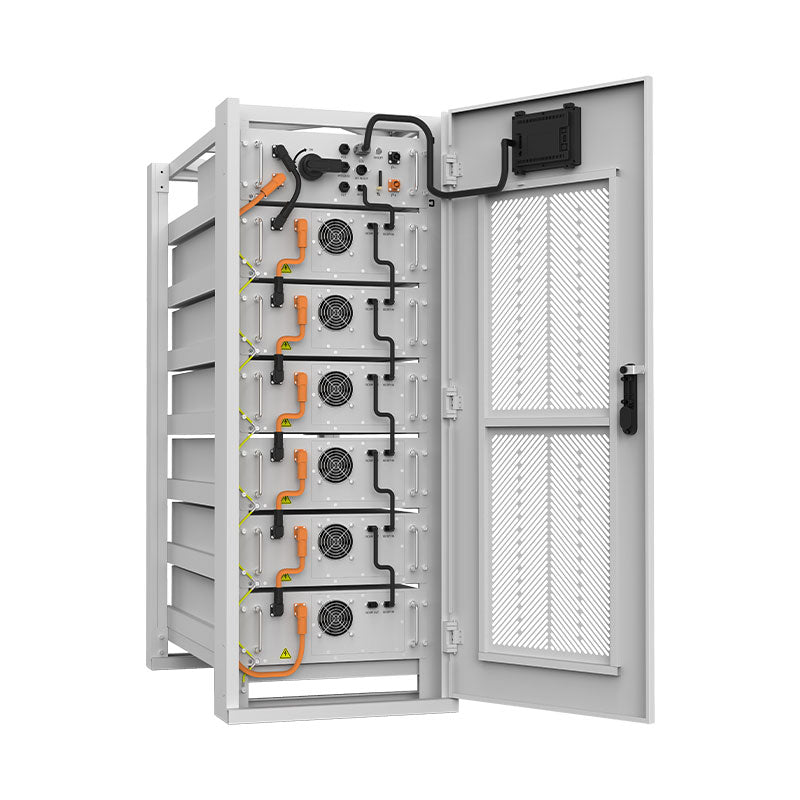
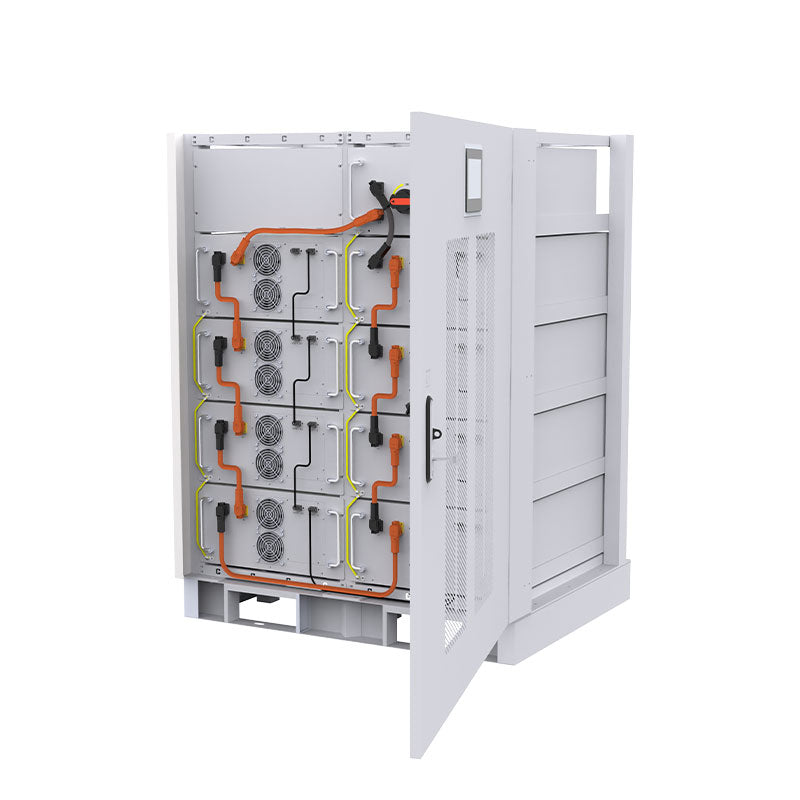
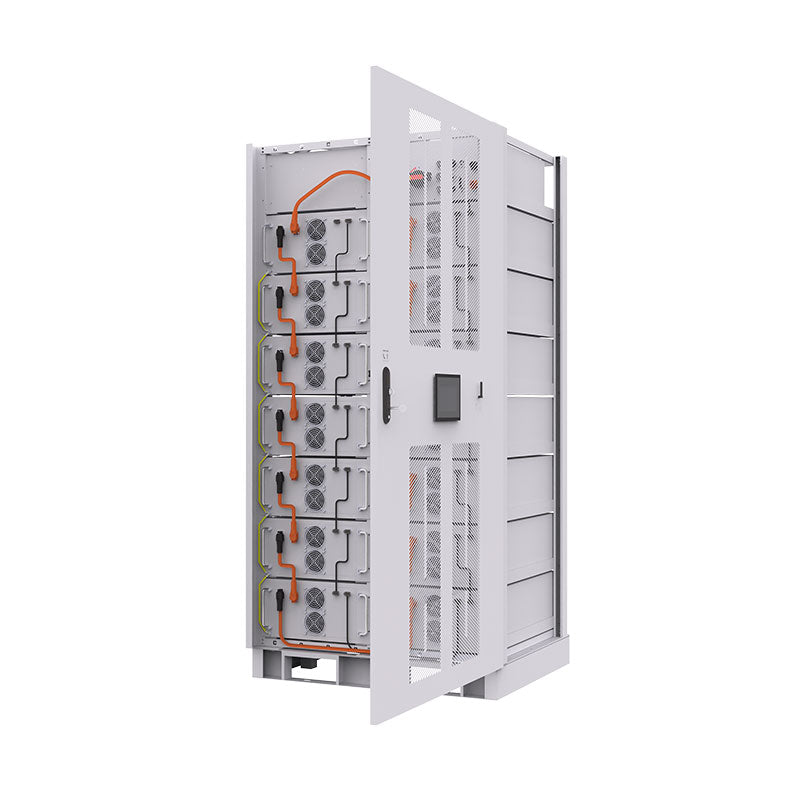
Lithium Iron Phosphate (LiFePO4) batteries are a leading choice for solar energy storage due to their performance, safety, and longevity. They offer a high energy density, allowing them to store more energy in a compact size, and boast a long lifespan, often lasting 10 years or more. LiFePO4 batteries are known for their thermal stability, making them less prone to overheating, and can handle deep discharge cycles without degradation. This makes them a safe and reliable option for continuous power supply.
Consider the following comparison:
| Feature | LiFePO4 Batteries | Traditional Lead-Acid Batteries |
|---|---|---|
| Lifespan | 10+ years | 2-5 years |
| Charge Cycles | High, supports deep discharge | Lower, sensitive to deep discharge |
| Efficiency | High charge/discharge efficiency | Lower efficiency |
| Safety | Excellent thermal stability, non-toxic | Can release harmful gases, less stable |
| Maintenance | Very low | Requires regular maintenance (e.g., watering) |
| Energy Density | High (more energy in smaller package) | Lower |
Advanced Hybrid Inverters
Solar inverters convert the direct current (DC) electricity generated by solar panels into alternating current (AC) electricity that homes and businesses use. Hybrid inverters are particularly valuable as they manage power flow between solar panels, batteries, and the utility grid. They can prioritize self-consumption, sending excess solar power to batteries before exporting it to the grid, and seamlessly switch between power sources. Some advanced inverters offer zero changeover time, ensuring uninterrupted operations even during grid fluctuations or outages.
Integrated ESS and Off-Grid Solutions
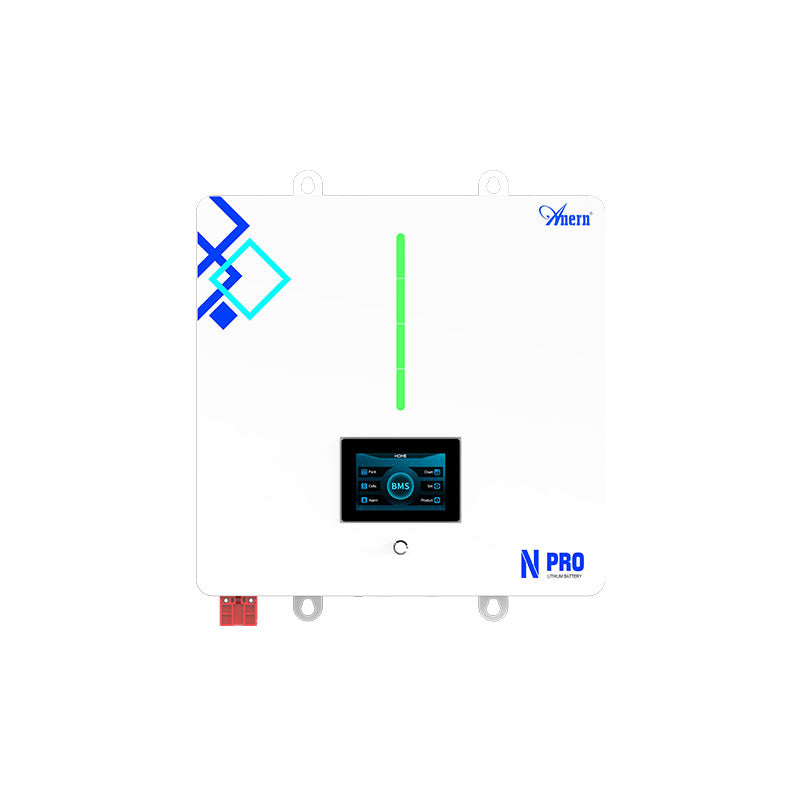
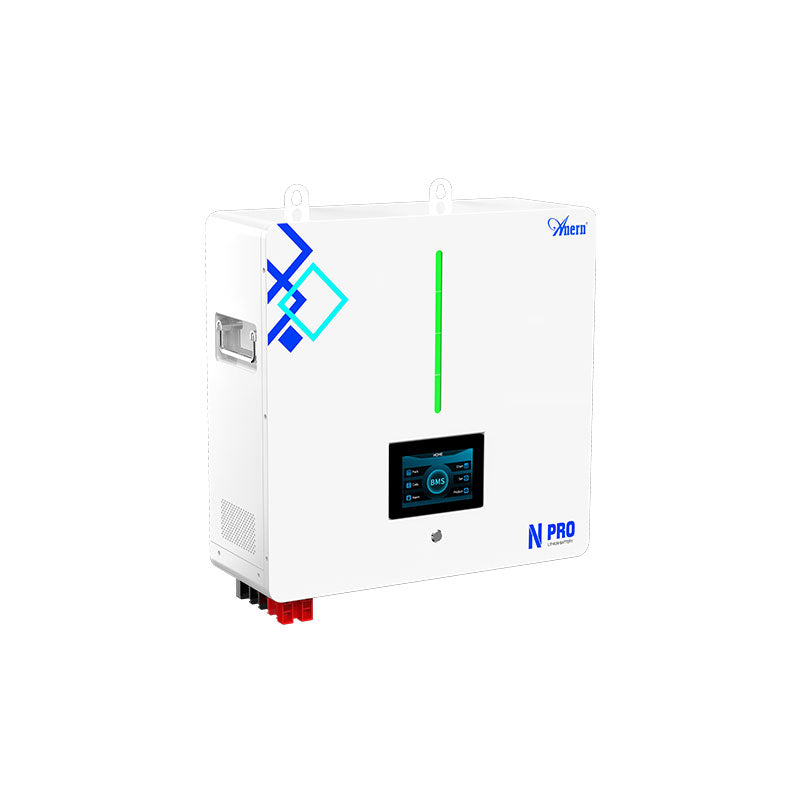
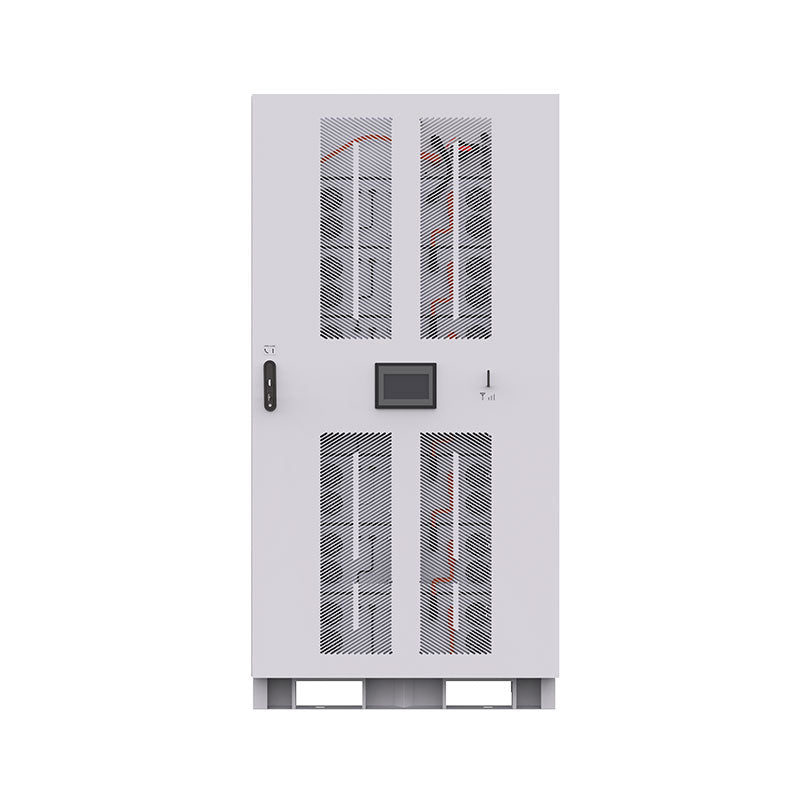
Integrated energy storage systems (ESS) combine lithium batteries, hybrid inverters, and solar panels into a cohesive unit. These systems simplify installation and optimize energy management. For remote locations or those seeking complete grid independence, off-grid solar solutions offer autonomy from traditional power sources. These systems rely solely on solar panels and battery storage, providing continuous power without external reliance.
Case Study: A Home's Journey to Energy Independence
Consider a family residence that initially installed a grid-tied solar system with 8 kW of solar panels. While this system significantly reduced their electricity bills, they still experienced occasional power outages and remained connected to the grid. Their monthly electricity consumption averaged 1,500 kWh.
The Transition Phase
To achieve greater energy independence, the family decided to integrate a 15 kWh lithium battery storage system and a hybrid inverter. This allowed them to store excess solar energy generated during the day for use at night or during peak demand periods. The hybrid inverter was configured to prioritize self-consumption, ensuring that the solar power generated was first used by the home, then stored in the battery, and finally exported to the grid only if there was a surplus beyond storage capacity.
Results and Benefits
The addition of battery storage dramatically improved their energy self-sufficiency. Their self-consumption rate increased from an estimated 35% to over 80%. This reduced their reliance on grid electricity by an average of 60% annually. During a notable 48-hour grid outage caused by a severe storm, the home maintained full power, demonstrating the system's reliability. The financial savings from reduced utility bills and avoided peak charges are projected to offset the initial investment in the battery system within 7-9 years, aligning with typical payback periods for such setups.
This transition not only provided peace of mind but also contributed to a smaller carbon footprint by maximizing the use of clean, renewable energy. The International Energy Agency (IEA) highlights that falling equipment prices for solar PV and grid-scale battery storage are making such transitions more affordable for households and businesses.
The Path Forward for Energy Independence
The journey from grid-tied to self-sufficient energy is a practical and attainable goal for many. With advancements in lithium battery technology, efficient hybrid inverters, and integrated energy storage systems, achieving true energy independence is more accessible than ever before. We provide reliable and scalable energy solutions, helping customers navigate this transition with confidence. By embracing solar power and intelligent storage, you can gain greater control over your energy supply, reduce long-term costs, and contribute to a more sustainable energy future.
