













Grid-tied solar cuts electricity bills and reduces emissions. Yet many homeowners discover their rooftop PV shuts off during a blackout. This is a safety feature, not a fault. If you want light, refrigeration, device charging, and Wi‑Fi during outages, add battery storage and a backup-ready inverter. This page explains why standard systems turn off and how solar plus battery backup keeps power flowing.

Why grid‑tied PV shuts off in blackouts
Standard grid-tied inverters must stop exporting power during an outage. This protects line workers and neighbors from energized lines. The function is called anti‑islanding. It is required by interconnection rules such as IEEE 1547 and implemented in inverters tested to UL 1741.
According to the U.S. Department of Energy’s Energy Saver program, grid-connected renewable systems automatically disconnect during outages for safety. Without a battery and a grid-forming inverter, rooftop PV will not power a home during a blackout. See the DOE overview on grid-connected renewable energy systems and PV basics at Solar Photovoltaic Technology Basics.
Outages are not rare. The U.S. Energy Information Administration reports that electricity customers experienced about 8 hours of interruptions on average in 2021, excluding extreme events in some regions. See EIA’s reliability summary: Electricity customers experienced eight hours of power interruptions in 2021.
How solar plus battery backup keeps lights on
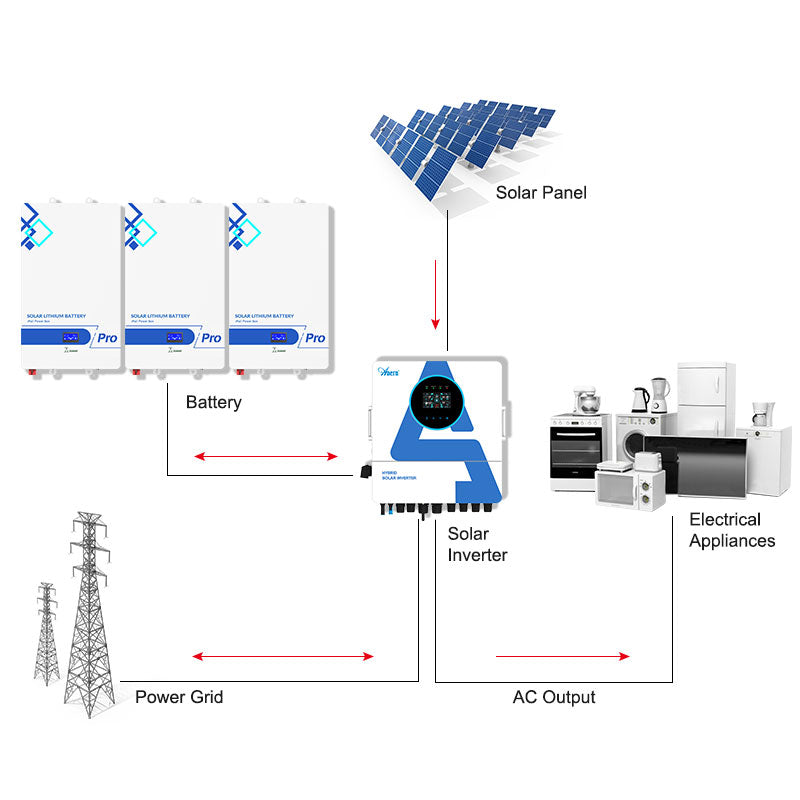
Add a battery and a hybrid inverter/charger to create a home microgrid during utility loss. The hybrid inverter forms a stable AC waveform, powers a dedicated “critical loads” panel, and manages PV and battery power automatically.
Key components
- Hybrid inverter with transfer function: Switches loads off the grid in milliseconds, creates a local AC source, and controls PV and battery charging. Look for compliance with UL 1741 SB/SA and IEEE 1547-2018.
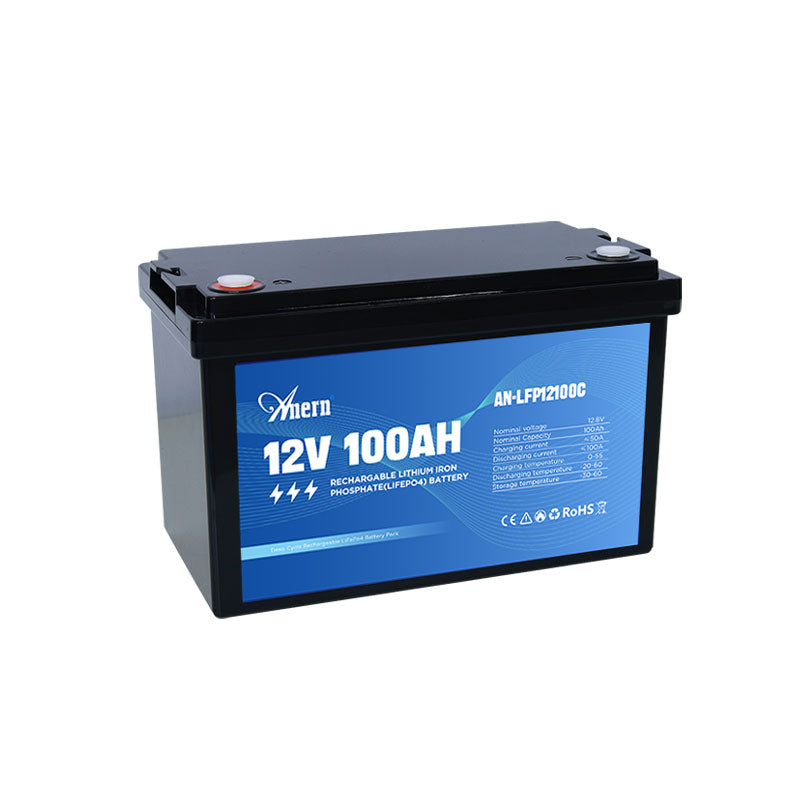
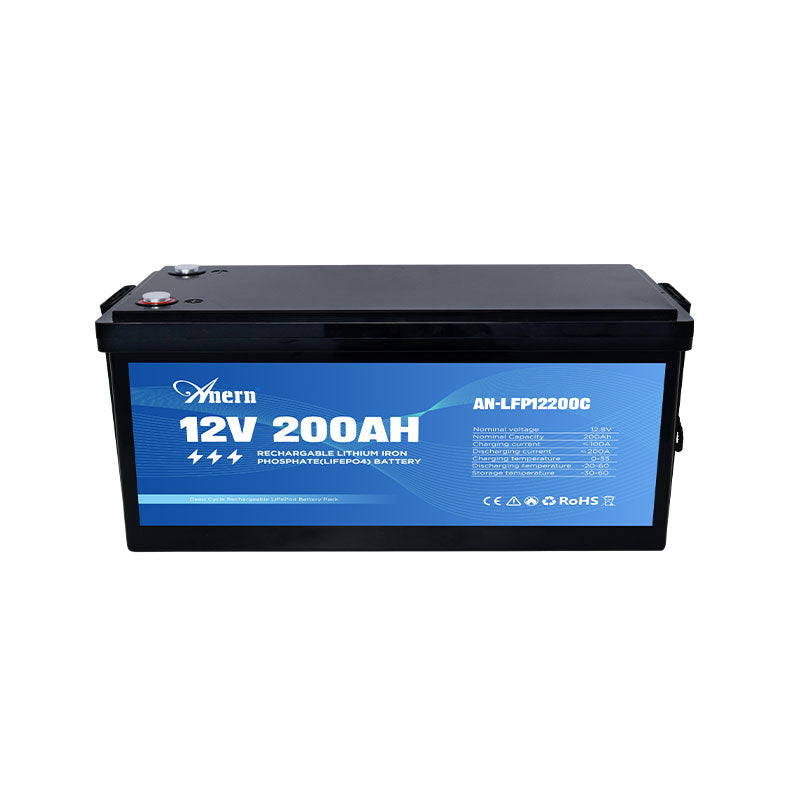
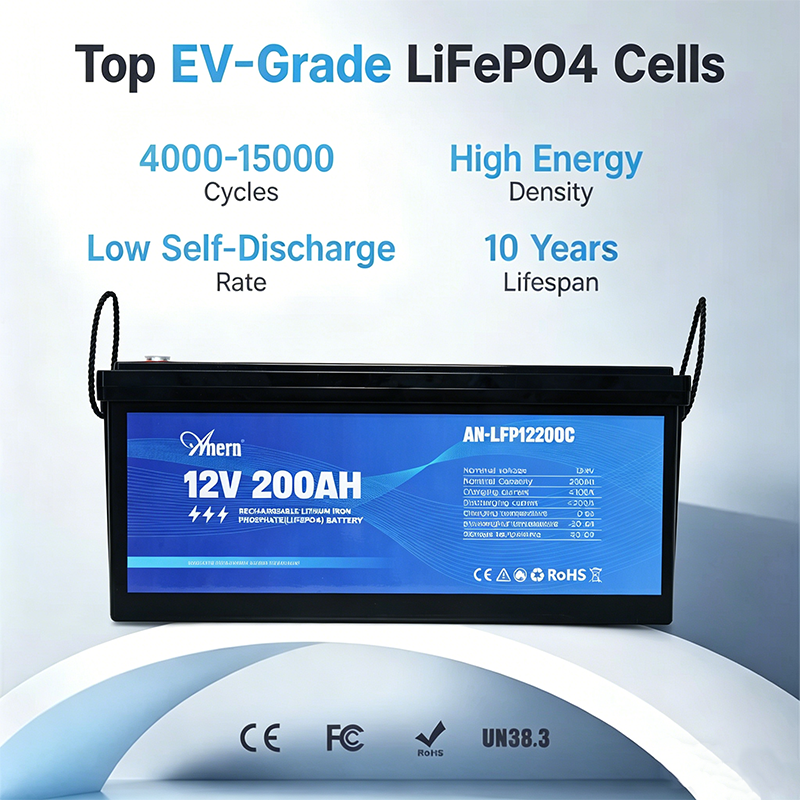
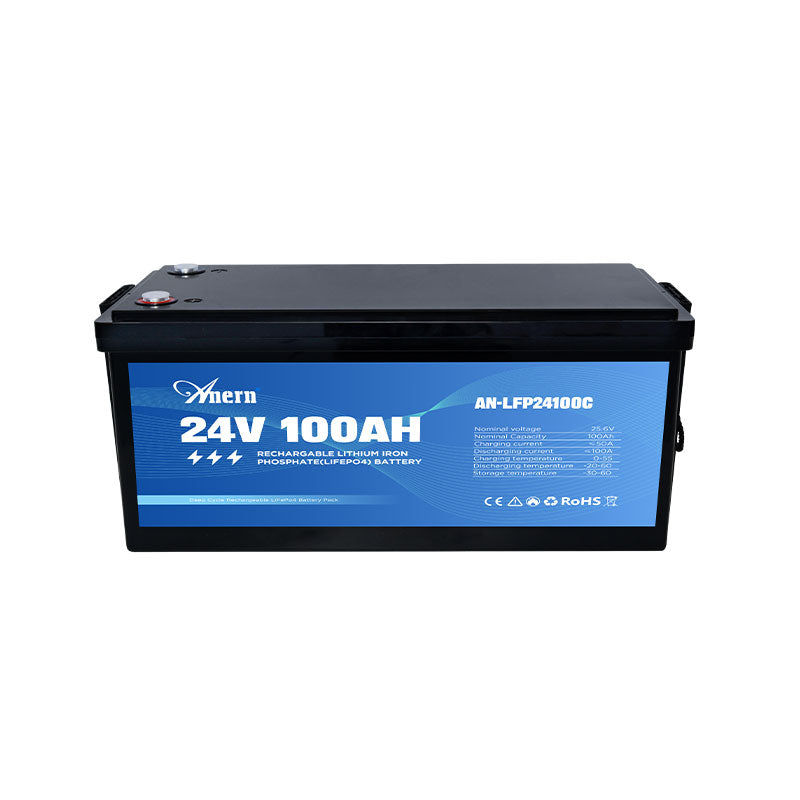
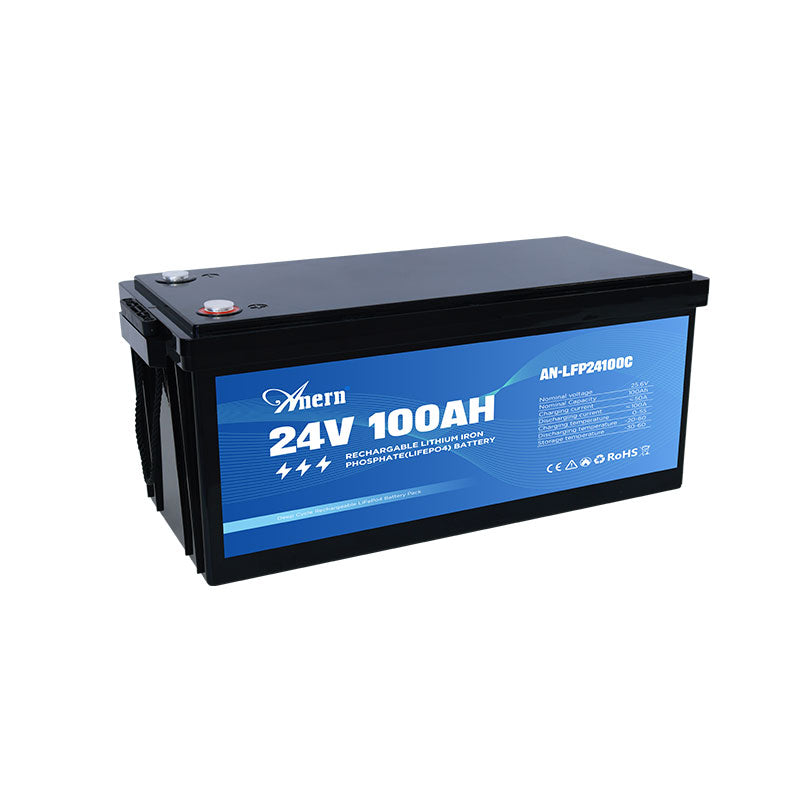
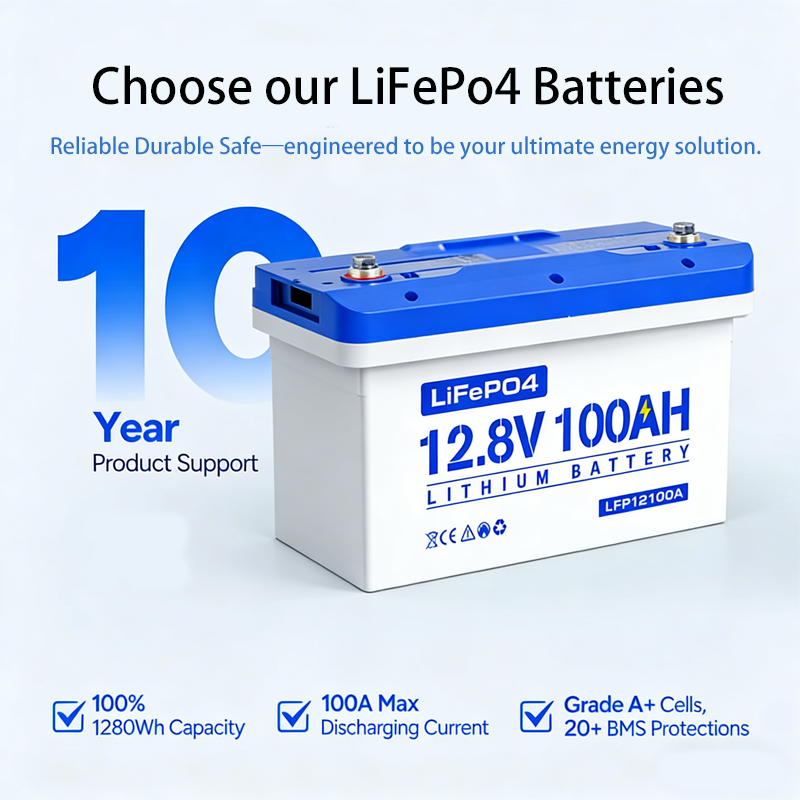
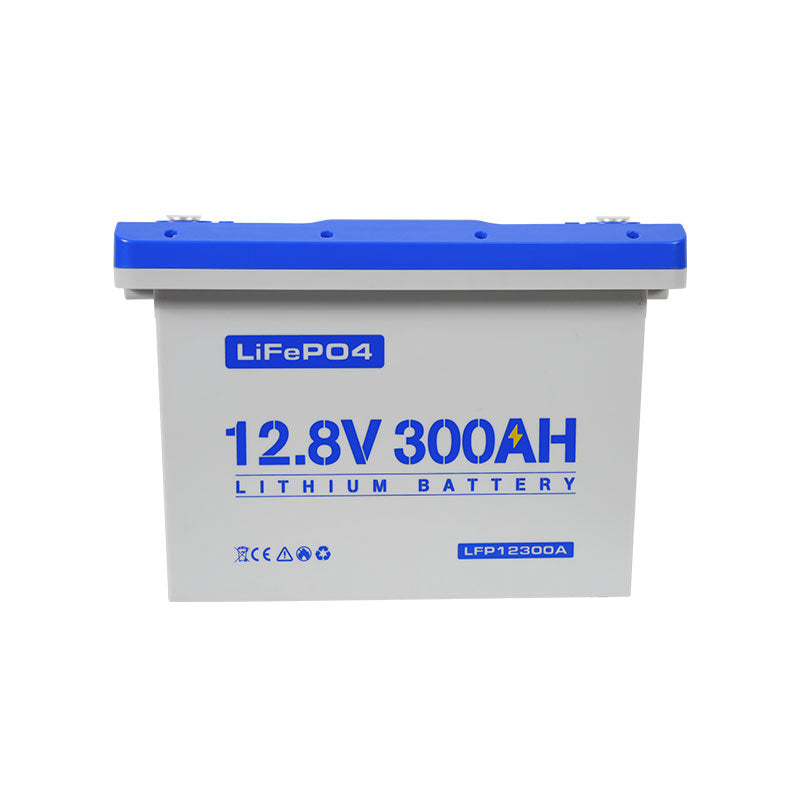
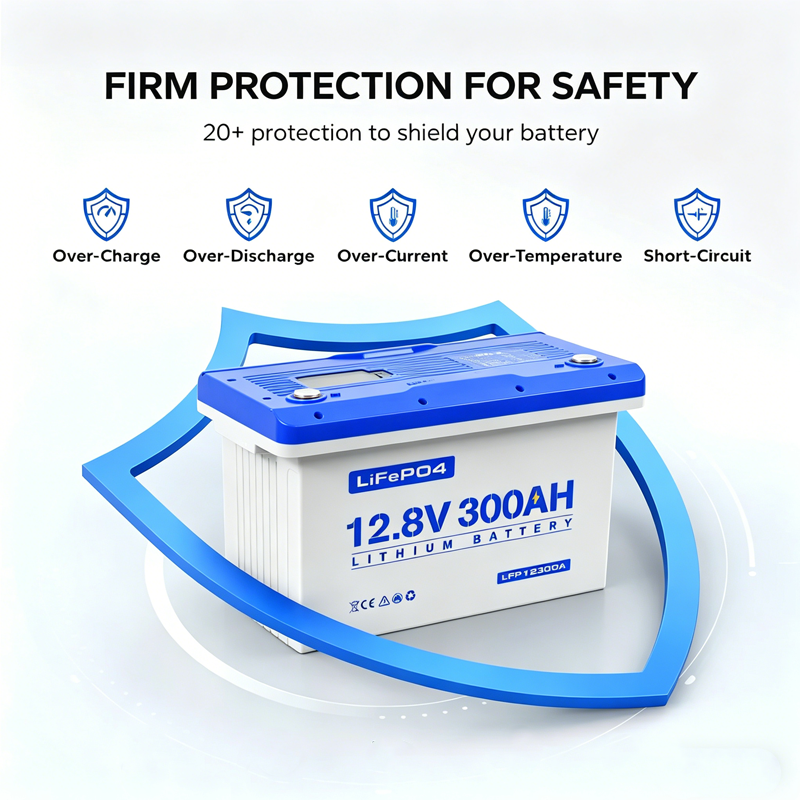
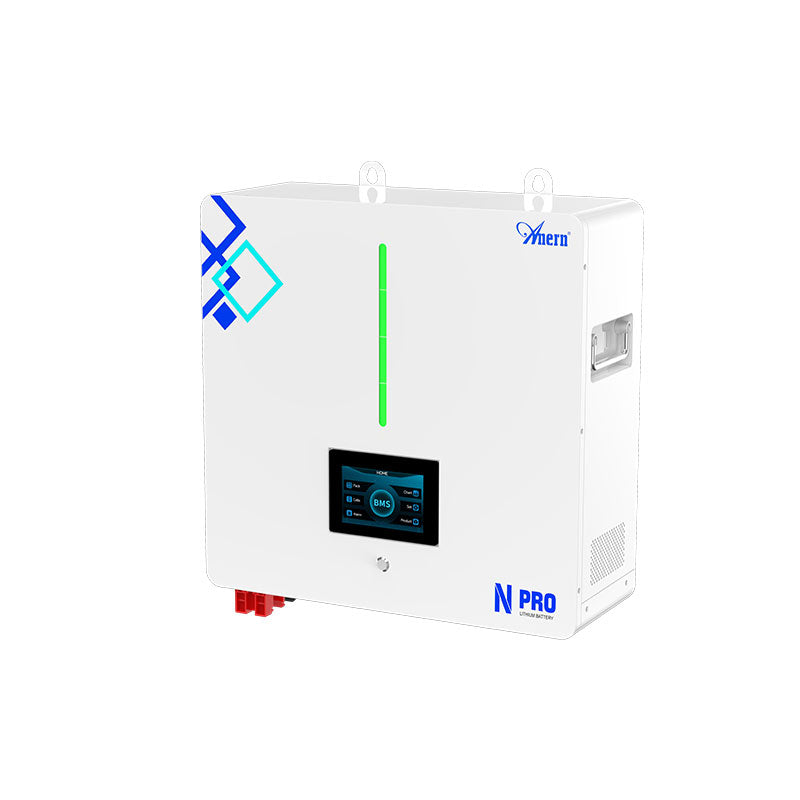
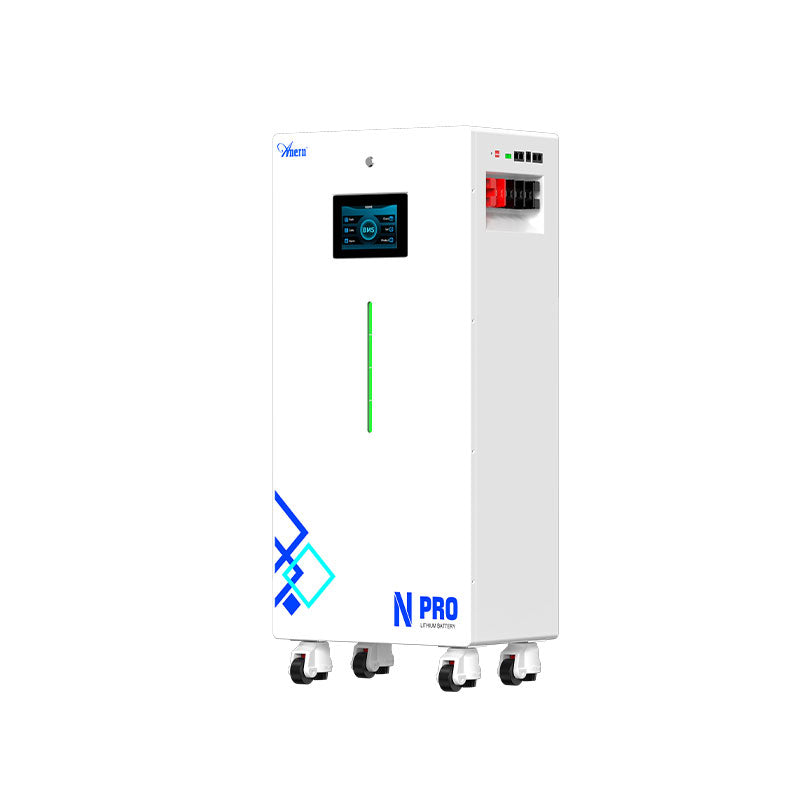
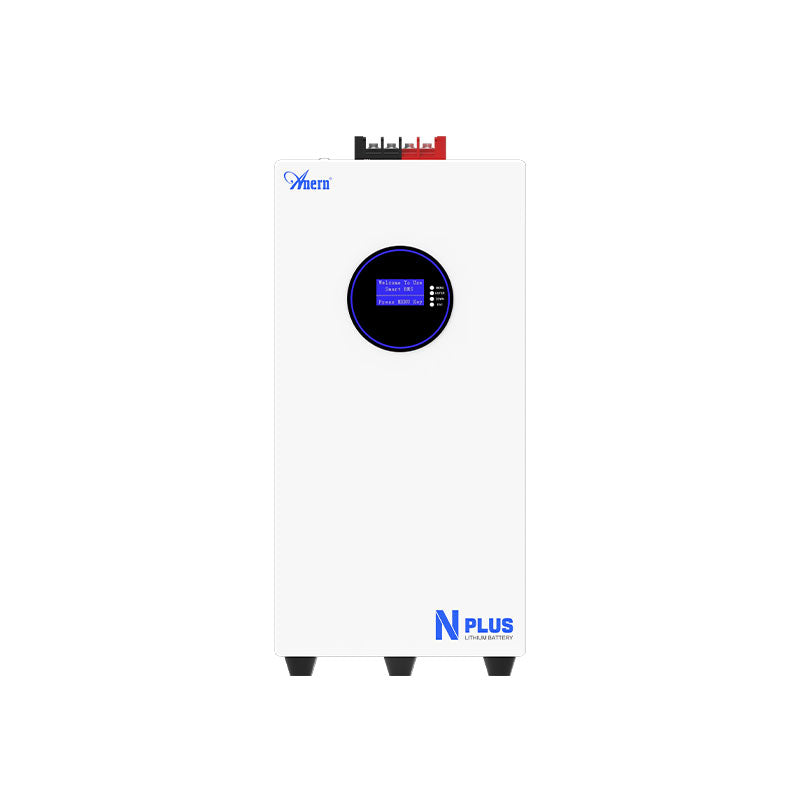
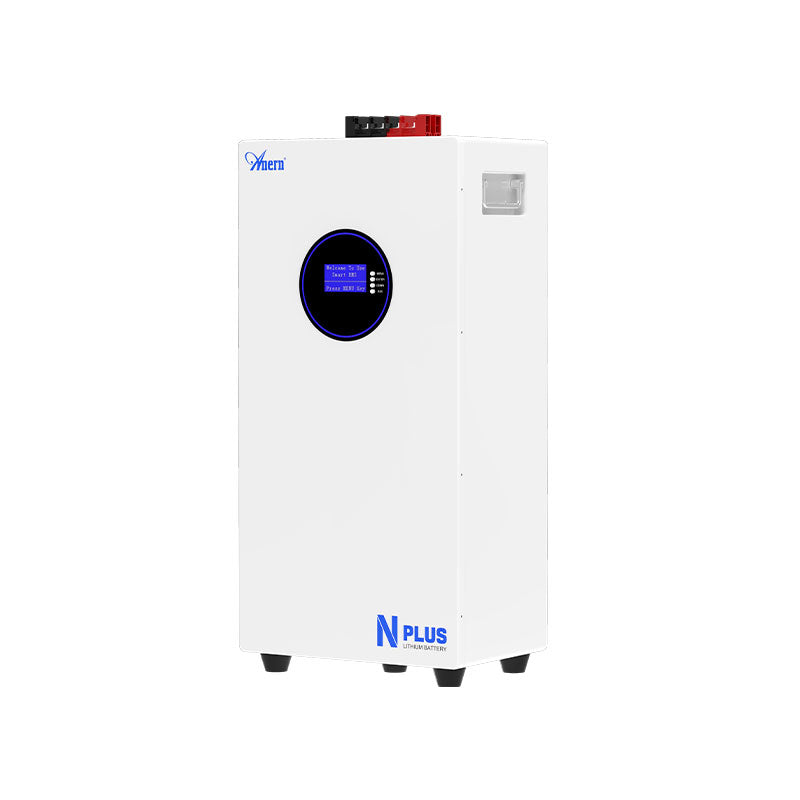
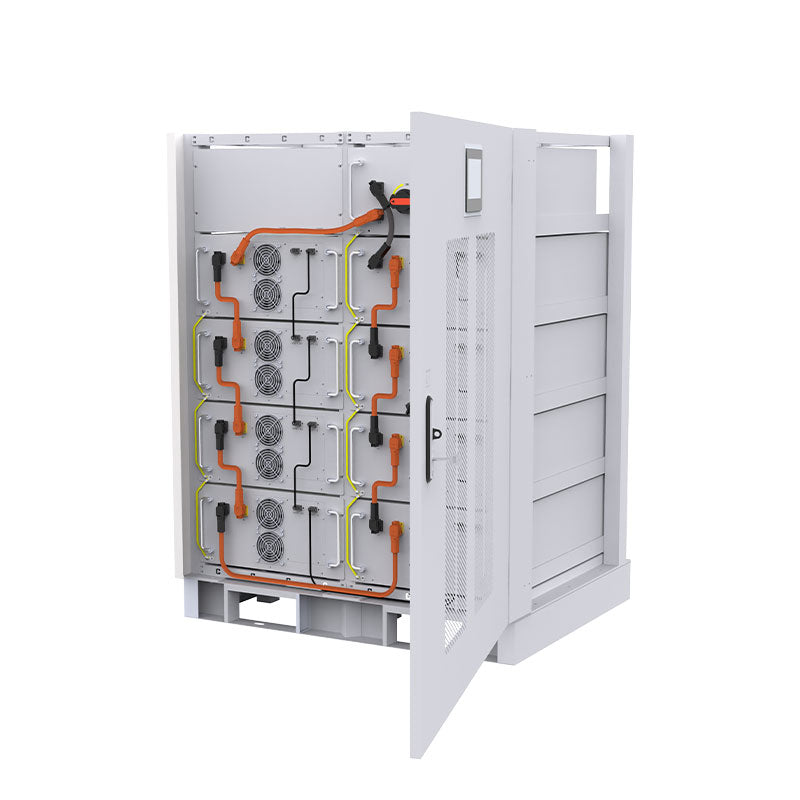
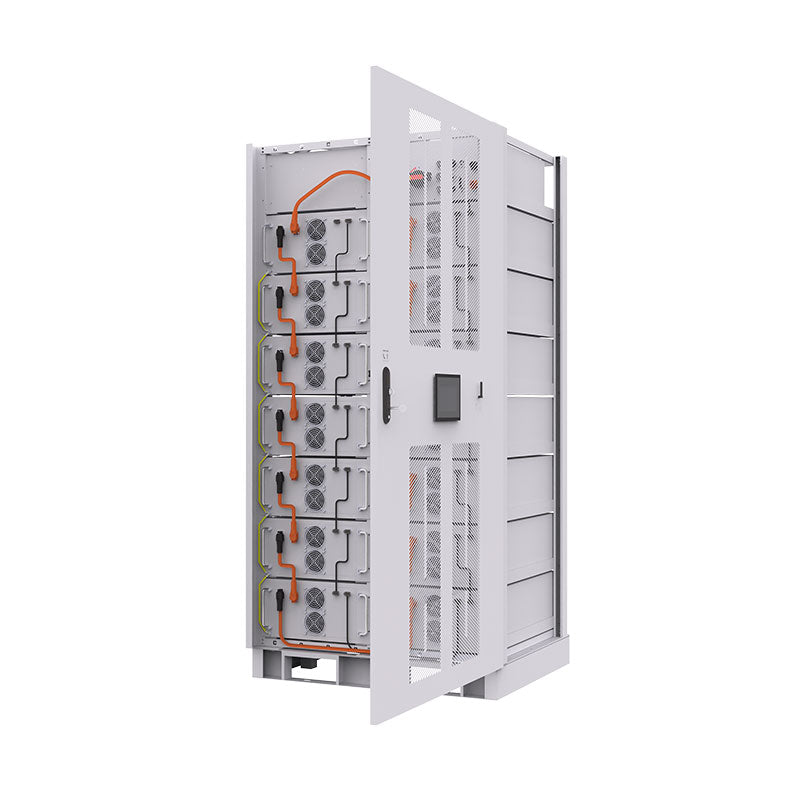
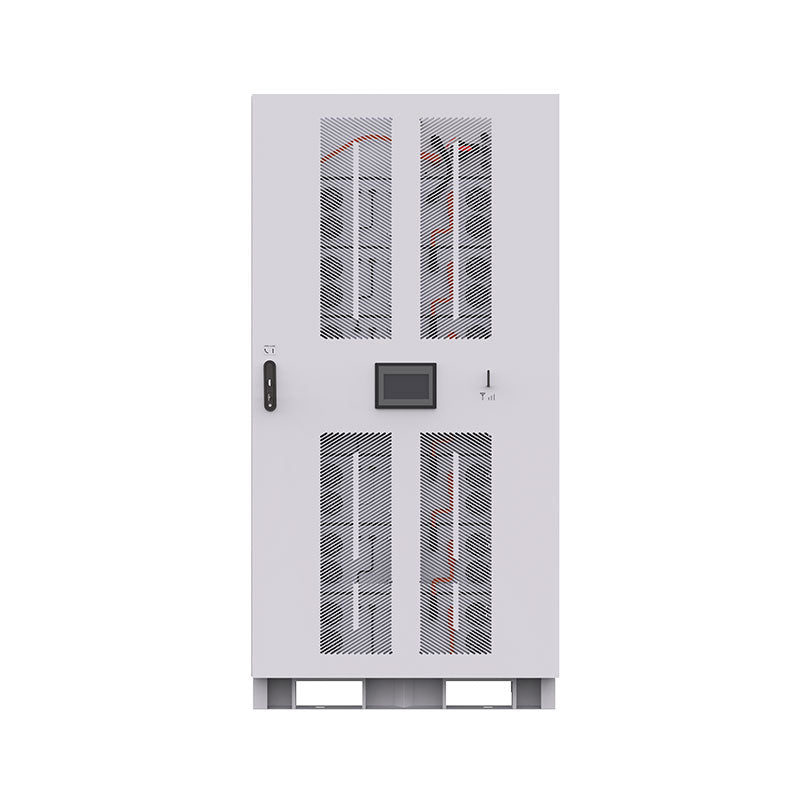
- Lithium battery storage: High round-trip efficiency and long cycle life. Many homes choose lithium iron phosphate (LiFePO4) for stability and high usable capacity.
- Critical loads subpanel: Feeds lighting, refrigerator, Wi‑Fi, outlets for device charging, gas boiler ignition, and select circuits. Heavy loads stay on the main panel unless the system is sized for whole-home backup.
- PV array: Keeps producing during daytime outages because the hybrid inverter “forms” the microgrid and throttles PV to match load and battery capacity.
During normal operation, the inverter exports solar to the grid and charges the battery as needed. During a blackout, it isolates the home, runs the critical loads from the battery, and uses PV to recharge whenever the sun is out.
Global PV capacity and output continue to expand, which makes adding batteries more valuable for resilience and grid services. The International Energy Agency notes rapid PV growth and rising shares of variable renewables in electricity systems, supporting the role of storage to balance supply and demand.
Right-size your backup: from loads to kWh
Start with your must-have circuits. Then size battery capacity and inverter power to match them. You can keep it simple with the steps below.
Step 1: List critical loads
Identify circuits that matter during an outage. Typical picks appear in the table. Adjust wattage and hours to your devices.
| Load | Typical Power (W) | Daily Hours | Daily Energy (Wh) | Notes |
|---|---|---|---|---|
| LED lighting (whole home, selective) | 120 | 5 | 600 | Use high-efficiency bulbs |
| Refrigerator | 150 | 10 (duty cycle) | 1,500 | Modern Energy Star units can be lower |
| Wi‑Fi router + modem | 20 | 16 | 320 | Keep communications up |
| Laptop + phone charging | 80 | 3 | 240 | Charge during daytime to save battery |
| Gas furnace/boiler fan & controls | 100 | 4 | 400 | Applies to gas heating systems |
| Well pump (intermittent) | 900 | 0.5 | 450 | High surge; consider soft-start |
| Total (example) | 3,510 Wh/day |
Step 2: Size the battery
- Daily critical load energy: example 3.5 kWh.
- Desired autonomy: 1–2 days without sun.
- Battery usable depth of discharge (DoD): LiFePO4 often allows 80–90% usable.
Example: 3.5 kWh/day × 1.5 days ÷ 0.85 usable ≈ 6.2 kWh. Round up to 7–10 kWh to add margin and account for inverter losses. Many homes choose 10–15 kWh for comfort.
Step 3: Size the inverter
- Continuous power: add simultaneous loads. The example may need 2–3 kW.
- Surge power: motors and compressors can need 3–6× their running watts for a second or two. Pick an inverter with high surge rating or add soft-start kits to large compressors.
- Split-phase 120/240 V support: needed for U.S. homes with 240 V loads. Check the inverter’s output specs.
Battery chemistry choices and why LiFePO4 stands out
We specialize in lithium batteries and integrated energy storage systems. For backup, LiFePO4 offers strong safety and longevity. The table compares common options.
| Chemistry | Typical Usable DoD | Cycle Life (to ~80% capacity) | Round-trip Efficiency | Notes |
|---|---|---|---|---|
| Lead-acid (AGM/gel) | ~50% | 300–700 (at 50% DoD) | 80–85% | Lower cost upfront, heavier, shorter life |
| Lithium iron phosphate (LiFePO4) | 80–90% | 3,000–6,000+ | 92–98% | Thermally stable, long life, excellent for home ESS |
| Lithium nickel manganese cobalt (NMC) | 80–90% | 2,000–4,000 | 90–96% | Higher energy density; stricter thermal management |
Storage is scaling fast across power systems to integrate more renewables. IRENA’s storage market study highlights declining battery costs and expanding use cases, from behind-the-meter backup to grid services.
Backup architectures that work
Critical-loads backup
Most homes use a critical-loads subpanel. This keeps battery and inverter size reasonable while protecting comfort. You power lights, refrigeration, internet, and key outlets. High-power appliances remain on the main panel.
Whole-home backup
Whole-home backup needs larger inverters (often 8–15 kW+) and more battery capacity. Add load-shedding relays or smart controls to manage EV chargers or electric ranges. For central AC or heat pumps, consider soft-start devices to reduce compressor surge.
Off-grid and remote sites
In remote areas with weak grids, a full off-grid solar solution may make sense. A properly sized PV array, LiFePO4 battery bank, and solar inverter can run homes, cabins, or farms year-round with a generator as seasonal backup.
Safety, code, and installation tips
- Standards: Inverters should meet UL 1741 SB/SA and IEEE 1547-2018. Battery systems should meet UL 9540 and use components with appropriate listings. Some jurisdictions ask for UL 9540A test data for fire safety assessment.
- Rapid shutdown: NEC 690.12 requires rooftop PV to de-energize conductors near the array. Modern inverters and module-level electronics support this function.
- Arc-fault and ground-fault protection: NEC 690.11 and 690.41 reduce fire risk and improve safety.
- Environmental placement: Keep batteries in dry, temperature-controlled spaces. LiFePO4 performs best above 0°C for charging; use battery heaters in cold climates as needed.
- Ventilation and clearances: Follow manufacturer instructions and local AHJ requirements. Maintain access for service.
- Permitting and interconnection: Coordinate with your installer and utility. DOE’s Energy Saver pages outline typical steps for residential solar.
Real value: outage resilience plus bill savings
Battery storage covers outages and can also reduce bills. Many hybrid inverters offer time-of-use shifting. Charge the battery from midday solar and use it during peak-rate hours in the evening. That can trim high-cost kWh without exporting as much to the grid.
Residential electricity prices can vary by region and time. EIA’s data dashboard tracks retail price trends and TOU programs. See the EIA electricity updates: Electricity Monthly Update.
As solar grows, storage supports grid flexibility and helps keep networks stable, as noted by the IEA. This strengthens the case for pairing rooftop PV with home batteries.
Worked example: keep lights on for a 24‑hour outage
Assume a 6 kW rooftop PV, a 10 kWh LiFePO4 battery, and a 5 kW hybrid inverter. Critical loads use about 3.5 kWh per day as in the table.
- Evening and night: Battery supplies ~2.5–3 kWh from sunset to sunrise, leaving reserve for morning.
- Daytime: PV meets active loads (300–800 W typical) and recharges the battery. On a clear day, even at 30–40% of array rating due to clouds or angle, you can refill several kWh.
- Load management: Delay laundry, electric oven, and EV charging. Use microwave and induction pans for short cooking bursts.
This setup maintains lighting, refrigeration, connectivity, and gas heating controls during a 24-hour outage with margin. Add another 10 kWh battery if you want longer autonomy or to cover a well pump with frequent use.
Our approach to reliable backup
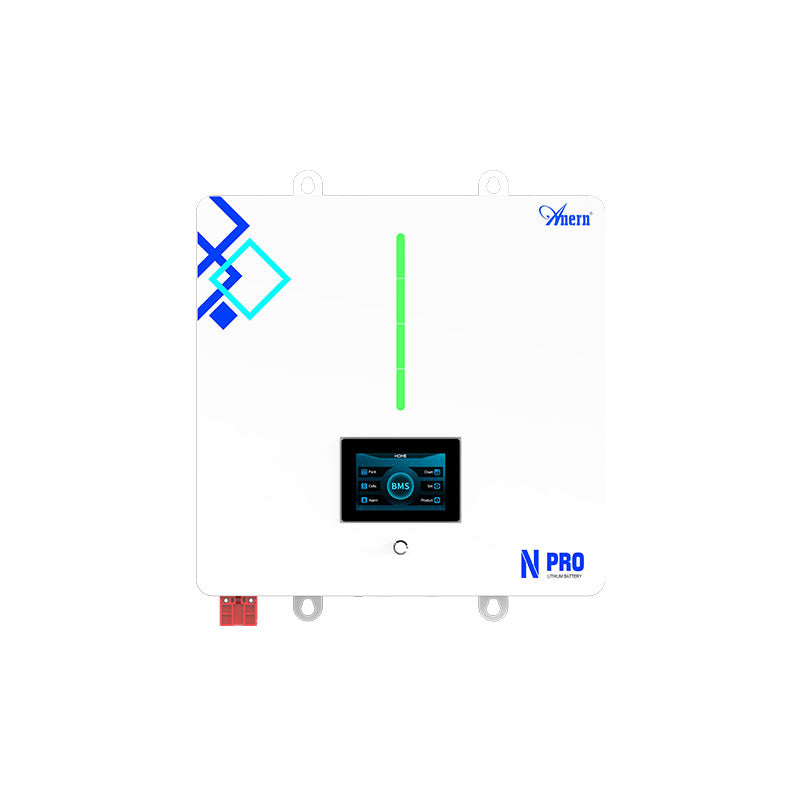
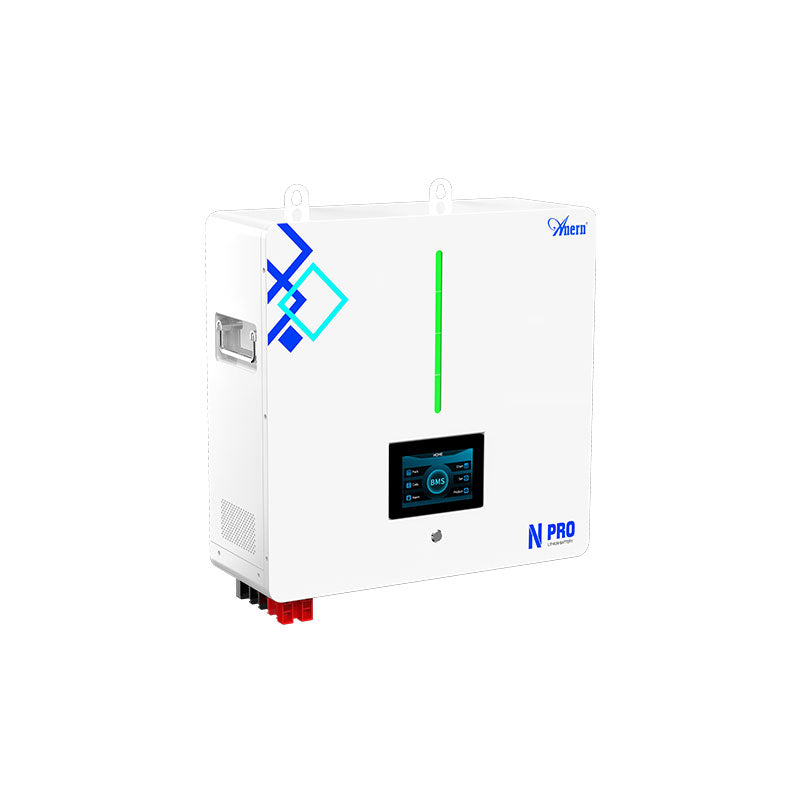
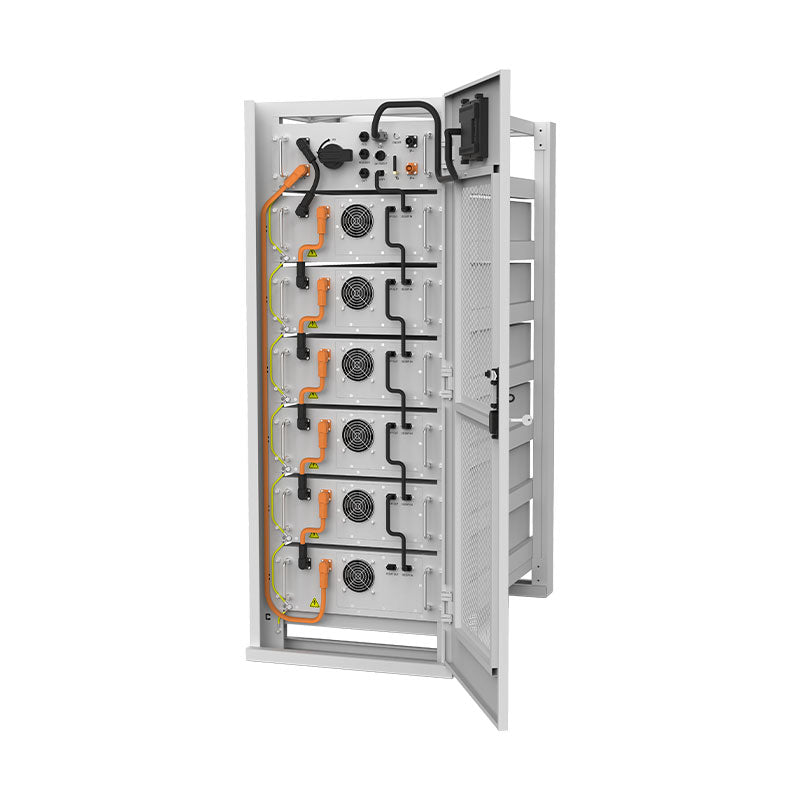
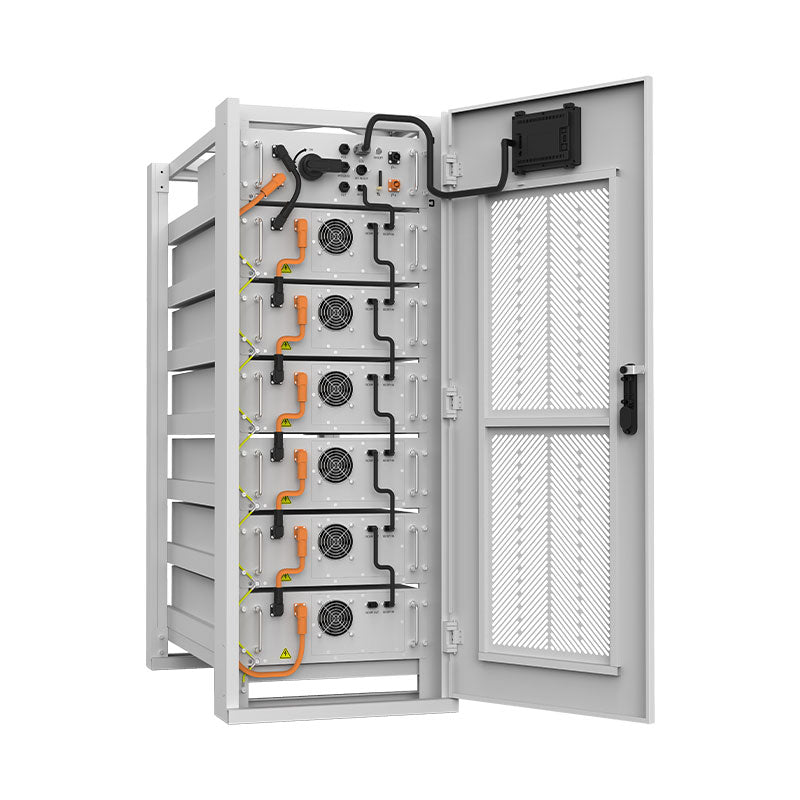
We build LiFePO4 batteries designed for home energy storage, with high cycle life and robust protection. Our integrated ESS pairs a hybrid inverter, battery modules, and PV into a compact unit for faster installs and easy expansion. For remote sites, our off‑grid solar solutions power homes, farms, and cabins with minimal maintenance. Our solar inverters deliver stable AC, strong surge handling, and smart controls for backup and time-of-use savings. The goal is simple: reliable, scalable energy that brings you closer to energy independence.
Key takeaways
- Standard grid-tied solar turns off during outages due to anti‑islanding requirements, as explained by DOE Energy Saver.
- Solar plus battery backup uses a hybrid inverter to form a safe home microgrid and power critical loads.
- Right-size by listing loads, sizing battery kWh for 1–2 days, and picking an inverter with adequate surge.
- LiFePO4 batteries offer long life, high usable capacity, and strong safety for home ESS.
- Storage adds value beyond outages through peak shaving and time-of-use shifting, supported by trends noted by the IEA and data from the EIA.
According to IRENA, storage adoption is rising across markets. Pairing your grid-tied solar with battery storage brings practical resilience today and a path to deeper savings over time.
